

Top 10 Best Walkable Small Towns in America in 2027
 Curated byKory White · Fractional CRO · Maryland
Quality
Certified
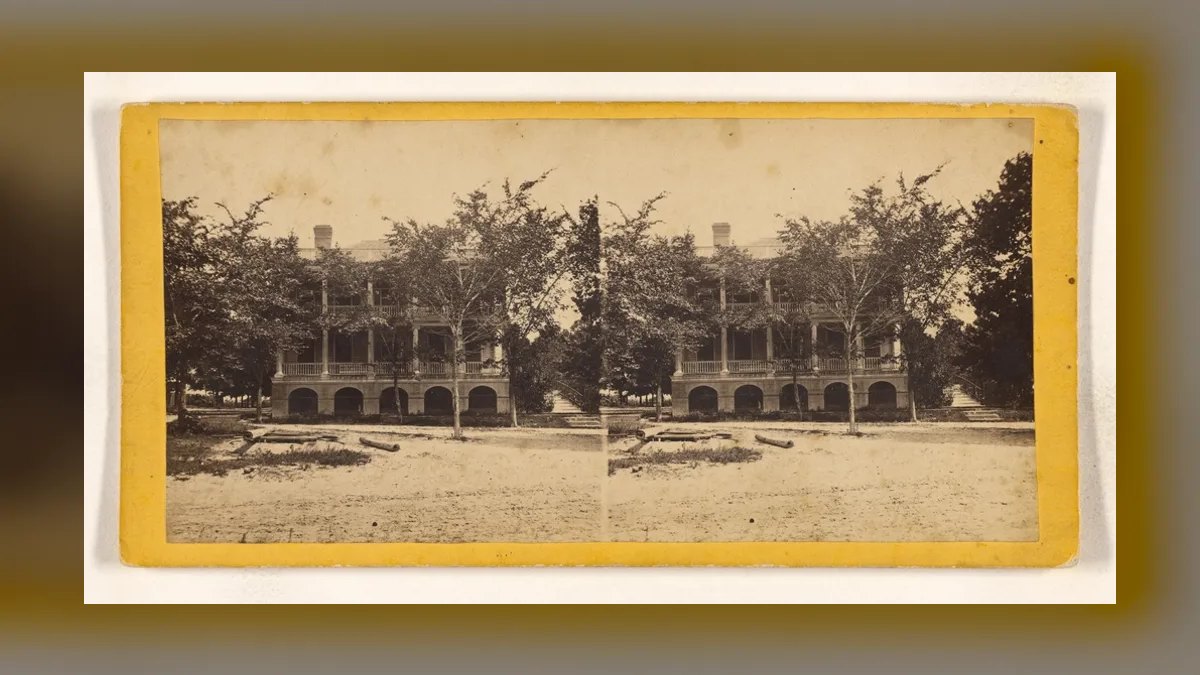
The Best Overall walkable small town in America is Beaufort, South Carolina, a Lowcountry gem where a flat, oak-shaded historic district, a waterfront promenade, and a compact downtown let residents and visitors live almost entirely on foot. The Best Value pick is Galena, Illinois, where a remarkably preserved Main Street climbs through a 19th-century downtown and delivers genuine walkable charm for far less than the mountain destinations.
This list is built for retirees, remote workers, and travelers who want to park the car and live by foot — to reach coffee, dinner, trails, and Main Street shops within a short stroll — covering small towns nationwide prized for compact, pedestrian-friendly cores. Every pick uses real, publicly reported data on home prices, downtown design, and community size.
How We Ranked the Top 10
We weighted each town against what walkability-focused buyers and visitors say matters most: can you live a full day without a car? Sources include U.S. Census / data.census.gov, Niche, Zillow, Realtor.com, BestPlaces, Walk Score concepts, and local town data. The weighting:
- Walkability and downtown design — 25%
- Affordability and home value — 20%
- Safety — 20%
- Amenities and dining within walking distance — 15%
- Scenery and lifestyle — 10%
- Community feel — 10%
A town with a gorgeous setting but a car-dependent sprawl, or a walkable core no one can afford, drops fast. The winners balance all six.
1Beaufort, South Carolina 🏆 BEST OVERALL
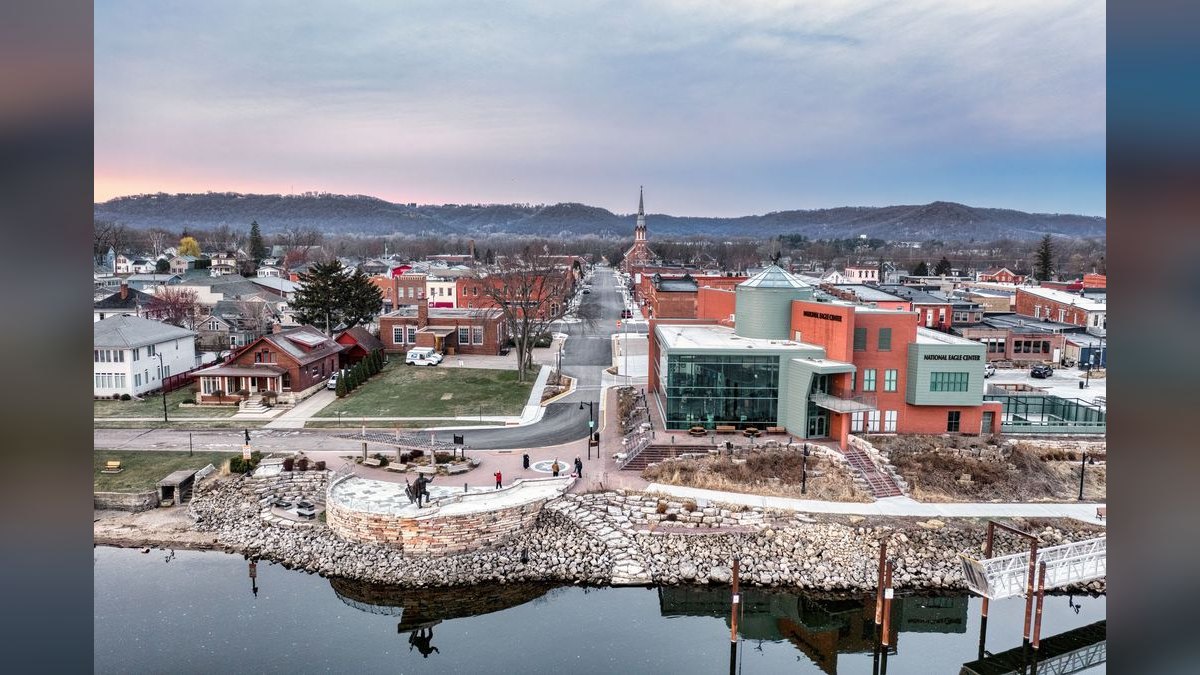
County: Beaufort | Median home: $385,000 (estimated) | Best for: Walkers who want flat, year-round strolling and Lowcountry charm
Beaufort, population around 13,000, is the most complete walkable small town in the country. Its National Historic Landmark District is flat, shaded by centuries-old live oaks, and laid out in a tight grid that puts the waterfront Henry C. Chambers Park, antebellum homes, galleries, and the Bay Street dining row all within an easy stroll. The mild Lowcountry climate makes year-round walking realistic, crime is low, and the cost of living is reasonable. The town has drawn filmmakers and writers for decades, and the mix of military families from nearby bases, retirees, and remote workers gives it real diversity and energy. You can genuinely live here without starting a car most days.
Pros:
- Flat, shaded grid that's walkable year-round
- Waterfront park and Bay Street dining steps from homes
- Reasonable median for a historic coastal town
- Low crime and a diverse, welcoming community
Cons:
- Summer heat and humidity can be intense
- Some daily errands still require a short drive
Verdict: Beaufort wins on balance — flat year-round walkability, real affordability, and Lowcountry beauty with no weak spot.
2Galena, Illinois 💎 BEST VALUE
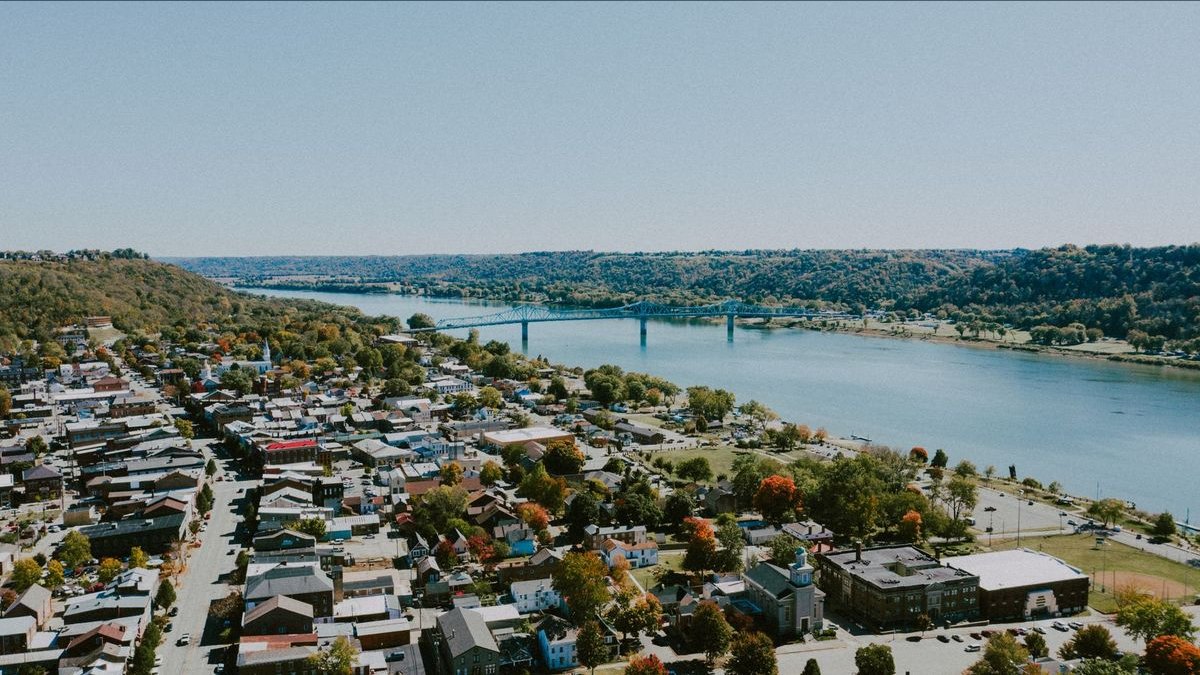
County: Jo Daviess | Median home: $250,000 (estimated) | Best for: Buyers who want walkable history for the least money
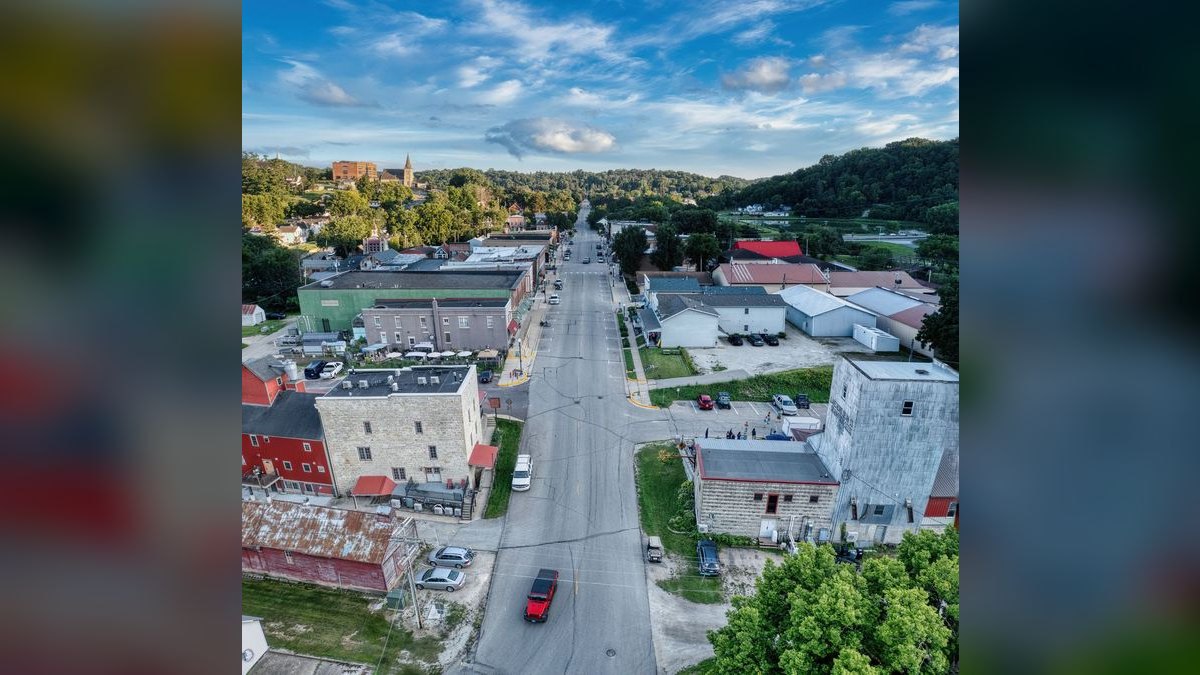
Galena, population around 3,200, is the value champion of walkable America. Its Main Street is one of the best-preserved 19th-century commercial districts in the country, a compact corridor of brick storefronts, restaurants, and shops set in the rolling hills of northwest Illinois. The town is genuinely strollable, crime is very low, and a median home price around $250,000 makes that walkable charm attainable in a way the resort towns never will be. Once home to Ulysses S. Grant, Galena leans into its history with festivals, riverfront paths, and a thriving small-business core. Some streets are hilly, but the downtown itself is flat and dense, and the value is unmatched.
Pros:
- Lowest median home price of any top pick
- Exceptionally preserved, walkable Main Street
- Very low crime and rich, marketed history
- Festivals, shops, and dining within a short stroll
Cons:
- Surrounding terrain is hilly away from downtown
- Winters are cold, limiting some outdoor walking
Verdict: The value leader — genuine walkable history for a fraction of the resort-town price.
3Bar Harbor, Maine
County: Hancock | Median home: $625,000 (estimated) | Best for: Walkers who want a coastal town beside a national park
Bar Harbor, population around 5,500, anchors Mount Desert Island at the edge of Acadia National Park, blending a compact downtown with direct access to one of the most beautiful coastlines in America. The village core packs restaurants, lobster shacks, shops, and the Shore Path into a walkable few blocks, and a free island shuttle connects to Acadia's trails and carriage roads. Crime is minimal and the scenery is exceptional, though the median near $625,000 and a seasonal economy are real tradeoffs. For walkers who want a town center plus world-class hiking out the back door, few places compare. Summers buzz with visitors; winters are quiet and tight-knit.
Pros:
- Compact downtown beside Acadia National Park
- Free shuttle to trails reduces car dependence
- Stunning coastline, Shore Path, and harbor views
- Very low crime and strong seasonal dining scene
Cons:
- High median home price
- Heavily seasonal with quiet, cold winters
Verdict: The coastal-park pick — ideal for walkers who want a town center and Acadia trails together.
4Stowe, Vermont
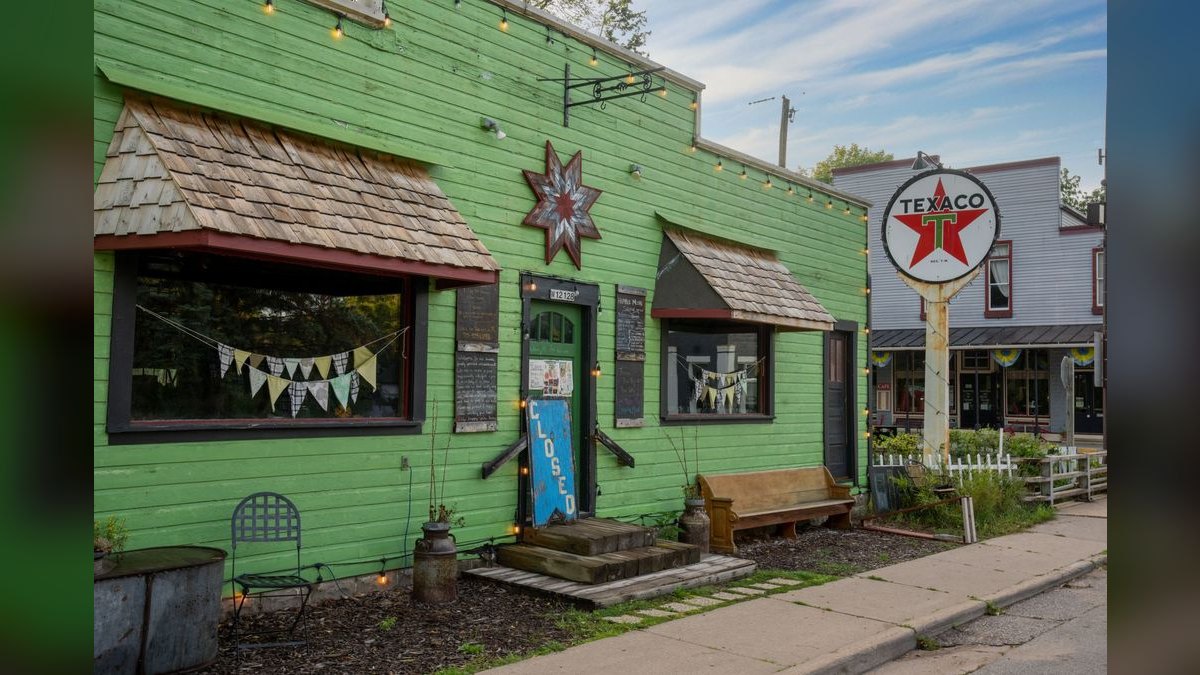
County: Lamoille | Median home: $750,000 (estimated) | Best for: Buyers who want a classic New England village and mountains
Stowe, population around 5,400, is the quintessential New England mountain village, with a walkable Main Street of white-steepled churches, inns, and farm-to-table restaurants framed by the Green Mountains. The paved Stowe Recreation Path runs about 5.3 miles along the river, letting residents walk or bike between the village and outlying areas car-free. Crime is very low and the four-season appeal — skiing at Stowe Mountain Resort, fall foliage, summer hiking — is genuine, though a median near $750,000 reflects the demand. The village core is compact and charming; the surrounding valley is more spread out. It's a postcard town that rewards walkers willing to pay for the setting.
Pros:
- Charming, walkable classic New England village
- 5.3-mile paved recreation path for car-free travel
- Four-season recreation and world-class skiing
- Very low crime and excellent dining
Cons:
- High median home price
- Outlying areas are spread out and car-dependent
Verdict: The New England splurge — worth it for a storybook village and mountains if the budget fits.
5Telluride, Colorado
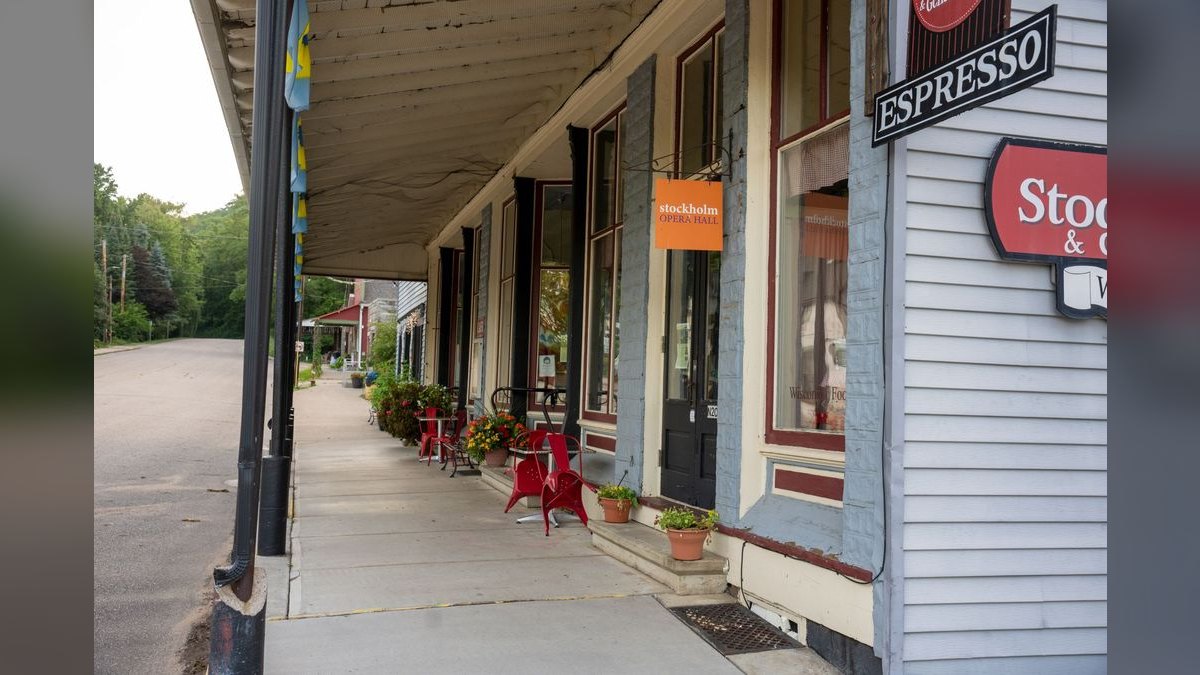
County: San Miguel | Median home: $1,800,000 (estimated) | Best for: Buyers who want a car-free mountain box canyon
Telluride, population around 2,500, sits in a dramatic box canyon in the San Juan Mountains and is one of the most genuinely car-free towns in America. The historic grid is compact and flat on the valley floor, a free gondola connects the town to Mountain Village without a car, and residents walk or bike to skiing, festivals, and a dense Main Street of restaurants and shops. Crime is negligible and the scenery is staggering, but the cost is extraordinary — a median around $1.8 million makes it the priciest pick by far. For those who can afford it, Telluride offers a walkable, festival-rich mountain life that few places on earth can match.
Pros:
- Flat, walkable historic grid in a stunning canyon
- Free gondola links town and slopes car-free
- World-class skiing and famous festivals on foot
- Negligible crime and breathtaking scenery
Cons:
- Extreme median home price
- Remote location with limited services and high altitude
Verdict: The car-free mountain dream — unmatched if you can absorb the extraordinary cost.
6Carmel-by-the-Sea, California

County: Monterey | Median home: $2,200,000 (estimated) | Best for: Walkers who want a storybook coastal village
Carmel-by-the-Sea, population around 3,200, is a fairy-tale coastal village on the Monterey Peninsula, famous for cottages, courtyards, art galleries, and a one-square-mile core with no street addresses and no streetlights by design. It is intensely walkable: residents stroll to Carmel Beach, dozens of restaurants, wine-tasting rooms, and boutiques within blocks. Crime is very low and the mild coastal climate makes year-round walking easy, but the median near $2.2 million is among the highest in the nation. For buyers who want a dense, beautiful, dog-friendly village by the Pacific, Carmel is in a class of its own — provided the budget is there.
Pros:
- Dense, one-square-mile walkable village core
- Carmel Beach, galleries, and dining within blocks
- Mild coastal climate for year-round strolling
- Very low crime and famously dog-friendly streets
Cons:
- Among the highest home prices in the country
- Heavy tourist traffic in peak seasons
Verdict: The coastal-village splurge — a storybook walk if you can meet the steep price of entry.
7Annapolis, Maryland

County: Anne Arundel | Median home: $500,000 (estimated) | Best for: Walkers who want a historic waterfront capital
Annapolis, Maryland's capital with a population around 40,000, blends a Colonial-era walkable core with a working Chesapeake Bay waterfront. The compact Historic District radiates from the State House down brick streets to City Dock, putting restaurants, the Naval Academy, shops, and the harbor all within an easy stroll. It's larger than most towns here, but the core is dense and pedestrian-first, crime in the historic area is moderate, and a median near $500,000 is reasonable for a coastal capital. The United States Naval Academy and a deep sailing culture give it year-round energy. For walkers who want history, water, and real city amenities, Annapolis delivers.
Pros:
- Dense, walkable Colonial historic district
- City Dock waterfront and Naval Academy on foot
- Reasonable median for a coastal capital
- Year-round sailing culture and dining scene
Cons:
- Larger than a true small town, with suburban sprawl beyond the core
- Summer tourist and boat-show crowds get heavy
Verdict: The waterfront-capital pick — strong for walkers who want history, water, and full city amenities.
8Aspen, Colorado

County: Pitkin | Median home: $3,000,000 (estimated) | Best for: Buyers who want a walkable ski town with culture
Aspen, population around 7,000, is a famous Rocky Mountain town whose compact downtown grid is genuinely walkable, with a pedestrian mall, restaurants, galleries, and the base of Aspen Mountain all within strolling distance. A free in-town shuttle and bike paths reduce car use, crime is very low, and the cultural calendar — from the Aspen Music Festival to film and ideas festivals — rivals far larger cities. The catch is price: a median around $3 million makes it one of the most expensive towns in the world. For walkers who want elite skiing, culture, and a pedestrian core and have the means, Aspen sits at the top of the mountain.
Pros:
- Walkable downtown grid with a pedestrian mall
- Free shuttle and bike paths cut car dependence
- World-class skiing and a rich cultural calendar
- Very low crime and pristine mountain setting
Cons:
- Among the most expensive home prices on earth
- Remote, high-altitude, and intensely seasonal
Verdict: The luxury ski-culture pick — a walkable mountain icon for those who can afford it.
9Park City, Utah

County: Summit | Median home: $1,500,000 (estimated) | Best for: Buyers who want a historic Main Street and ski access
Park City, population around 8,400, pairs a historic, walkable Main Street of silver-mining-era buildings with direct access to two major ski resorts and the Sundance Film Festival. The Main Street corridor is dense with restaurants, galleries, and shops, a free transit system connects neighborhoods and slopes, and the town's trail network is extensive for warm-weather walking and biking. Crime is very low, and a median near $1.5 million — while steep — undercuts Aspen and Telluride. For buyers who want a genuine walkable historic core plus year-round mountain recreation within 40 minutes of Salt Lake City's airport, Park City is a strong, comparatively accessible choice.
Pros:
- Historic, walkable Main Street with dense dining
- Free transit and trails reduce car use
- Two ski resorts and Sundance within reach
- Closer airport access than rival mountain towns
Cons:
- High median home price
- Crowds spike during ski season and Sundance
Verdict: The accessible mountain pick — a walkable historic town with easier airport access than its rivals.
10Saugatuck, Michigan
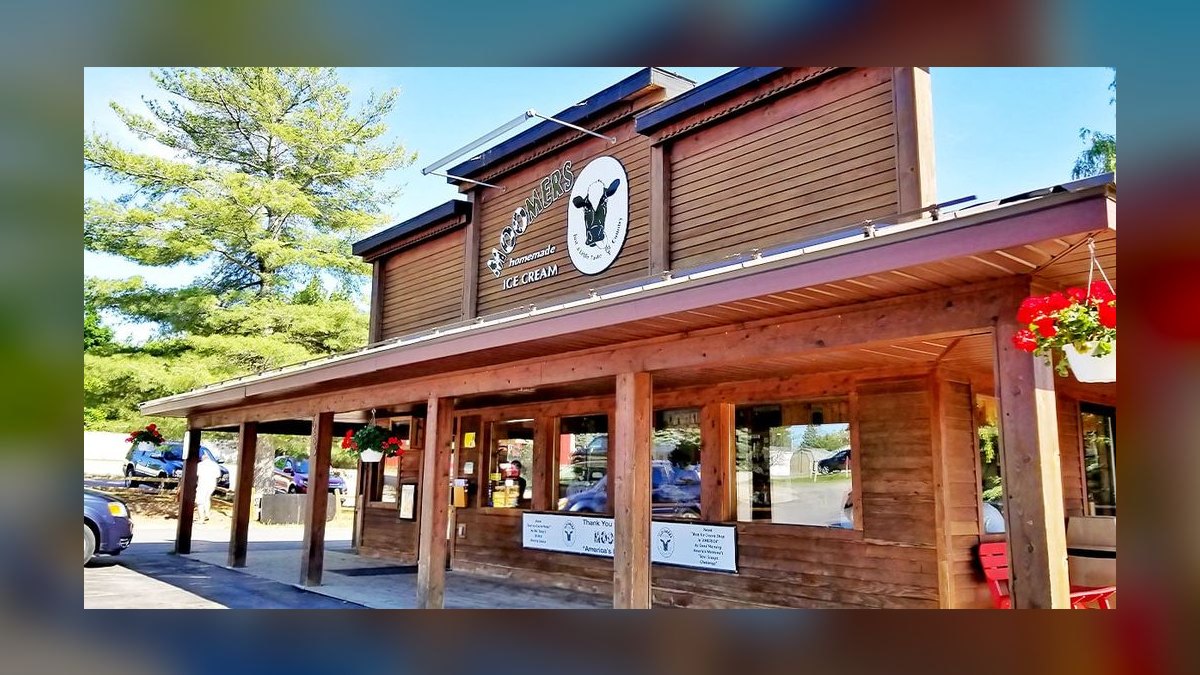
County: Allegan | Median home: $450,000 (estimated) | Best for: Walkers who want a lakeshore arts village
Saugatuck, population around 900, is a tiny but beloved arts village on Lake Michigan, with a walkable downtown of galleries, restaurants, and shops set along the Kalamazoo River harbor. Despite its small size, the core is dense and strollable, a chain ferry crosses the river, and Oval Beach ranks among the country's best freshwater beaches. Crime is very low, the community is famously welcoming and arts-driven, and a median near $450,000 is moderate for a lakeshore destination. The town is intensely seasonal — vibrant from spring through fall, quiet in winter — but for walkers who want a charming, creative lakefront village, Saugatuck is a delight.
Pros:
- Dense, walkable arts-village downtown
- Harbor, ferry, and Oval Beach within a stroll
- Moderate median for a lakeshore town
- Welcoming, creative, very low-crime community
Cons:
- Heavily seasonal with quiet winters
- Very small, so amenities are limited off-season
Verdict: The lakeshore-arts pick — a charming, walkable village for warm-season living and creativity.
Which Town Is Right for You?
What to Look For When Choosing a Walkable Small Town
- Downtown density, not just charm — A pretty town can still be car-dependent. Confirm that groceries, dining, and daily errands sit within a true walking radius of the homes you're considering.
- Terrain and climate — Flat towns like Beaufort and Carmel walk easily year-round; hilly or snowy towns like Galena and Stowe limit comfortable walking in winter or on steep streets.
- Car-free infrastructure — Free gondolas, shuttles, and recreation paths in Telluride, Stowe, and Park City make genuine car-free living possible; ask what transit actually exists.
- Seasonality — Many small towns swing from packed summers to quiet winters. Decide whether you want year-round energy or a peaceful off-season, and how amenities shift.
- Total cost versus the walkable core — Resort towns price the walkable downtown at a steep premium; weigh whether the lifestyle justifies a median that can run into the millions.
- Community fit — Arts villages, military towns, college-adjacent places, and ski resorts each draw different residents. Visit off-season to feel the real community, not the tourist version.
What matters less than marketing implies: glossy "best of" awards, peak-season postcards, and the number of boutiques. The actual walking radius, the climate, and whether you can live a normal day on foot shape your life far more.
FAQ
What is the best walkable small town in America overall? Beaufort, South Carolina earns our top spot for its flat, oak-shaded historic grid, waterfront park, and Bay Street dining all within an easy year-round stroll, at a reasonable median home price.
What is the most affordable walkable small town? Galena, Illinois is our Best Value at a median around $250,000, offering one of the best-preserved walkable Main Streets in the country for a fraction of the resort-town price.
Which small towns are truly car-free? Telluride, Colorado comes closest, with a free gondola and flat grid that let many residents live without a car; Aspen and Park City also offer free transit and walkable cores.
Which walkable town is best for a national park lover? Bar Harbor, Maine sits at the edge of Acadia National Park, pairing a compact downtown with a free shuttle to trails and carriage roads.
Which walkable small towns are best for retirees? Beaufort and Annapolis combine flat or compact walkable cores, mild-to-moderate climates, and full amenities, making both excellent for retirees who want to live on foot.
Are walkable small towns expensive? It varies widely — Galena and Beaufort are attainable, while resort towns like Aspen, Carmel-by-the-Sea, and Telluride carry median prices well over $1.5 million for their prized walkable cores.
Bottom Line
For anyone who wants to park the car and live on foot, Beaufort, South Carolina is our Best Overall walkable small town — it wins on flat year-round walkability, waterfront charm, and value with no major weakness. Galena, Illinois, near $250,000, is our Best Value, delivering a beautifully preserved walkable Main Street for far less than the resort towns.
If your priorities lean toward national-park access, a New England village, a car-free mountain canyon, or a storybook coast, use the decision tree above to route yourself to Bar Harbor, Stowe, Telluride, or Carmel instead. Judge a town by its real walking radius, climate, and daily livability — not peak-season postcards — and you'll find the right fit.
Related on PULSE
- 10 Best Small Towns to Retire in 2027 (Affordable, Walkable, Charming)
- Best Walkable US Cities for Car-Free Young Professionals in 2027
- 10 Best Small Towns to Live in America in 2027
- Top 10 Best Small Towns in America
- The 10 Best Affordable Small Towns for Families in 2027
- Top 10 Best Small Towns in Maryland
Sources
- Niche — Best Small Towns to Live in America
- U.S. Census Bureau — data.census.gov
- Zillow — small-town home values
- Realtor.com — town housing data
- BestPlaces — small-town cost of living and crime
- GreatSchools — local school ratings
- Livability — Best Small Towns in America
- Travel + Leisure — most walkable small towns
- National Park Service — Acadia National Park
- Money — Best Places to Live
*Best walkable small towns in America review — where to live car-free, rankings, home prices, downtowns, and a review of the most walkable small towns to live in.*
People also search for: best walkable small towns in america · top walkable small towns in america · top rated walkable small towns in america · top ranked walkable small towns in america · highest rated walkable small towns in america · walkable small towns in america reviews
This page will be disappearing soon. Save it to your device for $1 — or read it free while it is here.
@Kory-White- · if Venmo asks, the last 4 of my number are 2012
This page is gone.
This one is off the shelf now. $1 keeps it on your phone for good — the whole page, pictures and diagrams included.
 pulse-townsTop 10 Best Beach Towns in America in 2027
 pulse-townsTop 10 Best Suburbs of Minneapolis in 2027
 pulse-townsTop 10 Best Towns to Live in Montana in 2027
 pulse-townsTop 10 Best Towns to Live in New York in 2027
 pulse-townsTop 10 Best Suburbs of Washington, D.C. in 2027
 pulse-townsTop 10 Best Towns to Live in Minnesota in 2027
 pulse-townsTop 10 Best Towns to Live in Florida in 2027
 pulse-townsTop 10 Best Towns to Live in Missouri in 2027
 pulse-townsTop 10 Safest Towns in America in 2027
 pulse-townsTop 10 Best Suburbs of Raleigh in 2027