
Top 10 Best Suburbs of Minneapolis in 2027
 Curated byKory White · Fractional CRO · Maryland
 PULSEKNOWLEDGE LIBRARY
The Best Overall suburb of Minneapolis is Edina, a polished first-ring community with elite public schools, a walkable shopping core at 50th & France, and a quick commute to downtown — though that pedigree carries a premium, with a median home price near $560,000.
The Best Value pick is Shakopee, a fast-growing southern suburb where families get newer homes, solid schools, and major employers nearby for a median home price around $375,000, the best quality-of-life-per-dollar on this list. This ranking is built for families, young professionals, and commuters weighing schools, safety, home prices, and drive time across the Twin Cities metro. Every pick below uses real, publicly reported data from the Census, Zillow, Niche, and GreatSchools.
How We Ranked the Top 10
We weighted each suburb against the priorities Twin Cities buyers consistently emphasize when they compare neighborhoods and pull school reports. We leaned on published figures from the U.S. Census Bureau, Zillow, Niche, GreatSchools, BestPlaces, and local city sites. The weighting:
- Affordability and home value — 25%
- Schools — 20%
- Safety — 20%
- Jobs and commute — 15%
- Amenities and lifestyle — 10%
- Community feel — 10%
A suburb that posts elite schools but prices out young families, or feels pleasant but sits far from any job center, drops fast. The winners balance all six.
1. Edina 🏆 BEST OVERALL

County: Hennepin | Median home: $560,000 | Best for: Families who want top schools, walkability, and a short downtown commute
Edina is the gold standard of Minneapolis suburbs. Home to roughly 53,000 residents with a median household income above $110,000, this first-ring community combines elite Edina Public Schools — perennially ranked among Minnesota's best — with a genuinely walkable shopping district at 50th & France and the upscale Galleria. The city is mature, leafy, and meticulously maintained, with low crime and abundant parks. The commute to downtown Minneapolis runs a quick 15–20 minutes via Highway 100 or France Avenue. The trade-off is cost: Edina is one of the most expensive suburbs in the metro, and competition for homes runs hot.
Pros:
- Elite, top-ranked Edina Public Schools
- Walkable 50th & France district and Galleria shopping
- Short 15–20 minute commute to downtown Minneapolis
- Very low crime and well-kept, leafy neighborhoods
Cons:
- Among the highest home prices in the metro
- Older housing stock often needs updates
Verdict: Edina wins on balance — elite schools, walkability, safety, and a fast commute with no real weak spot beyond price.
2. Wayzata 💎 BEST VALUE

County: Hennepin | Median home: $700,000 | Best for: Buyers who want a charming lake town with the strongest community per dollar
Wayzata sits on the north shore of Lake Minnetonka and offers a rare combination of small-town charm and big amenities. With about 4,500 residents in the core city and a median household income above $130,000, it punches far above its size: a revitalized lakefront downtown with top restaurants and boutiques, a beautiful new Panoway boardwalk, and Wayzata Public Schools ranked among the very best in Minnesota. While the sticker price looks high, buyers get genuine lakefront living, elite schools, and a walkable downtown — a package that costs far more in comparable lake communities nationally, making the per-dollar quality of life exceptional. The commute to downtown Minneapolis runs about 25 minutes via I-394.
Pros:
- Top-ranked Wayzata Public Schools
- Charming lakefront downtown with the new Panoway boardwalk
- Genuine Lake Minnetonka access and recreation
- Strong, tight-knit community feel for its size
Cons:
- High entry prices for waterfront and core homes
- Small city core limits new-construction options
Verdict: The value champion — elite schools, a walkable lakefront downtown, and real Lake Minnetonka living deliver standout quality per dollar.
3. Eden Prairie

County: Hennepin | Median home: $480,000 | Best for: Families who want top schools, parks, and major employers nearby
Eden Prairie is a perennial fixture on national "best places to live" lists, and for good reason. Home to about 64,000 residents with a median household income near $115,000, it offers strong Eden Prairie Schools, more than 170 miles of trails, and dozens of parks and lakes. Major employers — including corporate campuses and the Eden Prairie Center mall — sit right in town, and crime is low. The commute to downtown Minneapolis runs about 25 minutes via I-494 and Highway 212. With newer housing stock, abundant green space, and a strong job base, it remains one of the most family-friendly suburbs in the metro.
Pros:
- Strong, well-rated Eden Prairie Schools
- More than 170 miles of trails plus lakes and parks
- Major employers and shopping located in town
- Newer housing stock and family-friendly amenities
Cons:
- Spread-out layout makes it car-dependent
- Premium prices in the most desirable neighborhoods
Verdict: A consistent national favorite — superb for families who want schools, jobs, and green space in one place.
4. Minnetonka

County: Hennepin | Median home: $500,000 | Best for: Families who want wooded lots and a quick westside commute
Minnetonka is a mature, heavily wooded suburb west of Minneapolis, prized for its large lots and natural setting. With about 54,000 residents and a median household income near $105,000, it offers strong Minnetonka Public Schools, extensive parkland including the Minnehaha Creek corridor, and easy access to Lake Minnetonka. Major employers like UnitedHealth Group anchor the local economy, and crime is low. The commute to downtown Minneapolis runs about 20 minutes via I-394. Buyers drawn to privacy, trees, and a quiet residential feel — without sacrificing schools or commute — gravitate here.
Pros:
- Top-rated Minnetonka Public Schools
- Large, wooded lots and abundant parkland
- Major employers including UnitedHealth Group in town
- Quick 20-minute commute to downtown Minneapolis
Cons:
- Spread-out, car-dependent layout
- Limited walkable downtown core
Verdict: A leafy, family-first suburb — ideal for buyers who want privacy and trees with top schools and a short commute.
5. Maple Grove

County: Hennepin | Median home: $420,000 | Best for: Families who want newer homes and big-box shopping convenience
Maple Grove is one of the metro's fastest-growing northwest suburbs, built around newer subdivisions and the massive Arbor Lakes shopping and dining district. Home to about 70,000 residents with a median household income near $105,000, it offers solid Osseo Area Schools, dozens of parks and lakes, and the Maple Grove Community Center. Crime is low, and the suburb consistently lands on national "best places to live" lists. The commute to downtown Minneapolis runs about 25 minutes via I-94 and Highway 169. For families who want newer construction and everyday convenience, Maple Grove is a strong, attainable choice.
Pros:
- Plenty of newer-construction homes and subdivisions
- Arbor Lakes shopping and dining district in town
- Dozens of parks, lakes, and a community center
- Consistently ranked among national best places to live
Cons:
- Heavy retail traffic around Arbor Lakes
- Car-dependent with limited walkability
Verdict: A modern, convenient suburb — best for families who prioritize newer homes and shopping over old-town character.
6. Plymouth

County: Hennepin | Median home: $470,000 | Best for: Families who want lakes, trails, and a top safety record
Plymouth is a large, affluent northwest suburb that has topped national livability rankings, once named the best place to live in America by Money magazine. With about 81,000 residents and a median household income near $110,000, it offers strong schools (split among Wayzata, Robbinsdale, and Osseo districts), more than a dozen lakes, and an extensive trail network. The Hilde Performance Center hosts summer concerts, and crime is very low. The commute to downtown Minneapolis runs about 25 minutes via I-494 and Highway 55. Plymouth's mix of green space, safety, and strong schools keeps it perennially in demand.
Pros:
- Excellent safety record and high livability rankings
- More than a dozen lakes and extensive trails
- Access to top-rated Wayzata district in part of the city
- Hilde Performance Center and strong parks system
Cons:
- School district varies by neighborhood
- Spread-out, car-dependent layout
Verdict: A safe, green, family-first suburb — ideal for buyers who prize livability and outdoor access.
7. Chanhassen
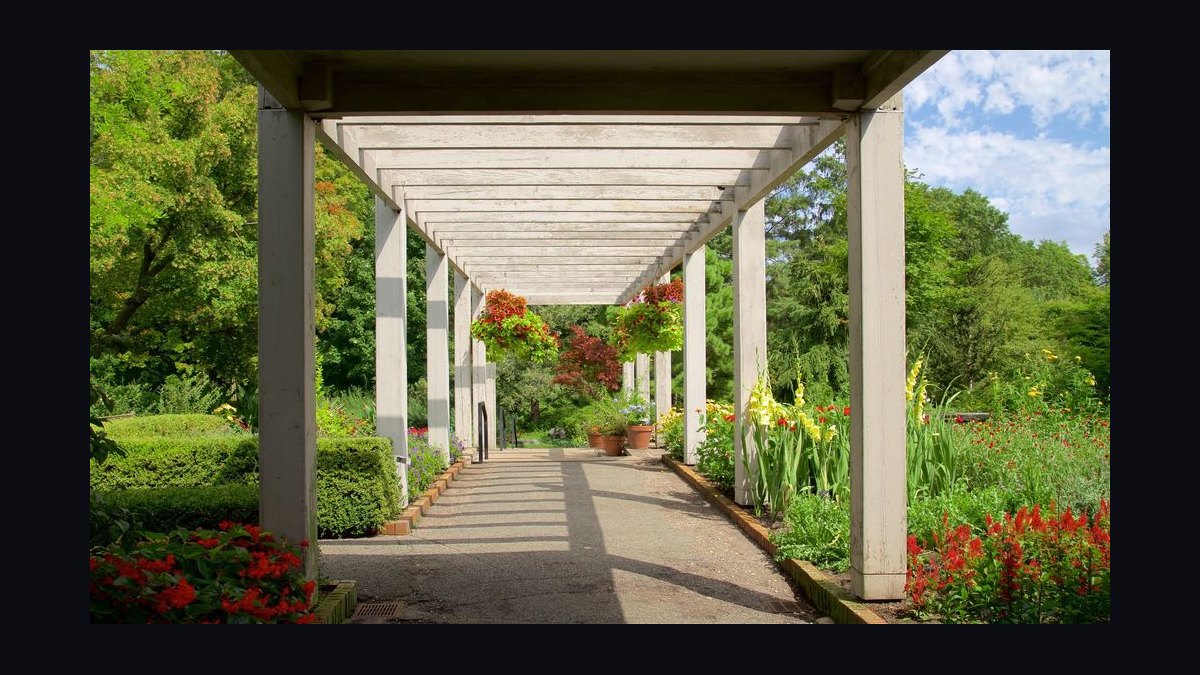
County: Carver | Median home: $520,000 | Best for: Families who want small-town feel with top amenities
Chanhassen blends a charming small-town atmosphere with big-suburb amenities on the metro's southwest edge. Home to about 26,000 residents with a median household income near $115,000, it was once named the best place to live in America by Money magazine. The city offers strong schools (Eastern Carver County and Minnetonka districts), the renowned Chanhassen Dinner Theatres, the University of Minnesota Arboretum nearby, and Lake Ann Park. Crime is very low. The commute to downtown Minneapolis runs about 30 minutes via Highway 5 and I-494. For families who want a tight-knit community with cultural draws, Chanhassen delivers.
Pros:
- Strong schools across two well-rated districts
- Renowned Chanhassen Dinner Theatres and nearby Arboretum
- Lake Ann Park and excellent trail network
- Very low crime and a genuine small-town feel
Cons:
- Longer commute than first-ring suburbs
- Higher prices for newer construction
Verdict: A charming, amenity-rich suburb — superb for families who want community character with strong schools.
8. Woodbury
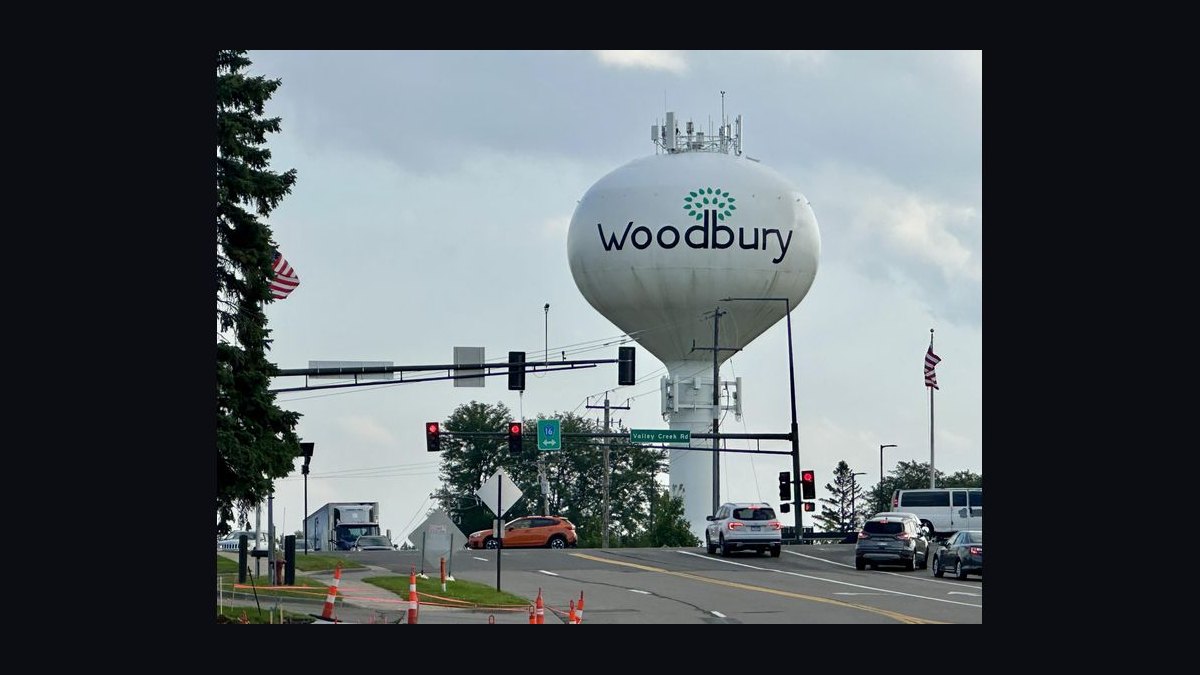
County: Washington | Median home: $450,000 | Best for: East-side families who want newer homes and an easy St. Paul commute
Woodbury is the dominant suburb on the metro's east side, prized for newer construction and convenient access to St. Paul. Home to about 80,000 residents with a median household income near $110,000, it offers strong South Washington County Schools, abundant retail and dining, and dozens of parks and trails. The HealthEast Sports Center and several lakes anchor recreation, and crime is low. The commute to downtown St. Paul runs about 20 minutes via I-94, with downtown Minneapolis around 30 minutes. For families who want modern homes and east-metro convenience, Woodbury is a top choice.
Pros:
- Plenty of newer-construction homes and subdivisions
- Strong South Washington County Schools
- Quick 20-minute commute to downtown St. Paul
- Abundant retail, parks, and trails
Cons:
- Car-dependent with limited walkable core
- Rapid growth has strained some roads
Verdict: The premier east-side suburb — best for families who want newer homes and a short St. Paul commute.
9. Lakeville

County: Dakota | Median home: $440,000 | Best for: Growing families who want newer homes and lakes south of the cities
Lakeville is one of the fastest-growing suburbs in the southern metro, popular with families seeking newer homes and more space. Home to about 75,000 residents with a median household income near $115,000, it offers strong Lakeville Area Schools, a string of recreational lakes, and the Antlers Park beach. Crime is low, and new subdivisions continue to expand the housing supply, keeping prices more attainable than first-ring suburbs. The commute to downtown Minneapolis runs about 30–35 minutes via I-35. For buyers who want a newer home, good schools, and lake access, Lakeville offers strong value in the south metro.
Pros:
- Strong, well-rated Lakeville Area Schools
- Plenty of newer construction and growing supply
- Recreational lakes and Antlers Park beach
- Low crime and family-friendly community feel
Cons:
- Longer commute from the southern edge
- Car-dependent with a spread-out layout
Verdict: A strong-value south-metro pick — ideal for growing families who want newer homes and lake access.
10. Shakopee
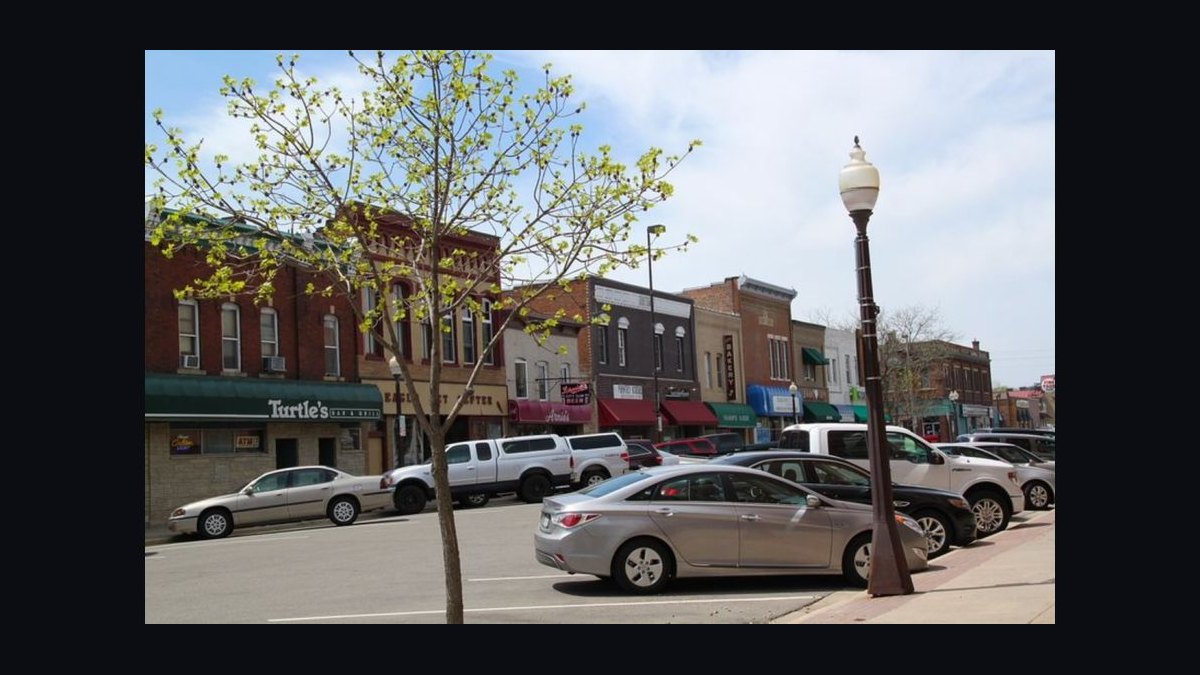
County: Scott | Median home: $375,000 | Best for: Buyers who want the lowest prices with major employers nearby
Shakopee rounds out the list as the most affordable strong suburb in the metro. Set along the Minnesota River in the southwest, it is home to about 45,000 residents with a median household income near $100,000. Major employers anchor the area — including the Shakopee Amazon fulfillment center, Canterbury Park racetrack, and Valleyfair amusement park — giving residents jobs close to home. Shakopee Public Schools are solid, crime is low, and newer subdivisions keep prices the most attainable on this list. The commute to downtown Minneapolis runs about 35 minutes via Highway 169. For first-time buyers and families on a budget, Shakopee delivers real value.
Pros:
- Lowest entry prices on this list at about $375,000
- Major employers including Amazon and Canterbury Park in town
- Solid Shakopee Public Schools and newer homes
- Valleyfair, riverfront trails, and strong recreation
Cons:
- Longer commute to downtown Minneapolis
- Less established than first-ring suburbs
Verdict: A budget-friendly, job-rich suburb — best for first-time buyers and families who want value with employers close by.
Which Suburb Is Right for You?
What to Look For When Choosing a Suburb in Minneapolis
- Property taxes and home value trends — Twin Cities property taxes vary by county and district; check the levy and recent Zillow value trends, not just the asking price.
- School district boundaries — Top districts like Edina, Wayzata, and Minnetonka drive demand and resale; suburbs like Plymouth span multiple districts, so confirm the exact attendance zone.
- Commute direction — Decide whether you commute to Minneapolis or St. Paul. East-side Woodbury favors St. Paul; west-side Minnetonka and Edina favor Minneapolis.
- Winter readiness — Minnesota winters are long and harsh. Factor snow removal, heating costs, and commute reliability into your budget.
- New construction vs established — Newer suburbs like Shakopee, Lakeville, and Maple Grove offer modern homes; first-ring suburbs offer mature trees and location at a premium.
- Job-center proximity — Many suburbs host major employers (UnitedHealth in Minnetonka, Amazon in Shakopee). Living near work can cut commute stress dramatically.
What matters less than marketing implies: glossy listing photos and amenity checklists. A suburb's school ratings, tax burden, crime data, and commute time will shape your daily life far more than a granite countertop or a new clubhouse.
FAQ
What is the best suburb of Minneapolis overall? Edina earns the top spot for combining elite public schools, a walkable shopping district at 50th & France, low crime, and a quick 15–20 minute commute to downtown — the most complete package despite its median home price near $560,000.
What is the best value suburb of Minneapolis? Shakopee offers the lowest prices on this list at a median near $375,000, paired with solid schools, newer homes, and major employers like Amazon and Canterbury Park close to home, while Wayzata leads on quality-of-life per dollar among premium options.
Which Minneapolis suburbs have the best schools? Edina, Wayzata, Minnetonka, and Eden Prairie all post some of the highest-rated public school districts in Minnesota on GreatSchools and Niche.
Which suburbs are best for commuting to downtown Minneapolis? Edina and Minnetonka (15–20 minutes) and Eden Prairie, Maple Grove, and Plymouth (about 25 minutes) all offer reasonable commutes with strong schools and low crime.
Which Minneapolis suburbs have the newest homes? Shakopee, Lakeville, Maple Grove, and Woodbury all feature extensive newer subdivisions and ongoing construction, keeping more modern housing supply available than first-ring suburbs.
Are home prices in the Minneapolis suburbs rising? Yes — Zillow data shows steady appreciation across the metro, with the sharpest demand in top-school first-ring suburbs like Edina and lake communities like Wayzata.
Bottom Line
For buyers weighing where to live around the Twin Cities, Edina is our Best Overall pick — its blend of elite schools, walkability, low crime, and a fast downtown commute is unmatched, even at a median home price near $560,000. Shakopee is our Best Value, delivering newer homes, solid schools, and major employers for around $375,000.
If your priorities lean toward a lake-town downtown, newer construction on the south or east side, or top-tier green space, use the decision tree above to route yourself to Wayzata, Lakeville, Woodbury, or Plymouth instead. Buy on schools, taxes, safety, and commute — not listing photos — and you will be happy for years.
Related on PULSE
- [Top 10 Safest Suburbs in the Northeast in 2027](/knowledge/tn0133)
- [The 10 Best Suburbs for Families in the Southeast in 2027](/knowledge/tn0130)
- [The 10 Best Suburbs of Chicago for Families and Schools in 2027](/knowledge/tn0127)
- [The 10 Safest Suburbs in America for Families in 2027](/knowledge/tn0125)
- [The 10 Best Suburbs Near Nashville, Tennessee in 2027](/knowledge/tn0124)
- [The 10 Best Suburbs Near Boston, Massachusetts in 2027](/knowledge/tn0123)
Sources
- Niche — Best Suburbs to Live in Minnesota
- U.S. Census Bureau — Minnesota QuickFacts
- Zillow — Minneapolis metro home values and market data
- Realtor.com — Minneapolis housing market
- BestPlaces — Minnesota cost of living and crime
- GreatSchools — Minnesota school district ratings
- Livability — Best Places to Live
- Money — Best Places to Live rankings
- Minnesota — official state site
- Explore Minnesota — town and travel guides
*best suburbs of Minneapolis review — where to live, rankings, home prices, schools, and a review of the best places to live near Minneapolis.*
People also search for: best suburbs of minneapolis · top suburbs of minneapolis · top rated suburbs of minneapolis · top ranked suburbs of minneapolis · highest rated suburbs of minneapolis · suburbs of minneapolis reviews
Read it free — or make it yours for $1.
@Kory-White- · if Venmo asks, the last 4 of my number are 2012
 pulse-townsTop 10 Best Historic Towns in America in 2027
 pulse-townsTop 10 Best Suburbs of Seattle in 2027
 pulse-townsTop 10 Best Towns to Live in America in 2027
 pulse-townsTop 10 Best Suburbs of Tampa in 2027
 pulse-townsTop 10 Best Towns to Live in Utah in 2027
 pulse-townsTop 10 Best Suburbs of Baltimore in 2027
 pulse-townsTop 10 Best Towns to Live in New Jersey in 2027
 pulse-townsTop 10 Best Suburbs of Houston in 2027
 pulse-townsTop 10 Best Towns to Live in the Midwest in 2027
 pulse-townsTop 10 Best Up-and-Coming Towns in America in 2027