
Top 10 Foreign Language Films of All Time in 2027
 Curated byKory White · Fractional CRO · Maryland
 PULSEKNOWLEDGE LIBRARY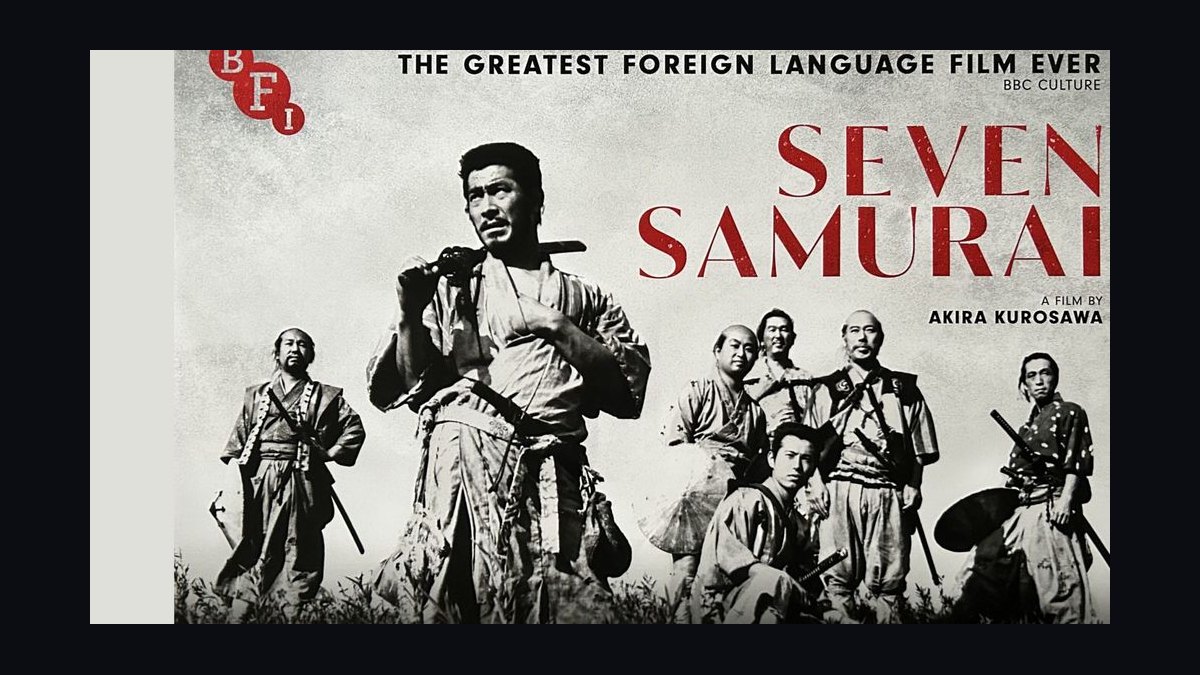
The Best Overall foreign language film of all time is Seven Samurai (1954), directed by Akira Kurosawa, a Japanese epic whose tactical clarity, character depth, and action grammar still set the template that countless blockbusters borrow from. The Best Value pick — the most rewatchable, easiest-to-stream gateway into world cinema — is Amélie (2001), Jean-Pierre Jeunet's warm, candy-colored French charmer that tends to convert skeptics fast. This list is built for viewers who want the genuinely great non-English films worth crossing the subtitle barrier for, spanning Japan, France, Italy, South Korea, Germany, Mexico, Spain, and Taiwan, from postwar masterpieces to modern Oscar winners. Every pick is a real film with its director, country, and year verified against the sources below.
How We Ranked the Top 10
We weighed each film against what makes world cinema endure beyond its festival moment, leaning on Sight & Sound critics' polls, the Criterion Collection, mainstream review aggregators, and Academy Award records. Rather than chase a single metric, we balanced the qualities that separate a lasting masterpiece from a one-time festival darling:
- Story & screenplay — does the writing still hold up on a second and third viewing?
- Direction & craft — is the filmmaking authored and distinctive, not merely competent?
- Performances — do the leads read across the subtitle barrier?
- Rewatchability — does the film reward repeat viewing or exhaust itself in one pass?
- Cultural impact — did it reshape the medium or a national cinema?
- Where-to-watch access — can a curious newcomer actually find it?
A film that dazzles a jury but bores on a second viewing drops fast. A film that rewards every rewatch and reshaped the medium rises. The winners balance all six.
1. Seven Samurai (1954) 🏆 BEST OVERALL

Director: Akira Kurosawa | Year: 1954 | Country: Japan | Rated: Not Rated | Where to watch: Max, Criterion Channel
Kurosawa's Seven Samurai is among the most influential action dramas ever made. A poor farming village hires seven masterless samurai to defend it from bandits, and the film patiently builds each warrior — led by Takashi Shimura's wise Kambei and Toshiro Mifune's wild, unforgettable Kikuchiyo — before the rain-soaked final battle. Its deep-focus staging, multi-camera coverage, and weather-as-emotion approach rewired global filmmaking; *The Magnificent Seven* and *A Bug's Life* are direct descendants.
It sits near the top of nearly every all-time-greatest poll and is one of the most universally acclaimed films ever made.
Pros:
- The blueprint for the modern ensemble action film
- Mifune's Kikuchiyo is one of cinema's great performances
- A long runtime that rarely feels slack
- Streams in restored form on Max and Criterion Channel
Cons:
- The considerable runtime demands commitment
- Black-and-white and subtitles deter casual first-timers
Verdict: The gold standard of world cinema — the one foreign film every serious viewer should see first.
2. Parasite (2019) 💎 BEST VALUE

Director: Bong Joon-ho | Year: 2019 | Country: South Korea | Rated: R | Where to watch: Max, rent/buy
Bong Joon-ho's Parasite made history as the first non-English film to win the Best Picture Oscar, also taking Director, Original Screenplay, and International Feature. The Kim family — played by Song Kang-ho, Choi Woo-shik, Park So-dam, and Chang Hyae-jin — cons its way into employment with the wealthy Park household, until a basement secret detonates the plot. It's a genre-shifting thriller-comedy-tragedy about class that turns on a dime, won the Palme d'Or at Cannes, and drew near-unanimous critical praise. Few modern films are this entertaining and this sharp at once.
Pros:
- First non-English Best Picture winner in Oscar history
- Tonal control that swings from comedy to horror flawlessly
- Endlessly rewatchable with new details each pass
- A perfect gateway film for newcomers to Korean cinema
Cons:
- The violent third act surprises some viewers
- Its themes hit harder than its breezy first hour suggests
Verdict: The modern masterpiece — proof world cinema can be both a crowd-pleaser and an all-timer.
3. 8½ (1963)

Director: Federico Fellini | Year: 1963 | Country: Italy | Rated: Not Rated | Where to watch: Max, Criterion Channel
Federico Fellini's 8½ is the definitive film about the agony of making a film. Marcello Mastroianni plays Guido, a celebrated Italian director paralyzed by creative block, whose memories, fantasies, and anxieties blur into one dreamlike flow. It won the Academy Award for Best Foreign Language Film, and its fluid camera and surreal dream logic influenced everyone from Scorsese to Charlie Kaufman. A perennial fixture on greatest-films lists, it remains one of the most stylish portraits of the artistic mind ever shot.
Pros:
- Mastroianni's wry, weary Guido anchors the chaos
- Inventive dream sequences that still feel fresh
- Won the Best Foreign Language Film Oscar
- A foundational text for filmmakers and cinephiles
Cons:
- The non-linear structure can disorient first-time viewers
- More rewarding with some context on Fellini's career
Verdict: The most beautiful film about creative block ever made — essential viewing for anyone who loves cinema.
4. Tokyo Story (1953)

Director: Yasujirō Ozu | Year: 1953 | Country: Japan | Rated: Not Rated | Where to watch: Criterion Channel, Max
Yasujirō Ozu's Tokyo Story is the quiet giant of Japanese cinema. An elderly couple travels from the countryside to visit their grown children in postwar Tokyo, only to find them too busy to care — except for their widowed daughter-in-law, played with heartbreaking grace by Setsuko Hara. Shot in Ozu's signature low "tatami" camera with patient, static framing, it's a devastating study of family, aging, and disappointment. It is frequently cited by critics and directors among the greatest films ever made. Restrained and universal, it gets richer with every decade of your own life.
Pros:
- One of the most emotionally precise family dramas ever filmed
- Setsuko Hara's performance is luminous and unforgettable
- A perennial pick on greatest-films-ever lists
- A masterclass in restraint and composition
Cons:
- Its slow, deliberate pace asks for patience
- Quietly devastating rather than immediately gripping
Verdict: The most humane film on this list — slow cinema at its most profound and rewarding.
5. Amélie (2001)

Director: Jean-Pierre Jeunet | Year: 2001 | Country: France | Rated: R | Where to watch: Hulu, rent/buy
Jean-Pierre Jeunet's Amélie is one of the most joyful entry points into world cinema you can hand a friend. Audrey Tautou plays a shy Parisian waitress who secretly engineers small acts of kindness while working up the courage to find her own happiness. Its storybook color palette, whimsical narration, and Yann Tiersen's accordion score make it endlessly rewatchable. The film earned multiple Academy Award nominations, became a global phenomenon, and was warmly received by critics and audiences alike. As the easiest, warmest, most repeatable film here, it's the clear value champion.
Pros:
- The friendliest gateway to foreign cinema for newcomers
- Tautou's Amélie is impossibly charming
- Gorgeous, candy-colored Montmartre visuals
- Streams with a Hulu subscription
Cons:
- The relentless whimsy isn't for every taste
- Lighter in ambition than the heavyweights above it
Verdict: The best value pick — endlessly rewatchable and the perfect film to convert a subtitle skeptic.
6. The Lives of Others (2006)

Director: Florian Henckel von Donnersmarck | Year: 2006 | Country: Germany | Rated: R | Where to watch: Max, rent/buy
Florian Henckel von Donnersmarck's The Lives of Others is a tense, moving drama set in 1984 East Berlin. Ulrich Mühe plays a Stasi officer assigned to surveil a playwright and his actress girlfriend, only to find his loyalty quietly eroded by the lives he's eavesdropping on. The film won the Academy Award for Best Foreign Language Film and is widely cited as one of the great political thrillers. Mühe's restrained, internal performance makes the slow thaw of conscience unbearably real.
Pros:
- A gripping, humane thriller about surveillance and conscience
- Mühe's quiet performance is a career-defining triumph
- Won the Best Foreign Language Film Oscar
- Accessible and suspenseful for thriller fans
Cons:
- The Cold War setting requires a little historical context
- Deliberately understated rather than action-driven
Verdict: The best modern political thriller in any language — tense, intelligent, and deeply moving.
7. Pan's Labyrinth (2006)
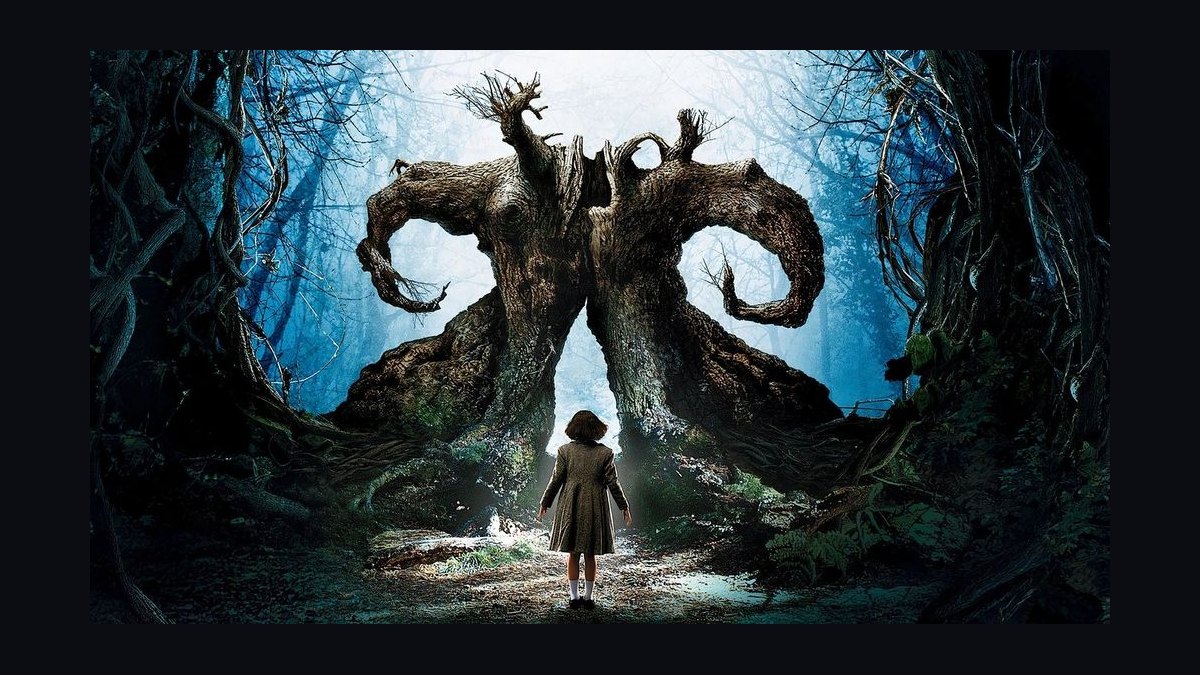
Director: Guillermo del Toro | Year: 2006 | Country: Mexico/Spain | Rated: R | Where to watch: Netflix, rent/buy
Guillermo del Toro's Pan's Labyrinth fuses fairy tale and war horror into something singular. In 1944 Francoist Spain, young Ofelia — played by Ivana Baquero — escapes her brutal stepfather into a dark fantasy world ruled by a faun, while resistance fighters battle in the woods. Sergi López is chilling as the sadistic Captain Vidal. The film won multiple Academy Awards for its craft and remains a high point of del Toro's career. Its blend of practical creature design and real-world cruelty makes the magic feel dangerous.
Pros:
- A haunting, original blend of fairy tale and wartime drama
- Won multiple Academy Awards for its craft
- Doug Jones's faun is a triumph of practical effects
- Streams on Netflix for easy access
Cons:
- The graphic violence is genuinely disturbing
- Too dark to be a family fantasy despite the fairy-tale framing
Verdict: Del Toro's masterpiece — a grown-up fairy tale that earns its terror and its beauty.
8. Cinema Paradiso (1988)
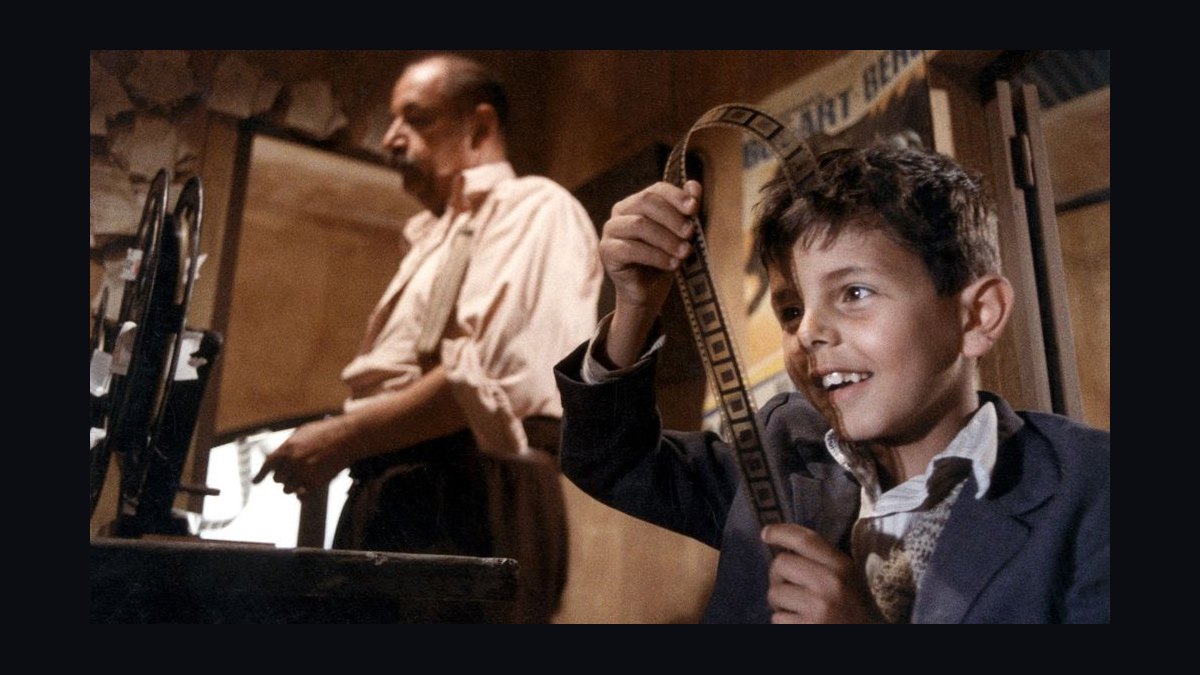
Director: Giuseppe Tornatore | Year: 1988 | Country: Italy | Rated: R | Where to watch: Max, rent/buy
Giuseppe Tornatore's Cinema Paradiso is the great love letter to moviegoing itself. A famous director recalls his boyhood in a Sicilian village and his friendship with Alfredo (Philippe Noiret), the projectionist who taught him to love film. Anchored by Ennio Morricone's swelling score, it builds to one of the most cathartic endings in cinema. The theatrical cut won the Academy Award for Best Foreign Language Film and the Grand Prize at Cannes. Sentimental in the best sense, it's the film that makes lifelong cinephiles cry.
Pros:
- One of the most emotionally satisfying endings ever filmed
- Morricone's score is among his finest work
- Won the Best Foreign Language Film Oscar and Cannes Grand Prize
- A tribute every movie lover will feel in their chest
Cons:
- Unapologetically sentimental for some tastes
- The longer director's cut shifts the tone significantly
Verdict: The ultimate film about loving film — keep tissues nearby for the final reel.
9. Yi Yi (2000)
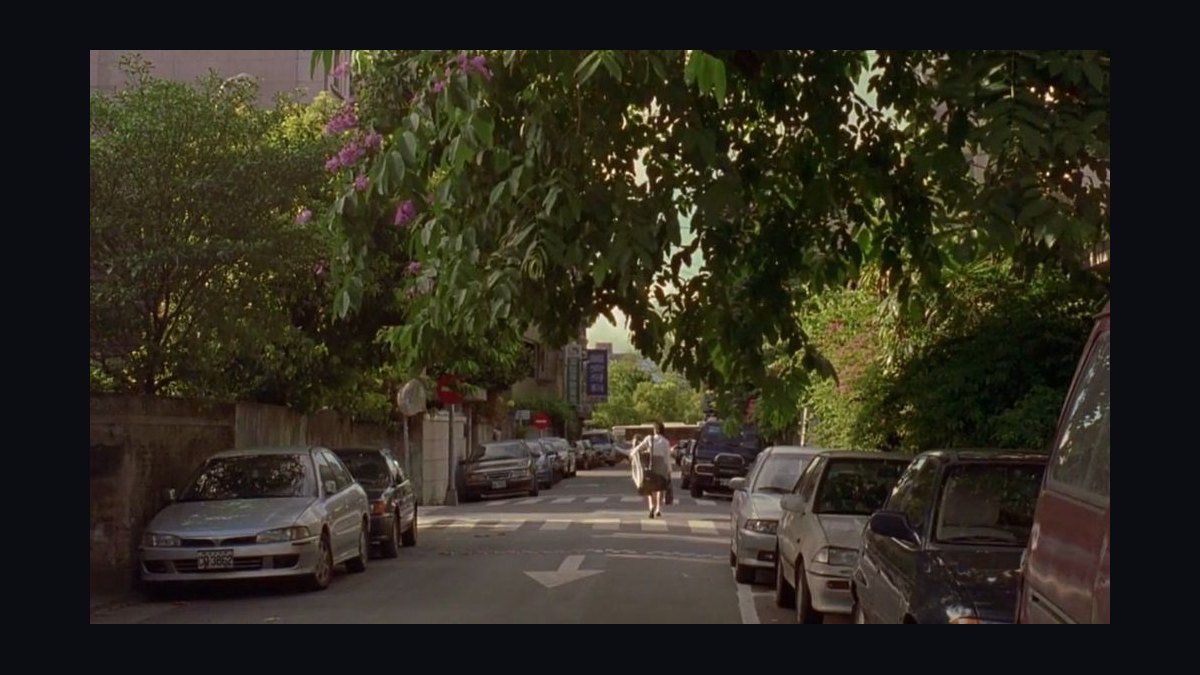
Director: Edward Yang | Year: 2000 | Country: Taiwan | Rated: Not Rated | Where to watch: Criterion Channel, Max
Edward Yang's Yi Yi is a crowning achievement of Taiwanese cinema, following a middle-class Taipei family across a year of weddings, funerals, first love, and quiet crisis. Told through three generations — from a businessman father to his young son Yang-Yang, who photographs the backs of people's heads to show them "what they can't see" — it's a novelistic epic of everyday life. Yang won Best Director at Cannes, and the film regularly appears on greatest-of-all-time lists. Generous, wise, and quietly funny, it earns every minute of its long runtime.
Pros:
- A novelistic, three-generation portrait of modern life
- Edward Yang won Best Director at Cannes
- Yang-Yang is one of cinema's great child characters
- Restored and streaming on Criterion Channel
Cons:
- The lengthy runtime is a real commitment
- Its quiet, accumulating power rewards patient viewers only
Verdict: A modern epic of ordinary life — one of the best films about family of the 21st century.
10. Crouching Tiger, Hidden Dragon (2000)
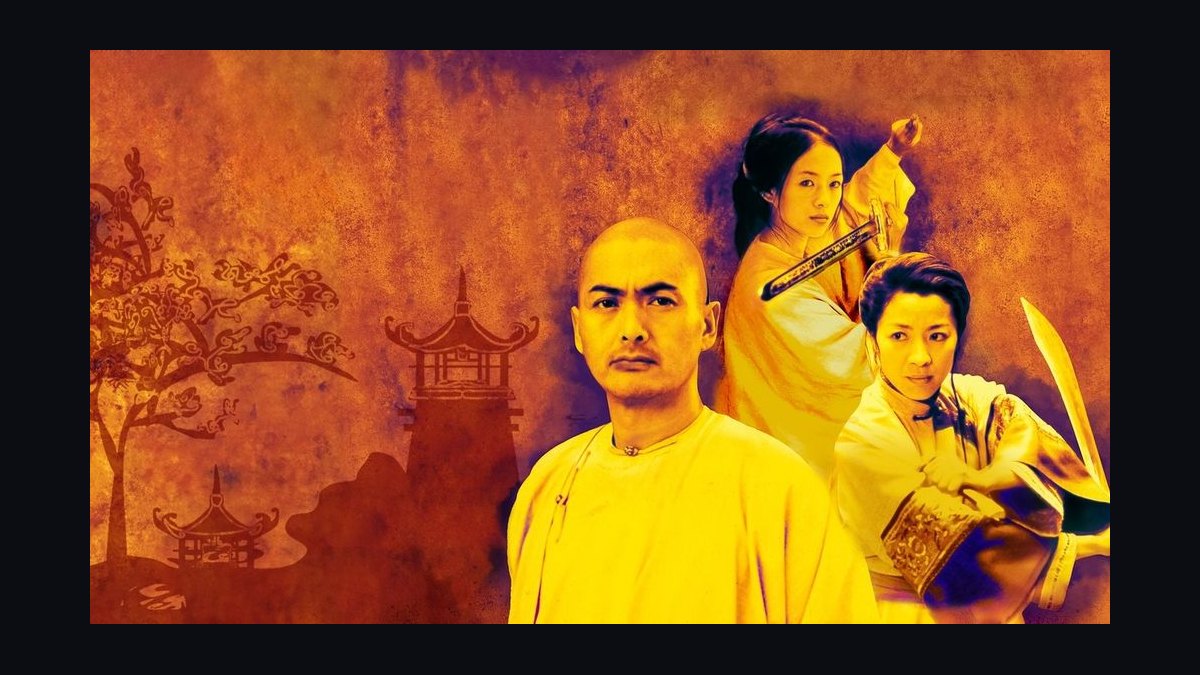
Director: Ang Lee | Year: 2000 | Country: Taiwan/China/Hong Kong | Rated: PG-13 | Where to watch: Netflix, rent/buy
Ang Lee's Crouching Tiger, Hidden Dragon brought wuxia martial-arts cinema to the world stage with breathtaking elegance. Chow Yun-fat and Michelle Yeoh play warriors bound by duty and unspoken love, while Zhang Ziyi's rebellious young noblewoman drives the central conflict. Its gravity-defying, wire-assisted fight choreography — set among bamboo treetops and rooftops — paired with a sweeping romance, made it a global hit. The film won multiple Academy Awards, including Best Foreign Language Film, and became one of the most commercially successful non-English films ever released in the United States. Beautiful and accessible, it's a perfect crossover.
Pros:
- Gorgeous, gravity-defying martial-arts choreography
- Won multiple Academy Awards including Best Foreign Language Film
- Michelle Yeoh and Zhang Ziyi are magnetic
- Streams on Netflix and plays great for first-timers
Cons:
- Wire-fu stylization isn't to every viewer's taste
- The romance is more restrained than Western fans expect
Verdict: The most accessible art-house action film ever made — beautiful, thrilling, and easy to love.
What Makes a Great Foreign Language Film
- A story that crosses borders — The best world cinema speaks to universal experience: family, class, love, mortality. *Tokyo Story* and *Parasite* need no cultural footnotes to land.
- A distinct directorial voice — Kurosawa's movement, Ozu's stillness, and Fellini's dreams are instantly recognizable. Great foreign films feel authored, not assembled.
- Performances that transcend language — Mifune, Mastroianni, and Setsuko Hara prove that emotion reads across any subtitle barrier.
- Craft you can see — Cinematography, score, and editing carry meaning when dialogue is being read. Morricone and Tiersen do half the storytelling.
- A real point of view — The films that last say something specific about their time and place, from postwar Japan to divided Berlin.
What matters less than the hype: prestige festival buzz, runtime, and whether a film is "difficult." Some of the greatest world films — *Amélie*, *Crouching Tiger* — are pure pleasure. Difficulty is not a measure of greatness.
Which One Should You Watch Tonight?
What to Look For
- Fit for your use case and team size
- Ease of setup and replacement parts availability
- Honest owner reviews over marketing claims
FAQ
What is the greatest foreign language film of all time? Seven Samurai (1954), directed by Akira Kurosawa, is our top pick — one of the most influential action dramas ever made and a fixture near the top of the major critics' polls.
Which foreign film should I watch first? Start with Amélie or Crouching Tiger, Hidden Dragon. Both are visually gorgeous, fast-moving, and easy to love, making them the best gateways for newcomers to subtitled cinema.
Has a foreign language film ever won Best Picture? Yes. Parasite (2019), directed by Bong Joon-ho, became the first non-English film to win the Academy Award for Best Picture, alongside several other Oscars that night.
Are subtitles really worth it? Absolutely. As Bong Joon-ho famously suggested, once you get past the small barrier of reading subtitles, a vast world of cinema opens up — including many of the greatest films ever made. After a few films, most viewers stop noticing the reading at all.
Which film on this list is the most rewatchable? Amélie is our most rewatchable pick, thanks to its warm tone, vibrant visuals, and Yann Tiersen score. Parasite runs a close second for the new details revealed on each viewing.
Where can I stream these foreign films? Many are available on the Criterion Channel and Max, with Parasite, Pan's Labyrinth, and Crouching Tiger also on Netflix, and Amélie on Hulu. Several are also available to rent or buy. Streaming rights shift over time, so check your service for current availability.
Bottom Line
The Best Overall foreign language film of all time is Seven Samurai (1954) — Kurosawa's epic remains one of the most influential and complete achievements in world cinema. Our Best Value pick is Amélie (2001), the warmest, most rewatchable, easiest-to-stream gateway into subtitled film. If you're new to world cinema, start with the crowd-pleasers and work toward the masterpieces; use the decision tree above to match a film to your mood and your evening.
Watch for story, voice, and emotion — not prestige or runtime — and a lifetime of great cinema opens up.
Sources
- The Criterion Collection
- Sight & Sound — Greatest Films of All Time poll
- RogerEbert.com — Great Movies archive
- The Academy — Best International Feature winners
- IMDb — film database
- Rotten Tomatoes — best international movies
- Letterboxd — highest-rated world cinema
*Foreign language films review — best foreign films, rankings, where to stream, and a review of the top international picks for subtitle lovers.*
People also search for: best foreign language films of all time · top foreign language films of all time · top rated foreign language films of all time · top ranked foreign language films of all time · highest rated foreign language films of all time · foreign language films of all time reviews
Related on PULSE
- [Top 10 Silent Films of All Time in 2027](/knowledge/mv73)
- [Top 10 Best Movie Soundtracks of All Time in 2027](/knowledge/mv0052)
- [Top 10 Horror Movies of All Time in 2027](/knowledge/mv0002)
- [Top 10 Romance Movies of All Time in 2027](/knowledge/mv0005)
- [Top 10 Sci-Fi Movies of All Time in 2027](/knowledge/mv0001)
- [Top 10 Action Movies of All Time in 2027](/knowledge/mv0003)
@Kory-White- · if Venmo asks, the last 4 of my number are 2012
 pulse-moviesTop 10 Movies on Netflix 2027
 pulse-moviesTop 10 Movies on Max 2027
 pulse-moviesTop 10 Fantasy Movies of All Time in 2027
 pulse-moviesTop 10 Documentaries of All Time in 2027
 pulse-moviesTop 10 Superhero Movies of All Time in 2027
 pulse-moviesTop 10 Romance Movies of All Time in 2027
 pulse-moviesTop 10 Westerns of All Time in 2027
 pulse-moviesTop 10 Musical Movies of All Time in 2027
 pulse-moviesTop 10 Thriller Movies of All Time in 2027
 pulse-moviesTop 10 Crime Movies of All Time in 2027