


What is the best way to approach Resorts in 2027?
Quality
Certified

It depends on your resort’s specific market position, guest demographics, and operational maturity, but the most effective approach for 2027 centers on hyper-personalized, experiential offerings delivered through seamless digital-physical integration. Rather than competing solely on price or amenities, forward-looking resorts will differentiate by curating bespoke journeys that anticipate guest needs before they arise, leveraging predictive data and sustainable practices to create memorable, low-friction stays that command premium pricing and foster fierce loyalty.
The best way to approach resorts in 2027 is to shift from a transactional hospitality model to a relationship-driven ecosystem that blends advanced technology with authentic human connection. This means investing in AI-powered personalization engines, contactless guest journeys, regenerative tourism initiatives, and flexible space design that adapts to both leisure and remote-work travelers. Success hinges on balancing operational efficiency with emotional resonance, ensuring every touchpoint—from pre-arrival to post-departure—feels intuitive, exclusive, and deeply personal. This transformation requires a fundamental rethinking of how resorts capture value, moving from selling rooms to selling transformative experiences that guests cannot replicate elsewhere.
What core technologies should resorts prioritize for 2027?
Resorts must prioritize a unified technology stack that integrates AI-driven guest profiling, IoT-enabled room controls, and real-time operational analytics. The foundation is a robust property management system (PMS) that feeds into a customer data platform (CDP), allowing staff to recognize repeat guests, their preferences, and past behaviors instantly. For example, a guest who previously requested a hypoallergenic pillow and a late checkout should have those preferences automatically applied upon rebooking, without needing to ask. This level of seamlessness requires that the PMS, CDP, and booking engine operate as a single, cohesive system rather than a collection of disconnected tools.

Beyond the PMS, contactless solutions—such as mobile check-in/out, digital keys, and voice-activated room assistants—are no longer optional but expected. In 2027, resorts should also deploy predictive maintenance sensors to preemptively address HVAC or plumbing issues, minimizing guest disruptions. The key is interoperability: all systems must share data seamlessly to enable a single guest profile that travels across the resort’s app, website, and on-property interactions. For deeper insights on building a tech stack that scales, see our guide on revenue operations for hospitality. Additionally, consider implementing a centralized API layer that allows new tools to be added without disrupting existing workflows, ensuring the technology stack remains agile as guest expectations evolve.
How can resorts create hyper-personalized guest experiences in 2027?
Hyper-personalization in 2027 moves beyond simple name recognition to anticipate emotional and logistical needs throughout the guest journey. Start by collecting consent-based data at every touchpoint: pre-arrival surveys, on-property behavior (e.g., which restaurant they choose, how often they use the spa), and post-stay feedback. Machine learning algorithms then analyze this data to offer tailored recommendations—such as a sunrise yoga session for an early riser or a private wine tasting for a couple celebrating an anniversary. The goal is to create a continuous feedback loop where each interaction refines the guest profile, enabling increasingly accurate predictions over time.
Crucially, personalization must feel serendipitous, not invasive. A resort’s app might suggest a hiking trail based on the guest’s fitness tracker data, or the front desk could have a preferred drink waiting upon arrival. This requires empowering staff with real-time guest insights via mobile tablets, enabling them to surprise and delight without appearing scripted. The ultimate goal is to create a “frictionless flow” where the resort anticipates needs so accurately that the guest feels understood on an almost intuitive level. This approach directly supports premium pricing and repeat visitation, as detailed in our analysis of guest loyalty strategies. For example, a resort might use past dining preferences to automatically book a table at the guest's favorite restaurant on the evening of arrival, sending a confirmation via the app with a personalized menu suggestion.
What role does sustainability play in resort strategy for 2027?
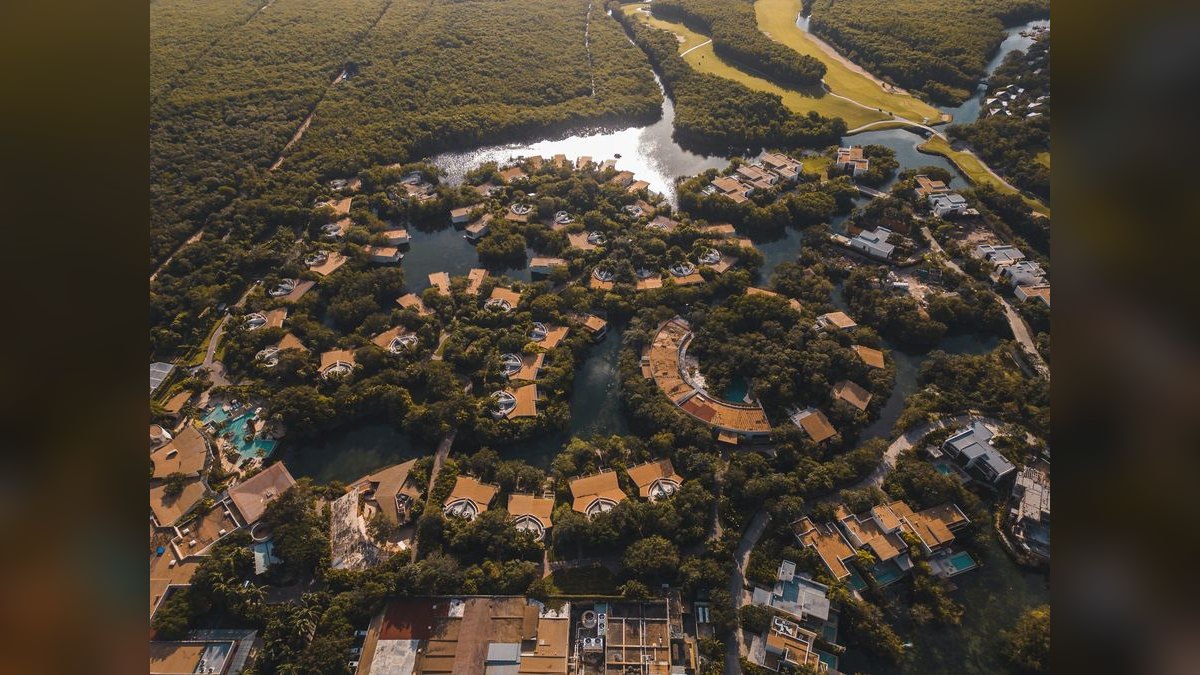
Sustainability in 2027 evolves from a compliance checkbox to a core brand differentiator and operational driver. Guests increasingly expect regenerative practices—initiatives that leave destinations better than they were found, such as coral reef restoration, local community investment, and carbon-negative operations. Resorts must transparently communicate these efforts, using digital dashboards in rooms or on apps that show real-time energy savings, water conservation, and waste diversion rates. This transparency builds trust and allows guests to feel they are contributing to a positive impact simply by choosing to stay at the resort.
Operationally, sustainability reduces long-term costs through energy-efficient systems, waste reduction programs, and local sourcing. For example, installing smart thermostats and solar panels can cut utility bills by 20-30%, while partnering with local farms lowers supply chain expenses and supports the regional economy. Marketing these efforts authentically—through third-party certifications like B Corp or Green Key—builds trust with eco-conscious travelers, a rapidly growing segment. Resorts that fail to embed sustainability into their core strategy risk being perceived as outdated or irresponsible. Furthermore, integrating sustainability into the guest experience can create unique selling points, such as offering tours of the resort's organic garden or hosting workshops on local conservation efforts, which deepen guest engagement and justify premium pricing.
How should resorts adapt their physical spaces for 2027?
Physical space design in 2027 must prioritize flexibility and multi-functionality to accommodate diverse guest profiles—from digital nomads needing co-working spaces to families seeking all-inclusive activities. Dedicated “workation” suites with ergonomic furniture, high-speed internet, and soundproofing are essential, as remote work remains a permanent fixture. Similarly, communal areas should be modular, allowing quick reconfiguration from a yoga studio in the morning to a networking lounge in the evening. This adaptability ensures that the same square footage can serve multiple revenue-generating purposes throughout the day, maximizing return on investment.
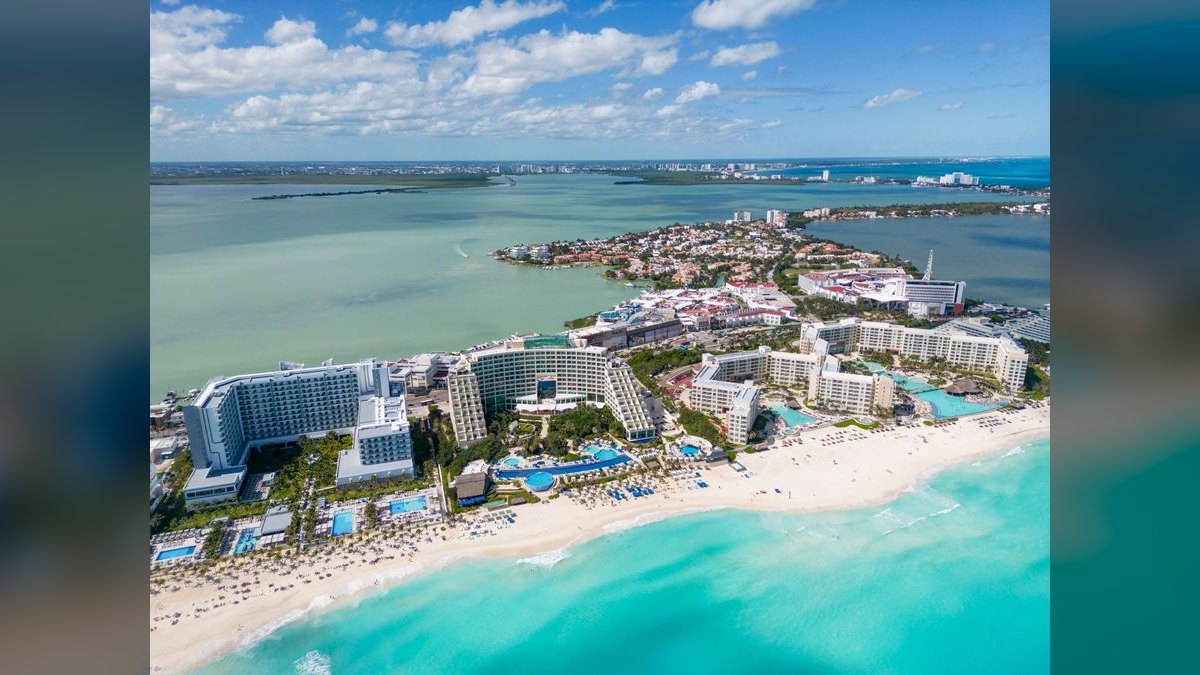
Outdoor spaces gain equal importance, with biophilic design principles—integrating natural elements like living walls, water features, and native landscaping—to enhance guest well-being and mental health. Resorts should also invest in “third places”: informal social hubs like fire pits, rooftop gardens, or pop-up markets that encourage spontaneous interaction. The physical environment must tell a story that aligns with the resort’s brand promise, creating Instagrammable moments that drive organic social media exposure and word-of-mouth referrals. For instance, a lobby designed as a living forest with hanging plants and natural light can become a signature photo spot, while a rooftop bar with panoramic views serves as both a revenue center and a marketing asset. Designing spaces that can be easily updated with seasonal decor or themed installations also keeps the resort feeling fresh and encourages repeat visits.
What pricing and revenue management strategies work best for 2027?
Dynamic pricing remains the backbone, but 2027 demands a more nuanced approach that incorporates behavioral data and competitive intelligence. Instead of solely adjusting rates based on occupancy and seasonality, resorts should use AI to predict willingness-to-pay for specific segments—e.g., a last-minute business traveler vs. a leisure planner booking months ahead. This enables real-time price optimization across room types, packages, and ancillary services like spa or dining. The key is to move beyond simple rate parity and instead create a pricing ecosystem that responds to micro-demand signals, such as local events, weather forecasts, and even social media trends.
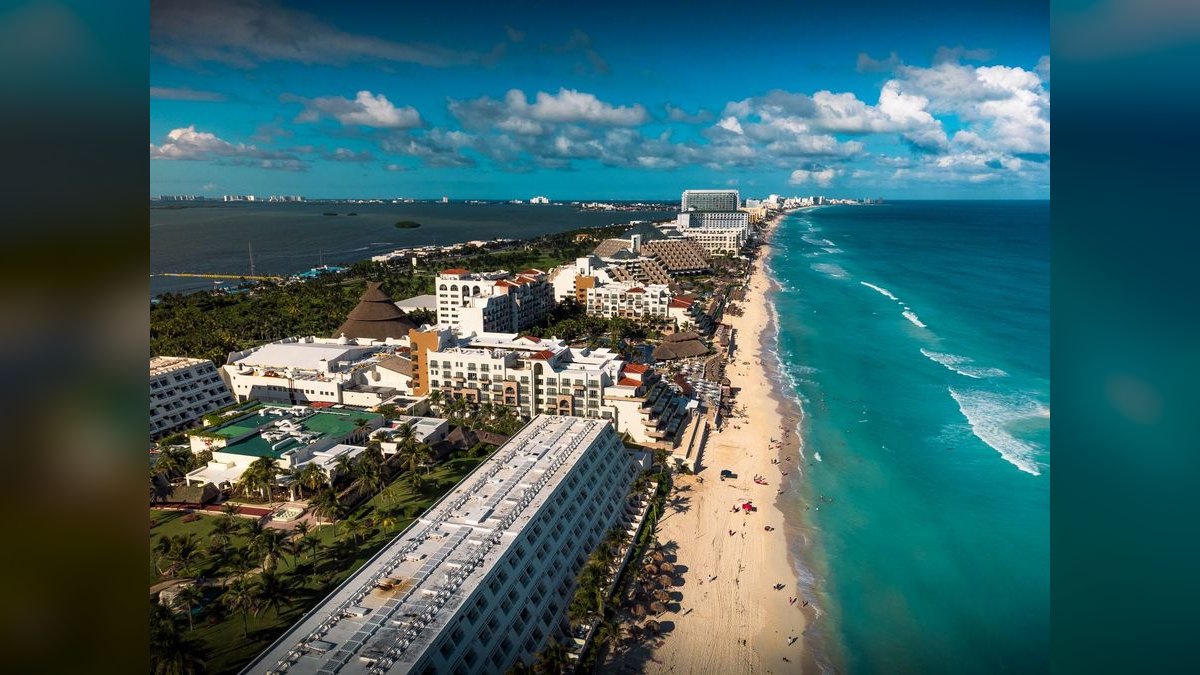
Bundling is also critical: create curated packages that combine accommodation, experiences, and F&B credits at a perceived discount, driving higher average daily rate (ADR) and total spend. For example, a “Wellness Weekend” package might include a room, daily yoga, a spa credit, and a healthy meal plan. Additionally, consider subscription or membership models for frequent guests, offering exclusive rates and perks in exchange for upfront commitment. This approach smooths demand and builds a loyal, predictable revenue stream. For a deeper dive into pricing frameworks, read our analysis on revenue management for boutique resorts. Another effective strategy is to offer early-bird discounts for advance bookings and last-minute deals for unsold inventory, but to do so dynamically based on real-time demand data rather than fixed timeframes. This ensures that every room is sold at the highest possible price while minimizing revenue loss from empty rooms.
How can resorts effectively market to 2027 travelers?
Marketing in 2027 must be omnichannel but deeply personalized, leveraging first-party data to deliver relevant messages at the right moment. Begin with zero-party data collection—explicitly asking guests for preferences during booking or via a loyalty app—to build rich profiles. Use these profiles to trigger automated email campaigns for pre-arrival upsells, in-stay offers, and post-stay re-engagement. Social media should focus on user-generated content and influencer partnerships that showcase authentic guest experiences rather than polished ads. This authenticity resonates more strongly with modern travelers who are skeptical of traditional advertising.
Content marketing is equally vital: produce blog posts, videos, and guides that answer specific traveler questions (e.g., “best hiking trails near [resort name]” or “how to plan a sustainable vacation”). SEO optimization ensures these assets rank for long-tail keywords. Finally, invest in a referral program that rewards past guests for bringing new bookings, turning satisfied customers into a powerful acquisition channel. The goal is to build a community around the resort brand, where guests feel like insiders rather than customers. Additionally, consider leveraging predictive analytics to identify guests who are likely to churn and target them with personalized re-engagement offers, such as a complimentary upgrade or a special event invitation, before they book a competitor. This proactive approach reduces marketing spend while increasing guest lifetime value.
Related questions
How can small resorts compete with large chains in 2027?
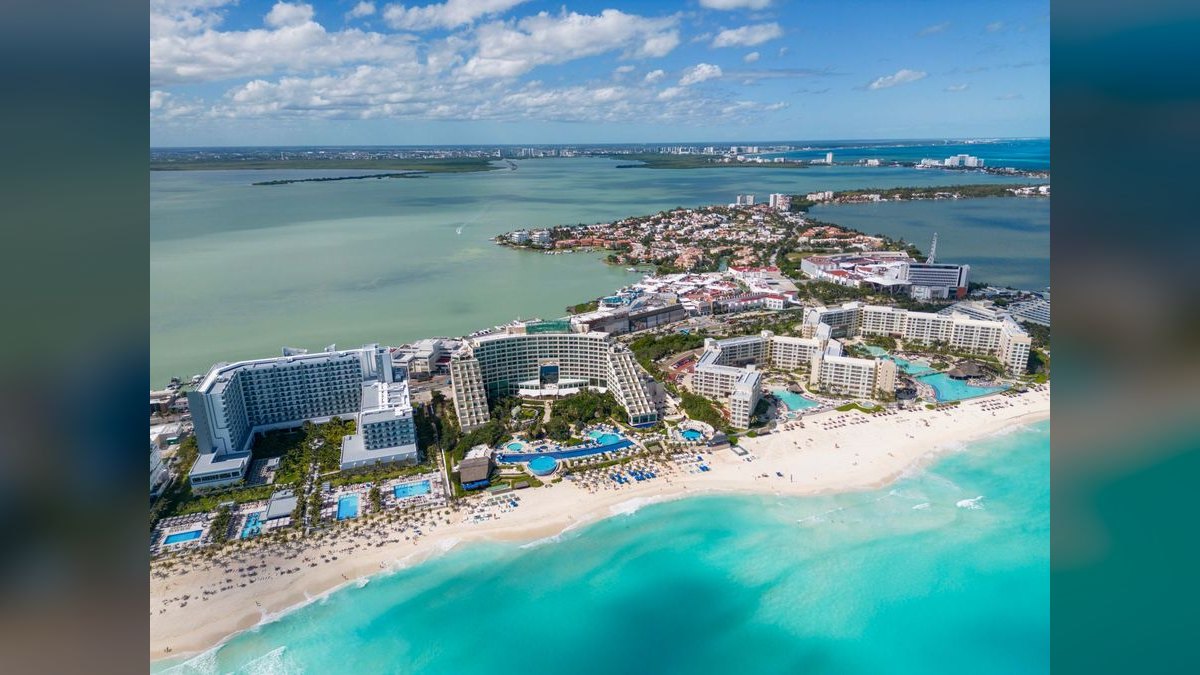
Small resorts should focus on boutique, personalized experiences that large chains struggle to replicate, such as curated local excursions, chef-led cooking classes, or intimate cultural events. Emphasize authenticity, flexibility, and direct booking perks to build a loyal niche audience.
What are the biggest risks for resorts in 2027?
Key risks include over-reliance on technology without human touch, failure to adapt to climate change regulations, and guest data privacy breaches. Economic downturns could also reduce discretionary travel spending, so resorts must maintain flexible cost structures.
How important is mobile app investment for resorts in 2027?
A well-designed mobile app is critical for contactless check-in, room controls, activity booking, and real-time communication. It serves as the central hub for personalization and guest engagement, but must be intuitive and optional—not mandatory—to avoid alienating less tech-savvy guests.
What staffing changes do resorts need for 2027?
Resorts should hire for emotional intelligence and adaptability over rigid hospitality scripts, as technology handles routine tasks. Cross-train staff to handle multiple roles, and invest in continuous learning for data literacy and sustainability practices.
FAQ
How do I start implementing a 2027 resort strategy on a limited budget? Begin with one high-impact area, such as improving guest data collection through a simple CRM integration or launching a basic loyalty program. Prioritize free or low-cost changes like staff training on personalization, then reinvest early gains into more advanced technology.
Will AI replace human staff at resorts? No, AI enhances rather than replaces human roles by automating repetitive tasks and providing staff with actionable insights. Guests still crave genuine human interaction, especially for emotional moments like concierge recommendations or problem resolution.
What is the most important metric to track for 2027 resort success?
Net Promoter Score (NPS) remains the most holistic metric, as it correlates with repeat bookings and word-of-mouth referrals. Pair it with RevPAR (revenue per available room) and guest lifetime value (LTV) for a complete picture.
How can I make my resort more attractive to remote workers? Offer dedicated workation packages with high-speed internet, ergonomic furniture, and quiet zones. Provide co-working spaces with printing and meeting facilities, and create networking events for digital nomads to foster community.
What sustainability certifications should I pursue? Consider Green Key, LEED, or B Corp certification, depending on your resort’s location and scale. These third-party verifications build credibility with eco-conscious travelers and can justify premium pricing.
How often should I update my resort’s technology stack? Aim for a full review every 2-3 years, with incremental software updates quarterly. Prioritize modular systems that allow easy integration of new tools without replacing the entire stack.
Can resorts succeed without a mobile app in 2027? It’s possible but increasingly challenging, as guests expect digital convenience. Instead of a full app, consider a progressive web app (PWA) that works through a browser, offering similar functionality with lower development costs.
What is the best way to handle guest data privacy? Implement a clear, opt-in data collection policy that explains how guest data will be used and stored. Use encryption for all sensitive information, and regularly audit data access to prevent breaches. Transparency builds trust and reduces legal risk.
How can resorts measure the ROI of personalization? Track metrics such as increased ADR from upsells, higher guest satisfaction scores, and repeat booking rates. Use A/B testing to compare personalized vs. generic offers, and calculate the incremental revenue generated per guest.
Sources
- McKinsey & Company – The Future of Hospitality
- Deloitte – 2027 Travel and Hospitality Trends
- Hospitality Net – Personalization in Resorts
- Skift – Sustainability in Travel 2027
- Cornell Hospitality Quarterly – Revenue Management Strategies
- Google Think – The Rise of the Experience Economy
- Forbes – How AI is Transforming Resort Operations
- World Travel & Tourism Council – Regenerative Tourism Report
- Harvard Business Review – The New Rules of Guest Loyalty
- PULSE RevOps – Hospitality Tech Stack Guide
Related on PULSE
- Top 10 All-Inclusive Resorts in Mykonos in 2027
- Top 10 Resorts in US Virgin Islands in 2027
- Top 10 All-Inclusive Resorts in Japan in 2027
- Top 10 Resorts in Vermont in 2027
Recently Added — Related
This page will be disappearing soon. Save it to your device for $1 — or read it free while it is here.
@Kory-White- · if Venmo asks, the last 4 of my number are 2012
This page is gone.
This one is off the shelf now. $1 keeps it on your phone for good — the whole page, pictures and diagrams included.
 pulse-resortsIs Resorts worth it in 2027?
 pulse-resortsTop 10 Resorts strategies for 2027
 pulse-resortsWhat are the most common mistakes in Resorts in 2027?
 pulse-resortsTop 10 best Resorts options in 2027
 pulse-resortsHow do you get started with Resorts in 2027?
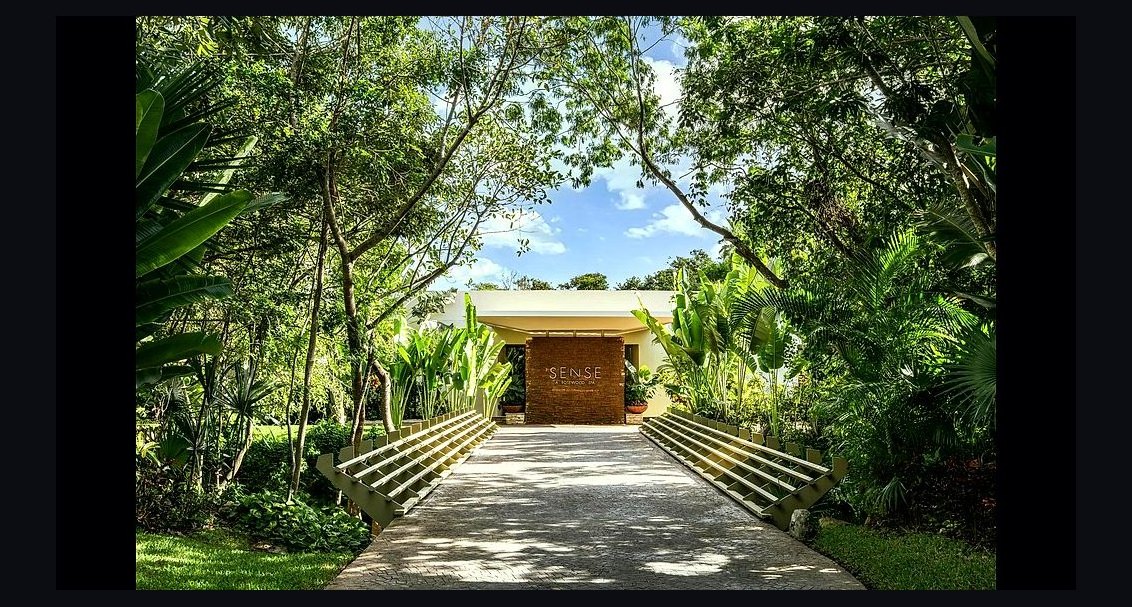 pulse-resortsTop 10 Resorts in Mexico in 2027
 pulse-resortsThe 10 Best Ski Resorts in the Lake Tahoe Region for 2027
 pulse-resortsTop 10 Resorts in St. Lucia in 2027
 pulse-resortsTop 10 Resorts in Park City in 2027
 pulse-resortsTop 10 All-Inclusive Resorts in Bali in 2027