


Sales Org Chart for Multi-Product SaaS in 2027
Quality
Certified
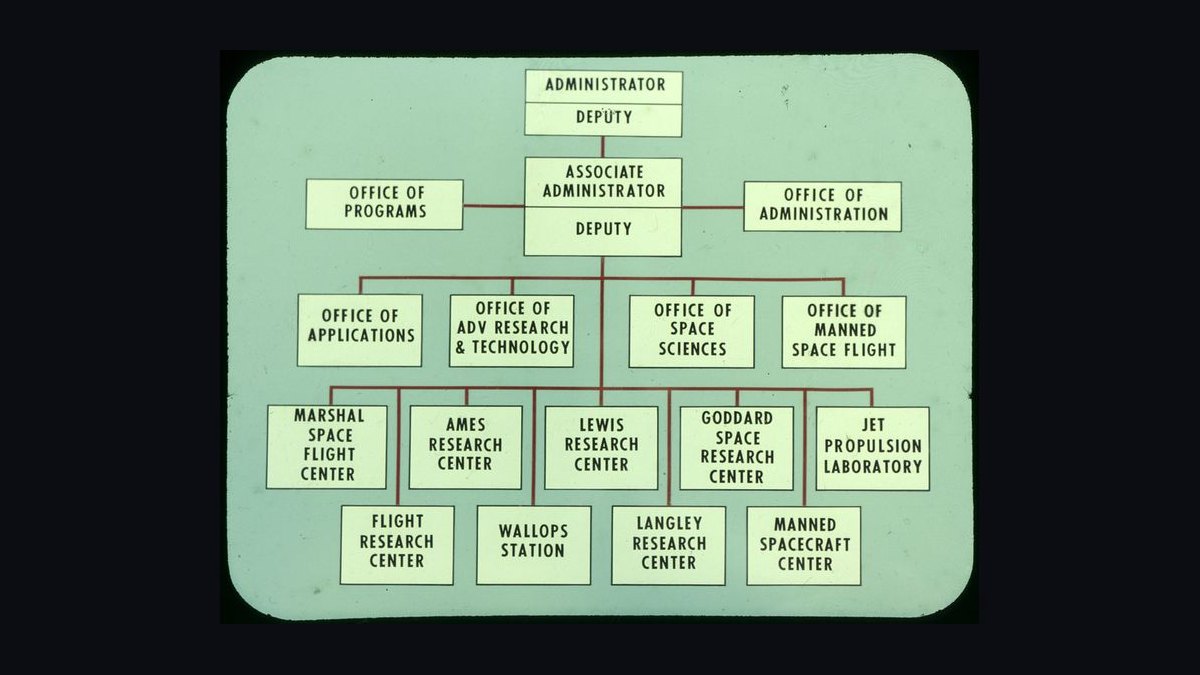
A 2027 multi-product SaaS sales org chart runs pod-with-overlay: one full-stack AE owns the logo and account plan permanently, two or three product specialists attach to deals above roughly $50K ACV, and a product marketing overlay owns positioning, battlecards, and cross-sell sequencing. Purer generalist or purer specialist structures both leak revenue at scale.
What a multi-product sales org chart is and why the shape decides revenue
An org chart is not a picture of who reports to whom. It is a compressed statement of three decisions: who owns the customer relationship, who owns product depth, and who gets paid when both are required to close a deal. In a single-product company those three collapse into one seat and the Chart is boring. Add a second SKU and they split apart, and every line on the chart becomes a negotiation about credit.
The reason this matters more in 2027 than it did in 2019 is the cost of capital. In the zero-interest era, the standard answer to "our second Product isn't selling" was to hire a dedicated Sales team for it — its own AEs, its own SDRs, its own leader. That team could burn eighteen months figuring out product-market fit on the company's dime. Post-2022, boards price that experiment differently. The Multi-product motion now has to be built out of seats that already exist, with incremental hires justified by attributable pipeline rather than by a strategic narrative.
That constraint produces three viable shapes, and only three. The full-stack generalist model gives every AE every product. It has the lowest headcount, the simplest comp plan, and the fastest ramp because there is exactly one playbook to learn. It fails predictably once you cross three products or, more importantly, three distinct buyer personas — a rep who has to open a conversation with a CISO on Monday and a VP of Data on Tuesday will get good at one and quietly stop pitching the other. Industry benchmark data on AE quota attainment consistently shows generalists at multi-product shops attaining at a meaningfully lower rate than single-product peers, and the gap is structural, not a coaching problem. Context-switching across pitches has a real cost.

The pure specialist model gives each product line its own AE team, its own SDRs, sometimes its own RevOps lane. Large infrastructure and platform vendors ran this through the early 2020s. The strength is genuine product depth: the specialist has run three hundred discovery calls on that exact product and knows the failure modes cold. The weakness has a name — account collision. Three reps from the same vendor calling the same VP of Infrastructure in the same quarter is the most common complaint you will find in public sales-org reviews, and it costs win rate because the buyer starts treating you as a vendor that cannot get its own house in order.
The pod-with-overlay model is the 2027 default for companies roughly between $25M and $500M ARR. A named AE owns the logo permanently. Specialists are deal-paired rather than account-paired: they get pulled in on a specific opportunity, they get paid on it, and they leave. A product marketing overlay maintains the artifacts that let the AE run a credible first conversation about a product they sell twice a quarter. RevOps publishes a single account plan of record so there is one system-of-truth answer to "who is talking to this customer."
The adjacent decision most orgs skip: the same logic applies downstream in Customer Success. If you split new-logo Sales into pods, you have to decide whether expansion revenue is a CSM job or an Account Manager job. Mixing renewal and cross-sell quota into one seat reliably damages net revenue retention, because a CSM who needs an upsell will not have the uncomfortable adoption conversation that protects the renewal. The Chart has to split those seats even though it looks like duplicated headcount.
The step-by-step process for standing up the pod structure

The sequence matters more than the destination. Most failed Multi-product reorgs got the target shape right and the order wrong — they hired specialists before there was specialist-sized pipeline, or they rewrote comp before they knew which AEs were already cross-selling successfully.
Step one: instrument attach rate before you touch anything. You need attach rate by individual AE, cross-sell ACV per account, win rate by product, and deal cycle length by motion (single-product versus multi-product). The distribution matters more than the average. If your top-decile AEs attach the second Product on 40% of deals and your bottom decile attach on 4%, that spread is your entire upside and it is a playbook problem, not a structure problem. Interview the top decile before you design anything — they have already invented the motion you are about to formalize.
Step two: pull call recordings of failed multi-product attempts. Ten to fifteen is enough to see the pattern. You are looking for the exact moment the second-product conversation dies. Usually it dies at a technical question the AE cannot answer, which tells you the fix is a specialist or better enablement. Sometimes it dies because the AE never raised it, which tells you the fix is comp. Those two diagnoses lead to opposite investments.

Step three: lock the ownership rule before the comp plan. One AE owns the logo. Specialists are deal-paired. Write it down in one sentence, get the CRO and both VPs to sign it, and then design comp to enforce it. Doing this in the other order produces a comp plan that pays two people to fight over the same account.
Step four: rewrite comp with double-credit. During the launch window of a new product — call it the first eighteen months — the specialist and the AE both get 100% credit on an attached deal. Yes, you are paying twice on the same revenue. That is the point: it is the cheapest possible mechanism to make AEs enthusiastic about bringing specialists in, and it is temporary. If AEs suspect the specialist will take the number, they will simply not raise the second product.
Step five: build the cross-sell sequencing map with product marketing. This is the artifact that turns structure into behavior. A complete map encodes, per ICP: which product to land first, what usage or firmographic signal triggers the Product 2 conversation, which AE-plus-specialist combination runs that play, the expected deal cycle, and the typical ACV uplift. It is a living document, revised quarterly against actual attach data.
Step six: hire the first specialist cohort, then ship enablement, then set OKRs. Not the reverse. A specialist who arrives before the battlecards exist spends their first quarter writing them, which is expensive PMM work done by an expensive Sales seat.
Step seven: enforce the ownership rule in the CRM, not in a slide. Configure the CRM so a second owner on an opportunity is a deal-paired specialist, not a co-owner of the account. This is the single cheapest defense against account collision, and it requires RevOps engineering time that most models omit.
Costs, timelines, and typical ranges

The quota math is where Multi-product orgs quietly break. The failure is almost always the same: leadership stacks a second-product target on top of the existing AE number without rebalancing capacity, and then treats the resulting miss as an execution problem.
Work the arithmetic. SaaS AE quotas typically land somewhere around four to five times on-target earnings — a rep with an OTE in the high $100Ks carries a bag in the $800K range, with a base-variable split near 55/45. Now add a second product with a 20% attach expectation. The rep's effective production requirement climbs by a couple hundred thousand dollars at unchanged OTE, and you have silently cut their earning power per unit of effort. Reps do this math faster than CFOs expect.
The overlay fixes it. A specialist carries a shadow bag — smaller than an AE's, typically in the low-to-mid six figures — that double-counts against the AE's number rather than subtracting from it. Specialist comp skews more toward base than an AE's, commonly around 70/30, because their pipeline is AE-sourced rather than self-generated; paying them like a hunter when they cannot hunt produces churn. Per-deal SPIFFs on net-new product attach, in the low thousands, are the standard year-one accelerant during a launch.
On ratios, three hold up reasonably well across companies:

- AE-to-specialist settles near 5:1 through the growth window. Roughly one specialist per $5M of second-product ARR is a defensible hiring trigger — below that, the seat does not clear its own cost. A fully loaded specialist in the low $200Ks needs meaningful attributable second-product ACV to justify existing, and you will not see that volume in a product's first year.
- SE-to-AE tightens from about 1:4 to about 1:2.5 when you go Multi-product. This is the ratio orgs skimp on most and regret fastest. The demo is the second product's moment of truth; a shared, overbooked SE turns every multi-product deal into a scheduling problem.
- PMM-to-AE sits around 1:25 at median, but top Multi-product orgs run closer to 1:12. More on why below.
Timelines: a single-product AE ramps in roughly four months. A Multi-product AE needs five to six, because they are learning two pitches, two demo flows, and two pricing books simultaneously. Prorate new-hire quota across the ramp — a 25/50/75/100 stair across months two through five is the common pattern. Skipping proration does not accelerate anyone; it just guarantees the new hire misses, and it hides what is sometimes called the silent capacity gap: in a 40-rep org with normal attrition, five people are always partially ramped, so your actual deployable capacity is meaningfully below your headcount number. Plan hiring against ramped capacity, not seats filled.
Specialists ramp faster when assigned to named accounts than to a geography — roughly four months versus five and a half — because named-account assignment lets them build durable relationships with a fixed set of AEs instead of re-establishing credibility every deal.
One more cost line most models omit: RevOps. Multi-product means product-level revenue reporting, split credit logic in the comp system, and a CRM data model that can represent an opportunity with two owners. That is real engineering work, and if you do not fund it, your beautiful double-credit comp plan gets administered in a spreadsheet and paid late, which destroys trust in the plan faster than any structural flaw.
Where teams get it wrong

Account collision. Two reps from different product teams calling the same buyer is the classic pure-specialist failure, and it costs win rate in the high single digits to low double digits. The fix is the ownership rule: one AE owns the logo, specialists are deal-paired. Enforce it in the CRM, not in a slide.
Specialist credit without AE credit. If only the specialist books the Product 2 revenue, AEs stop making the introduction. This is not a culture problem and it will not respond to a spiff or a speech. Double-credit for the launch window is the mechanism.
Product marketing as a content team. If your PMM function is shipping decks and one-pagers instead of sequencing maps, battlecards, and launch readiness scorecards, you have a marketing staffing problem wearing a Sales-structure costume. Reorganizing Sales will not fix it.
CSMs carrying cross-sell quota. Discussed above; it costs net revenue retention points. Split the seats.
Over-specializing too early. Three specialists hired before the second product clears meaningful ARR is roughly two-thirds of a million dollars in fully loaded payroll against unrealized quota. At most growth rates that fails a Rule of 40 test on its own, and it also fails politically — the specialists miss, leadership concludes the product does not sell, and the product gets shelved when the real problem was hiring sequence.
Capping accelerators. CFO appetite to cap commissions above 150% attainment hardened after 2022, and it is understandable. But an attached specialist deal is close to marginal-cost-zero incremental revenue, and capping it teaches your best reps to sandbag Q4 attach into Q1. If you must cap, cap the base-product accelerator and leave the multi-product attach uncapped — that preserves the behavior you are trying to buy.

Designing the Chart around current people. The most common quiet failure. You have a strong second-line leader who wants a team, so you carve out a product line for them. Eighteen months later the structure exists to serve an org chart, not a buyer. Design against the buying committee first, then staff it.
Letting the specialist become a de facto AE. If specialists start carrying full-cycle quota and self-sourcing pipeline, you have rebuilt the pure-specialist model by accident and re-created account collision. Keep the shadow bag smaller than an AE's and keep the pipeline AE-sourced.
Decision framework: when to choose what
The decision is mostly a function of three variables: ARR, SKU count, and whether your products share a buyer. That third one is the underweighted variable. Two products sold to the same VP of Engineering can live in a generalist model far longer than two products sold to a CISO and a CFO respectively, regardless of revenue. Buyer-persona count, not product count, is what actually strains a rep.
Below roughly $25M ARR with one or two SKUs, stay full-stack. Add one dedicated Sales Engineer who carries deal-side depth on the newer product, and lean on product marketing for enablement. Do not hire a specialist. The first $10M of a second product should be sold by generalists — partly for economics, and partly because you learn the objection set faster when fifteen reps hit it than when two do.
Between $25M and $500M with three or more SKUs or distinct personas, run pod-with-overlay. This is the wide middle of the market and the default recommendation.

Above roughly $500M with regulated or highly technical buyers, pure specialization starts to pay — but only with a named global account owner sitting above the specialists to prevent collision. That role is effectively a strategic account director, and it is the seat that makes specialization survivable at scale.
Two adjacent scenarios worth planning for. Acquisition-driven multi-product: if the second product arrived via M&A, you inherit an intact Sales team with its own comp plan, CRM, and culture. Do not merge the Charts in the first two quarters. Run the acquired team intact, instrument attach in both directions, and merge only after you know which motion actually cross-sells. Product-led plus sales-led hybrid: if one product self-serves and the other is enterprise-sold, the specialist overlay inverts — the enterprise AE becomes the overlay on top of a PLG account, pulled in on expansion signals rather than owning the logo from day one. The Chart looks similar; the trigger logic is completely different.
A fourth variable worth naming: sales motion complexity. If one product is transactional and the other requires a security review and a legal cycle, the two motions cannot share a single AE quota without one starving. In that case, split the seats even at lower ARR — motion mismatch strains a rep faster than persona mismatch does.
Related questions
At what ACV should a specialist join the deal?
Most orgs land the threshold somewhere between $40K and $60K ACV. Below it, the loaded cost of specialist time exceeds the win-rate lift; above it, a solo generalist leaves expansion revenue on the table. Set it, measure win rate on both sides of the line, and adjust once a year.
Should the specialist or the AE run the demo?

The specialist runs the deep product demo; the AE runs discovery, business case, and close. The AE stays on the call — silent handoffs signal to the buyer that their relationship owner does not understand what they are buying.
How does this Chart change for ten or more products?
Group products into families — analytics, security, workflow — and staff one specialist per family rather than per SKU. Beyond that you need a second tier: a specialist manager who triages which overlay attaches to which deal, or the AE spends their week routing.
Does the pod model work with only two products?
Yes, with shared specialists. One specialist per product, rotating across pods, is workable as long as every above-threshold deal gets dedicated specialist time. The comp mechanics are identical; only the headcount changes.
Who owns the account plan of record?
RevOps publishes it; the AE maintains it. Specialists and AMs read from it and append deal-level notes. One document, one owner, visible to everyone touching the logo — this is the single cheapest defense against account collision.
FAQ
What is the fastest signal that our current Sales org Chart is wrong?
Look at attach-rate variance across AEs. If the spread between your top and bottom decile is more than about ten times, the structure is not producing the behavior — individual heroics are. A healthy structure compresses that spread, because the playbook and the overlay do work the rep would otherwise have to invent.
Should specialists report to the pod leader or to a product line leader?
Solid line to a specialist manager who reports to the VP Sales, dotted line to the pod. Reporting into the pod makes specialists de facto AEs and destroys the shared-resource economics; reporting into the product organization makes them evangelists who do not close.
How long should double-credit last after a product launch?
Roughly eighteen months, then step down. The purpose is to buy AE enthusiasm during the period when the second product is unfamiliar and risky to pitch. Once attach becomes normal behavior, double-credit is just margin leakage — but ending it early re-teaches reps to avoid the specialist.
What happens to SDRs in a Multi-product pod?
They stay assigned to the pod and prospect the account, not the product. Product-specific SDR teams recreate account collision at the top of the funnel, which is worse because the buyer's first impression of your company is three different people pitching three different things in the same week.
Do we need separate RevOps for each product line?
No. One RevOps function with product-level reporting is correct. Splitting RevOps by product guarantees two incompatible definitions of pipeline within a year, and reconciling them consumes more analyst time than the split ever saved.
Is there a version of this Chart for services or usage-based revenue?
Yes, and it mostly changes the CS side. With usage-based pricing, expansion is a product and adoption problem more than a selling problem, so the Account Manager seat shrinks and the CSM seat grows — but the new-logo pod with specialist overlay stays intact.
Sources
- https://www.bridgegroupinc.com/blog
- https://www.saastr.com/
- https://www.gong.io/resources/
- https://www.gainsight.com/blog/
- https://www.repvue.com/
- https://www.winningbydesign.com/resources/
- https://productmarketingalliance.com/
- https://www.alexandergroup.com/insights/
- https://www.forcemanagement.com/blog
- https://www.bvp.com/atlas
Related on PULSE
This page will be disappearing soon. Save it to your device for $1 — or read it free while it is here.
@Kory-White- · if Venmo asks, the last 4 of my number are 2012
This page is gone.
This one is off the shelf now. $1 keeps it on your phone for good — the whole page, pictures and diagrams included.
 pulse-revenue-architectureRevenue Architecture for Enterprise Software — The Complete Operator Guide in 2027
 pulse-revenue-architectureCustomer Success Comp Plan for SaaS in 2027
 pulse-revenue-architectureRevenue Architecture for Restaurant Supply + Hospitality Smallwares + Foodservice Equipment Distribution Software in 2027 (PFG-Hubert Vertical Integration, Buyers Edge GPO Consolidation, WebstaurantStore E-Commerce Scale)
 pulse-revenue-architectureCRO Weekly Metrics Dashboard Design in 2027
 pulse-revenue-architectureHunter vs Farmer Split for SaaS Sales in 2027
 pulse-revenue-architectureRevenue Architecture for Quality Management Systems (QMS) — The Complete Operator Guide in 2027
 pulse-revenue-architectureRevenue Architecture for Fitness and Wellness Chains — The Complete Operator Guide in 2027
 pulse-revenue-architectureCustomer Advisory Board CAB Design for SaaS in 2027
 pulse-revenue-architectureWhen to Hire Your First Sales Engineer in 2027
 pulse-revenue-architectureRevenue Architecture for Mining Tech Software — The Complete Operator Guide in 2027