 Pulse Reviews and Analysis
Best Honda CRX Model Years (Ranked)
 Curated by Kory White · Fractional CRO, CRO Syndicate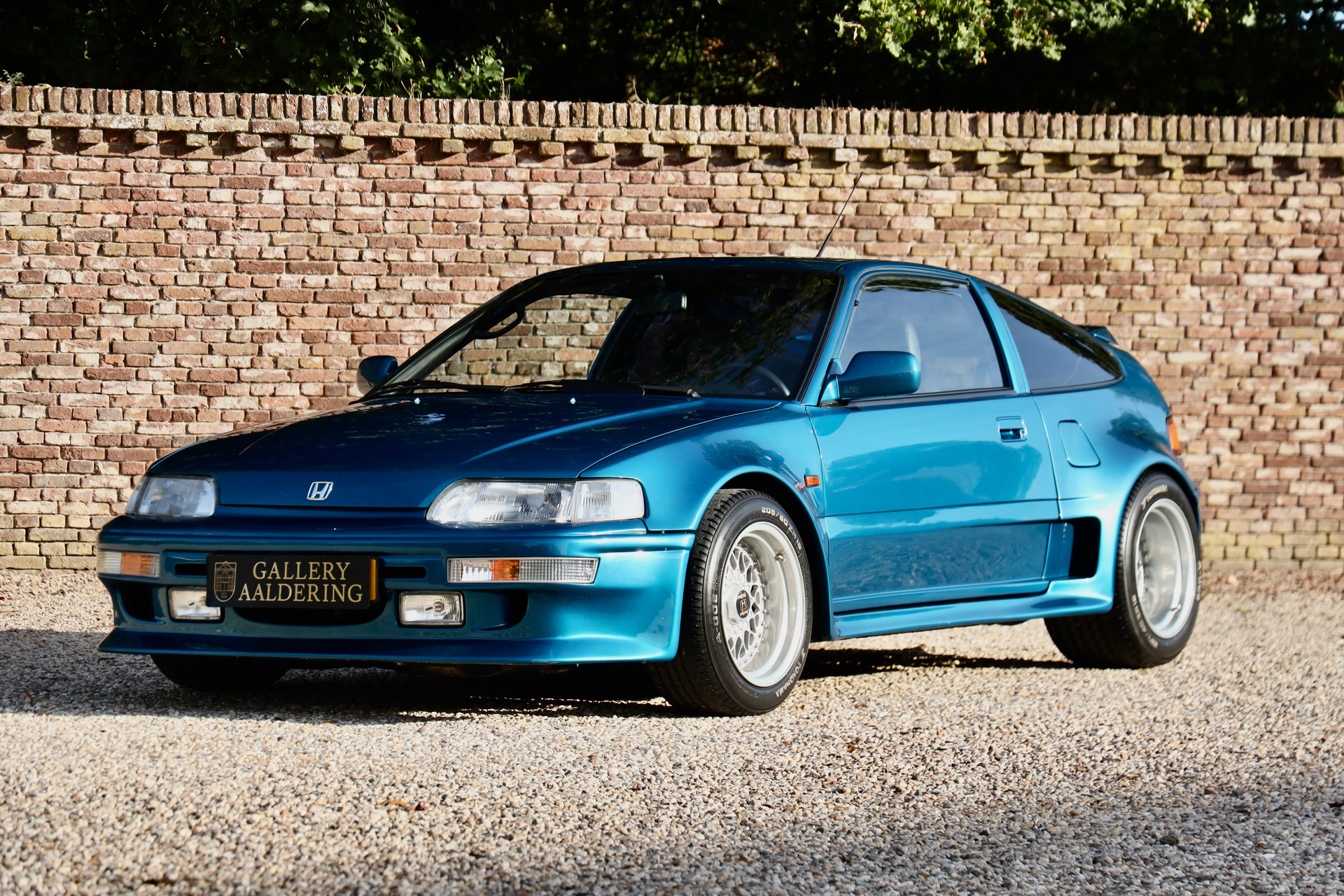
Best Honda CRX Model Years (Ranked)
The Honda CRX is one of the most beloved compact sport coupes of the 1980s, a lightweight two-seat hatchback built on the Civic platform that balanced economy, fun, and engineering cleverness. Produced from 1984 to 1991 across two generations, the CRX came in frugal HF trims that chased 50-plus mpg, sporty Si models with fuel injection, and a rare European VTEC version.
Today it is a sought-after modern classic, prized by enthusiasts, autocrossers, and engine-swap builders for its low weight and tunable Honda powerplants. Choosing the right year and trim matters: rust, modifications, and clapped-out examples are common. This ranking covers the best Honda CRX model years, their engines, the trims worth seeking, and where the value lies today.
Direct Answer
The best overall Honda CRX is the 1988-1991 second-generation Si, which pairs the refined double-wishbone chassis with the fuel-injected 1.6L D16A6 engine (105-108 hp), a slick five-speed, and a usable pop-up moonroof, making it the most rewarding to drive and the most collectible.
For shoppers focused on value, the best value is the 1988-1991 CRX DX, which shares the excellent second-generation chassis and a dependable carbureted or injected 1.5L engine at a far lower buy-in than Si cars. The legendary 1988-1991 CRX HF is the efficiency icon. Be cautious with heavily modified or rusty examples of any year, since clean, original CRXs now command real money.
1. 1988-1991 Second Generation Si 🏆 BEST OVERALL

The second-generation CRX Si is the model's high point and the one enthusiasts chase hardest. It uses the fuel-injected 1.6L D16A6 SOHC four (105-108 hp), a five-speed manual, and the double-wishbone suspension that made the second-gen Civic platform handle so well. A standard power pop-up moonroof, rev-happy engine, and roughly 2,100-pound curb weight make it genuinely quick for its era and a joy on a back road.
It is also the most collectible CRX, so clean originals command premium prices. Rust in the floors, rear hatch, and strut towers is the chief enemy, and many were modified or engine-swapped. A documented, unmolested Si is the CRX to own.
2. 1988-1991 CRX DX 💎 BEST VALUE

The CRX DX is the value sweet spot. It shares the second generation's superb double-wishbone chassis and tidy proportions but uses the 1.5L D15B2 engine (around 92 hp), making it cheaper to buy and insure than the Si while still delivering the playful handling that defines the car.
The best value is a clean 1988-1991 DX, which costs a fraction of an Si yet drives nearly as sweetly for everyday use.
The DX is also a popular base for engine swaps, since the chassis readily accepts later VTEC powerplants. Buy an unmolested one and you get CRX fun without Si money, with room to upgrade later.
3. 1988-1991 CRX HF

The second-gen CRX HF is the fuel-economy legend. Its lean-burn 1.5L D15B6 engine, taller gearing, and aerodynamic tweaks let it return an EPA-rated 49 city / 52 highway mpg, figures that still embarrass most modern hybrids. With only about 62 hp, it is no rocket, but the light body keeps it lively enough.
Enthusiasts prize the HF for its efficiency cult status and its lightweight shell as a swap platform. Original HF engines with intact lean-burn systems are increasingly rare. A clean, unmodified HF is a fascinating piece of Honda engineering history and a frugal classic that still turns heads.
4. 1985-1987 First Generation Si

The original first-generation CRX Si introduced fuel injection to the line in 1985. Its 1.5L D15A3 (1.6L in some markets) made roughly 91 hp, and the lighter, simpler first-gen body with its distinctive plastic lower cladding gives it a purer 1980s character. It was a critical darling, repeatedly praised by the enthusiast press for its agility and economy.
These early Si cars are now genuine vintage collectibles, and clean ones are scarce. The earlier beam-axle rear suspension is less sophisticated than the later double-wishbone setup, but the driving experience is raw and engaging. Rust and age are the main risks given how few survive in good shape.
5. 1984-1987 First Generation DX/1.5

The first CRX launched for 1984 as a peppy economy coupe. The 1.5L carbureted and later injected fours powered the DX/1.5 trims, delivering lively performance from a sub-1,900-pound body. These cars established the CRX recipe: two seats, a practical hatch, and surprising fun on a budget.
As the oldest CRXs, they are now 40-year-old vehicles, so corrosion, worn bushings, and aging electronics are common. The upside is character and originality. A survivor first-gen DX is a charming weekend classic and a window into early-1980s Honda design, best bought as a clean, complete example rather than a project.
6. 1984-1987 First Generation HF

The original CRX HF pioneered the economy formula later perfected in the second generation. Its small 1.3L (early) and 1.5L lean-burn engines, light weight, and slippery shape produced EPA figures in the high-40s to low-50s mpg, astonishing numbers for the mid-1980s. With modest horsepower, it prioritized frugality over speed.
First-gen HF cars are now quite rare, since many were driven hard as commuters and discarded. For collectors, an original HF represents the roots of Honda's efficiency engineering. Verify the lean-burn system and emissions equipment are intact, and expect the usual age-related wear. A clean one is a niche but rewarding classic.
7. 1990-1991 CRX Si (Final Year Refinements)

The 1990-1991 Si cars were the last and most refined CRXs sold in North America before the model gave way to the Civic del Sol for 1993. They received minor updates including a driver-side airbag for 1990 and small trim tweaks, while keeping the proven D16A6 engine and double-wishbone chassis.
As the final-year models, they tend to have the latest improvements and, in some cases, slightly lower original mileage. They carry the same collector appeal and the same rust caveats as earlier second-gen Si cars. A documented, low-mileage 1991 Si is one of the most desirable CRXs you can buy today.
8. CRX Si with Honda VTEC Engine Swap (B16A)

A huge segment of the CRX community runs VTEC engine swaps, most commonly the B16A (160 hp) from the Japanese-market Civic SiR or the B18C from the Integra. Dropped into the light CRX shell, these engines transform the car into a genuinely fast, high-revving pocket rocket while retaining the excellent chassis.
A well-built swap with proper wiring, mounts, and supporting upgrades can be more desirable than a stock car to performance-minded buyers. The caution is quality: many swaps are sloppy. Buy only documented, professionally executed builds, and verify title, emissions legality in your state, and overall fabrication standards before paying a premium.
9. Honda CRX SiR (JDM, EF8)
The Japanese-market CRX SiR (EF8) is the factory hot version never sold new in the United States. It came with the high-revving 1.6L B16A DOHC VTEC engine producing around 150-160 hp from the factory, plus sportier trim and gauges. To enthusiasts it is the ultimate factory CRX.
Thanks to the 25-year import rule, clean EF8 SiRs are now legally importable into the US and are highly sought after. They command strong prices and require careful inspection for rust and prior abuse, as JDM cars vary widely in condition. For a purist who wants factory VTEC in a CRX body, the SiR is the holy grail.
10. 1985-1991 Honda CRX as a Project/Track Car

Any CRX makes an outstanding autocross, track, or project car thanks to its low weight, tunable Honda engines, and deep aftermarket support. Builders strip the interior, add coilovers and a roll cage, and swap in stronger powerplants to create a featherweight track weapon for relatively little money.
A rough but solid CRX that is too far gone to restore as a classic can be ideal as a dedicated build, sidestepping concerns about preserving originality. The key is a straight, rust-free shell, since corrosion is the one thing that cannot be cheaply fixed. As donor or canvas, the CRX remains one of the best lightweight platforms in grassroots motorsport.
What to Watch For When Buying
The single most important check on any CRX is rust. These are 30-to-40-year-old unibody cars, and corrosion in the floor pans, rear hatch area, strut towers, and rocker panels can be terminal. A rust-free shell is worth far more than a clean engine.
- Modifications and swaps — confirm any engine swap was done properly with correct wiring, mounts, and documentation; sloppy builds are common.
- Originality — unmolested, stock examples command the biggest premiums; verify the original engine and trim.
- Lean-burn systems on HF models — make sure the emissions and lean-burn equipment is intact and functional.
- Title and import paperwork — essential for JDM SiR (EF8) imports under the 25-year rule.
- High mileage and abuse — many CRXs were driven hard; check compression, clutch, and synchros.
- Parts availability — some trim and body pieces are now scarce and expensive.
How to Choose
Match the CRX to your goal. For the best all-around classic to drive, target a clean, original 1988-1991 Si with documented history and minimal rust. For the smartest value, a 1988-1991 DX delivers the same brilliant chassis for much less and makes an ideal swap base.
Efficiency fans should seek an intact HF. If you crave factory performance, the JDM SiR (EF8) with its B16A VTEC is the ultimate, while a well-built B16A swap offers similar thrills for less. Bargain hunters and racers should look for a straight, rust-free shell to build.
In every case, prioritize a solid body and honest documentation over a low price.
FAQ
Which Honda CRX year is the best? The 1988-1991 second-generation Si is widely considered the best, combining the refined double-wishbone chassis, the fuel-injected D16A6 engine, a pop-up moonroof, and the strongest collector appeal of any US-market CRX.
Is the Honda CRX HF really that fuel efficient? Yes. The second-generation HF was EPA-rated at roughly 49 city and 52 highway mpg thanks to its lean-burn 1.5L engine, tall gearing, and light weight, figures that still rival modern hybrids decades later.
Can you import a JDM CRX SiR to the US? Yes. Under the federal 25-year import rule, the Japanese-market CRX SiR (EF8) with its factory B16A VTEC engine is now legal to import. Clean examples are highly sought after but vary widely in condition.
What is the biggest problem with buying a used CRX? Rust is by far the biggest concern. These unibody cars are decades old, and corrosion in the floors, hatch, and strut towers can make a car not worth saving. Always prioritize a rust-free, unmodified shell.
Bottom Line
The Honda CRX is a lightweight 1980s icon that remains one of the most rewarding affordable classics you can buy. The 1988-1991 second-generation Si is the best overall pick, blending a brilliant chassis with a fun, fuel-injected engine, while the 1988-1991 DX offers the best value and a perfect swap base.
HF models chase legendary economy, and the JDM SiR delivers factory VTEC thrills. Whichever you choose, rust and originality matter most: buy a solid, documented car and the CRX rewards every drive.
Sources
- Wikipedia Honda CR-X generations, engines, and technical specifications, en.wikipedia.org
- Honda official heritage and model history archives, honda.com
- EPA Fuel Economy ratings for Honda CRX by model year, fueleconomy.gov
- Hagerty Honda CRX valuation and collector market guide, hagerty.com
- Car and Driver and Road & Track historical CRX road tests and reviews, caranddriver.com
- Edmunds and Kelley Blue Book used Honda CRX pricing references, edmunds.com / kbb.com