


Same Side Selling by Ian Altman and Jack Quarles — Cliff Notes Summary
Quality
Certified

Same Side Selling by Ian Altman and Jack Quarles (first edition 2014, subtitle *A Radical Approach to Break Through Sales Barriers*; revised second edition 2018, subtitle *How Integrity and Collaboration Drive Extraordinary Results for Sellers and Buyers*) is the unusual sales book written by a seller and a buyer. Altman is a B2B growth advisor who runs the Same Side Selling Academy; Quarles is a procurement-side veteran and founder of Buying Excellence who has sat on the buyer's side of thousands of deals.
The book's one argument: traditional selling is framed as a game or a battle — someone wins, someone loses — and that framing makes the seller and buyer adversaries. Same Side Selling replaces it with a single metaphor: seller and buyer sit on the same side of the table and solve a puzzle together. The operating principle is FIT — Finding Impact Together: your only real job in a deal is to determine, with the buyer, whether your solution genuinely fits their problem. If it fits, you both invest. If it doesn't, you say so early — and even a "no" tends to earn you a fan who refers you later.
The book's one concrete tool is the Same Side Quadrant, a four-box worksheet for running a conversation: Issue, Impact/Importance, Results, and Who Else Is Impacted. That's the whole method — diagnose those four things honestly, and the fit decision makes itself.
The Core Idea — Solve a Puzzle, Don't Play a Game
The most common sales metaphors are drawn from sports, war, and games — pipelines you "win," objections you "overcome," buyers you "close." Every one of those framings requires a winner and a loser, which quietly casts the buyer as the opponent. Same Side Selling rejects the metaphor itself. The healthier picture is two people on the same side of a table working a jigsaw puzzle: they share a goal (the right outcome for the buyer's business), and progress comes from cooperation, not leverage.
This is not a softness argument. Altman and Quarles are blunt that a seller's job is to be a valuable resource, not a predatory peddler — and that being genuinely useful, including being willing to walk, is what produces durable revenue. The cooperative frame is a commercial strategy, not a courtesy.

FIT — Finding Impact Together
The acronym that carries the book is FIT: Finding Impact Together. Instead of trying to win the deal by any available means, the seller's question is narrow and honest: *is this solution actually a fit for this buyer, and can we add real value here?*
Focusing on fit does two things at once. It gives the seller the confidence to stop selling features and start diagnosing, and it gives the buyer a clear, shared yes-or-no question rather than a pitch to defend against. Crucially, the book argues that a clean "not a fit" is not a failure — it usually earns trust and a future referral, because you protected the buyer from a bad purchase.
The Same Side Quadrant — The Book's One Real Tool

The Same Side Quadrant is the practical worksheet at the center of the methodology. It is four boxes you fill in during a conversation with a prospect:
- Issue — the high-level description of the project or problem the client is facing, in the client's terms. What are they actually trying to get done, and why now?
- Impact / Importance — what happens if they *don't* solve it. If the buyer cannot convince *you* that the impact is real and material, the opportunity may not be worth pursuing. No impact, no deal.
- Results — how success will be measured. The book's signature question: *"Six or eighteen months after we deliver, how will you and I both be able to measure whether this worked?"* This aligns expectations before anything is sold.
- Who Else Is Impacted — who else has the most to gain or lose, and whose opinion will shape how the project is approached and judged. This surfaces the rest of the buying group without an interrogation.
Filled in honestly, the quadrant tells you objectively whether an opportunity deserves your finite resources. It replaces feature-pitching with structured, two-sided diagnosis — and it doubles as the disqualification filter.
Disqualification as a Discovery Skill

The most counterintuitive move in the book is treating walking away as a core competency. If the buyer can't articulate the impact, or the fit clearly isn't there, the same-side seller says so early rather than chasing the commission. The payoff is reputational: buyers remember the seller who told them the truth, and that seller gets the call when a real-fit deal appears. The book's framing is that disqualifying well doesn't lose you the relationship — it often converts a non-buyer into a referral source.
The Buyer's Perspective — Quarles's Procurement Lens
What separates this book from nearly every other sales title is Jack Quarles. As a procurement veteran, he writes the buyer's point of view into the method directly — not as a guess about what buyers *probably* want, but as a practitioner who has evaluated countless vendors. His lens reinforces the central thesis from the other side of the table: buyers want clarity on what you sell and who it's for, honesty about when they aren't your ideal customer, a faster yes-or-no, and a partner who will help build the real business case rather than spin one. Same-side behavior, in other words, is also exactly what good buyers are screening for.
Why the Book Warns Against Leading With Budget and Authority

A recurring, concrete piece of guidance: don't open by qualifying on budget and authority. Leading with "What's your budget?" and "Are you the decision-maker?" instantly recreates the adversarial posture the book is trying to dissolve — it puts the buyer on the defensive in the first five minutes. The same-side alternative is to lead with the buyer's issues and symptoms, establish genuine impact, and let budget and stakeholders surface naturally through the quadrant (Impact and Who Else Is Impacted) once trust exists.
Frameworks at a Glance
The handful of named ideas that actually travel out of Same Side Selling:
- Same Side, Not Across the Table — the puzzle-versus-game reframe. Cooperation replaces leverage as the engine of the deal.
- FIT — Finding Impact Together — the core operating principle. The only question is whether the solution genuinely fits the buyer.
- The Same Side Quadrant — the four-box conversation worksheet: Issue / Impact-Importance / Results / Who Else Is Impacted.
- Disqualify Early — walking away from poor-fit deals is a skill, not a loss; it protects the buyer and earns referrals.
- The Buyer's Lens — Quarles's procurement-side view of what buyers actually want from sellers.
What Holds Up, What Has Aged

What still holds:
- The same-side mindset is more relevant than ever. Modern buyers — especially in product-led and self-serve motions — detect manufactured urgency instantly, and reward sellers who openly diagnose fit.
- The Same Side Quadrant remains a clean, fast discovery structure. Its emphasis on quantified impact and an explicit measurement of results maps directly onto the rigor that enterprise frameworks like MEDDPICC later formalized.
- Disqualify early has only gained force as buying committees grow and everyone's time gets scarcer.
What has aged (analyst's note, not the book's claim):
- The book asks sellers to perform buyer-friendly discipline manually. The market has since produced buyer-enablement and procurement tooling — e.g., Vendr, Tropic, and analyst coverage from Gartner — that institutionalize some of the buyer-side behavior Quarles championed.
- Conversation-intelligence platforms such as Gong now surface adversarial-versus-collaborative discovery patterns automatically, work a 2014 sales manager had to do by sitting in on calls.
- The 2014 prose occasionally reads as motivational by today's data-dense standards; readers who want the same lessons with heavier research often pair it with newer titles.
FAQ

What is the single big idea of Same Side Selling? Stop treating selling as a game or battle with a winner and a loser. Sit on the same side of the table as the buyer and solve a puzzle together — figure out, honestly and jointly, whether your solution fits their problem.
What does FIT stand for? Finding Impact Together. It's the book's core principle: rather than trying to win the deal by any means, you focus on whether your solution genuinely fits this buyer and adds real value. The shared question becomes a clean yes-or-no, and even a "no" can earn you a referral.
What is the Same Side Quadrant? A four-box worksheet for running a discovery conversation: Issue (the client's actual problem), Impact/Importance (what happens if they don't solve it), Results (how success will be measured in 6–18 months), and Who Else Is Impacted (the rest of the buying group). Fill it in honestly and it tells you whether the deal deserves your resources.
Why does the book tell sellers to walk away from deals? Because chasing poor-fit deals burns your time and the buyer's trust. If the buyer can't convince you the impact is real, the same-side move is to disqualify early. Done well, walking away protects the buyer from a bad purchase and frequently turns a non-buyer into a future referral source.

Why does the book warn against opening with budget and authority questions? Leading with "What's your budget?" and "Are you the decision-maker?" immediately recreates the adversarial dynamic the book is trying to dissolve and puts the buyer on the defensive. Lead with the buyer's issues and impact first; budget and stakeholders surface naturally once trust exists.
Why does it matter that the book is co-authored by a buyer? Jack Quarles is a procurement veteran, so the buyer's actual point of view is written into the method rather than guessed at. That's what makes the same-side claim credible: the behaviors the book recommends are precisely the ones experienced buyers are screening sellers for.
Bottom Line
Read Same Side Selling if you have ever pushed through a deal you suspected was a poor fit and watched it unravel afterward. Altman and Quarles wrote it together specifically so the lesson lands from both sides of the table: stop playing a game against the buyer and start solving the puzzle with them. The practical tools are small — the FIT mindset and the four-box Same Side Quadrant — but the underlying shift, from extraction to collaboration, is what makes the method durable. It's a short, plain book whose ideas have quietly become the default posture of good modern selling.
Related on PULSE
- Positioning: The Battle for Your Mind by Al Ries and Jack Trout: Summary, Key Lessons, and RevOps Takeaways
- Selling the Invisible by Harry Beckwith — Cliff Notes Summary
- Secrets of Question-Based Selling by Thomas Freese: Summary, Key Lessons, and RevOps Takeaways
- SPIN Selling by Neil Rackham: Summary, Key Lessons, and RevOps Takeaways
- Gap Selling by Keenan: Summary, Key Lessons, and RevOps Takeaways
- The SPIN Selling Fieldbook — Cliff Notes Summary
Sources
- Altman, Ian & Quarles, Jack — *Same Side Selling* (2014; revised 2nd edition 2018). Amazon listing
- *Same Side Selling* — full text on the Internet Archive
- Same Side Selling Academy — official site for the FIT principle and the Same Side Quadrant: samesidesellingacademy.com
- Ian Altman — "What Makes a Great Business Opportunity vs. a Great Meeting," Forbes (on Issue, Impact, and Importance)
- Soundview Executive Book Summary — *Same Side Selling*: summary.com
- *Same Side Selling* — reader reviews and overview on Goodreads
- Jack Quarles — founder of Buying Excellence, the procurement-advisory practice behind the book's buyer-side perspective
This page will be disappearing soon. Save it to your device for $1 — or read it free while it is here.
@Kory-White- · if Venmo asks, the last 4 of my number are 2012
This page is gone.
This one is off the shelf now. $1 keeps it on your phone for good — the whole page, pictures and diagrams included.
 pulse-recentWhat are the first three concrete steps in Sandler Rule #1 for a new sales rep in 2027?
 pulse-recentHow does *The New Strategic Selling* define the first step in qualifying an opportunity in 2027?
 pulse-recentProActive Selling by Skip Miller — Top 10 Key Takeaways for Sales Leaders in 2027
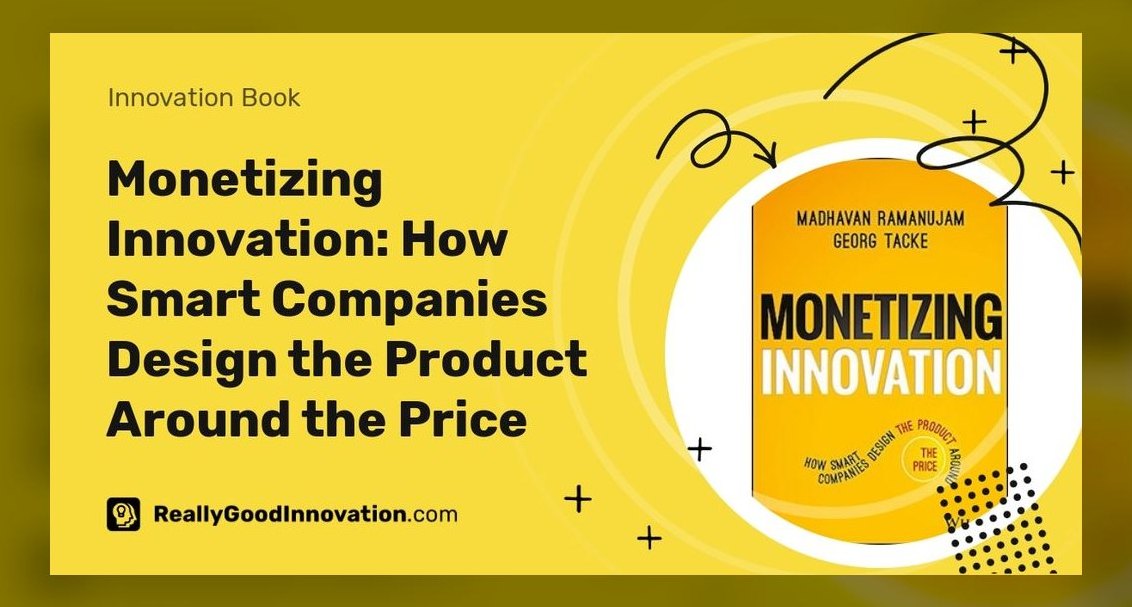 pulse-recentMonetizing Innovation by Madhavan Ramanujam — Top 10 Key Takeaways for Sales Leaders in 2027
 pulse-recentWhat are the seven concrete steps to implement the Sandler Submarine technique from The Sandler Rules in 2027?
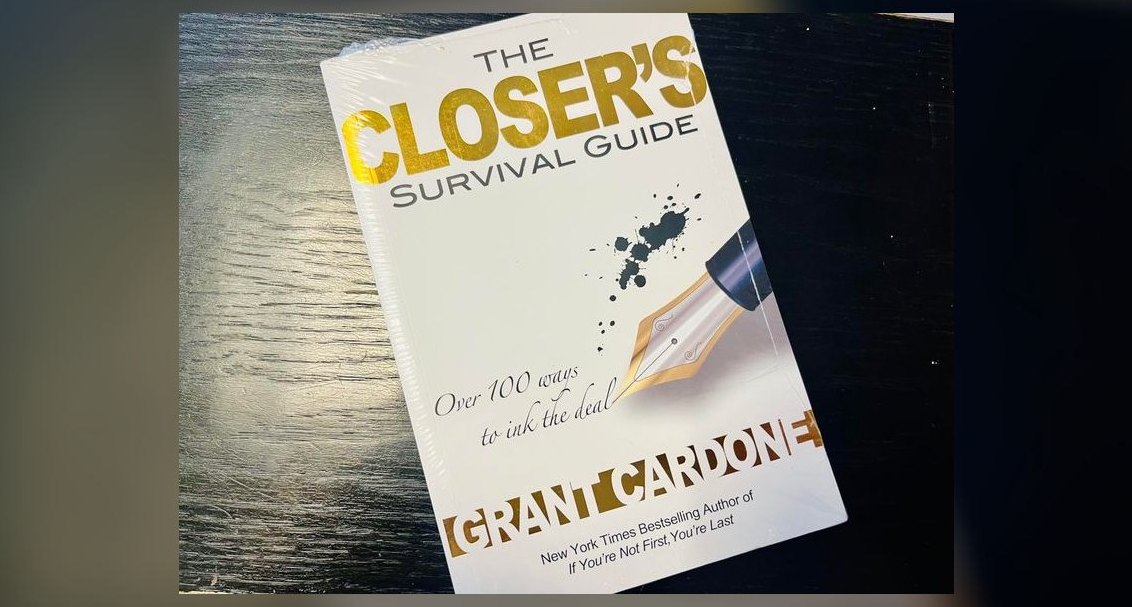 pulse-recentThe Closer’s Survival Guide by Grant Cardone — Top 10 Key Takeaways for Sales Leaders in 2027
 pulse-recentWhat is the first concrete step in The Sandler Rules by David Mattson for a sales leader to implement the system in 2027?
 pulse-recentConceptual Selling by Robert Miller and Stephen Heiman — Top 10 Key Takeaways for Sales Leaders in 2027
 pulse-recentThe Sales Manager’s Guide to Greatness by Kevin Davis — Top 10 Key Takeaways for Sales Leaders in 2027
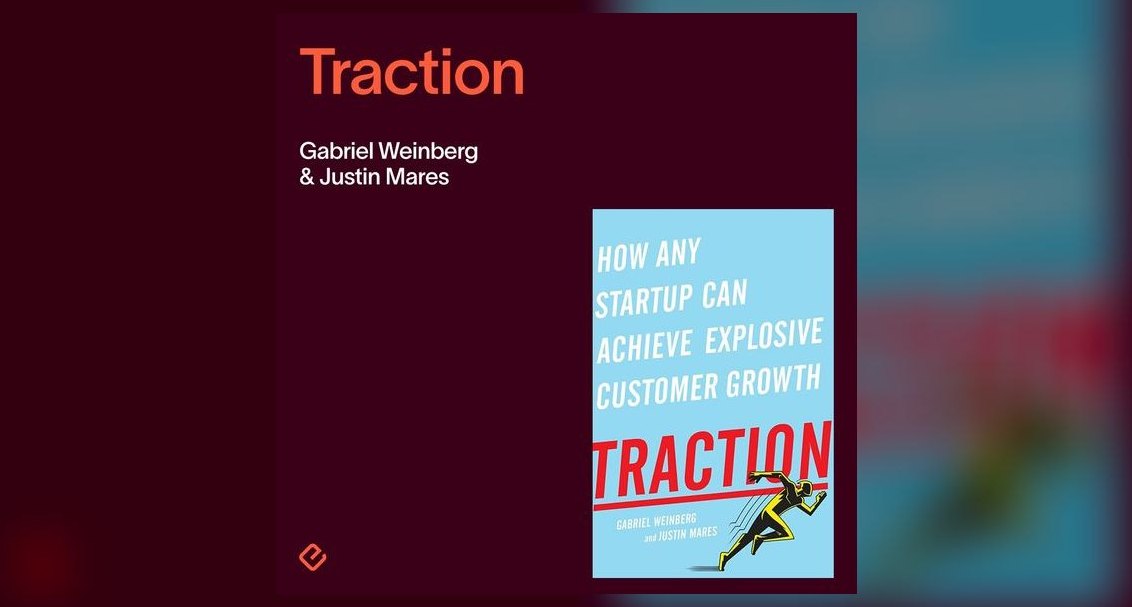 pulse-recentTraction by Gabriel Weinberg and Justin Mares — Top 10 Key Takeaways for Sales Leaders in 2027