


Inbound Selling by Brian Signorelli — Cliff Notes Summary
Quality
Certified

Brian Signorelli's *Inbound Selling* (Wiley, 2018) argues that sales reps should match their behavior to how modern buyers already research, not to a fixed outbound script. His strategy replaces cold-call-pitch-close with a four-phase system — Identify, Connect, Explore, Advise — mapped to HubSpot's Awareness/Consideration/Decision buyer's journey, turning signal-driven, contextual outreach into the operating model that became a forerunner of modern RevOps.
Outbound Prospecting vs. Signorelli's Inbound Selling System
The book's real argument is a comparison between two operating models a sales org can run, and Signorelli spends the first third of *Inbound Selling* dismantling the assumptions behind the first one before installing the second.
Option one — classical outbound prospecting. This is the model most B2B sales orgs were still running in 2018 and, in diluted form, many still run today: a rep works a territory list alphabetically or by firmographic fit (industry, headcount, revenue band), dials or emails cold, and uses a scripted pitch to create interest that did not previously exist. Qualification happens live on the call, usually against a BANT checklist (Budget, Authority, Need, Timeline), and the rep's activity is measured in dials, connects, and meetings booked. The entire system assumes the buyer knows little about the product before the first conversation — the rep's job is to inform, persuade, and close in that order.

Option two — Signorelli's inbound selling system. Here the rep does not create interest; they detect it. The starting assumption is the opposite of outbound's: by the time a buyer is worth contacting, they have often already done the bulk of their own research — reading the website, comparing vendors on G2, downloading a guide, watching a demo video. Signorelli cites HubSpot's own research that the average B2B buyer was 57% through their buying process before ever reaching out to a vendor. Under that condition, a generic pitch is not just unpersuasive, it is embarrassing — the buyer already knows more about the product category than the opening line assumes. The inbound system reorganizes the rep's job around four sequential phases: Identify prospects already showing buying signals, Connect with a message that references the specific signal instead of a generic ask, Explore the buyer's actual situation through open discovery rather than a qualification interrogation, and Advise with a tailored recommendation instead of a full-menu demo.
The two options are not merely stylistic variants of the same job — they run on different inputs. Outbound is fueled by a list (an account universe segmented by firmographics). Inbound is fueled by a signal feed (behavioral data showing who is actively researching right now). This is why Signorelli spends real page count on the mechanics of signal capture: page views, form fills, pricing-page visits, content-download cadence, and even LinkedIn job changes and customer referrals — none of which matter to a pure territory-list outbound motion, and all of which are the raw material inbound selling runs on.

Where the two systems genuinely overlap is discovery. Both need to establish budget, authority, and timeline eventually. Signorelli does not throw BANT away outright — he defers it. His expanded framework, GPCTBA/C&I (Goals, Plans, Challenges, Timeline, Budget, Authority, Consequences and Implications), keeps the BANT-like fundamentals but pushes Budget and Authority to the back half of the conversation, after Goals, Plans, and Challenges have already built rapport and given the rep enough context to ask about money and decision rights without sounding transactional.
Deciding Which Model Fits Your Sales Motion
Signorelli is explicit that inbound selling is not a universal replacement for outbound — it is the correct model only when a specific condition holds: buyers in the target market do meaningful self-directed research before talking to a vendor. The decision of which system (or blend) to run comes down to reading that condition honestly rather than adopting inbound because it is fashionable.

The diagnostic questions the book implies, distilled into a decision path: Does your buyer have a way to research the category without you (public content, comparison sites, peer communities)? If yes, do they actually use it — is there measurable website, content, or product-trial activity before the first sales touch? If both are true, an inbound-first motion will consistently outperform blind outbound, because reps get to spend their limited attention on prospects who have already self-selected into the buying process. If research infrastructure exists but buyers rarely use it — true in some legacy, offline-heavy, or highly regulated categories — outbound retains an edge because there is no signal to detect. And if neither condition holds (no content exists and buyers do not research), the fix is not a sales-motion decision at all; it is a marketing gap that has to be closed before inbound selling has anything to work with.
Most real sales orgs land on a blend rather than a pure choice: outbound-sourced accounts get worked with inbound discipline once any signal appears (a reply, a meeting accepted, a follow-up content view), while genuinely inbound-sourced leads skip straight to Connect. Signorelli's own agency partners ran exactly this hybrid — pure inbound where volume was low but signal quality was high, and signal-informed outbound everywhere else, because a strict either/or read of the book misses that the four-phase structure is meant to absorb both lead sources once a signal exists.
The Numbers Behind Each Approach

Concrete figures separate the two systems more sharply than philosophy does. On the outbound side, the historical benchmarks Signorelli references and that HubSpot's own sales data reflected around the book's 2018 publication put average cold-call connect rates in the low single digits to low teens depending on list quality, with meeting-booked rates from cold outreach typically well under 5% of total dials. A rep working a pure territory list might need dozens of dials to produce one qualified conversation, and the BANT qualification bar means a sizable share of those conversations still get disqualified on budget or authority after the rep has already spent the effort building rapport from zero.
On the inbound side, the anchor number is the 57% figure: buyers are, on average, past half of their own decision process before a vendor conversation starts. Signorelli's argument is that signal-density prioritization changes the denominator a rep is working against — instead of dialing a flat list where research maturity is unknown, the rep works a ranked list where research maturity is the ranking variable itself. A prospect who downloaded a pricing document yesterday is treated as materially higher-probability than one who attended a webinar three months earlier, and the book's guidance is to work the list in that literal order rather than alphabetically.
The Sales Connect Call format gives another concrete number: Signorelli specifies it as a short call, typically five to fifteen minutes, built around four discrete moves — rapport via context, permission, goal surfacing, and a proposed next step — rather than an open-ended conversation. The brevity is deliberate; a longer first call signals the rep is fishing rather than responding to a specific signal.

Onboarding numbers are equally specific. Signorelli prescribes a 90-day ramp for a new inbound seller, broken into three even 30-day blocks: weeks one through four on product and buyer-persona immersion, weeks five through eight shadowing live Connect and Explore calls, and weeks nine through twelve running supervised live calls with manager coaching layered in. Management cadence gets its own number too — one full call reviewed per rep per week, dissected against the four-phase model, rather than a monthly or quarterly spot-check.
The GPCTBA/C&I framework itself expands from four elements (Goals, Plans, Challenges, Timeline) to eight when Budget, Authority, Consequences, and Implications are added — Signorelli's point being that eight discovery elements delivered in sequence, back-loaded with the BANT-adjacent ones, produce a materially different conversation than four BANT elements front-loaded in the first five minutes of a cold call.
Rolling Out the Four Phases Inside a Sales Org
Sequencing matters as much as the framework itself, and Signorelli is unusually specific about the order of operations for standing up an inbound selling motion rather than leaving it as an abstract philosophy.
The build starts with signal infrastructure, because without it Identify has nothing to prioritize. In the 2018 version of the book this meant HubSpot CRM activity timelines, form-fill notifications, and repeat-visitor alerts; the modern equivalent runs through dedicated intent-data platforms, but the sequencing principle is unchanged — signal capture has to exist before a rep's day can be organized around it. Only once signal is flowing does Identify become a daily habit: building a prioritized call list sorted by signal density rather than working through a static territory alphabetically.
Connect comes next in the sequence, and the implementation detail Signorelli insists on is that every outbound message name the specific behavioral trigger in the buyer's own likely language, ask exactly one open question, and stop short of requesting a meeting on the first touch. The goal of that first message is a reply, not a booked call — asking for the meeting too early collapses the credibility the contextual reference just built.
Once a reply lands, the Sales Connect Call executes the four-move structure — context, permission, goals, proposed next step — and that call's only job is to earn the right to a longer Explore conversation, not to sell anything. Explore is where GPCT (and its expanded GPCTBA/C&I form) runs as a structured discovery sequence: Goals and Plans surface first to build the buyer's trust that the rep is diagnosing rather than qualifying, Challenges surface what's blocking those plans, Timeline anchors urgency, and only then do Budget, Authority, and Consequences/Implications close out the picture. Sequencing the money and authority questions last is itself an implementation rule — asking them first reverts the call to outbound-style qualification and buyers respond to that shift immediately.
Advise closes the loop by recapping the buyer's own words back to them, then proposing a specific configuration or package matched to what was just discovered — never a full product walkthrough. Building the org's capability to do this consistently requires the content assets (case studies by persona, ROI calculators, comparison materials) to already exist before the Advise phase is asked to lean on them, which is why Signorelli places content-library readiness as a prerequisite in his org-building chapters rather than an afterthought. Hiring and management sequencing follows the same logic: hire for curiosity, writing ability, and active listening before dial-volume tolerance, ramp new reps through the 90-day block structure, then sustain the system with weekly call review and GPCT deal inspection rather than activity-count coaching, which Signorelli argues actively drags reps back toward outbound habits if left unchecked.
Related questions
Is Inbound Selling the same book as Inbound Marketing?
No. *Inbound Marketing* (Halligan and Shah, 2009) covers content and lead generation; *Inbound Selling* is Signorelli's sales-side companion applying the same buyer-first logic to how reps prospect, qualify, and close.
What is GPCT and how does it relate to BANT?
GPCT (Goals, Plans, Challenges, Timeline) is Signorelli's discovery framework; its expanded form, GPCTBA/C&I, folds in Budget and Authority — BANT's core elements — but sequences them after rapport-building questions rather than upfront.
Can inbound selling work without HubSpot?
Yes. The framework requires behavioral signal tracking and CRM discipline, which any modern sales engagement platform or intent-data tool can supply — HubSpot is the ecosystem the book was written inside, not a strict requirement.
How does inbound selling relate to RevOps?
Signorelli's closing chapters describe a shared persona library, buyer's-journey map, lead-scoring model, and sales-marketing SLA — effectively a 2018 sketch of the unified data and definitions that became core RevOps practice.
Does the Sales Connect Call replace discovery entirely?
No — it is a short, five-to-fifteen-minute call whose only goal is earning a longer Explore conversation; full GPCT discovery happens in that subsequent Explore call, not the Connect call itself.
FAQ
What is the core strategy behind Inbound Selling? The core strategy is matching seller behavior to buyer research stage instead of running a fixed outbound script — reps detect existing buying signals, connect with context, explore through open discovery, and advise with a tailored recommendation rather than a generic pitch.
Who is Brian Signorelli and why did he write this book?
Signorelli ran HubSpot's Partner Program and observed agency partners across the ecosystem struggling to apply classical outbound tactics to leads that had already engaged with inbound-marketed content, prompting him to codify the four-phase system this Summary describes.
Is GPCT better than BANT? Neither framework is strictly better — GPCT sequences discovery to build trust before asking budget and authority questions, which suits inbound-sourced conversations, while BANT's front-loaded structure can still suit fast-moving transactional outbound motions.
How long does a full inbound selling rollout take? Signorelli's own onboarding structure for a single new rep runs 90 days; a full organizational rollout including hiring changes, content-library buildout, and management retraining typically takes several quarters.
Does inbound selling eliminate cold outreach? Not entirely — Signorelli distinguishes the uninformed cold call, which he says is dead, from a signal-informed call placed with real behavioral context, which remains central to the Connect phase.
What replaced the classical product demo in this model? The Advise phase replaces a generic full-feature demo with a tailored recommendation built directly from what the buyer revealed in the Explore call's GPCT discovery.
Sources
- HubSpot Academy — Inbound Sales Certification Course Materials, https://academy.hubspot.com
- HubSpot Blog — "Inbound Sales: How to Sell the Way Prospects Want to Buy," https://blog.hubspot.com
- Wiley — Inbound Selling publisher page, https://www.wiley.com
- Gartner — B2B Buying Journey Research, https://www.gartner.com
- Rackham, Neil — SPIN Selling reference and methodology overview, https://www.mhprofessional.com
- Dixon, Matthew & Adamson, Brent — The Challenger Sale, https://www.penguinrandomhouse.com
- 6sense — Intent Data Platform Documentation, https://6sense.com
- Gong Labs — Discovery Call Research, https://www.gong.io
- LinkedIn — Brian Signorelli professional profile and commentary, https://www.linkedin.com
Related on PULSE
- The Psychology of Selling by Brian Tracy — Cliff Notes & Chapter-by-Chapter Summary
- The 12 Week Year by Brian Moran and Michael Lennington — Cliff Notes Summary for Sellers
- Eat That Frog by Brian Tracy — Cliff Notes Summary for Sellers
- Lead Generation for the Complex Sale by Brian Carroll — Cliff Notes Summary
- Secrets of Question-Based Selling by Thomas Freese: Summary, Key Lessons, and RevOps Takeaways
This page will be disappearing soon. Save it to your device for $1 — or read it free while it is here.
@Kory-White- · if Venmo asks, the last 4 of my number are 2012
This page is gone.
This one is off the shelf now. $1 keeps it on your phone for good — the whole page, pictures and diagrams included.
 pulse-booksWhat are the most common mistakes in Book Summaries in 2027?
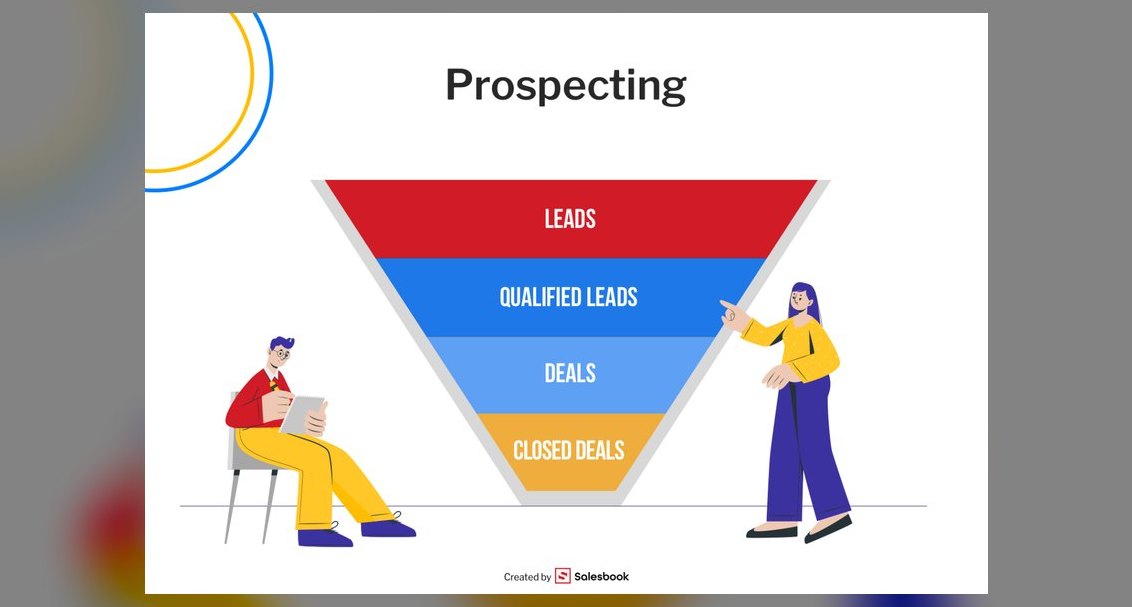 pulse-recentHigh-Profit Prospecting by Mark Hunter — Top 10 Key Takeaways for Sales Leaders in 2027
 book-summaryLittle Red Book of Selling by Jeffrey Gitomer — Cliff Notes Summary
 pulse-recentWhat are the first three concrete steps in Sandler Rule #1 for a new sales rep in 2027?
 pulse-recentHyper Sales Growth by Jack Daly — Top 10 Key Takeaways for Sales Leaders in 2027
 pulse-recentWhat is the first concrete step in the Sandler Selling System for handling a prospect's initial brush-off in 2027?
 pulse-recentSandler Rule #1: What is the first concrete step to build a prospect's trust in a sales conversation in 2027?
 pulse-recentNever Split the Difference by Chris Voss — Top 10 Key Takeaways for Sales Leaders in 2027
 book-summaryMajor Account Sales Strategy by Neil Rackham: Summary, Key Lessons, and RevOps Takeaways
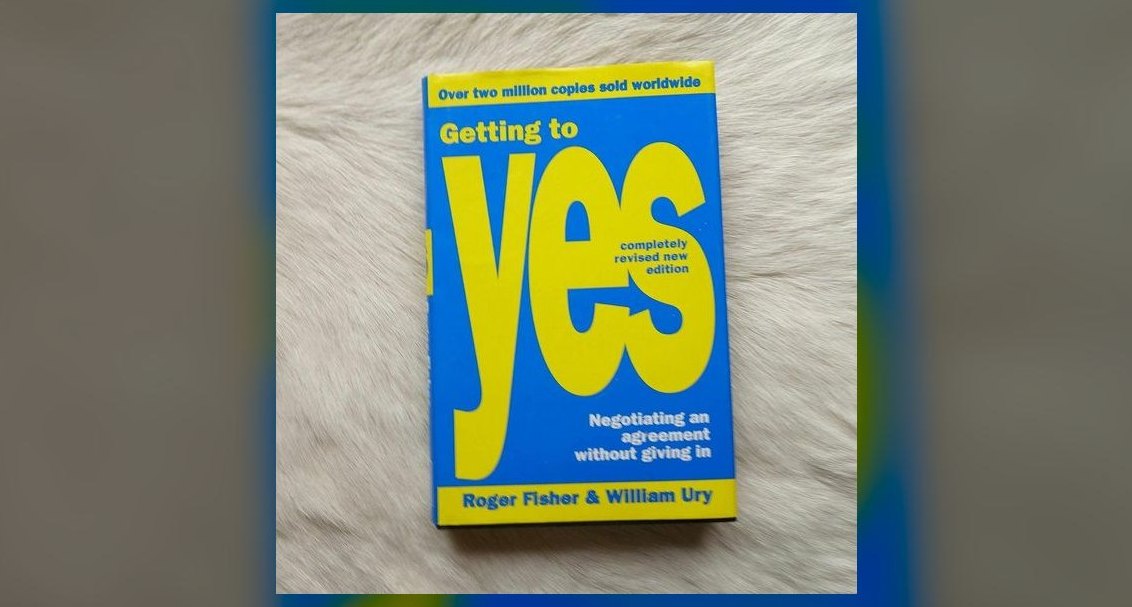 pulse-recentGetting to Yes by Roger Fisher and William Ury — Top 10 Key Takeaways for Sales Leaders in 2027