


RUN NIL Collective Donor Fundraising GTM FOR Florida Atlantic — 60-Min Training
Quality
Certified

Run Florida Atlantic's NIL Collective donor Fundraising as a repeatable go-to-market motion: segment donors into tiers, map each ask to a named roster gap with an owner and dollar target, and work every prospect through a CRM with dated next-touch tasks. A weekly 60-minute Training converts portal-window urgency into inspectable commitments, filed disclosures, and a forecastable collective cash number.
The outcome you should expect
The point of running NIL Collective donor Fundraising as a go-to-market motion — rather than a group text and a booster dinner — is a forecastable cash number the athletic director and Collective GM can inspect before the spring transfer-portal window opens. A well-run motion produces three concrete outputs every week: a dollar-weighted donor pipeline, a per-athlete funding gap that is either covered or flagged, and a disclosure trail that keeps every public commitment compliant.
Expect the first four to six weeks to feel like plumbing, not fundraising. You are building a shared artifact that did not exist before: a single pipeline record for every major-gift prospect, a tier structure, and a cadence that fires whether or not the Collective director remembers to send the text. Once that plumbing is load-bearing, the outcome shifts from reactive panic spending during portal weeks to a planned campaign where you know — to the dollar — how much roster money is committed, pledged, and at risk on any given Monday.

For a Group of Five program like Florida Atlantic, realistic year-one Collective targets from public reporting generally land in the low-to-mid seven figures rather than the eight-figure sums Power Four flagships raise. The outcome you manage toward is predictability and coverage, not matching a blue-blood budget. A Collective that reliably closes $1.5M–$3M with a clean disclosure trail and a 90-day forward pipeline beats one that "raised more" in bursts but cannot tell a recruit's agent what is actually funded this week.
The behavioral outcome matters as much as the dollar outcome. When donors, the Collective staff, and coaches all read the same pipeline, conflicting promises to the same athlete stop happening. Compliance gaps surface before an announcement instead of after it. And the Collective director stops being the single point of failure — the motion runs on a documented cadence any staffer can open and inspect. That is the real deliverable: a fundraising engine that survives a vacation, a departure, or a bad week, because it lives in a system rather than one person's phone.
What drives that outcome

Five levers decide whether Florida Atlantic's donor Fundraising GTM produces a forecastable number or a pile of anecdotes. The first is donor segmentation: splitting the base into major gifts (typically the top 1–2% of donors, who supply the majority of dollars), a mid-tier recurring-subscriber band, and the broad small-dollar crowd. Each tier needs a different motion. Major gifts are a relationship sale run by a named person; the subscription tier is a marketing-and-retention machine measured on monthly churn; the small-dollar tier is automation. Treating all three the same way is how programs waste their best fundraisers on $20 memberships.
The second driver is per-athlete need mapping. Instead of raising into a general fund, high-performing Collectives tie every ask to a specific roster gap: "we need $X to retain this returning starter through the portal window" or "$Y to add a proven transfer at a position of need." Donors fund named outcomes far more readily than they fund a slush account, and the specificity is exactly what makes the pipeline forecastable. A funding-gap sheet — athlete, position, target dollars, committed, remaining — becomes the spine the whole motion hangs from.
The third driver is cadence discipline — the weekly working session and the CRM tasks it generates. The fourth is disclosure and compliance hygiene: in the current post-settlement environment, payments routed through the school's revenue-share structure and qualifying third-party deals above the reporting threshold must be logged, and a missed disclosure can void a commitment or blow up a recruiting weekend. The fifth is stack accountability — a real CRM, a payments/subscription platform, and an athlete-facing deal tool, each with a single named owner rather than a shared inbox nobody watches.
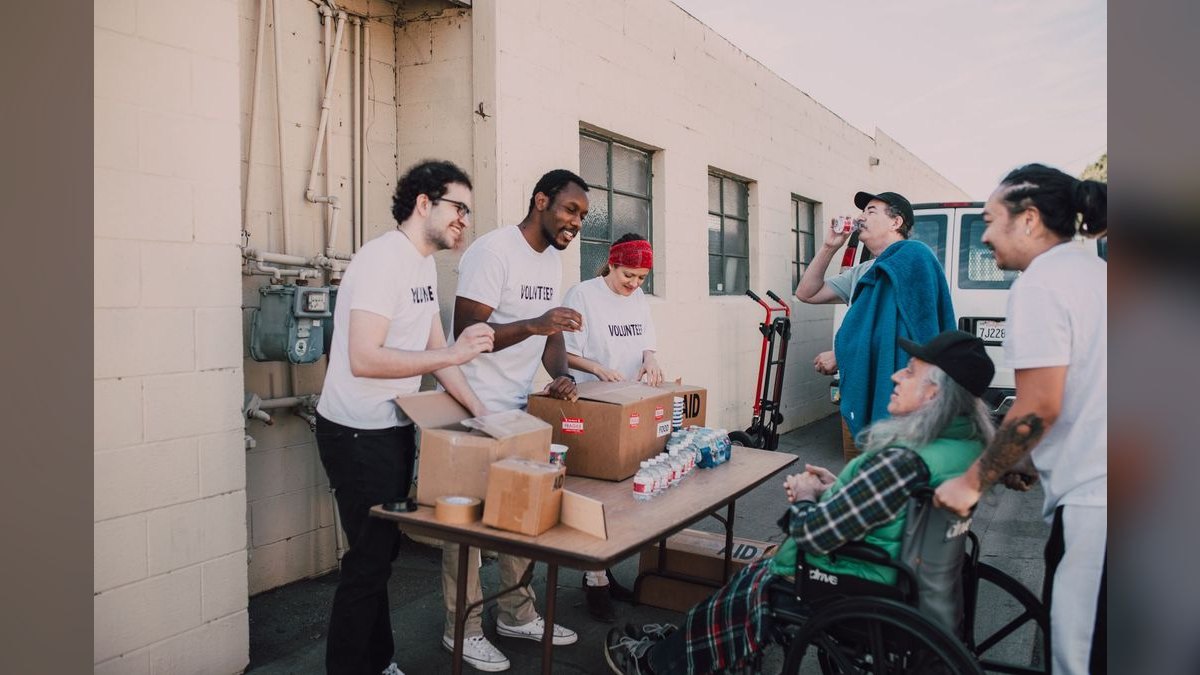
The loop matters more than any single box. Coaches define needs, the motion converts needs into asks, closed pledges update the coverage forecast, and the forecast tells coaches what is realistically fundable before they make a portal promise. Break any edge — no owner, no dated task, no disclosure — and the outcome degrades from a pipeline back to a group text. The discipline of closing the loop each week is what separates a Collective that plans from one that scrambles.
Benchmarks and realistic ranges
Use ranges grounded in public reporting, not aspiration. For a Group of Five football program, a functioning Collective typically operates on a mid-six to low-seven-figure annual budget, versus the roughly $10M–$20M+ that leading Power Four football Collectives have publicly discussed. Anchor Florida Atlantic's planning to the G5 band and treat any single eight-figure projection as a red flag to pressure-test before it drives a roster promise.
Donor concentration. Expect classic major-gift math: a small share of donors provides most of the money. Planning around the top ~1–2% of donors delivering the majority of dollars is a safe working assumption, which is exactly why the major-gift tier gets named owners and weekly attention while the small-dollar tier runs on automation. If your top ten donors are not mapped by name with a next-touch date, you have not started.

Subscription tier. Public Collective subscription products commonly price recurring memberships in the $10–$100/month range, with premium tiers higher. The number that matters is not sign-ups but monthly churn: holding churn in the low single digits per month is the difference between a compounding recurring base and a leaky bucket. Model retention, not just acquisition — a 5% monthly churn rate quietly erases roughly half your base over a year even with steady new sign-ups.
Meeting economics. The Training itself is 60 minutes weekly during rollout, then biweekly once roughly 80% of the Collective staff and volunteer captains run the motion unaided. A 15-minute manager prep precedes each session. That is about 75 staff-minutes per participant per week during rollout — cheap relative to the seven-figure pipeline it governs. Compressing it to 30 minutes is a false economy; the live role-play and CRM confirmation are where the discipline sticks.
Cycle time. Major-gift asks are not one-call closes. A realistic range from first qualified conversation to signed pledge is several weeks to a full quarter, which is why the portal-window deadline has to work backward. If the spring window opens in a given week, major-gift conversations should be dated to close *before* it, not during it.
Compliance thresholds. Third-party NIL deals above the current federally referenced reporting threshold (publicly discussed around the low-five-figure mark) trigger disclosure and, under recent frameworks, a fair-market-value review. Build the disclosure and review step into the pipeline stage itself rather than treating it as paperwork after the announcement — a deal rejected late can void a commitment and cost a recruit. Benchmarks are guardrails, not targets: their job is to tell you when a projection or a promise has drifted out of the plausible band.
Risks, edge cases, and failure modes

The most common failure is the slush-fund trap: raising into a general pool with no per-athlete mapping. Donors give less, coaches cannot get a straight answer on what is funded, and the pipeline is unforecastable. The fix is the need-mapping driver above — every ask points at a named roster outcome, and the funding-gap sheet is the single source of truth on coverage.
The second failure is the single-point-of-failure director. When the entire motion lives in one person's phone, a vacation or a departure freezes fundraising during the worst possible week. The whole reason to run this as a documented GTM Training is so any staffer can open the CRM and see stage, owner, and next touch. If your "system" cannot survive the director being unreachable for a week, you do not have a system — you have a person.
Third is disclosure drift. In the current post-settlement environment, payments flowing through revenue share and qualifying third-party deals must be logged and, above threshold, reviewed for fair-market value. The edge case that bites programs: a booster promises a number verbally, it gets announced, and only then does anyone check whether it clears review. Move the compliance check upstream to the pledge stage so a non-compliant commitment is never made public in the first place.

Fourth is donor fatigue and double-asking. Without a shared pipeline, two staffers hit the same major donor with conflicting asks in the same week. That is a fast way to lose a top-tier giver. The CRM's job is to prevent collisions — one owner per donor, visible to all, with a next-touch date that keeps outreach spaced and coordinated rather than clustered and clumsy.
Fifth is portal-window panic spending. When the window opens and the pipeline is empty, the Collective overpays reactively to hold a single roster spot, blowing the budget on one athlete and starving three others. The counter is a forward-dated pipeline: major-gift closes scheduled to land before the window, plus a reserve line the GM protects for genuinely reactive needs during it.
A rational-no edge case deserves its own mention. Not every athlete need should be funded, and not every donor conversation should stay open. Part of a mature motion is parking a prospect, downgrading a forecast, or declining a coach's request because the money is not there. Treat a well-reasoned "we are not funding this" the same way you treat a close — it protects the number for the roster spots that actually move the season, and it keeps the forecast honest instead of aspirational.
A practical rollout plan
Roll the motion out over a quarter, not a week. The 60-minute working session is the engine, but the first month is mostly about getting real records into a real tool before you chase a single new dollar.

Weeks 1–2 — Instrument. Stand up the pipeline: import the donor base, tag tiers, and create one opportunity record per major-gift prospect. Pull coaches' roster needs into a funding-gap sheet — athlete, position, target, committed, remaining. Do not chase new dollars yet; get the existing base into the system so the first working session has something concrete to inspect rather than a blank board.
Weeks 3–4 — Run the first live sessions. Each staffer walks in with one real donor or one real athlete gap and leaves with a dated next-touch logged in the CRM. The manager facilitates; staff participate. Ban vague language — dollar figures, donor names, and dates only, no "I'll circle back with a few people." Every commitment made in the room is inspectable the next morning, which is the behavior change the Training exists to produce.
Weeks 5–8 — Close the loop. Now the motion produces a weekly coverage forecast the AD and Collective GM actually read. Layer in disclosure at the pledge stage and a churn report on the subscription tier. This is where the numbers start to move, because the plumbing from weeks 1–4 is finally load-bearing and every closed pledge updates the coverage number automatically.
Weeks 9–12 — Harden and hand off. Shift from weekly to biweekly once ~80% of participants run the motion unaided. Automate the small-dollar tier, protect a reserve line for the portal window, and document the cadence so a new hire can run it cold. The measure of success here is not a headline number — it is that the motion no longer needs the director in the room to function.

Treat portal windows as the fixed deadlines the whole plan works backward from. If the spring window opens in week 12, the major-gift closes should be dated to land in weeks 8–11, leaving the window itself for execution rather than scrambling. The rollout succeeds when the Collective can answer, on any Monday, exactly how much roster money is committed, pledged, and at risk — and can do it without the director in the room. That answer is the whole product; everything upstream exists to make it trustworthy.
Related questions
How is a G5 Collective budget different from a Power Four one?
Group of Five Collectives generally operate on mid-six to low-seven-figure football budgets versus the eight-figure sums Power Four flagships discuss publicly. The GTM discipline is identical; the dollar targets, donor depth, and reserve sizing scale down. Plan Florida Atlantic to the G5 band and pressure-test any eight-figure projection before it drives a promise.
Who should own the weekly session?
The Collective director or GM facilitates; staff and volunteer captains participate with live donors and real athlete gaps. A manager-led working session drives more behavior change than a lecture. The facilitator's job is to challenge vague asks and confirm every commitment is logged in the CRM before the hour ends.
How do you keep NIL Fundraising compliant?

Log payments routed through revenue share and any qualifying third-party deal, then run the disclosure and fair-market-value check at the pledge stage — before any public announcement. Moving compliance upstream prevents the failure mode where a booster's verbal promise is announced and only then fails review.
What CRM or tool should a Collective use?
Any real pipeline tool the whole staff can inspect beats a group text. The requirement is stages, owners, dollar-weighting, and dated tasks — not a specific brand. Pair it with a payments/subscription platform for the small-dollar tier and an athlete-facing deal tool that captures disclosures at the moment a deal is struck.
How long before the motion pays off?
Expect four to six weeks of plumbing before dollars move, because the first month is spent getting real records into a real tool. From there, a forward-dated pipeline and weekly coverage forecast let you close major gifts before the portal window instead of panic-spending during it.
FAQ
How long should this Training run? Sixty minutes weekly during rollout, then biweekly once about 80% of the Collective staff and volunteer captains run the motion unaided. A 15-minute manager prep precedes each session. Do not compress to 30 minutes — the live role-play and CRM confirmation are where the pipeline discipline actually sticks.

Should coaches be in the room? Coaches supply roster needs and funding gaps, but the working session is for the people who own donor relationships — the Collective director, major-gift staff, and captains. Bring coaches in at the need-mapping stage, not for the full hour, so the session stays focused on moving donor prospects rather than debating depth charts.
How do we forecast Collective revenue? Weight every pipeline stage by dollar amount and close probability, then roll it up against per-athlete funding gaps. The output is a coverage number — committed, pledged, at risk — read by the AD and GM each Monday. Discount any pledge that lacks a dated next-touch and a filed disclosure.
What is the biggest Fundraising mistake? Raising into a general slush fund instead of mapping each ask to a named roster outcome. Donors give more to specific, fundable needs, and the specificity is what makes the pipeline forecastable. The second-biggest is letting the whole motion live in one director's phone with no shared system behind it.
How do we handle the small-dollar tier? Run it as a subscription product — recurring monthly memberships, commonly in the $10–$100 range with premium tiers — and measure churn, not just sign-ups. Automate acquisition and retention so staff time goes to the major-gift tier, where a small share of donors supplies most of the money.
When do we plan around the portal window? Always work backward from the window's open date. Schedule major-gift closes to land before it and protect a reserve line the GM controls for reactive needs during the window. An empty pipeline when the window opens is what forces overpaying to hold a single roster spot at the expense of others.
Sources
- https://www.ncaa.org/sports/2021/6/28/about-name-image-likeness.aspx
- https://www.on3.com/nil/
- https://www.sportico.com/law/
- https://opendorse.com/blog/
- https://www.espn.com/college-football/
- https://frontofficesports.com/
- https://www.irs.gov/charities-non-profits/charitable-organizations
- https://www.ncaa.org/news/2024/6/7/media-center-ncaa-power-five-conferences-agree-to-historic-settlement.aspx
Related on PULSE
- RUN Power 4 VS Group OF 5 Collective Budget — 60-Min Training
- HOW Should James Madison Align Collective Staff AND Athletics — 60-Min Training
- HOW Should Monmouth Align Collective Staff AND Athletics ON — 60-Min Training
- RUN December Transfer Portal Sprint GTM FOR Northern Illinois — 60-Min Training
- 2027 NIL GTM Playbook FOR Booster AND Local Sponsor — 60-Min Training
- 2027 NIL GTM Playbook FOR Roster NIL Valuation FOR — 60-Min Training
This page will be disappearing soon. Save it to your device for $1 — or read it free while it is here.
@Kory-White- · if Venmo asks, the last 4 of my number are 2012
This page is gone.
This one is off the shelf now. $1 keeps it on your phone for good — the whole page, pictures and diagrams included.
 sales-training2027 NIL GTM Playbook FOR Roster NIL Valuation FOR — 60-Min Training
 sales-training2027 NIL Go-to-market Strategy FOR Charleston Southern D1 College — 60-Min Training
 sales-training2027 NIL Go-to-market Strategy FOR Tennessee Tech D1 College — 60-Min Training
 sales-training2027 NIL Go-to-market Strategy FOR NEW Hampshire D1 College — 60-Min Training
 sales-training2027 NIL GTM Playbook FOR Booster AND Local Sponsor — 60-Min Training
 sales-training2027 NIL Go-to-market Strategy FOR Rhode Island D1 College — 60-Min Training
 sales-training2027 NIL GTM Playbook FOR Athlete Personal Brand Deal — 60-Min Training
 sales-training2027 NIL Go-to-market Strategy FOR Abilene Christian D1 College — 60-Min Training
 sales-training2027 NIL Go-to-market Strategy FOR Holy Cross D1 College — 60-Min Training
 sales-training2027 NIL Go-to-market Strategy FOR Southeast Missouri State D1 — 60-Min Training