


Water Treatment and Softener In-Home Sales — 60-Min Training
Quality
Certified

Water treatment in-home sales is won at the kitchen sink, not on the price sheet. A 60-minute training drills one ritual: run a live hardness and soap test the homeowner performs themselves, translate the result into appliance life, laundry, and skin, then present the monthly payment beside what hard water already costs them.
What the 60-minute training is actually teaching
The mistake most managers make is treating this hour as a product class. It isn't. Reps already know what ion exchange does; what they cannot do reliably is convert a test strip into a signature. So the session teaches a *sequence*, and the sequence is short enough that a rep can run it in a stranger's kitchen without notes.
The core problem is diagnostic, not motivational. A rep walks in, tests, sees 14 grains per gallon, and then reaches for the vocabulary that makes them feel competent — parts per million, total dissolved solids, resin bead capacity, regeneration cycles. Every one of those words moves the homeowner further from a decision. Confusion registers as risk, risk delays, and a $6,500 softener-plus-filtration job dies on the counter while everyone is still being polite.
The Water Quality Association's operating principle — *test, don't guess* — is the spine of the hour. But reps hear that as "run the test." The training extends it: test, then show, then translate, then price against the cost of doing nothing. Four moves. Ten minutes of the hour goes to each of the first three, fifteen to the fourth, and the remainder to objections and written commitments.

Scope the hour honestly. Sixty minutes gets you one skill installed, not five. If your team is closing but discounting, spend the hour on the financing worksheet. If your team is demoing well but the spouse cancels within 48 hours, spend it on the cost-of-inaction math and the "book both decision-makers" habit. If your team is losing at the door, the demo segment is the whole meeting. Pick the failure point from last month's numbers before you write the agenda — a generic all-four-moves session lands nowhere.
Water shares a structural fingerprint with the rest of the in-home category. Replacement windows, gutter guards, roofing, HVAC replacement, and restoration work all involve a one-visit decision, a four-to-five-figure price, a physically inspectable condition, and a homeowner who has never priced this product before. What makes water distinct — and easier — is that the condition is *invisible until you make it visible*. A window rep can point at a fogged pane. A water rep has to manufacture the evidence in real time. That's an advantage, because manufactured-in-front-of-you evidence is more persuasive than a photo of an attic, but only if the rep lets the homeowner produce it themselves.
The step-by-step process at the sink

Run the training as a live rehearsal, not a lecture. Each rep works a real recent visit through the template out loud while the room listens.
Step 1 — Collect complaints before any equipment comes out of the bag. Ask what they've noticed: spots on glassware, towels that feel stiff, soap that won't lather, dry or itchy skin after a shower, how old the water heater is and whether it's the original. Write the exact words down. Those words become the entire close later. A rep who skips this step has nothing to tie the test result to and defaults to chemistry.
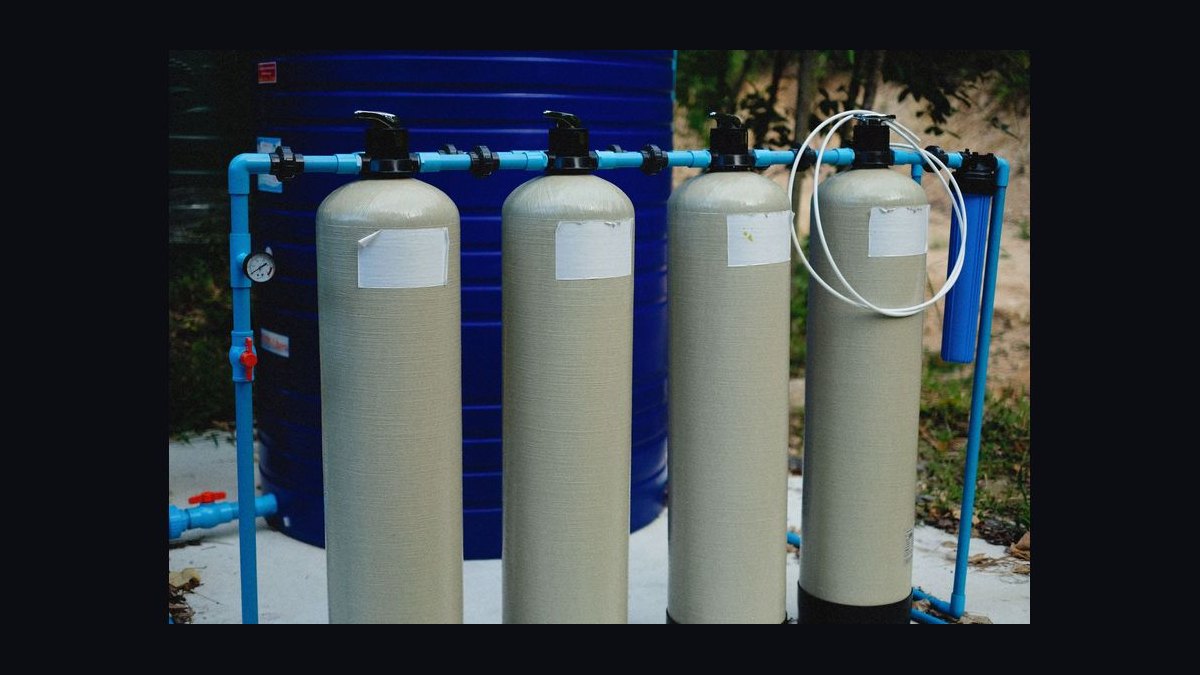
Step 2 — Test in their space, on their counter, with them standing there. Hardness in grains per gallon is the headline number. General industry practice treats water above roughly 7 gpg as hard and above 10 gpg as very hard. Add a strip read for iron, chlorine taste and odor, and total dissolved solids. Say the number once, plainly, then stop talking about numbers.
Step 3 — Make the water perform. This is the pivot the whole training exists for. Two clear glasses: their tap water and a treated sample. Same drops of soap in each. Hand both to the homeowner and let *them* shake. Hard water refuses to lather and turns milky; the treated glass foams and stays clear. People discount what a salesperson demonstrates and believe what their own hands produced.
Step 4 — Point at the physical evidence. If the water heater, showerhead, or an accessible faucet aerator is reachable, show the actual buildup rather than saying the word "scale." The cloudy glass plus visible crust on their own fixture is the entire technical argument, delivered without a single technical term.

Step 5 — Sit down and build the number. Move to the table. The demo happens standing at the sink; the money conversation happens seated, on paper, with the cost of inaction written physically next to the monthly payment.
The verbatim worksheet reps fill in before pricing keeps the sequence honest: complaints in their words, hardness in gpg, the visible reaction shown, what else the strip flagged, which appliances are at risk in this specific home, and the annual cost of doing nothing. Six lines. A rep who cannot fill all six has not earned the right to say a price yet.
Costs, timelines, and the ranges reps should know cold
Whole-home softener-and-filtration systems in this channel commonly land in the $3,500–$9,000 installed range depending on hardness, water source, pre-treatment needs, and whether drinking-water filtration is bundled. A representative full system at $6,500 financed on a promotional plan lands near $99 a month — that's the number reps should be able to build on paper without a calculator.
The cost-of-inaction side is what makes that payment survivable. Two components:
Shortened appliance life. Scale accumulation shortens the service life of water heaters, dishwashers, washing machines, and fixtures. A homeowner replacing a water heater in eight years instead of the fifteen-plus a unit can otherwise reach is absorbing a real annualized cost — in the neighborhood of $150 a year across the heater, dishwasher, and washer for a typical household. Use your own market's replacement pricing here rather than a memorized figure.

Consumables. Hard water forces more soap, shampoo, and detergent for the same result. A household spending roughly $15 a month extra is carrying about $180 a year. Combined with appliance wear, that's around $330 a year — roughly $28 a month the homeowner is already paying to *not* solve the problem.
Against that, the ongoing cost of the solution is small: salt and routine maintenance for a softener typically runs a few dollars a week. Reps should volunteer this number rather than let it surface as an objection later; a rep who hides the salt cost has manufactured a cancellation reason for day three.
Timelines matter as much as dollars. Installation is usually same-week, often next-day for a straightforward municipal-water softener swap. The comfort payoff — spot-free dishes, softer laundry, better showers — is immediate, the day of install. Appliance-protection payoff is slow and invisible. Sell the immediate result and let the long-run math justify the price; reversing that order is why reps lose deals they demoed perfectly.
Well water changes the arithmetic. Iron, manganese, sulfur odor, sediment, or bacteria need pre-treatment ahead of the softener, which raises system cost and lengthens the spec conversation. This is where "test, don't guess" stops being a slogan: you spec from an actual water analysis, and on a well that may mean a lab test rather than a strip. A rep who quotes a standard softener on an iron-heavy well has sold a callback, a warranty argument, and a refund.

Also train the certification vocabulary, because it's the one technical thing worth saying out loud. WQA's Gold Seal program certifies products against performance standards, and NSF/ANSI standards cover residential softeners and drinking-water treatment units. Name the standard on the worksheet. It's verifiable, it survives a spouse's Google search that night, and it separates you from an unbranded big-box unit.
Where teams get this wrong
Selling chemistry instead of outcomes. "Your total dissolved solids are 340 ppm with elevated calcium carbonate" is technically accurate and commercially useless. The working version: "Watch — your water won't make suds and it stays milky. That cloudiness is the same stuff coating the inside of your water heater right now." Same fact, opposite result.
**Running the demo *for* the homeowner.** If the rep shakes both glasses, it's a magic trick. If the homeowner shakes them, it's evidence. This single handoff is the highest-leverage coaching note in the entire hour, and it's the one most reps quietly skip because it feels slower.
Skipping the cost-of-inaction column. Reps rush this to get to the close, and the deal cancels the next morning when the spouse hears only the price. The side-by-side — annual hard-water cost written by hand next to the monthly payment — is what the homeowner repeats to their partner. If the rep never wrote it, the homeowner has nothing to repeat except "$6,500."

Drifting into health claims. This is the compliance line, and it's absolute. Reps may say that homeowners commonly *report* softer skin and more manageable hair — those are comfort outcomes. Reps may never say a system treats, cures, or prevents any medical condition. Read the banned list aloud in the meeting, slowly, because reps repeat what they hear in training:
- "Your water has dangerous levels of…" — fear-mongering, usually false, and a credibility risk.
- "This will help your eczema" — a medical claim no rep is licensed to make.
- "City water is basically poison" — insults their judgment and the utility; trust evaporates.
- "It's the only WQA-certified system" — plainly false; many products carry the Gold Seal.
- "Everyone in this neighborhood has one" — pressure tactic, disproven in one conversation with a neighbor.
- "You'll save a fortune" — vague. Give the real appliance-and-soap math or say nothing.
Presenting to one decision-maker. In-home water sales cancels at a meaningfully higher rate when only one partner sat through the demo. If the second person isn't home, the honest play is a fifteen-minute joint walkthrough rather than a solo pitch and a hopeful signature.
Leaving the data sheet behind. A printed strip chart with your findings becomes a shopping spec for a big-box unit. Leave the soap-test result if you can; the persuasion was the live demo, and it doesn't travel on paper.

Treating objections as interruptions. Rehearse the four that actually show up. *"I'll just buy a softener at the big box store"* — those units can work, but they aren't sized to your measured 14 gpg and rarely include certification or installation; you'd be guessing, we tested. *"Let me think about it"* — fair, and while you think the scale keeps building; can I get fifteen minutes with both of you tomorrow to walk the same numbers once? *"That's expensive"* — it is, which is why it's on a monthly; against the ~$28 a month hard water already costs you, the net gap is small. *"Is softened water safe to drink?"* — yes, and the drinking-water filter handles taste and chlorine; here's the certification.
Choosing the right configuration and the right close
Not every home gets the full system, and pretending otherwise is how reps lose deals they should have half-won. The decision tree below is what reps should be running mentally while the second glass is still foaming.
The right-sizing rule: a landed softener beats a stalled full system. If the homeowner hesitates at the bundle, sell the unit that fixes the complaint they actually named, note the add-on on the worksheet, and leave. A second visit to add filtration to a happy customer is a warm, high-close-rate appointment. A full system that never got signed is nothing.
The financing walk should be scripted to the sentence, because this is where reps improvise and lose control. State the installed price and write it at the top. Name the appliance cost the homeowner just told you about — the water heater they replaced in eight years. Pause for three seconds and let the cost of doing nothing sit there; reps fill that silence and destroy their own leverage. Add the consumables line. Then place the monthly payment directly beneath the annual hard-water cost so both numbers are visible at once. Close with a choice between two yeses, not a yes/no: full system now, or start with the softener and add filtration later.
Same-visit closing draws criticism as pushy. It isn't, when it's earned — you measured their water, demonstrated the problem with their own hands, and priced it transparently. Asking a homeowner to schedule three more appointments to decide something you already proved wastes their evening more than asking for a decision does. What *is* pushy: refusing to leave, manufacturing expiring discounts, or pressuring a single partner to commit for a household.
Close the hour with three written commitments taped inside each rep's kit. I will run the live soap test and let the homeowner shake the glasses. I will hand-write the cost of inaction next to the monthly payment on every visit this week. I will make zero health claims — I sell measured hardness, certified performance, and appliance protection only. Then post the demo template and financing worksheet in the team chat before anyone leaves the room, so the artifacts exist somewhere other than in the meeting everyone will forget by Thursday.
Related questions
How do I coach a rep who tests well but never asks for the decision?
Ride along and count. Most stall-prone reps skip the seated transition — they demo at the sink and then keep standing. Force the physical move to the table; the posture change is what creates permission to talk money and ask for a signature.
Does this training transfer to other in-home categories?
Largely yes. Gutter guards, replacement windows, roofing, and restoration share the one-visit, four-figure, inspectable-condition structure. The demo mechanic changes — you can't shake a window in a glass — but the sequence of show, translate, and price against inaction is identical.
What should the follow-up cadence be after a no-decision visit?
Book the joint walkthrough before you leave, ideally within 48 hours while the demo is still vivid. A calendar slot beats a "I'll call you next week." After 72 hours the memory of the cloudy glass is gone and you're a cold price quote.
How often should this 60-minute training run?
Monthly, targeting one failure point pulled from last month's close and cancellation data. Weekly repetition of the same content trains reps to tune it out; quarterly is too infrequent for a skill that decays in the field.
FAQ
What if the homeowner only wants the softener, not the filtration?
Sell the softener. It solves the hardness, scale, and laundry complaints they can actually feel, and it's the unit their own test result justified. Note the drinking-water filter on the worksheet as a later add-on. Landing the core unit and returning to a satisfied customer beats losing the whole job over a bundle.
Should I leave the test strips and results chart with them?
Leave the soap-test glasses if you can — that's the memory that persuades. Handing over a detailed data sheet turns your diagnostic work into a shopping spec for a cheaper unaudited unit. The persuasion was the live demo, and it doesn't survive on paper.
What if their water is on a private well with iron or sulfur?
Flag it and right-size rather than quoting a standard softener. Iron, manganese, and sulfur need pre-treatment ahead of the softener, and the honest path is specifying from an actual water analysis. Quoting blind on a well is how you buy yourself a callback and a refund.
Can I claim the system helps with skin or hair?
You can say many homeowners report softer skin and more manageable hair after switching — those are commonly reported comfort outcomes. You can never say the system treats, cures, prevents, or improves any medical condition. That line is not a style preference; it's a compliance boundary.
How do I handle "the city says my water is fine"?
Agree with them immediately, then separate the questions. The utility treats water for safety, and it is safe — that's a different issue from hardness. Safety standards don't address the scale, spotting, and stiff laundry your test just measured on their counter.
Is a same-visit close appropriate for a five-figure decision?
It's appropriate when it's earned by a real diagnostic. You measured, demonstrated, and priced transparently in front of both decision-makers. What's inappropriate is pressuring one partner to commit alone or inventing an expiring discount — right-size or rebook instead.
Sources
- Water Quality Association — Gold Seal Product Certification program: https://wqa.org/
- NSF — Water treatment and filtration certification standards: https://www.nsf.org/consumer-resources/water-quality
- U.S. Geological Survey — Hardness of Water, Water Science School: https://www.usgs.gov/special-topics/water-science-school/science/hardness-water
- U.S. Environmental Protection Agency — Secondary Drinking Water Standards: https://www.epa.gov/sdwa/secondary-drinking-water-standards-guidance-nuisance-chemicals
- U.S. EPA — Private Drinking Water Wells: https://www.epa.gov/privatewells
- Building America Solution Center (PNNL) — water heating and equipment guidance: https://basc.pnnl.gov/
- Federal Trade Commission — Business Guidance on advertising and endorsement claims: https://www.ftc.gov/business-guidance/advertising-marketing
- Centers for Disease Control and Prevention — Drinking Water Treatment Methods for Household Use: https://www.cdc.gov/healthywater/drinking/home-water-treatment/household_water_treatment.html
- Water Conditioning & Purification International: https://wcponline.com/
Related on PULSE
- Water and Fire Damage Restoration Sales — 60-Min Training
- Replacement Window In-Home Sales — 60-Min Training
- Gutter and Gutter-Guard In-Home Sales — 60-Min Training
- Kitchen and Bath Remodel In-Home Sales — 60-Min Training
- Flooring and Carpet In-Home Sales — 60-Min Training
- Dental Treatment Plan Case Acceptance — 60-Min Training
This page will be disappearing soon. Save it to your device for $1 — or read it free while it is here.
@Kory-White- · if Venmo asks, the last 4 of my number are 2012
This page is gone.
This one is off the shelf now. $1 keeps it on your phone for good — the whole page, pictures and diagrams included.
 sales-trainingPatio and Hardscape Design Sales — 60-Min Training
 sales-trainingConcrete and Foundation Repair Sales — 60-Min Training
 sales-trainingHome Standby Generator Sales — 60-Min Training
 sales-trainingReplacement Window In-Home Sales — 60-Min Training
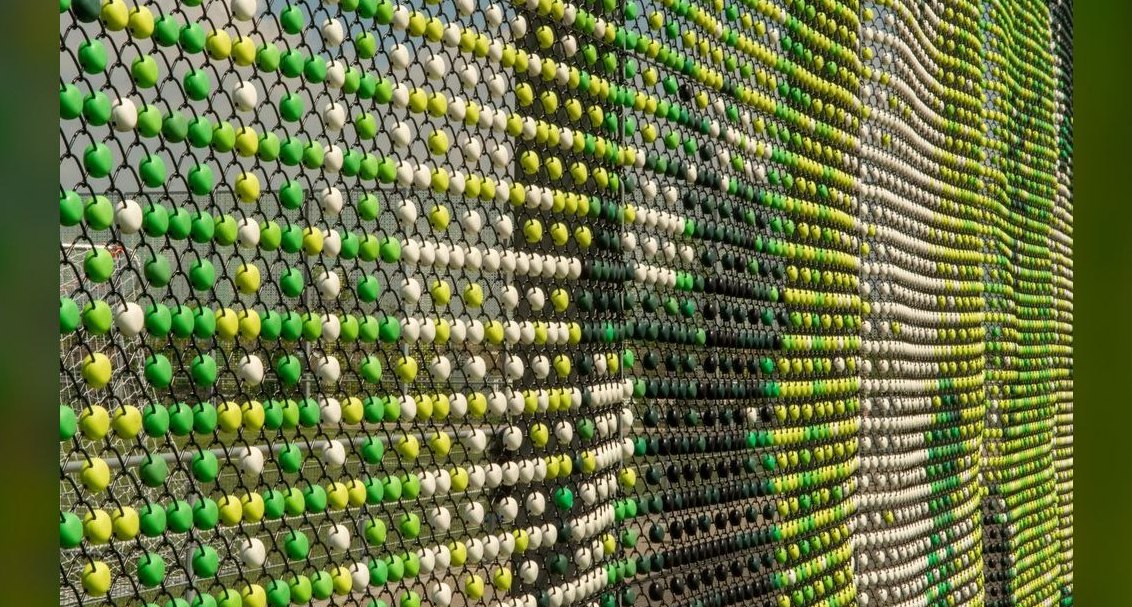 sales-trainingFence Installation Sales — 60-Min Training
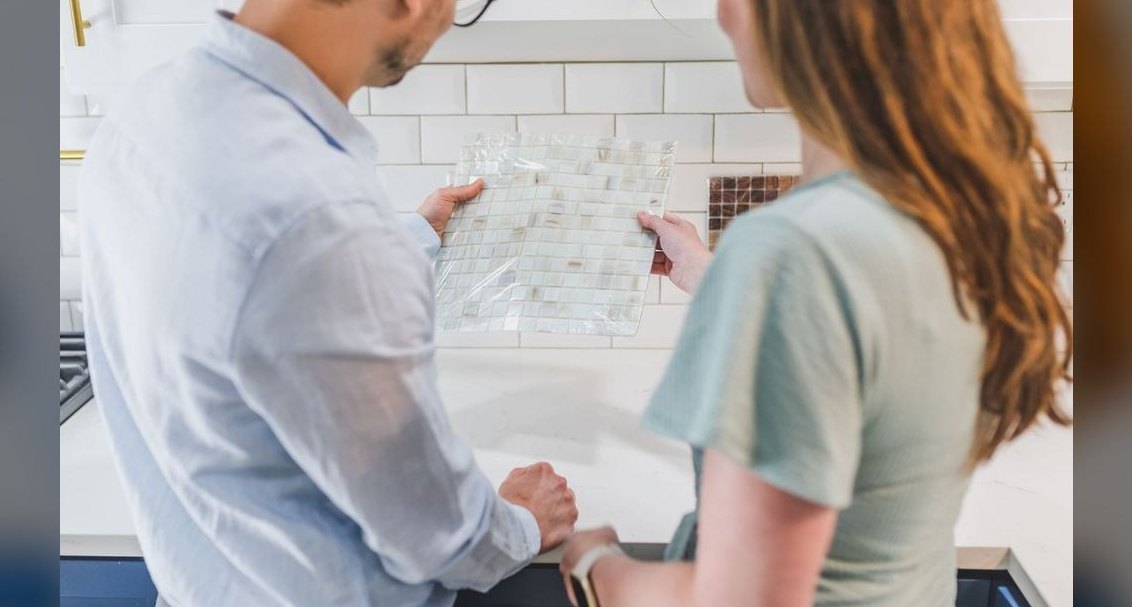 sales-trainingKitchen and Bath Remodel In-Home Sales — 60-Min Training
 sales-trainingPool and Spa Installation Sales — 60-Min Training
 sales-trainingGarage Door Installation Sales — 60-Min Training
 sales-trainingGutter and Gutter-Guard In-Home Sales — 60-Min Training
 sales-trainingResidential Painting Estimate-to-Close — 60-Min Training