


Corporate Event and Meeting Sales — 60-Min Training
Quality
Certified

Corporate event and meeting sales training works best as a 60-minute working session built around one decision: respond to inbound RFPs fast and qualify hard, or chase outbound corporate accounts proactively. Teach same-business-day response, a qualifying call before any rate, a three-option proposal anchored on the recommended package, and a site-visit close.
The two operating models most venue sales teams choose between
Almost every hotel, conference center, restaurant private-dining program, or independent venue runs one of two motions — and most run a muddled blend of both, which is why their pipeline math never holds up. Naming the two models explicitly at the top of a 60-minute training session is what turns the hour from a pep talk into a working decision.
Model A — the inbound RFP responder. Business arrives through Cvent, a website form, a brand-level lead distribution system, or a direct planner email. The sales manager's job is triage and speed: read the RFP, decide whether the dates and the profile fit, respond the same business day with a real rate and a human, and pull the planner into a qualifying conversation before anyone talks about a grid of rates. Volume is high and effort per opportunity is low. The failure mode is order-taking: a templated rate sheet goes out, the planner never speaks to a person, and the property never makes the shortlist.
Model B — the outbound corporate account developer. The sales manager owns a named account list — regional employers, associations, medical device companies, professional services firms with recurring training calendars, SaaS companies with annual kickoffs. The work is relationship-building over quarters, not hours: identify who owns the meeting calendar, learn the rhythm of their annual events, and get invited before an RFP ever goes out. Volume is low, effort per account is high, and the payoff is repeat business that never gets bid.

The trade-off is real and it is about time, not preference. A manager fielding twenty-plus RFPs a month has almost no discretionary hours left for outbound. A manager assigned a proactive account list who is also on the RFP rotation will always default to the inbound queue, because RFPs have deadlines and cold accounts do not. That is the single most common failure in venue sales staffing, and it repeats across adjacent industries — catering companies, AV production firms, and destination management organizations all describe the same collapse of proactive work under reactive volume.
What both models share is the underlying discipline. Whether the lead came in through a portal or from a lunch you bought eight months ago, the sequence is identical: qualify before quoting, sell the planner's success before the space, anchor with a recommended package rather than a floor rate, and close while the planner is standing in the room. The training teaches one sequence; the models differ only in how the conversation starts.
There is a third pattern worth naming so nobody defaults into it by accident: pure rate publishing. Some venues put a menu and a room-rental grid on the website and let planners self-serve. For a small restaurant private room booking a fifteen-person dinner, that is efficient and correct. For anything with a room block, a general session, and multi-day food and beverage, it forfeits the entire consultative margin. Draw the line for your team by dollar threshold rather than by feel — below it, self-serve; above it, a human qualifies.
How to decide which motion a given lead deserves

The decision is not a philosophy question. It is a routing rule you can write on a whiteboard in four minutes, and the training should produce that rule as a physical artifact the team leaves with.
Start with three inputs. Dates: are the requested dates in a high-demand window you will fill anyway, or in a soft shoulder period where you need the business? Profile: does the group's room-night-to-function-space ratio work for your building, or are they asking for your largest ballroom with almost no sleeping rooms? Repeatability: is this a one-time offsite, or a program that recurs annually and therefore justifies relationship investment far beyond this booking's value?
A lead that scores well on dates and profile but poorly on repeatability gets the fast inbound treatment: qualify, propose, close, move on. A lead that scores poorly on this year's dates but strongly on repeatability deserves an outbound-style investment — offer alternate dates, invite them to a site visit anyway, and start the multi-year relationship even if you lose the immediate piece of business. This is where most teams leave money on the table. Losing a date and losing an account are different outcomes, and a sales manager who conflates them will stop returning calls after a "no."
The second decision inside the training is response tiering. Not every RFP deserves the same effort, but every RFP deserves a same-business-day acknowledgment from a named human. Tier the follow-through: high-fit leads get a personal call invitation and a custom proposal, medium-fit leads get a fast personalized response and a standing offer to talk, low-fit leads get a courteous decline with a referral to a sister property or a partner venue. The referral is not charity — planners remember who helped them when the answer was no, and adjacent-venue referral relationships generate reciprocal leads.

Run this diagram live in the session with three real RFPs sitting in the team's inbox. Make each manager route their own leads out loud. Disagreements about routing are the most valuable ten minutes of the hour, because they surface the unwritten assumptions each manager has been operating on alone.
What the qualifying call actually has to extract
No qualifying call, no proposal. That rule is the spine of the training, and it needs a concrete intake so it survives contact with a busy week. Budget fifteen to twenty scheduled minutes — not a blind callback, not a rate quote by email.
Six things come out of that call. First, the group profile: organization, meeting dates with any flexibility, peak room nights, total attendees. Flexibility is the most valuable and least-asked-for item; a planner with three-day flex can often be moved into a period where you can be generous. Second, the decision structure: who signs the contract, who they report to, whether an executive sponsor has an opinion about the destination. Third, the one success metric — what does a home-run meeting look like to their leadership? Write it down verbatim and say it back in every subsequent touch. Fourth, budget and authority: stated food-and-beverage budget, rate ceiling, approval path. Fifth, space and food-and-beverage requirements: general session size, breakout count, meal periods, audiovisual complexity. Sixth, the proposal anchor you will lead with.

The consultative logic here is straight out of the implication and need-payoff questioning that Neil Rackham documented in *SPIN Selling*: you are not asking what they want to buy, you are helping them articulate what happens if the meeting goes badly and what it is worth to prevent that. A planner who has said out loud, "if the offsite dinner is mediocre my CEO will hear about it," has just told you which line item is untouchable in the negotiation.
Coach the failure mode explicitly. When a manager opens with "our group rate is two-twenty-nine, here's the grid," stop them mid-sentence: you quoted before you qualified, back up. Order-takers quote. Partners qualify. That distinction is the same one that separates transactional inside sales from enterprise selling in any B2B category, and venue teams benefit from hearing it framed that way — the skill transfers, and so does the coaching language.
One adjacent point worth covering: the qualifying call is also your fraud and fit screen. Groups that will not disclose a budget range, will not name a decision-maker, or want a contract without a call are disproportionately either shopping your rate to leverage another property or not real. Ten minutes of qualification saves a week of proposal work.
The numbers behind each option
Put the math on the whiteboard. Abstract advice does not survive Monday; a funnel does.
The inbound RFP model. A full-service property sales manager fielding roughly twenty RFPs a month is doing well to convert a majority of them into a real qualifying conversation — call it twelve. Of those twelve, closing four to five signed group contracts represents a healthy, disciplined operation. Now attach revenue: a group at two hundred fifty room nights against a two-hundred-fifteen-dollar average daily rate is roughly fifty-four thousand dollars in rooms revenue. Five such groups is in the neighborhood of a quarter-million dollars a month in rooms alone. Layer food and beverage on top — often thirty to fifty thousand dollars for a multi-day corporate program — and the catering line rivals or exceeds the rooms line, at materially better margin.

That margin asymmetry is the single most important number in the session. Rooms revenue is high-volume and rate-sensitive; banquet food and beverage carries the richest contribution. A manager who discounts the food-and-beverage minimum to protect a room rate has optimized the wrong variable. Teach the trade in the correct direction: concessions — comp rooms on a ratio, reduced meeting-room rental, an upgraded audiovisual bundle, a welcome reception at cost — are earned by a stronger room-night commitment, not given away to close a rate gap.
The outbound account model. The arithmetic is inverted. A manager working thirty to fifty named accounts might generate a handful of genuine opportunities in a year, but those opportunities close at dramatically higher rates because they are not competitively bid, and they recur. One association that rotates a two-hundred-fifty-room annual meeting into your property every third year is worth more over a decade than a dozen one-time offsites, and it requires no RFP response at all. The break-even question for a manager's time is straightforward: an hour spent on outbound must eventually produce more contracted revenue than an hour spent improving RFP response quality. In most properties with weak response discipline, fixing inbound wins first — you cannot out-prospect a broken intake.
Sensitivity to fix first. Response speed moves conversion more than rate does. A property that responds within four hours with a named human and a real number materially outperforms one that sends a rate grid in two days at a lower price, because the planner shortlists early and stops reading. Improving qualify-to-call rate by ten points does more for signed revenue than cutting the rate five percent, and it costs nothing. Run that comparison numerically in the room with your own funnel figures — the moment managers see that speed beats discounting on their own numbers, the behavior sticks.

Also model attrition. Contracts typically carry an attrition allowance and a cutoff date; a group that books two hundred fifty rooms and picks up one hundred eighty exposes the property to a shortfall the contract is supposed to cover. Teaching managers to explain attrition clearly and early is a revenue protection skill, not a legal formality. Planners who understand the terms sign faster and dispute less.
Proposal architecture and what never to say
The proposal is where a property either anchors its value or commoditizes itself in a single paragraph. Present three options, always, and present them by name in a fixed order.
Lean is the entry tier — bare room block, minimum food and beverage. It exists only to make the recommended option look complete. Never lead here and never present it first. Recommended is the anchor and your actual target: full room block, complete food and beverage across each meeting day, general session plus breakouts, an audiovisual bundle, and a dedicated event manager assigned by name. Signature is the reach tier — welcome reception, upgraded menus, suite upgrades for the executive team, branded amenities — and its job is to make Recommended feel prudent rather than expensive.
Three is not arbitrary. Two options force a binary yes or no. Four or more invite paralysis and comparison-shopping inside your own proposal. The middle option wins, which is precisely why the middle option must be the one you actually want to sell.

There is a short list of phrases that undo the whole structure. "Our lowest rate is…" anchors the negotiation at your floor and invites a walk downward from there. "It's only two-fifteen a night" apologizes for your own value with a single word. "We can probably drop the food-and-beverage minimum," offered before any ask, concedes your best margin and teaches the planner that pushing works. "What's your budget?" as an opener signals you will shrink to fit rather than build to objective. "All our packages are comparable" collapses the tier ladder and removes any reason to climb it. And disparaging a competing property by name reads as insecurity and reliably starts a rate war you will lose.
Replace all of them with the same move: tie every concession to a commitment. More room nights unlock more value. That is a legitimate commercial trade, defensible to your revenue manager and credible to the planner. A discount with nothing on the other side of it is just a lower price.
The hospitality principle underneath — anticipating a need before it is voiced, which Danny Meyer articulates in *Setting the Table* — is what separates a proposal that reads like a quote from one that reads like a plan. If the planner mentioned a red-eye arrival for the executive team, the proposal should already contain early check-in. Nobody asked. That is the point.
Sequencing the hour and what happens the next morning
A 60-minute session that produces no change in Monday's behavior was entertainment. Sequence the hour so the last ten minutes generate artifacts.

Open with five minutes of framing math: how many RFPs came in last month, how many got a same-business-day human response, how many became qualifying calls, how many signed. Use real numbers from your own system. The gap between the first and second figure is usually the entire conversation. Spend fifteen minutes on the qualifying call, with each manager completing the intake live against an RFP currently sitting in their queue — not a hypothetical. Ten minutes on proposal architecture, including reading the never-say list out loud, because hearing your own bad habits in someone else's mouth is more effective than a slide. Ten minutes on the site-visit close, rehearsed in pairs, including the silence after the ask. Fifteen minutes on funnel math and objection handling, with each manager writing three comebacks in their own words. Five minutes on commitments.
The close itself deserves rehearsal because most managers rush it. Walk the space with the planner, connect the room to their stated objective, be honest about date competition if and only if it is true, and then ask for the contract on site. Draft it while the ballroom is still in their head. "I'll send it by end of week" is where group business goes to die — the planner leaves, three other properties call, and your emotional advantage evaporates. If they must leave to compare, book the follow-up before they walk out.
Three written commitments go on the sales board: every RFP gets a same-business-day response with a call invitation, no exceptions; I lead with the Recommended package by name with room block and food-and-beverage minimum tied together; I ask for the contract on the site visit. Pin the qualifying intake in the shared drive so it gets used on the very next inquiry.
Make it recur. A single session decays within three weeks. Run a fifteen-minute version weekly against last week's actual response times, and the discipline compounds. The measurement that matters most is unglamorous: percentage of inbound inquiries that received a human response the same business day. Publish it by name. Nothing changes behavior in a venue sales office faster than a visible number next to a person's name.
Related questions
How is this different from training a restaurant private-dining team?
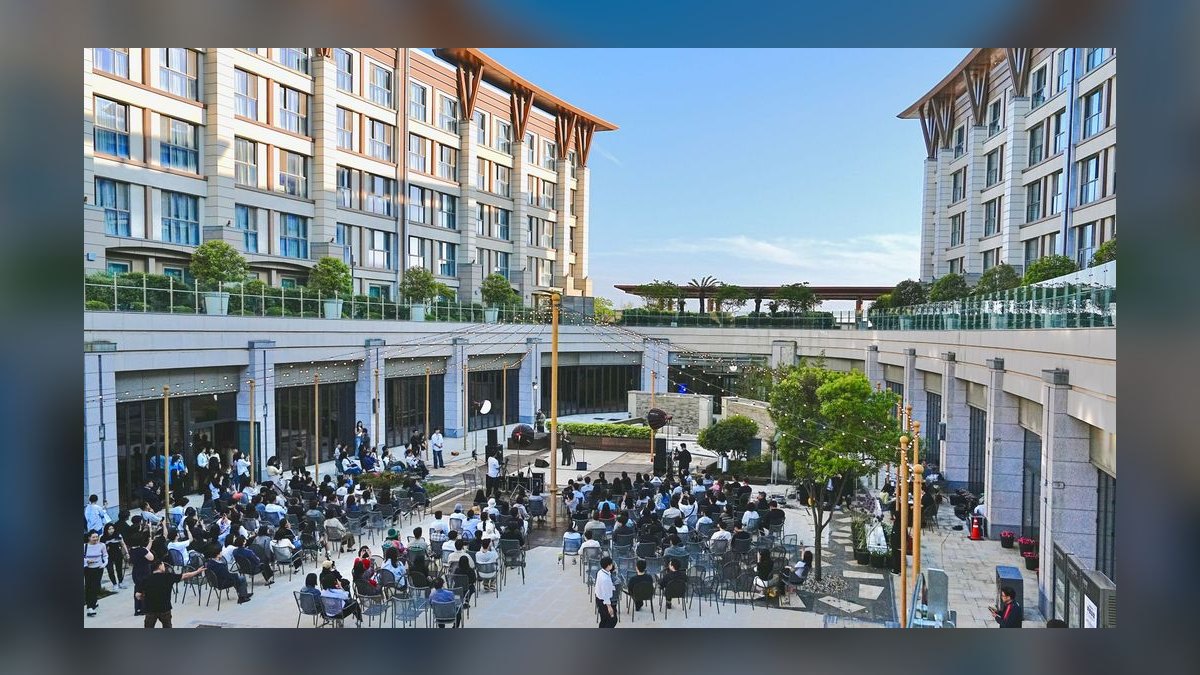
The sequence is the same but the scale collapses. Private dining rarely involves room blocks or attrition, so the qualifying call shortens to eight minutes and the proposal usually has two tiers rather than three. Speed of response matters even more, because decision cycles run days rather than months.
Should the same manager handle both inbound RFPs and outbound accounts?
Rarely, at volume. RFPs have deadlines and outbound accounts do not, so the reactive queue always wins. If headcount forces one person to do both, block protected outbound hours on the calendar and measure prospecting activity separately from booked revenue.
What should a small independent venue do without a Cvent subscription?
Compete on response speed and specificity rather than distribution. Make direct inquiry frictionless, answer within hours with a named human, and build referral relationships with nearby venues that decline business you can take.
How often should this training run?
A full 60-minute session quarterly, with a fifteen-minute weekly working version against last week's real response data. The long session teaches the framework; the short one keeps it from decaying.
FAQ
How fast does "same business day" really need to be?
Within four hours if you can manage it, same business day at the outside. Planners shortlist early and stop reading once they have two or three credible responses in hand. Being fourth with a better rate is usually worse than being first with a fair one.
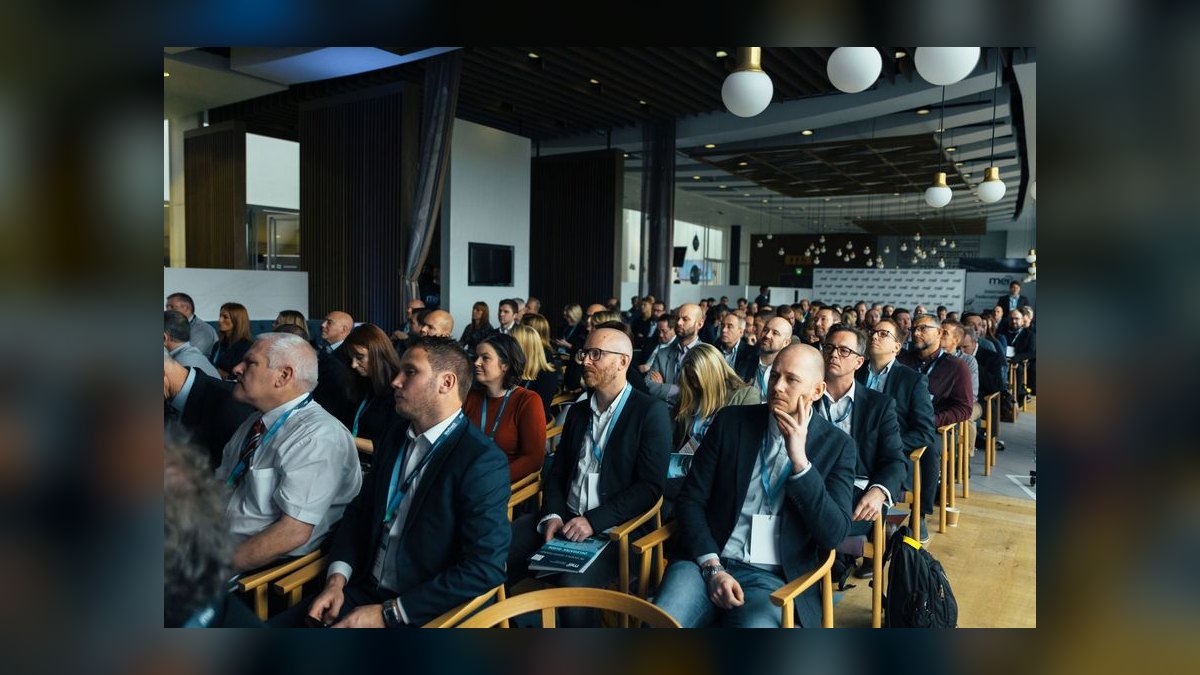
Is the room-block-scarcity line ethical?
Only if it is true. If another group is genuinely asking about the same dates, saying so is honest information the planner needs. Inventing a phantom competing planner is a lie that damages a relationship the moment it is discovered, and planner communities are small.
Should I lead with my best rate to beat competitors?
No. Leading with your floor commoditizes the property and starts a race downward with nothing left to trade. Lead with the Recommended package and the planner's stated objective, then earn any concession against a stronger room-night or food-and-beverage commitment.
What if the group's budget falls below the Lean option?
Offer shoulder-season dates, a smaller space, or a referral to a sister property or partner venue. Do not gut the food-and-beverage minimum to force a fit — that line carries your best margin, and a group that cannot support it will not become profitable through volume.
What is the highest-margin part of a group booking?
Banquet food and beverage, by a wide margin. Rooms revenue is larger in raw dollars but far more rate-sensitive. Anchor the minimum confidently and upsell receptions, themed breaks, and bar programs — that is where the property's actual profit sits.
How do I handle attrition and cutoff dates without scaring the planner?
Explain them early, in plain language, as mutual protection rather than a penalty. A planner who understands the cutoff will actively drive room-block pickup, which is exactly the behavior you want. Ambiguous attrition language produces disputes at final billing, not signed business.
Sources
- Meeting Professionals International — https://www.mpi.org/
- Events Industry Council, Certified Meeting Professional program — https://www.eventscouncil.org/
- Professional Convention Management Association — https://www.pcma.org/
- American Hotel & Lodging Association — https://www.ahla.com/
- Cvent resource library — https://www.cvent.com/en/resources
- Neil Rackham, *SPIN Selling* (McGraw-Hill) — https://www.mheducation.com/
- Danny Meyer, *Setting the Table* — https://www.harpercollins.com/
- Harvard Business Review, sales and negotiation research — https://hbr.org/topic/sales
Related on PULSE
- Event Catering Sales — 60-Min Training
- The Trigger Event Selling Reboot — 60-Min Training
- Sales Forecasting Accuracy: Template for a Team Meeting Focused on Data Hygiene
- Sales Negotiation Tactics: Step-by-Step Meeting Script for Trainers
- Mastering the Discovery Call: A 30-Minute Ready-to-Run Sales Meeting Template
- Top 10 Team Meeting Templates to Boost Weekly Sales Quotas
This page will be disappearing soon. Save it to your device for $1 — or read it free while it is here.
@Kory-White- · if Venmo asks, the last 4 of my number are 2012
This page is gone.
This one is off the shelf now. $1 keeps it on your phone for good — the whole page, pictures and diagrams included.
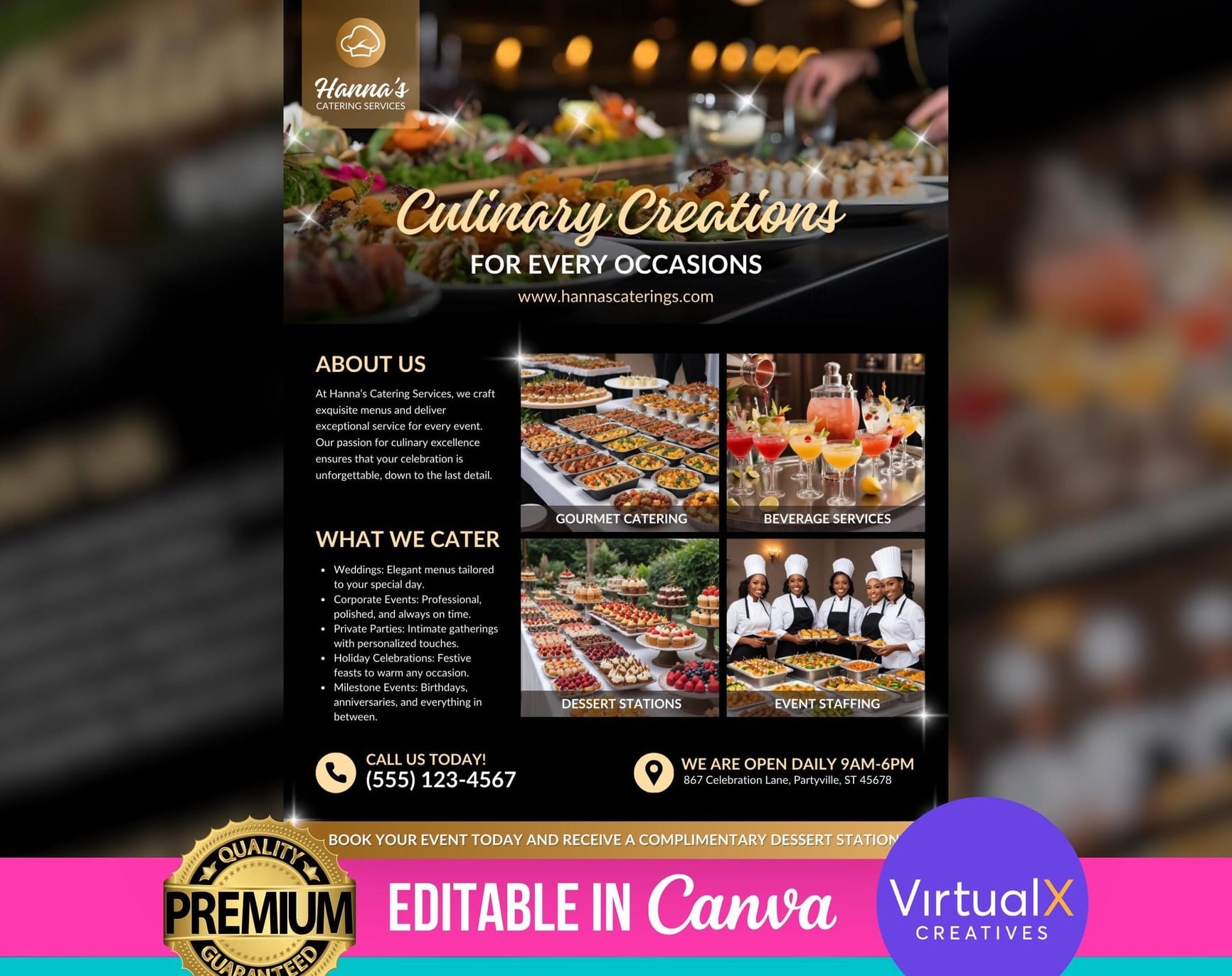 sales-trainingEvent Catering Sales — 60-Min Training
 sales-trainingFlorist Event-Florals Selling — 60-Min Training
 sales-trainingCountry Club Membership Selling — 60-Min Training
 sales-trainingWedding Photography Booking Selling — 60-Min Training
 sales-trainingWorkers' Comp Insurance Selling — 60-Min Training
 sales-trainingMerchant Services and POS Selling — 60-Min Training
 sales-trainingSnow Removal Contract Selling — 60-Min Training
 sales-trainingPropane and Fuel Delivery Account Selling — 60-Min Training
 sales-trainingAuto Loan Indirect Dealer Sales — 60-Min Training
 sales-trainingCommercial Flat-Roof Selling — 60-Min Training