


How do you run a sales training on cold calling in 2027?
Quality
Certified

Run it as a 60-minute working session with six timed blocks: reset beliefs (5 min), teach call anatomy (10 min), demo the permission opener and problem-led reason (10 min), live paired phone role-play (20 min), debrief into a shared objection bank (10 min), and written commitments (5 min). Reps must speak out loud, not listen.
The Tuesday morning that exposes the real problem
Picture a six-person outbound team on a Tuesday. Connect rates look survivable on the dashboard, but nobody is booking. The manager pulls three call recordings at random and the pattern is identical across all three reps: the caller sprints through eleven words of introduction, the prospect says something noncommittal, the caller pivots straight into a product description, and forty seconds later the line goes dead. No one on the team is bad at their job. They are all improvising the two moments that decide the call.
This is what a cold calling training has to fix, and it is worth being precise about the failure mode, because most teams misdiagnose it. The reps do not lack scripts — there is almost certainly a script doc in the shared drive that nobody opens. They lack reps saying the words out loud under mild social pressure. Reading a script silently and delivering it on a live dial are different motor skills, the same way reading sheet music and playing an instrument are different. That gap is why a training built around slides fails and a training built around a phone in your hand works.
So frame the session honestly at the start. Tell the room: "We are not learning anything new today. We are going to say four specific things out loud until they stop sounding like a script." That framing lowers the stakes, and a rep who is not bracing for judgment sounds dramatically more relaxed on the phone — which is itself most of the battle, since prospects react to tone before they process content.
The same diagnosis applies well outside pure cold calling. Renewal teams making save calls, CS teams doing expansion outreach, recruiters doing candidate sourcing, and field sales teams doing door-knocking all fail in the same place for the same reason: the first fifteen seconds and the first pushback are unrehearsed. If you build this session well, you can re-run it almost unchanged for any of those functions by swapping the problem statement in the opener.

The four moments a call actually turns on
Teach the call as four discrete moments rather than as a continuous script. Discrete moments are coachable; a continuous script is memorizable but not adjustable, and the moment a prospect goes off-script the rep who memorized a paragraph has nowhere to go.
Moment one — the opener (first 10–15 seconds). The job here is not to be interesting. It is to be *non-threatening*. A permission-based opener works because it acknowledges the interruption before the prospect has to defend against it: "Hi [Name] — you weren't expecting my call. Can I have thirty seconds to tell you why I called, and then you decide if it's worth continuing?" The prospect's guard drops because you named the thing they were about to object to. Contrast this with "How are you today?", which signals a script and triggers the reflex.
Moment two — the reason (next 20–30 seconds). Lead with a problem that belongs to the prospect's role, not a description of your product. "We're a platform that unifies..." is a losing sentence. "I work with [role] at companies your size, and the thing I keep hearing is [specific problem] — I don't know whether that's a priority for you" is a winning one, because it makes a claim the prospect can immediately confirm or reject. Being rejectable is a feature: it gets them talking.

Moment three — the dialogue. Ask one short question, then stop. This is the hardest thing to teach and the easiest thing to measure. Silence after a question feels endless to the caller and normal to the prospect. Whoever fills it first has conceded control of the call. In role-play, count the silence out loud during debrief — reps are usually stunned to learn they held it for barely a second.
Moment four — the ask. The goal is a small, low-friction next step, not a close. "Fifteen minutes next week so I can show you how peers are handling this — worst case you get two ideas you can use either way" is easy to say yes to because it is bounded and it offers value even on the downside.
Walk the room through this flow once on the whiteboard before any practice. Reps who can name which of the four moments they are in can self-correct mid-call; reps who only know "the script" cannot.
Structuring the sixty minutes so practice actually happens
The single most common design flaw is spending forty minutes teaching and twenty minutes practicing. Invert it. Here is the block structure that survives contact with a real team.

Belief reset — 5 minutes. Ask the room: "What goes through your head right before you dial a cold number?" Write the honest answers on the board — dread, rushing, "let me get this over with." Then name the reframe: the goal of the call is to earn the next thirty seconds, repeatedly, not to win the meeting in one move. Kill the two myths explicitly: cold calling is not dead, it is crowded — which means a competent caller stands out more, not less; and pushing harder does not produce meetings, it produces hang-ups.
Call anatomy — 10 minutes. Teach the four moments above. Do not read slides. Draw it.
Live demonstration — 10 minutes. The person running the session goes first, on speaker, on a real dial if you have the nerve, or a scripted demo with a volunteer playing a hostile prospect if you do not. Managers who skip this and go straight to "okay, you try" lose the room's trust. Demonstrate all four moments and then deliberately demonstrate a brush-off recovery.
Paired role-play — 20 minutes. Three rounds of roughly five minutes, swapping roles between rounds, with a minute of partner feedback after each. Round one: receptive prospect, clean run. Round two: "I'm not interested." Round three: "just send me an email." Reps must be physically on a phone or a headset — not sitting face to face, because eye contact changes the exercise entirely and removes the exact difficulty you are training for.
Debrief and objection bank — 10 minutes. Two questions to the group: which moment felt hardest, and which line needs rewording in your own voice? The second question matters more than it looks. A script delivered in someone else's cadence sounds fake, and a rep who has rewritten the line themselves will actually use it.

Commitments — 5 minutes. Each rep states one specific change for their next call block and the exact line they will use. Write these down. Open the next team meeting by asking who used theirs and what happened — without that follow-up, the session's half-life is about four days.
For remote and hybrid teams the structure holds without modification. Use breakout rooms for the role-play block, share a visible timer, and keep the demonstration live on camera. The one adjustment worth making: in-person, reps overhear each other and calibrate; in breakouts they do not, so budget an extra two or three minutes of debrief to redistribute what worked.
The numbers worth tracking, and the ones worth ignoring
Be careful here, because outbound is a field awash in cited statistics of unclear provenance. Rather than leaning on a headline number, build the session around metrics your own team can measure within two weeks.
Dials per connect. This varies enormously by segment, seniority, and whether you are calling mobiles or switchboards. Do not import someone else's ratio — measure your own baseline across two weeks before the training so you have a genuine before-and-after. If you have no baseline, the training's effect is unfalsifiable and someone will eventually claim it did nothing.
Connect-to-conversation rate. The percentage of connected calls that get past the opener into an actual exchange. This is the metric the training most directly moves, because the opener and the first brush-off are exactly what you drilled. It is also the fastest to respond — you should see movement within one or two call blocks, not one or two quarters.

Conversation-to-meeting rate. Slower to move, more dependent on targeting and offer quality than on delivery. If conversations are up but meetings are flat, your problem is list quality or value proposition, not calling technique — and running more calling training will not fix it. That diagnostic split is one of the most useful things this measurement setup gives you.
Time-to-first-objection and objection survival. Underused and very revealing. Record how far into calls the first pushback arrives, and what fraction of calls continue past it. Reps who fold at the first objection show up immediately in this number.
Talk-to-listen ratio. Most conversation-intelligence tooling reports this natively; if you have none, a partner with a stopwatch during role-play is a serviceable approximation. On a cold call the caller should be talking substantially less than half the time after the opener. Reps who are talking eighty percent of the time are pitching, whatever they think they are doing.
On session sizing: keep it to sixty minutes and six to eight people. Past eight, the twenty-minute role-play block stops giving each rep enough turns and the debrief turns into a lecture. Two smaller sessions beat one large one, every time. Cadence-wise, one long foundational session followed by fifteen-minute weekly drills outperforms a quarterly two-hour block, because the skill decays on a timescale of days.
Trade-offs: what to run instead, and when

A sixty-minute internal working session is not always the right instrument. Know the alternatives and their honest costs.
Recorded-call review ("ear training") instead of role-play. Play two or three anonymized recordings — a good one and a bad one — and have the room identify where attention was earned or lost. Cheaper, lower-anxiety, excellent for pattern recognition. The catch: it builds recognition, not production. Reps who can perfectly critique a call still fumble their own opener. Best used as a fifteen-minute supplement, not a replacement.
Outside training vendors and methodologies. Established outbound methodologies bring rigor, an outside voice reps take more seriously than their manager, and a common vocabulary. They cost real money and real calendar time, and their generic scripts always need translation into your actual product and buyer. Sensible pattern: hire outside once to install the framework, then run internal sessions weekly to maintain it.
One-on-one call coaching. Highest-fidelity option — a manager listening live to one rep's block and correcting in the moment. It is also the most expensive per rep-hour and does not build the shared language that makes a team's objection bank cohere. Best reserved for the two or three reps whose numbers say something specific is broken.
AI-assisted practice tooling. Simulated prospects let reps drill unlimited times without burning a live list, which solves the volume problem group sessions cannot. The trade-off is realism: a simulated prospect does not carry the specific social risk of a real stranger, which is the exact pressure you are trying to inoculate against. Useful for volume; not a substitute for the paired block or live dials.
Skipping training and just dialing more. Sometimes correct. If your team already has strong fundamentals and low activity, more dials genuinely beats more training. Diagnose first: pull five recordings. If the openers are clean and the objections get handled, your problem is activity, not skill.
Where these sessions go wrong

Teaching for forty minutes and practicing for twenty. The most common failure by a wide margin. Managers are more comfortable presenting than watching people struggle. Resist it — the discomfort in the room during role-play is the training working.
Silent role-play, or role-play across a table. If reps are looking at each other, they are having a conversation, not making a cold call. Put them on phones, in separate corners or separate breakout rooms.
Handing out scripts nobody rewrites. A verbatim script is a starting point. Build the rewrite step into the debrief explicitly, and let each rep own their version of the four lines. Ownership is what makes them get used.
Building the objection bank and then abandoning it. The bank is a living document, updated as new patterns appear on live calls. Its second life is onboarding: a new hire who reads the team's actual objection responses starts weeks ahead. If nobody has touched it in a quarter, it is decoration.
No follow-up in the next meeting. Commitments without a check-in evaporate. Two minutes at the top of the next team meeting — who used their new opener, what happened — is the cheapest reinforcement available.

Coaching everything at once. Walking the room, you will see three failure types: the rusher who sprints the opener out of nerves, the pitcher who jumps to product instead of problem, and the folder who apologizes their way off the line at the first objection. Give each rep *one* correction. Three corrections produce a paralyzed rep who now sounds worse than before.
Treating the brush-off handler as pushiness. Reps resist re-opening after "not interested" because they do not want to be the caller they hate. Name this explicitly: one respectful re-open — "happy to send something, but so it's actually useful and not another ignored email, can I ask one quick question?" — is persistence. Three is harassment. The line is clear and reps relax once you draw it.
Running the session once. Skill decay is fast. One foundational hour plus fifteen minutes weekly holds; one hour a quarter does not.
Related questions
How often should we re-run cold calling training?
One sixty-minute foundational session, then fifteen-minute weekly drills on a single moment — opener one week, brush-offs the next. Skill decays within days, so short frequent reps beat long infrequent blocks. Re-run the full session when the team composition changes meaningfully.
Can this session work for renewals or customer success outreach?
Yes, with minimal changes. The four moments are identical; only the problem statement in the reason block changes. Save calls and expansion outreach fail at the same two points — the opening seconds and the first pushback — so the same drill structure transfers directly.
What if a rep refuses to role-play in front of the team?

Pair them with the manager privately for the first round rather than forcing a public turn. Reluctance is usually fear of being judged by peers, not resistance to practice. Most reps join the group rounds voluntarily after one private run.
Do we need call recording software for this?
No. A phone and a timer are sufficient for the session itself. Recording tools help afterward by making the "ear training" drill and talk-to-listen measurement possible, but they are an amplifier, not a prerequisite.
How do we train reps who only cold call occasionally?
Shorten to thirty minutes, cut the belief-reset block, and focus entirely on the opener plus one brush-off. Occasional callers cannot maintain a full framework; give them two lines they can say cold and leave the rest.
FAQ
Does cold calling still work in 2027?
Yes, but the bar is higher. Buyers filter aggressively, so the calls that connect are the ones that are immediately relevant and immediately respectful of time. The permission opener works precisely because it is unusual against a background of pitches. Teams that treat the first fifteen seconds as rehearsed rather than improvised do measurably better on their own before-and-after numbers.
How long should a cold calling training session be?

Sixty minutes, with forty of those spent doing rather than listening. Longer sessions lose the room and shorter ones do not leave enough turns for each rep to actually practice. If you have less time, cut the teaching block, never the role-play block.
What is the single most important part of the call to drill?
The first fifteen seconds and the first objection. Everything downstream depends on surviving those two moments, and they are the two most reps improvise. Drill them until the words arrive without thought, which usually means saying each line out loud roughly ten times.
How many people should be in one session?
Six to eight. Beyond that, the twenty-minute paired block gives each rep too few turns and the debrief degrades into a lecture. Split larger teams into two sessions rather than stretching one.
What do we do about "just send me an email"?
Treat it as a request for relevance, not a rejection. Agree, then re-open once with a single question so what you send is actually targeted. One respectful re-open is persistence; repeated pushing after a clear no is not, and reps need that boundary drawn explicitly or they will either fold immediately or overcorrect.
How do we know whether the training worked?
Measure connect-to-conversation rate before and after. That is the metric this session directly moves, and it responds within a call block or two. If conversations rise but meetings do not, the remaining problem is targeting or offer, not calling technique.
Sources
- https://www.gong.io/resources/
- https://www.salesloft.com/resources
- https://blog.hubspot.com/sales
- https://www.saleshacker.com/
- https://www.rainsalestraining.com/blog
- https://www.sandler.com/blog/
- https://hbr.org/topic/subject/sales
- https://www.salesforce.com/resources/
Related on PULSE
- Top 10 Sales Script Practice Templates for Cold Calling Success
- Top 10 Ready-to-Run Sales Training Templates for Cold Calling Mastery
- Top 10 ready-to-run sales training templates for cold calling scripts
- 60-Min Sales Training: Cold Calling Fundamentals
- Cold Calling Script Practice Session Guide
- Expired Listing Reactivation Calling — 60-Min Training
This page will be disappearing soon. Save it to your device for $1 — or read it free while it is here.
@Kory-White- · if Venmo asks, the last 4 of my number are 2012
This page is gone.
This one is off the shelf now. $1 keeps it on your phone for good — the whole page, pictures and diagrams included.
 sales-trainingThe Cold Call Reboot — 60-Min Training
 sales-trainingThe Cold Voicemail Reboot — 60-Min Training
 sales-trainingThe Cold Outreach Sprint — 60-Min Training
 sales-trainingThe Gatekeeper Navigation Reboot — 60-Min Training
 sales-trainingCold Call Openers That Don't Get Hung Up On — 60-Min Training
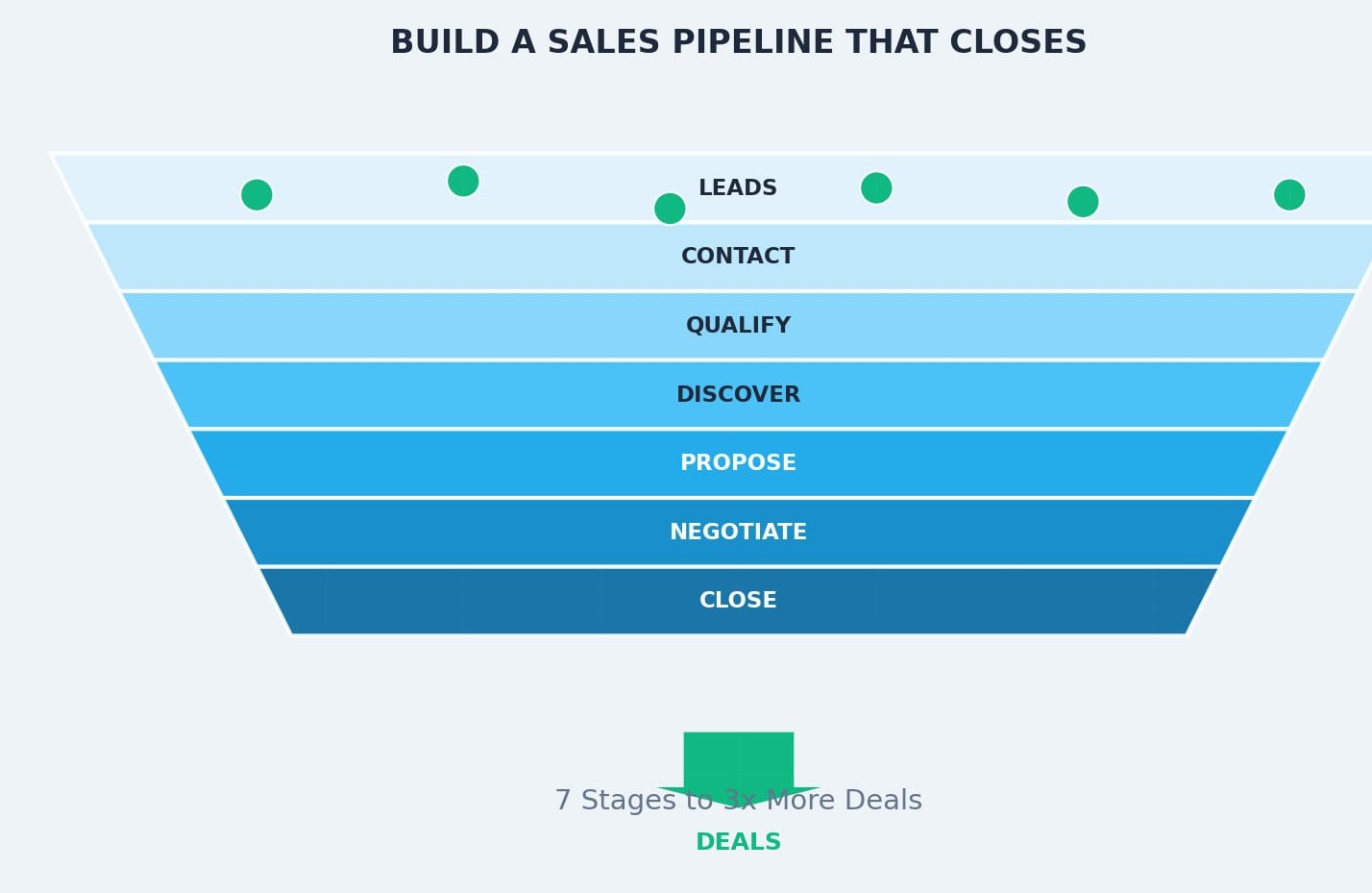 sales-trainingThe Pipeline-Building Day Reboot — 60-Min Training
 sales-trainingThe Cold Outreach Personalization Reboot — 60-Min Training
 sales-trainingThe Outbound Email Reboot — 60-Min Training
 sales-trainingThe Trigger Event Selling Reboot — 60-Min Training
 sales-trainingThe SDR Daily Structure Reboot — 60-Min Training