
Top 10 Best Value Colleges in 2027
 Curated byKory White · Fractional CRO · Maryland
 PULSEKNOWLEDGE LIBRARY
Quality
Certified

The Best Overall value college is Princeton University, whose famously generous no-loan financial aid means most families pay a fraction of sticker price while students earn one of the most valuable degrees in the country. The Best Value standout among public schools is the University of Florida, which pairs low in-state tuition with top-tier outcomes and a strong national ranking. This list serves students and families weighing cost against return across the United States, focusing on net price, aid, graduation rates, and earnings. Every figure below comes from public sources including U.S. News, the College Scorecard, and each school.
How We Ranked the Top 10
We weighed each college against the value factors families actually compare, using data from U.S. News Best Value rankings, the U.S. Department of Education College Scorecard, NCES, and each school. The weighting:
- Net price after aid 25%
- Financial aid generosity (grants, no-loan policies) 20%
- Graduation and retention rates 20%
- Post-graduation earnings 20%
- Academic reputation 15%
Value is net price relative to outcomes, not sticker price. The schools below combine low real cost with strong graduation and earnings results.
1. Princeton University 🏆 BEST OVERALL

Type: Private, Ivy League | Sticker tuition: about $62,000 | Best for: Students who qualify for need-based aid at an elite university
Princeton University pioneered the no-loan financial aid model, replacing all loans with grants, and continues to offer some of the most generous aid in the country. Families earning under roughly $100,000 typically pay nothing for tuition, room, and board, and aid extends well into the middle and upper-middle class. With a graduation rate near 98% and elite earnings outcomes, the net cost-to-value ratio is among the best anywhere.
Pros:
- No-loan aid with full grants for most families
- Near-perfect graduation rate
- Elite earnings and brand value
Cons:
- Extremely selective admission
- High sticker price for full-pay families
Verdict: The best overall value in higher education for students who earn admission and qualify for aid.
2. University of Florida 💎 BEST VALUE


Type: Public flagship, R1 | In-state tuition: about $6,400 | Best for: Florida residents seeking elite outcomes at minimal cost
The University of Florida combines one of the lowest in-state tuition rates among top public universities with a strong national ranking, an R1 research mission, and high graduation rates near 90%. The Bright Futures state scholarship further reduces cost for many Florida residents, making UF a rare combination of prestige and affordability.
Pros:
- Very low in-state tuition plus state scholarships
- High graduation rate and strong outcomes
- Top public-university ranking
Cons:
- Out-of-state cost is far higher
- Large class sizes
Verdict: The best public-college value in the country for in-state students; our Best Value pick.
3. Stanford University

Type: Private, R1 | Sticker tuition: about $62,000 | Best for: Students qualifying for need-based aid who target top STEM and tech outcomes
Stanford University offers no-loan need-based aid, with free tuition for families under roughly $150,000 and free tuition, room, and board for many lower-income families. Combined with elite earnings, especially in technology, the net value is exceptional for aided students.
Pros:
- Generous no-loan aid with high income thresholds
- Elite tech and STEM earnings
- Near-perfect graduation rate
Cons:
- Among the most selective admissions anywhere
- High sticker cost for full-pay families
Verdict: An elite value for aided students, especially those targeting technology careers.
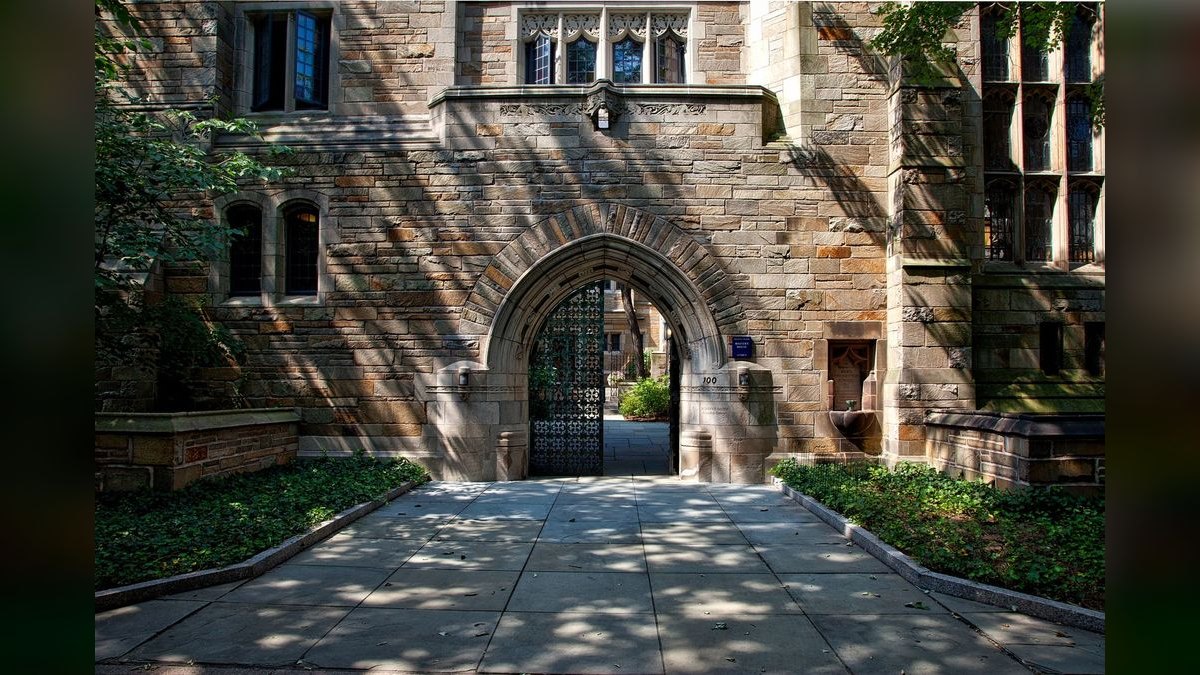
4. Harvard University

Type: Private, Ivy League | Sticker tuition: about $57,000 | Best for: Students qualifying for aid at a globally recognized university
Harvard University offers among the most generous aid packages in the world, with zero parental contribution for families under roughly $85,000 and substantial grants well beyond that. A graduation rate near 98% and one of the strongest degree brands globally make the net value outstanding.
Pros:
- Industry-leading need-based aid
- Globally recognized degree
- Near-perfect graduation rate
Cons:
- Extremely selective
- High sticker price without aid
Verdict: A top-tier value for admitted students who qualify for need-based grants.
5. University of North Carolina at Chapel Hill

Type: Public flagship, R1 | In-state tuition: about $7,000 | Best for: North Carolina residents wanting elite public value
UNC Chapel Hill pairs low in-state tuition with the Carolina Covenant, which lets qualifying low-income students graduate debt-free. With a graduation rate near 90% and strong outcomes, it is one of the best public values in the nation.
Pros:
- Carolina Covenant debt-free pathway
- Low in-state tuition
- Strong graduation rate
Cons:
- Out-of-state admission is very competitive
- Higher out-of-state cost

Verdict: One of the strongest public-college values, especially for North Carolina residents.
6. Massachusetts Institute of Technology

Type: Private, R1 | Sticker tuition: about $61,000 | Best for: STEM students qualifying for aid who target the highest earnings
MIT offers need-based aid with free tuition for families under roughly $140,000 and meets full demonstrated need with grants. Paired with the highest median earnings of nearly any school, the net return on cost is among the best anywhere for STEM students.
Pros:
- Free tuition for a wide income band
- Top earnings outcomes nationally
- Need-met-in-full grants
Cons:
- Among the most selective admissions
- Intense STEM workload
Verdict: An exceptional value for aided STEM students chasing top earnings.
7. University of California, Berkeley

Type: Public flagship, R1 | In-state tuition: about $14,500 | Best for: California residents wanting elite public outcomes
UC Berkeley combines a world-class academic reputation with substantial Cal Grant and university aid that covers tuition for many California residents. Strong earnings, especially in tech and engineering, and high graduation rates drive excellent value.

Pros:
- World-class reputation at public cost
- Strong state and university aid
- High tech and engineering earnings
Cons:
- Large classes and competitive enrollment
- High cost of living in the Bay Area
Verdict: A premier public value for California residents, especially in STEM.
8. Rice University

Type: Private, R1 | Sticker tuition: about $58,000 | Best for: Students qualifying for aid who want a smaller research university
Rice University in Houston offers generous aid, including free tuition for families under roughly $140,000 and reduced costs well beyond that through its Rice Investment program. A high graduation rate and strong outcomes at a smaller, well-resourced campus make it a standout value.
Pros:
- Rice Investment free-tuition program
- Small, well-resourced campus
- Strong outcomes
Cons:
- Selective admission
- High sticker cost for full-pay families
Verdict: An excellent value for aided students who prefer a smaller research university.
9. University of Michigan, Ann Arbor

Type: Public flagship, R1 | In-state tuition: about $17,000 | Best for: Michigan residents wanting elite public value
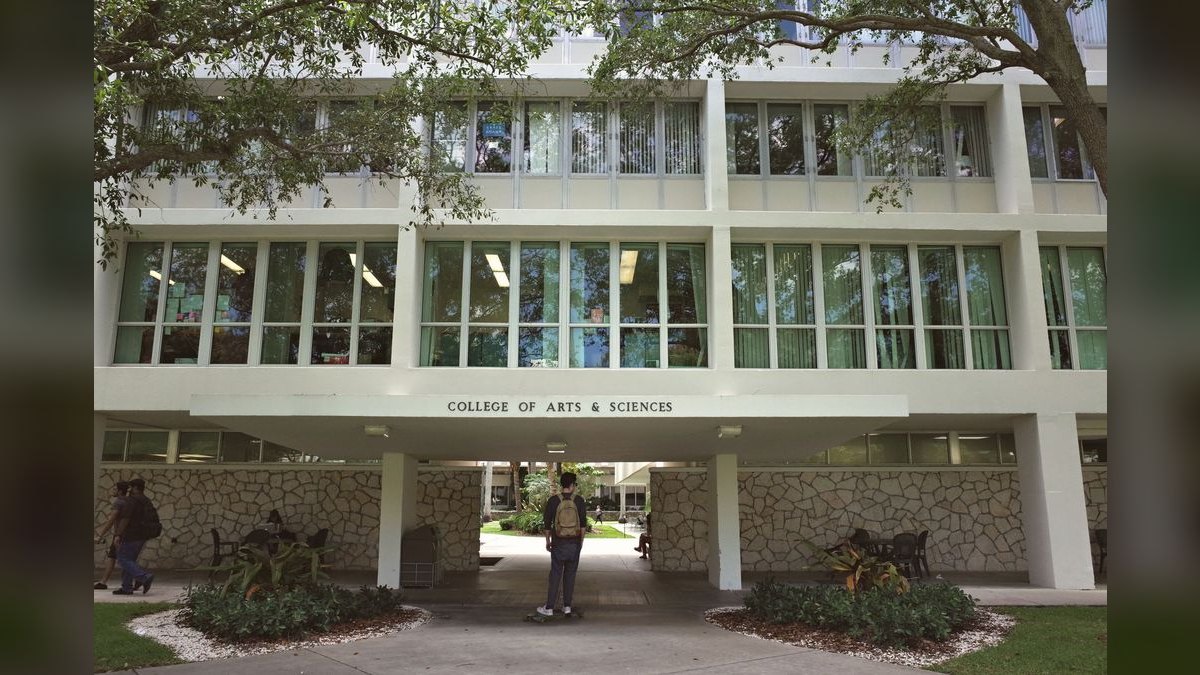
The University of Michigan offers the Go Blue Guarantee, providing free tuition for in-state families under roughly $125,000. With top-tier programs across disciplines, high graduation rates, and strong earnings, it ranks among the best public values for residents.
Pros:
- Go Blue Guarantee free in-state tuition
- Top programs across fields
- Strong earnings and graduation rate
Cons:
- Out-of-state cost is high
- Large campus
Verdict: A leading public value for Michigan residents across nearly every major.
10. Yale University

Type: Private, Ivy League | Sticker tuition: about $64,000 | Best for: Students qualifying for aid at an elite university
Yale University offers no-loan need-based aid, with zero parental contribution for families under roughly $75,000 and substantial grants well beyond. A graduation rate near 97% and an elite degree brand make the net value among the best for aided students.
Pros:
- No-loan, need-met-in-full aid
- Elite degree value
- Very high graduation rate
Cons:
- Among the most selective
- High sticker price without aid
Verdict: A top value for admitted students who qualify for need-based grants.
What to Look For When Choosing a Best-Value College
- Net price, not sticker price Use each school's net price calculator; elite privates with no-loan aid often cost less than state schools for many families.
- No-loan and full-need policies Princeton, Harvard, Yale, MIT, Stanford, and Rice replace loans with grants, sharply lowering real cost.
- In-state public deals Florida, UNC, Michigan, and Berkeley offer elite outcomes at low resident tuition, sometimes with guarantee programs.
- Graduation rate Finishing on time is central to value; the schools above all post rates near or above 90%.
- Earnings outcomes Check the College Scorecard for median earnings by program to gauge real return.
- Merit versus need aid Some schools meet full need with no merit awards, while others offer large merit scholarships to strong applicants regardless of income; know which model applies before you apply.
- Four-year graduation premium A degree finished in four years rather than five or six can save a full year of tuition and living costs, so weight on-time completion heavily when comparing value.
FAQ
What is the best value college in the United States? Princeton University is often cited as the best overall value because its no-loan financial aid means most admitted families pay far below sticker price for one of the most valuable degrees available, with a graduation rate near 98%.
Which public college offers the best value? The University of Florida offers the best public-college value, combining very low in-state tuition, state scholarships like Bright Futures, a high graduation rate, and strong national standing.
Do expensive private colleges ever cost less than state schools? Yes. Schools with no-loan, full-need aid such as Harvard, Yale, MIT, Stanford, and Rice often cost less for middle and lower-income families than in-state public tuition, because they replace loans with grants.
What is a no-loan financial aid policy? A no-loan policy means the school meets demonstrated financial need with grants and work-study rather than loans, so students graduate with little or no debt. Princeton pioneered the approach.
How do I find a college's real cost? Use each college's net price calculator and the federal College Scorecard, which reports average net price by income band along with graduation rates and median earnings.
Are guarantee programs like the Go Blue Guarantee worth it? Yes. Programs such as Michigan's Go Blue Guarantee, UNC's Carolina Covenant, and Rice Investment provide free tuition or debt-free pathways to qualifying residents and can dramatically lower the real cost of a top degree.
Bottom Line
The best-value colleges combine low real cost with high graduation rates and strong earnings. Elite privates like Princeton, Harvard, and MIT are surprisingly affordable for aided families thanks to no-loan policies, while public flagships like Florida, UNC, and Michigan deliver top outcomes at low resident tuition. Always compare net price using each school's calculator and the College Scorecard rather than sticker price before deciding.
Related on PULSE
- [Top 10 Historically Black Colleges and Universities in the Southeast in 2027](/knowledge/sc0404)
- [Top 10 Small Colleges in Vermont in 2027](/knowledge/sc0405)
- [Top 10 Agricultural Colleges in the Midwest in 2027](/knowledge/sc0403)
- [Top 10 Liberal Arts Colleges in New England in 2027](/knowledge/sc0389)
- [Top 10 Best Colleges for Return on Investment in 2027](/knowledge/sc0383)
- [Top 10 Best Colleges for Financial Aid in 2027](/knowledge/sc0382)
Sources
- U.S. News Best Value Schools
- U.S. Department of Education College Scorecard
- NCES College Navigator
- Princeton University financial aid
- University of Florida
- Harvard University financial aid
- MIT financial aid
- University of Michigan Go Blue Guarantee
*Best value colleges review best value colleges, rankings, ratings, and a review of the top affordable picks for students and families.*
People also search for: best value colleges · top value colleges · top rated value colleges · top ranked value colleges · highest rated value colleges · value colleges reviews
This page will be disappearing soon. Save it to your device for $1 — or read it free while it is here.
@Kory-White- · if Venmo asks, the last 4 of my number are 2012
 pulse-schoolsTop 10 Public Universities in Kentucky in 2027
 pulse-schoolsTop 10 Magnet and STEM High Schools in Maryland in 2027
 pulse-schoolsTop 10 Public High Schools in Arizona in 2027
 pulse-schoolsTop 10 Universities for Marine Biology in 2027
 pulse-schoolsTop 10 Public Universities in Hawaii in 2027
 pulse-schoolsTop 10 Private Colleges in Connecticut in 2027
 pulse-schoolsTop 10 Private High Schools in Las Vegas in 2027
 pulse-schoolsTop 10 Universities for Equine Studies in 2027
 pulse-schoolsTop 10 Universities for Nutrition and Dietetics in 2027
 pulse-schoolsTop 10 Universities for Sports Psychology in 2027