


Top 10 Schools for Sustainable Agriculture in 2027
Quality
Certified
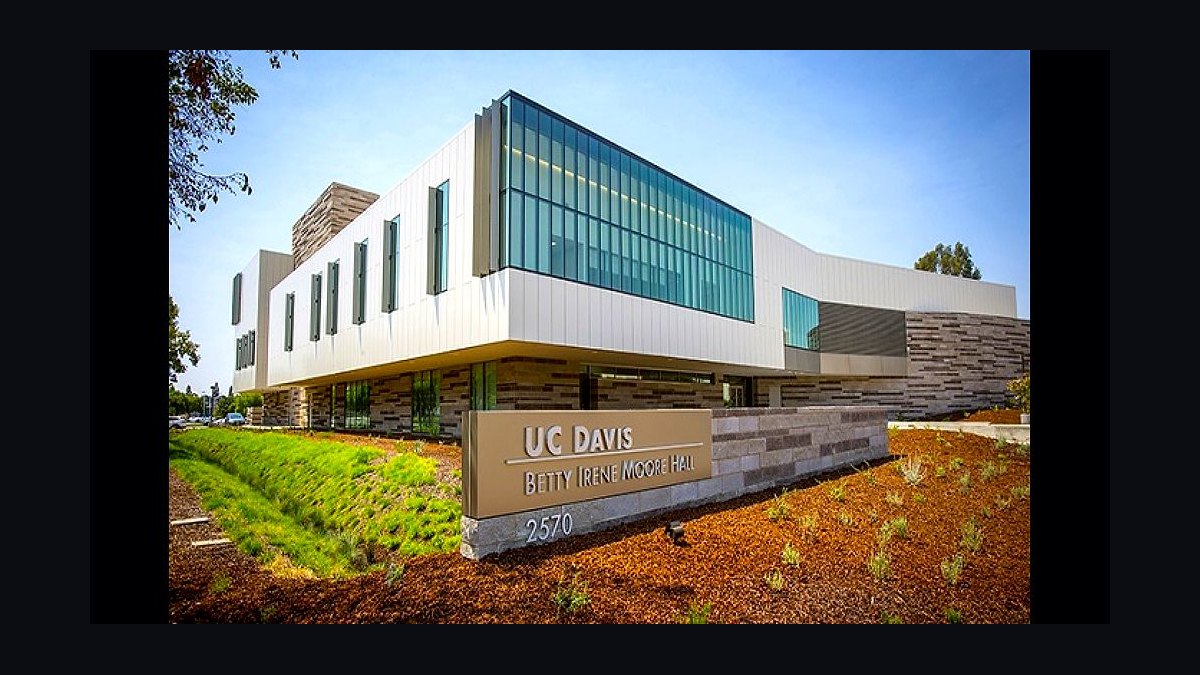
The Best Overall school for sustainable agriculture is University of California, Davis (UC Davis), whose world-renowned agricultural programs, dedicated Sustainable Agriculture and Food Systems major, and on-campus student farm make it the gold standard for combining rigorous science with hands-on practice.
The Best Value pick is University of Vermont, a public university that offers a low in-state tuition alongside a top-tier agroecology program and robust farm-to-table partnerships across the state. This list is built for students and career-changers seeking programs that blend ecological stewardship, food justice, and practical farm skills, with a focus on real-world training and job placement in the growing sustainable agriculture sector.
Every pick uses publicly available data from university websites, the USDA, and reputable rankings like College Greenlight and Sierra Club.
How We Ranked the Top 10
We weighted each program against the priorities that students and employers in the sustainable agriculture field actually value, drawing on published figures from university catalogs, USDA reports, College Greenlight, Sierra Club's Cool Schools, and industry surveys. The weighting:
- Curriculum depth (agroecology, permaculture, food systems) — 25%
- Hands-on farm experience (student farms, internships) — 25%
- Research and innovation (sustainable practices, climate resilience) — 20%
- Affordability and value — 15%
- Career outcomes (job placement, grad school) — 10%
- Campus sustainability and culture — 5%
A school that offers a theoretical degree but no on-campus farm or field work drops fast. The winners balance academic rigor with practical application in real agricultural settings.
1University of California, Davis 🏆 BEST OVERALL
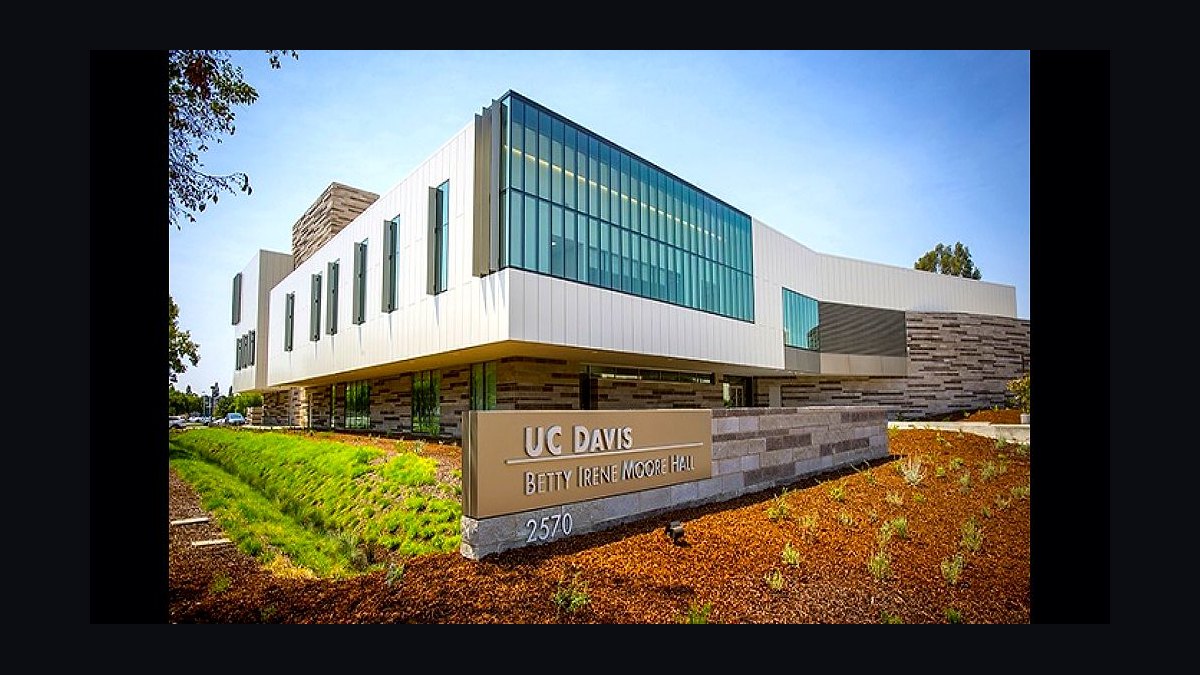
Type: Public Research University | Tuition: ~$14,000/year (in-state), ~$45,000/year (out-of-state) | Best for: Students seeking the deepest sustainable agriculture curriculum and modern research in a top-tier ag school
UC Davis is the undisputed leader in sustainable agriculture, offering a Bachelor of Science in Sustainable Agriculture and Food Systems that covers everything from agroecology and soil science to food policy and farm economics. The university operates the UC Davis Student Farm, a 20-acre organic farm where students gain hands-on experience in crop rotation, composting, and integrated pest management. The program also boasts the Agricultural Sustainability Institute, which conducts research on climate-smart agriculture and water conservation. Graduates land jobs at USDA, The Nature Conservancy, and organic farms nationwide. UC Davis also runs a farm-to-fork dining program that sources produce from the student farm, reinforcing its sustainability ethos.
2University of Vermont 🏆 BEST VALUE
Type: Public University | Tuition: ~$19,000/year (in-state), ~$44,000/year (out-of-state) | Best for: Students seeking a strong agroecology program at a public university with low in-state tuition
University of Vermont (UVM) offers a Bachelor of Science in Agroecology and market Design that emphasizes ecological farming systems, soil health, and community food systems. UVM operates the UVM Horticulture Research Center and the Catamount Farm, a student-run organic farm that supplies produce to the campus dining halls. The program is known for its farm-to-table partnerships with local Vermont farms and its Sustainable Food Systems Initiative, which connects students with food justice and policy work. In-state tuition is among the lowest for a top-tier program, making UVM a smart financial choice for Vermont residents. Graduates often work for organic farms, nonprofits, or pursue graduate studies in agroecology.
3Iowa State University
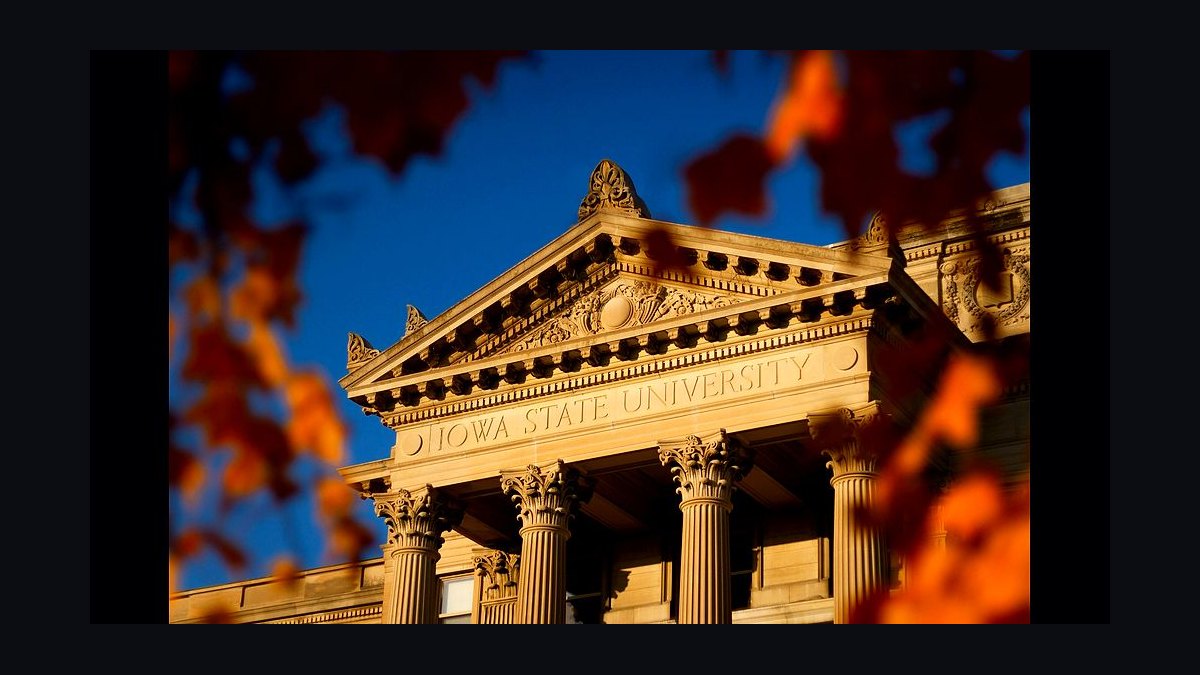
Type: Public Research University | Tuition: ~$10,000/year (in-state), ~$26,000/year (out-of-state) | Best for: Students interested in sustainable crop production and precision agriculture in the heart of the Midwest
Iowa State University is a powerhouse in sustainable agriculture, offering a Bachelor of Science in Sustainable Agriculture that covers crop science, soil management, and renewable energy systems. The university operates the Iowa State University Agronomy Research Farm and the Student Organic Farm, where students learn organic certification and direct marketing. The College of Agriculture and Life Sciences is one of the largest in the U.S., and the Sustainable Agriculture Program includes a certificate in organic agriculture. Iowa State also hosts the Leopold Center for Sustainable Agriculture, which focuses on regional food systems and climate resilience. Graduates are highly sought after by agribusiness and government agencies.
4University of Wisconsin, Madison

Type: Public Research University | Tuition: ~$11,000/year (in-state), ~$39,000/year (out-of-state) | Best for: Students seeking a strong agroecology and food systems program with a focus on policy
UW-Madison offers a Bachelor of Science in Agroecology through the College of Agricultural and Life Sciences, which integrates ecological principles with crop production and community engagement. The university operates the UW-Madison Student Farm, a 4-acre organic farm that supplies the campus farm-to-fork dining program. The Center for Integrated Agricultural Systems conducts research on sustainable farming practices, and the Food Systems Lab connects students with policy work on food security and climate adaptation. UW-Madison also has a strong farm-to-school program that partners with local K-12 schools. Graduates often work for USDA, nonprofits, or organic farming operations.
5Cornell University
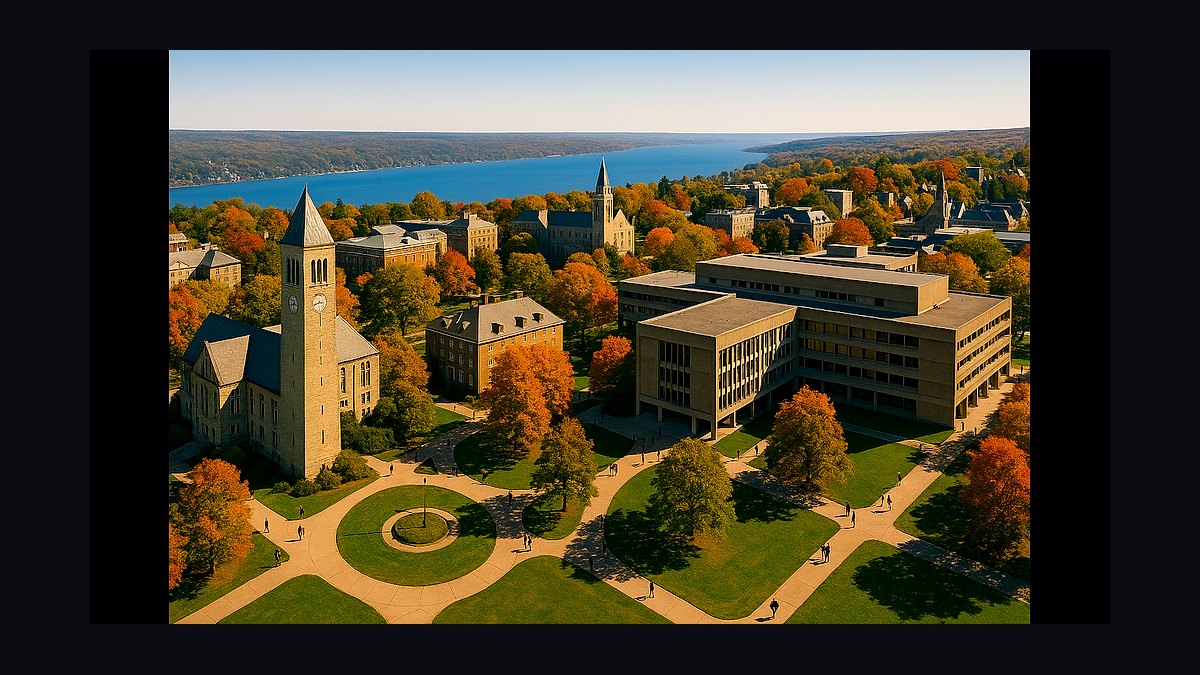
Type: Private Ivy League University | Tuition: ~$64,000/year (with generous financial aid) | Best for: Students seeking a prestigious degree with deep sustainable agriculture research and Ivy League resources
Cornell University offers a Bachelor of Science in Agriculture and Life Sciences with a concentration in Sustainable Agriculture and Food Systems, covering agroecology, soil science, and food justice. The university operates the Cornell University Sustainable Farm, a 30-acre organic farm that serves as a teaching and research hub. The College of Agriculture and Life Sciences is one of the top in the world, and the Cornell Atkinson Center for Sustainability funds research on climate-smart agriculture. Cornell also offers a Farm to School program that connects students with local schools. While tuition is high, generous financial aid makes it accessible for many students. Graduates go on to leadership roles in sustainable food companies and academia.
6University of Minnesota, Twin Cities

Type: Public Research University | Tuition: ~$15,000/year (in-state), ~$34,000/year (out-of-state) | Best for: Students interested in sustainable agriculture in a cold climate with a focus on soil health
University of Minnesota, Twin Cities offers a Bachelor of Science in Sustainable Agriculture and Food Systems through the College of Food, Agricultural and Natural Resource Sciences. The program emphasizes soil health, cover cropping, and climate adaptation in northern climates. The university operates the UMN Student Organic Farm and the St. Paul Campus Research Farms, where students conduct research on organic farming and renewable energy. The Minnesota Institute for Sustainable Agriculture connects students with local farmers and policy work. Graduates often work for USDA, organic farms, or food cooperatives.
7Oregon State University
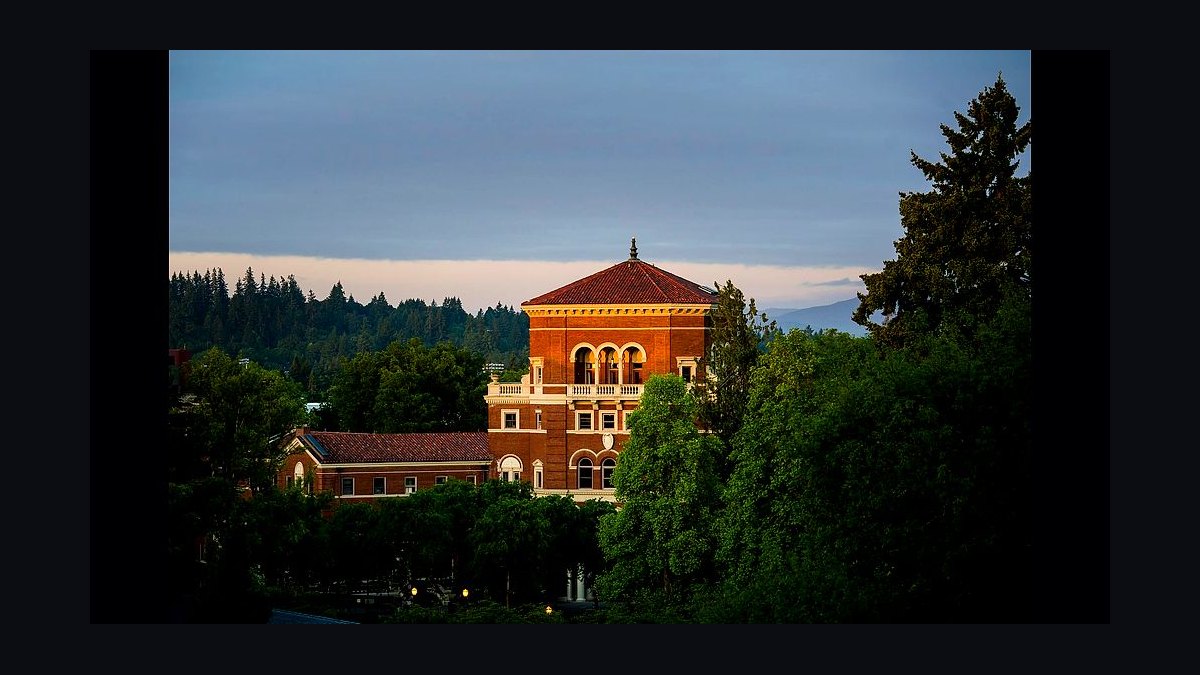
Type: Public Research University | Tuition: ~$12,000/year (in-state), ~$33,000/year (out-of-state) | Best for: Students seeking a strong organic agriculture program in the Pacific Northwest
Oregon State University (OSU) offers a Bachelor of Science in Sustainable Agriculture with a focus on organic farming and permaculture. The university operates the OSU Student Farm, a 6-acre organic farm that supplies the campus dining halls and local farmers markets. The College of Agricultural Sciences is a leader in organic research, and the Center for Sustainable Food Systems connects students with food justice and policy work. OSU also offers a certificate in organic farming and a farm-to-school program. Graduates often work for organic farms, nonprofits, or government agencies in the Pacific Northwest.
8University of California, Santa Cruz
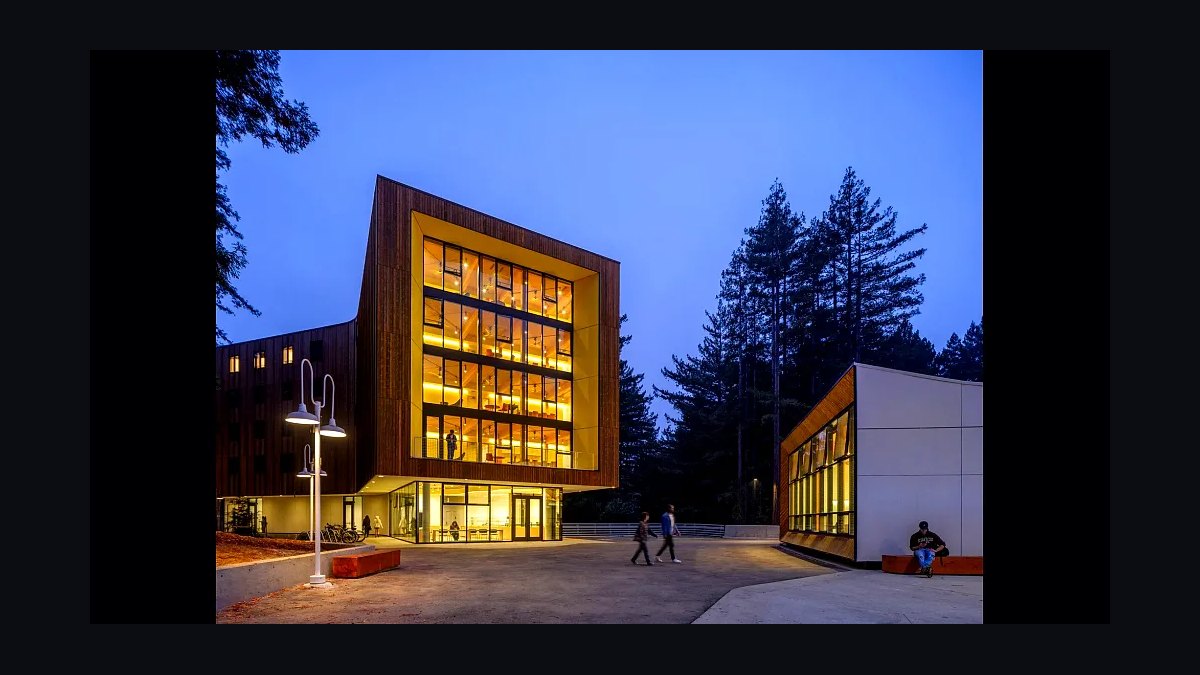
Type: Public Research University | Tuition: ~$14,000/year (in-state), ~$45,000/year (out-of-state) | Best for: Students seeking a small, hands-on program with a focus on agroecology and food justice
UC Santa Cruz (UCSC) offers a Bachelor of Science in Agroecology and Sustainable Food Systems through the Environmental Studies Department. The university operates the UCSC Farm, a 30-acre organic farm that is a living laboratory for agroecology and permaculture. The Center for Agroecology and Sustainable Food Systems conducts research on food justice and climate resilience. UCSC is known for its small class sizes and intensive hands-on training, with students spending significant time in the field. Graduates often work for organic farms, nonprofits, or food policy organizations.
9Michigan State University

Type: Public Research University | Tuition: ~$16,000/year (in-state), ~$41,000/year (out-of-state) | Best for: Students interested in sustainable agriculture with a focus on food systems and community engagement
Michigan State University (MSU) offers a Bachelor of Science in Sustainable Agriculture and Food Systems through the College of Agriculture and Natural Resources. The program covers agroecology, soil health, and food policy, with a strong emphasis on community partnerships. The university operates the MSU Student Organic Farm and the Kellogg Biological Station, a research hub for sustainable farming. The Center for Regional Food Systems connects students with local food networks and policy work. Graduates often work for USDA, nonprofits, or organic farming operations.
10University of California, Berkeley
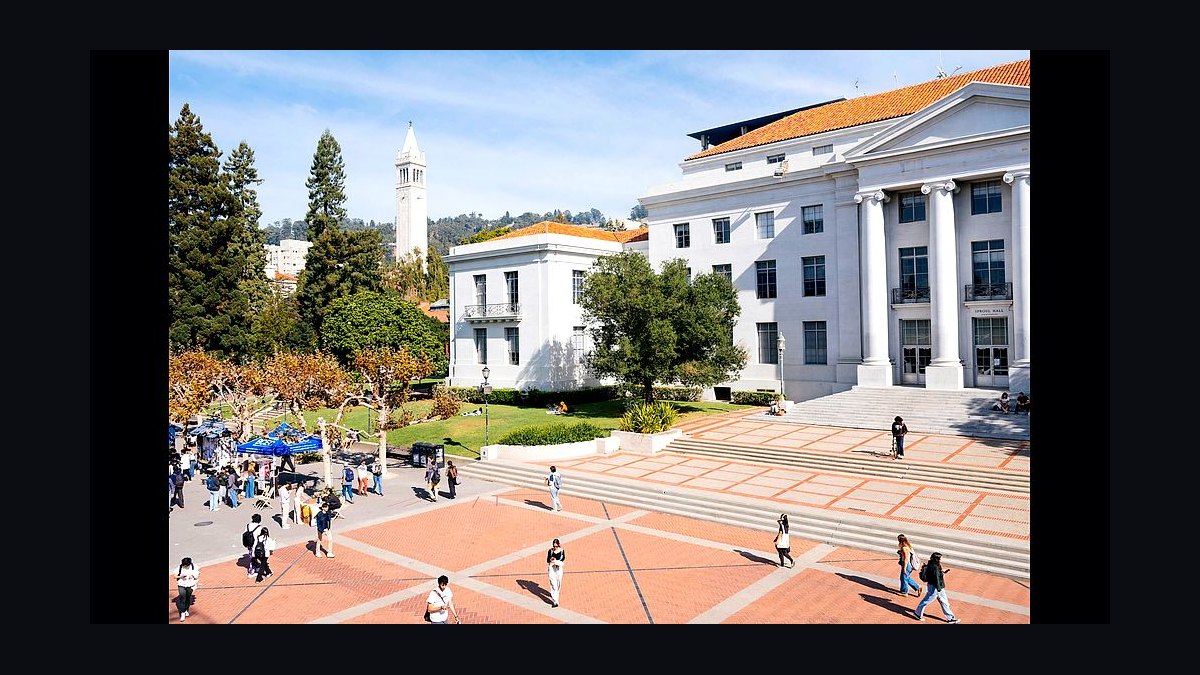
Type: Public Research University | Tuition: ~$14,000/year (in-state), ~$45,000/year (out-of-state) | Best for: Students seeking a food systems and policy-focused program at a top-tier university
UC Berkeley offers a Bachelor of Science in Environmental Sciences with a concentration in Sustainable Food Systems, covering agroecology, food justice, and policy. The university operates the UC Berkeley Student Organic Garden and the Berkeley Food Institute, which connects students with research on climate-smart agriculture and food security. UC Berkeley is known for its strong policy focus and connections to the Bay Area food movement. Graduates often work for nonprofits, government agencies, or food tech companies.
Key Skills You’ll Build in Sustainable Agriculture Programs
Beyond classroom theory, the most impactful sustainable agriculture programs emphasize a blend of technical, ecological, and interpersonal skills. You can expect to develop soil health assessment and regenerative land management techniques, learning how to read a landscape and improve fertility without synthetic inputs. Integrated pest management (IPM) and water conservation strategies—such as rainwater harvesting and drip irrigation design—are core competencies.
Many programs also train students in farm business planning, direct marketing (CSAs, farmers’ markets), and food policy advocacy, preparing graduates to launch their own ventures or lead sustainability initiatives within larger organizations. Hands-on labs, student-run farm stands, and community partnerships ensure these skills are tested in real-world contexts, not just textbooks.
How to Choose Between Research-Focused and Practice-Oriented Schools
Your career goals should guide which school fits best. Research-focused programs (often at large land-grant universities) emphasize scientific inquiry—think plant breeding for drought tolerance, soil microbiology, or climate resilience modeling. These are ideal if you aim for graduate school, policy work, or R&D roles in ag-tech companies. Practice-oriented programs (often at smaller colleges or those with dedicated student farms) prioritize direct farm experience, livestock husbandry, and community engagement.
They suit students who want to manage a farm, run a food business, or work in nonprofit outreach. Many top schools blend both—UC Davis and Cornell offer robust research tracks alongside hands-on plots, while UVM and Iowa State integrate farm practicums into their curricula. Visit campuses, talk to current students, and ask about internship placements to gauge the balance.
Career Paths and Industry Outlook for Graduates
Graduates of sustainable agriculture programs enter a rapidly expanding job market. Common roles include farm manager, soil conservationist, urban agriculture coordinator, food systems planner, and sustainability specialist for food companies or government agencies. The growing demand for local, organic, and regeneratively produced food has also created opportunities in agroforestry, seed saving, and farm-to-school program management. Many graduates pursue entrepreneurship, starting their own diversified farms or consulting businesses.
Networking through university alumni, attending conferences like the EcoFarm Conference or NOFA Summer Conference, and completing internships with established farms or nonprofits are proven ways to secure positions after graduation. The field values both technical competence and a demonstrated commitment to ecological and social justice, so involvement in student clubs, community gardens, or food justice initiatives during school can significantly boost your prospects.
FAQ
What is the best school for sustainable agriculture in the U.S.? UC Davis is widely considered the best overall due to its comprehensive curriculum, hands-on student farm, and leading research in agroecology and climate-smart agriculture.
Is sustainable agriculture a good career path? Yes, the field is growing rapidly due to climate change and consumer demand for organic and regenerative food, with jobs in farming, policy, research, and nonprofits.
Do I need a degree to work in sustainable agriculture? While not always required, a degree from a top program provides critical skills in soil science, food systems, and policy, and boosts job placement.
What is the difference between agroecology and sustainable agriculture? Agroecology is a scientific approach that applies ecological principles to farming, while sustainable agriculture is a broader term encompassing economic, social, and environmental sustainability.
Can I study sustainable agriculture online? Yes, some schools like Oregon State University and University of Florida offer online certificates or degrees in sustainable agriculture.
What are the top employers for sustainable agriculture graduates? Top employers include USDA, The Nature Conservancy, organic farms, food cooperatives, and nonprofits like Food Corps.
Sources
- University of California, Davis Sustainable Agriculture and Food Systems Program
- University of Vermont Agroecology and market Design Program
- Iowa State University Sustainable Agriculture Program
- University of Wisconsin-Madison Agroecology Program
- Cornell University College of Agriculture and Life Sciences
- University of Minnesota Sustainable Agriculture and Food Systems Program
- Oregon State University Sustainable Agriculture Program
- USDA National Institute of Food and Agriculture
Related on PULSE
This page will be disappearing soon. Save it to your device for $1 — or read it free while it is here.
@Kory-White- · if Venmo asks, the last 4 of my number are 2012
This page is gone.
This one is off the shelf now. $1 keeps it on your phone for good — the whole page, pictures and diagrams included.
 scTop 10 Engineering Schools for Masters in 2027
 scTop 10 Computer Science Undergraduate Programs in 2027
 scTop 10 Schools for Marine Biology in 2027
 pulse-schoolsTop 10 Public High Schools in North Dakota in 2027
 scTop 10 International Business Programs in 2027
 scTop 10 Schools for Biomedical Engineering in 2027
 scTop 10 Special Education Programs in 2027
 scTop 10 Business Schools for Entrepreneurship in 2027
 scTop 10 Online MBA Programs with No GMAT Requirement in 2027
 scTop 10 Schools for Mechanical Engineering in 2027