

What to Wear to a Media Job Interview in 2027
 Curated byKory White · Fractional CRO · Maryland
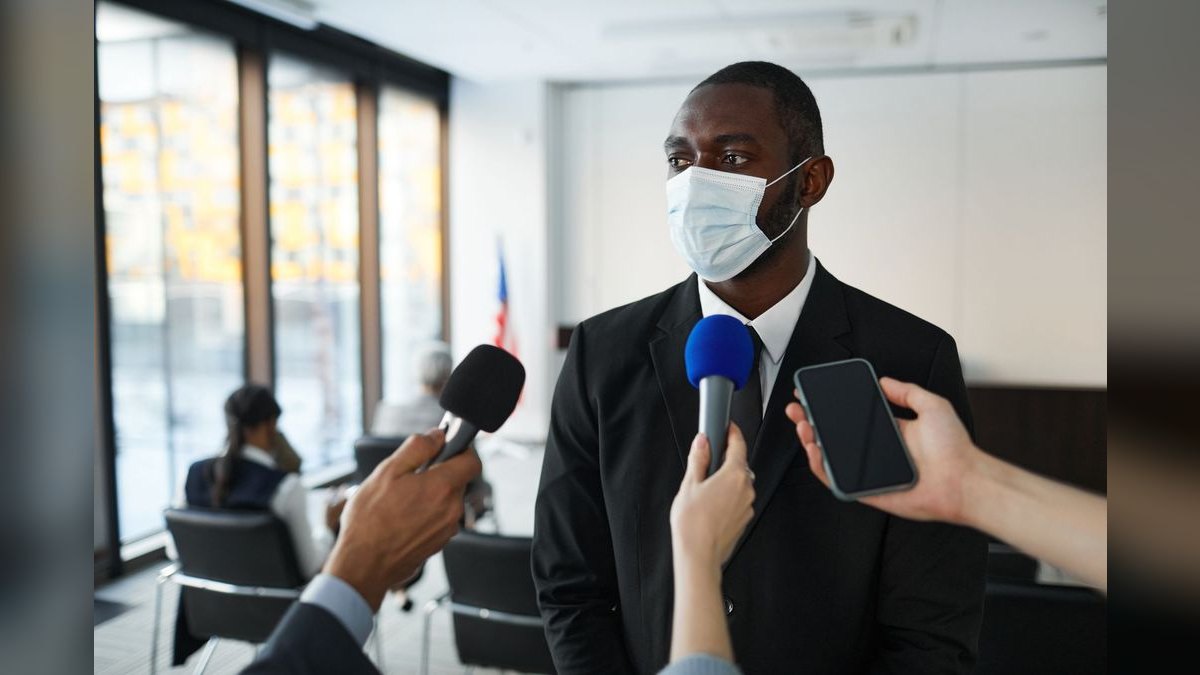
For a media job interview in 2027, wear a polished but personal outfit that balances professional authority with creative flair—think a tailored blazer or smart knit over clean trousers or a midi skirt, with statement accessories that show your taste. The media industry prizes visual storytelling and cultural awareness, so your clothes should signal that you understand both trends and timelessness. Avoid overly corporate looks (no stiff suits) and overly casual pieces (no ripped denim or hoodies) in favor of refined, expressive staples. The goal is to look like you already belong in the room—someone who gets the industry's visual language and can hold their own in a creative, fast-paced environment.
What core wardrobe pieces define a 2027 media interview outfit?
The foundation of a successful media interview outfit in 2027 rests on three pillars: structure, texture, and intentionality. A well-fitted blazer remains the anchor piece, but the cut has evolved—think soft-shoulder or unstructured silhouettes in cotton-linen blends or lightweight wool rather than rigid power suits. Pair this with high-waisted trousers in a straight or wide leg (avoid skinny cuts) or a midi-length skirt with a clean hemline. For tops, a silk shell, modal blouse, or fine-gauge knit in a neutral tone layers seamlessly under the blazer. Footwear should be low-profile leather loafers, block-heel mules, or minimalist derbies—all in a neutral shade like taupe, cognac, or black. The palette leans toward earthy neutrals such as olive, warm gray, and camel, punctuated by a single accent color like teal or saffron. Accessories are minimal but deliberate: a leather tote in cognac or black, a thin metal watch, and perhaps a silk scarf in a subtle pattern. Real brands that exemplify this aesthetic include Everlane for their Day Glove and Cashmere Crew, Aritzia for their Effortless Pant and sculptural knits, and Mango for sharp but affordable blazers and structured dresses.
How should men adapt their media interview outfit by career stage?
For men in media, the interview outfit evolves significantly across career stages, reflecting changes in budget, role, and personal brand. In your 20s, aim for a creative starter look budgeted around $400–$700. This features an unstructured olive cotton-linen blazer from Mango, a cream fine-gauge merino crewneck from Uniqlo, charcoal high-waisted straight-leg trousers from Bonobos, brown leather penny loafers from Cole Haan, a black minimalist leather backpack from Everlane, and a thin silver quartz watch from Timex with a leather strap. The vibe is modern, approachable, and shows you understand contemporary media aesthetics without overspending. By your 40s as a senior producer or editorial director, invest $800–$1,200 in timeless pieces: a navy two-button wool blazer from J.Crew, a white poplin oxford shirt from Brooks Brothers, flat-front khaki chinos from Banana Republic, dark brown cap-toe derbies from Allen Edmonds, a cognac leather briefcase-style tote from Filson, and a burgundy knit silk tie from The Tie Bar. This signals reliability and editorial judgment. In your 60s as a media veteran, allocate $1,200–$1,800 for a textured wool herringbone sport coat from Ralph Lauren, a black cashmere turtleneck from Nordstrom, pleated dark gray wool trousers from Suitsupply, black whole-cut leather oxfords from Church's, a brown leather attaché briefcase from Ghurka, and a white linen pocket square with hand-rolled edges. The emphasis shifts to quality, texture, and restraint—every piece should look like it has been curated over decades.
How should women adapt their media interview outfit by career stage?
Women in media face similar but distinct wardrobe progressions across career stages. In your 20s as a digital native, work with a budget of $350–$600. This includes a single-breasted camel blazer from Mango, an ivory cowl-neck silk shell from Equipment, black high-waisted wide-leg crepe trousers from Aritzia, nude block-heel leather mules from Sam Edelman, a small tan leather crossbody bag from Madewell, and brushed gold hoop earrings. The look is confident, modern, and shows you can navigate visual media with style. By your 40s as a senior producer, invest $700–$1,100 in pieces that convey authority and editorial taste: a double-breasted charcoal wool blazer from Ann Taylor, a teal silk blouse with a hidden button placket from Vince Camuto, a black knee-length stretch wool pencil skirt from Theory, black pointed-toe leather pumps from Cole Haan, a black leather tote with gold hardware from Tory Burch, and a patterned silk twill scarf in a geometric print. This outfit signals that you are a decision-maker who understands quality and nuance. In your 60s as an executive editor, allocate $1,000–$1,500 for a soft-shoulder navy wool crepe jacket from Eileen Fisher, a cream cashmere mock-neck knit from Loro Piana, fluid gray straight-leg wool trousers from Hugo Boss, brown leather low-heel loafers from Cole Haan, a structured cognac leather satchel from Dooney & Bourke, and a vintage-inspired silver brooch from Alexis Bittar. The emphasis here is on ease, texture, and timelessness—every piece should feel like an investment in your personal brand.
What common mistakes should you avoid when dressing for a media interview?
The most frequent pitfalls in media interview dressing stem from misunderstanding the industry's balance of professionalism and creativity. Wearing anything too trendy—neon colors, oversized logos, or fast-fashion pieces that look disposable—immediately signals a lack of editorial judgment; interviewers notice fabric quality, cut, and construction. Over-accessorizing with chunky chains, multiple bracelets, or loud patterns distracts from your conversation and makes you appear more concerned with appearance than substance. Choosing uncomfortable shoes is a classic error—don't test new heels or stiff loafers on interview day; if you're limping or fidgeting, it undermines your confidence and focus. Neglecting fit is another dealbreaker: a blazer that pulls at the shoulders or trousers that pool at the ankles reads as careless. Invest in tailoring—a $20 alteration can transform a $100 blazer into a $500 look. Finally, dressing too formally—a full matching suit with a tie or a corporate dress with a jacket—can feel out of touch with media's approachable, creative culture. The sweet spot is refined but not rigid.
How do you choose the right color palette for a media interview?
Color psychology plays a crucial role in media interview dressing, as it affects both first impressions and how your image translates in photographs or video. The core palette for 2027 centers on earthy neutrals—taupe, olive, warm gray, camel, and cream—that convey stability, warmth, and sophistication. These colors are universally flattering and photograph well, which matters in an industry where visual media is central. Add a single accent color such as teal, saffron, burgundy, or forest green to express personality without overwhelming the look. Avoid neon or very bright hues (hot pink, electric blue) that can appear unprofessional or garish on camera. Steer clear of all-black head-to-toe, which can read as too severe or funereal; instead, break it up with a cream top or cognac accessories. When choosing between two similar neutrals, opt for the one with more warmth—for example, camel over gray—as it tends to feel more approachable. For video interviews, solid colors in the mid-range (not too dark or light) work best; avoid busy patterns that flicker or create moiré effects on screens. For more details on color selection, see How to Choose Interview Outfit Colors.
What should you wear for a video media interview versus an in-person interview?
The rise of hybrid and remote work has made video interviews a permanent fixture in media hiring, requiring distinct wardrobe considerations. For a video interview, focus on what the camera sees from the waist up: a blazer or structured jacket in a solid color that contrasts with your background (e.g., a navy blazer against a light wall), a silk or modal top in a complementary neutral, and minimal accessories that won't clink against the microphone. Avoid busy patterns (pinstripes, houndstooth, large florals) that can cause visual noise or moiré effects on screen. Test your lighting beforehand—soft, diffused light from the front is ideal; avoid harsh overhead light that creates shadows. Solid colors in the mid-range (not pure white or pure black) work best for cameras. For in-person interviews, you have more freedom to show full outfit construction, including statement trousers, interesting textures (wool tweed, linen, silk), and intentional accessories like a leather tote or patterned scarf. However, the same principles apply: prioritize fit, fabric quality, and a neutral base with one accent. The key difference is that video interviews require more attention to contrast and camera-readiness, while in-person interviews allow for richer texture and silhouette. For more guidance, see What to Wear to a Video Media Job Interview in 2027.
Related questions
What are the best affordable brands for a media interview outfit?
Consider Mango for blazers and structured dresses, Uniqlo for merino knits and trousers, Everlane for leather accessories and cashmere, and Aritzia for modern trousers and sculptural tops—all offer quality at accessible price points under $200 per piece.
Can you wear jeans to a media interview?
Only in very casual media startups or creative agencies, and only if they are dark-wash, clean, and tailored without rips or fading, paired with a blazer and leather loafers. Otherwise, opt for trousers or a skirt.
How do you dress for a media internship interview?
Lean into modern silhouettes with a budget of $300–$500: an unstructured blazer, a fine-gauge knit, straight-leg trousers or a midi skirt, and clean leather sneakers or loafers—show you understand current trends without overdoing it.
What accessories are appropriate for a media interview?
Stick to three intentional pieces: a leather watch or bracelet, a pair of stud earrings or small hoops, and a structured bag—avoid anything that clinks, dangles, or distracts from your conversation.
Should you wear a tie to a media interview?
Rarely necessary in 2027 media interviews—a tie can feel too corporate. Instead, opt for a blazer over a crewneck or turtleneck for a polished but relaxed look. Only add a tie for very traditional publishing or executive roles.
FAQ
Can I wear sneakers to a media interview? Only if they are clean, minimalist leather sneakers in white or black, like Common Projects or Veja, paired with tailored trousers and a blazer. Avoid athletic or chunky styles that read as too casual.
Is it okay to show tattoos or piercings? In media, visible tattoos and piercings are generally accepted, especially in creative roles. Keep it professional—avoid face tattoos or excessive facial piercings unless you know the company culture is very liberal.
What colors should I avoid? Steer clear of very bright or neon hues (hot pink, electric blue) and all-black head-to-toe, which can read as too severe. Instead, use one muted accent color like burgundy or forest green to add personality.
Should I match my bag to my shoes? Not necessary in 2027. A complementary tone (e.g., cognac bag with brown shoes) works better than a rigid match. Focus on quality and condition rather than exact coordination.
How do I dress for a video interview? Wear the same outfit from the waist up—blazer, top, and a solid color that contrasts with your background. Avoid busy patterns that flicker on camera, and test your lighting beforehand.
Can I wear a dress without a blazer? Yes, if the dress is structured (e.g., a sheath or shirt dress in wool or crepe) and accessorized with a belt or blazer-like jacket. Avoid floral prints or jersey fabrics that read as too casual.
How much should I spend on a media interview outfit? Budget $300–$600 for entry-level roles, $600–$1,200 for mid-career, and $1,000–$1,800 for executive positions—focus investment on blazers, trousers, and shoes, and save on tops and accessories.
What fabrics are best for a media interview? Wool, cotton-linen blends, silk, modal, and cashmere are ideal—they signal quality and attention to detail. Avoid polyester, acrylic, or shiny synthetics that look cheap or disposable.
Sources
- The Wall Street Journal - What to Wear to a Job Interview in 2025
- Vogue - The New Rules of Interview Dressing
- Business Insider - What to Wear to a Media Interview
- The New York Times - How to Dress for a Job Interview
- GQ - The Best Job Interview Outfits for Men
- Harper's Bazaar - What to Wear to a Job Interview
- Forbes - How to Dress for a Video Interview
- The Cut - Interview Outfit Ideas for Every Industry
- Who What Wear - The Best Interview Outfits for 2025
- The Zoe Report - What to Wear to a Creative Job Interview
Related on PULSE
- What to Wear to a Panel Media Job Interview in 2027
- What to Wear to a Phone-Screen Follow-Up Media Job Interview in 2027
- What to Wear to a Executive Media Job Interview in 2027
- What to Wear to a Internship Media Job Interview in 2027
- What to Wear to a Second-Round Media Job Interview in 2027
- What to Wear to a Video Media Job Interview in 2027
This page will be disappearing soon. Save it to your device for $1 — or read it free while it is here.
@Kory-White- · if Venmo asks, the last 4 of my number are 2012
This page is gone.
This one is off the shelf now. $1 keeps it on your phone for good — the whole page, pictures and diagrams included.
 pulse-styleHow to Style White Sneakers for a Bar Crawl in 2027
 pulse-styleHow to Wear Maroon with White Sneakers in 2027
 pulse-styleHow to Wear Slate Blue with Ankle Boots in 2027
 pulse-styleHow to Wear Cream with Combat Boots in 2027
 pulse-styleHow to Wear Slate Blue with Cowboy Boots in 2027
 pulse-styleWhat to Wear to a Company Holiday Party in 2027
 pulse-styleHow to Style Loafers for a Holiday Party in 2027
 pulse-styleHow to Wear Teal with Combat Boots in 2027
 pulse-styleHow to Wear Dusty Rose with Chelsea Boots in 2027
 pulse-styleWhat to Wear to Boating in 2027