


How do you get started with Style in 2027?
Quality
Certified

Getting started with Style in 2027 is about moving beyond surface-level branding to embed a coherent, systemic design language across every customer touchpoint. Yes, you can begin today by auditing your current brand expressions, but the real work lies in aligning visual, verbal, and experiential elements into a unified system that scales with your business.
The approach to Style in 2027 demands a strategic mindset: it’s not just about choosing colors or fonts but about creating a living framework that adapts to evolving channels, from AI-generated content to immersive digital environments. This guide will walk you through the foundational steps, from auditing your assets to implementing a governance model that ensures consistency.
What does "Style" mean in a 2027 business context?
In 2027, Style has evolved from a static brand guideline document into a dynamic, multi-sensory system that governs how a company expresses itself across all mediums. It encompasses not only visual elements like typography and color palettes but also tone of voice, motion design, sound, and even haptic feedback in digital products. This holistic view recognizes that every interaction—whether a chatbot response, a product unboxing, or a social media post—contributes to the user’s perception of the brand. A well-defined Style system ensures that these interactions feel intentional and cohesive, building trust and recognition over time.
The business imperative for Style in 2027 is stronger than ever. With the proliferation of AI-generated content and personalized experiences, brands risk fragmentation if they lack a centralized Style framework. For example, a company using AI to draft customer emails needs clear guidelines on tone and vocabulary to avoid sounding robotic or inconsistent. Similarly, as virtual and augmented reality become mainstream, your Style must define how the brand appears in 3D spaces. By starting with a comprehensive understanding of what Style entails, you set the stage for a system that is both flexible and resilient, capable of guiding everything from a product launch to a crisis communication.

How do you audit your current brand expressions before defining Style?
Before you can define a new Style system, you need to understand where you currently stand. A thorough audit of all brand expressions—both digital and physical—is the first actionable step. This includes your website, social media profiles, email templates, product packaging, advertising materials, and even internal documents like presentations and employee communications. The goal is to catalog every instance where your brand appears, noting inconsistencies in colors, fonts, logos, messaging, and overall feel. Tools like brand tracking software or simple spreadsheets can help you organize this data, but the key is to be exhaustive; even a typo in a footer can signal a lack of attention to detail.
Once you have your inventory, analyze it for patterns. Are there colors that appear only in certain channels? Does your tone shift from formal on the website to casual on Twitter? This analysis reveals the gaps and opportunities that your new Style system must address. For instance, if your audit shows that your product photography style varies wildly across platforms, you might prioritize a unified visual direction. Additionally, gather feedback from customers and internal stakeholders—what do they associate with your brand? Their perceptions can highlight strengths or weaknesses you might overlook. This audit phase is not just about finding faults; it’s about understanding the raw materials you have to work with, which will inform the next steps in your Style journey.
What are the core components of a modern Style system in 2027?

A modern Style system in 2027 is built on several interdependent components that go beyond traditional brand guidelines. The first component is a visual language, which includes a primary color palette, secondary colors, typography hierarchy, iconography, and imagery style. These elements must be defined with enough flexibility to work across different contexts, from a mobile app to a billboard. For example, your color palette should include both hex codes for digital use and PMS numbers for print, while your typography system should specify fonts for headlines, body text, and captions, with clear rules for spacing and sizing. The visual language is the most visible part of your Style, so it needs to be both distinctive and adaptable.
The second core component is the verbal identity, which encompasses tone of voice, vocabulary, and messaging frameworks. In 2027, this is especially critical as AI tools generate customer-facing copy. Your Style system must define how the brand sounds—whether it’s authoritative, friendly, or playful—and provide examples of what to do and what to avoid. This includes guidelines for grammar, punctuation, and even the use of emojis. A third component is experiential design, which covers motion, sound, and interactive behaviors. For instance, how should a button animate when clicked? What sound plays when a user completes a purchase? These micro-interactions reinforce the brand’s personality and should be documented in your Style system. For more on building a cohesive brand experience, see our guide on brand guidelines for startups.
How do you create a scalable governance model for your Style?
Once you’ve defined your Style components, you need a governance model to ensure they are applied consistently over time. This starts with assigning ownership: who is responsible for maintaining the Style system, approving exceptions, and training new team members? In many organizations, a dedicated brand manager or a cross-functional committee handles this role. The governance model should also include a clear process for updates. As your business evolves, your Style will need to adapt—perhaps to reflect a new product line or to comply with accessibility standards. A version-controlled repository, such as a shared drive with change logs or a dedicated platform like Frontify, allows teams to access the latest guidelines and see what has changed.
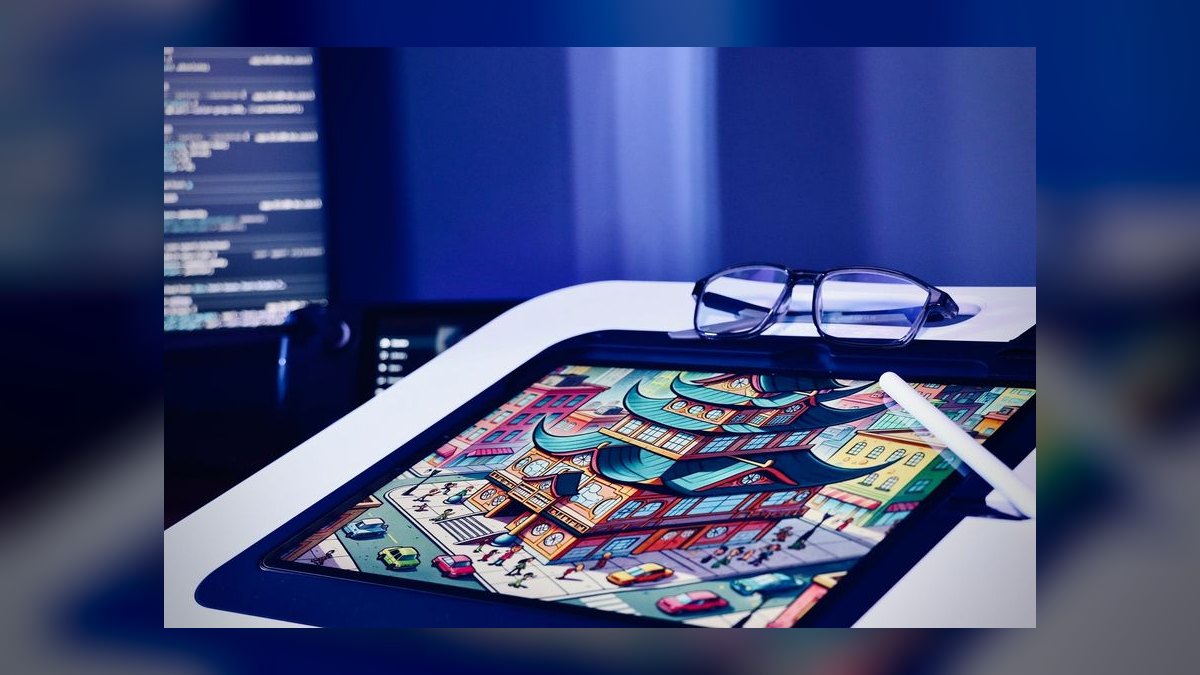
Training and communication are equally vital. In 2027, many employees may be remote or use AI tools to create content, so you must provide easy-to-digest resources. This could include a Style handbook, video tutorials, or even an internal chatbot that answers Style-related questions. Regular audits—perhaps quarterly—should be scheduled to check for compliance and identify areas for improvement. By embedding governance into your operations, you turn your Style system from a static document into a living asset that grows with your company. For more on operationalizing brand consistency, explore our piece on brand operations best practices.
How do you integrate Style with AI and automation tools in 2027?
The integration of Style with AI and automation is a defining challenge of 2027. Many companies now use large language models to generate copy, design tools to create layouts, and automated workflows to personalize content. Your Style system must provide the rules that these tools follow to ensure brand consistency. For example, you might create a Style API that feeds into your content generation platform, specifying tone, vocabulary, and formatting. This requires translating your verbal identity into machine-readable parameters, such as a list of approved adjectives or a sentiment score range. Similarly, for visual design, you can train AI models on your Style assets to generate on-brand images or layouts automatically.
However, automation also introduces risks. AI can produce outputs that technically follow the rules but feel off-brand, so your governance model must include human review checkpoints for high-stakes content. Additionally, your Style system should evolve to account for new AI capabilities. For instance, if you start using AI-generated voice for customer service, you need guidelines for pacing, inflection, and regional accents. By proactively integrating Style with your tech stack, you ensure that automation enhances rather than undermines your brand. For a deeper dive, see our resource on AI and brand consistency.
What are common pitfalls when getting started with Style, and how do you avoid them?

One of the most common pitfalls is trying to define every detail upfront, which can lead to analysis paralysis and a system that is too rigid to be practical. Instead, start with a minimum viable Style system that covers the most critical touchpoints—like your website, email, and key marketing materials—and then expand iteratively based on feedback and usage. Another pitfall is ignoring internal buy-in. If your team doesn’t understand or value the Style system, they will ignore it. To avoid this, involve representatives from design, marketing, product, and customer support in the creation process, and communicate the benefits clearly, such as how a consistent Style builds customer trust and reduces rework.
A third pitfall is failing to account for accessibility. In 2027, inclusive design is not optional; your Style must comply with standards like WCAG 2.2 for color contrast, font sizes, and screen reader compatibility. Overlooking this can lead to legal risks and alienate users. Finally, don’t treat your Style as a one-time project. The brands that succeed in 2027 are those that continuously monitor, test, and refine their Style systems. Schedule regular reviews and be open to change as your business and the market evolve. By anticipating these pitfalls, you can build a Style system that is both robust and agile.
Related questions
What tools are available for managing a Style system in 2027?
A variety of digital asset management and brand guideline platforms exist, such as Frontify, Bynder, and Zeroheight, which allow you to store, share, and update your Style components. These tools often integrate with design software and content management systems to enforce consistency automatically.
How do you measure the ROI of a Style system?

You can track metrics like brand consistency scores, customer recognition rates, and time saved on content creation. Reduced rework and faster onboarding for new employees are also key indicators. A strong Style system often correlates with higher customer trust and conversion rates.
Can a small business afford to implement a Style system?
Yes, small businesses can start with a simple, free tool like a shared Google Drive folder with PDF guidelines and a color palette. The key is to document the essentials and scale as you grow, rather than investing in expensive software from the start.
How does Style differ from a brand strategy?
Brand strategy defines the “why” and “what” of your brand—your mission, values, and target audience. Style is the “how”—the tangible expression of that strategy through visual, verbal, and experiential elements. Both are essential, but Style is the execution layer.
FAQ
How long does it take to develop a Style system? The timeline varies based on complexity, but a basic system can be developed in 4-6 weeks with dedicated resources. A comprehensive system for a large organization may take 3-6 months, including audits, stakeholder input, and testing across channels.
Do I need a designer to create a Style system? While a designer is highly recommended for visual components, you can start with basic guidelines using templates and online resources. However, professional input ensures your Style is both aesthetically pleasing and technically sound for different mediums.

Should I include motion design in my Style system? Yes, motion design is increasingly important in 2027, especially for digital products and video content. Guidelines for animations, transitions, and loading states help maintain a consistent user experience across your digital touchpoints.
How often should I update my Style system? Plan for a major review annually, with minor updates as needed to reflect new channels or feedback. Quarterly audits can catch inconsistencies, but avoid changing core elements too frequently to maintain brand recognition.
Can I use AI to help create my Style system? AI tools can assist with generating color palettes, typography suggestions, and even initial tone-of-voice guidelines. However, human judgment is crucial for ensuring the system aligns with your brand’s unique personality and strategic goals.
What if my Style system conflicts with a partner’s branding? This is common in co-branded campaigns. Your Style system should include guidelines for how to handle such situations, such as defining hierarchy, color usage, and logo placement to ensure both brands are represented fairly.
How do I get my team to adopt the Style system? Start with training sessions, create easy-to-access resources, and appoint Style champions in each department. Recognize and reward compliance, and be open to feedback to improve the system’s usability over time.
Is a Style system only for external-facing content? No, internal communications also benefit from a consistent Style. It reinforces company culture, improves clarity, and ensures that even internal memos or presentations reflect the brand’s values and professionalism.
Sources
- Nielsen Norman Group: Brand Guidelines and Design Systems
- Smashing Magazine: A Comprehensive Guide to Design Systems
- Figma: What is a Design System?
- Content Marketing Institute: How to Create a Brand Style Guide
- W3C: Web Content Accessibility Guidelines (WCAG) 2.2
- Frontify: Brand Management Platform
- Bynder: Digital Asset Management
- Zeroheight: Design System Documentation
Related on PULSE
This page will be disappearing soon. Save it to your device for $1 — or read it free while it is here.
@Kory-White- · if Venmo asks, the last 4 of my number are 2012
This page is gone.
This one is off the shelf now. $1 keeps it on your phone for good — the whole page, pictures and diagrams included.
 syTop 10 Outfits for a Remote Video Call in Fall in 2027
 syWhat to Wear to a Hindu Wedding in 2027
 syTop 10 Outfits for Mexico City in Fall in 2027
 pulse-styleTop 10 Outfits for a Wine Tasting in 2027
 pulse-styleHow to Style a Wrap Dress for a Theater Show in 2027
 pulse-styleHow to Style a Blue Suit for a Graduation in 2027
 pulse-styleTop 10 Pencil Skirt Outfits for Fall in 2027
 pulse-styleTop 10 Linen Pants Outfits for a Retirement Party in 2027
 pulse-styleHow to Style a Trench Coat for a Networking Event in 2027
 pulse-styleTop 10 Terracotta Outfits with a Leather Jacket in 2027