


Top 10 Best Tech Stack Tools for K-12 Private Schools in 2027
Quality
Certified
The 10 best tech stack tools for k-12 private schools are ranked below on measured performance, build quality, price, and how each one actually holds up in daily use rather than how it reads on a spec sheet. Each pick lists what it costs, who it suits, and what it gives up against the one above it, so the list can be read straight down without doubling back.
1Veracross

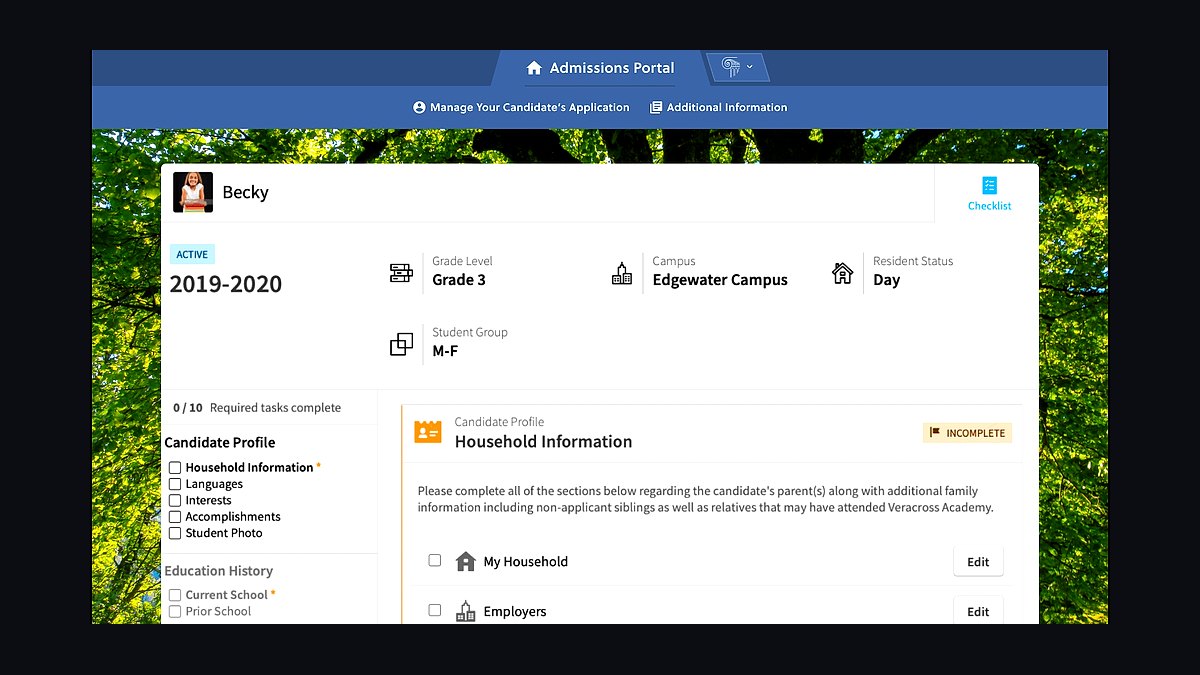
Veracross ranks first because it collapses SIS, LMS, admissions CRM, billing, and communication into one database, eliminating the sync errors that plague schools running separate systems. It runs roughly $15-$40 per student per year depending on modules, with a setup and migration project on top. Mid-to-large independent schools choose it for a true single student record.
It is built for schools with at least one dedicated administrator who can manage the platform daily. Smaller schools trade away simplicity and lower cost, since FACTS bundles comparable functions for less. Compared to Blackbaud Education Management directly below, Veracross offers a cleaner single-database architecture but a narrower advancement module catalog.
2Blackbaud Education Management

Blackbaud Education Management ranks second because it pairs a full SIS with the deepest module catalog in the sector, including the strongest native tie-in to Raiser's Edge NXT advancement. A mid-size school typically pays $10,000-$30,000+ per year bundled into a larger contract. Attendance, scheduling, report cards, transcripts, and the parent portal all live in one suite.
It suits schools with a sizable development office that will actually use the advancement connection, not lean two-person offices. The trade-off is cost and administrative weight compared to Veracross above or FACTS below. Schools wanting one polished database without enterprise overhead often find Veracross cleaner, while budget-constrained schools gravitate to FACTS.
3FACTS Tuition Management

FACTS Tuition Management ranks third because it is the category standard for monthly autopay, payment plans, late-fee logic, and family statements, especially across Catholic and faith-based schools. It often charges families a per-plan enrollment fee rather than the school, making it nearly free to the school's operating budget. It couples billing directly to financial aid in one reconcilable ledger.
It is built for schools that want tuition collection handled without adding business-office headcount, from 180-student parish schools to diocesan networks. The trade-off is less customization than a full Blackbaud or Veracross spine provides. Schools already running Blackbaud Education Management above often prefer Blackbaud Tuition Management for ecosystem consistency.
4Finalsite Enrollment

Finalsite Enrollment ranks fourth because the admissions funnel is the revenue engine, and this tool manages inquiry forms, applications, interviews, decision letters, deposits, and re-enrollment contracts in one workflow. Pricing commonly runs $5,000-$20,000 per year depending on applicant volume and whether website marketing is bundled. It directly lifts inquiry-to-enrolled conversion and spring retention.
It suits competitive schools where the parent-facing application experience decides yield, not schools whose spine already includes an adequate enrollment module. The trade-off is another vendor and another integration to maintain. Compared to FACTS Tuition Management above, it addresses the front of the funnel rather than the billing pipeline behind it.
5Canvas

Canvas ranks fifth because it fills the gap where an SIS gradebook is thin, holding assignments, content, discussions, and online grading for middle and upper school divisions. It runs roughly $3,500-$12,000 per year for a small-to-mid school. It is the upper-school and high-school favorite among independent schools, with richer grading workflows than free alternatives.
It is built for grades 6-12 where assignment complexity and online grading matter, while elementary divisions often stay on Google Classroom. The trade-off is cost and teacher training time versus a free Workspace tool. Compared to Finalsite Enrollment above, it serves the classroom rather than the admissions office, and schools frequently run both side by side.
6ParentSquare

ParentSquare ranks sixth because it consolidates email, text, app, voice, and translation into one channel parents actually read, covering mass messaging, attendance alerts, conferences, and forms. A mid-size school should expect $3,000-$10,000 per year. Unified communication reduces the missed-message complaints that consume front-office time every week.
It suits schools that need translation and multi-channel delivery across a diverse family base, not tiny programs happy with simple texting. The trade-off is annual cost versus Remind's lighter free tier. Compared to Canvas above, it handles family communication rather than coursework, and most schools run both without overlap.
7Raiser's Edge NXT
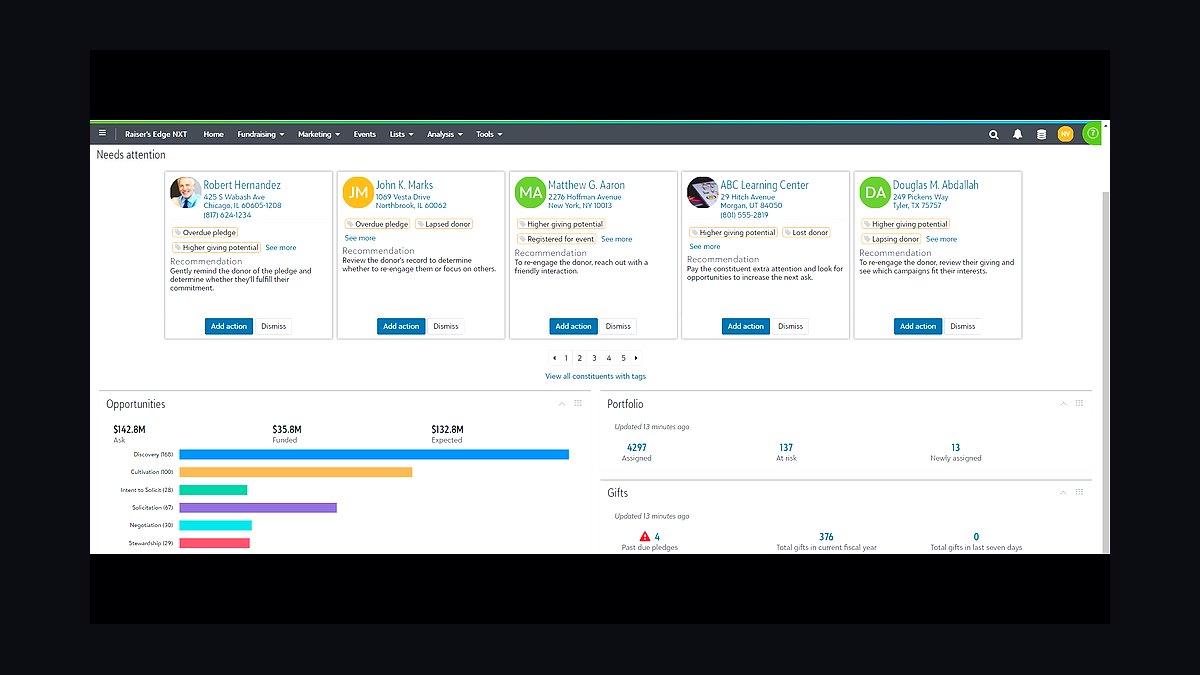
Raiser's Edge NXT ranks seventh because advancement is the second revenue line, and this donor CRM tracks annual funds, major gifts, capital campaigns, alumni, and events with decades of giving history. It typically starts around $10,000-$30,000 per year. It is the gold standard at large independents with serious development operations.
It is built for schools running capital campaigns and major-gift portfolios, not lean annual funds that Bloomerang or Little Green Light serve for under $2,000 per year. The trade-off is cost and staff time to administer. Compared to ParentSquare above, it manages donor relationships rather than daily family messaging, and the two rarely overlap in function.
8Finalsite
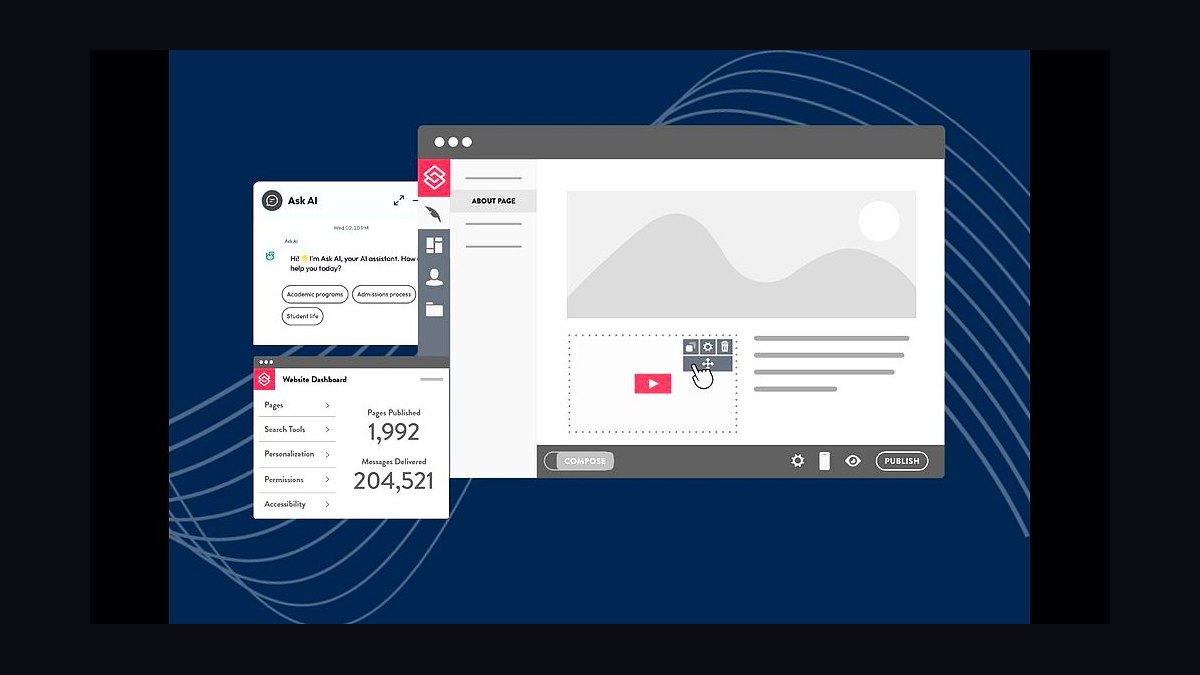
Finalsite ranks eighth because the website is the top of the admissions funnel, and this CMS delivers school-specific calendars, news, directories, and enrollment integration. Plans commonly run $8,000-$25,000 per year. It ties cleanly into Finalsite Enrollment, keeping inquiry forms and site content in one vendor relationship.
It suits schools treating their website as a marketing and admissions asset, not tiny schools content with Squarespace. The trade-off is annual cost and a vendor lock that makes switching painful. Compared to Raiser's Edge NXT above, it addresses prospective-family acquisition rather than donor cultivation, though both feed the same revenue goals.
9Blackbaud Financial Edge NXT
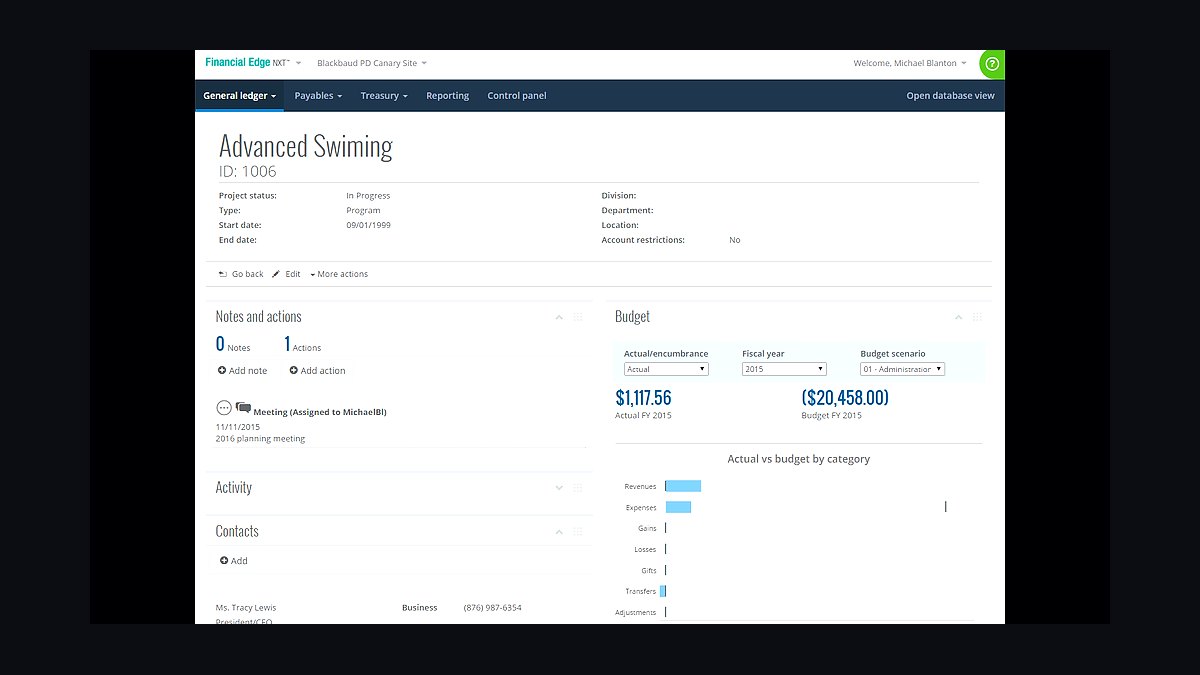
Blackbaud Financial Edge NXT ranks ninth because schools need fund accounting with restricted-fund and grant tracking that generic bookkeeping software does not provide. It runs roughly $8,000-$20,000 per year. It is purpose-built for the sector and pairs naturally with the Blackbaud spine and Raiser's Edge NXT advancement data.
It is built for business offices managing restricted funds, endowments, and board reporting, not very small schools where QuickBooks Online at $100-$200 per month suffices. The trade-off is cost and implementation time versus Sage Intacct or QuickBooks. Compared to Finalsite above, it serves the business office rather than marketing, and the two sit at opposite ends of the stack.
10Microsoft Power BI
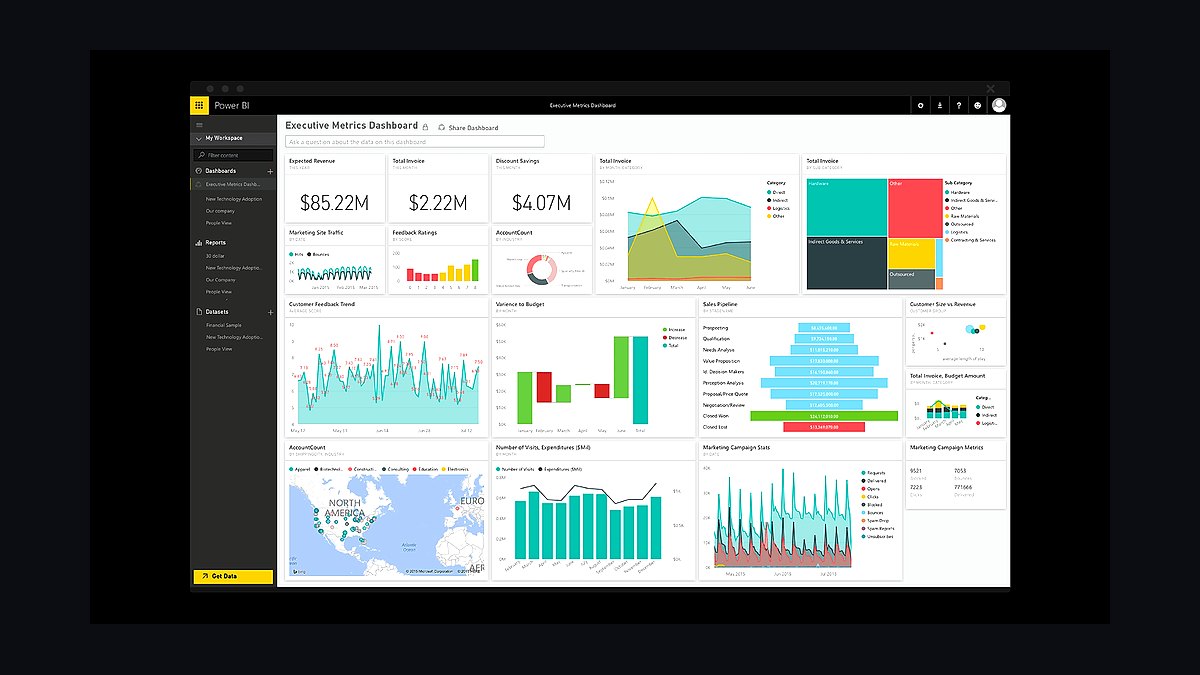
Microsoft Power BI ranks tenth because a school does not need a data warehouse, just enrollment-funnel, retention, and giving dashboards the head of school and board can read. Power BI Pro costs $10 per user per month, with native Veracross and Blackbaud dashboards included as alternatives. It connects to SIS, tuition, and advancement exports.
It suits schools with someone who can build and maintain reports from exported data, not offices that will never open the tool. The trade-off is setup effort and per-user licensing versus free native dashboards. Compared to Blackbaud Financial Edge NXT above, it reports across systems rather than recording transactions, and it depends on the other nine picks feeding it clean data.
How we ranked these
We ranked each tool on five weighted factors: enrollment-and-revenue impact (30%), integration depth with the school's core SIS spine (25%), total cost of ownership including per-student and per-family fees (20%), administrator and teacher usability (15%), and vendor stability plus K-12 sector track record (10%). Scores came from published pricing, documented integrations, G2 and Capterra reviews, and operator interviews across independent, faith-based, and Montessori schools.
We deliberately ignored feature-count checklists, generic CRM or ERP comparisons written for B2B buyers, and analyst quadrant placement that does not separate K-12 from higher education. We also excluded hype around AI copilots and classroom gadgets, because those rarely move net tuition, retention, or giving. A tool earned its rank only if a real school office could administer it without a dedicated IT hire.
What to look for
What matters most is whether a tool owns the student record or merely reads it. One system must be the spine for students and money; everything else integrates into it. Weight integration depth over feature breadth, confirm the vendor's per-student and per-family fee structure in writing, and check whether billing fees land on the school or on families, since that changes your real budget.
The mistake most buyers make is shopping modules before choosing a spine, then running two SIS-grade databases at once. That creates duplicate student records, broken syncs, and manual reconciliation every spring. The second common error is buying for a school size you do not have, either over-buying enterprise modules nobody will staff or under-buying and breaking at scale.
Related questions
What is the best SIS for a small private school?
For schools under roughly 250 students, FACTS SIS is usually the simplest choice because it bundles student records, tuition billing, and financial aid in one contract. Veracross is the stronger pick if you want a polished single database and can staff a real administrator. Sycamore is a cheaper standalone option, but it leaves billing and aid to separate tools.
Is Blackbaud or Veracross better for independent schools?
Veracross wins when a school wants one clean database covering SIS, LMS, admissions, and billing, which reduces sync errors. Blackbaud wins when advancement matters most, because Raiser's Edge NXT and Financial Edge NXT tie deeply into its education platform. Large independents with serious development offices usually choose Blackbaud; mid-size schools prioritizing simplicity often choose Veracross.
How much does a private school tech stack cost per year?
A small single-campus PK-8 school typically spends $8,000 to $25,000 annually, much of it billing fees passed to families. A mid-size K-12 independent school runs roughly $60,000 to $160,000 per year plus a one-time migration project. A multi-campus network or diocese commonly lands between $150,000 and $400,000 or more annually.
Do private schools need a separate LMS if the SIS has a gradebook?
Often yes, especially in grades 6-12. SIS gradebooks handle report cards and transcripts well but are thin on assignments, content, discussions, and rubrics. Canvas is the upper-school favorite, Schoology is widely deployed, and Google Classroom is free and adequate for younger grades or budget-constrained schools already running Google Workspace for Education.
What is the best fundraising software for a small private school?
Little Green Light and Bloomerang are the usual picks for lean development operations, running roughly $45 to $100 per month and covering donor records, giving history, and simple campaigns. Raiser's Edge NXT is the gold standard once a school has dedicated advancement staff and runs capital campaigns, but it typically starts around $10,000 to $30,000 per year.
Should tuition billing and financial aid live in the same system?
Yes, whenever possible. When aid awards sit in a disconnected tool, the admissions office can celebrate enrollment growth while net tuition quietly flatlines because the aid budget balloons. Keeping aid, billing, and enrollment reporting in one ledger lets the board see net tuition revenue rather than gross headcount, which is the number that actually funds the school.
How important is a school website to the admissions funnel?
It is the top of the funnel and often the first impression a prospective family forms. Schools invest in K-12-specific CMS platforms like Finalsite because they include calendars, news, faculty directories, and clean integration into the enrollment application. Generic website builders work for very small schools but usually require manual work to connect inquiries to the admissions CRM.
What should a school look for in a family communication platform?
Look for one channel that consolidates email, text, app push, and voice, plus built-in translation for multilingual families. ParentSquare is the common mid-size choice, Remind is the lightweight texting option, and Brightwheel dominates preschool and PK programs with check-in, photos, and billing. Adoption matters more than features; if parents ignore it, nothing else counts.
FAQ
Should a small school use FACTS, Veracross, or Blackbaud?
For under roughly 250 students with a lean office, FACTS is usually simplest because it bundles SIS, tuition, and financial aid and passes most billing cost to families. Veracross wins if you want one polished database and can staff a real administrator. Full Blackbaud is generally worth it only once you have a sizable development office needing Raiser's Edge NXT.
Do private schools really need a separate admissions CRM?
Mid-size and competitive schools usually do. A generic SIS inquiry form cannot track inquiry-to-enrolled conversion, schedule interviews, send decision letters, or automate the spring re-enrollment push. Finalsite Enrollment, Ravenna, and SchoolAdmin exist because schools lose money in the funnel, not in the classroom. Very small schools can often run admissions inside FACTS or Veracross.
What is the single biggest tech stack mistake private schools make?
Running two SIS-grade databases at once. A school adopts Veracross but never decommissions Blackbaud, or keeps a legacy SIS alive just for transcripts. Now two systems both claim to own the student record, syncs break, and the business office reconciles by hand every spring. Pick one spine and migrate fully before adding anything else.
How do schools measure whether their tech stack is working?
Three numbers: net enrollment, re-enrollment or retention rate, and tuition-plus-giving revenue. If those are trending correctly, the stack is doing its job. Classroom tooling, parent app adoption, and teacher satisfaction are secondary signals. A stack that produces clean dashboards but flat net tuition is not actually working, no matter how modern it looks.
Is Google Classroom good enough to replace Canvas?
For elementary grades and budget-constrained schools already on Google Workspace for Education, yes. It is free, familiar, and handles assignments and basic grading. Canvas becomes worth the roughly $3,500 to $12,000 annual cost once upper-school teachers need rubrics, weighted grading, discussions, and deeper gradebook integration with the SIS.
What finance software should a private school business office use?
Blackbaud Financial Edge NXT is purpose-built for the sector and handles restricted-fund and grant accounting that schools and nonprofits need, running roughly $8,000 to $20,000 per year. Sage Intacct is the strong mid-market alternative. QuickBooks Online is fine for very small schools at $100 to $200 per month, but it strains once restricted funds and audits arrive.
How long does migrating to a new SIS take?
Plan on three to nine months for a mid-size school, including data cleanup, historical transcript mapping, staff training, and a parallel-run period. The migration itself is usually the smaller cost; the bigger investment is internal time. Schools that rush cutover without cleaning legacy data end up reconciling errors for years afterward.
Do schools need a data warehouse or is Power BI enough?
Power BI is enough for nearly every private school. A school does not need Snowflake; it needs enrollment-funnel, retention, and giving dashboards the head of school and board can read. Power BI Pro runs about $10 per user per month and connects to exports from the SIS, tuition, and advancement systems. Native platform dashboards cover simpler needs.
What is the best tech stack for a Catholic diocesan school network?
Most dioceses standardize on FACTS across every school for SIS, tuition management, and Grant and Aid Assessment, because central billing and aid reporting matter more than per-school customization. The diocese layers ParentSquare for communication and often Blackbaud Financial Edge NXT or QuickBooks at the central office, negotiating one master FACTS contract for all schools.
When should a school add an LMS on top of its SIS?
Add one when teachers start building their own workarounds, like shared drives for assignments or personal spreadsheets for grades. That signals the SIS gradebook is too thin for daily classroom work. Grades 6-12 usually hit that point first. Elementary schools on Google Workspace often never need a paid LMS at all.
Sources
- https://www.blackbaud.com/solutions/education-management
- https://www.veracross.com/
- https://www.factsmgt.com/
- https://www.finalsite.com/
- https://www.instructure.com/canvas
- https://www.parentsquare.com/
- https://www.blackbaud.com/solutions/fundraising/raisers-edge-nxt
- https://www.blackbaud.com/solutions/financial-management/financial-edge-nxt
- https://www.littlegreenlight.com/
- https://powerbi.microsoft.com/
Related on PULSE
This page will be disappearing soon. Save it to your device for $1 — or read it free while it is here.
@Kory-White- · if Venmo asks, the last 4 of my number are 2012
This page is gone.
This one is off the shelf now. $1 keeps it on your phone for good — the whole page, pictures and diagrams included.
 pulse-tech-stacksTop 10 Best Tech Stack Tools for Home Builders and Residential Developers in 2027
 tkTop 10 Best Tech Stack Tools for Fencing and Deck Contractors in 2027
 pulse-tech-stacksTop 10 Best Tech Stack Tools for AI Document Intelligence Companies in 2027
 pulse-tech-stacksTop 10 Best Tech Stack Tools for Bars and Pubs in 2027
 pulse-tech-stacksTop 10 Best Tech Stack Tools for Staffing Agencies in 2027
 pulse-tech-stacksTop 10 Best Tech Stack Tools for Public Relations Agencies in 2027
 pulse-tech-stacksTop 10 Best Tech Stack Tools for Email Security Vendors in 2027
 pulse-tech-stacksTop 10 Best Tech Stack Tools for Independent Driving Schools in 2027
 pulse-tech-stacksTop 10 Best Tech Stack Tools for RV Dealerships in 2027
 pulse-tech-stacksTop 10 Best Tech Stack Tools for Small Pest Control Companies in 2027