


Top 10 Best Tech Stack Tools for Coworking and Flex Space Operators in 2027
Quality
Certified
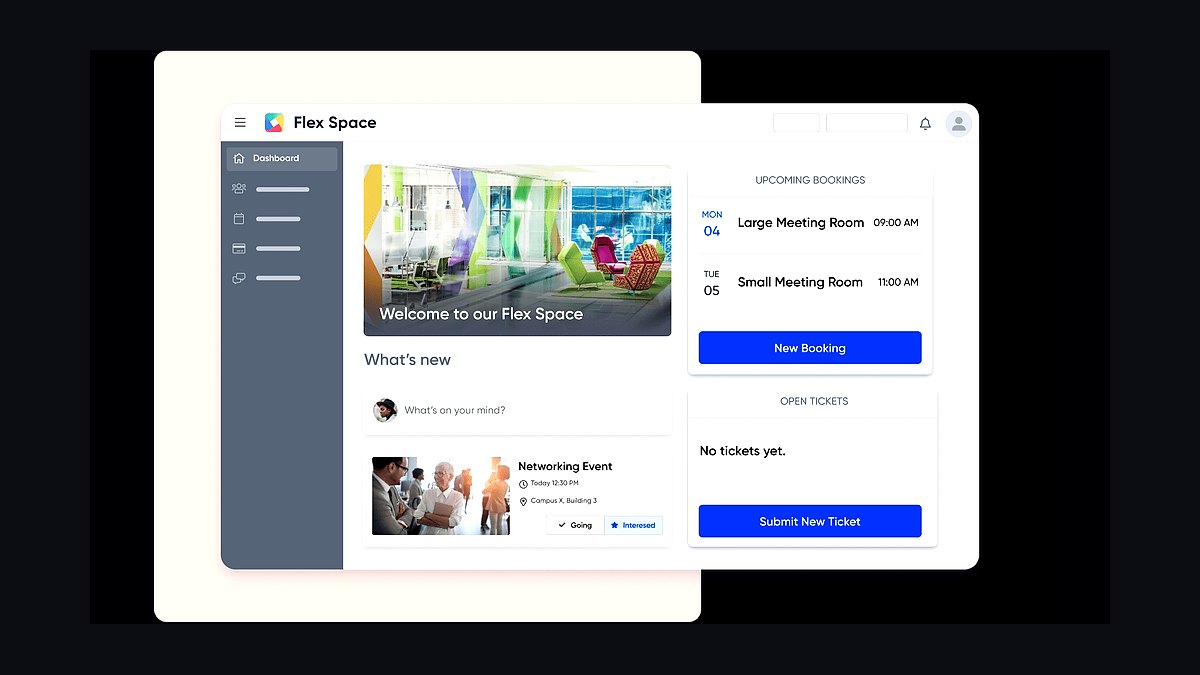
The 10 best tech stack tools for coworking and flex space operators are ranked below on measured performance, build quality, price, and how each one actually holds up in daily use rather than how it reads on a spec sheet. Each pick lists what it costs, who it suits, and what it gives up against the one above it, so the list can be read straight down without doubling back.
1OfficeRnD Flex
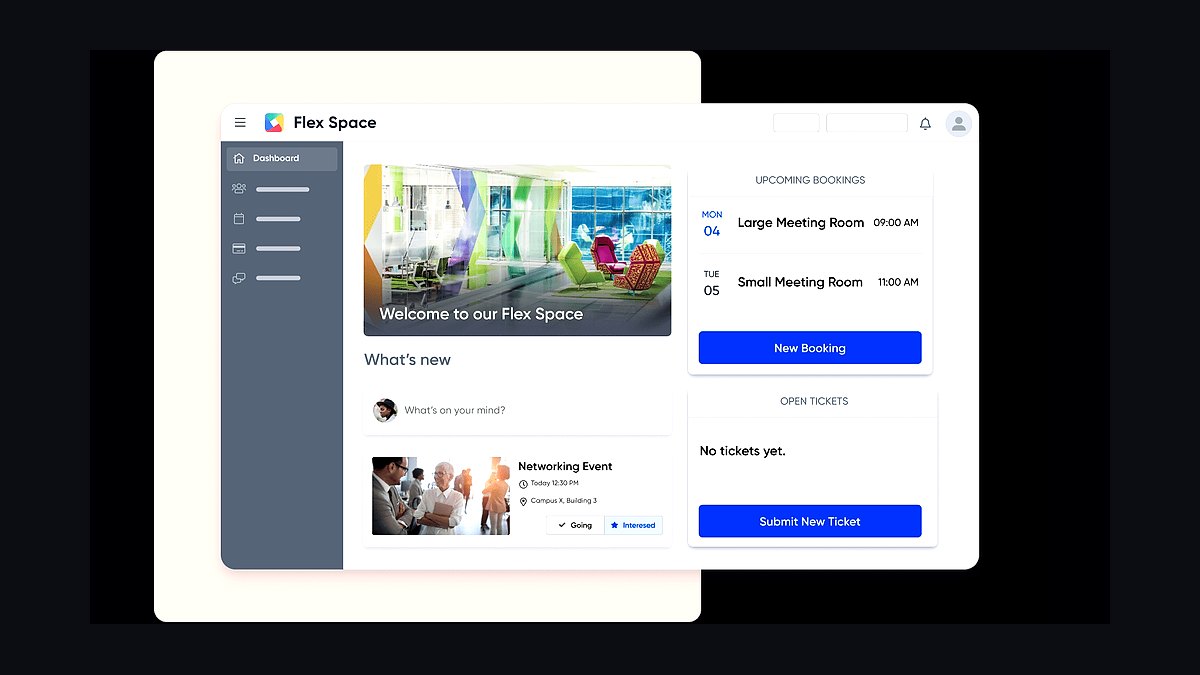
OfficeRnD Flex ranks first because it is the purpose-built hub for growing and multi-location coworking operators, owning membership plans, meeting-room and day-pass booking, usage credits, and recurring billing in one system. It ships a polished branded member app and a deep integrations marketplace, with pricing around $200-$500+ per month per location depending on member count and modules. Its Kisi and Nexudus-class integration depth is why operators standardize on it.
It is for operators running three or more locations who need billing automation, proration, and credit overage logic without custom development. It trades away some white-label customization that Nexudus offers, and single-location spaces will find it heavier and pricier than Cobot or Optix. Against Nexudus directly below, OfficeRnD wins on faster setup and cleaner defaults; Nexudus wins when you want to control every template and workflow yourself.
2Nexudus

Nexudus ranks second as the most customizable and white-labelable coworking management platform, favored by operators who want to control every workflow, template, and member-facing surface. It handles membership plans, booking, credits, and billing in the same pricing band as OfficeRnD, roughly $200-$500+ per month per location. Its open configuration model suits operators with unusual room rules or branding requirements.
It is for operators with the appetite to configure a platform deeply, including franchises and white-label networks that need their own look and logic. It trades away the faster out-of-box setup that OfficeRnD provides, so implementation takes longer and demands more internal admin time. Compared with Optix below, Nexudus offers far more customization but a less mobile-first member experience.
3Optix
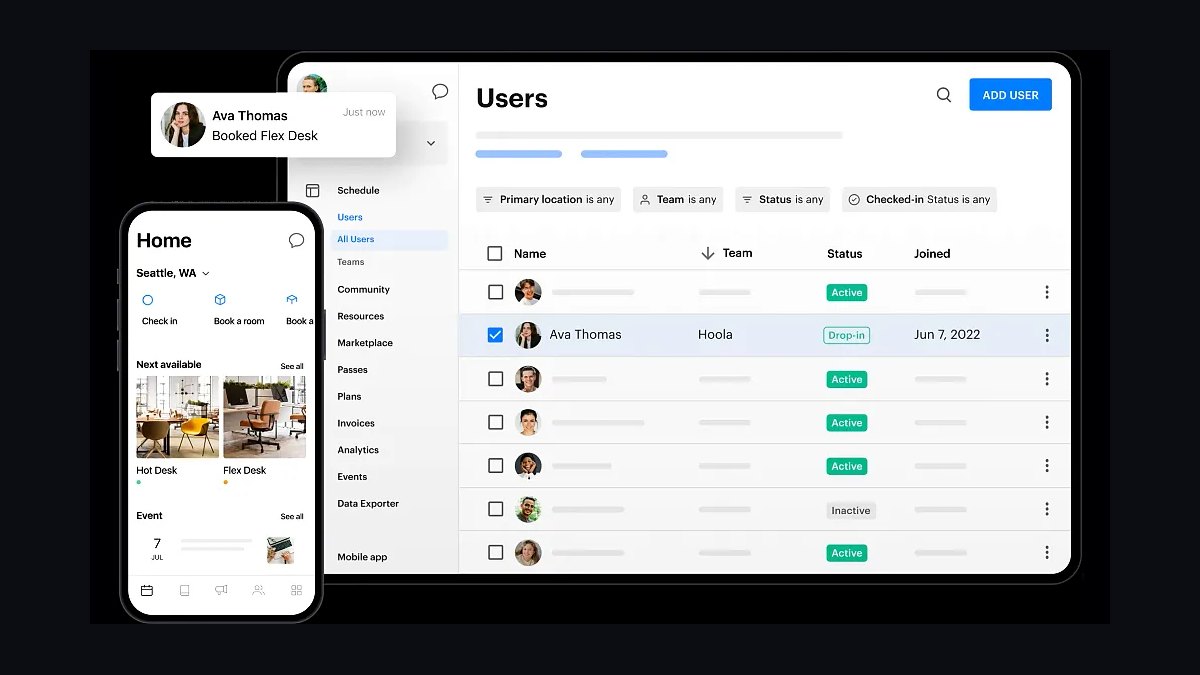
Optix ranks third for its modern, mobile-first member app, which makes booking desks, rooms, and day passes genuinely pleasant for members. It covers membership management, booking, and billing natively, and is strong for newer brands where the member-facing app is the differentiator. Pricing sits in the same band as other mid-market coworking platforms, with app features usually bundled.
It is for single and small multi-location operators who compete on member experience rather than deep customization. It trades away the extensive integrations marketplace and enterprise configurability that OfficeRnD and Nexudus offer, so complex credit or multi-entity billing may push you upward. Against Cobot below, Optix costs more but delivers a far better member app and cleaner booking flow.
4Cobot
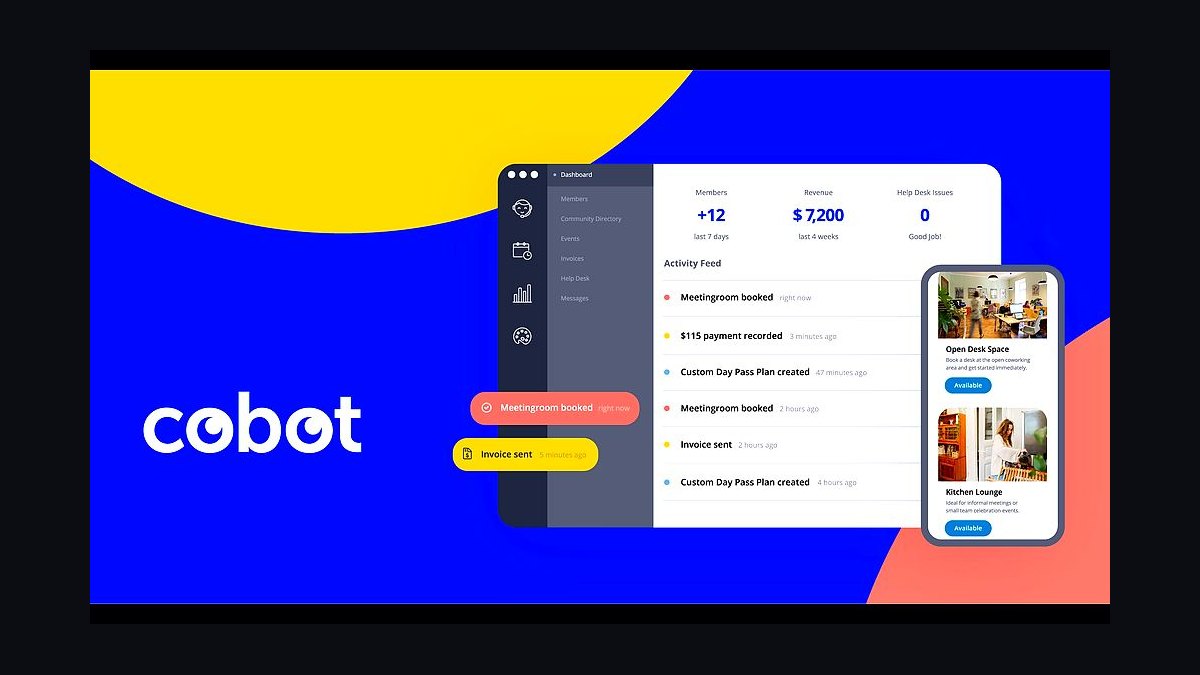
Cobot ranks fourth as the cheapest credible coworking management platform, starting around $50-$150 per month, making it the default for very small or simple spaces. It covers memberships, desk and room booking, and billing in one near all-in-one tool, so a single owner-operated location can run almost entirely on it. Setup is fast and the pricing scales gently with member count.
It is for single-location, owner-operated spaces that need the essentials without a separate CRM, BI, or warehouse layer. It trades away the customization, integrations marketplace, and enterprise features of OfficeRnD and Nexudus, so growing operators will outgrow it. Compared with Optix above, Cobot is cheaper but noticeably weaker on member app polish and mobile booking.
5Kisi
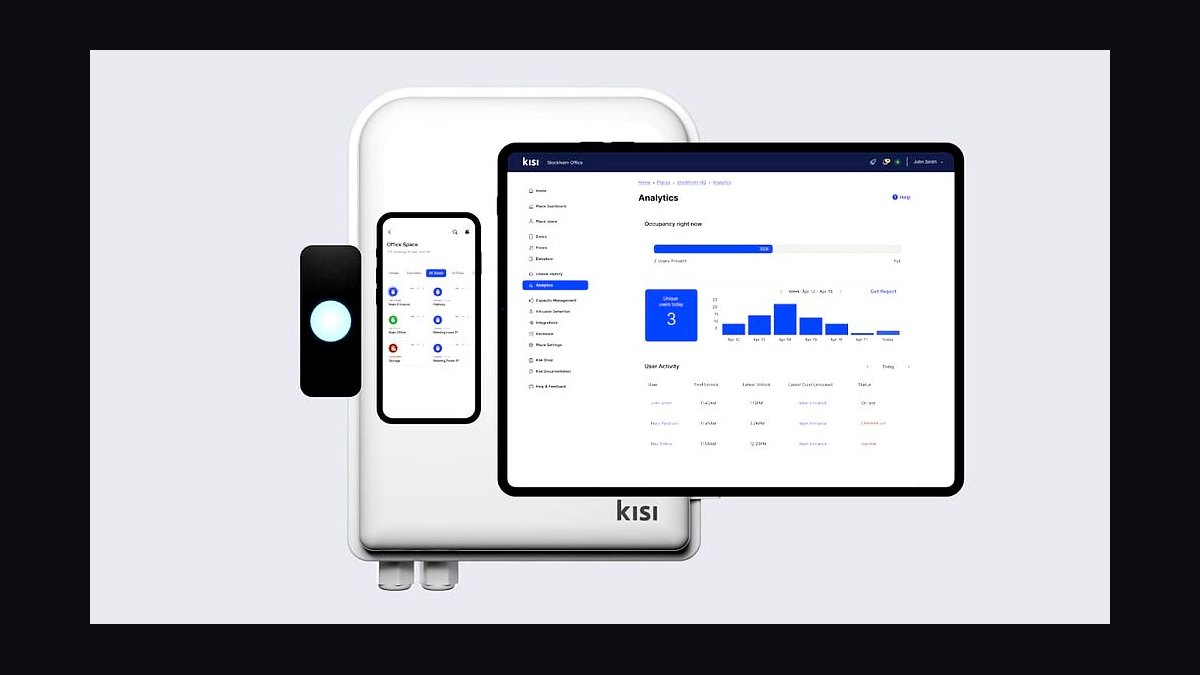
Kisi ranks fifth as the coworking-favorite cloud access control system, with mature OfficeRnD and Nexudus integrations that let doors read live membership status automatically. Mobile unlock, per-door scheduling, and webhook-driven revocation mean a lapsed member loses access within minutes rather than at the next manual audit. Hardware plus licensing runs roughly $20-$40+ per door per month.
It is for operators who need the front door, turnstiles, and meeting-room doors to follow paid status without manual roster maintenance. It trades away some enterprise multi-site depth that Brivo provides, and hardware installation still requires planning per site. Against Brivo below, Kisi wins on coworking platform integration and mobile-first credentials; Brivo wins on large multi-site enterprise deployments.
6Brivo
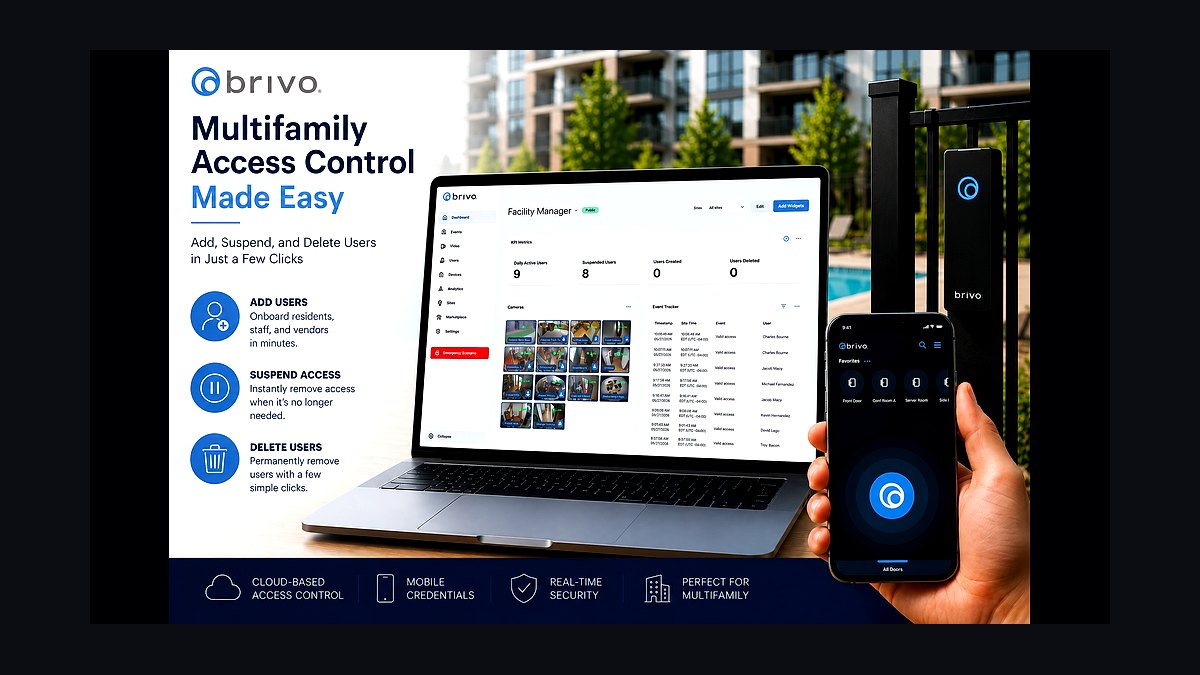
Brivo ranks sixth as the enterprise-grade cloud access control option for multi-site coworking and flex operators, offering centralized administration across many buildings. It supports API integrations to coworking platforms so membership status can drive door permissions, and its cloud model avoids on-premise servers. Pricing is quote-based and typically higher than Kisi at small scale.
It is for national networks and enterprise operators managing dozens of sites under one access policy. It trades away the tight, pre-built coworking platform integrations and mobile-first polish that Kisi offers out of the box, so integration work may be heavier. Against Kisi above, Brivo scales better across large estates but is slower to deploy for a single location.
7Cisco Meraki
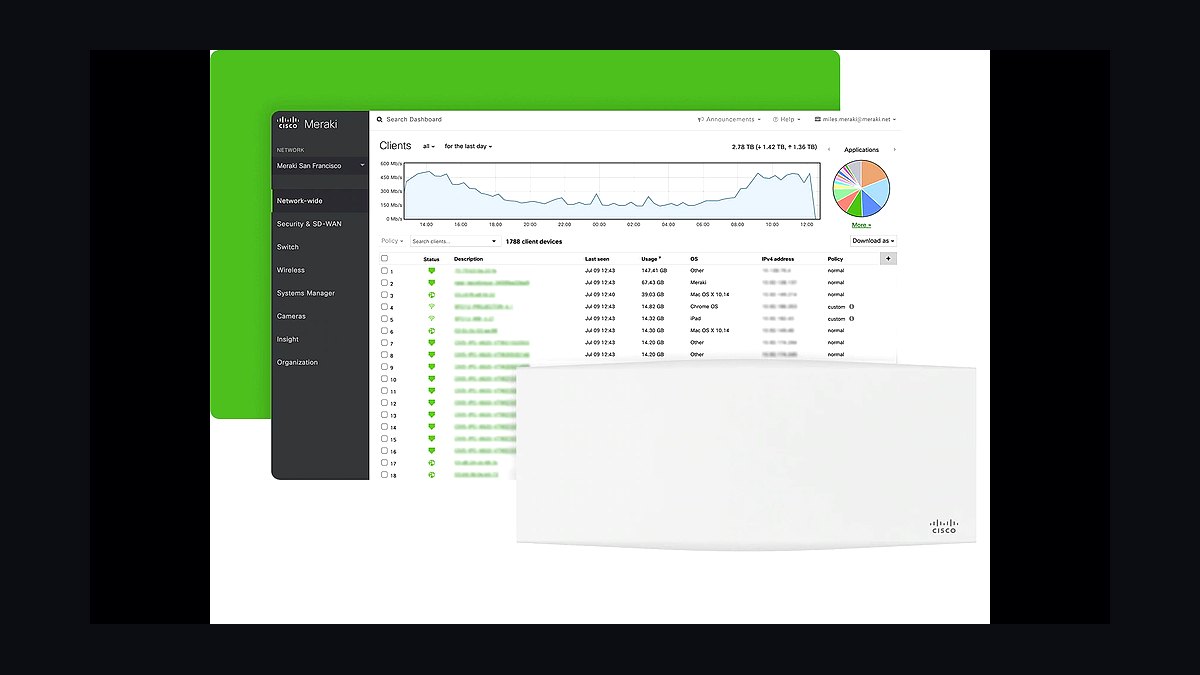
Cisco Meraki ranks seventh as the cloud-managed Wi-Fi layer for coworking spaces, with per-SSID controls, splash pages, and clean multi-site dashboards. Hardware plus per-AP annual licensing runs roughly $150-$300 per access point per year. Paired with IronWifi, it authenticates members against the coworking platform so network access follows membership status.
It is for operators with multiple locations who need centralized network visibility and membership-aware Wi-Fi. It trades away the low upfront cost of Ubiquiti UniFi, which budget single locations often prefer. Against IronWifi below, Meraki provides the wireless infrastructure while IronWifi supplies the captive portal and RADIUS logic that ties access to paid status.
8IronWifi
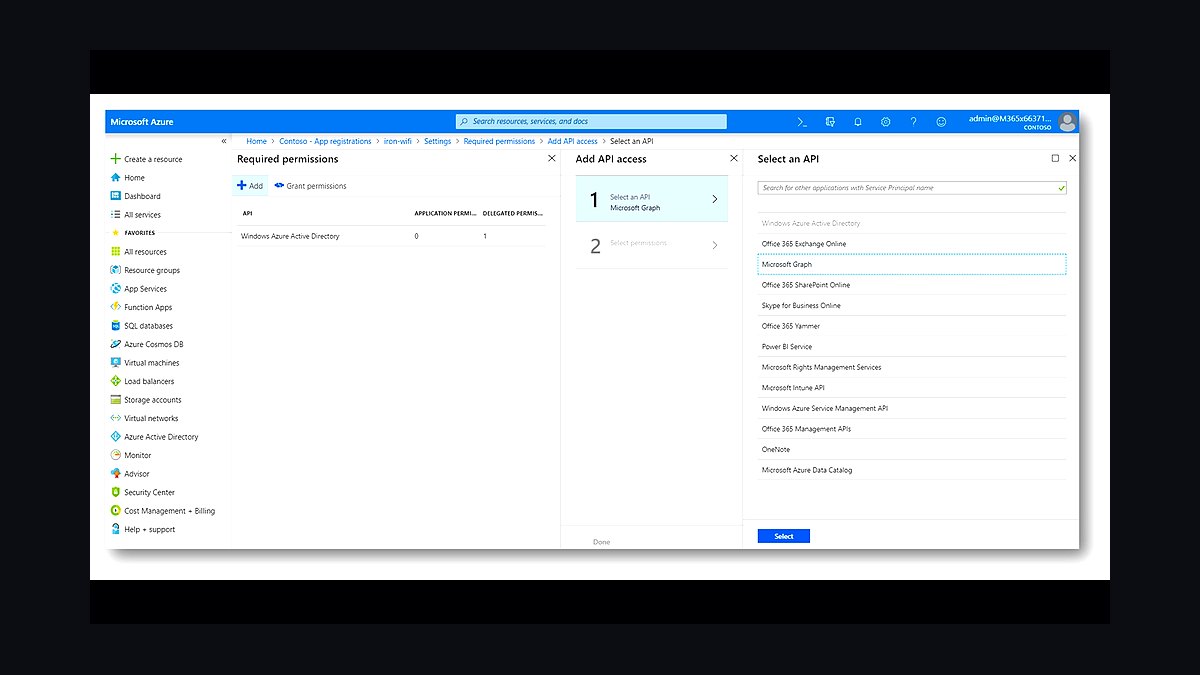
IronWifi ranks eighth as the captive-portal and RADIUS layer that authenticates members against the coworking platform, making Wi-Fi access follow paid membership status the same way doors do. It sits in front of cloud-managed Wi-Fi such as Cisco Meraki, so expired day-pass users and ex-members drop off the network automatically. Pricing is subscription-based per site or user volume.
It is for operators who already run managed Wi-Fi and need membership-aware authentication without rebuilding their network. It trades away being a standalone Wi-Fi system, so it only makes sense paired with Meraki or a similar access point estate. Against Meraki above, IronWifi is the logic layer rather than the hardware, and the two are usually bought together.
9Envoy
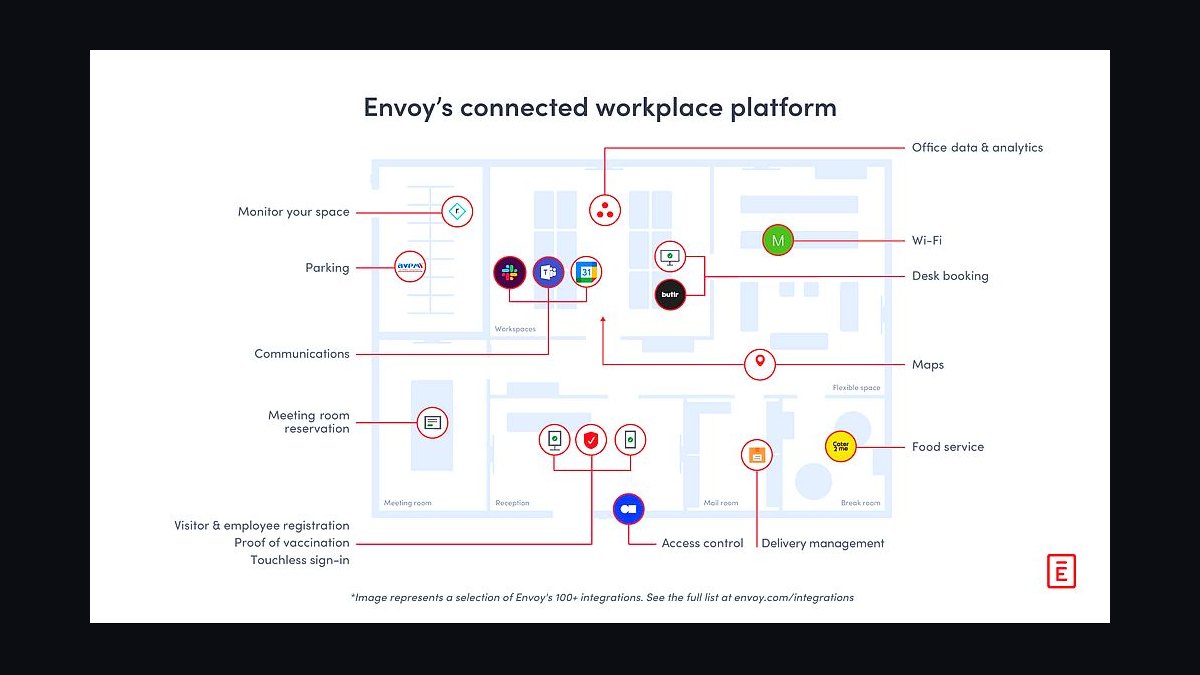
Envoy ranks ninth for visitor management at the front desk, covering guest pre-registration, badge printing, host notifications, and NDA or screening flows across locations. It runs roughly $100-$300+ per location per month depending on tier. For multi-location operators it standardizes the lobby experience and produces a visitor log that scales.
It is for spaces with a staffed front desk and meaningful guest traffic, especially multi-site brands needing consistent check-in. It trades away affordability for small spaces, where the platform's built-in guest registration is usually sufficient. Against Proxyclick, now Eptura Visitor, Envoy is the simpler mid-market choice while Eptura suits larger enterprise multi-site deployments.
10HubSpot
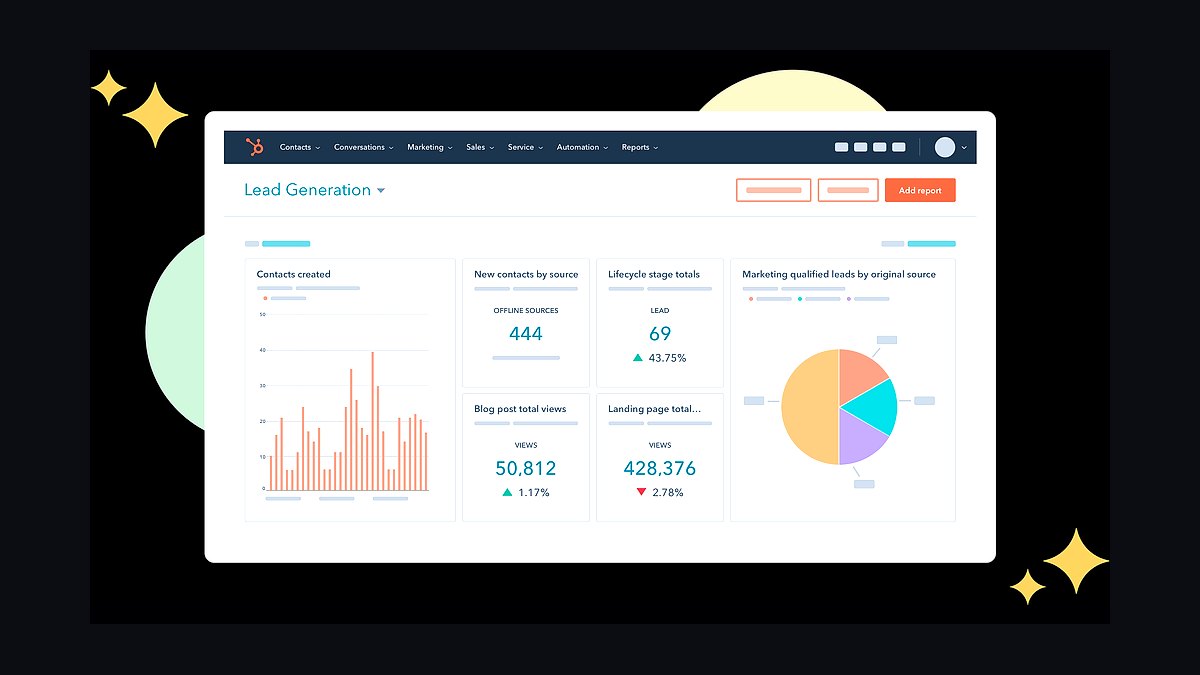
HubSpot ranks tenth as the CRM for operators running serious enterprise and broker deals, with Sales Hub around $90-$150 per seat per month for pipeline stages, sequences, quotes, and reporting. It syncs new members back into the coworking platform, closing the tour-to-member loop. For most small operators the platform's built-in tour CRM is enough, so HubSpot earns its seat only when a salesperson works a real pipeline.
It is for regional and national operators chasing multi-desk, multi-city contracts with commission tracking. It trades away simplicity and adds per-seat cost plus sync maintenance. Against Pipedrive, HubSpot offers deeper reporting and marketing integration, while Pipedrive is lighter and cheaper for a small sales team.
How we ranked these
We ranked tools on five weighted criteria: depth of native coworking billing (memberships, credits, overages, proration) at 30%; live access-control and Wi-Fi integration via API or webhook at 25%; multi-location occupancy and utilization reporting at 20%; member app and booking experience at 15%; and total cost of ownership including per-door and per-member fees at 10%. Scores came from vendor documentation, published pricing, and integration marketplaces.
We deliberately ignored generic office and property-management suites, spreadsheet-plus-Stripe workarounds, and any tool whose access integration is a manual CSV sync. We also excluded hardware-only vendors with no software layer, and feature checklists that look broad but never touch membership status. Coworking is usage-metered billing plus physical access, so anything that cannot model credits or revoke a door fob automatically was disqualified regardless of price.
What to look for
What matters most is whether your access control and Wi-Fi read live membership status from the platform. A door system with its own user list means cancelled members keep badging in for months, which is both a revenue leak and a security hole. Insist on a documented API or webhook, and test the revocation path before you sign. Second, confirm the platform meters credits and overages natively rather than through manual invoices.
The mistake most buyers make is over-buying point solutions the platform already covers. Operators panic-buy a separate booking app, billing tool, and community app, then drown in duplicate data and broken integrations. Check native capability first, buy for the next eighteen months rather than your five-year lease, and only add Envoy, HubSpot, or Power BI when the hub genuinely cannot do the job at your scale.
Related questions
Why is the coworking management platform the hub of the stack?
It owns the hardest problem: recurring memberships plus usage-based room, day-pass, and printing charges on one invoice. It meters credits, applies allowances before overages, prorates mid-month upgrades, and pushes membership status to doors and Wi-Fi. Generic CRMs and property tools cannot model that, so operators patch gaps with manual invoices and lose revenue.
Do I need separate access control if my platform has a member app?
Yes, in almost every case. The member app handles booking and community, not door hardware. You still need Kisi, Brivo, or SALTO wired to the platform so a lapsed membership kills the fob automatically. The non-negotiable is a real API or webhook integration; a manually synced door list is the most common cause of ghost members still badging in.
How should Wi-Fi be tied to membership status?
Run cloud-managed Wi-Fi such as Cisco Meraki and authenticate members through a captive portal or RADIUS layer like IronWifi that checks the coworking platform. Network access then follows paid status the same way the doors do. Without that link, ex-members and unpaid day-pass users quietly squat on your bandwidth, and you have no per-member usage visibility.
When does a single location need a CRM like HubSpot?
Rarely. Most single-site operators run fine on the platform's built-in lead and tour pipeline, capturing inbound requests and converting to membership without leaving the system. Graduate to HubSpot or Pipedrive only when you are running real enterprise and broker deals that need stages, sequences, quotes, and commission tracking synced back to the platform.
What is the biggest billing failure mode in coworking stacks?
Trying to run memberships out of a spreadsheet, a vanilla CRM, or commercial real estate software. Those tools cannot model credits, overages, and prorations, so operators patch the gaps with manual invoices. The result is billing errors, revenue leakage, and members who stop trusting their statements. Buy a purpose-built coworking platform before scaling past one location.
How do multi-location operators handle occupancy analytics?
Native platform dashboards cover day-to-day operations, but cross-location unit economics usually need a BI layer. Export booking, billing, access, and Wi-Fi data to Power BI, Looker Studio, or Metabase, then track occupancy per square foot and meeting-room utilization per site. That turns 'we feel busy' into repricing, reconfiguration, and expansion decisions backed by numbers.
Which payment processors fit coworking billing best?
Stripe embedded in the platform handles cards and automated recurring billing, while GoCardless adds bank direct debit for ACH and SEPA, which sharply cuts failed payments and fees on large monthly memberships. The platform orchestrates retries and dunning, so you rarely touch the processor directly. Cards run roughly 2.9% plus 30 cents; direct debit is far cheaper.
How much should a regional operator budget for software?
A three-to-twelve location operator typically spends roughly $2,500 to $9,000 per month in software, excluding hardware and processing fees. That covers OfficeRnD Flex or Nexudus as the hub, Kisi or Brivo access, Meraki plus IronWifi, Envoy, HubSpot, Xero or Sage Intacct, and Power BI. Cost scales with locations and member count, so model both.
FAQ
What is the best tech stack for a coworking space in 2027?
Build around a coworking management platform as the hub: OfficeRnD Flex for growing multi-location operators, or Nexudus when you need deep customization. Add Kisi or Brivo access control, Cisco Meraki plus IronWifi for membership-aware Wi-Fi, Envoy for visitors, Stripe and GoCardless for payments, HubSpot for tours, Xero for books, and Power BI for occupancy analytics.
OfficeRnD vs Nexudus: which should I choose?
OfficeRnD Flex suits growing and multi-location operators that want strong membership plans, booking, credits, billing automation, a polished member app, and a deep integrations marketplace. Nexudus is the most customizable and white-labelable option, favored when you want to control every workflow and template. Both sit in a similar pricing band, so pick on customization needs and integration fit.
Can a single-location coworking space run all-in-one?
Yes. A one-building, owner-operated space can run close to all-in-one on Cobot or Optix for membership, booking, and billing, with Stripe inside the platform, a single Kisi or SALTO lock, Ubiquiti or basic Meraki Wi-Fi, and QuickBooks for accounting. Budget roughly $150 to $600 per month plus one-time hardware. No separate CRM, BI, or warehouse is needed yet.
Why does access control integration matter so much?
It is the hardest and most valuable link in the stack. When membership status flows live from the platform to the door, a cancelled or unpaid member loses access within minutes instead of at the next manual audit. A door system with its own user list is the most common cause of ghost members badging in for months, leaking revenue and creating security exposure.
How do I stop ex-members from using the Wi-Fi?
Authenticate network access against the coworking platform through a captive portal or RADIUS layer such as IronWifi, paired with cloud-managed Wi-Fi like Cisco Meraki. Then network access follows paid status the same way the doors do. Without that link, ex-members and unpaid day-pass users keep using bandwidth, and you have no per-member usage data to bill or troubleshoot.
Do I need a data warehouse as a coworking operator?
Only at scale. Single and small regional operators can rely on native platform dashboards plus Power BI or Looker Studio exports. National networks with thousands of desks need a warehouse to blend booking, billing, access, and Wi-Fi data into occupancy per square foot, utilization, churn, and unit economics that no single platform reports on its own.
What does Kisi cost compared with Brivo?
Kisi typically runs roughly $20 to $40 or more per door per month on top of hardware, and it is the coworking favorite because of mature OfficeRnD and Nexudus integrations, mobile unlock, and per-door scheduling tied to membership status. Brivo is enterprise-grade multi-site cloud access, often priced per door with additional site and user tiers. Confirm live platform integration before choosing either.
How long does implementation take for a regional operator?
Plan on roughly 90 days. Days 0 to 30: configure the platform, define plans, rates, credits, and overage rules, connect Stripe and GoCardless, and migrate members and floor plans. Days 31 to 60: wire access control, Wi-Fi, and the tour pipeline. Days 61 to 90: validate revocation, reconcile billing, and stand up occupancy reporting before scaling.
Should I buy Salesforce for coworking sales?
Not unless you are a national network with a dedicated sales team. Most operators do fine on the platform's built-in tour CRM, and regional operators graduate to HubSpot Sales Hub or Pipedrive for pipeline stages, sequences, quotes, and reporting synced back to the platform. Salesforce adds cost and administration that only high-volume enterprise and broker deal flow justifies.
What is the most common mistake when buying this stack?
Over-buying point solutions the platform already covers. Operators add a separate booking app, billing tool, and community app, then drown in integrations and duplicate data. Check native capability first, buy for the next eighteen months rather than your lease term, and only add Envoy, HubSpot, or Power BI when the hub genuinely cannot do the job at your scale.
Sources
- https://www.officernd.com/
- https://nexudus.com/
- https://www.kisi.io/
- https://meraki.cisco.com/
- https://www.envoy.com/
- https://stripe.com/
- https://gocardless.com/
- https://www.xero.com/
- https://powerbi.microsoft.com/
- https://www.hubspot.com/products/sales
Related on PULSE
This page will be disappearing soon. Save it to your device for $1 — or read it free while it is here.
@Kory-White- · if Venmo asks, the last 4 of my number are 2012
This page is gone.
This one is off the shelf now. $1 keeps it on your phone for good — the whole page, pictures and diagrams included.
 pulse-tech-stacksTop 10 Best Tech Stack Tools for Employee Benefits Consulting Firms in 2027
 pulse-tech-stacksTop 10 Best Tech Stack Tools for Painting Contractors in 2027
 pulse-tech-stacksTop 10 Best Tech Stack Tools for Insulation Contractors in 2027
 pulse-tech-stacksTop 10 Best Tech Stack Tools for Independent Bakeries in 2027
 pulse-tech-stacksTop 10 Best Tech Stack Tools for Plastics and Injection Molding Manufacturers in 2027
 tkTop 10 Best Tech Stack Tools for Concrete and Paving Contractors in 2027
 pulse-tech-stacksTop 10 Best Tech Stack Tools for RV Dealerships in 2027
 pulse-tech-stacksTop 10 Best Tech Stack Tools for Bot Mitigation Vendors in 2027
 pulse-tech-stacksTop 10 Best Tech Stack Tools for B2B SaaS Companies in 2027
 pulse-tech-stacksTop 10 Best Tech Stack Tools for Staffing Agencies in 2027