


Top 10 Best Tech Stack Tools for Cannabis Dispensaries in 2027
Quality
Certified
The 10 best tech stack tools for cannabis dispensaries are ranked below on measured performance, build quality, price, and how each one actually holds up in daily use rather than how it reads on a spec sheet. Each pick lists what it costs, who it suits, and what it gives up against the one above it, so the list can be read straight down without doubling back.
1Dutchie POS

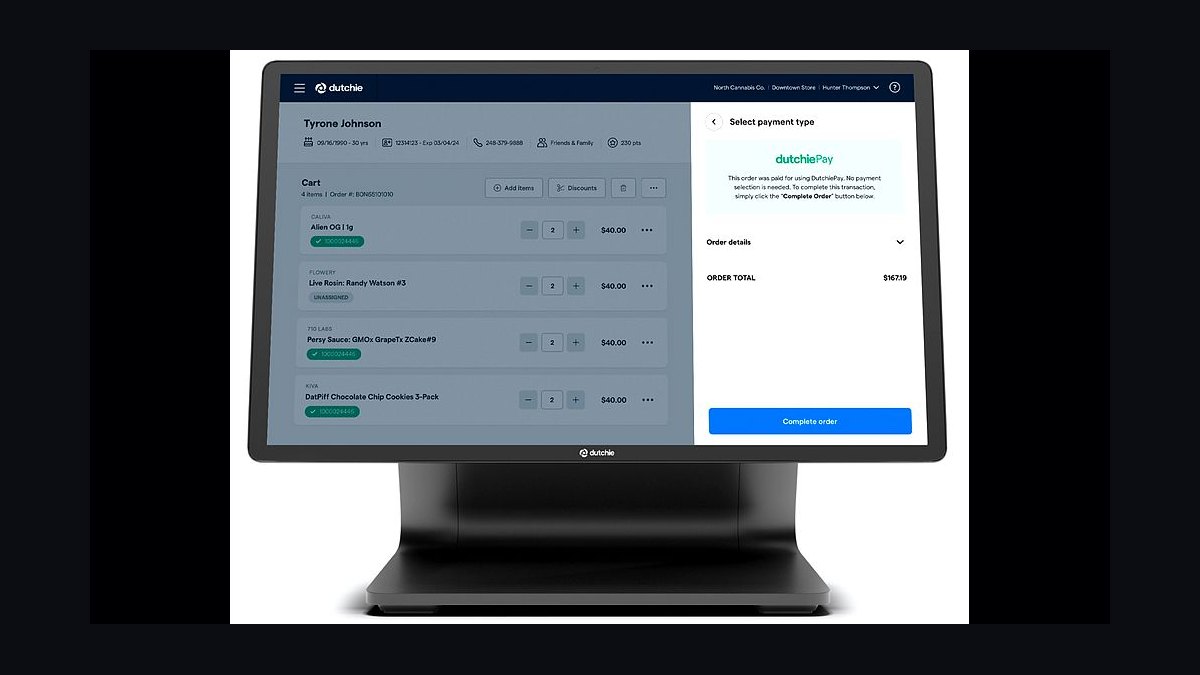
Dutchie POS ranks first because it bundles register, ecommerce menu, and payments under one roof, collapsing three vendor relationships into one for dispensaries. It holds certified Metrc and BioTrack integrations in most legal states, so inventory reconciles continuously rather than through nightly CSV exports. Pricing typically runs $500–$1,200 per month per location depending on modules and transaction volume.
It suits single stores and regional chains that want one inventory source of truth across counter and online menu. The trade-off is less flexibility than pairing best-of-breed tools, and heavy marketplace placement still costs extra. Compared to Flowhub below, Dutchie wins on breadth while Flowhub wins on raw counter speed.
2Flowhub POS

Flowhub ranks second as the strongest pure-play cannabis register, and it tends to win with operators who prioritize speed at the counter over bundled breadth. It maintains certified Metrc and BioTrack integrations and enforces state daily purchase limits, ID verification, and medical-versus-adult-use rules at checkout. Pricing lands in the same $500–$1,200 monthly range as Dutchie depending on modules.
It fits high-volume stores where budtenders ring hundreds of transactions per shift and every second at the register matters. The trade-off is that ecommerce and payments usually come from separate vendors, adding integration work. Against Dutchie above, Flowhub trades bundle convenience for counter throughput.
3Cova POS

Cova ranks third because it is built specifically for multi-location cannabis chains and clean hardware standardization across stores. It carries certified traceability integrations and lets operators run identical register configurations, menus, and loyalty rules at every door, which preserves store-to-store comparability. Pricing scales per location, typically within the $500–$1,200 monthly band.
It fits regional operators running five to fifteen stores who need one customer record across the footprint. The trade-off is that single-store operators pay for chain capability they may never use. Against Flowhub above, Cova sacrifices some counter speed for standardized multi-store control.
4Treez POS

Treez ranks fourth for its deep penetration in California enterprise retail, where it handles high-volume dispensaries with complex tax stacks across state, county, and city layers. It maintains certified Metrc integration and supports the purchase-limit and ID-verification rules California enforces at the register. Pricing sits in the same per-location range as other cannabis-native POS platforms.
It fits large California operators who need enterprise reporting and can absorb a heavier configuration process. The trade-off is narrower multi-state coverage than Dutchie or Cova. Against Cova above, Treez goes deeper in one state rather than broad across many.
5Jane Menu

Jane ranks fifth because it powers embedded, SEO-friendly menus on a dispensary's own domain, converting browsers into pickup orders without renting traffic. It syncs live inventory from the POS so product pages reflect real availability, and it is the common pick for operators who treat their menu as an owned SEO asset. Pricing typically runs $300–$900 monthly, sometimes structured as revenue share.
It fits stores that want indexed product pages compounding organic demand rather than relying solely on marketplace listings. The trade-off is that Jane is a commerce layer, not a register, so it depends entirely on the POS beneath it. Against Dutchie POS above, Jane covers one layer instead of the whole stack.
6Weedmaps
Weedmaps ranks sixth as the largest cannabis marketplace and review platform, buying reach that plant-touching retailers legally cannot purchase through Google or Meta ads. Listings, menu sync, and paid placement substitute for the search and social advertising cannabis businesses are barred from running. Pricing swings roughly $500 to $3,000+ monthly depending on market density and competitive placement.
It fits stores in saturated metros where new-customer acquisition requires visibility they cannot otherwise buy. The trade-off is rented traffic: the customer relationship belongs to the marketplace, not the dispensary. Against Jane above, Weedmaps buys reach while Jane builds owned demand.
7Springbig
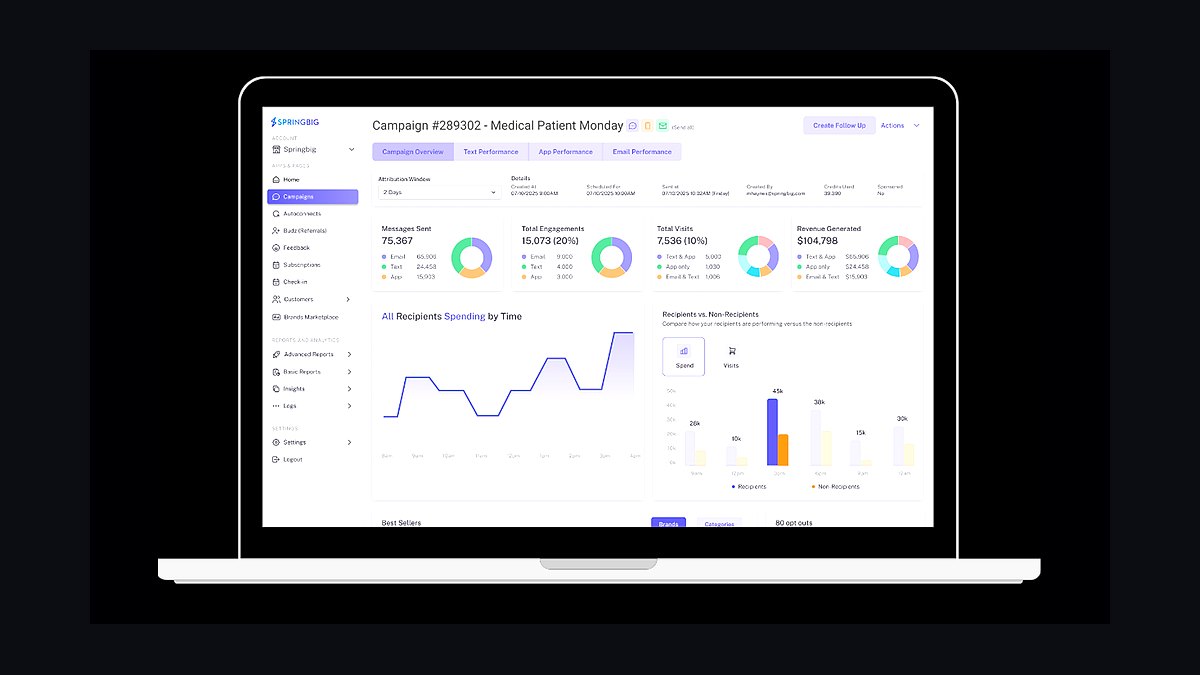
Springbig ranks seventh because it runs points-based loyalty plus compliant SMS and email with the consent, age-gating, and message-frequency rules cannabis texting demands. It integrates with major cannabis POS platforms so basket data feeds segmentation automatically. Pricing runs roughly $300–$1,500 monthly based on contact volume and throughput.
It fits single stores and small chains launching their first structured retention program without heavy data infrastructure. The trade-off is less granular segmentation than Alpine IQ offers at the top end. Against Weedmaps above, Springbig converts existing customers while Weedmaps acquires new ones.
8Alpine IQ
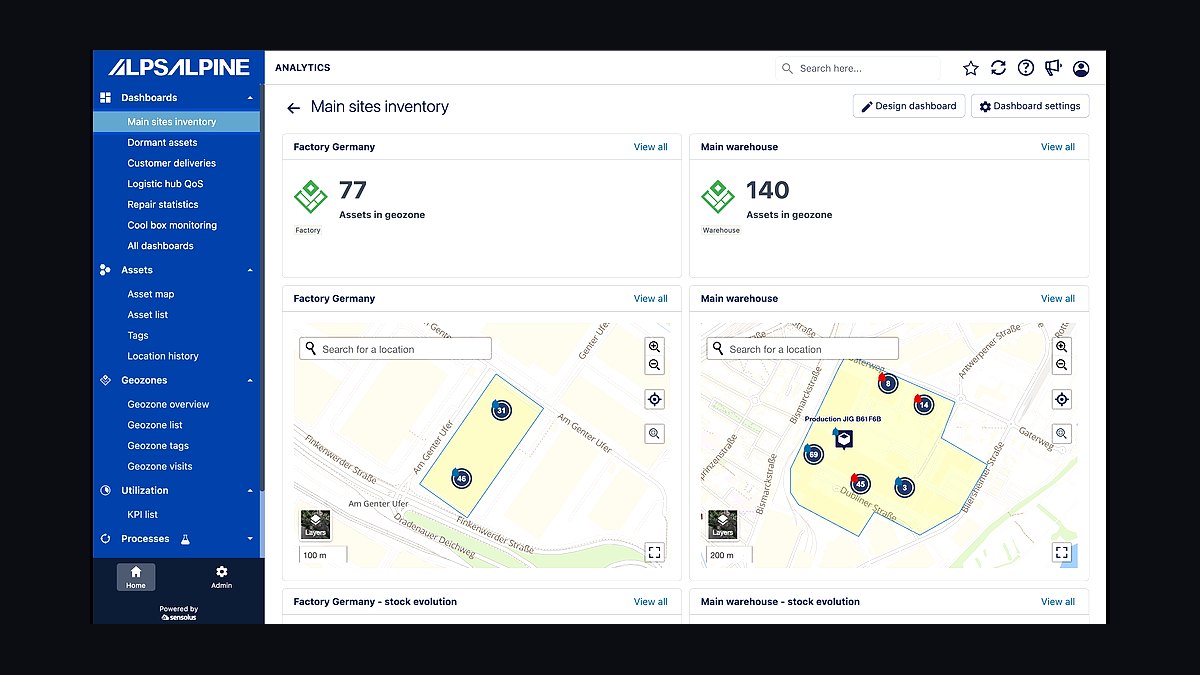
Alpine IQ ranks eighth for pushing further on segmentation and customer-data ownership, making it the pick for operators who treat their customer list as a balance-sheet asset. It ingests POS, payment, and loyalty data into one profile, enabling basket-level targeting that basic points programs cannot match. Pricing sits around $300–$1,500 monthly on contact volume.
It fits multi-location operators who need cross-store customer records and defensible first-party data. The trade-off is a heavier setup and more marketing sophistication required to use it well. Against Springbig above, Alpine IQ trades simplicity for depth of segmentation.
9LeafLink
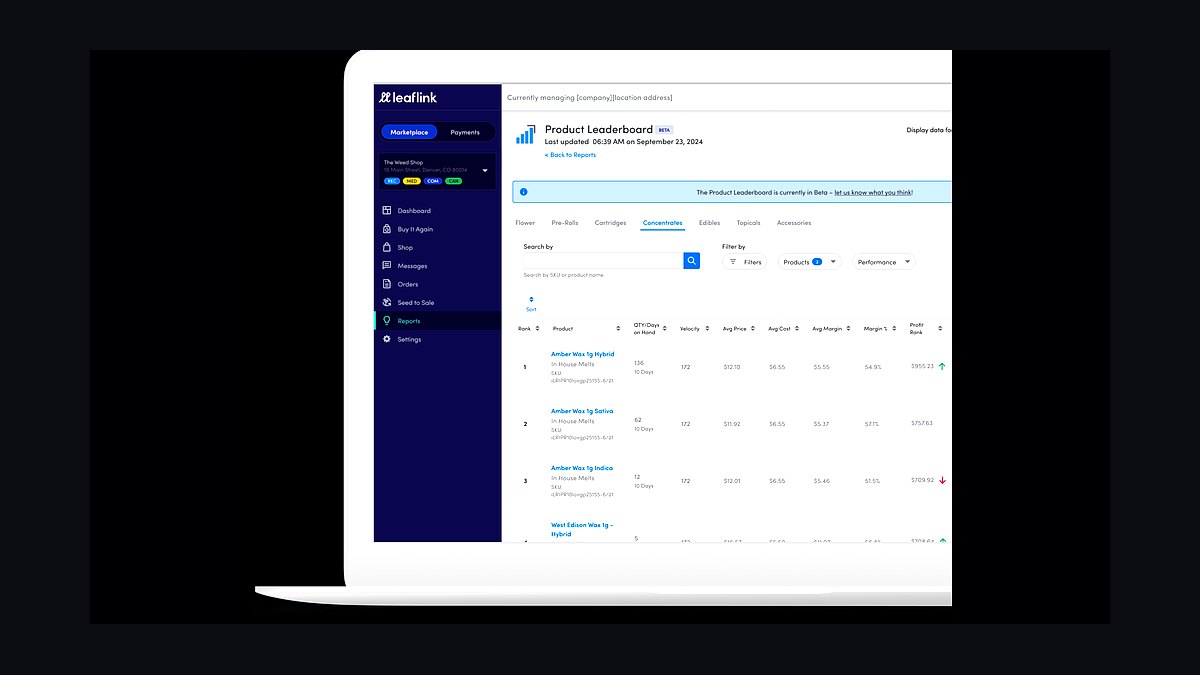
LeafLink ranks ninth as the dominant B2B wholesale marketplace where brands and distributors sell into dispensaries, and where vertically integrated operators push their own brands into other retailers. Buyers use it to source SKUs at scale with standardized ordering and invoicing. It is essentially free-to-low cost on the buy side, so the decision is whether wholesale is a channel or a rounding error.
It fits dispensaries buying at volume and operators with brands to distribute beyond their own doors. The trade-off is that pure retailers buying locally from a handful of distributors gain little. Against Alpine IQ above, LeafLink addresses supply rather than demand.
10Distru

Distru ranks tenth as the common pick for vertically integrated operators tying cultivation, manufacturing, wholesale, and traceability together in one system. Retail POS cannot model cultivation batches, harvest weights, or processing yields, and Distru fills that gap with compliance automation across the production chain. Pricing starts around $1,000 monthly and climbs past $5,000 by site count.
It fits growers and manufacturers who also sell, where batch-level COGS tracking matters for 280E allocation. The trade-off is real: pure retailers buying from local distributors would find it wasted spend. Against LeafLink above, Distru runs production while LeafLink runs the wholesale transaction.
How we ranked these
We ranked tools by weighting certified state traceability integration at 30%, payments durability at 20%, commerce and menu conversion at 15%, retention and loyalty depth at 15%, multi-location and ERP scalability at 10%, and total cost of ownership at 10%. Each vendor was scored against its specific state certifications, live API sync versus CSV export, and reference operators running comparable store counts.
We deliberately ignored interface polish, demo quality, and feature-count breadth, because those correlate weakly with compliance outcomes and strongly with buyer regret. We also excluded marketing claims without verifiable state certification, generic retail POS platforms that prohibit plant-touching sales, and pricing pages that require a sales call to see. Marketplace ad spend was treated as a channel cost, not a software score.
What to look for
What matters most is whether the vendor holds a certified, live API integration with your specific state's traceability system, not whether it mentions Metrc on a landing page. Ask for written certification status and a reference customer operating in your state today. Payments durability is second: a compliant pay-by-bank rail that settles reliably beats a cheaper cashless-ATM workaround that can vanish overnight.
The mistake most buyers make is choosing on register UI and demo polish, then discovering the state sync is a nightly CSV upload. That gap becomes permanent reconciliation labor and audit exposure. The second most common error is buying feature breadth across many tools that do not share one customer record, which produces loyalty that cannot see baskets and BI reading incompatible exports.
Related questions
Can a dispensary use Square or Shopify?
No. Both prohibit plant-touching cannabis sales in their terms, and neither can report to a state seed-to-sale system, enforce purchase limits, or handle cannabis tax structures at checkout. A cannabis-native POS with certified traceability integration is required, not preferred, because the compliance engine and the register are the same system.
Do I choose between Metrc and BioTrack?
Generally not, because your state mandates one. Metrc runs in most legal states, BioTrack in several others. Your actual decision is selecting a POS with a certified, automatic API integration to whichever system your state operates, since a manual export is not equivalent to a live certified sync.
How much does a full single-store stack cost per month?
Roughly $1,500 to $4,000 monthly in software for POS, traceability sync, online menu, pay-by-bank, loyalty, and accounting, plus marketplace placement. Placement can add several hundred to a few thousand depending on how competitive your metro is, and it swings wider than any other line item.
When should a dispensary add business intelligence?
Once you run multiple locations or states. A single store can live inside POS dashboards. Cross-store margin, basket, and inventory-turn comparisons require pulling POS, payments, loyalty, and ERP data into one place, which is where BI earns its cost and where spreadsheets stop working.
Does delivery change the stack?
Yes. Delivery-focused operators need POS with strong driver-manifest support that stays traceability-compliant in transit, plus cashless payment at the door. Meadow and BLAZE are common picks in delivery-heavy markets for exactly this reason, because manifest handling and in-transit compliance are not standard register features.
Is an on-domain menu worth it if I already list on Weedmaps?
Yes, because the two channels do different jobs. Marketplace listings rent you reach you cannot buy through ads, while an indexed on-domain menu with real product pages compounds owned demand. Operators who treat the marketplace as their storefront never build owned traffic and their acquisition cost stays permanently rented.
How long does a re-platform actually take?
Slower than a greenfield build, not faster. You run two systems in parallel through cutover while inventory stays reconciled to the state the entire time. Budget a weekend cutover with the old system readable but frozen, and schedule it in your lowest-traffic week of the quarter.
Do I need a cultivation ERP if I only run retail?
No, and it is wasted spend. Retail POS does not model cultivation batches, harvest weights, or processing yields, but a pure retailer buying from local distributors does not need those models. Add cultivation ERP only when you start growing or manufacturing, which is a separate trigger.
FAQ
Why can't a cannabis dispensary just use a normal retail POS?
A general retail POS cannot report to a state seed-to-sale system, cannot enforce per-state daily purchase limits and ID verification at checkout, and does not model cannabis tax structures. Major platforms also prohibit plant-touching sales in their terms of service. Cannabis-native POS with certified Metrc or BioTrack integration is the only viable path.
How do dispensaries take payment if credit cards are off the table?
Through cash, compliant pay-by-bank ACH rails, and cashless-ATM or PIN-debit workarounds. Pay-by-bank is the most durable because it bypasses the card networks entirely, avoiding both the markups and the shutdown risk that come with gray-area schemes regulators and processors continue to challenge.
What is 280E and how does it affect the stack?
Section 280E of the Internal Revenue Code disallows ordinary business deductions for businesses trafficking in federally controlled substances, including state-legal cannabis. Practically, only cost of goods sold is deductible, so your accounting layer must allocate costs into COGS precisely and defensibly. That makes cannabis-aware accounting plus a cannabis CPA a core stack component.
Can a single store really run a near all-in-one bundle?
Yes, and most should. One vendor covering POS, ecommerce, and payments with traceability sync built in, plus an online menu, a marketplace listing, and loyalty, covers compliance, commerce, payments, and retention. The ERP and wholesale layers a multi-state operator needs are pure overhead at one location.
When do I need a cultivation ERP and a wholesale platform?
When you grow or manufacture in addition to selling, or when wholesale becomes a real channel. Cultivation ERP handles batches, processing, and compliance beyond what retail POS covers. A wholesale marketplace matters once you are buying at scale or pushing your own brands into other dispensaries. A pure retailer buying locally needs neither.
What is the single most important decision in the whole stack?
The POS, because it is the system of record and the compliance engine simultaneously. Every downstream layer, including menu, payments, loyalty, and reporting, inherits its data model and integration limits. Choosing it on certified state integration rather than interface polish is the highest-leverage decision an operator makes.
How do purchase limits and ID checks work at the register?
The POS encodes state daily caps on flower, concentrate, and edibles, verifies age and ID, and applies tax structures that vary by state, county, and sometimes city. Medical and adult-use customers carry different limits. Multi-state operators need software that holds every state's rules simultaneously without configuration drift.
What happens if my state traceability sync breaks?
Inventory discrepancies compound daily, reconciliation becomes a manual fire drill, and an audit flag can suspend the license. This is why certified live API integration matters more than any register feature. A POS that supports Metrc via nightly CSV export is not the same product as one holding a certified integration.
Should I standardize configurations across multiple stores?
Yes, before adding the next door rather than after. Operators running different POS configurations, mismatched menus, and inconsistent loyalty rules per location lose the ability to compare store performance and multiply compliance surface. Standardization is what makes chain-level reporting and cross-store loyalty actually function.
Is marketplace placement a software cost or a marketing cost?
It is top-of-funnel marketing spend, measured against new-customer counts, not a directory listing you set and forget. In saturated metros competitive stores sit at the top of the range, and the spend substitutes for the search and social advertising cannabis retailers legally cannot buy.
Sources
- https://www.metrc.com/
- https://www.irs.gov/newsroom/marijuana-industry-frequently-asked-questions
- https://dutchie.com/
- https://flowhub.com/
- https://www.iheartjane.com/
- https://weedmaps.com/
- https://www.leafly.com/
- https://www.leaflink.com/
- https://mjbizdaily.com/
- https://www.sage.com/en-us/products/sage-intacct/
Related on PULSE
This page will be disappearing soon. Save it to your device for $1 — or read it free while it is here.
@Kory-White- · if Venmo asks, the last 4 of my number are 2012
This page is gone.
This one is off the shelf now. $1 keeps it on your phone for good — the whole page, pictures and diagrams included.
 pulse-tech-stacksTop 10 Best Tech Stack Tools for Commercial HVAC Contractors in 2027
 pulse-tech-stacksTop 10 Best Tech Stack Tools for HVAC Equipment Distributors in 2027
 pulse-tech-stacksTop 10 Best Tech Stack Tools for B2B SaaS Companies in 2027
 pulse-tech-stacksTop 10 Best Tech Stack Tools for AI Legal Tech Companies in 2027
 pulse-tech-stacksTop 10 Best Tech Stack Tools for AI Translation API Companies in 2027
 pulse-tech-stacksTop 10 Best Tech Stack Tools for Staffing Agencies in 2027
 pulse-tech-stacksTop 10 Best Tech Stack Tools for Tire Shops in 2027
 pulse-tech-stacksTop 10 Best Tech Stack Tools for Hair Salons in 2027
 pulse-tech-stacksTop 10 Best Tech Stack Tools for Appliance Repair Services in 2027
 tkTop 10 Best Tech Stack Tools for Concrete and Paving Contractors in 2027