


Top 10 Best Tech Stack Tools for Specialty Food and Grocery Retailers in 2027
Quality
Certified
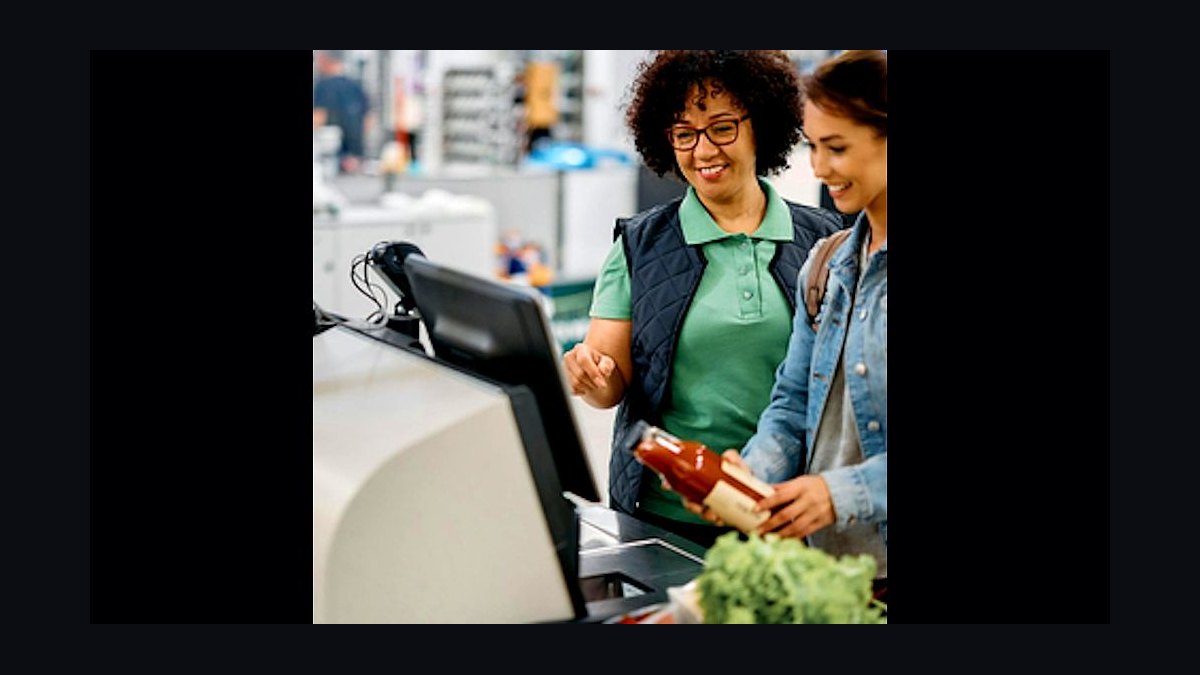
The 10 best tech stack tools for specialty food and grocery retailers are ranked below on measured performance, build quality, price, and how each one actually holds up in daily use rather than how it reads on a spec sheet. Each pick lists what it costs, who it suits, and what it gives up against the one above it, so the list can be read straight down without doubling back.
1ECRS Catapult Grocery POS

ECRS Catapult ranks first because it is the only widely deployed suite built grocery-native from the lane outward, covering POS, item file, purchasing, scale integration, and loyalty in one product. It handles random-weight PLUs, department profit centers, and FNS-certified EBT inside a single mixed basket without bolt-ons. Implementation typically runs six to twelve weeks.
It suits independent grocers and small chains with weighing counters, DSD vendors, and SNAP tender. It trades away boutique front-end flexibility and low per-lane cost, landing in the low hundreds monthly per lane. Compared to IT Retail directly below, Catapult carries deeper perishable and scale tooling but a heavier setup project.
2IT Retail Grocery POS

IT Retail ranks second for grocery-native POS and inventory aimed squarely at one-to-three-store operators, pricing meaningfully below enterprise suites while keeping perishable shrink tracking, department-level margin, and integrated scale support. It handles random-weight items and EBT eligibility logic natively rather than through middleware. Setup is a real project but shorter than full enterprise deployments.
It fits owners who need grocery depth without Catapult's implementation weight and per-lane pricing. It trades away some enterprise category-management depth and multi-store consolidation polish. Against LOC Software just below, IT Retail is friendlier to small operators; against Catapult above, it gives up scale-hardware breadth and loyalty depth.
3LOC Software Grocery Suite

LOC Software ranks third as a grocery-focused retail management suite covering POS, back office, inventory, and scale integration for mid-size food retailers. It supports perishable markdown workflows, department reporting, and weighed-item handling without custom development. Pricing is quote-based and scales with lane count and store count, typically landing above entry grocery POS tiers.
It suits multi-store grocers needing centralized item file control and category management across locations. It trades away the speed of a week-one horizontal POS setup and demands a named item-file owner. Compared to IT Retail above, LOC carries more multi-store architecture; compared to NCR below, it is lighter and less expensive.
4NCR Voyix Grocery POS

NCR Voyix ranks fourth as the enterprise grocery platform regional chains deploy for POS, self-checkout, and store operations at fleet scale. It supports weighed items, EBT, DSD receiving, and central category management across dozens of lanes. Pricing is quote-only and scales into five figures monthly across a fleet, with implementation measured in months.
It fits regional chains with IT staff and central buying organizations, not single-store independents. It trades away affordability and fast deployment for consolidation, compliance, and hardware breadth. Compared to LOC Software above, NCR carries more enterprise infrastructure; compared to Toshiba below, it is the more common North American grocery anchor.
5Toshiba Grocery Commerce POS

Toshiba ranks fifth for enterprise grocery POS and store systems deployed by large supermarket chains, covering lane checkout, self-service, scale integration, and back-office inventory. It handles perishables, EBT, and high-SKU catalogs at scale. Pricing is quote-based and implementation is a multi-month program with vendor services attached.
It fits chains with existing Toshiba hardware estates and centralized IT, where replacing the anchor is a multi-year decision. It trades away flexibility and cost predictability for enterprise reliability. Compared to NCR above, Toshiba is often chosen for hardware continuity; compared to Lightspeed below, it is far heavier and slower to deploy.
6Lightspeed Retail POS

Lightspeed Retail ranks sixth as the strongest horizontal POS for specialty food shops with limited weighing and no SNAP requirement, offering vendor catalogs, purchasing workflows, and inventory that fit small-producer sourcing. Pricing spans roughly a hundred to a few hundred monthly depending on tier and register count. Setup takes days, not months.
It fits butchers, cheesemongers, and wine shops with one scale and modest SKU counts. It trades away native perishable shrink modeling, integrated EBT eligibility, and full DSD receiving, all of which require spreadsheets. Compared to Toshiba above, Lightspeed is cheaper and faster; compared to Square below, it carries stronger purchasing and vendor catalog depth.
7Square for Retail POS

Square for Retail ranks seventh as the lowest-friction anchor for new specialty shops, with a flat monthly per-location fee plus card processing in the mid-2% range and a per-transaction cent charge. Hardware is inexpensive and staff learn checkout in twenty minutes. It handles basic inventory, purchase orders, and barcode scanning competently.
It fits brand-new single shops under roughly 2,000 SKUs with low perishable share and no SNAP tender. It trades away item-level shrink tracking, native EBT logic, and DSD invoice capture. Compared to Lightspeed above, Square is cheaper and simpler; compared to Mercato below, it is the anchor rather than the online channel.
8Mercato Online Grocery Platform

Mercato ranks eighth as a branded storefront provider combining a monthly SaaS fee with a smaller per-order percentage, leaving the retailer owning the customer relationship and purchase data. It syncs catalog, price, and stock back to the POS and supports delivery and pickup scheduling for specialty assortments. Setup is measured in weeks.
It fits grocers who want a branded online channel alongside marketplace acquisition rather than instead of it. It trades away marketplace-scale demand generation for margin retention and data ownership. Compared to Rosie below, Mercato carries broader independent-grocer adoption; compared to Instacart, it costs less per order but reaches fewer new shoppers.
9Rosie Online Grocery App

Rosie ranks ninth as a branded e-commerce and loyalty platform for independent grocers, pairing a monthly SaaS fee with a per-order percentage and syncing catalog and stock to the POS. It includes customer accounts, order history, and targeted offer tooling tied to basket data. Deployment typically runs several weeks including catalog verification.
It fits single and small multi-store grocers wanting an owned online channel without marketplace commissions. It trades away demand generation and app-store reach for margin and data control. Compared to Mercato above, Rosie leans harder into loyalty integration; compared to Instacart below, it reaches far fewer new customers.
10Instacart Marketplace Platform

Instacart ranks tenth as the marketplace acquisition channel charging retailers commission and fees that materially reduce per-order margin in exchange for demand no independent can generate alone. It reaches shoppers already on the platform and handles picking, delivery, and support. Onboarding is fast and requires no storefront build.
It fits retailers treating online as paid acquisition rather than a margin channel, ideally alongside a branded storefront. It trades away customer relationship ownership and per-order margin. Compared to Rosie above, Instacart delivers volume but not data; running both and converting shoppers is the economically correct posture.
How we ranked these
We ranked tools on grocery-specific capability weighted by operational impact: random-weight and scale integration (20%), perishable shrink and markdown modeling (18%), native EBT/SNAP eligibility handling (15%), DSD receiving and invoice capture (14%), category-level margin and velocity reporting (13%), online catalog sync fidelity (10%), loyalty tied to basket data (6%), and total cost including implementation labor (4%). Scores came from vendor documentation, published pricing, and operator-reported migration timelines.
We deliberately ignored brand prestige, demo polish, and feature-count marketing. We excluded general accounting suites, payment processors evaluated in isolation, and hardware-only vendors with no software layer. We also ignored AI claims without shipped functionality, because in food retail an unproven feature is a liability during a Saturday rush. Anything that could not be verified against current vendor documentation or a live quote was dropped rather than estimated.
What to look for
What matters most is fit against five structural facts: weighing counters, SNAP share of tender, DSD vendor count, SKU count, and perishable share of inventory dollars. Two or more weighing counters or fifteen DSD vendors pushes you toward a grocery-native suite almost regardless of budget. Below 2,000 SKUs with low spoilage, a horizontal POS plus disciplined item file work is genuinely sufficient.
The mistake most buyers make is comparing monthly subscription against monthly subscription. The honest comparison includes labor spent working around missing features: keying weights, reconciling DSD invoices in spreadsheets, manually syncing online catalogs, and hand-building margin reports. Price four hours a week of manager time realistically and the cheaper stack often stops being cheaper. Also budget scale hardware as capital, not subscription.
Related questions
Do I need EBT/SNAP support if I only sell gourmet products?
Generally no. If your basket is prepared foods, wine, and specialty confections with no staples, SNAP certification adds work with little revenue return. The moment you add milk, eggs, bread, or produce, revisit it, because acceptance affects both revenue and neighborhood standing in ways a gourmet-only assortment does not.
Can I add grocery capability to Square or Lightspeed later?
Partially. Scales, online ordering, and loyalty can be bolted on. What cannot be retrofitted convincingly is item-level perishable shrink modeling, native SNAP eligibility logic inside mixed baskets, and full DSD receiving. Those are architectural, which is exactly why the start-assembled-migrate-later path needs a defined trigger and a clean item file.
How long does a grocery POS migration actually take?
Plan six to twelve weeks from contract to stable operation for a single store, with item file construction consuming the largest share. Multi-store rollouts stage store by store. The variable that moves the timeline most is item file quality going in, not vendor implementation speed, so clean your data before signing.
Is Instacart worth the commission for a specialty retailer?
Usually yes, as paid acquisition rather than a margin channel. It reaches shoppers you cannot generate alone. The mistake is treating it as your only online presence. Run a branded storefront alongside it so you own the customer relationship and the purchase data, then work to convert marketplace shoppers over.
What is the cheapest viable stack for a brand-new single shop?
A horizontal retail POS with integrated card processing, one integrated counter scale if you sell by weight, a branded online order page, and QuickBooks. That lands in the mid-hundreds monthly plus hardware. It works until you add staples, multiple weighing counters, or more than a handful of DSD vendors.
How do I know when to migrate off a general-retail POS?
Set the trigger in advance. Common ones: a second weighing counter, SNAP becoming meaningful tender, more than eight DSD vendors, crossing roughly 8,000 SKUs, or perishables exceeding a third of inventory dollars. When two triggers fire in the same year, the workaround labor usually already exceeds the suite premium.
Does loyalty actually pay for itself in grocery?
Only if you analyze the basket data and test offers against holdout groups. Without measurement, loyalty is a permanent margin reduction dressed as a program. Wired into a BI layer with repeat-visit frequency as the outcome metric, it becomes one of the highest-return line items in the stack.
What should I budget for integrated counter scales?
Roughly $1,500 to $4,500 per counter for Hobart or Bizerba units with label printing, less for CAS at lighter volume. This is capital, priced per counter, so a store with deli, butcher, and bakery is buying three. Add label stock, printheads, and service contracts as ongoing minor costs.
FAQ
What is the best tech stack for a specialty food or grocery retailer in 2027?
Anchor on a grocery-native POS and inventory suite that handles perishables, random-weight items, and EBT/SNAP natively, then add DSD receiving, category management, an online ordering channel, loyalty, and a BI layer exposing shrink and true gross margin. Horizontal retail POS works only below roughly 2,000 SKUs with low perishable share.
Why can't a general retail POS handle grocery properly?
It lacks item-level perishable shrink modeling, native SNAP eligibility logic inside mixed baskets, and full DSD receiving with invoice and allowance capture. Those are architectural, not integrations. Bolting on scales and online ordering helps, but the margin visibility gap remains, and shrink becomes a plug figure discovered at inventory count.
How many weighing counters justify a grocery-native suite?
Two or more. With one counter and a standalone scale, manual entry is survivable. With a deli plus butcher case, or cheese plus prepared foods, every keyed weight is a chance to misprice. Integrated scales printing barcoded priced labels that scan straight through the lane remove that entire error class.
When does SNAP acceptance become mandatory rather than optional?
The moment you carry staples: milk, eggs, bread, dry goods, produce. It requires FNS authorization and a certified POS-integrated EBT path that separates eligible from ineligible items inside one mixed basket. Bolt-on terminals beside the register create daily reconciliation work and slow every transaction.
How many DSD vendors before manual receiving breaks down?
Three is manageable. Fifteen is a full-time receiving problem. Beverage, snack, bread, and local-producer vendors all leave invoices, and cost changes, promotional allowances, and credits for unsold product must land against the item file or reported margins are fiction. Spreadsheets hide that gap until year-end.
What SKU count makes category management essential?
Above roughly 8,000 SKUs with a third or more of inventory dollars in perishables, you need item-level shrink tracking, automated markdown workflows, and category-level velocity reporting. Below that, a general-retail POS handles the catalog comfortably and category management is a nice-to-have rather than a survival requirement.
Should I run Instacart and a branded storefront at the same time?
Yes for most retailers. Treat the marketplace as paid acquisition and the branded storefront as the margin and data channel. Marketplace commissions materially reduce per-order margin but deliver demand you cannot generate alone. Convert those shoppers over time, and never let the marketplace become your only online presence.
What is the biggest implementation mistake grocery retailers make?
Launching everything at once during a busy season. Grocery has no downtime, so sequence the work: anchor and item file first, margin machinery second, retention and visibility third. Never migrate the item file and launch e-commerce in the same month, and run the old system in parallel on one lane for a week.
How do I compare total cost between a cheap stack and a grocery-native suite?
Add workaround labor to the subscription. Keying weights, reconciling DSD invoices in spreadsheets, manually syncing online catalogs, and hand-building margin reports consume real hours. Price four hours a week of manager time realistically and the cheaper stack frequently stops being cheaper, especially once shrink is measured.
Who should own the item file after go-live?
A named person, with weekly review on the calendar. Every major failure mode traces back to unmaintained data: catalog drift online, wrong tax flags, stale costs, missing PLUs. The best stack in the category cannot outrun an unowned item file, and the degradation is gradual enough that nobody notices until margins slip.
Sources
- https://www.ecrs.com/catapult
- https://www.itretail.com/
- https://www.locsoftware.com/
- https://squareup.com/us/en/retail
- https://www.lightspeedhq.com/retail/
- https://www.instacart.com/company/retailers
- https://www.mercato.com/
- https://www.rosieapp.com/
- https://www.fns.usda.gov/snap/retailer
- https://www.hobartcorp.com/
Related on PULSE
This page will be disappearing soon. Save it to your device for $1 — or read it free while it is here.
@Kory-White- · if Venmo asks, the last 4 of my number are 2012
This page is gone.
This one is off the shelf now. $1 keeps it on your phone for good — the whole page, pictures and diagrams included.
 pulse-tech-stacksTop 10 Best Tech Stack Tools for Independent Driving Schools in 2027
 pulse-tech-stacksTop 10 Best Tech Stack Tools for CrossFit Boxes in 2027
 pulse-tech-stacksTop 10 Best Tech Stack Tools for Software Development Agencies in 2027
 pulse-tech-stacksTop 10 Best Tech Stack Tools for Independent Landscaping Companies in 2027
 pulse-tech-stacksTop 10 Best Tech Stack Tools for Independent Food Trucks in 2027
 pulse-tech-stacksTop 10 Best Tech Stack Tools for AI Legal Tech Companies in 2027
 pulse-tech-stacksTop 10 Best Tech Stack Tools for Data Loss Prevention (DLP) Software Vendors in 2027
 pulse-tech-stacksTop 10 Best Tech Stack Tools for Appliance Repair Services in 2027
 pulse-tech-stacksTop 10 Best Tech Stack Tools for Embeddings API Companies in 2027
 pulse-tech-stacksTop 10 Best Tech Stack Tools for Mobile Threat Defense (MTD) Vendors in 2027