


Top 10 Best Tech Stack Tools for Commercial Trucking and Carrier Fleets in 2027
Quality
Certified
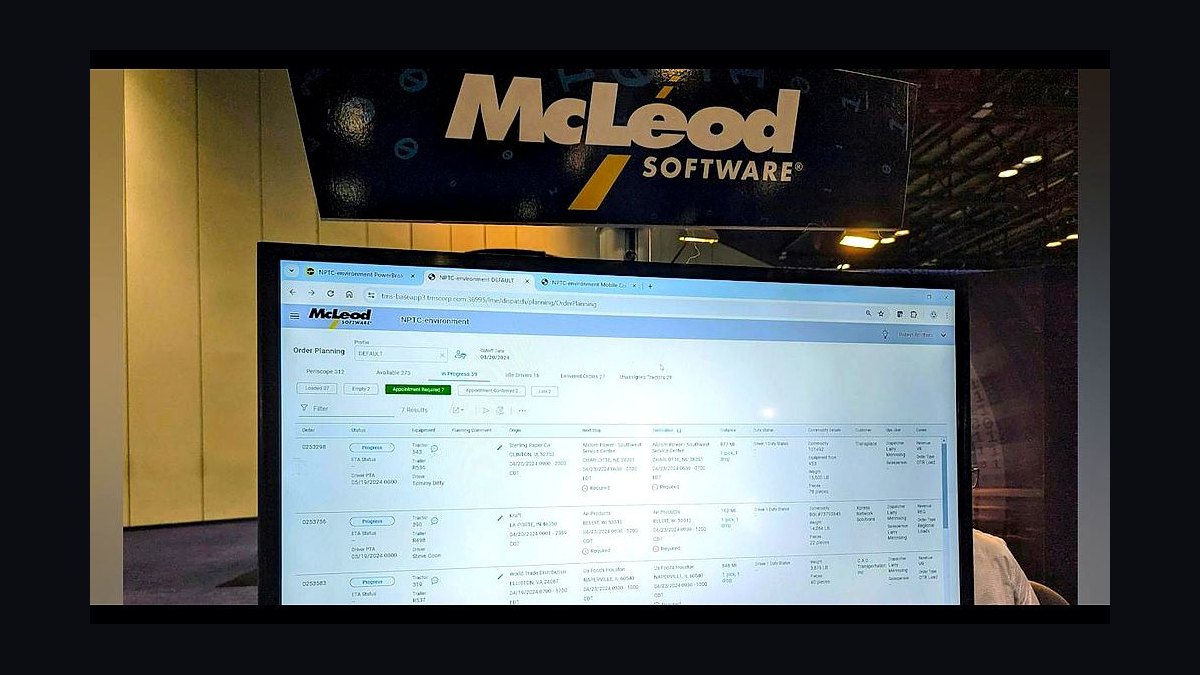
The 10 best tech stack tools for commercial trucking and carrier fleets are ranked below on measured performance, build quality, price, and how each one actually holds up in daily use rather than how it reads on a spec sheet. Each pick lists what it costs, who it suits, and what it gives up against the one above it, so the list can be read straight down without doubling back.
1McLeod Software LoadMaster
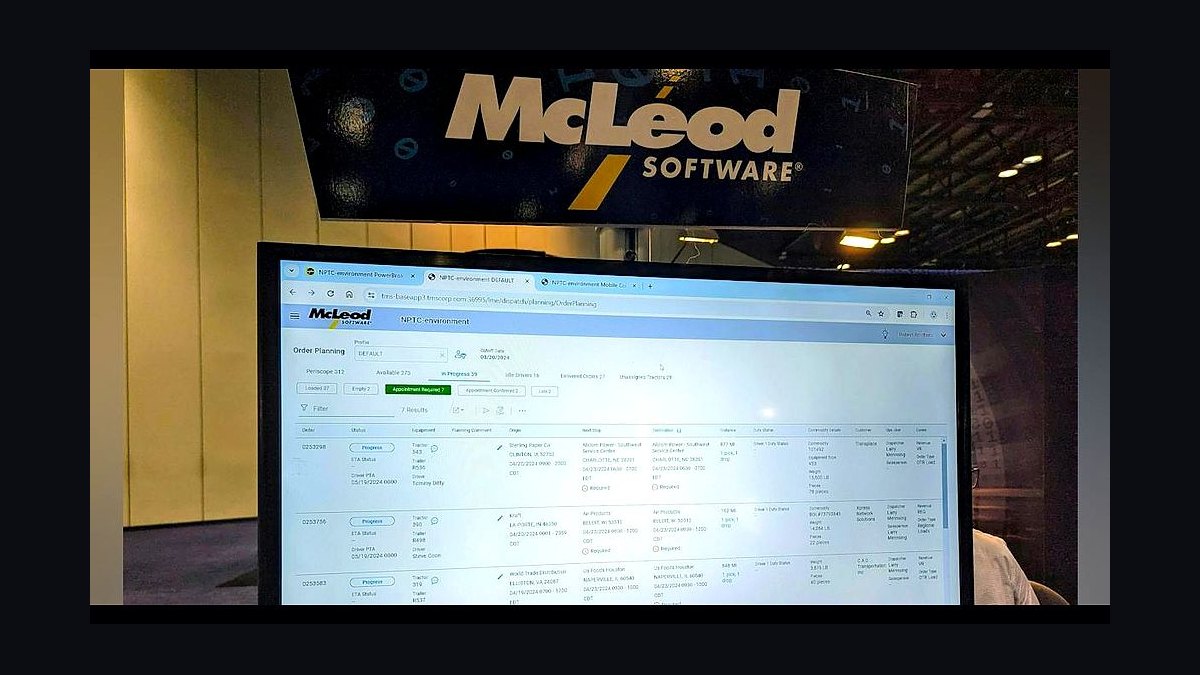
McLeod LoadMaster ranks first because it is the dominant TMS for mid-to-large for-hire carriers, with deep dispatch, order management, settlements, and EDI built for asset-based truckload operations. Pricing typically runs $1,500-$5,000+ per month depending on seats and modules, plus implementation fees. It anchors the revenue engine: load booking, tendering, tracking, billing, and driver pay all flow through one record, and it integrates with telematics and factoring partners without rekeying.
It is built for carriers running roughly 25 trucks and up that need enterprise-grade dispatch and settlement depth. It trades away simplicity: configuration is heavy, implementation takes weeks, and a 15-truck fleet may never use half the modules it pays for. Fleets below that scale should compare it directly against Axon Software, which bundles TMS and accounting in one real-time system at roughly $1,000-$3,000 per month.
2Trimble Transportation TMW.Suite
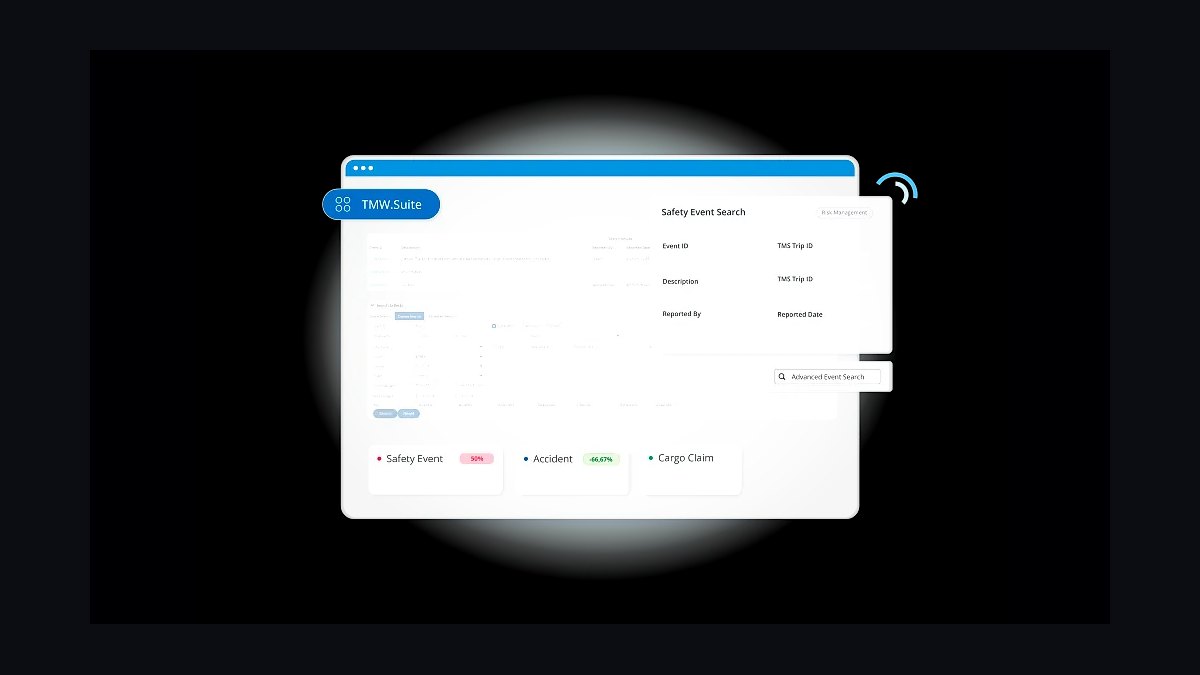
Trimble TMW.Suite ranks second as the other enterprise-grade TMS, especially strong for asset-heavy, intermodal, and complex multi-mode carriers that need deep order and settlement configurability. It competes head-to-head with McLeod for large fleets, and TruckMate serves smaller operations within the same family. Expect enterprise licensing, significant implementation effort, and a footprint that supports EDI at scale across brokers, shippers, and rail partners.
It is for carriers with dedicated IT resources and enough volume to justify customization, generally 50 trucks and above. It trades away speed of deployment and out-of-the-box simplicity compared with McLeod, and both require real configuration discipline. Smaller fleets comparing it against Axon Software will find Axon cheaper and faster to stand up, but less flexible at enterprise scale.
3Axon Software Trucking System
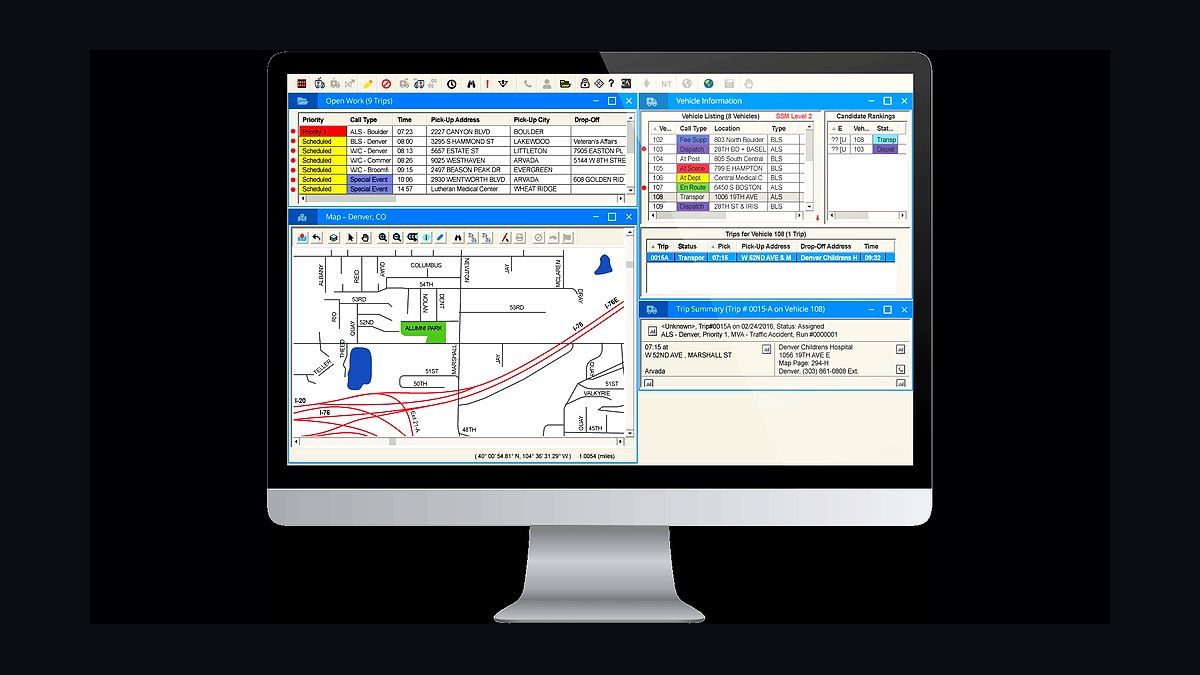
Axon Software ranks third because it combines TMS and full accounting in one real-time integrated system with no batch posting, which is rare in trucking software. Pricing typically runs $1,000-$3,000 per month, and it handles dispatch, settlements, invoicing, and general ledger in a single database. For small-to-mid fleets that would otherwise run a TMS plus QuickBooks plus manual reconciliation, that integration removes an entire nightly process.
It is for fleets roughly in the 5-to-50 truck range that want accounting and dispatch in one place without enterprise overhead. It trades away some of the deep customization and EDI breadth that McLeod and Trimble offer at the top end. Fleets under 10 trucks should compare it against Truckbase and Tailwind, which are lighter and cheaper but do not include full accounting.
4Samsara Connected Operations Platform
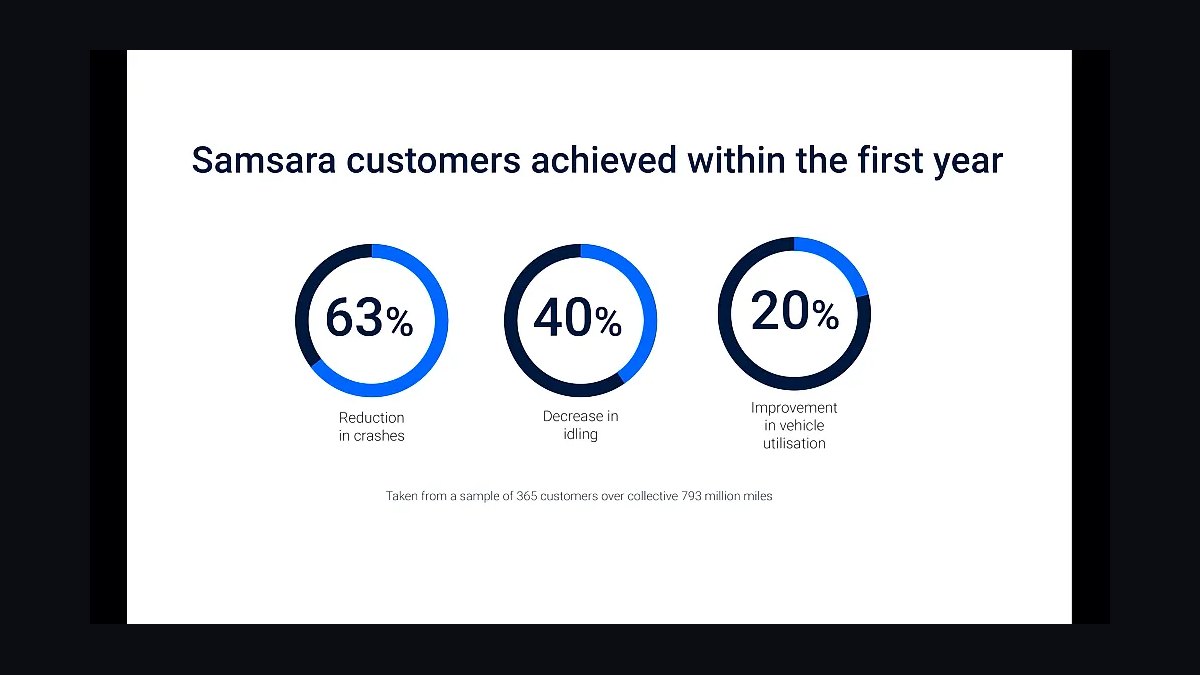
Samsara ranks fourth as the leading modern telematics layer, covering ELD and HOS compliance, GPS tracking, AI dash cams, DVIR, IFTA mileage capture, and maintenance alerts at roughly $30-$50 per truck per month plus hardware. The federal ELD mandate makes this layer legally mandatory, and Samsara's integration exports IFTA mileage and HOS data cleanly into major TMS platforms, saving bookkeeping days each quarter.
It is for fleets of nearly any size that want safety scoring, camera coaching, and utilization data in one platform. It trades away some cost versus bare-bones ELD providers, and camera programs require driver buy-in. Fleets comparing it against Motive will find similar pricing and capability; the deciding factor is usually which one integrates more cleanly with the TMS already in place.
5Motive ELD and Telematics
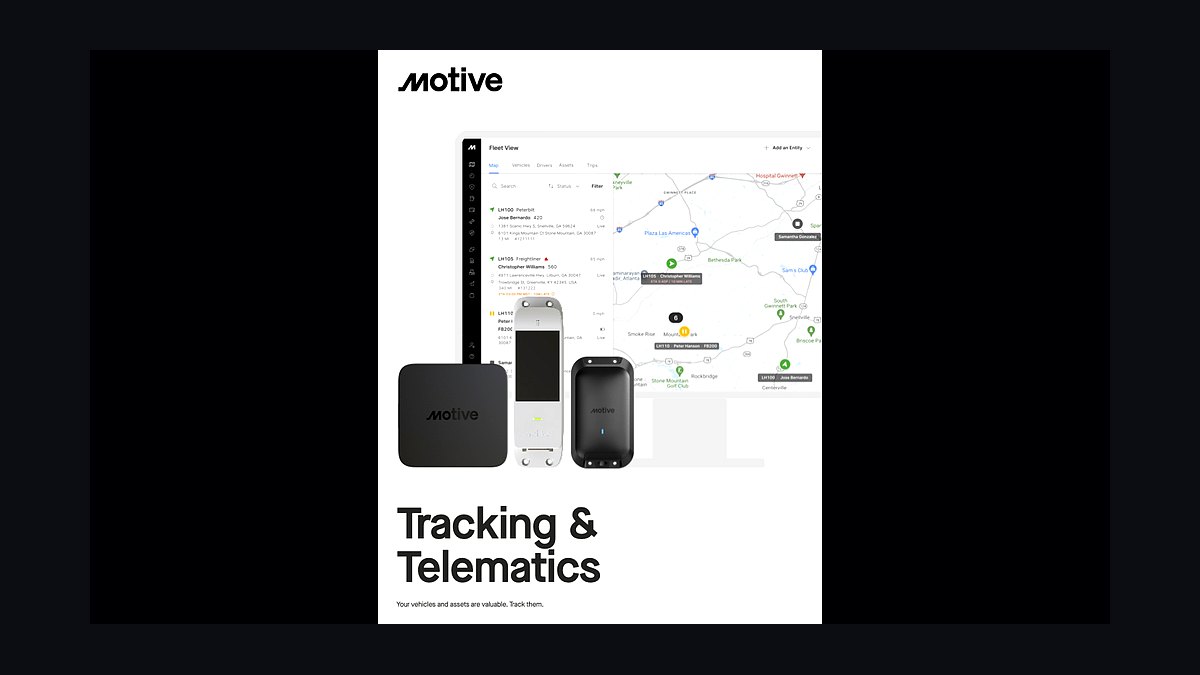
Motive ranks fifth as the other market-leading ELD and telematics platform, delivering HOS logs, GPS tracking, AI dash cams, DVIR, and IFTA mileage at roughly $30-$50 per truck per month plus hardware. It is especially common among owner-operators and small fleets because onboarding is fast and the in-cab app is simple for drivers to learn. IFTA mileage capture feeds quarterly fuel-tax filing directly.
It is for owner-operators and small-to-mid fleets that want compliance and tracking without enterprise complexity. It trades away some of the deeper safety analytics and integration breadth that Samsara offers at larger scale. Fleets pairing it with Truckbase or Tailwind get a complete sub-$1,000-per-month stack; fleets running McLeod should confirm the TMS integration before committing.
6DAT Load Board
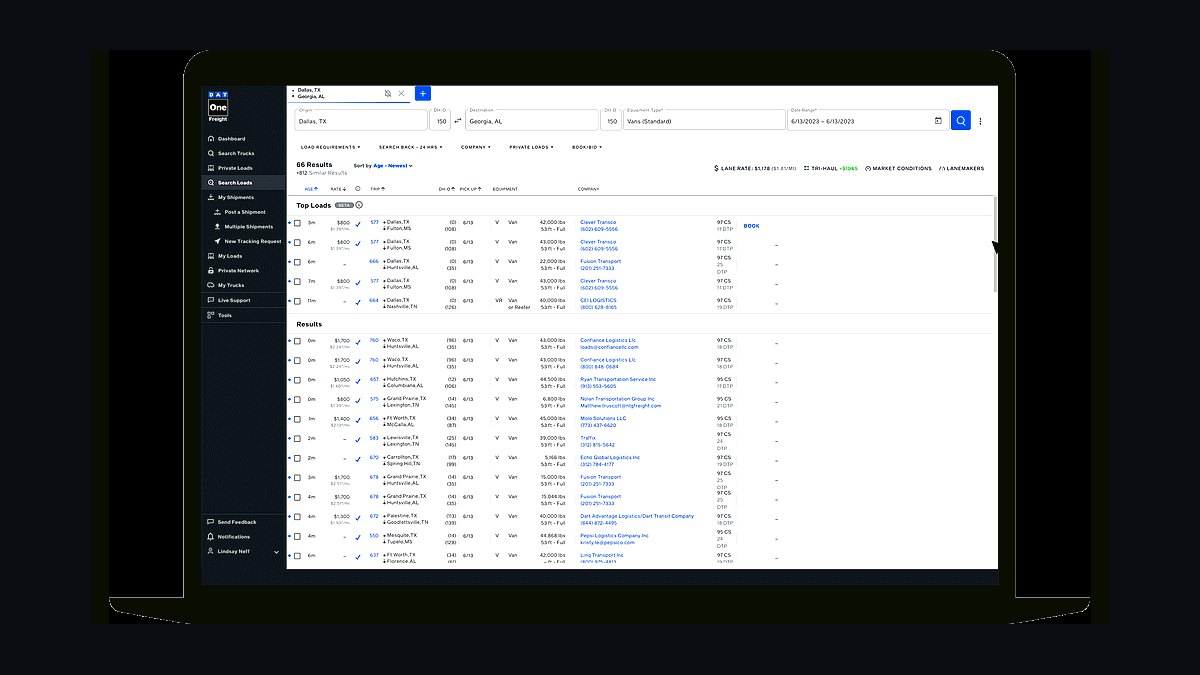
DAT ranks sixth as the largest load board and rate-benchmark source, used by carriers that haul spot freight or cover empty backhauls. Pricing runs roughly $45-$300 per month per seat depending on tier and rate analytics access. Its lane rate intelligence should directly inform what loads a dispatcher accepts, and it is the reference point most brokers and carriers use when negotiating spot rates.
It is for carriers that need freight sourcing beyond dedicated contract lanes, from owner-operators to large fleets covering backhauls. It trades away nothing structurally, but it is a marketplace, not a system of record, so it must feed the TMS rather than replace it. Fleets comparing it against Truckstop.com will find similar coverage; many run both because lane depth differs by region and equipment type.
7Truckstop.com Load Board
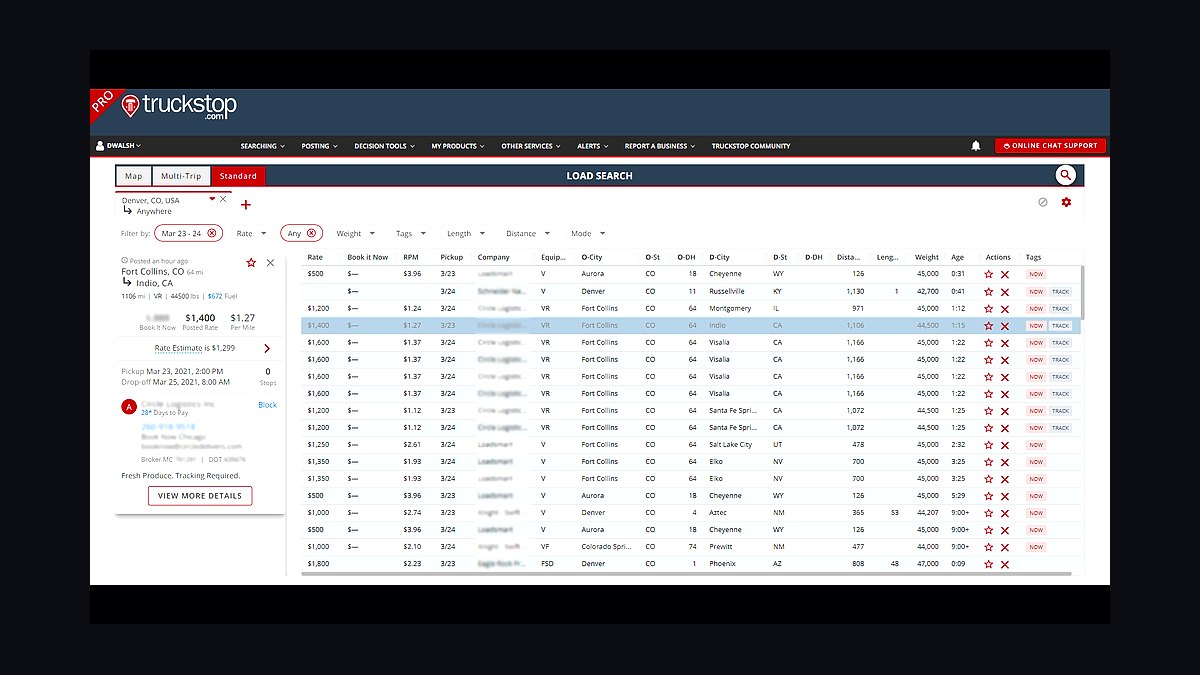
Truckstop.com ranks seventh as the primary competitor to DAT, offering load sourcing, rate benchmarking, and broker credit data across spot and contract freight. Pricing is comparable, roughly $45-$300 per month per seat by tier. For specialized and open-deck carriers, its lane depth in flatbed and oversize freight is often the reason it gets added alongside DAT rather than instead of it.
It is for carriers that need a second marketplace for coverage, particularly flatbed, specialized, and regional operations. It trades away the single-source simplicity of running one board, and dispatchers must manage two logins and two sets of rate data. Fleets running mostly dedicated contract freight can often skip both boards and rely on the TMS for tendered loads.
8WEX Fuel Card
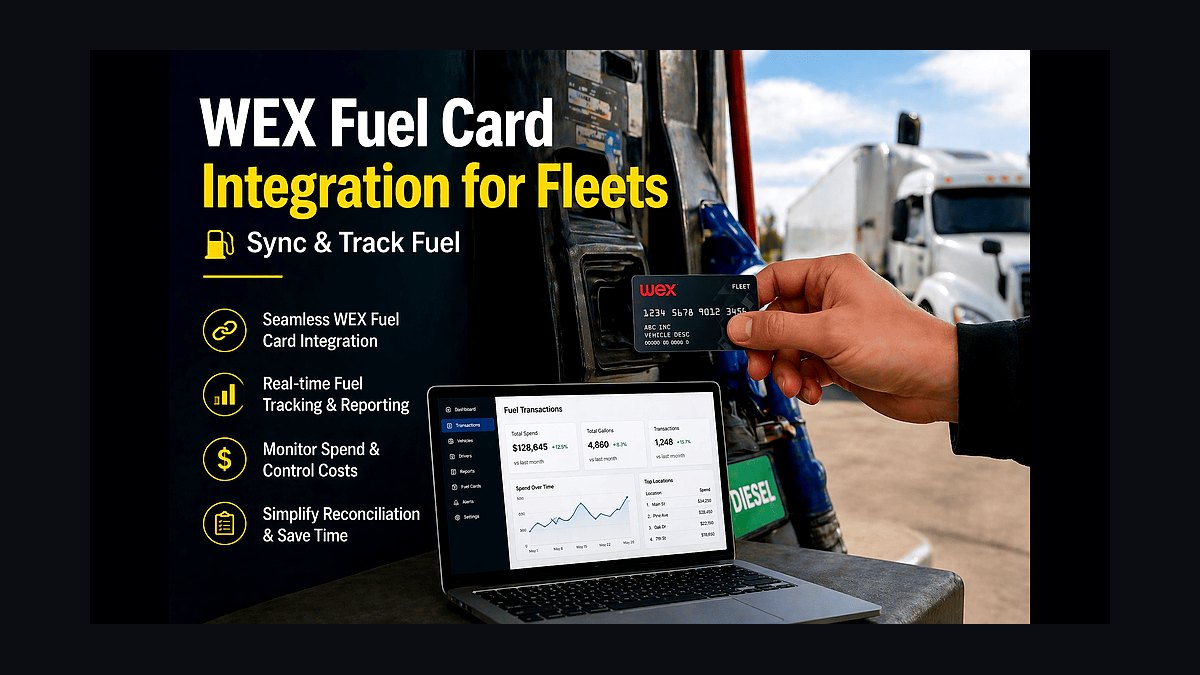
WEX ranks eighth because fuel is the single largest controllable cost at 25-35 percent of revenue, and a fuel card program delivers negotiated truck-stop discounts, spend controls, and clean purchase data that flows into IFTA fuel-tax reporting. Card fees are typically low or rebated against volume, so the effective cost is often near zero for active fleets. Purchase-level data removes manual fuel entry from quarterly tax filing.
It is for fleets of any size that buy diesel at retail truck stops, from owner-operators to large carriers. It trades away nothing operationally, but the card alone does not cut cost; routing to low-tax states and reducing idle time tracked by telematics does. Fleets comparing it against EFS/Comdata or TCS Fuel will find similar discount networks, so the deciding factor is usually which one integrates with the existing TMS and fuel-tax workflow.
9RTS Financial Factoring

RTS Financial ranks ninth because 30-to-45-day broker and shipper terms against thin per-mile margins make cash timing the whole game. Factoring advances roughly 90-97 percent of an invoice within a day for a fee of about 1-3 percent, converting a delivered load into cash before the next fuel bill and driver settlement come due. Integration with the TMS lets a billed load submit automatically without rekeying.
It is for small and mid-size fleets that cannot self-fund the gap between delivery and payment. It trades away 1-3 percent of revenue, which is real money on low single-digit net margins. Carriers with strong balance sheets and net-15 customers can skip factoring entirely; fleets comparing it against Triumph or OTR Solutions should weigh advance rate, fee, and TMS integration rather than brand alone.
10Fleetio Maintenance Software
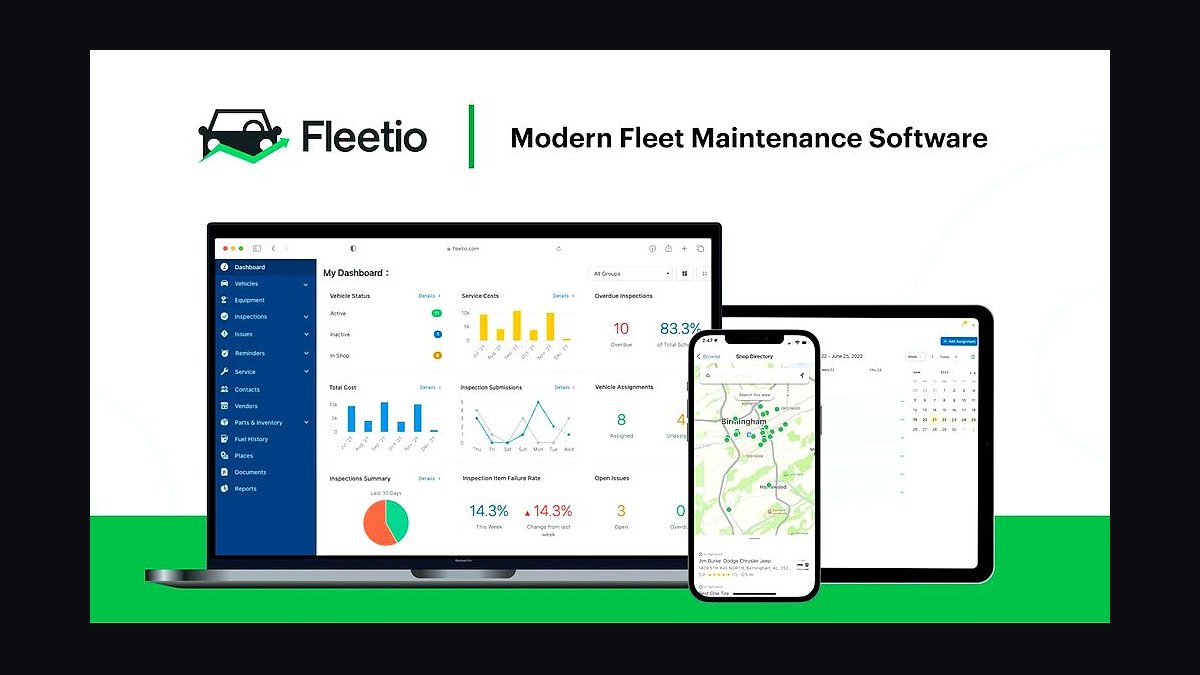
Fleetio ranks tenth as the preventive-maintenance layer that keeps trucks out of the breakdown cycle, priced at roughly $5-$8 per asset per month. It handles PM scheduling, work orders, parts inventory, and DVIR-to-repair workflow, so a defect written up at a roadside inspection becomes a tracked repair instead of a sticky note. Downtime in the shop is lost revenue, and scheduled service is far cheaper than a mid-haul failure.
It is for growing fleets that have outgrown a whiteboard but do not yet need a full shop management system. It trades away deep integration with enterprise TMS platforms compared with a native maintenance module, so data may need export. Fleets running McLeod or Trimble at scale often use the built-in shop system instead; fleets under 150 trucks usually find Fleetio cheaper and faster to deploy.
How we ranked these
We ranked tools by four weighted factors: dispatch-to-settlement depth (30%), ELD/HOS and IFTA compliance integration (25%), total cost per truck per month including implementation (25%), and verified data-exchange with load boards, fuel cards, and factoring partners (20%). Scores came from vendor documentation, published pricing tiers, and operator-reported workflows across owner-operator through enterprise fleet sizes.
We deliberately ignored brand recognition, conference presence, and feature counts that never touch a load. We excluded tools with no verifiable ELD-to-TMS integration, no IFTA mileage export, or pricing only available behind a sales call, because those cannot be evaluated on the same basis. Marketing claims about AI dispatch were ignored unless the vendor documented the underlying data flow.
What to look for
What matters most is whether the TMS matches your dispatcher's actual sophistication and fleet size. A 15-truck carrier buying an enterprise system it cannot configure ends up dispatching in a spreadsheet while paying for shelfware. Prioritize tested ELD-to-TMS integration, clean IFTA mileage export, and factoring submission that does not require rekeying invoices.
The mistake most buyers make is shopping features instead of the revenue loop. They compare dashboards while ignoring whether HOS hours, GPS position, and DVIR data flow back into the load record automatically. A stack that looks modern but forces a bookkeeper to rebuild fuel tax by hand every quarter is more expensive than the license fee suggests.
Related questions
What is the best TMS for a small trucking fleet in 2027?
For under 10 trucks, Truckbase, Tailwind, and Q7 by Frontline offer clean dispatch and invoicing at roughly $200-$600 per month. Axon Software fits small-to-mid fleets wanting TMS and accounting in one real-time system. McLeod and Trimble are usually overkill below 25 trucks unless you have dedicated IT support.
How much does a full trucking tech stack cost per month?
An owner-operator runs roughly $300-$900 monthly before factoring fees. Small fleets under 10 trucks spend about $1,500-$4,000. Mid-size fleets of 10-150 trucks commonly land at $8,000-$25,000 all-in. Large carriers exceed $25,000 monthly plus implementation and custom development. Factoring adds 1-3 percent of invoiced revenue.
Do I need both a TMS and an ELD provider?
Almost always yes. The TMS handles dispatch, settlements, and billing, while the ELD handles federally mandated hours-of-service logging, GPS, and DVIR. Motive and Samsara dominate the ELD layer. The critical requirement is a tested integration so HOS hours, IFTA mileage, and inspection data flow into the load record automatically.
Which load board is better, DAT or Truckstop.com?
DAT is the largest board and the standard rate benchmark, while Truckstop.com is its primary competitor. Both cost roughly $45-$300 per seat monthly depending on tier and analytics. Most carriers use one as primary and the other to cover empty backhauls. Asset-based carriers on dedicated contract freight lean on boards less.
How does factoring integrate with a trucking TMS?
The factoring partner should connect directly to your TMS so a delivered, billed load submits automatically without rekeying. RTS Financial, Triumph, and OTR Solutions advance 90-97 percent of an invoice within a day for roughly 1-3 percent. Large carriers with strong balance sheets often skip factoring and self-fund receivables.
What is IFTA reporting and which tool handles it?
IFTA is quarterly fuel-tax reporting across every state a truck operates in. It is usually handled inside the TMS or telematics platform using captured mileage and fuel-purchase data. EROAD is particularly strong at accurate state-by-state mileage. Clean fuel card data from WEX, EFS, Comdata, or TCS Fuel feeds the same calculation.
Is Fleetio enough for truck maintenance, or do I need a shop system?
Fleetio at roughly $5-$8 per asset monthly handles preventive maintenance scheduling, work orders, parts inventory, and DVIR-to-repair workflow for growing fleets. Large carriers with in-house shops typically run a dedicated maintenance system integrated with the TMS. The goal is keeping units out of the breakdown cycle that destroys per-mile economics.
What should a 90-day trucking software rollout look like?
Days 0-30: pick a right-sized TMS, configure dispatch and lanes, deploy ELDs fleet-wide, train drivers. Days 31-60: integrate ELD to TMS, wire the fuel card and factoring, validate one full dispatch-to-payment cycle. Days 61-90: add Fleetio and Transflo, build Power BI dashboards on revenue-per-mile and utilization.
FAQ
Do I really need a TMS as an owner-operator, or is a spreadsheet fine?
A spreadsheet works for a week and breaks the first time you need an IFTA filing or a factoring submission. A light TMS like Truckbase or Tailwind at a couple hundred dollars monthly handles dispatch, invoicing, and settlements and pays for itself the first quarter you avoid hand-building a fuel-tax report. The ELD is legally mandatory regardless.
McLeod vs. Trimble vs. Axon — how do I choose?
McLeod LoadMaster and Trimble TMW.Suite or TruckMate are enterprise-grade and dominate mid-to-large asset-based carriers, with serious configuration and implementation effort. Axon wins for small-to-mid fleets wanting TMS and accounting as one real-time system instead of two tools and a nightly batch. Below 10 trucks, Truckbase, Tailwind, or Q7 fit better.
Is factoring worth the fee, or is it just expensive debt?
On thin per-mile margins with 30-45 day broker terms, the real question is whether you can fund the next tank of fuel and driver settlement while waiting to get paid. Factoring at 1-3 percent buys same-day cash and predictable runway. Carriers with strong balance sheets and net-15 customers can skip it; most growing fleets cannot.
What is the one integration I should not skip?
ELD-to-TMS. Dispatch must see real-time legal driving hours, and the TMS must capture IFTA mileage and DVIR automatically. Skipping it means dispatchers assign loads to drivers who are out of hours, and the bookkeeper rebuilds fuel tax by hand every quarter. Demand a tested integration, not a CSV export.
How do I control fuel cost beyond just a fuel card?
The card gets you negotiated discounts and clean data. The savings come from routing and behavior: buying fuel in low-tax states, cutting idle time tracked by telematics, coaching harsh-driving and over-speed events, and routing to cut deadhead miles. Fuel runs 25-35 percent of revenue, so a few percent saved is real margin.
Can one platform do everything so I avoid integrations?
Axon comes closest for small-to-mid fleets by combining TMS and accounting, and McLeod covers a wide footprint. But the ELD and telematics layer and load boards are almost always separate specialists. Plan for at least TMS, ELD, fuel card, and factoring as distinct vendors that must exchange data cleanly.
How do I cut deadhead miles with software?
The TMS optimizes load assignment against truck position and available hours, while telematics reports actual empty miles run. DAT and Truckstop.com rate analytics show which backhaul lanes pay enough to justify repositioning. Reviewing deadhead percentage weekly in a Power BI dashboard turns the metric into a dispatch decision rather than a year-end surprise.
What compliance items does the stack have to cover besides HOS?
Driver qualification files, pre- and post-trip DVIR inspections, CSA score tracking, IFTA quarterly fuel tax, IRP apportioned plates, and the 2290 heavy-vehicle use tax. The ELD handles HOS and DVIR capture; the TMS or telematics handles IFTA mileage. Missing any of these can put a truck out of service at a roadside inspection.
How important is driver retention software to the tech stack?
Turnover at large truckload carriers routinely exceeds 80 percent annually, and an empty seat means an idle truck and lost revenue. A recruiting and onboarding workflow that keeps seats filled is part of the revenue stack, not HR overhead. Pair it with telematics-based driver scorecards and coaching to reduce preventable turnover.
Should I run Power BI on top of my TMS data?
Yes, once you have more than a handful of trucks. Power BI turns exported TMS, telematics, and fuel data into revenue-per-mile, cost-per-mile, utilization, and on-time dashboards. Without that visibility, carriers take freight at rates that lose money and the loss hides until cash runs out. Start with four core metrics.
Sources
- https://www.fmcsa.dot.gov/hours-service/elds/electronic-logging-devices
- https://www.ifta.org/
- https://www.gartner.com/en/documents/transportation-management-systems
- https://www.dat.com/
- https://www.truckstop.com/
- https://www.mcleodsoftware.com/
- https://www.trimble.com/en/transportation
- https://www.samsara.com/
- https://gomotive.com/
- https://www.fleetio.com/
Related on PULSE
This page will be disappearing soon. Save it to your device for $1 — or read it free while it is here.
@Kory-White- · if Venmo asks, the last 4 of my number are 2012
This page is gone.
This one is off the shelf now. $1 keeps it on your phone for good — the whole page, pictures and diagrams included.
 pulse-tech-stacksTop 10 Best Tech Stack Tools for Commercial HVAC Contractors in 2027
 pulse-tech-stacksTop 10 Best Tech Stack Tools for Vulnerability Management Software Vendors in 2027
 pulse-tech-stacksTop 10 Best Tech Stack Tools for Movie Theaters in 2027
 pulse-tech-stacksTop 10 Best Tech Stack Tools for AI Document Intelligence Companies in 2027
 pulse-tech-stacksTop 10 Best Tech Stack Tools for AI Observability Platform Companies in 2027
 pulse-tech-stacksTop 10 Best Tech Stack Tools for Pilates Studios in 2027
 pulse-tech-stacksTop 10 Best Tech Stack Tools for Independent Roofing Contractors in 2027
 pulse-tech-stacksTop 10 Best Tech Stack Tools for Employee Benefits Consulting Firms in 2027
 pulse-tech-stacksTop 10 Best Tech Stack Tools for Bars and Pubs in 2027
 pulse-tech-stacksTop 10 Best Tech Stack Tools for Medical Billing and RCM Companies in 2027