


Top 10 Best Tech Stack Tools for Waste Management and Hauling Companies in 2027
Quality
Certified
The 10 best tech stack tools for waste management and hauling companies are ranked below on measured performance, build quality, price, and how each one actually holds up in daily use rather than how it reads on a spec sheet. Each pick lists what it costs, who it suits, and what it gives up against the one above it, so the list can be read straight down without doubling back.
1AMCS Platform

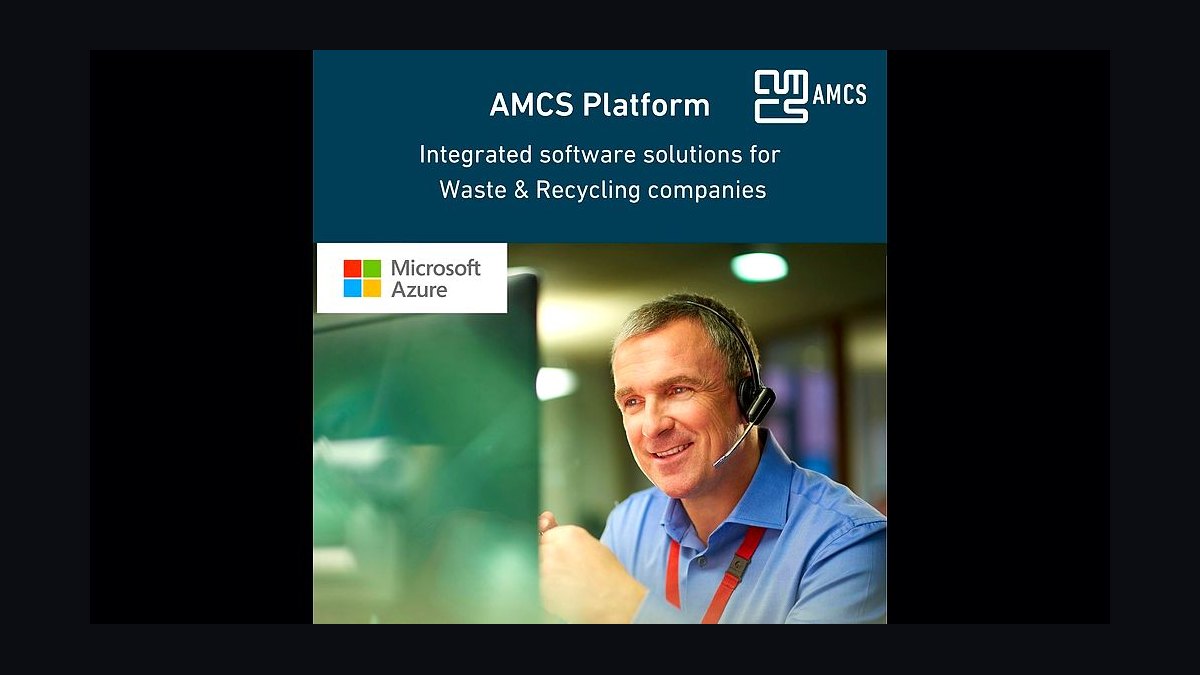
AMCS Platform ranks first because it is the only suite that unifies billing, routing, weighbridge, RFID container tracking, and financials for multi-yard haulers. It handles residential subscription, commercial front-load, and roll-off rental-day billing in one customer file. Enterprise deployments run six figures annually plus implementation, so the cost only earns out at scale.
AMCS is built for haulers running dozens of trucks across multiple yards or lines of business — collection plus transfer plus recycling. It trades away low entry cost and fast onboarding; implementations take a quarter or more. Below 60 trucks, Soft-Pak or Starlight delivers most of the operational value at a fraction of the commitment.
2Soft-Pak

Soft-Pak ranks second as the mid-market workhorse, quoted in the low thousands per month as commercial and roll-off volume grows. Its billing engine handles mid-cycle proration, container swaps, and tonnage overage tiers natively. Decades of hauling edge cases are baked into the data model, which is why regional fleets keep it for years.
It fits 10-60 truck haulers that need deep billing logic without an enterprise contract. It trades away the polished self-service portal and mobile experience of cloud-native rivals. Compared to AMCS above, Soft-Pak is materially cheaper and faster to deploy but weaker on multi-entity financials and unified weighbridge integration.
3Starlight Software

Starlight ranks third for cloud-native haulers that want online roll-off ordering, driver mobile apps, and per-truck monthly pricing in the hundreds to low thousands. Its self-service booking captures after-hours contractor and homeowner demand that phone-only competitors miss entirely. Onboarding needs no server in the back office.
It suits small-to-mid operators prioritizing customer-facing experience over decades of legacy billing depth. It trades away some of Soft-Pak's battle-tested edge-case handling on complex municipal contracts. Against Docket below, Starlight carries broader commercial and roll-off functionality but a higher monthly floor.
4Docket

Docket ranks fourth as a cloud hauling platform priced per-user or per-truck monthly, landing in the hundreds for small operations. It covers billing, routing, and container tracking with a modern interface that drivers actually adopt. Setup is fast enough for a few-truck operation to run live within weeks.
It fits single-truck to small regional haulers that want cloud convenience without enterprise overhead. It trades away the deep billing configurability that Soft-Pak offers for complex commercial contracts. Compared to Trash Flow below, Docket costs more monthly but delivers mobile, self-service, and updates that a license model does not.
5Trash Flow

Trash Flow ranks fifth because its license-plus-support model — low thousands up front with modest annual maintenance — survives in single-truck and few-truck operations where monthly SaaS fees feel heavy. It handles core billing and routing for residential and light commercial work. Owners keep it for years because the total cost stays predictable.
It suits very small haulers that want ownership rather than subscription. It trades away cloud access, modern mobile apps, and online roll-off ordering. Against Docket above, Trash Flow is cheaper long-term but requires local infrastructure and offers a dated driver experience.
6RouteSmart

RouteSmart ranks sixth as the dedicated street-network optimizer for residential density, where 600-1,200 homes per route turns sequencing into an arc-routing problem with turn restrictions and one-ways. Enterprise licenses run well into five and sometimes six figures annually. Removing one truck pays for it many times over.
It fits large residential fleets where truck elimination is realistic. It trades away affordability and simplicity; below the density where a truck can actually be removed, the license is pure cost. Against the built-in routers in Starlight or Docket above, RouteSmart is far more powerful but only justified at scale.
7Routeware ReadyFleet

Routeware ReadyFleet ranks seventh for waste-specific in-cab computing and cameras, bundling lift verification and hopper cameras that general fleet vendors lack. It captures time-stamped stop photos, contamination events, and blocked-access evidence at the moment they happen. Pricing runs meaningfully above basic telematics per truck.
It fits haulers where missed-pickup credits and insurance exposure justify per-truck camera spend. It trades away the broad fleet-analytics ecosystem of Samsara or Lytx. Against 3rd Eye below, ReadyFleet integrates more tightly with Routeware's routing suite but offers less standalone flexibility.
83rd Eye

3rd Eye ranks eighth as a waste-specific camera and telematics vendor with hopper cameras, lift verification, and AI event detection tuned to collection trucks. It turns service disputes into a thirty-second photo lookup, cutting conceded missed-pickup credits. Per-truck pricing sits well above basic GPS telematics.
It fits fleets where a single at-fault collision exceeds the entire year's telematics spend. It trades away the general-purpose fleet dashboards that Samsara provides. Against Routeware ReadyFleet above, 3rd Eye works well standalone but integrates less natively with routing platforms.
9Wastebits

Wastebits ranks ninth as a waste and recycling marketplace and data platform connecting haulers, generators, and disposal facilities. It handles electronic weight-ticket feeds and vendor management for haulers tipping at third-party sites. Pricing scales with transaction volume rather than truck count.
It fits haulers that need disposal cost attached to the right route without owning a landfill. It trades away core billing and routing — it complements, not replaces, the hauling platform. Against native scale software, Wastebits captures third-party tickets but cannot generate them at your own gate.
10Samsara

Samsara ranks tenth as the general fleet telematics and camera platform with GPS, driver safety scoring, and video retrieval. Per-truck pricing sits in the low-to-mid tens of dollars for basic telematics, more with cameras. It integrates with hauling platforms through standard APIs rather than native waste workflows.
It fits haulers wanting one fleet-wide safety and tracking system across mixed vehicles. It trades away waste-specific lift verification and hopper cameras that 3rd Eye and ReadyFleet provide. Against those specialists above, Samsara offers broader fleet coverage but weaker collection-truck-specific evidence capture.
How we ranked these
We ranked each tool on five weighted criteria: depth of hauling-specific billing logic (rental days, proration, tonnage tiers, contamination fees) at 30%; container and weight-ticket tracking native to the platform at 20%; route and dispatch capability at 20%; integration surface with payments, accounting, telematics, and scale software at 15%; and total cost of ownership across a 10-60 truck fleet at 15%. Scores came from vendor documentation, published pricing where available, and operator-reported implementation experience.
We deliberately ignored brand recognition, marketing spend, and generic field-service feature checklists, because a plumbing CRM with work-order scheduling is not a hauling platform. We also excluded user-review star averages, since hauling software reviews skew heavily toward whichever vendor ran the most recent customer event. Mobile app aesthetics and dashboard polish were down-weighted because they do not affect whether a rental day gets invoiced.
What to look for
The first thing that matters is whether the platform's data model already understands a container, a rental day, and a weight ticket. Ask the vendor to show a mid-cycle container swap with proration and a tonnage overage tier on the same invoice. If the demo requires a workaround, that workaround becomes your bookkeeper's full-time job within a year, and no amount of onboarding support fixes a structural gap in the billing engine.
The mistake most buyers make is choosing on the sales demo rather than on the integration map. They fall for a polished dashboard and never ask which direction data flows between dispatch, billing, and accounting, or whether weight tickets can attach to a specific haul. A close second mistake is big-bang cutover: replacing billing, routing, cameras, and container tracking in one weekend, so a single failure poisons driver adoption of everything.
Related questions
Why can't a generic field-service CRM handle roll-off billing?
Hauling revenue combines three shapes on one customer file: recurring subscription, per-event charges, and a rental instrument billed by day plus haul plus tonnage. Generic CRMs model flat subscriptions and one-off jobs. They have no concept of a container sitting on a jobsite accruing daily charges, so rental days, swaps, and proration get misbilled within the first cycle.
What is the single highest-leverage integration for a roll-off-heavy hauler?
Container RFID or QR scanning at delivery and pickup. Each scan is simultaneously an asset-location update and a rental-clock event, which converts the whiteboard box board into a queryable record that bills itself. For operations with dozens of boxes in the field, this closes the largest and most common revenue leak in the business.
When does a dedicated route optimizer pay for itself?
Only when it removes a truck. At residential density of 600 to 1,200 homes per route, arc-routing over a street network with turn restrictions and one-ways can genuinely eliminate a route. A fully-loaded truck plus driver, fuel, maintenance, and insurance is a large annual number, so one removed truck justifies a five-figure license. Below that density, the built-in router is fine.
Do I need scale-house software if I tip at a third-party landfill?
No. Skip facility software entirely if you do not own a transfer station, landfill, or MRF. But you still must capture their weight tickets into your hauling platform, by photo or electronic feed, with the haul ID attached. Without that attachment, tipping fees become an unallocated lump and cost-per-ton by route is impossible to calculate.
How should a hauler sequence a multi-year technology rollout?
Start with the core hauling platform and billing, because everything else feeds it. Then add container tracking on roll-off boxes, the highest dollar-per-asset leakage. Then in-cab cameras and telematics fleet-wide. Then scale software if you own facilities. Add BI last, after the underlying records are clean, because dashboards built on unattached weight tickets produce confident, precisely-wrong numbers.
What benchmarks tell you whether the stack is actually paying for itself?
Track five numbers: uninvoiced rental days as a percentage of total rental days, missed-pickup credits as a percentage of revenue, cost per ton by route rather than fleet-wide, container utilization of boxes earning versus sitting in the yard, and stops per hour by route type. A stack that cannot produce all five is not finished, regardless of how good the demo looked.
Why do drivers route around in-cab systems, and what fixes it?
Drivers resist tools that add time to an already long day, so they confirm all stops at the end of the shift or leave the tablet in the yard. Fixes that work: make the tablet the only way to get the day's route, keep confirmation to a single tap, put exception codes on the first screen, and show drivers the dispute lookups their photos won. Policy memos fail.
Does recycling reporting ever force a platform upgrade on its own?
Yes, increasingly. Municipal contracts now require diversion tonnage reporting by material stream, and reconstructing that from paper tickets is not viable. Some haulers find the reporting clause, not the billing requirement, eliminates half the vendor list. If you bid municipal work, read the reporting requirements before selecting a platform.
FAQ
What is the best tech stack for a waste management company in 2027?
A purpose-built hauling platform as the hub: Trash Flow, Soft-Pak, Starlight, or Docket for small-to-mid operators, AMCS at enterprise scale. Wrap it with route optimization, in-cab cameras, container RFID tracking, scale-ticket capture, embedded payments, and accounting. Generic field-service CRMs cannot price roll-off rental days or attach weight tickets to specific hauls.
How much does a hauling tech stack cost for a 10-60 truck fleet?
Expect a materially larger monthly number than a small operator, driven mostly by per-truck telematics multiplied across the fleet. Core platform, fleet-wide cameras, container tracking, possibly scale software, and a mid-market accounting system like Sage Intacct. Telematics at low-to-mid tens of dollars per truck per month is the line item that scales fastest.
Can I build hauling billing on a general-purpose ERP instead?
It is occasionally attempted by operators with in-house developers and almost always underestimates the edge cases: proration on a mid-cycle container swap, tonnage overage tiers, municipal contract billing that differs from commercial SLA billing, temporary holds, seasonal accounts, and franchise reporting. The build looks feasible until the first weight-based tiered charge.
What is the biggest revenue leak in a roll-off-heavy operation?
Rental days that never get invoiced. A box goes out, the job runs long, a swap happens, the whiteboard gets rewritten, and days disappear. Forty-one boxes past their agreed window at an eight-dollar daily overage is a few hundred dollars a day evaporating. The fix is scanning boxes at delivery and pickup so the scan starts and stops the rental clock.
How do I stop conceding missed-pickup credits?
Require a time-stamped photo at every stop. That turns a fifteen-minute phone argument into a thirty-second lookup. The secondary effect matters as much as the primary: once customers learn disputes get answered with a photo, the volume of speculative claims falls. Without evidence, the office issues credits because arguing costs more than the credit.
Should I buy a single-vendor suite or best-of-breed tools?
Under 60 trucks, suite-first with one deliberate exception: telematics and cameras, where the specialist market is mature and the integration surface is narrow. The suite's weakest module is usually routing, and you are stuck with it. Above 60-100 trucks, the routing exception opens up too, because a dedicated optimizer can remove a truck.
Is cloud-native hauling software better than legacy on-premise?
Legacy workhorses have decades of battle-tested billing logic and license models that can be cheaper over a long horizon. Cloud-native wins on customer self-service, mobile experience, and online roll-off ordering. If a meaningful share of roll-off demand arrives after hours from contractors searching online, self-service ordering is a demand-capture channel, not a nice-to-have.
How do I get disposal cost attached to the right route?
Capture the weight ticket at the moment of tipping, by photo, electronic feed, or native scale software, with the route and haul ID attached. Then require that attachment before the ticket can post. Making it a required field is far more effective than making it a best practice. Without it, tipping fees become an unallocated lump and repricing after a gate-rate increase is arbitrary.
When should I add a BI layer to my hauling stack?
Last, after the underlying records are clean. A BI layer built on unattached weight tickets and a whiteboard container board produces confident, precisely-wrong dashboards. Sequence data capture first, then analytics. A stack that reports accurately on a smaller slice of the business beats one that reports beautifully on fiction, and the first dashboard's credibility with the owner depends on it.
What should I check before bidding municipal hauling contracts?
Read the reporting clauses before selecting a platform. Municipal contracts increasingly require diversion tonnage reporting by material stream, and reconstructing that from paper tickets is not viable. Those requirements can eliminate half the vendor list, so they belong in the platform decision rather than after the contract is won.
Sources
- https://www.epa.gov/smm
- https://www.waste360.com/
- https://www.routeware.com/
- https://www.amcsgroup.com/
- https://www.routesmart.com/
- https://www.samsara.com/
- https://www.3rdeyecam.com/
- https://quickbooks.intuit.com/
- https://www.sage.com/en-us/products/sage-intacct/
- https://powerbi.microsoft.com/
Related on PULSE
This page will be disappearing soon. Save it to your device for $1 — or read it free while it is here.
@Kory-White- · if Venmo asks, the last 4 of my number are 2012
This page is gone.
This one is off the shelf now. $1 keeps it on your phone for good — the whole page, pictures and diagrams included.
 pulse-tech-stacksTop 10 Best Tech Stack Tools for Independent Dance Studios in 2027
 pulse-tech-stacksTop 10 Best Tech Stack Tools for Plastics and Injection Molding Manufacturers in 2027
 pulse-tech-stacksTop 10 Best Tech Stack Tools for HOA and Community Association Management Companies in 2027
 tkTop 10 Best Tech Stack Tools for Concrete and Paving Contractors in 2027
 pulse-tech-stacksTop 10 Best Tech Stack Tools for Mobile Threat Defense (MTD) Vendors in 2027
 pulse-tech-stacksTop 10 Best Tech Stack Tools for AI Legal Tech Companies in 2027
 pulse-tech-stacksTop 10 Best Tech Stack Tools for Private Ambulance and EMS Companies in 2027
 pulse-tech-stacksTop 10 Best Tech Stack Tools for Painting Contractors in 2027
 pulse-tech-stacksTop 10 Best Tech Stack Tools for Online Travel Agencies (OTAs) in 2027
 pulse-tech-stacksTop 10 Best Tech Stack Tools for Small Pest Control Companies in 2027