


Top 10 Best Tech Stack Tools for Residential Solar Installation Companies in 2027
Quality
Certified
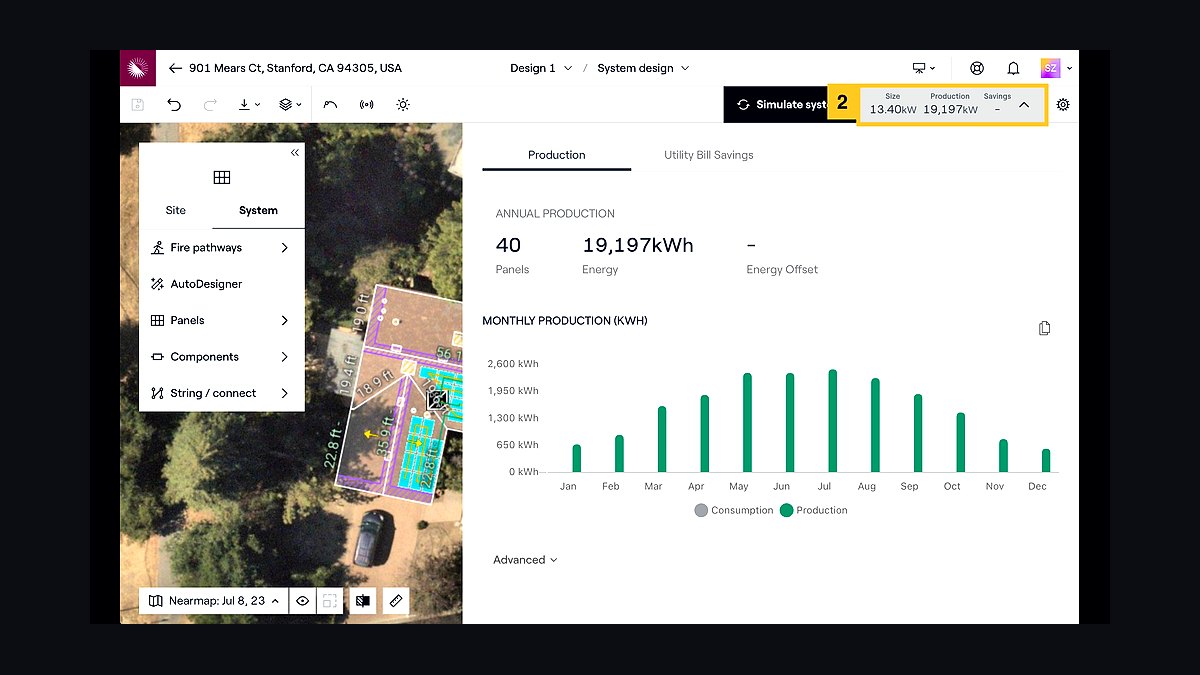
The 10 best tech stack tools for residential solar installation companies are ranked below on measured performance, build quality, price, and how each one actually holds up in daily use rather than how it reads on a spec sheet. Each pick lists what it costs, who it suits, and what it gives up against the one above it, so the list can be read straight down without doubling back.
1Aurora Solar

Aurora Solar ranks first because it is the revenue-critical design and proposal engine that directly closes residential deals. It produces remote shade analysis, automatic roof modeling, NEC-aware panel layouts, and 25-year savings and ROI proposals reps present at the kitchen table. Pricing runs roughly $250-$320 per user per month, more with Sales Mode and design automation add-ons.
Aurora is built for regional and national installers that sell on accuracy and need credible proposals against competitors. It trades away affordability, since OpenSolar does similar core design work for free. Choose Aurora when a tighter proposal is worth the per-rep cost in close rate, and pair it with Enerflo for the sales-to-install handoff.
2Enerflo

Enerflo ranks second because it is the connective tissue between design, financing, and install, pulling the Aurora proposal, firing credit applications to financing partners, and collecting e-signed documents. It hands a clean, fundable deal to operations, which is what keeps set-to-funded honest. Pricing commonly runs $150-$250 per user per month or a flat platform fee.
Enerflo suits sales organizations and dealers running multiple financing partners and selling teams. It trades away solar-native field scheduling, so installers needing crew and inspection workflows add Scoop Solar or Sunbase. Compared to Aurora above it, Enerflo does not design systems; it orchestrates the deal after the proposal is signed.
3OpenSolar

OpenSolar ranks third because it delivers genuinely free design and proposal software, monetizing instead through a hardware and financing marketplace. Small installers and new entrants can run a real sales motion on it without fixed software overhead. It produces shade analysis, panel layouts, and savings proposals comparable in core function to paid tools.
OpenSolar is for installers under roughly 150 systems per year who trade polish and design automation for near-zero cost. It gives up Aurora's advanced shade credibility and Sales Mode speed, so growing shops migrate upward. Pair it with JobNimbus or a light CRM and a single financing portal to keep total software spend minimal.
4Scoop Solar

Scoop Solar ranks fourth because it is a solar-native project management and field operations platform built around scheduling site surveys, crews, and inspections. Critically, it maps each project stage to the financing milestones that release money, so install-complete and PTO stay distinct. Expect roughly $50-$200 per user per month depending on configuration.
Scoop Solar is for installers who need milestone tracking tied to financing, not just generic job scheduling. It trades away proposal and design capability, so it sits downstream of Aurora and Enerflo. Compared to JobNimbus below it, Scoop is solar-native while JobNimbus wins for roofing-plus-solar combo contractors already running it.
5GreenLancer

GreenLancer ranks fifth because it produces stamped engineering plan sets and handles permit-package preparation, the layer where permitting speed becomes direct cash flow. Plan sets run roughly $100-$300 each, far cheaper than a stalled deal sitting between contract and install. It clears the AHJ documentation bottleneck that silently kills residential deals.
GreenLancer is for installers operating across multiple jurisdictions where plan-set engineering is repetitive and error-prone. It trades away automated permit submission status tracking, so multi-AHJ shops add PermitFlow alongside it. Pair it with SolarAPP+ where the AHJ has adopted automated permitting, which can return a permit in minutes instead of weeks.
6SolarAPP+

SolarAPP+ ranks sixth because it is a free automated permitting platform from NREL that returns residential solar permits in minutes for adopted jurisdictions, replacing weeks of manual AHJ review. Permit fees are set locally, so the platform itself adds no software cost. Speed in permitting is a direct cash-flow improvement.
SolarAPP+ is for any installer whose AHJ has adopted it, and it should be used wherever available. It trades away coverage, since many jurisdictions have not adopted it, so GreenLancer or PermitFlow fills those gaps. It complements GreenLancer above it rather than replacing it, handling the automated fast lane while GreenLancer handles plan sets.
7GoodLeap

GoodLeap ranks seventh because it is one of the dominant residential solar loan providers, running homeowner credit pulls, setting the dealer fee that becomes installer margin, and releasing funds against install and PTO milestones. There is no per-seat price; installers earn or pay a dealer fee of a few points to low double-digit percent of system price.
GoodLeap is for installers who need embedded credit decisioning at the point of sale so reps do not sell unfundable deals. It trades away control over rate buy-down economics, since the dealer fee directly reduces margin. Most shops integrate two or three partners, adding Mosaic alongside it so a decline is not a lost deal.
8Mosaic

Mosaic ranks eighth because it is a leading residential solar financing partner alongside GoodLeap, providing loans that run credit decisions inside the proposal flow and release funds against install and PTO milestones. Like GoodLeap, there is no per-seat fee; margin is set by the dealer fee embedded in system price.
Mosaic is for installers who want a second financing partner so a decline at GoodLeap does not kill the deal, and so they can shop dealer fees for margin. It trades away simplicity, since each added partner means more portals and stipulations to manage. Two to three partners is the practical ceiling before overhead outweighs incremental approvals.
9Enphase Enlighten

Enphase Enlighten ranks ninth because it is the post-PTO monitoring layer that proves the system produces what the proposal promised, protecting installers from underperformance disputes that threaten financing and reviews. Monitoring is generally included with Enphase microinverter hardware, with fleet-management views possibly carrying a small per-site fee.
Enlighten is for installers deploying Enphase microinverters who want production proof and automatic service-ticket triggers. It trades away cross-brand fleet visibility, since it only monitors Enphase hardware. Compared to SolarEdge below it, Enlighten fits microinverter systems while SolarEdge fits optimizer-based string systems; tie alerts back into your CRM so service tickets open automatically.
10Microsoft Power BI

Microsoft Power BI ranks tenth because it is the control tower once you run multiple selling teams, financing partners, and AHJ queues, giving one view of set-to-close, fundable-to-installed, and install-to-PTO cycle times. It costs roughly $14 per user per month, the cost-effective default for solar BI.
Power BI is for installers whose volume justifies a data warehouse and cross-functional reporting, not small shops that can live on Enerflo or Sunbase native dashboards. It trades away simplicity, requiring data engineering to feed it. Add it after the core stack is stable, once native dashboards no longer answer your cycle-time questions.
How we ranked these
Ranking weighted five factors: proposal-to-funding accuracy (30%), permitting and PTO pipeline speed (25%), financing integration depth (20%), project-milestone-to-cash mapping (15%), and total cost per system sold (10%). Scores came from vendor documentation, published pricing, operator interviews, and AHJ adoption data for SolarAPP+ across jurisdictions.
Deliberately ignored: brand prestige, generic CRM feature counts, and enterprise scalability beyond 10,000 systems annually. Those reward tools built for national EPCs, not residential installers. Also excluded hardware monitoring and accounting, since both ship with the equipment or the ledger you already run. The goal is a stack that closes and completes deals, not one that demos well.
When choosing between these, the deciding factor is where your deals actually die. If reps lose to sharper proposals, pay for Aurora's shade analysis and design automation. If cash sits frozen between contract and install, buy permitting speed through GreenLancer, PermitFlow, or SolarAPP+ first. Financing integration depth matters most for dealers running multiple selling teams and credit profiles.
The mistake most buyers make is stacking tools before mapping the handoff where deals stall. A second design platform does nothing if permits sit in an inbox. Others buy project management that tracks install completion but not PTO, so they believe they've been paid while funds are still held. Buy for the bottleneck, integrate financing at point of sale, and map every stage to the milestone that releases money.
Related questions
What is the best design and proposal software for residential solar in 2027?
Aurora Solar leads for accuracy: remote shade analysis, NEC-aware layout, and 25-year savings modeling that closes deals. It runs roughly $250-$320 per user monthly. OpenSolar is genuinely free and good enough for small installers, monetizing through a hardware and financing marketplace. Solo and Pylon are lighter alternates for proposal-plus-financing flow. Start free, upgrade when proposal accuracy wins deals.
How does solar financing integration change my sales workflow?
Financing is the deal, not a payment method. Dealer fees set your margin, and the credit pull happens inside the proposal flow. Embedding decisioning through Enerflo or a partner portal means reps see fundability and dealer fee at point of sale. Without that, sold pipeline is fiction and reps waste hours on deals that cannot close.
What is Enerflo and do I need it?
Enerflo is sales-to-install workflow software sitting between design, financing, and operations. It pulls the Aurora proposal, fires credit applications, collects e-signed documents, and hands a fundable deal to install. Pricing runs roughly $150-$250 per user monthly. Sales orgs and dealers running multiple financing partners benefit most. Smaller shops can often run on a financing portal plus light CRM.
How long does solar permitting and interconnection actually take?
Plan sets, AHJ permits, utility interconnection, and NEM applications routinely take thirty to sixty days combined. Each stage has queues, rejections, and rework. SolarAPP+ returns permits in minutes where adopted. GreenLancer produces stamped plan sets and permit packages; PermitFlow tracks submission status across many jurisdictions. This pipeline is where deals silently die, so track it per stage with owners.
What is PTO and why does it matter for cash flow?
PTO means permission-to-operate: the utility approved interconnection and the system can legally run. It can lag physical install by weeks during meter swaps. Financing partners often release final funds at PTO, so project management must track it as a distinct milestone. Decoupling install-complete from PTO makes you think you have been paid when funds are still held.
Should a roofing contractor adding solar buy separate project management software?
Usually not. If JobNimbus or ServiceTitan already runs your roofing business, bolt solar on with OpenSolar or Aurora for design plus a financing portal. Buying a second operations platform fragments crews, scheduling, and reporting. Add solar-native project management only when solar volume justifies a dedicated pipeline and the integration overhead pays for itself.
What does a residential solar tech stack cost per month?
Small installers under 150 systems yearly run roughly $150-$600 monthly: free OpenSolar, light CRM, one financing portal, SolarAPP+ where available, and QuickBooks. Regional EPCs doing 2,000-5,000 systems spend $8,000-$30,000-plus monthly across Aurora, Enerflo, multiple financing partners, permitting, project management, and BI. National companies exceed six figures monthly, much of it custom integration.
Do I need Power BI or will native dashboards suffice?
Native dashboards inside Enerflo or Sunbase are enough until you run multiple selling teams, several financing partners, and AHJ queues across markets. Power BI costs roughly $14 per user monthly and gives one reliable view of set-to-funded, fundable-to-installed, and install-to-PTO cycle times. Add it when spreadsheets and native reports stop agreeing with each other.
FAQ
What is the best tech stack for a residential solar installation company in 2027?
Build around a solar-specific design and proposal engine: Aurora Solar for accurate shade analysis and savings modeling, or free OpenSolar for small shops. Wire it to Enerflo for sales-to-install workflow, embed two or three financing partners like Mosaic and GoodLeap, add GreenLancer or SolarAPP+ for permitting, project management for milestones, monitoring, and QuickBooks.
Why is the proposal engine the most important tool in the stack?
Homeowners buy a number: savings, production, and cost after incentives. That number comes from shade analysis, panel layout, and a 25-year model. If the model is wrong you lose the deal or sell an underperforming system that triggers a financing dispute. The proposal engine is revenue-critical, not back-office utility.
How many financing partners should a solar installer integrate?
Most installers run two or three. One partner means every credit decline is a lost deal. Two or three let reps place borrowers the first partner declines and let you compare dealer fees for margin. Beyond three, portal and stip management overhead usually outweighs incremental approvals, especially for smaller shops with limited back-office staff.
Is Aurora Solar worth the cost compared to free OpenSolar?
OpenSolar is genuinely free and good enough to sell, monetizing through a hardware and financing marketplace. Aurora wins when shade-analysis credibility and design automation directly close deals against competitors, which is most regional and national installers. Start on OpenSolar, move to Aurora when a tighter proposal is worth $250-plus per rep monthly in close rate.
What is SolarAPP+ and should I use it?
SolarAPP+ is a free automated permitting platform returning residential solar permits in minutes for adopted jurisdictions, instead of weeks of manual AHJ review. Use it wherever your authority having jurisdiction supports it, because permitting speed is direct cash-flow improvement. For jurisdictions that have not adopted it, use GreenLancer for plan sets and PermitFlow for submission tracking.
How do I connect project milestones to financing milestones?
Map every project stage to the milestone that releases money: contract, install complete, inspection passed, and PTO. Financing partners release funds against these stages, so project management that tracks only install completion leaves cash invisible. Reconcile stage status against the financing partner regularly, or revenue recognition and cash forecasting drift apart.
What monitoring do I need after installation?
Enphase Enlighten or SolarEdge monitoring ships with the hardware and proves the system produces what the proposal promised. That protects you from underperformance disputes threatening financing and reviews, and it powers service and warranty work. Tie monitoring alerts back into your CRM or project layer so service tickets open automatically when production drops.
Can I run a solar company on QuickBooks alone?
QuickBooks handles most installers at $30-$200 monthly. Sage Intacct becomes worth it for multi-entity regional EPCs needing project-level cost accounting and revenue recognition across long install cycles, often $1,000-plus monthly. Job costing per install is the feature that matters, because solar margins live or die on accurate cost-to-complete tracking.
How should a small installer sequence technology purchases?
Days 0-30: stand up design and proposal plus one financing partner and lock a single approved savings model. Days 31-60: add workflow orchestration and permitting with tracked status plus a second financing partner. Days 61-90: deploy project management, map stages to financing milestones, connect monitoring, and add BI reporting.
What is the biggest mistake solar installers make with their tech stack?
Stacking tools before mapping where deals stall. A second design platform does nothing if permits sit in an inbox. Project management tracking install but not PTO makes you think you have been paid while funds are held. Buy for the bottleneck, embed financing at point of sale, and map every stage to the milestone releasing cash.
Sources
- https://aurorasolar.com/
- https://opensolar.com/
- https://www.enerflo.io/
- https://www.goodleap.com/
- https://www.mosaic.com/
- https://www.greenlancer.com/
- https://www.solarapp.org/
- https://www.permitflow.com/
- https://scoopsolar.com/
- https://quickbooks.intuit.com/
Related on PULSE
This page will be disappearing soon. Save it to your device for $1 — or read it free while it is here.
@Kory-White- · if Venmo asks, the last 4 of my number are 2012
This page is gone.
This one is off the shelf now. $1 keeps it on your phone for good — the whole page, pictures and diagrams included.
 pulse-tech-stacksTop 10 Best Tech Stack Tools for Independent Wholesale Distribution Businesses in 2027
 pulse-tech-stacksTop 10 Best Tech Stack Tools for Home Builders and Residential Developers in 2027
 pulse-tech-stacksTop 10 Best Tech Stack Tools for Threat Intelligence Vendors in 2027
 pulse-tech-stacksTop 10 Best Tech Stack Tools for HVAC Equipment Distributors in 2027
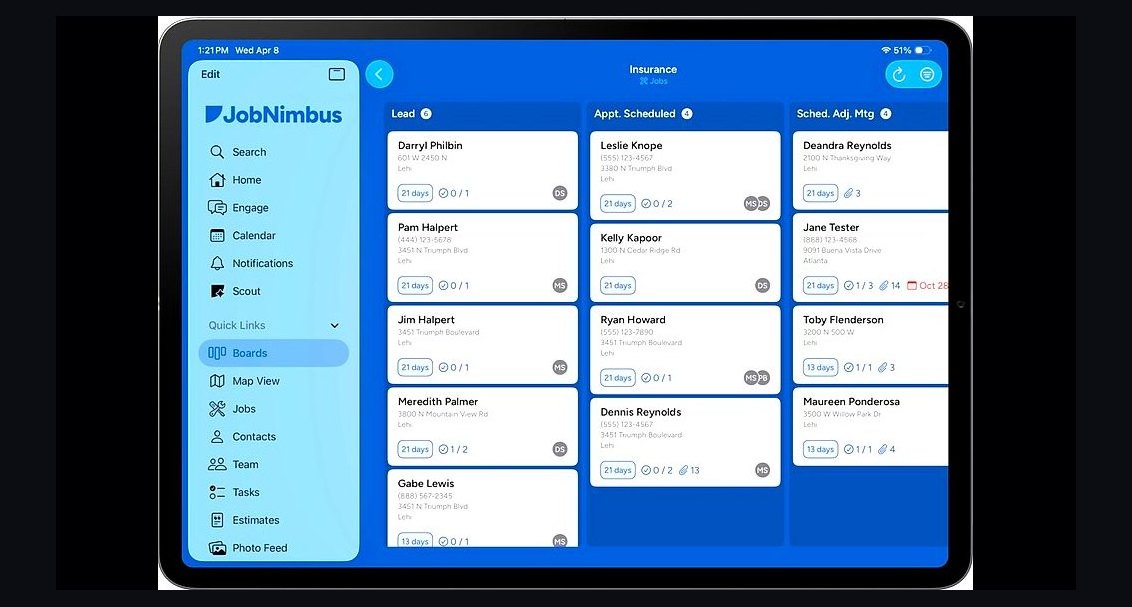 pulse-tech-stacksTop 10 Best Tech Stack Tools for Independent Roofing Contractors in 2027
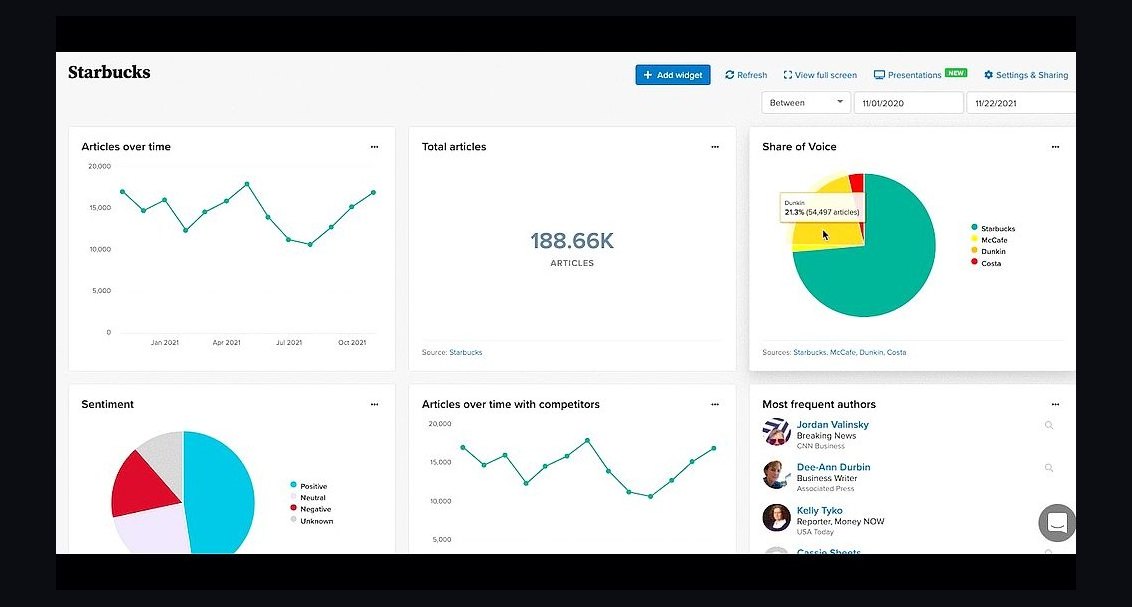 pulse-tech-stacksTop 10 Best Tech Stack Tools for Public Relations Agencies in 2027
 pulse-tech-stacksTop 10 Best Tech Stack Tools for Hair Salons in 2027
 pulse-tech-stacksTop 10 Best Tech Stack Tools for Email Security Vendors in 2027
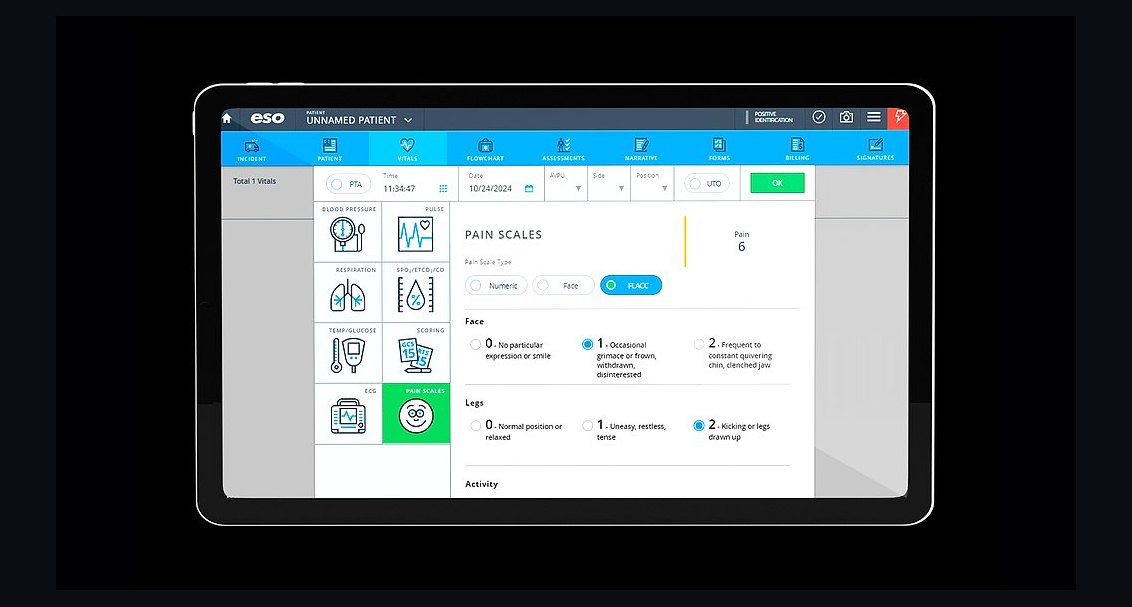 pulse-tech-stacksTop 10 Best Tech Stack Tools for Private Ambulance and EMS Companies in 2027
 pulse-tech-stacksTop 10 Best Tech Stack Tools for AI Customer Support Companies in 2027