


Top 10 Best Tech Stack Tools for Commercial HVAC Contractors in 2027
Quality
Certified
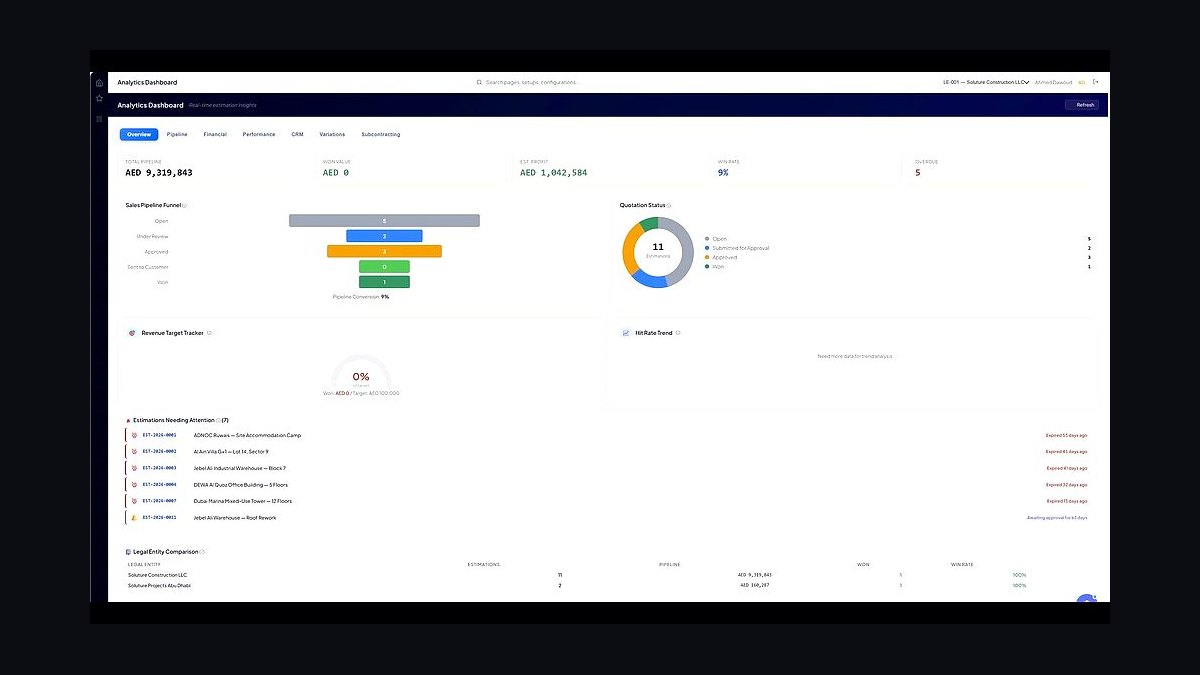
The 10 best tech stack tools for commercial hvac contractors are ranked below on measured performance, build quality, price, and how each one actually holds up in daily use rather than how it reads on a spec sheet. Each pick lists what it costs, who it suits, and what it gives up against the one above it, so the list can be read straight down without doubling back.
1BuildOps
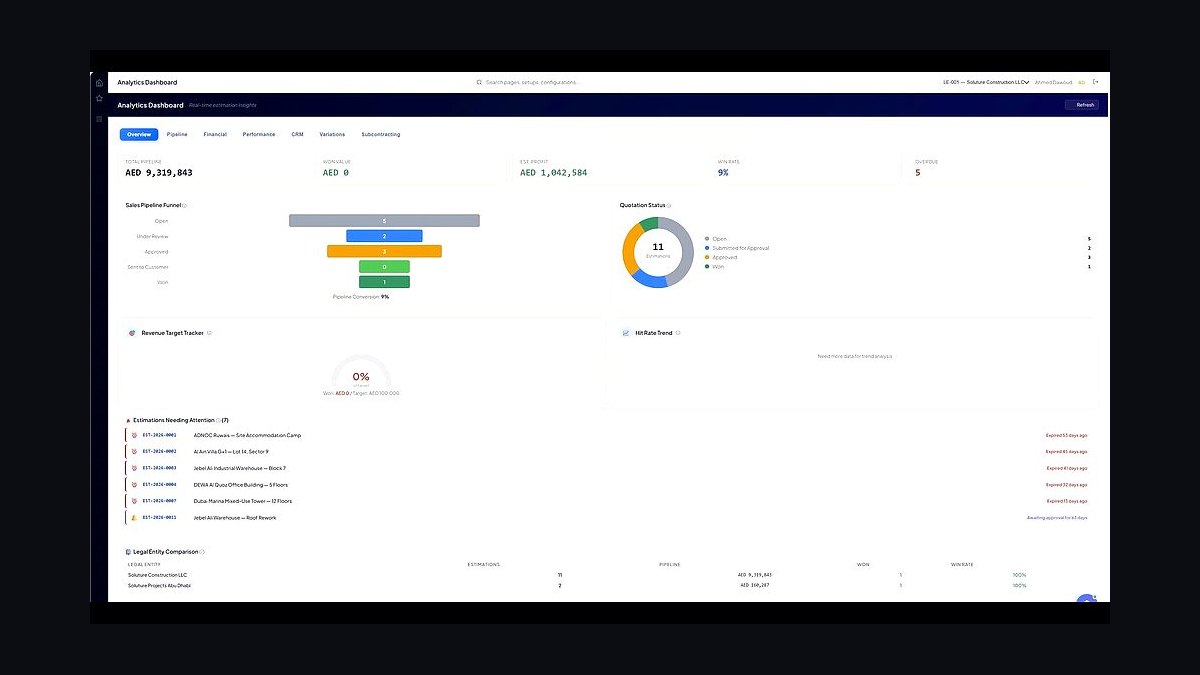
BuildOps ranks first because it anchors the single highest-margin motion in commercial HVAC: recurring preventive-maintenance agreements. It manages agreement contracts, auto-generates quarterly and monthly visit schedules, tracks profitability per agreement, and keeps tagged equipment-asset histories across hundreds of rooftop units and chillers. Pricing is quote-based, commonly $150-$250+ per user per month.
It is built for commercial mechanical service companies rather than residential shops or general contractors. The trade-off is that it is not a construction project management tool, so install jobs still need Procore or Autodesk Build alongside it. Compared to Procore directly below, BuildOps owns the recurring revenue engine while Procore owns lumpy capital install work.
2Procore
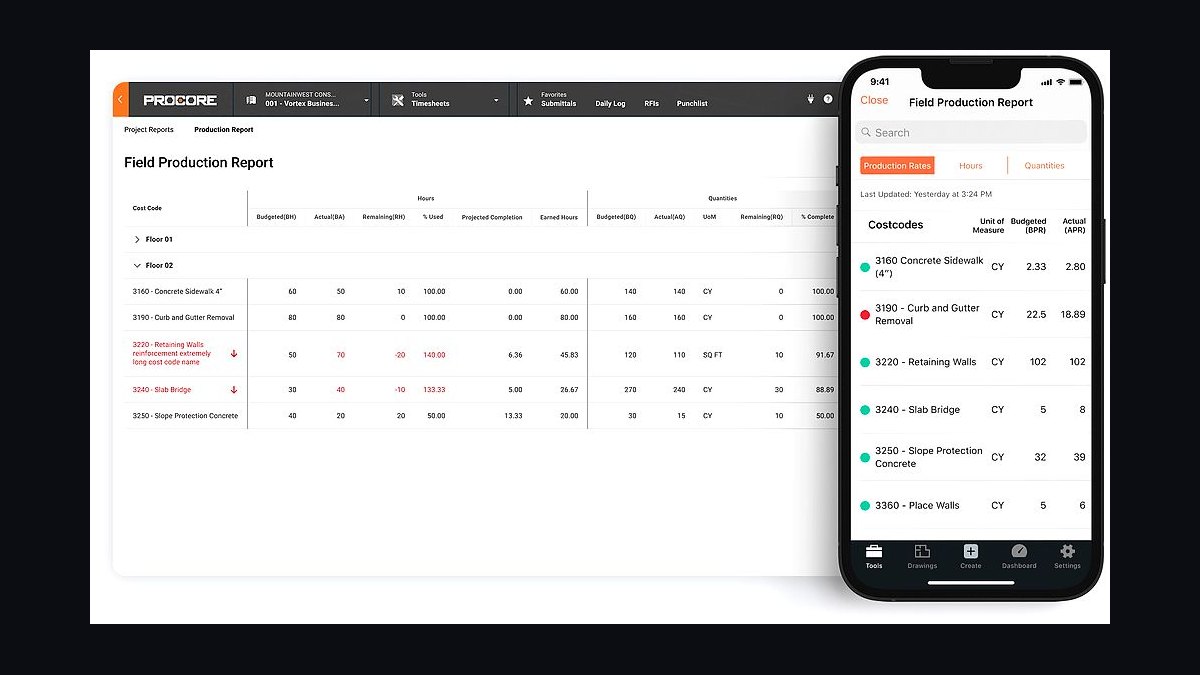
Procore ranks second because the install and retrofit side of a mechanical contractor behaves like commercial construction, needing submittals, RFIs, change orders, and schedule-of-values billing. It prices as a percentage of annual construction volume, frequently $15,000-$50,000+ per year for a mid-size mechanical contractor. GCs and owners expect to interoperate with it.
It suits contractors with meaningful install volume, not service-only shops. The trade-off is that Procore has no concept of a recurring PM agreement, renewal date, or tagged equipment-asset history, so it cannot run the service book. Compared to BuildOps above, Procore handles project execution while BuildOps handles the recurring maintenance engine.
3Trimble AutoBid SheetMetal
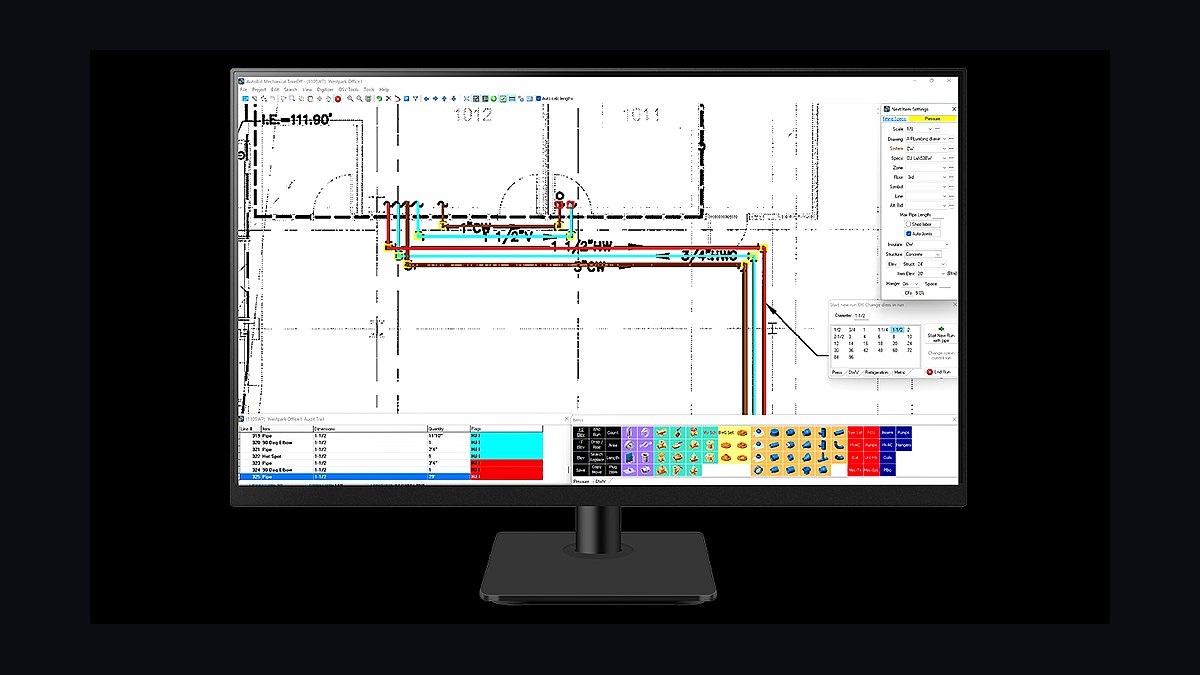
Trimble AutoBid SheetMetal ranks third because a commercial HVAC bid is only as good as its labor units, and AutoBid applies MCAA and SMACNA-style labor factors to fabricated duct by gauge and weight. It prices equipment and piping natively for mechanical scope. Cost runs roughly $4,000-$9,000 per seat plus annual maintenance, higher for the full mechanical suite.
It fits larger contractors who self-fabricate ductwork at scale and need deep configurability. The trade-off is a steeper learning curve and higher seat cost than FastDUCT. Compared to Procore above, AutoBid sits at the front of the funnel pricing the job, while Procore manages the job once it is won.
4Foundation Software
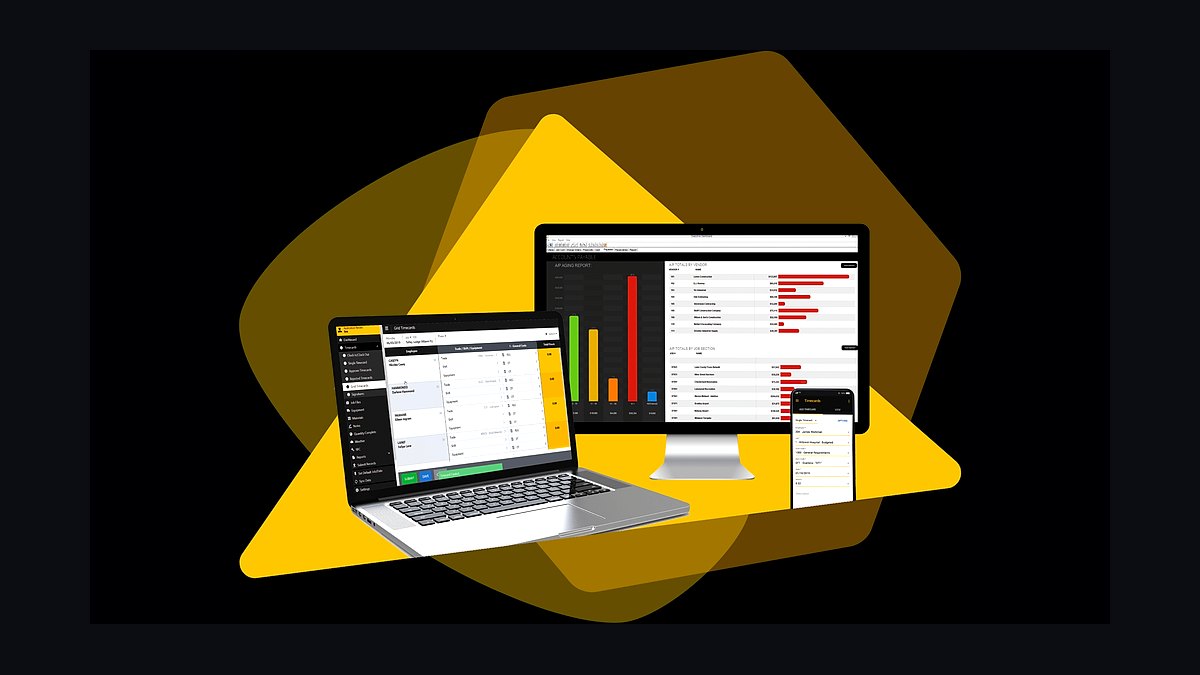
Foundation Software ranks fourth because install work demands true WIP job costing, AIA progress billing, and certified payroll for prevailing-wage projects, none of which live in a field-service app. It is purpose-built for contractors and budgets around $10,000-$30,000+ per year depending on modules and users. It is the financial spine both arms reconcile into.
It suits mid-size mechanical firms with growing install and public work. The trade-off is that it is accounting-first, with no estimating or dispatch capability. Compared to AutoBid above, Foundation owns the general ledger and WIP while AutoBid owns the bid; smaller shops often stay on QuickBooks instead.
5Trimble SysQue
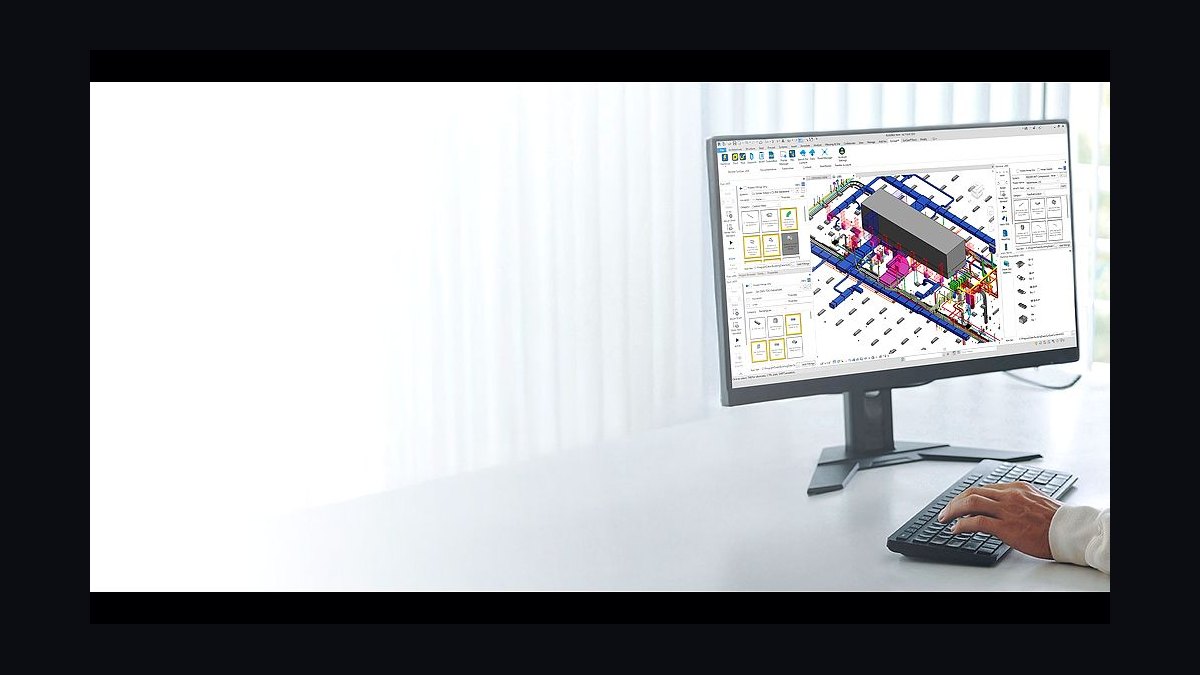
Trimble SysQue ranks fifth because fabrication-ready coordination determines whether ductwork actually fits above the ceiling. SysQue generates real fabrication-ready duct and pipe inside Revit, and Navisworks runs clash detection against structural and electrical models. Budget roughly $2,500-$5,000 per seat per year for the modeling tools.
It suits contractors who self-fabricate and coordinate in BIM rather than field-cutting. The trade-off is that it requires Revit skills and a modeling workflow many small shops lack. Compared to Foundation above, SysQue serves the physical build while Foundation serves the books; it feeds the duct line that AutoBid priced.
6FastDUCT & FastPIPE
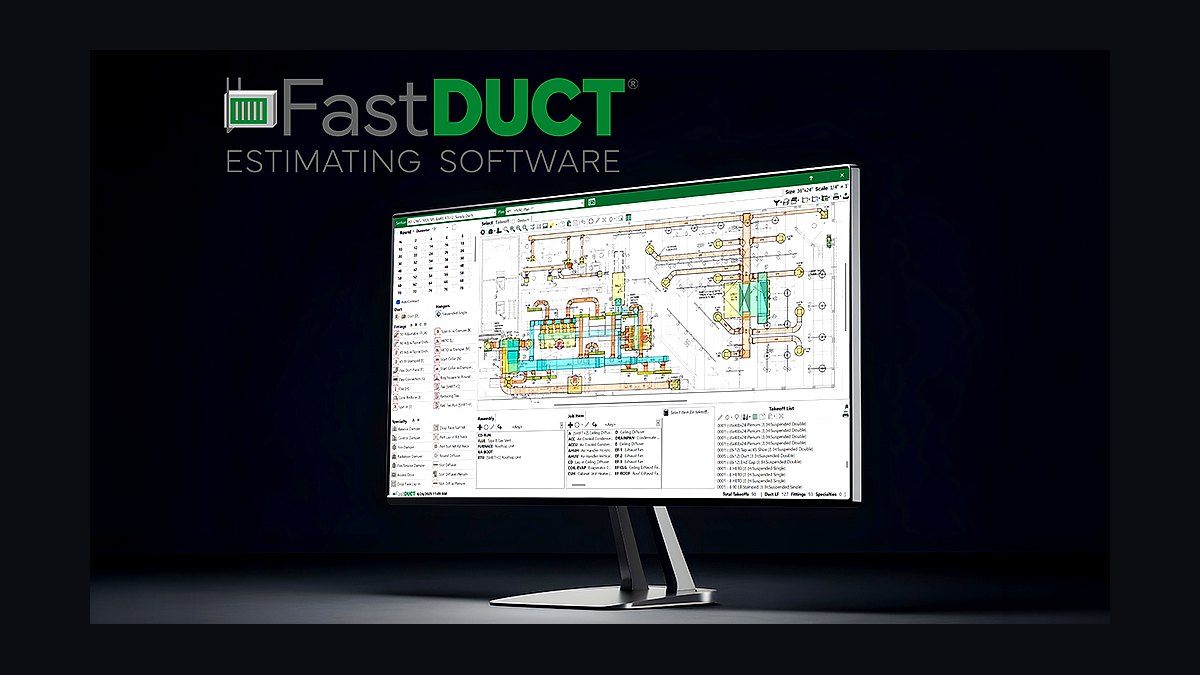
FastDUCT & FastPIPE rank sixth because they deliver dedicated ductwork and piping takeoff by labor units at a lower cost and faster learning curve than AutoBid. Common pricing runs $3,000-$6,000 per seat. FastPIPE is especially strong for hydronic and refrigerant piping-heavy mechanical scope.
They suit small-to-mid shops that want speed and a lower seat cost over deep configurability. The trade-off is less depth for contractors self-fabricating at scale. Compared to AutoBid above, FastDUCT trades configuration power for onboarding speed; pick AutoBid for fabrication scale, FastDUCT for lean estimating.
7Bluebeam Revu
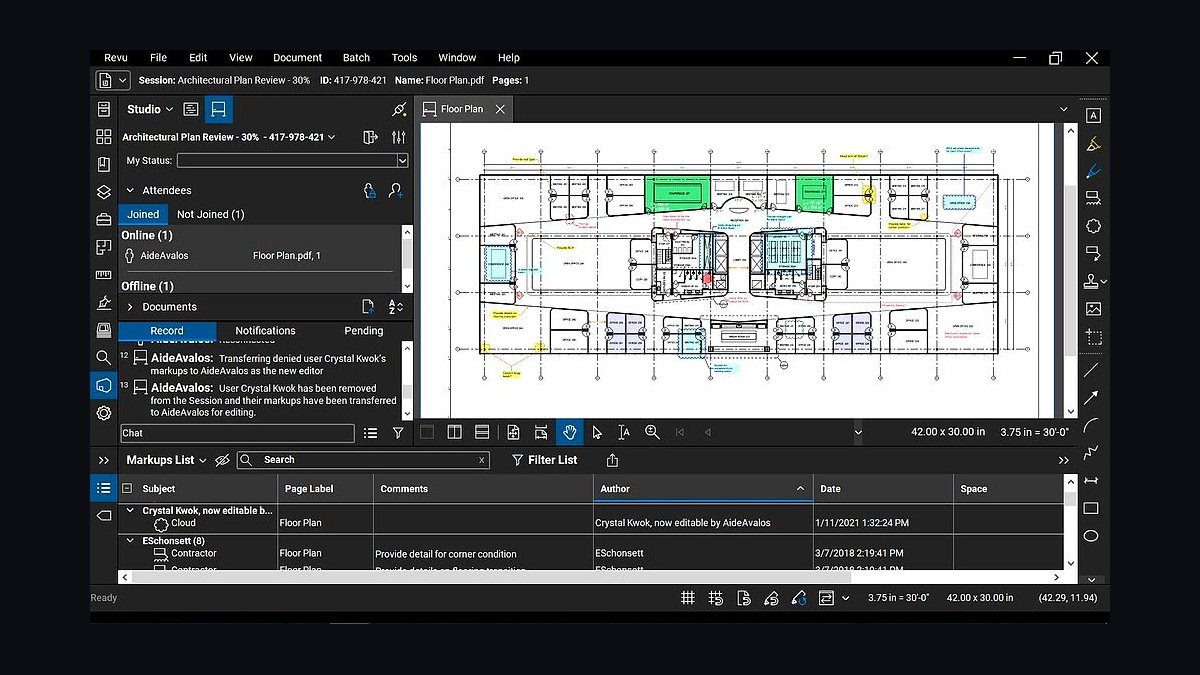
Bluebeam Revu ranks seventh because estimators live in it for on-screen markup, measurement, and submittal review, the front door of the install-side funnel. Pricing runs about $240-$400 per user per year, making it one of the cheapest high-leverage tools in the stack. It pairs with BuildingConnected for bid invitations and prequalification.
It suits every size of contractor from small shops to large enterprises. The trade-off is that it is markup and measurement only, with no estimating engine or labor units behind it. Compared to FastDUCT above, Bluebeam handles plan review while FastDUCT handles the priced takeoff; they work together in the bid room.
8Tridium Niagara
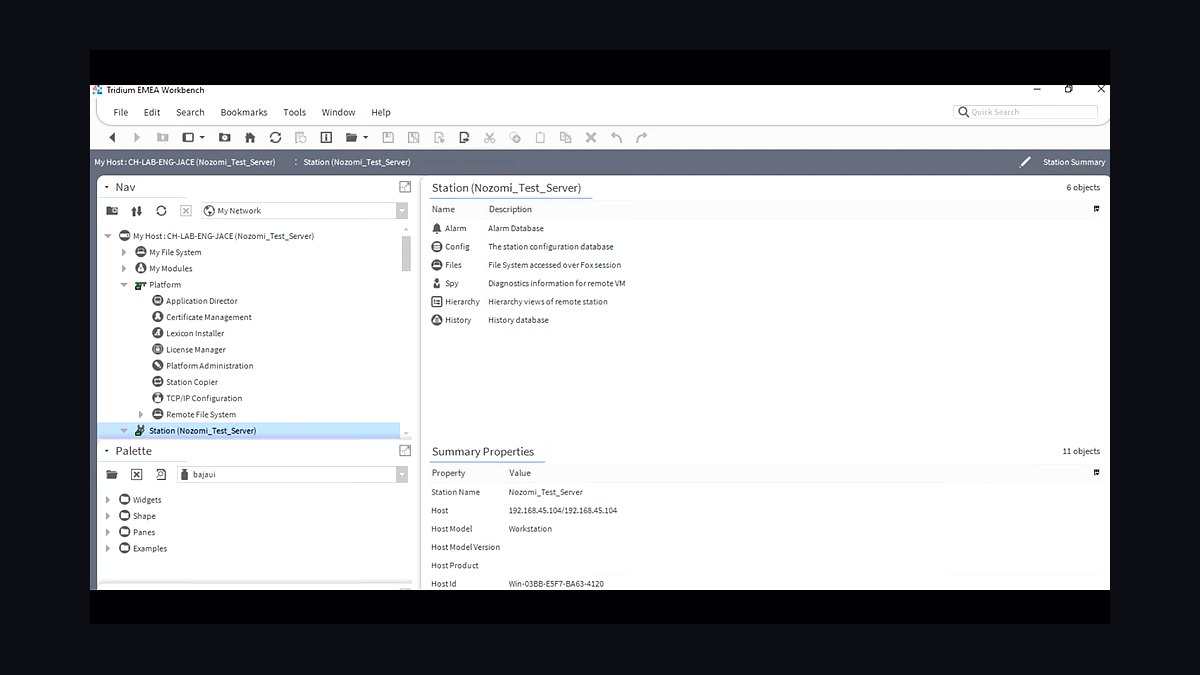
Tridium Niagara ranks eighth because it is the vendor-neutral framework many building-automation installations run on, exposing runtime, alarm, and fault telemetry from chillers and rooftop units. Ingesting those alarms into the service queue turns reactive maintenance into proactive, contract-renewing service. It is an integration point rather than a back-office tool.
It suits contractors doing controls work or proactive service on networked equipment. The trade-off is that it requires controls expertise and only pays off if the service platform ingests the data. Compared to Bluebeam above, Niagara serves the equipment side while Bluebeam serves the bid side; it feeds BuildOps directly.
9Sage 300 CRE
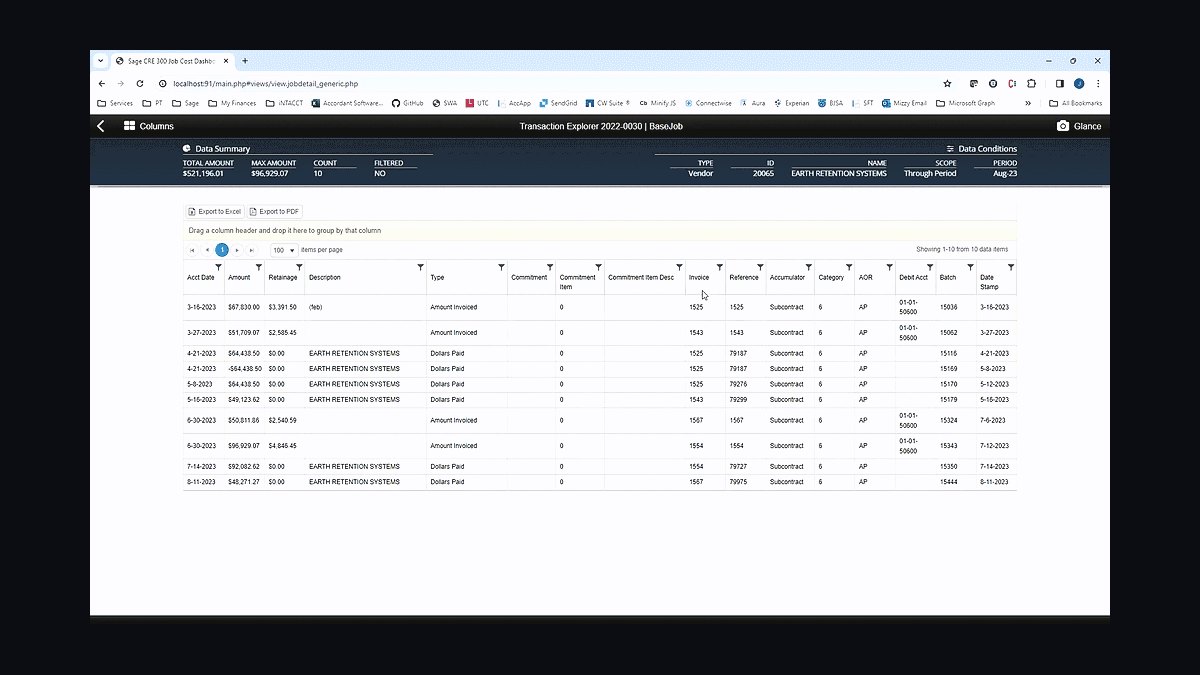
Sage 300 CRE ranks ninth because it is the long-standing construction ERP heavyweight for larger mechanical contractors needing WIP, job costing, and certified payroll at enterprise scale. It handles AIA billing and multi-company financials that QuickBooks cannot. Pricing is quote-based and typically higher than Foundation for comparable modules.
It suits larger mechanical enterprises with complex financial structures and many concurrent jobs. The trade-off is heavier implementation and administration than Foundation. Compared to Foundation above, Sage 300 CRE scales further but costs more to run; mid-size firms often find Foundation sufficient while enterprises standardize on Sage.
10Power BI
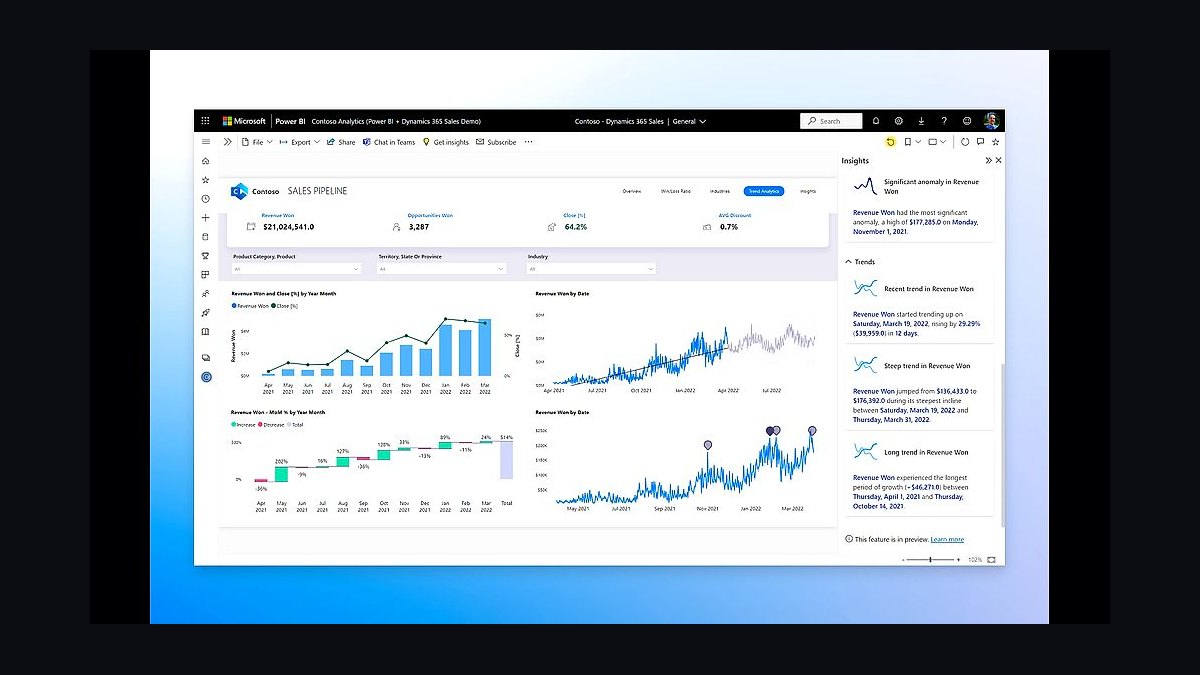
Power BI ranks tenth because project margin, WIP, agreement profitability, technician utilization, and backlog live across estimating, service, and accounting rather than in one app. It stitches them into one dashboard at about $10-$20 per user per month, letting leadership see both businesses on one screen. It reads from accounting plus the service platform.
It suits contractors with enough data volume across multiple systems to justify a BI layer. The trade-off is that it requires clean integrations and someone to build reports; smaller shops can lean on native BuildOps and Foundation reporting first. Compared to Sage 300 CRE above, Power BI visualizes the numbers while Sage owns them.
How we ranked these
We ranked tools by weighting four factors: depth of fit for commercial mechanical scope (sheet-metal labor units, equipment assets, PM agreements) at 35%, integration with construction accounting and WIP at 25%, field adoption and mobile usability at 20%, and total cost of ownership at 20%. Scores came from vendor documentation, published pricing, analyst reports, and operator interviews across install-led and service-led mechanical firms.
We deliberately ignored residential-only features, generic CRM add-ons, and marketing claims about AI that lack shipped functionality. We excluded tools with no certified-payroll or WIP path, since prevailing-wage mechanical work fails audit without them. We also ignored vendor size and brand prestige; a smaller estimator that handles duct gauge and labor units correctly outranks a famous suite that does not.
What to look for
What matters most is whether the tool understands your revenue mix. If PM agreements drive margin, the service platform must manage contract renewals, recurring visit scheduling, and tagged equipment assets, not just dispatch calls. If install work dominates, estimating labor units and WIP job costing matter more than any field app. Integration with your accounting system should be a hard filter, not a nice-to-have.
The mistake most buyers make is choosing one mega-suite to run both businesses. Project tools cannot schedule recurring maintenance visits, and service tools cannot produce AIA billing or certified payroll. Buyers also underweight labor-unit accuracy in estimating, then wonder why profitable-looking bids lose money. Pilot with real bids and real PM contracts before signing, and verify the accounting integration with your own GL data.
Related questions
What estimating software do commercial HVAC contractors actually use?
Most run dedicated sheet-metal and mechanical estimators rather than general construction tools. Trimble AutoBid SheetMetal and AutoBid Mechanical lead among larger mechanical contractors, while FastDUCT and FastPIPE from FastEST are common in mid-size shops that want faster on-screen takeoff. Wendes, McCormick, and QuoteSoft appear in piping-heavy or sheet-metal-first operations. The deciding factor is labor units: the tool must price fabricated duct by gauge and weight and apply standardized install-hour factors.
How is a commercial HVAC tech stack different from a residential one?
Residential stacks center on dispatch, flat-rate pricing, and consumer financing. Commercial mechanical contractors need sheet-metal takeoff with labor units, BIM coordination, duct fabrication tracking, WIP job costing, certified payroll, and preventive-maintenance agreements covering hundreds of tagged rooftop units and chillers. The commercial business also runs two motions at once, lumpy install work and recurring service contracts, so the stack needs both a construction project layer and a service platform that reconcile in one general ledger.
Do commercial HVAC contractors need Procore if they already run BuildOps?
Usually yes, if install and retrofit work is a meaningful share of revenue. BuildOps runs the service and PM-agreement side: recurring visits, asset histories, dispatch. Procore runs the construction side: submittals, RFIs, change orders, schedule-of-values billing, and the interoperability GCs expect. Service-only shops under roughly 25 field staff can skip Procore and run jobs from the service platform. Install-heavy mechanical contractors generally need both, with accounting as the shared spine.
What is the best accounting software for a mechanical contractor?
Foundation Software is the common pick for mid-size mechanical firms because it handles true job costing, work-in-progress reporting, AIA progress billing, and certified payroll out of the box. Sage 300 CRE remains the heavyweight for larger contractors, and Viewpoint Spectrum suits large mechanical enterprises wanting cloud ERP with tight Procore integration. The smallest shops often run Knowify or QuickBooks. The non-negotiable requirement is certified payroll and WIP, since prevailing-wage mechanical work fails audit without them.
How should contractors track preventive-maintenance agreements?
In a dedicated commercial service platform, not in a project management tool or spreadsheet. The platform should store each agreement's scope, billing terms, renewal date, and the specific tagged equipment covered, then auto-generate the recurring visit schedule and report profitability per agreement. BuildOps and ServiceTitan Commercial both do this.
Contractors who track PM contracts in Procore or Excel lose renewal dates, miss scheduled visits, and never see true agreement margin, which quietly erodes the highest-margin revenue in the company.
What does an equipment-asset registry actually do for HVAC service?
It stores every tagged unit, each RTU, chiller, boiler, VAV box, and pump, with make, model, serial number, refrigerant type, filter sizes, warranty window, and complete service history. Technicians pull that history on the truck, so PM visits run faster and warranty claims do not get missed. The registry also enables proactive service when building-automation telemetry flags a fault, and it gives accurate data for renewal pricing. Build it during install handoff, not years later when records are scattered.
Is Tridium Niagara part of a contractor's tech stack?
It is an integration point rather than a back-office tool. Tridium Niagara is the vendor-neutral building-automation framework many BAS installations run on, and OEM controls clouds expose runtime, alarm, and fault data from chillers and rooftop units. Contractors doing controls work or proactive service ideally ingest those alarms into the service platform so technicians get dispatched before equipment fails. It sits alongside the core stack, feeding telemetry into the PM and asset-management layer.
How much should a mid-size mechanical contractor budget for software?
Estimating seats run roughly $3,000 to $9,000 each plus maintenance. BuildOps is quote-based, commonly $150 to $250 or more per user monthly. Procore prices as a percentage of annual construction volume, often $15,000 to $50,000-plus yearly for a mid-size mechanical contractor. Construction accounting lands around $10,000 to $30,000-plus annually depending on modules. Bluebeam is about $240 to $400 per user yearly, and Power BI about $10 to $20 per user monthly.
Budget integration and training time separately.
FAQ
What is the best tech stack for a commercial HVAC contractor in 2027?
Four anchors: a sheet-metal and mechanical estimating engine with labor units, such as Trimble AutoBid or FastDUCT and FastPIPE; a commercial field service platform with PM-agreement and equipment-asset management, such as BuildOps; a construction project management layer, such as Procore or Autodesk Build, for install and retrofit jobs; and a construction accounting backbone with WIP and certified payroll, such as Foundation, Sage 300 CRE, or Viewpoint Spectrum. BIM, Bluebeam, controls integration, and BI sit around those anchors.
Why can't one platform run both install and service for a mechanical contractor?
The two motions have incompatible data models. Install work needs submittals, RFIs, change orders, schedule-of-values billing, and WIP job costing tied to a project. Service work needs recurring visit scheduling, agreement renewals, and equipment-asset histories tied to a customer's tagged units. Project tools cannot schedule recurring maintenance visits, and service tools cannot produce AIA billing or certified payroll. Contractors who force one tool to do both lose visibility on one side of the business.
How important are labor units in HVAC estimating software?
They are the difference between a profitable bid and a loss. A commercial HVAC bid is built from detailed takeoffs where each item carries a standardized install-hour value. If the tool cannot weigh duct by gauge, count fittings by type, and apply MCAA or SMACNA-style labor factors, the bid is guesswork. Misjudged labor units can erase six figures on a single multi-floor install.
Keep units current by feeding actual job-cost results from accounting back into the estimating database.
When should a commercial HVAC contractor add BIM and fabrication software?
When install work is complex enough that ductwork must be coordinated against structural and electrical models before fabrication. Trimble SysQue generates fabrication-ready duct and pipe inside Revit, and Navisworks runs clash detection so duct actually fits above the ceiling. Budget roughly $2,500 to $5,000 per seat yearly for modeling tools. Smaller shops doing simple retrofits can defer this layer, but design-build and large install mechanical contractors treat it as core infrastructure feeding an automated duct line.
How do contractors connect field service data to construction accounting?
Through integration, not manual re-entry. The service platform should push completed work orders, agreement billing, and asset-related costs into the accounting system so job costing and WIP reflect reality. Estimating should feed won-job budgets into project management, and project management should push committed costs and billing into accounting. When each system holds a slice of truth and none reconcile in the general ledger, WIP is wrong and leadership flies blind on margin.
Verify the integration with your own GL data before signing.
What metrics should leadership watch across the HVAC tech stack?
PM-agreement renewal rate and agreement profitability, since recurring service is the highest-margin revenue. Technician utilization and first-time-fix rate on the service side. On install, bid hit rate, estimated-versus-actual labor hours, and WIP over- or under-billing by job. Backlog and gross margin by project type round it out. Power BI can stitch these from estimating, the service platform, and accounting into one dashboard so leadership sees both businesses on one screen instead of three.
Is ServiceTitan Commercial a good fit for mechanical contractors?
It is a credible alternate to BuildOps, with deep dispatch and a strong contract module for recurring agreements. It tends to be heavier and pricier, which suits larger commercial service operations but can overwhelm smaller shops. The tradeoff against BuildOps is fit: BuildOps was built specifically for commercial mechanical and specialty contractors, so its equipment-asset and PM-agreement workflows map closely to how mechanical service actually runs. Pilot both with real agreements before deciding.
What is the biggest mistake when buying HVAC contractor software?
Buying one mega-suite to run both install and service, or choosing on feature breadth instead of integration depth. Buyers also underweight labor-unit accuracy in estimating and treat PM agreements as an afterthought bolted onto a project tool. The result is profitable-looking bids that lose money, decaying recurring revenue, and a general ledger that never reconciles. Pilot with real bids and real PM contracts, and make accounting integration a hard filter rather than a nice-to-have.
How should a small commercial HVAC shop under 25 field staff build its stack?
Keep it lean. Run service and the modest PM book in FieldEdge or BuildOps, add a light FastDUCT seat for occasional bids, keep the books in QuickBooks, and use Bluebeam for plan markup. Skip Procore until jobs are large enough to need submittals and schedule-of-values billing. The one thing not to skip is the equipment-asset registry inside the service platform, because it is the foundation for renewal pricing and proactive service as the PM book grows.
Will building-automation telemetry change HVAC service in 2027?
It is already shifting service from reactive to proactive. Equipment networked through Tridium Niagara or OEM controls clouds exposes runtime, alarm, and fault data. Contractors who ingest those alarms into their service platform can dispatch a technician before a rooftop unit fails, which protects the customer's operation and strengthens the PM-agreement renewal case. The asset registry is the prerequisite: telemetry is only useful if it maps to a tagged unit with known model, refrigerant, and service history.
Sources
- https://www.trimble.com/en/products/trimble-autobid-sheetmetal
- https://www.fastestinc.com/
- https://buildops.com/
- https://www.procore.com/
- https://www.foundationsoft.com/
- https://www.bluebeam.com/
- https://www.tridium.com/
- https://powerbi.microsoft.com/
- https://www.autodesk.com/products/revit/overview
- https://www.navisworks.com/
Related on PULSE
This page will be disappearing soon. Save it to your device for $1 — or read it free while it is here.
@Kory-White- · if Venmo asks, the last 4 of my number are 2012
This page is gone.
This one is off the shelf now. $1 keeps it on your phone for good — the whole page, pictures and diagrams included.
 pulse-tech-stacksTop 10 Best Tech Stack Tools for AI Translation API Companies in 2027
 pulse-tech-stacksTop 10 Best Tech Stack Tools for Online Travel Agencies (OTAs) in 2027
 pulse-tech-stacksTop 10 Best Tech Stack Tools for Employee Benefits Consulting Firms in 2027
 pulse-tech-stacksTop 10 Best Tech Stack Tools for Data Loss Prevention (DLP) Software Vendors in 2027
 pulse-tech-stacksTop 10 Best Tech Stack Tools for Mobile Threat Defense (MTD) Vendors in 2027
 tkTop 10 Best Tech Stack Tools for Concrete and Paving Contractors in 2027
 pulse-tech-stacksTop 10 Best Tech Stack Tools for Plastics and Injection Molding Manufacturers in 2027
 pulse-tech-stacksTop 10 Best Tech Stack Tools for Software Development Agencies in 2027
 pulse-tech-stacksTop 10 Best Tech Stack Tools for Garden Centers and Nurseries in 2027
 pulse-tech-stacksTop 10 Best Tech Stack Tools for MSP and IT Services Companies in 2027