


Top 10 Best Tech Stack Tools for Medical Device Manufacturers in 2027
Quality
Certified
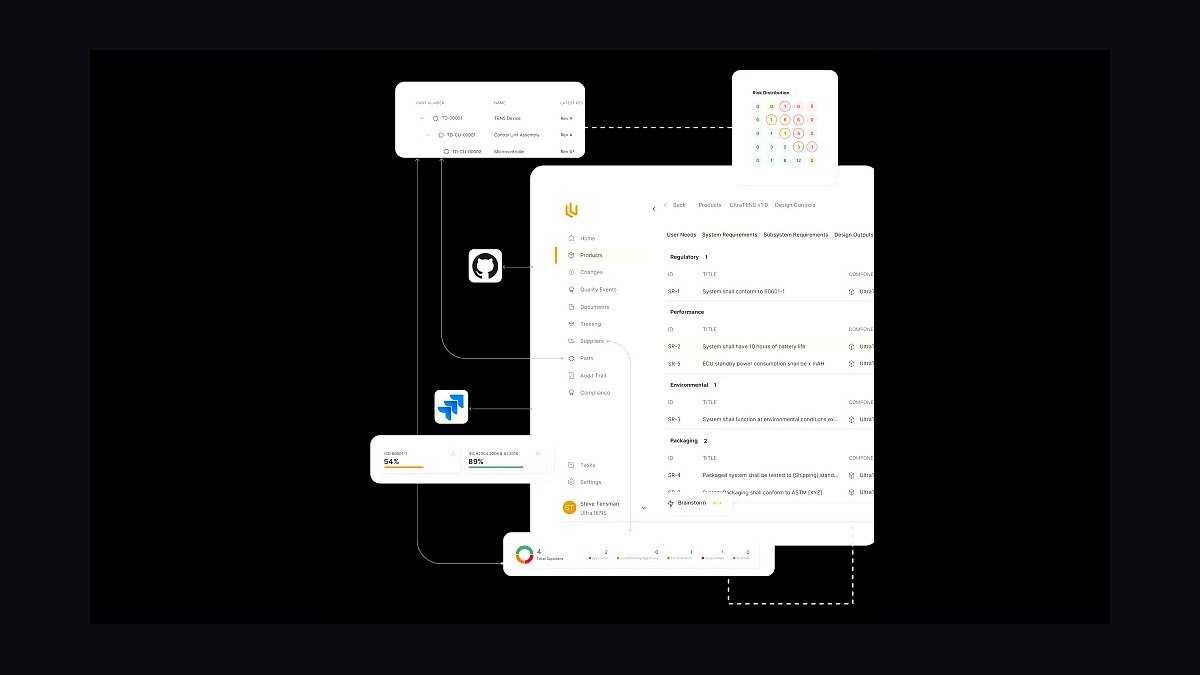
The 10 best tech stack tools for medical device manufacturers are ranked below on measured performance, build quality, price, and how each one actually holds up in daily use rather than how it reads on a spec sheet. Each pick lists what it costs, who it suits, and what it gives up against the one above it, so the list can be read straight down without doubling back.
1Greenlight Guru eQMS
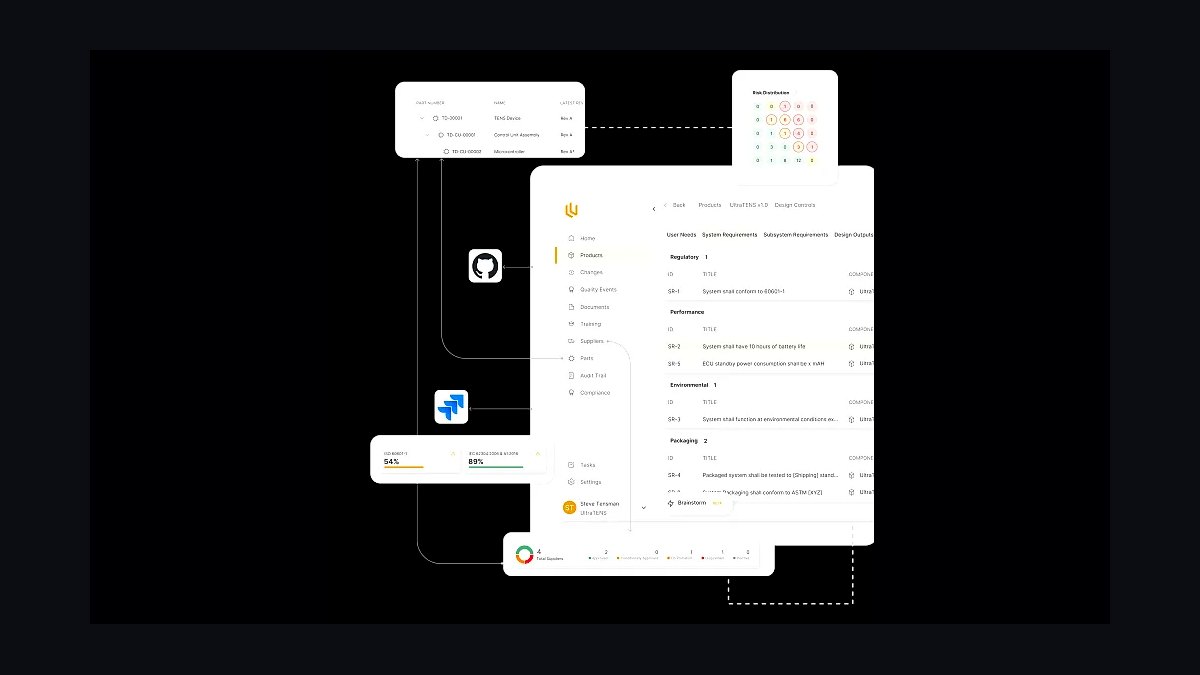
Greenlight Guru ranks first because it is the only major eQMS purpose-built for medical devices, with design controls, ISO 14971 risk, CAPA, complaints, and UDI in one pre-validated environment. Startups stand it up in weeks rather than months, and pricing runs roughly $30,000–$80,000 per year depending on modules and headcount. That pre-written validation package is the real cost saver.
It suits pre-clearance and early-commercial Class II teams of 5–40 people who need an audit-ready system of record fast. It trades away deep enterprise document control and multi-site manufacturing quality, so scaled manufacturers graduate to MasterControl or Veeva Vault QMS. Against Qualio below it, Greenlight Guru carries stronger device-specific design controls and risk management.
2MasterControl eQMS
MasterControl ranks second because it is the heavier enterprise eQMS with deep document control, training management, and manufacturing quality that Greenlight Guru cannot match at scale. It is the common choice for mid-size and large device makers running multiple product lines across sites, and it supports audit trails and change control across the full quality record. Pricing is enterprise-negotiated rather than published.
It is for manufacturers past startup stage with dedicated quality headcount and multi-site operations. It trades away fast, cheap deployment — implementations take months and require validation effort. Compared with Greenlight Guru above it, MasterControl adds manufacturing quality depth but costs more and moves slower; compared with Veeva Vault QMS below, it is less regulatory-submission-native.
3Veeva Vault QMS
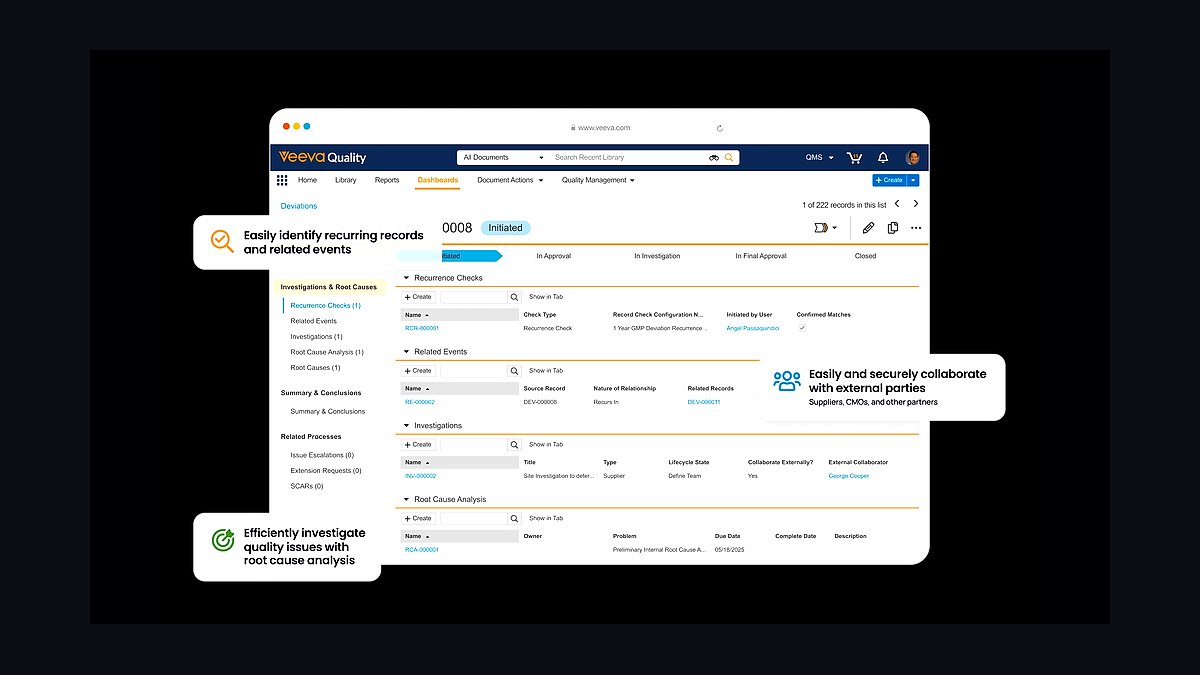
Veeva Vault QMS ranks third because it is the category leader for large medtech quality management, unifying CAPA, complaints, nonconformance, and change control on the same Vault platform used for regulatory submissions. That shared platform removes reconciliation work between quality and regulatory records. Pricing is enterprise-tier, commonly exceeding $100,000 per year before modules.
It is for global manufacturers managing many products, international registrations, and inspection-heavy quality operations. It trades away affordability and quick deployment — smaller teams rarely justify the license or implementation burden. Against MasterControl above it, Veeva wins on regulatory integration but costs more; against Qualio below, it offers far deeper scope at a much higher price.
4Arena PLM
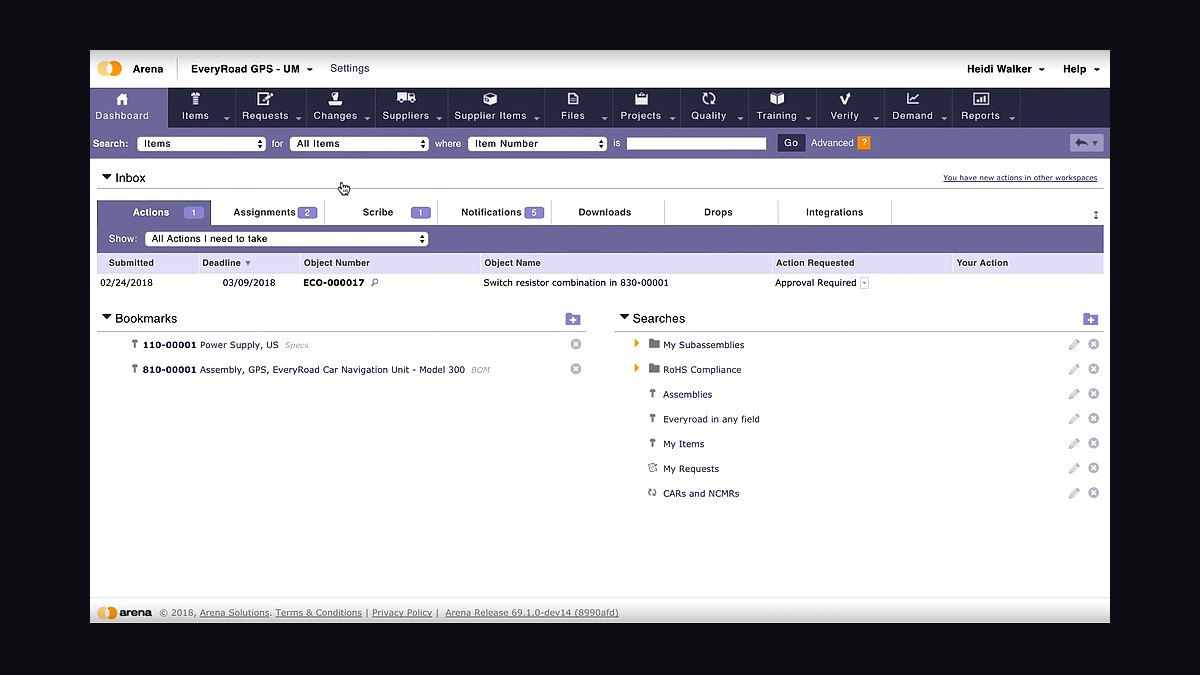
Arena PLM ranks fourth because it owns the bill of materials, engineering change orders, Design History File, and Device Master Record natively in the cloud, and it pairs cleanly with leading eQMS platforms. Pricing runs roughly $40,000–$120,000 per year depending on users and configuration. For most mid-market medtech companies it is the default PLM rather than a compromise.
It is for manufacturers whose BOMs, ECOs, and DHF/DMR have outgrown eQMS document control. It trades away the deep CAD integration and complex configuration management that PTC Windchill and Siemens Teamcenter provide for large engineering organizations. Against Greenlight Guru above it, Arena handles design definition far better; against ValGenesis below, it owns product records rather than validation execution.
5PTC Windchill PLM
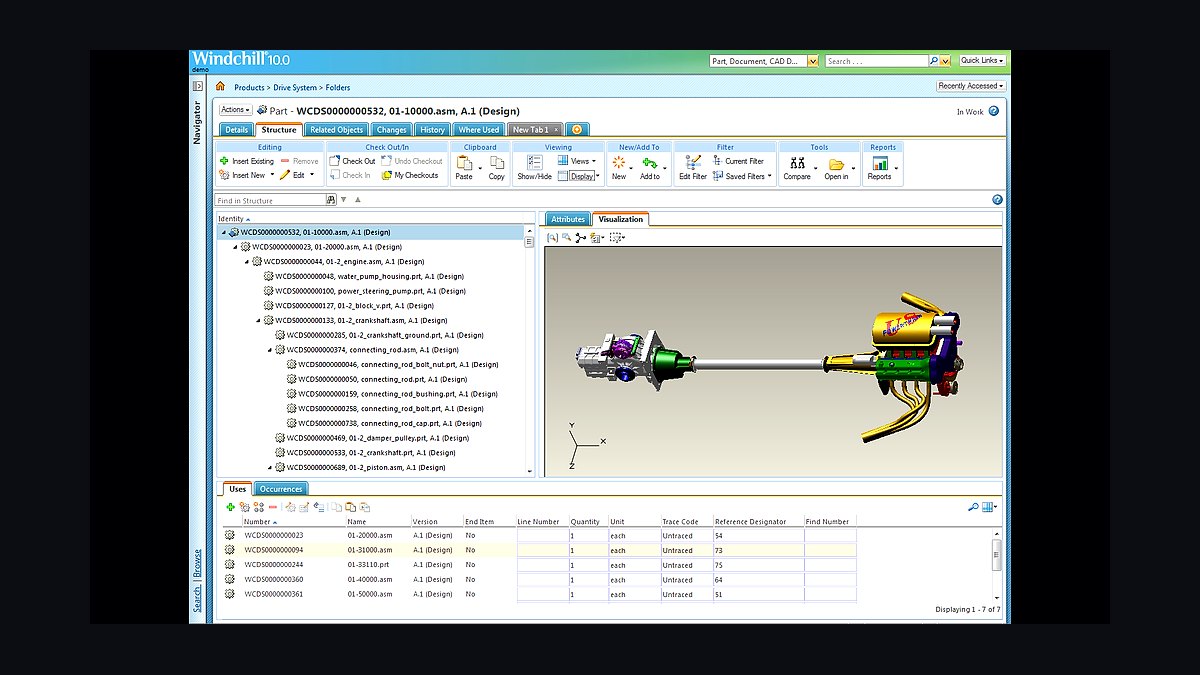
PTC Windchill ranks fifth because it is the enterprise PLM standard for large medtech manufacturers needing deep CAD integration, complex configuration management, and multi-site design control across global engineering teams. It connects mechanical, electrical, and software design records to the DHF and DMR at a scale Arena PLM struggles to match. Pricing typically exceeds $150,000 per year with implementation.
It is for 400-plus-person manufacturers with dedicated PLM administrators and heavy CAD workflows. It trades away simplicity and speed — deployments are long, costly, and staff-intensive. Against Arena PLM above it, Windchill wins on depth and CAD fidelity but loses badly on time-to-value; against ValGenesis below, it owns product definition rather than the validation lifecycle.
6ValGenesis VLMS
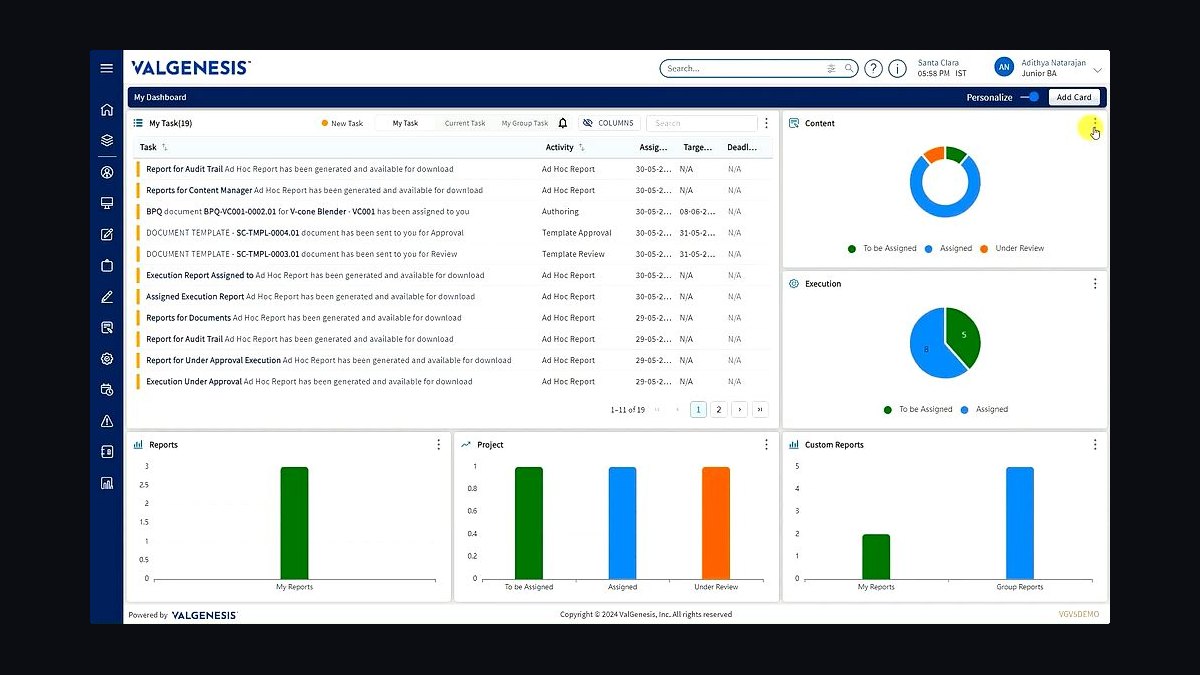
ValGenesis VLMS ranks sixth because it runs the IQ/OQ/PQ validation lifecycle paperlessly, which auditors increasingly expect and which spreadsheets cannot defend. It manages validation plans, protocols, execution, and traceability in one controlled system. Pricing runs roughly $50,000–$150,000 per year for larger operations, making it a real budget line.
It is for manufacturers with enough validated systems that manual CSV documentation becomes a bottleneck and audit risk. It trades away affordability for small teams, who should keep validation records inside eQMS document control instead. Against Arena PLM above it, ValGenesis owns validation execution rather than product records; against QAD below, it supports the quality system rather than manufacturing traceability.
7QAD ERP
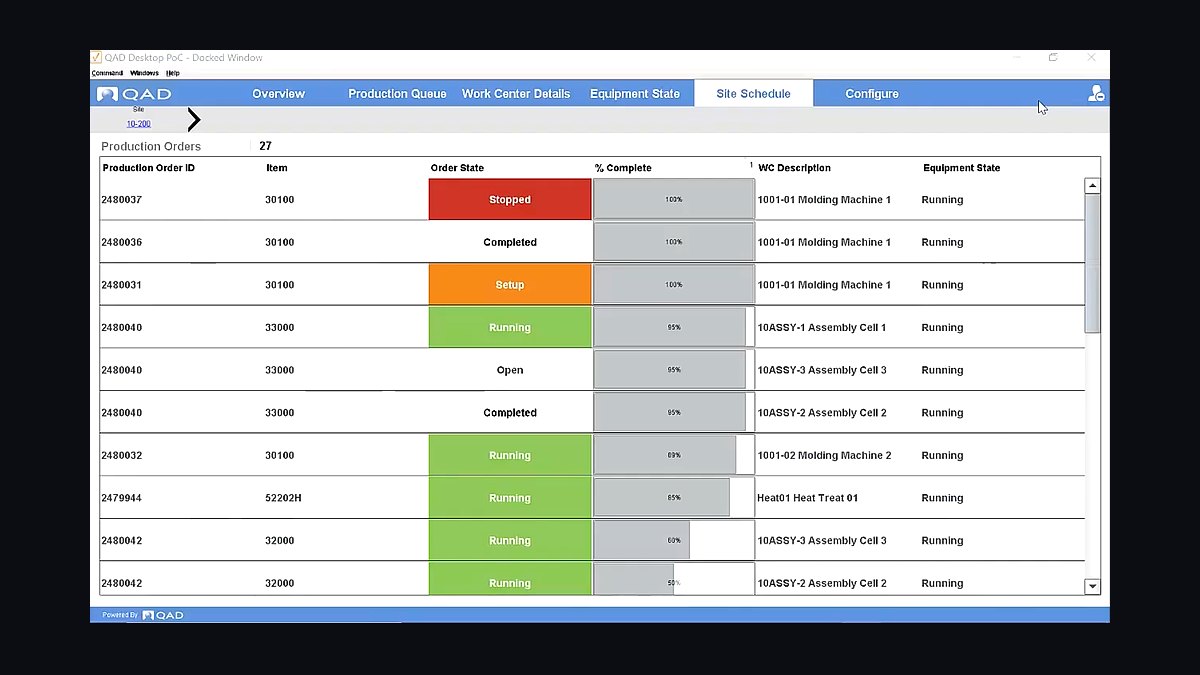
QAD ERP ranks seventh because it carries deep manufacturing and compliance roots, handling lot and serial traceability, supplier quality, and validated GxP processes for mid-market device makers. It is built for regulated production environments rather than retrofitted from general accounting software. Pricing is negotiated and typically lands in the mid-market range.
It is for manufacturers who need validated traceability from component lot to shipped serial number without SAP-scale cost and complexity. It trades away the broad ecosystem and ease of staffing that NetSuite offers. Against ValGenesis above it, QAD owns production and traceability rather than validation documentation; against Plex MES below, it manages enterprise resources rather than shop-floor genealogy.
8Plex MES
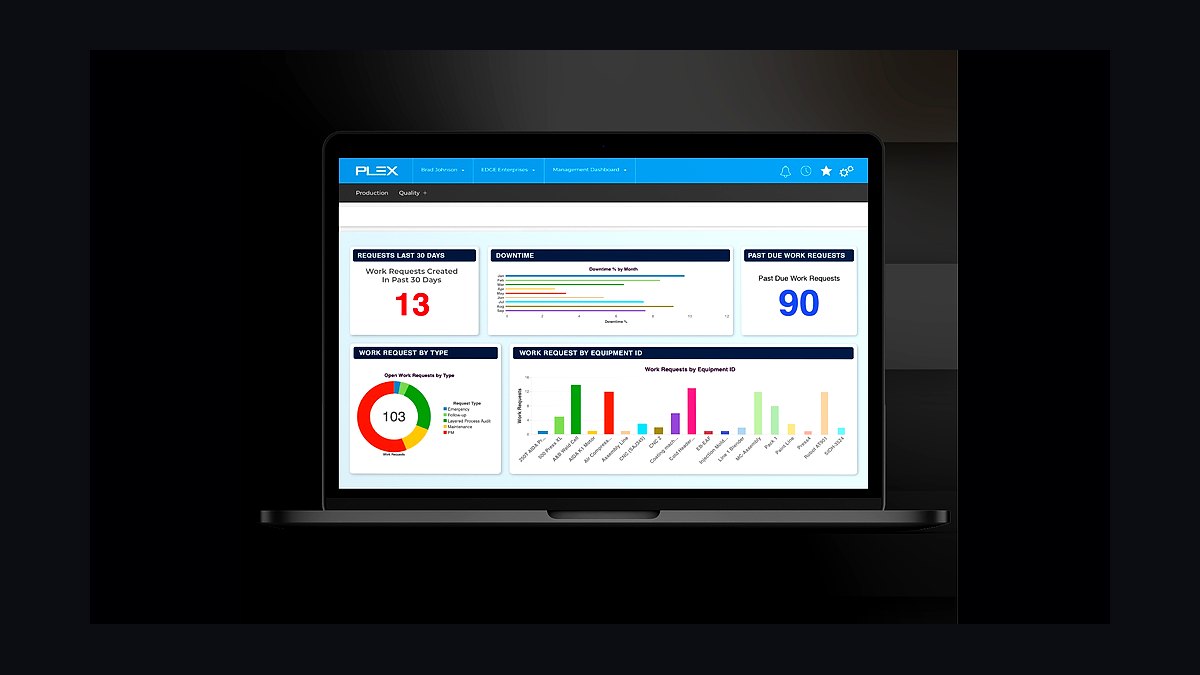
Plex MES ranks eighth because it delivers lot genealogy and electronic device history records on the shop floor, connecting production events directly to quality and traceability requirements. For contract manufacturers and high-volume assembly, it replaces paper travelers with controlled electronic records. Pricing is enterprise-tier and scales with production lines and sites.
It is for manufacturers and CDMOs whose production floor needs real-time device history records and traceability beyond what ERP alone provides. It trades away simplicity — MES implementations are heavy and require validation. Against QAD above it, Plex owns shop-floor execution rather than enterprise planning; against Tulip below, it is more manufacturing-native but less flexible for frontline workflow apps.
9Salesforce Health Cloud
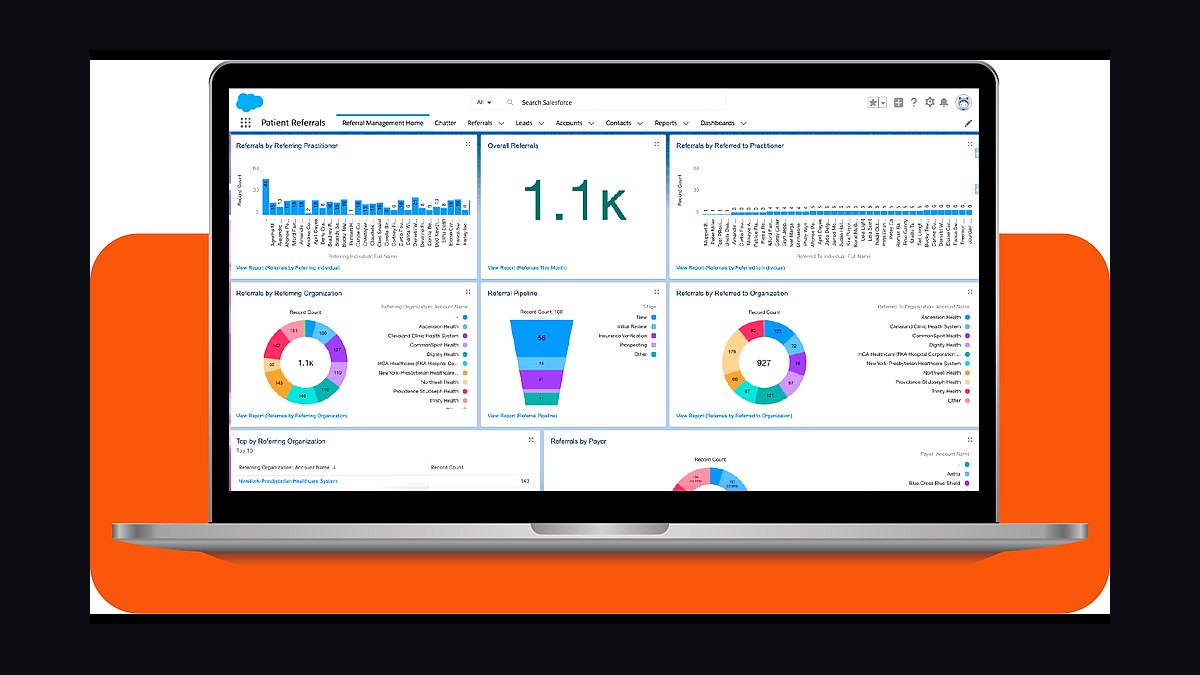
Salesforce Health Cloud ranks ninth because selling into hospitals, IDNs, and GPOs demands account complexity, contract management, and field-rep workflows that generic CRMs handle poorly. It runs roughly $150–$300 per user per month and integrates with the broader Salesforce ecosystem. It is the commercial layer, not the regulated core.
It is for device makers with established field sales, GPO contracting, and hospital account management needs. It trades away low cost and simplicity — early teams should start on HubSpot instead. Against Movemedical below it, Health Cloud owns customer relationships rather than consignment inventory; against Plex MES above it, it sits entirely outside the regulated quality path.
10Movemedical Field Inventory
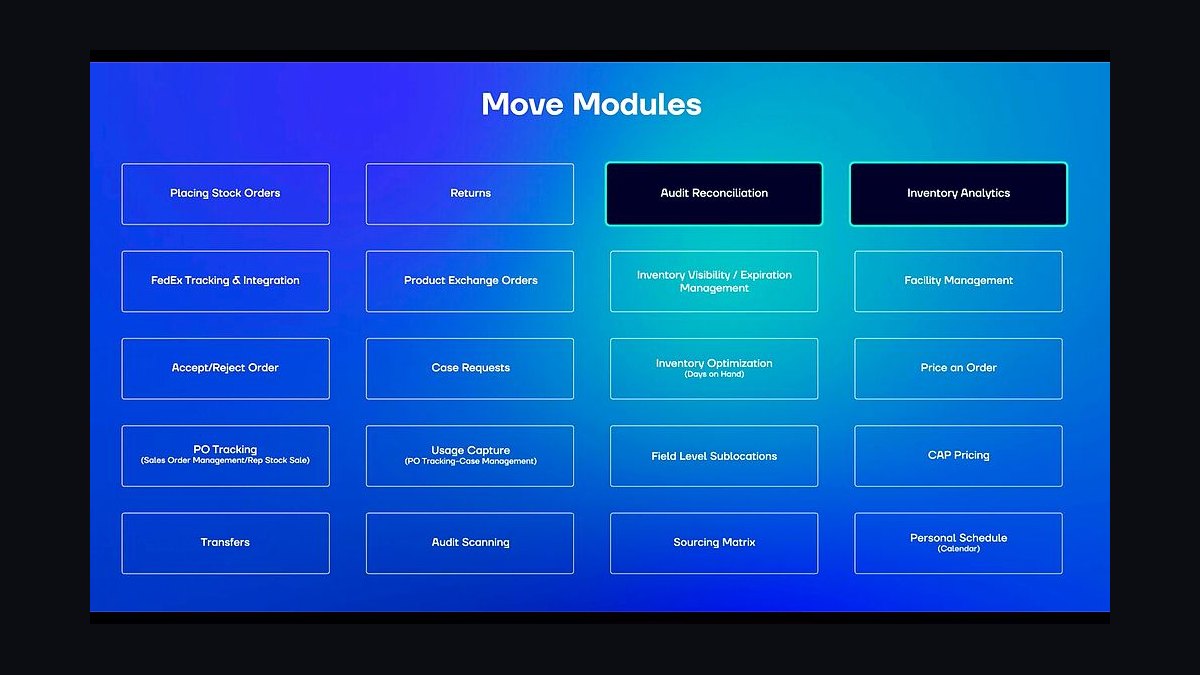
Movemedical ranks tenth because consignment inventory sitting in hospital cabinets and surgical trays is a direct revenue and compliance leak that ERP and CRM cannot track. It manages field and consignment inventory specifically for rep-driven device sales. Pricing runs roughly $40,000–$150,000 per year depending on rep count and case volume.
It is for manufacturers whose revenue depends on field reps and consignment stock placed in hospitals and surgical suites. It trades away broad applicability — companies selling capital equipment without consignment gain little. Against Salesforce Health Cloud above it, Movemedical owns inventory accuracy rather than account relationships; against Censis, it tracks consignment stock rather than sterilization and tray cycles.
How we ranked these
We ranked each tool on five weighted criteria: depth of medical-device-specific regulatory coverage (30%), validation and audit-readiness including pre-written IQ/OQ/PQ packages (25%), integration depth with PLM, ERP and MES systems (20%), total cost of ownership over three years (15%), and analyst-validated market position and client retention (10%). Scores came from vendor documentation, FDA and ISO audit outcomes, and buyer-reported implementation timelines.
We deliberately ignored generic SaaS feature breadth, UI polish, and mobile-app quality. A device maker cannot ship on interface elegance, and a tool that touches quality, design, or manufacturing must be validated before use, so feature checklists mislead. We also excluded vendor marketing claims and pricing discounts, because the real budget line is validation and change-control labor, not license cost.
Related questions
Why does a medical device manufacturer need a validated eQMS instead of a generic quality tool?
The eQMS is the regulatory system of record for design controls, CAPA, complaints, and UDI under 21 CFR 820 and ISO 13485. A generic tool cannot produce the audit trails, electronic signatures, and change-control evidence an FDA or notified-body auditor expects, and retrofitting validation after a 483 observation costs far more than buying purpose-built software up front.
Can a startup run design controls inside Greenlight Guru without a separate PLM?
Yes, early on. Greenlight Guru carries light design controls, risk files, and document control well enough for a single-product 510(k) submission. Once the bill of materials, engineering change orders, and DHF/DMR grow complex across multiple products, a dedicated PLM such as Arena becomes necessary so design definition and quality events stay reconciled.
What does IQ/OQ/PQ actually require from a device maker?
Installation Qualification proves the system is installed correctly, Operational Qualification proves it works as specified, and Performance Qualification proves it performs in your real process. Each step needs documented evidence, test scripts, and sign-off, and the system stays under change control afterward. That lifecycle is the carrying cost that makes regulated systems slower and pricier than ordinary SaaS.
How do PLM, eQMS, and ERP reconcile lot traceability during a recall?
PLM owns the design and build definition, the eQMS owns quality events and complaints, and a validated ERP or MES owns lot and serial genealogy. During a recall, the three must agree on which units contain the affected component. If they hold conflicting BOM or change versions, the company cannot prove recall scope, which is the riskiest seam in the stack.
Is Salesforce Health Cloud or Veeva CRM the better fit for hospital and GPO selling?
Salesforce Health Cloud fits device makers who want broad configurability and already run Salesforce elsewhere. Veeva CRM fits life-sciences-native workflows with prebuilt compliance and field-rep features. Both handle IDN and GPO account complexity at roughly $150–$300 per user per month. Early teams often start on HubSpot and migrate once contracting volume grows.
Why do consignment inventory and surgical trays need their own tracking tools?
Consignment stock sits in hospital cabinets and surgical trays move case by case, so standard ERP inventory cannot see it. Movemedical tracks field and consignment inventory for rep-driven sales, and Censis tracks instrument trays through sterilization and case use. Lost or expired consignment stock is a direct revenue and compliance leak, which justifies the $40,000–$150,000 annual spend.
When should a device maker graduate from an eQMS-native RIM to Veeva Vault RIM?
Graduate when the portfolio spans multiple products or international registrations that require tracking submissions, commitments, and health-authority correspondence in one place. Veeva Vault RIM is the category leader but enterprise-priced at $100,000+ per year. Smaller manufacturers run regulatory document control inside MasterControl or their existing eQMS until volume justifies the move.
What is the biggest mistake buyers make when selecting this stack?
Buying commercial tools before the regulated core exists. Early teams sometimes invest in a heavy CRM and field-inventory suite while still running quality on spreadsheets. Without FDA clearance and a validated quality system, there is nothing compliant to sell. The eQMS, PLM, and traceable ERP must come first, and the sales stack scales afterward.
FAQ
What is the single most important system in a medical device tech stack?
The eQMS. It is the regulatory system of record for design controls, CAPA, complaints, and UDI. A device maker can defer almost any commercial tool, but it cannot ship a compliant product without a validated quality system that survives an FDA or ISO 13485 audit.
Do I really need a separate PLM, or can the eQMS handle design records?
Very early on, a purpose-built eQMS like Greenlight Guru can carry light design controls and act as a stand-in. But once the bill of materials, engineering change orders, and DHF/DMR grow complex, a dedicated PLM such as Arena becomes necessary so design definition and quality events stay reconciled.
Why can't I just use a normal ERP like QuickBooks or generic NetSuite?
Because the ERP touches product quality and manufacturing, it must be validated (IQ/OQ/PQ) and provide lot and serial traceability under GxP rules. Generic accounting tools have no validation packages and cannot prove data integrity to an auditor, so device makers run validated configurations of NetSuite, QAD, or SAP.
What does validated or CSV actually mean for my tech stack?
Computer System Validation means documenting that a system installs correctly (IQ), operates as specified (OQ), and performs in your real process (PQ), then keeping it under change control. Tools like ValGenesis manage that lifecycle. Validation is the carrying cost that makes regulated systems slower and pricier than ordinary SaaS.
How is selling medical devices different on the commercial side?
It is high-touch B2B into hospitals, IDNs, and GPOs, driven by field reps and consignment inventory. The commercial stack uses Salesforce Health Cloud or Veeva CRM plus field-inventory tools like Movemedical and surgical-tray tracking like Censis, because lost or expired consignment stock is a direct compliance and revenue problem.
When should a startup invest in the full enterprise tech stack?
Not until the portfolio and volume demand it. Pre-clearance and through first product, stay lean on Greenlight Guru plus NetSuite plus a light CRM. Add RIM, MES, dedicated CSV platforms, and enterprise PLM only when international registrations, multi-site manufacturing, or audit scope force the upgrade.
How long does it take to validate and go live on an eQMS?
A pre-validated cloud eQMS like Greenlight Guru can be configured and validated in weeks for a small team, while an enterprise deployment of MasterControl or Veeva Vault QMS typically runs six to twelve months including IQ/OQ/PQ, data migration, and change-control documentation. Plan the validation effort before signing the contract, not after.
Does the 2026 QMSR harmonization change which tools I should buy?
The FDA's Quality Management System Regulation harmonizes 21 CFR 820 with ISO 13485, so buyers should favor platforms already aligned to ISO 13485 and ISO 14971 risk management. Most leading eQMS vendors have updated their templates and audit trails. Choosing a vendor with a clear QMSR roadmap reduces rework when inspections shift to the harmonized framework.
What analytics layer actually matters for a device manufacturer?
A thin reporting layer on top of ERP and quality data for complaint trends, CAPA aging, on-time delivery, and commercial performance. Power BI is the pragmatic default because most device makers already run Microsoft 365, at $10–$20 per user per month. Tableau is the alternate for heavier visualization, but neither replaces the validated systems beneath it.
How much should a mid-size manufacturer budget annually for this stack?
Roughly $250,000 to $900,000 per year for a commercial manufacturer with multiple products and 40–400 people. That covers Arena PLM, MasterControl eQMS, QAD or NetSuite ERP, Veeva or Salesforce Health Cloud CRM, Movemedical or Censis field inventory, dedicated CSV documentation, and Power BI. RIM is added as international registrations grow.
Sources
- https://www.fda.gov/medical-devices/postmarket-requirements-devices/quality-management-system-regulation-qmsr
- https://www.iso.org/standard/59752.html
- https://www.greenlight.guru/
- https://www.mastercontrol.com/
- https://www.veeva.com/products/vault-quality/
- https://www.arenasolutions.com/
- https://www.qad.com/
- https://www.movemedical.com/
- https://www.censis.com/
- https://www.valgenesis.com/
Related on PULSE
This page will be disappearing soon. Save it to your device for $1 — or read it free while it is here.
@Kory-White- · if Venmo asks, the last 4 of my number are 2012
This page is gone.
This one is off the shelf now. $1 keeps it on your phone for good — the whole page, pictures and diagrams included.
 pulse-tech-stacksTop 10 Best Tech Stack Tools for Hair Salons in 2027
 pulse-tech-stacksTop 10 Best Tech Stack Tools for Plumbing Contractors in 2027
 pulse-tech-stacksTop 10 Best Tech Stack Tools for Independent Bakeries in 2027
 pulse-tech-stacksTop 10 Best Tech Stack Tools for Email Security Vendors in 2027
 pulse-tech-stacksTop 10 Best Tech Stack Tools for Window Cleaning Services in 2027
 pulse-tech-stacksTop 10 Best Tech Stack Tools for Home Builders and Residential Developers in 2027
 pulse-tech-stacksTop 10 Best Tech Stack Tools for Public Relations Agencies in 2027
 pulse-tech-stacksTop 10 Best Tech Stack Tools for Land Surveying Firms in 2027
 pulse-tech-stacksTop 10 Best Tech Stack Tools for Mobile Threat Defense (MTD) Vendors in 2027
 pulse-tech-stacksTop 10 Best Tech Stack Tools for Self-Storage Operators in 2027