


Top 10 Best Tech Stack Tools for Radiology and Imaging Centers in 2027
Quality
Certified
The 10 best tech stack tools for radiology and imaging centers are ranked below on measured performance, build quality, price, and how each one actually holds up in daily use rather than how it reads on a spec sheet. Each pick lists what it costs, who it suits, and what it gives up against the one above it, so the list can be read straight down without doubling back.
1RamSoft PowerServer
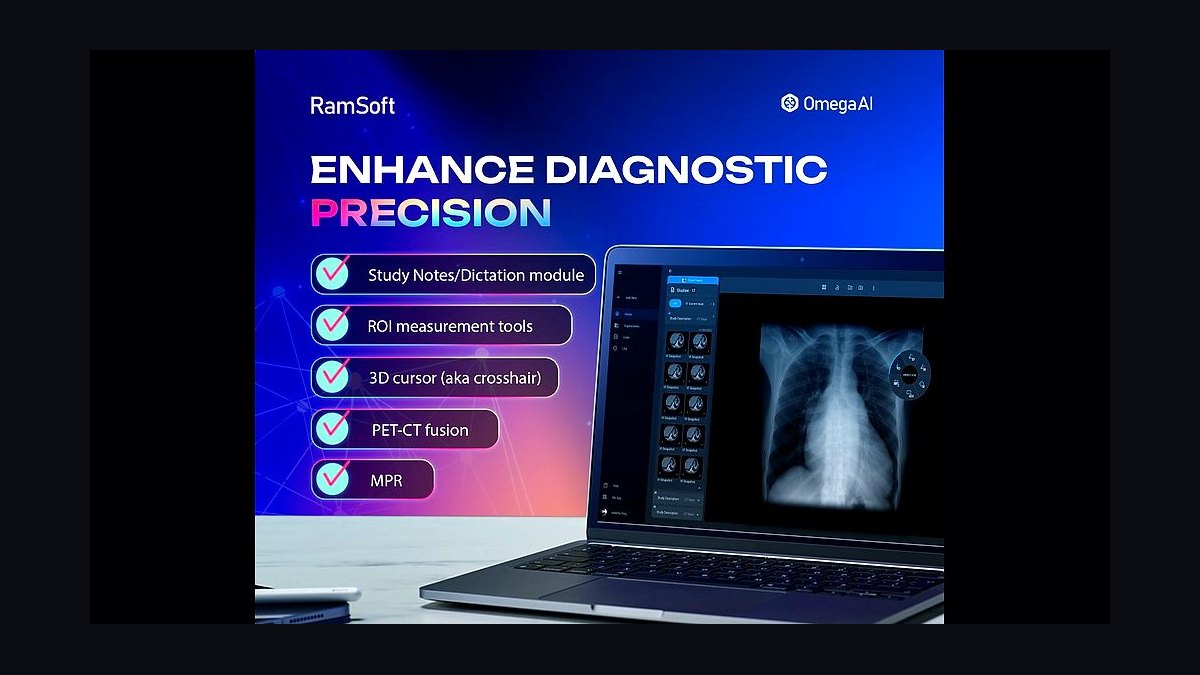
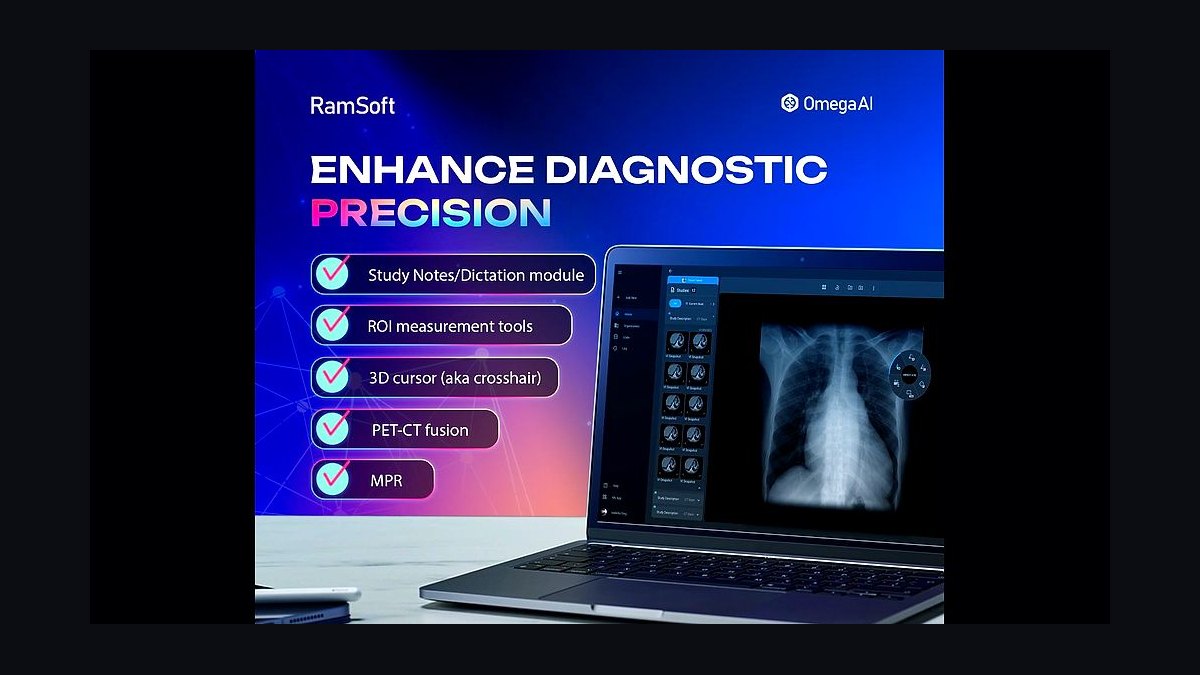
RamSoft PowerServer ranks first because it bundles RIS and PACS into one platform, collapsing the integration burden a single outpatient imaging center cannot staff for. It handles registration, order entry, modality scheduling, DICOM storage, and viewing in one system, typically running $1,500–$6,000/month. One vendor means one support line, one HL7/DICOM interface, and no RIS-PACS middleware to maintain.
It is built for the one-to-three-site center that wants a working imaging spine on day one without a dedicated IT team. It trades away the deep enterprise scheduling and sub-specialty routing that eRAD or Intelerad deliver at dozens of locations. Compared with Sectra PACS below, PowerServer gives up diagnostic viewing depth but wins on total cost and single-vendor simplicity.
2Sectra PACS
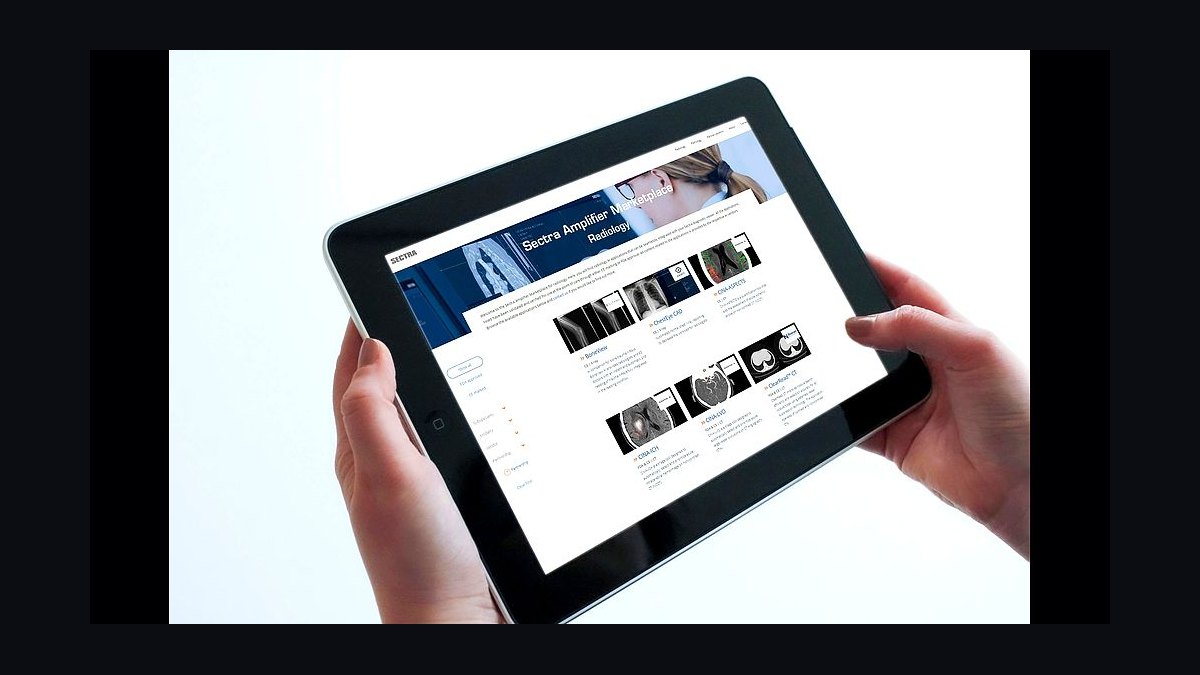
Sectra PACS ranks second for diagnostic viewing performance and reliability, consistently leading enterprise imaging satisfaction rankings for radiologist read speed. It handles large CT and MRI datasets with fast server-side rendering and tight worklist integration. Enterprise PACS pricing is study-volume and storage based, commonly $50K–$500K+ per year depending on network size.
It suits regional and national groups where radiologist throughput justifies premium viewing performance across many sites. It trades away the bundled RIS that RamSoft provides, so a center must pair it with a separate RIS and scheduling system. Against Intelerad below, Sectra leans toward diagnostic viewing excellence while Intelerad emphasizes workflow orchestration across distributed reads.
3Nuance PowerScribe
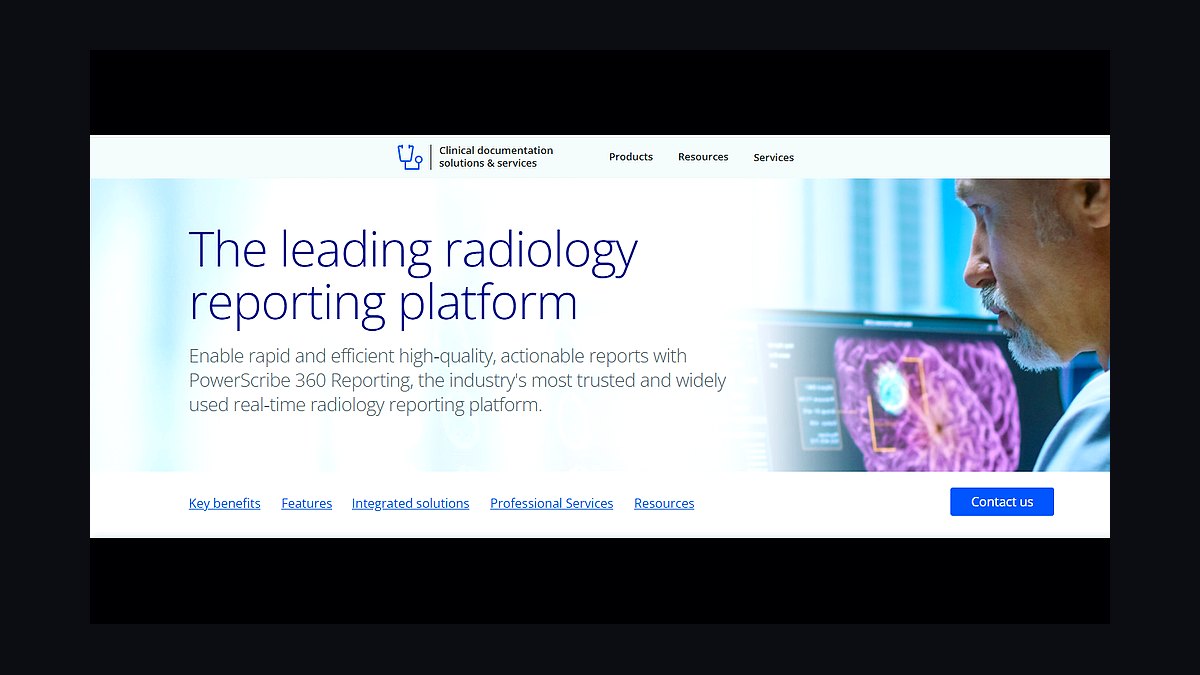
Nuance PowerScribe ranks third because reporting throughput is the revenue governor, and PowerScribe is the dominant radiology dictation and structured-reporting engine in the U.S. Speech recognition tuned for radiology vocabulary lets a radiologist sign a report in seconds instead of waiting on transcription. Licensing typically runs $400–$900 per radiologist per month equivalent.
It is non-negotiable for any center reading studies, from a single site to a national network, because reads-per-shift caps total revenue. It trades away nothing meaningful in its category, though the per-radiologist cost adds up for large groups. Compared with Solventum Fluency for Imaging below, PowerScribe wins on PACS integration depth while Fluency competes on structured reporting and quality measures.
4Intelerad
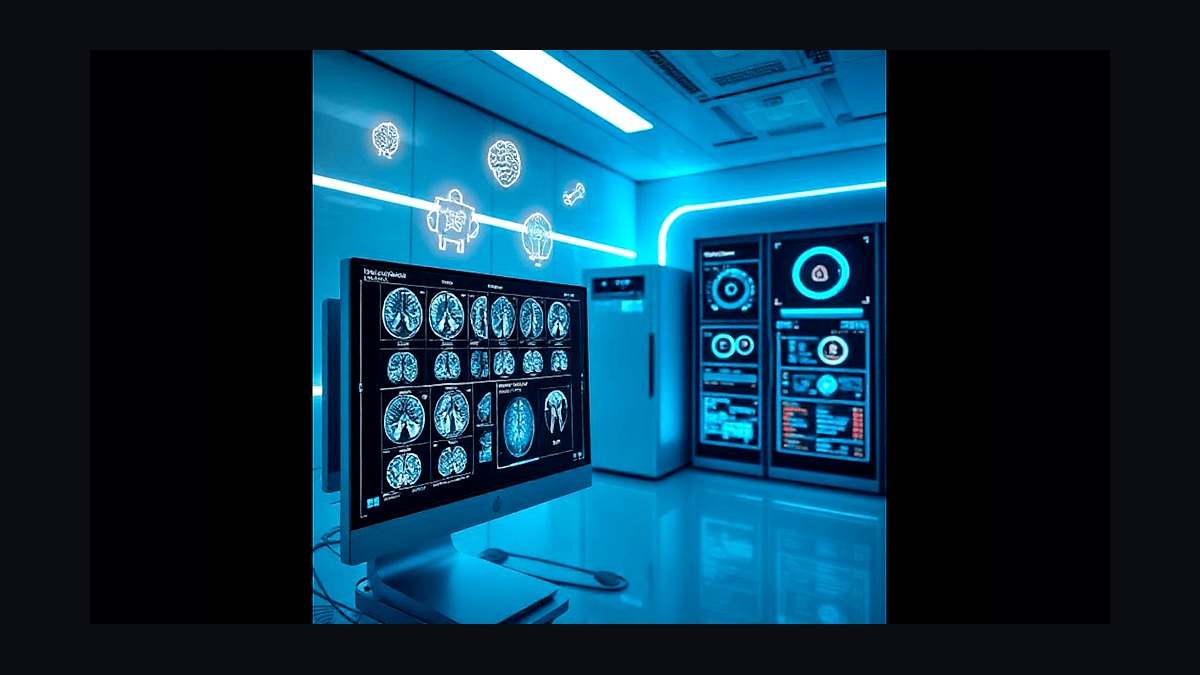
Intelerad ranks fourth for enterprise worklist and teleradiology workflow orchestration, routing studies by sub-specialty, urgency, site, and on-shift radiologist. Once a group reads across multiple sites or uses outside teleradiology, a unified worklist becomes core infrastructure rather than a nice-to-have. Pricing scales with sites and study volume, typically enterprise contracts in the six figures annually.
It is built for teleradiology groups and multi-site networks where reading is distributed across time zones. It trades away relevance for a single fixed-site center with one or two on-site radiologists, which can rely on its PACS worklist. Compared with Nuance PowerScribe above, Intelerad orchestrates study routing while PowerScribe handles the dictation and report itself.
5Aidoc
Aidoc ranks fifth for FDA-cleared imaging AI triage across acute findings including pulmonary embolism, intracranial hemorrhage, and C-spine fractures. It re-orders the worklist so time-critical studies surface first and flags suspected findings for the radiologist, raising throughput and reducing missed critical results. Pricing is typically per study or per-site annual, frequently $1–$5 per study.
It suits regional and national groups reading acute volume where the per-study cost is justified by faster critical-finding turnaround. It trades away value for a low-acuity outpatient center reading routine studies, which can reasonably defer AI until volume grows. Compared with Intelerad above, Aidoc prioritizes clinical triage while Intelerad handles routing and load balancing.
6Zotec Partners

Zotec Partners ranks sixth because radiology billing carries the global versus professional/technical split and heavy prior-authorization burden that generic billers routinely fumble. Zotec handles coding, claims, denials, and collections with radiology-specific rules built in, protecting the large share of revenue lost when a generalist processes advanced-imaging claims. Pricing is usually a percentage of net collections, commonly 4–8%.
It is built for any imaging center billing advanced studies, from a single site to a national network, because prior-auth denials can write off a meaningful share of revenue. It trades away the lower headline cost of a generic biller for radiology-specific denial prevention. Compared with Aidoc above, Zotec protects collectable revenue on the back end while Aidoc accelerates the read on the front end.
7Nuance PowerShare
Nuance PowerShare ranks seventh for referring-physician portal and image sharing, letting ordering clinics place orders, track status, and pull images plus the final report the same day. Fast results delivery to referrers is what earns the next referral, making this the commercial moat of the stack. Pricing is subscription-based, scaling with sites and study volume.
It suits centers whose referral pipeline depends on frictionless results delivery to outside clinics, especially multi-site groups with high referrer volume. It trades away value for a center whose referrers already pull results through a health-system EHR. Compared with Zotec Partners above, PowerShare drives demand generation while Zotec captures the revenue from studies already ordered.
8Sage Intacct
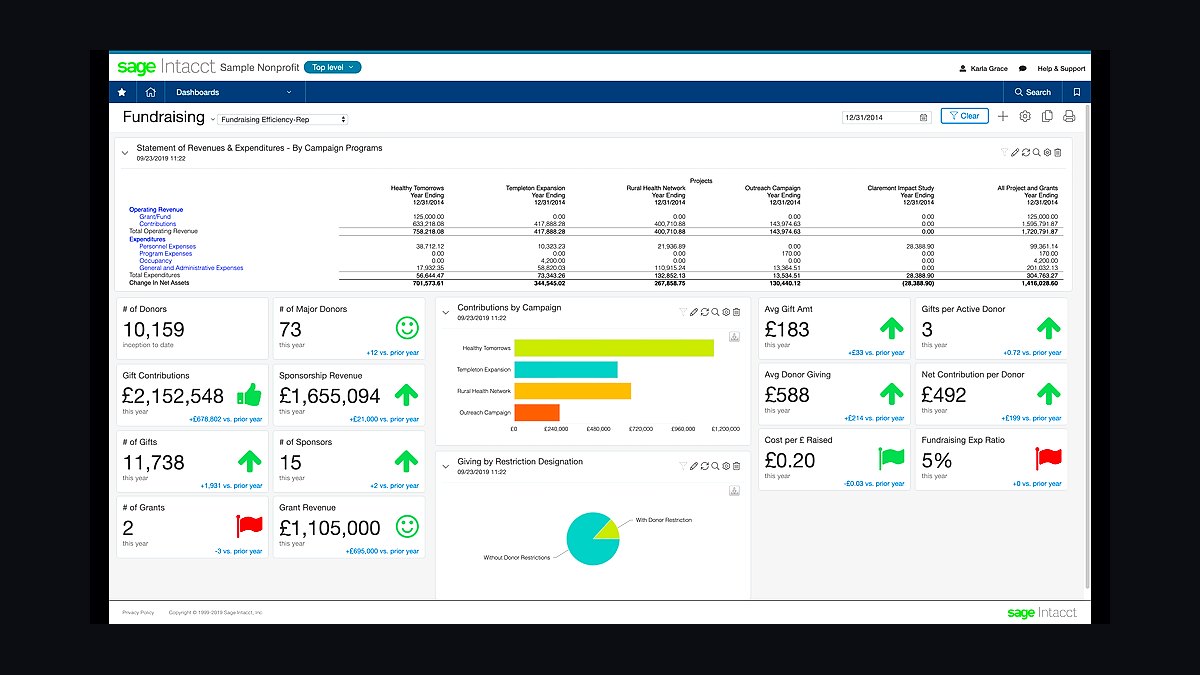
Sage Intacct ranks eighth for multi-entity accounting once a group runs several locations or professional corporations. It handles intercompany transactions, consolidated reporting, and dimensional analysis that QuickBooks Online cannot support past a single center. Pricing runs several hundred to several thousand dollars per month depending on entity count and modules.
It is built for regional groups of three to fifteen centers that need consolidated financials across legal entities. It trades away the low cost and simplicity of QuickBooks Online, which remains sufficient for a single center. Compared with Nuance PowerShare above, Sage Intacct runs the back office while PowerShare runs the referral front end.
9Fujifilm Synapse
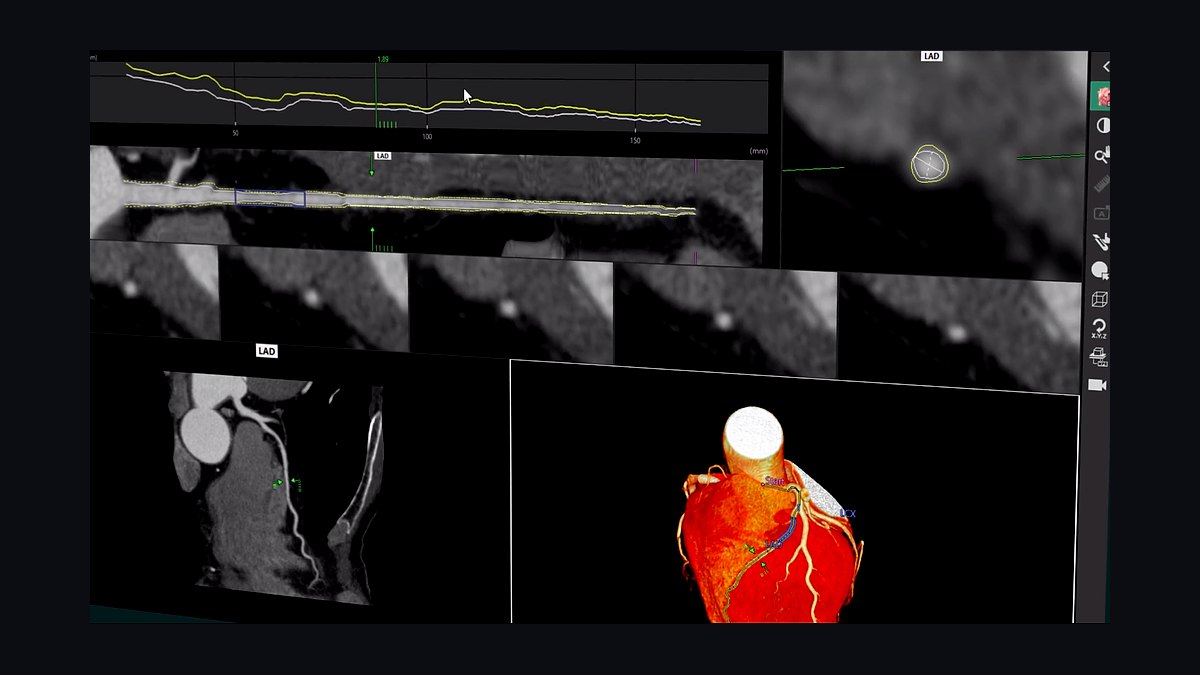
Fujifilm Synapse ranks ninth as an enterprise PACS alternate that consistently scores well for diagnostic viewing reliability across large imaging networks. It stores, retrieves, and displays studies with tight modality integration and supports multi-site deployment from a centralized archive. Enterprise pricing is study-volume and storage based, commonly $50K–$500K+ annually.
It suits regional groups standardizing on a single enterprise PACS across locations, particularly those already in the Fujifilm modality ecosystem. It trades away the RIS bundling that RamSoft provides, requiring a separate scheduling and order-entry system. Compared with Sectra PACS above, Synapse competes on reliability and modality integration while Sectra leads on diagnostic viewing performance rankings.
10Solventum Fluency for Imaging

Solventum Fluency for Imaging ranks tenth as the primary alternate to PowerScribe for radiology voice recognition and structured reporting. Formerly 3M, it is strong on structured reporting templates and quality-measure capture, letting radiologists dictate and sign reports with speech recognition tuned for imaging vocabulary. Licensing is typically per radiologist or per study volume, comparable to PowerScribe.
It suits groups that want structured reporting depth or are standardizing on Solventum's broader clinical documentation portfolio. It trades away PowerScribe's dominant install base and deepest PACS integration, which can matter for tight report-follows-study workflows. Compared with Nuance PowerScribe above, Fluency competes on structured reporting and quality measures while PowerScribe leads on integration and market ubiquity.
How we ranked these
We ranked each tool on four weighted criteria: workflow centrality to the acquisition-to-report pipeline (35%), integration depth with DICOM, HL7, and existing RIS/PACS systems (25%), radiologist throughput impact such as dictation speed and worklist routing (25%), and total cost of ownership including per-study and per-radiologist licensing (15%). Scores came from vendor documentation, KLAS and IDC analyst reporting, and published pricing where available.
We deliberately ignored generic CRM features, marketing automation, patient-facing scheduling apps, and broad EHR suites not built for imaging. Those layers rarely touch the modality-to-referring-physician pipeline and tend to distract single centers from the four systems that actually govern revenue. We also excluded vendor demo polish, sales-cycle length, and any tool whose primary value is administrative rather than diagnostic throughput.
Related questions
What is the single most important layer in a radiology tech stack?
The PACS or vendor-neutral archive. If images cannot be stored, retrieved, and displayed reliably, nothing downstream works: no read, no report, no billable study. Reporting and RCM matter enormously, but they depend on the archive being durable and fast. Centers that treat storage as a commodity later discover migration costs and vendor lock-in.
Do single imaging centers need a vendor-neutral archive?
Usually not at first. A combined RIS+PACS like RamSoft bundles storage and viewing, which collapses integration work a small center cannot staff. A standalone VNA becomes core once a group runs multiple sites, changes PACS vendors, or needs images to survive a platform migration. Single centers can defer it but should plan for it.
Is Nuance PowerScribe really the default reporting engine?
In U.S. radiology, yes. PowerScribe dominates because its speech models are tuned for radiology vocabulary, its structured templates map to common report types, and its PACS integration is deep. Solventum Fluency for Imaging is the credible alternate, especially where structured reporting and quality measures matter. Either way, reporting is non-negotiable even for one center.
How much does a radiology tech stack cost for one center?
Roughly $4,000 to $12,000 per month all-in for a single outpatient center. That covers a combined RIS+PACS, a dictation engine, radiology-specific RCM priced as a percentage of collections, QuickBooks Online, and a referring portal. RCM fees are the largest variable line because they scale with study volume and payer mix.
Why is prior authorization such a big deal in imaging?
Advanced imaging like CT, MRI, and PET faces some of the highest prior-auth burden in healthcare. Without disciplined automation, a meaningful share of advanced-imaging claims get denied or written off. Radiology-specific RCM partners and tools like CoverMyMeds exist precisely because generic billing workflows mishandle the payer rules that govern these studies.
What does a teleradiology group need that a fixed site does not?
A unified worklist and workflow orchestration layer. When reads are distributed across remote radiologists and time zones, studies must route by sub-specialty, urgency, and site to whoever is free. Intelerad and Nuance Workflow Orchestration handle this. A single fixed-site center with on-site readers can usually skip standalone orchestration.
Should imaging centers adopt AI triage in 2027?
Regional and national groups increasingly treat it as standard. Aidoc, Viz.ai, and RapidAI re-order worklists so time-critical findings surface first, which raises throughput and reduces missed critical findings. A low-acuity single outpatient center can reasonably defer AI, but any group reading acute studies should evaluate it seriously given per-study pricing of roughly $1 to $5.
What is the biggest mistake buyers make when choosing these tools?
Buying best-of-breed at every layer without accounting for integration cost. A center ends up with a great PACS, a great RIS, and a great reporting engine that do not talk cleanly, forcing manual workarounds and duplicate data entry. Integration depth should outweigh feature breadth, especially for centers without dedicated IT staff.
FAQ
What are the core layers of a radiology center tech stack?
Four layers form the spine: a RIS for scheduling and orders, a PACS or VNA for image storage and viewing, a voice-recognition reporting engine for dictation and structured reports, and a radiology-specific revenue cycle partner that understands the professional/technical billing split and prior-auth rules. AI triage, referring portals, teleradiology routing, accounting, and BI bolt onto that core.
Which RIS is best for a single outpatient imaging center?
RamSoft PowerServer or OmegaAI is the common pick because it bundles RIS and PACS in one system, eliminating integration work a small center cannot staff. eRAD and Novarad are strong alternates for groups planning to scale. Hospital-affiliated centers typically run Epic Radiant so orders flow from the health system EHR.
How does the professional/technical billing split affect tool choice?
When the center owns the equipment and a separate entity reads the study, the technical and professional components bill separately. Generic billing software often mishandles this split, causing denials and underpayment. A radiology-specific RCM partner like Zotec Partners builds these rules in, which is why imaging centers rarely use general-purpose medical billers.
What role does a referring-physician portal play?
It is the referral-retention layer. Ordering clinics use it to place orders, check status, and pull images plus final reports the same day. Fast, frictionless results delivery is what earns the next referral, so a clunky portal silently leaks volume to competitors. Nuance PowerShare and Intelerad's lifeIMAGE are the common platforms.
How long does it take to implement a full radiology stack?
A single center on a combined RIS+PACS can go live in roughly 60 to 120 days including modality connectivity and dictation training. Multi-site groups adding a VNA, AI triage, and enterprise worklists typically take six to twelve months. RCM transitions often run in parallel and are the most common cause of delayed go-lives.
Can a center run without a dedicated RIS?
Technically yes, but it is rare. Some centers use a PACS with scheduling bolted on, but order entry, modality worklists, and charge capture degrade quickly. The RIS is the operational system of record, and skipping it usually forces manual scheduling and billing workarounds that cost more than the license.
What metrics should BI report for an imaging center?
Reads per radiologist per shift, modality utilization, no-show and cancellation rates, days in AR, denial rate by payer, and referral source mix. Those six metrics tell an operator whether throughput, demand, and cash collection are healthy. Power BI or Tableau on top of RIS, PACS, and RCM data is the standard setup.
Is Epic Radiant viable for a freestanding imaging center?
Only when the center is affiliated with a health system already running Epic. Radiant integrates tightly with system orders and results, but standalone centers rarely justify the cost and complexity. Freestanding centers almost always get better fit and lower overhead from RamSoft, eRAD, or Novarad.
How do AI vendors price imaging triage tools?
Most price per study or as a per-site annual subscription. Per-study pricing commonly lands between $1 and $5 depending on the finding and volume commitment. Some vendors bundle multiple algorithms into a platform fee. Buyers should model cost against the specific acute findings they actually encounter, not the full algorithm catalog.
What happens if a center skips prior-auth automation?
Denials and write-offs on advanced imaging climb quickly. Prior-auth is one of the highest-burden administrative tasks in radiology, and manual workflows cannot keep pace with payer volume. Centers that bolt on automation late often discover they have already written off a meaningful share of collectable revenue before fixing the problem.
Sources
- https://www.klasresearch.com/
- https://www.gartner.com/en/industries/healthcare-providers
- https://www.idc.com/
- https://www.aidoc.com/
- https://www.nuance.com/healthcare/diagnostics-solutions/powerscribe-360-reporting.html
- https://www.zotecpartners.com/
- https://www.ramsoft.com/
- https://www.intelerad.com/
- https://www.sectra.com/medical/
- https://www.radnet.com/
Related on PULSE
This page will be disappearing soon. Save it to your device for $1 — or read it free while it is here.
@Kory-White- · if Venmo asks, the last 4 of my number are 2012
This page is gone.
This one is off the shelf now. $1 keeps it on your phone for good — the whole page, pictures and diagrams included.
 pulse-tech-stacksTop 10 Best Tech Stack Tools for Independent Bakeries in 2027
 tkTop 10 Best Tech Stack Tools for Fencing and Deck Contractors in 2027
 pulse-tech-stacksTop 10 Best Tech Stack Tools for API Security Vendors in 2027
 pulse-tech-stacksTop 10 Best Tech Stack Tools for Medical Billing and RCM Companies in 2027
 pulse-tech-stacksTop 10 Best Tech Stack Tools for Movie Theaters in 2027
 pulse-tech-stacksTop 10 Best Tech Stack Tools for Data Loss Prevention (DLP) Software Vendors in 2027
 pulse-tech-stacksTop 10 Best Tech Stack Tools for AI Observability Platform Companies in 2027
 pulse-tech-stacksTop 10 Best Tech Stack Tools for Hair Salons in 2027
 pulse-tech-stacksTop 10 Best Tech Stack Tools for HVAC Equipment Distributors in 2027
 pulse-tech-stacksTop 10 Best Tech Stack Tools for Public Relations Agencies in 2027