


Top 10 Best Tech Stack Tools for Pawn Shops in 2027
Quality
Certified
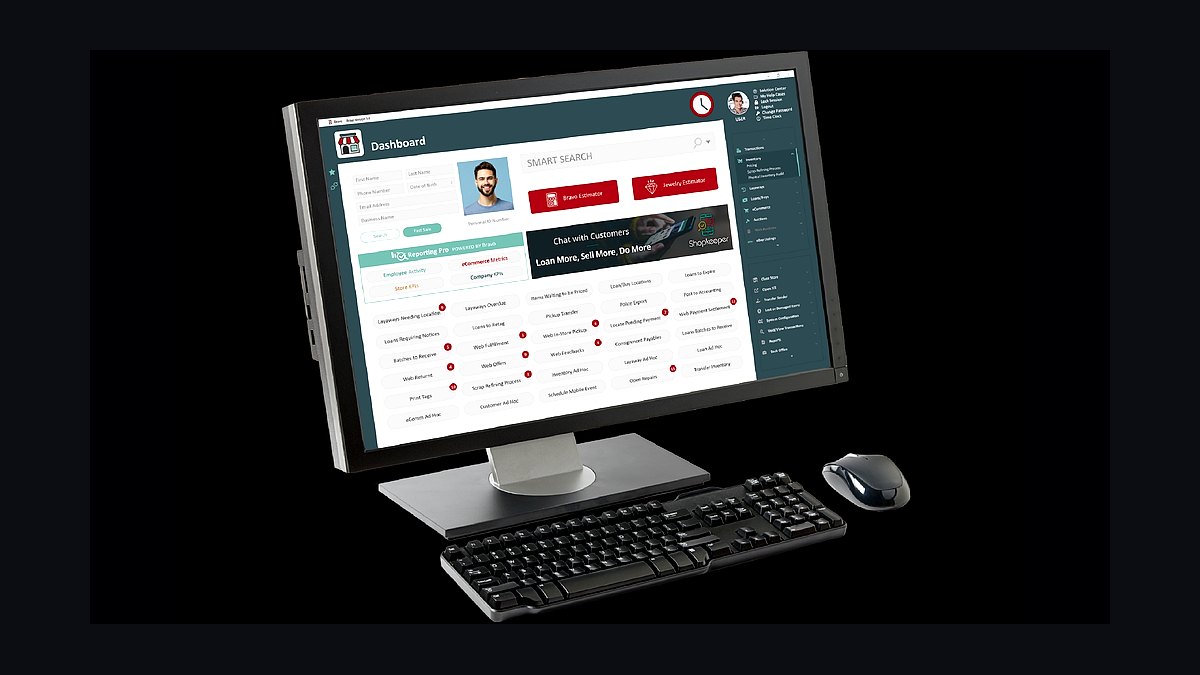
The 10 best tech stack tools for pawn shops are ranked below on measured performance, build quality, price, and how each one actually holds up in daily use rather than how it reads on a spec sheet. Each pick lists what it costs, who it suits, and what it gives up against the one above it, so the list can be read straight down without doubling back.
1Bravo Pawn Systems

Bravo Pawn Systems ranks first because it is the only mainstream pawn platform that ships the collateral-loan ledger, retail POS, multi-store inventory transfer, and a native e-commerce module in one cloud system. Forfeited items flow from loan collateral to priced inventory with a defensible cost basis automatically, and daily law-enforcement reporting pushes without re-keying.
It is built for operators running two to twenty-five stores who intend to grow and who want online resale synced against the floor. It trades away the on-premise deployment some long-time operators prefer, and it costs more per store than CompuPawn or Pawn Wizard. PawnMaster sits directly below it as the on-prem and hybrid alternative.
2PawnMaster

PawnMaster ranks second because it is the long-standing industry standard with the deepest installed base of experienced operators and staff, and it is available in on-premise or hybrid deployment rather than cloud-only. It models state pawn statutes natively and handles the loan-to-forfeiture-to-inventory handoff in a single ledger.
It suits established shops whose employees already know the interface and who want local control of data. It trades away the cloud multi-store visibility and native e-commerce sync that Bravo provides out of the box, so growing chains often bolt on reporting separately. FastBound sits below it for the firearms ledger.
3LeadsOnline

LeadsOnline ranks third because it is the automated law-enforcement reporting feed most U.S. police departments actually consume, and it integrates directly with Bravo and PawnMaster so daily pledged and purchased item reporting becomes a push rather than a 6 p.m. typing chore. Missing reports draw fines and license scrutiny.
It is mandatory infrastructure for essentially every pawn shop in a jurisdiction that requires daily reporting, not an optional add-on. It trades away nothing meaningful, though cost is often bundled or modest and some regions mandate BWI instead. Business Watch International covers those regions where LeadsOnline is not the required feed.
4FastBound

FastBound ranks fourth because it is a focused electronic bound book that satisfies the ATF acquisition-and-disposition requirement at a low monthly cost and integrates with many pawn POS systems. Any shop holding an FFL needs a reconcilable bound book regardless of gun volume, and low volume does not lower the standard.
It suits shops where firearms are an incidental line rather than the main business. It trades away the managed compliance services and audit support that Orchid provides, so the operator carries the audit discipline themselves. Orchid sits above it for firearms-heavy operations that want expert oversight.
5Orchid FFL Compliance

Orchid ranks fifth because it pairs FFL software with managed compliance services and scheduled audit support, which is what a firearms-heavy pawn shop actually needs to survive an ATF inspection. Bound-book errors, missing 4473s, and skipped NICS checks are the findings that end licenses.
It is built for shops where guns are a major line of business rather than a case in the corner, and where quarterly internal audits are part of the routine. It trades away the low monthly cost of a focused tool like FastBound in exchange for oversight. Coreware/AXIS serves the same tier for larger firearms operations.
6Shopify POS

Shopify ranks sixth because it gives a pawn shop a branded storefront for a few tens of dollars a month plus payment fees, and it is the practical resale channel for forfeited inventory that does not fit the eBay listing model. It handles card acceptance and layaway alongside the online catalog.
It is for shops that want their own storefront rather than a marketplace presence, and it works best when inventory syncs from the pawn platform rather than by manual CSV upload. It trades away platform-native hold-status enforcement, so a held item can be listed unless the inventory layer blocks it. eBay sits below it as the larger-volume marketplace.
7eBay

eBay ranks seventh because it remains the largest used-goods marketplace and is where a great deal of forfeited pawn inventory actually clears, particularly electronics, tools, and instruments. Listing reach is unmatched for odd or slow-moving items that would sit in a case for months.
It is for shops moving volume online rather than curating a branded storefront. It trades away margin: final-value fees on used-goods marketplaces run into the low double digits as a percentage of sale, so a piece that moves in-store at a given margin may net materially less online. Aravenda sits below it for consignment-style resale.
8Aravenda

Aravenda ranks eighth because it is purpose-built for resale and consignment inventory, which fits pawn shops that take forfeited goods to market through consignment arrangements or that run a resale operation alongside the loan book. It handles intake, pricing, and sell-through tracking for secondhand merchandise.
It suits shops whose resale side is substantial enough to warrant dedicated software rather than a generic storefront. It trades away the direct sync against pawn inventory that Bravo's own e-commerce module provides, so reconciliation is a manual step. Worthy sits below it for high-value jewelry auctions.
9Worthy

Worthy ranks ninth because it runs online auctions specifically for higher-value jewelry, which is where pawn shops with a jewelry-heavy collateral book can capture more than scrap value on forfeited pieces. It handles photography, listing, and buyer reach for pieces that deserve a national audience.
It is for shops whose inventory includes gold, diamonds, and branded watches rather than general merchandise. It trades away the speed and simplicity of listing on eBay, since auction cycles take longer and require appraisal discipline up front. Aravenda sits above it for broader resale and consignment inventory.
10QuickBooks Online

QuickBooks Online ranks tenth because it covers the accounting and reporting needs of the vast majority of independent and small-chain pawn shops, with platform reports exported in for reconciliation. It handles the bookkeeping that a pawn platform does not, including payroll, taxes, and vendor payments.
It is for single-store and small multi-store operators who need clean books rather than a data warehouse. It trades away the cross-store analytics that larger chains want, so operators past roughly five locations move to QuickBooks Enterprise or a mid-market ERP. Power BI sits above it as the reporting layer once store count justifies it.
How we ranked these
We ranked each tool on five weighted criteria: native modeling of state pawn statutes and the collateral-loan lifecycle (30%), automated law-enforcement reporting integration such as LeadsOnline or BWI (20%), live precious-metals pricing and valuation accuracy (15%), online resale and inventory sync capability (15%), and multi-store reporting plus total cost of ownership (20%).
Scores came from vendor documentation, published module pricing where available, and operator-reported deployment experience across single-store and chain environments.
We deliberately ignored brand age, trade-show presence, and feature-count checklists. Longevity does not prove a platform models your state's grace periods or fee caps correctly, and a bloated feature list often signals modules you will never configure. We also excluded generic retail POS systems and consumer-lending servicers, since neither handles physical collateral held in a safe and later sold at retail margin.
What to look for
What matters most is whether the platform natively models your jurisdiction's pawn law: interest and storage-fee accrual, grace periods, extension rules, and required pre-forfeiture notices. Second is whether police reporting pushes automatically from the same transaction record, because re-keying into a separate portal is where compliance gaps and fines originate. Third is whether forfeited inventory flows into priced retail stock and online listings without anyone re-entering data anywhere.
The mistake most buyers make is choosing on price per store per month while ignoring migration and integration cost. Moving active loans with correct maturity dates and accrued fees is the hard part, and a cheap platform that mishandles it produces wrong payoff quotes for customers. Buyers also over-buy at one store, adding BI dashboards and enterprise CRM nobody opens, when that money should fund loan capital instead.
Related questions
What is the single most important tool in a pawn shop tech stack?
The pawn-management platform is the system of record and everything else is a spoke off it. Bravo and PawnMaster both run the collateral-loan lifecycle and retail POS in one ledger. If a second system creates transactions independently, the ledger forks and reconciliation becomes a permanent tax on the business.
How does automated police reporting work for pawn shops?
Platforms integrate directly with LeadsOnline or Business Watch International, transmitting pledged and purchased items daily with customer identification, item descriptions, and serial numbers. The transaction record already contains this data, so reporting becomes a push rather than a clerk typing serial numbers into a separate portal at closing time.
Do pawn shops that sell firearms need separate compliance software?
Yes. Firearms are a federal regime under the ATF, requiring an acquisition-and-disposition bound book, Form 4473 on every transfer, and a NICS check. Orchid, FastBound, and Coreware handle this. It is a parallel compliance ledger with its own audit trail, not a toggle inside a general POS.
Why does live precious-metals pricing matter at the counter?
Jewelry and bullion are a large share of collateral, and lending against last week's gold price loses money fast in a moving market. A live spot feed wired into loan and buy screens lets clerks compute scrap value with a policy-set margin buffer, so every shift applies the same discount to spot.
Can a pawn shop just use a generic retail POS system?
No. A pawn loan is a state machine with originated, accruing, matured, grace, extended, redeemed, and forfeited states, each with legal consequences. Generic POS software has no concept of daily interest accrual, statutory fee caps, grace periods, or holding a physical item in a safe and selling it later.
What should a single-location pawn shop realistically spend on software?
Plan on several hundred to roughly fifteen hundred dollars monthly for platform, reporting, ID scanning, metals pricing, and QuickBooks, plus payment processing and marketplace fees. A one-store shop does not need a data warehouse or enterprise CRM; that money belongs in loan capital, which is the real constraint on earnings.
How long does migrating to a new pawn platform take?
Plan for a real cutover with a parallel period, not a weekend flip. Active loans must move with correct maturity dates, accrued interest, accrued storage fees, and extension history intact. Reconcile a sample by hand against the old system and do not decommission it until a full loan cycle closes cleanly.
What benchmarks should a pawn shop track once the stack is live?
Track redemption rate, loan-to-retail revenue mix, average loan size, inventory turn, and the percentage of inventory aged past your policy threshold. Same-day reporting completeness should be a hard 100 percent, checked daily. Anything less is a compliance defect rather than a performance metric.
FAQ
What is the best tech stack for a pawn shop in 2027?
One pawn-management platform, Bravo or PawnMaster, running the collateral-loan lifecycle and retail POS in a single ledger. Wire it to automated law-enforcement reporting, live precious-metals pricing, an online resale channel, and dedicated FFL compliance software if you handle firearms. Everything else is a spoke off that hub.
Is Bravo or PawnMaster better for a multi-store pawn operation?
Bravo Pawn Systems is the common cloud choice for modern multi-store operators, with integrated e-commerce and reporting built in. PawnMaster from Data Age is the long-standing standard with deep familiarity among established shops and on-prem or hybrid deployment. Choose based on whether the platform models your state's pawn law natively.
How much does pawn shop software cost per month?
Pricing is quote-driven and varies by store count and modules. Expect a few hundred dollars per store monthly for a mainstream platform, with modules stacking on top. Two-to-ten-store operators commonly land in the low thousands monthly, and enterprise deployments scale into five figures plus per-store licensing.
What is LeadsOnline and do pawn shops have to use it?
LeadsOnline is the reporting feed most U.S. police departments consume for pledged and purchased items. Nearly every jurisdiction requires pawnbrokers to report daily, including customer identification, item descriptions, and serial numbers. It integrates directly with major pawn platforms, so reporting becomes an automated push rather than manual data entry.
How do pawn shops handle online resale of forfeited inventory?
eBay remains the largest used-goods marketplace, Shopify provides a branded storefront, and Aravenda is purpose-built for resale and consignment. Bravo's e-commerce module syncs directly against pawn inventory so sold items leave the floor automatically. Marketplace final-value fees run into the low double digits, so price accordingly.
What happens if a pawn shop sells an item still under police hold?
Statutory hold periods exist so law enforcement can identify stolen property, and selling during a hold is a legal violation. The fix is enforcing hold status at the inventory layer so no downstream channel can transact against a held item. Enforcing it at the channel layer means every new sales channel is a new chance to get it wrong.
Do pawn shops need customer communication software?
Pawn is repeat business built on relationships, and automated redemption reminders before maturity measurably help customers redeem rather than forfeit. Podium and Birdeye handle SMS, review generation, and webchat for a few hundred dollars monthly per location. A cheaper path is whatever SMS capability your platform includes natively.
What accounting software works with pawn management platforms?
QuickBooks Online covers the vast majority of independents and small chains, with platform reports exported in. Larger operators move to QuickBooks Enterprise or a mid-market ERP. Multi-store owners eventually want a reporting layer like Power BI sitting on exported platform data to compare stores on redemption rate and inventory aging.
What is the biggest risk when migrating pawn software?
Moving active loans between systems means moving maturity dates, accrued interest, accrued storage fees, and extension history. Errors produce customers charged the wrong payoff amount, which is a legal and reputational problem simultaneously. Run a parallel period, reconcile a loan sample by hand, and keep the legacy system until a full cycle closes.
How often should a pawn shop audit its firearms bound book?
Quarterly at minimum, not annually. Bound-book errors, missing 4473s, and skipped NICS checks are the findings that end Federal Firearms Licenses. Dedicated software with disposition controls plus periodic internal audits and physical reconciliation against the book is the only defensible practice for an FFL.
Sources
- https://www.bravopawn.com/
- https://www.pawnmaster.com/
- https://www.leadsonline.com/
- https://www.atf.gov/firearms/ffl-licensee-responsibilities
- https://www.orchidpro.com/
- https://www.fastbound.com/
- https://www.shopify.com/
- https://quickbooks.intuit.com/
- https://www.ebay.com/
- https://www.podium.com/
Related on PULSE
This page will be disappearing soon. Save it to your device for $1 — or read it free while it is here.
@Kory-White- · if Venmo asks, the last 4 of my number are 2012
This page is gone.
This one is off the shelf now. $1 keeps it on your phone for good — the whole page, pictures and diagrams included.
 pulse-tech-stacksTop 10 Best Tech Stack Tools for Self-Storage Operators in 2027
 pulse-tech-stacksTop 10 Best Tech Stack Tools for Employee Benefits Consulting Firms in 2027
 pulse-tech-stacksTop 10 Best Tech Stack Tools for Small Pest Control Companies in 2027
 pulse-tech-stacksTop 10 Best Tech Stack Tools for Independent Food Trucks in 2027
 pulse-tech-stacksTop 10 Best Tech Stack Tools for Fine-Tuning Platform Companies in 2027
 pulse-tech-stacksTop 10 Best Tech Stack Tools for AI Customer Support Companies in 2027
 pulse-tech-stacksTop 10 Best Tech Stack Tools for Medical Billing and RCM Companies in 2027
 pulse-tech-stacksTop 10 Best Tech Stack Tools for Vulnerability Management Software Vendors in 2027
 pulse-tech-stacksTop 10 Best Tech Stack Tools for Pressure Washing Companies in 2027
 tkTop 10 Best Tech Stack Tools for Fencing and Deck Contractors in 2027