


Top 10 Best Tech Stack Tools for Sporting Goods Retailers in 2027
Quality
Certified
The 10 best tech stack tools for sporting goods retailers are ranked below on measured performance, build quality, price, and how each one actually holds up in daily use rather than how it reads on a spec sheet. Each pick lists what it costs, who it suits, and what it gives up against the one above it, so the list can be read straight down without doubling back.
1Lightspeed Retail POS

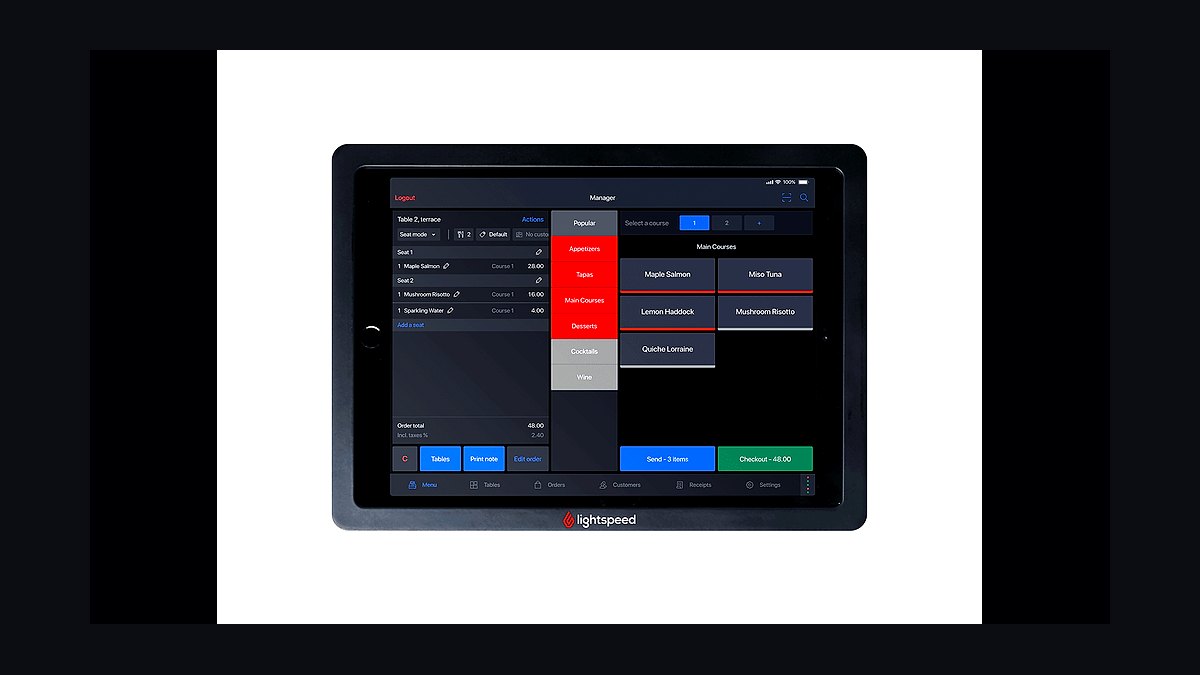
Lightspeed Retail ranks first because it is the most complete single-vendor system of record for a sporting goods store, handling matrix inventory across size, color, width and flex, plus serialized goods, vendor catalog import and built-in purchase ordering from roughly $109 to $239 per location monthly.
It fits single-store and small multi-store operators who want POS, native e-commerce, rentals and service work orders under one login. It trades away the deepest footwear size-curve reordering that RICS Software offers, so footwear-heavy dealers should weigh rank two carefully before committing.
2RICS Software

RICS Software ranks second because its size-curve reordering and athletic brand vendor catalog integrations are best in class for footwear and apparel-heavy sporting goods stores, typically running around $400 to $600 per store per month with EDI handled natively.
It suits dealers whose revenue leans on cleats, jerseys and running footwear rather than hardgoods. It trades away the broader native e-commerce and rental ecosystem Lightspeed bundles, so stores wanting one vendor for everything may prefer rank one, while pure footwear operations get more depth here.
3Shopify

Shopify ranks third because it is the default omnichannel storefront that syncs inventory bidirectionally with the POS, supporting BOPIS and endless-aisle special orders at roughly $39 to $399 per month, with Shopify Plus in the low thousands monthly for high-volume chains.
It is for retailers who need a real storefront without building one, and who will accept app sprawl to get catalog depth. It trades away native inventory ownership, since the POS remains the system of record, and it sits below RICS only because storefront value depends on clean matrix data upstream.
4OrderMyGear

OrderMyGear ranks fourth because it runs branded online team stores, group ordering and decorated apparel workflows, letting a coach or booster club collect jersey sizes and payments without staff keying a 24-player roster by hand. Pricing is custom, commonly a platform fee plus per-order or percentage.
It is for stores where school, club and league sales rival counter revenue. It trades away retail cart simplicity, since it is a B2B motion with approval chains, and it ranks below Shopify only because it serves one revenue line rather than the whole storefront.
5Epicor Eagle
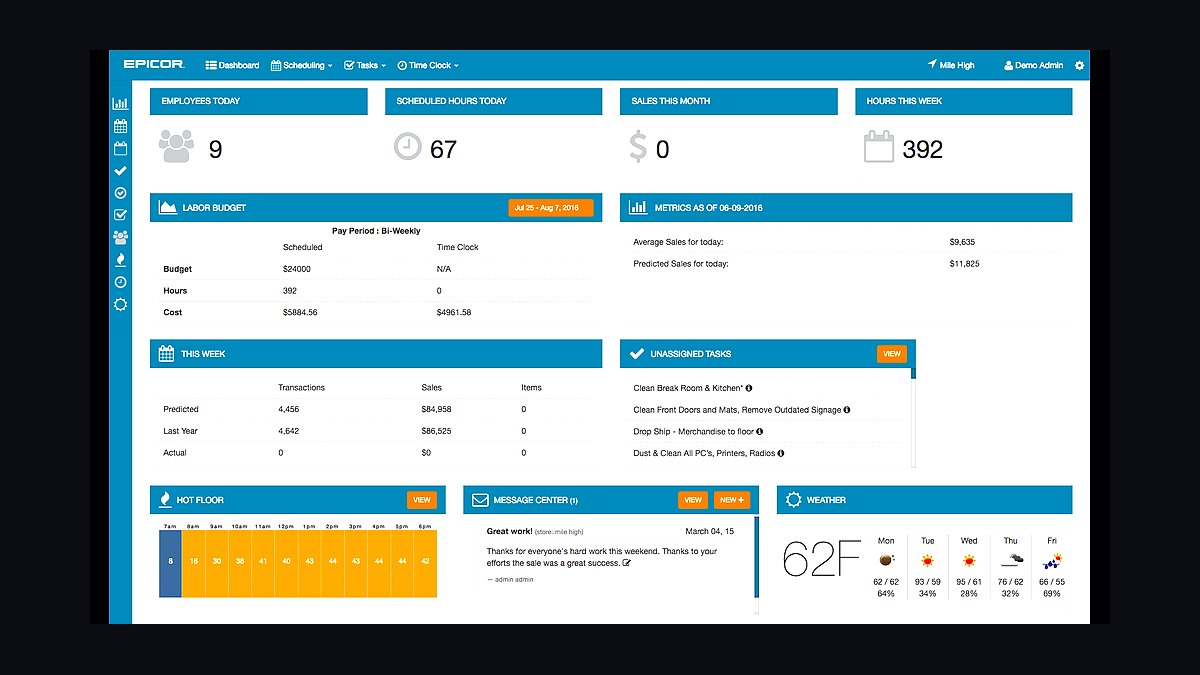
Epicor Eagle ranks fifth because it handles hardgoods depth no boutique POS matches, including ATF-compliant firearms bound-book tracking, distributor EDI and deep inventory, typically a five-figure annual commitment with per-terminal licensing.
It is for firearms, fishing, hunting and marine-heavy retailers where compliance and hardgoods dominate. It trades away affordability and ease of staffing, and it is overkill for a small team-sports shop that would be better served by RICS or Lightspeed at ranks one and two.
6Heartland Retail
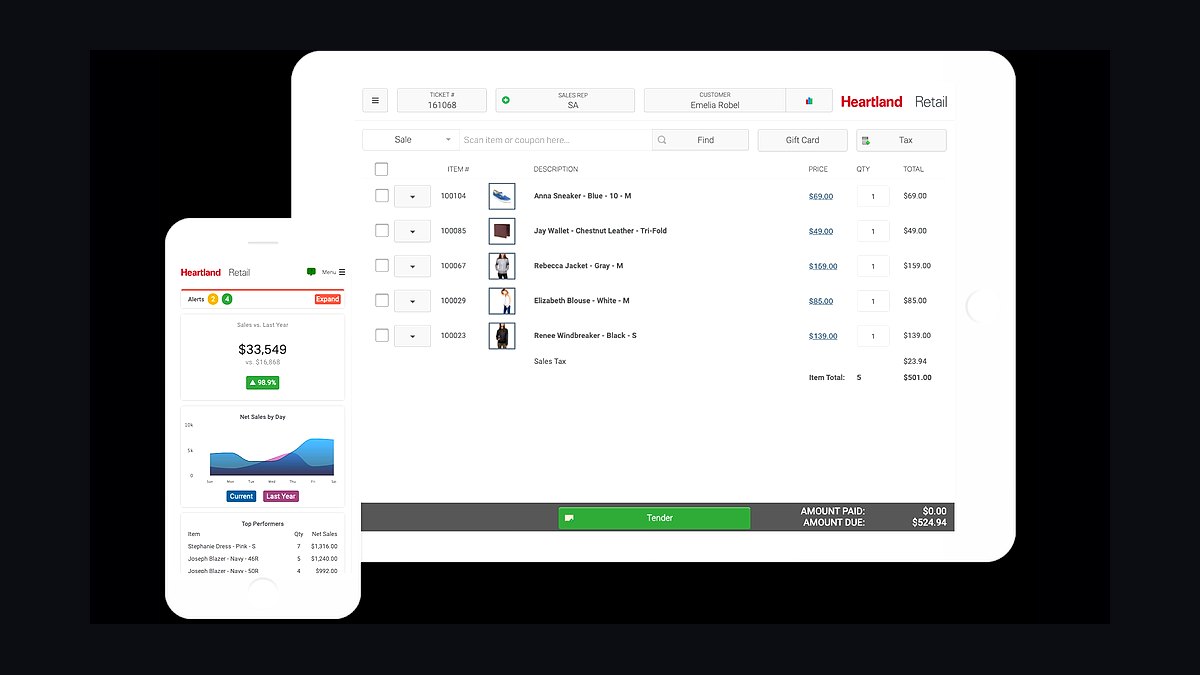
Heartland Retail ranks sixth because it gives multi-store operators cross-location inventory visibility, so a Cedar Rapids store's size 11 can be sold to a Des Moines customer, at roughly $80 to $120 per register per month.
It is for three-to-fifteen location retailers who need to see and move stock across stores. It trades away some of the footwear-specific vendor catalog depth RICS provides, and it ranks below Epicor because it lacks hardgoods compliance tooling, but above the specialist layers because inventory truth comes first.
7Marsello
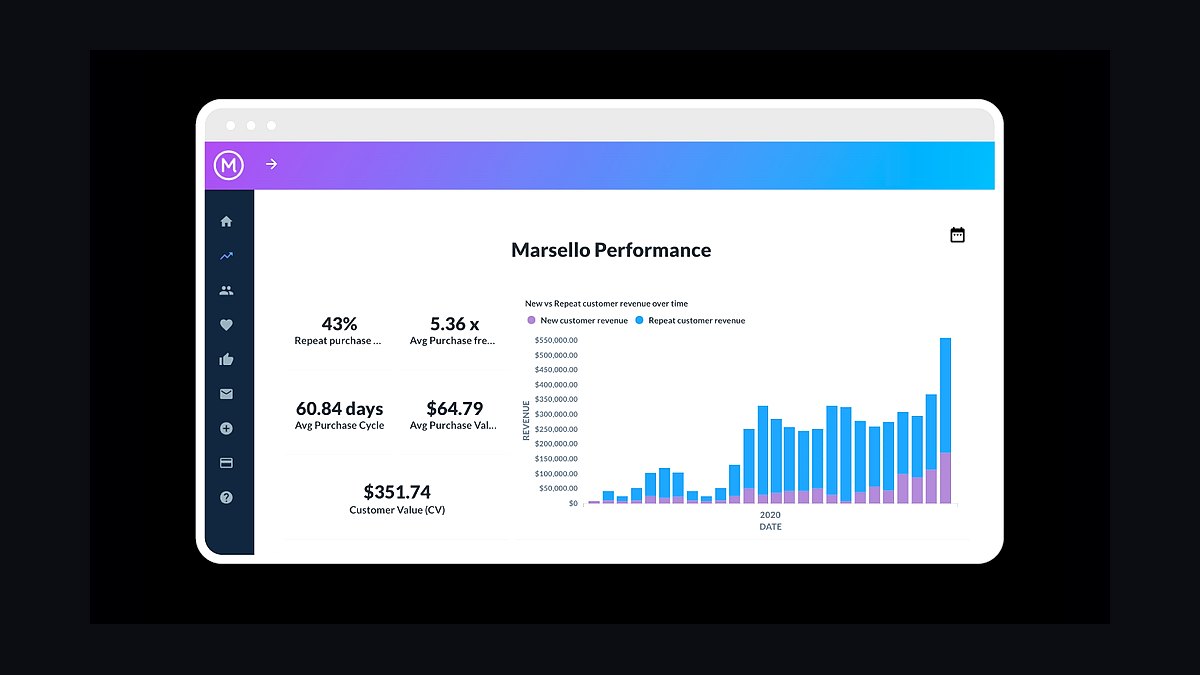
Marsello ranks seventh because it layers points, tiers and automated email and SMS directly on top of Lightspeed or Shopify for roughly $50 to $300 per month, turning purchase and service history into repeat visits without a separate data pipeline.
It is for stores that want retention marketing without hiring a lifecycle analyst. It trades away the deep segmentation and deliverability tooling Klaviyo offers, and it ranks below the inventory systems because loyalty only pays once stock and customer records are trustworthy.
8RentMy
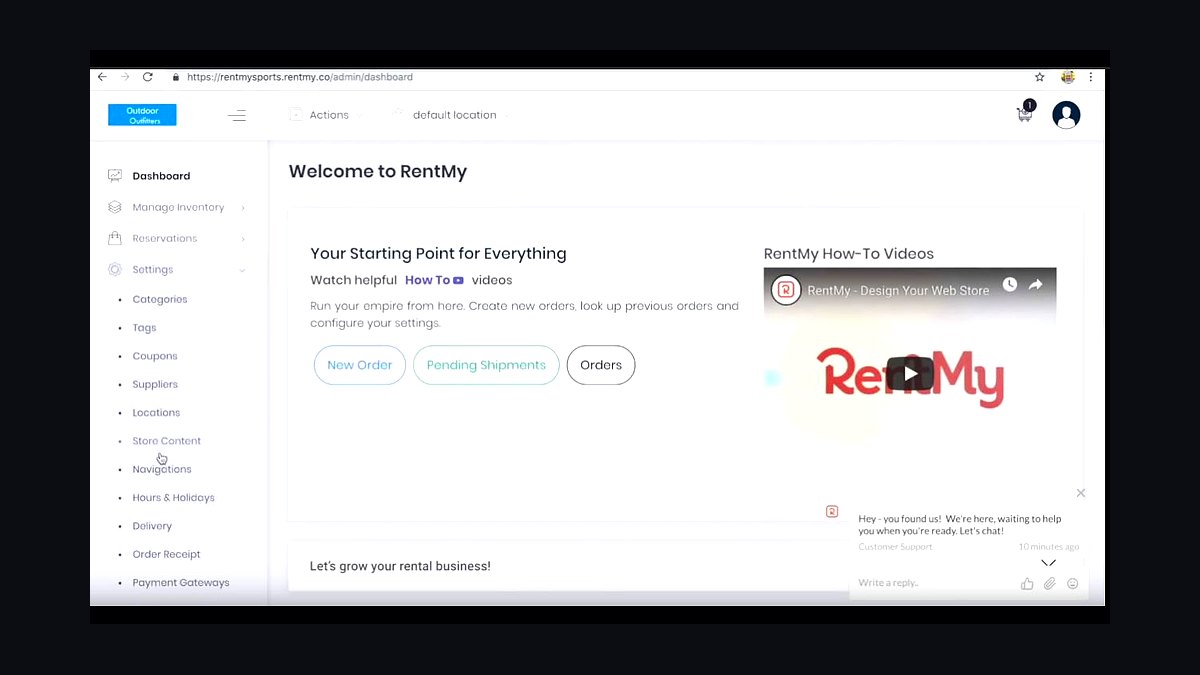
RentMy ranks eighth because it layers rental commerce onto an existing store with a reservation calendar, deposits, contracts and return tracking for roughly $30 to $200 per month depending on volume, covering ski, snowboard and kayak fleets.
It is for outdoor-leaning retailers whose rental fleet is large enough to need multi-day pricing tiers and damage deposits. It trades away the single-record simplicity of POS-native rentals, and it ranks below Marsello because rentals serve a narrower slice of the customer base than retention marketing does.
9QuickBooks Online
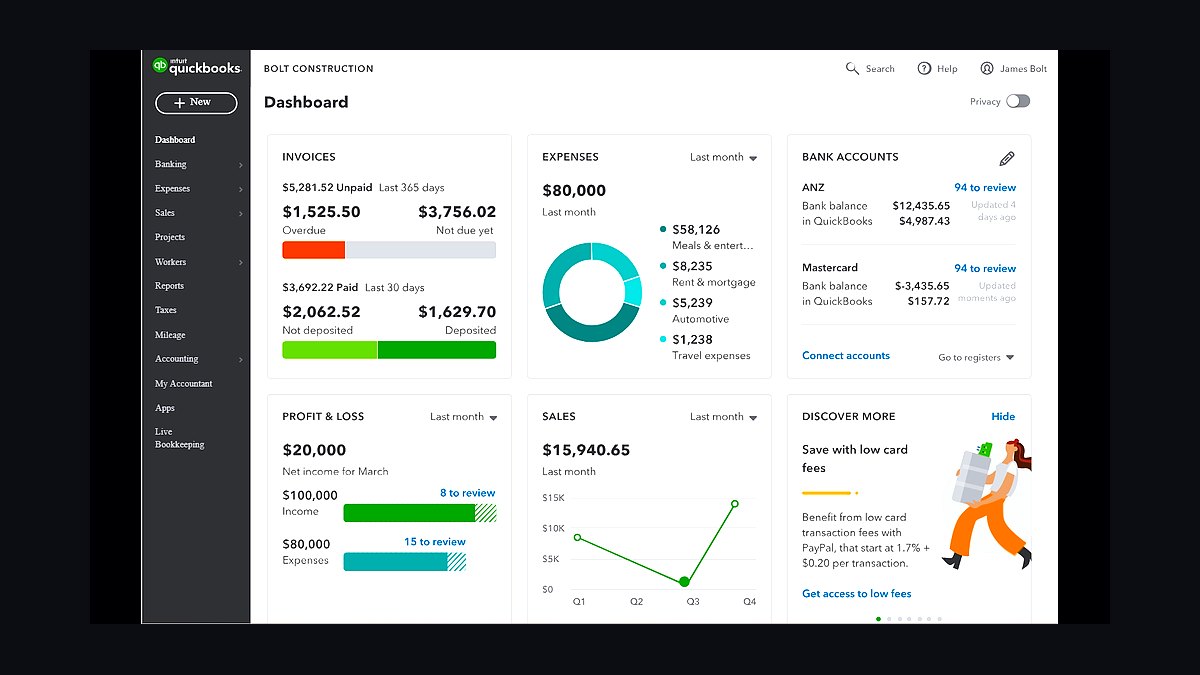
QuickBooks Online ranks ninth because it covers single-store and small multi-store accounting at roughly $35 to $235 per month, receiving POS and e-commerce exports so margin by category and team-sales contribution can finally be reviewed.
It is for owner-operators without a finance team who need clean books rather than multi-entity consolidation. It trades away the consolidation and dimensional reporting Sage Intacct provides, and it ranks below the operational layers because accounting is a pure reader that never fixes a stock number.
10Sage Intacct
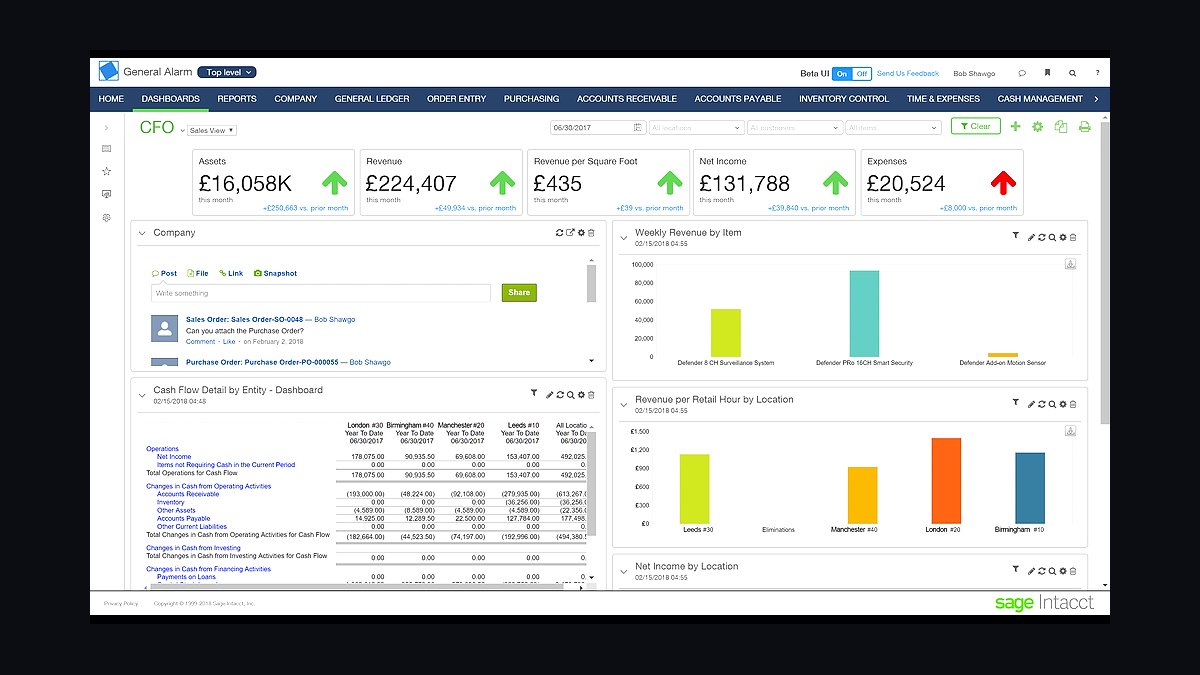
Sage Intacct ranks tenth because it steps regional chains up to multi-entity consolidation and stronger dimensional reporting once QuickBooks Online runs out of headroom across a growing store count.
It is for retailers operating several legal entities or fifteen-plus locations that need consolidated financials. It trades away low cost and simple setup, and it ranks below QuickBooks only because most sporting goods retailers reach this tier years after the inventory and omnichannel decisions that actually determine whether the stack works.
How we ranked these
We ranked tools by weighting five factors: matrix-inventory depth (25%), omnichannel and endless-aisle sync quality (20%), team and institutional order support (20%), in-store service and rental handling (20%), and integration depth with accounting, payments, and loyalty (15%). Each tool was scored against vendor documentation, published rate cards, and hands-on operator reports from specialty retail verticals.
We deliberately ignored brand recognition, marketing spend, and feature counts that only matter at fifteen-plus-store scale. We also excluded standalone repair-ticketing apps, generic hospitality POS systems, and any tool whose value depends on brittle third-party connectors. Pricing was treated as a sizing anchor, not a ranking input, because rate cards shift and a cheaper wrong platform costs more than a pricier right one.
Related questions
Do I need a separate team-sales platform, or can the POS handle group orders?
A retail POS rings transactions; it does not collect a roster of jersey sizes, manage art approval, or take booster-club payments online. If team sales are more than incidental, a group-ordering platform pays for itself in saved hours and avoided missed deadlines. OrderMyGear and ARES are the common picks.
Should rentals live in the POS or a dedicated rental app?
Light rental volume, a few dozen units and seasonal, fits comfortably in POS-native rental features from Lightspeed or RICS. Once you need reservation calendars, damage deposits, signed contracts, and multi-day pricing tiers across a real fleet, a dedicated layer like RentMy earns its keep.
How does this stack differ from a bike shop or outdoor retailer?
Very little, structurally. Both share matrix inventory, service work orders, and seasonality. Bike shops lean harder on serialized units and repair scheduling; outdoor retailers lean harder on rentals. The team-store B2B line is what is genuinely distinctive to sporting goods retail.
What should be migrated first during a re-platform?
Inventory and vendor catalogs first, then the customer file, then open purchase orders and service tickets. Do not migrate dead SKUs, discontinued colorways, or one-off special orders from three seasons ago. Clean matrix data before connecting e-commerce, or you publish your inaccuracy to customers.
Can Shopify replace the POS entirely for a sporting goods store?
Shopify POS handles simple retail but struggles with deep size-curve reordering, vendor catalog imports, and complex work orders. Most sporting goods retailers run a matrix-native POS as the system of record and treat Shopify as the storefront and omnichannel layer reading from it. Reversing that order creates reconciliation work.
How long does a typical implementation take?
Plan 90 days for a single store, phased: foundation, then channels, then revenue and insight. Multi-store rollouts stretch to four to six months, mostly because you are standardizing SKU naming and receiving practices that drifted apart location by location. The long pole is clean matrix-inventory import.
Do I really need EDI, or can I order through brand portals?
Smaller stores order through brand B2B portals and import purchase orders into the POS, which works fine under roughly $2M revenue. Once you are reordering weekly across multiple distributors, EDI inside RICS or Epicor Eagle saves enough labor and stockout cost to justify the setup.
What is the single biggest cause of stack failure?
Two systems both believing they own stock levels. The moment POS and e-commerce each claim inventory truth, you have created a reconciliation job that never ends. Pick the POS as the single inventory and customer record, and make every other tool read from or write to it.
FAQ
What is the best POS for a sporting goods retailer in 2027?
Lightspeed Retail for general sporting goods, RICS Software for footwear-heavy stores needing size-curve reordering, Heartland Retail for multi-store operators, and Epicor Eagle once firearms, marine, or heavy hardgoods dominate. The right pick depends on which of your three businesses, retail, team sales, or services, drives revenue.
How much should a single-store sporting goods stack cost monthly?
Roughly $400 to $1,200 per month in software plus payment processing. That covers POS at $110 to $600, Shopify at $39 to $105, QuickBooks at $35 to $90, and a loyalty layer at $50 to $135. Team-store platforms price separately and usually carry a per-order component.
Why is matrix inventory non-negotiable for sporting goods?
A single running shoe model can explode into eighty variants once you cross width and colorway. A POS that treats each variant as a flat SKU collapses under 15,000 to 60,000 active SKUs. You need matrix grids, vendor catalog import, and size-curve reordering, or you are guessing at your own stock position.
Can one platform handle retail, team sales, and services?
No single platform does all three well. The workable pattern is a matrix-native POS as system of record, a group-ordering tool for team and institutional orders pushing back into the POS, and POS-native work orders for stringing, tuning, and sharpening. Rentals layer on separately once volume justifies it.
How important is real-time inventory sync between POS and e-commerce?
It is the price of admission for BOPIS and endless aisle. A nightly export means you oversell, cancel pickup orders, and train customers to stop checking your site. Bidirectional, near-real-time sync is required, and one canonical SKU per variant across every system prevents mapping decay.
What should I check before signing a POS contract?
Confirm the vendor catalog list covers your actual top ten brands, verify you can leave the bundled payments processor without losing the register, and test how service work orders and rentals behave in the demo. Integration depth beats feature breadth, because a feature behind a brittle connector goes unused by month four.
Is OrderMyGear worth it for a small team-sports dealer?
If team sales rival or exceed counter revenue, yes. OrderMyGear runs branded online team stores, collects roster sizes, and handles decorated-apparel workflows so staff stop keying rosters by hand. Below that threshold, POS quotes and manual processes may be sufficient until volume exposes the staffing ceiling.
How do I know my inventory data is clean enough to connect e-commerce?
Run a full physical count, get shrink and receiving discipline under control, and confirm every variant maps to one canonical SKU. If your top-sellers report cannot be trusted, buying decisions revert to gut feel and the whole stack's ROI evaporates. Prove accuracy before publishing stock online.
What is the biggest mistake buyers make when choosing this stack?
Buying for the store they want in five years. Enterprise merchandising suites sold to three-location operators become expensive shelfware because nobody has the analyst headcount to run them. The platform you can actually staff beats the platform with the better feature matrix every time.
Do I need Power BI or is built-in POS reporting enough?
Built-in reporting covers single-store operators adequately for margin by category and basic sell-through. Once you run multiple locations, team sales, and rentals, Power BI or a similar layer turns POS and e-commerce exports into dashboards that show true contribution by line, which built-in reports rarely reconcile.
Sources
- https://www.lightspeedhq.com/pos/retail/
- https://www.ricssoftware.com/
- https://www.shopify.com/pos
- https://www.ordermygear.com/
- https://www.epicor.com/en-us/industries/retail/
- https://www.heartland.us/retail/
- https://quickbooks.intuit.com/
- https://www.marsello.com/
- https://www.klaviyo.com/
- https://www.rentmy.co/
Related on PULSE
This page will be disappearing soon. Save it to your device for $1 — or read it free while it is here.
@Kory-White- · if Venmo asks, the last 4 of my number are 2012
This page is gone.
This one is off the shelf now. $1 keeps it on your phone for good — the whole page, pictures and diagrams included.
 pulse-tech-stacksTop 10 Best Tech Stack Tools for AI Customer Support Companies in 2027
 pulse-tech-stacksTop 10 Best Tech Stack Tools for Home Inspection Companies in 2027
 pulse-tech-stacksTop 10 Best Tech Stack Tools for Independent Food Trucks in 2027
 pulse-tech-stacksTop 10 Best Tech Stack Tools for API Security Vendors in 2027
 pulse-tech-stacksTop 10 Best Tech Stack Tools for Employee Benefits Consulting Firms in 2027
 pulse-tech-stacksTop 10 Best Tech Stack Tools for AI Translation API Companies in 2027
 pulse-tech-stacksTop 10 Best Tech Stack Tools for Software Development Agencies in 2027
 pulse-tech-stacksTop 10 Best Tech Stack Tools for Private Ambulance and EMS Companies in 2027
 pulse-tech-stacksTop 10 Best Tech Stack Tools for Plumbing Contractors in 2027
 pulse-tech-stacksTop 10 Best Tech Stack Tools for Pressure Washing Companies in 2027