


Top 10 Best Tech Stack Tools for Ghost Kitchens and Virtual Restaurants in 2027
Quality
Certified
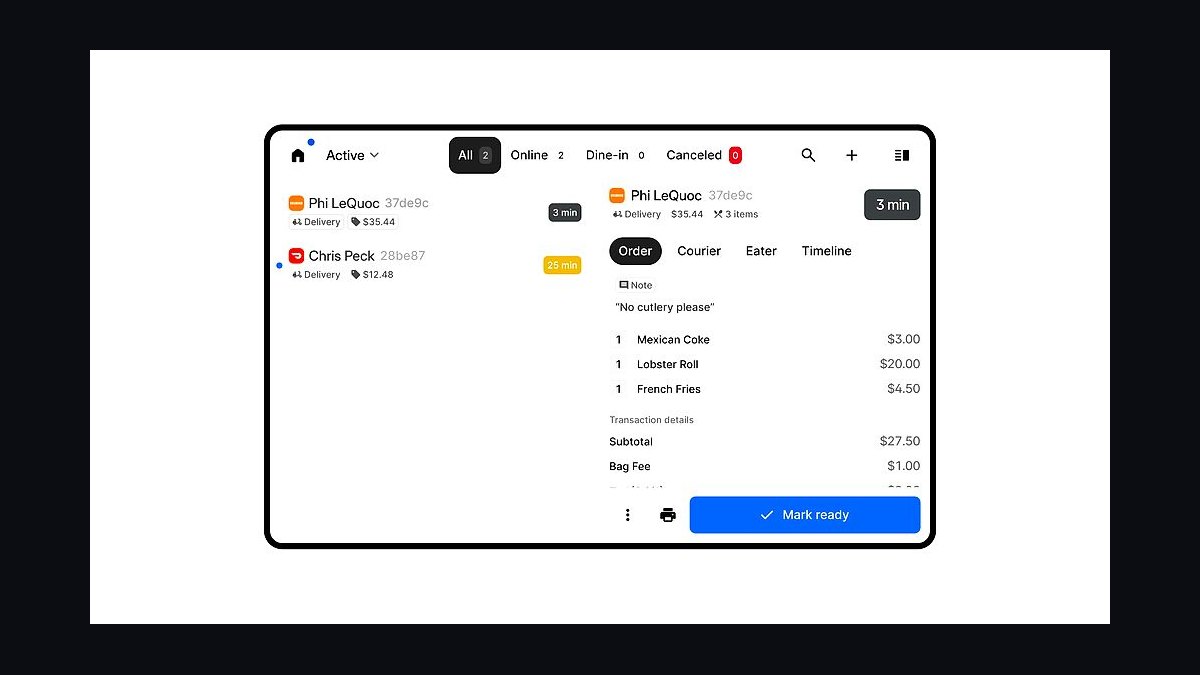
The 10 best tech stack tools for ghost kitchens and virtual restaurants are ranked below on measured performance, build quality, price, and how each one actually holds up in daily use rather than how it reads on a spec sheet. Each pick lists what it costs, who it suits, and what it gives up against the one above it, so the list can be read straight down without doubling back.
1Otter
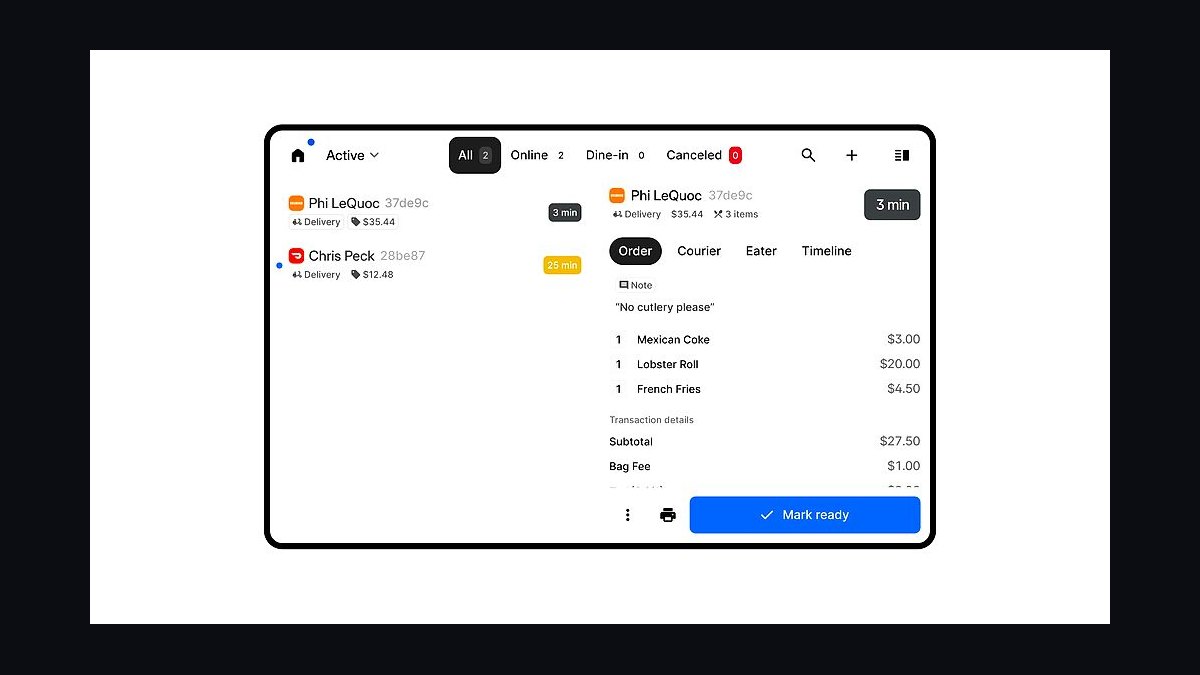
Otter ranks first because it is the broadest single-vendor delivery aggregation platform for multi-brand US ghost kitchens, consolidating DoorDash, Uber Eats, and Grubhub into one screen and pushing orders straight into the POS and KDS. Core aggregation runs roughly $50-$100 per location per month. It bundles multi-brand menu management and per-brand analytics, which most operators otherwise buy separately.
It is for dedicated delivery-only kitchens running several virtual brands from one hood, not a single-brand add-on. It trades away enterprise-grade international depth, which Deliverect handles better, and its lighter tiers can feel heavy for a one-brand operation. Compared with Deliverect directly below, Otter wins on US multi-brand breadth while Deliverect wins on global multi-location footprints.
2Deliverect
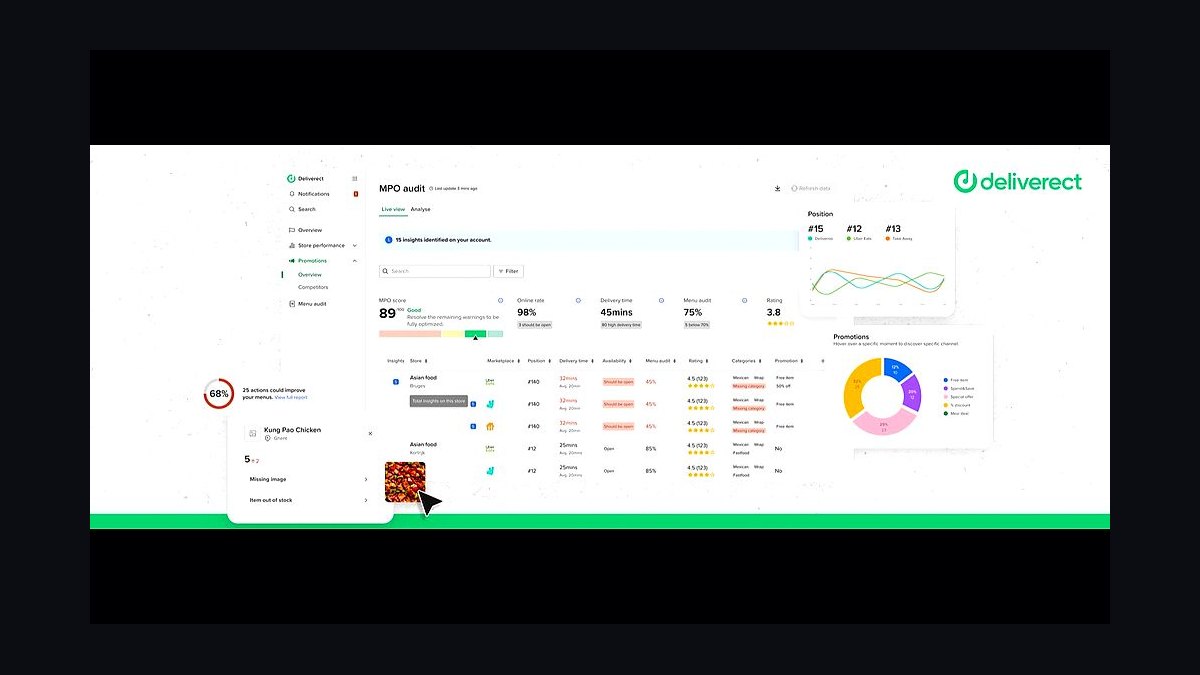
Deliverect ranks second because it is the strongest aggregation and virtual-brand platform for enterprise and international multi-location operators, connecting marketplaces into existing POS systems across many countries. Pricing typically starts at $99+ per location per month. It centralizes menu, pricing, and availability control across storefronts and locations from one dashboard.
It is for franchise groups and commissary operators running standardized menus across dozens of host kitchens, not a single independent. It trades away the lower entry price and lighter onboarding that Cuboh and Otter offer small operators. Compared with Otter just above, Deliverect gives up some US small-operator simplicity in exchange for enterprise and international reach.
3Cuboh
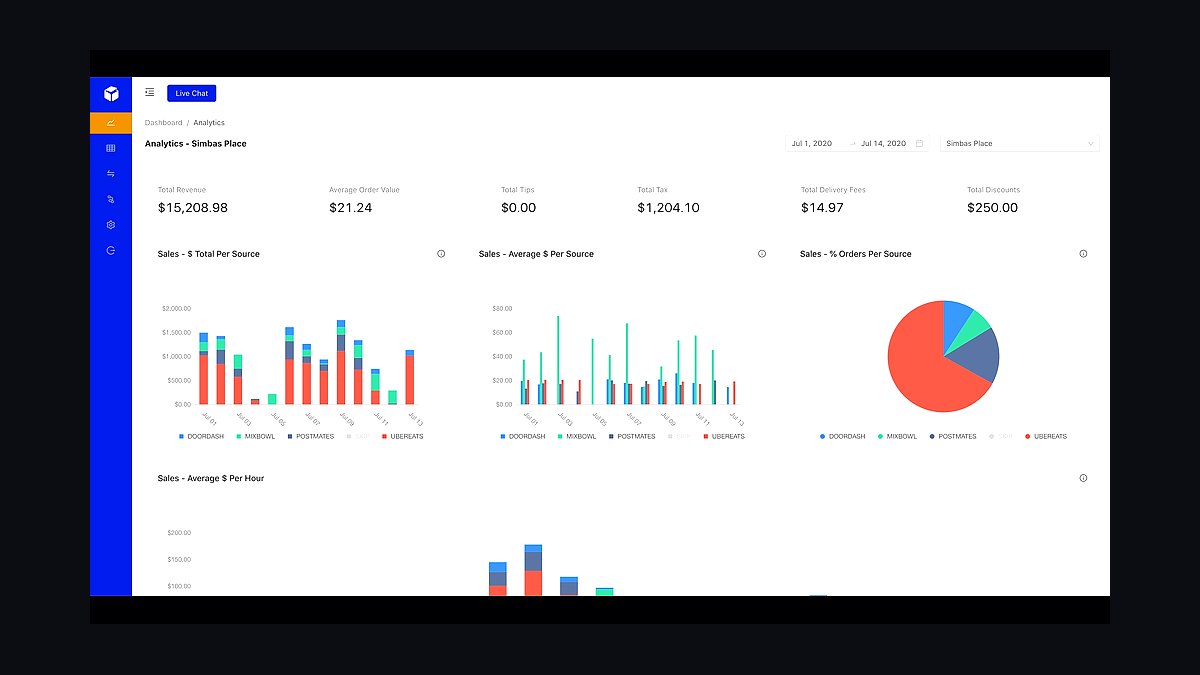
Cuboh ranks third because it is the cheapest credible aggregation middleware for operators running one or two virtual brands, starting near $59 per location per month. It consolidates marketplace orders into a single screen and injects them into the POS without ripping out the register. Setup is fast and hardware-light for a small kitchen.
It is for an existing restaurant adding one or two virtual brands to monetize idle kitchen hours, not a multi-brand delivery-only operator. It trades away the deep per-brand analytics and menu-management depth that Otter and Deliverect provide at higher tiers. Compared with Otter above, Cuboh is simpler and cheaper but scales worse past two or three brands.
4Toast
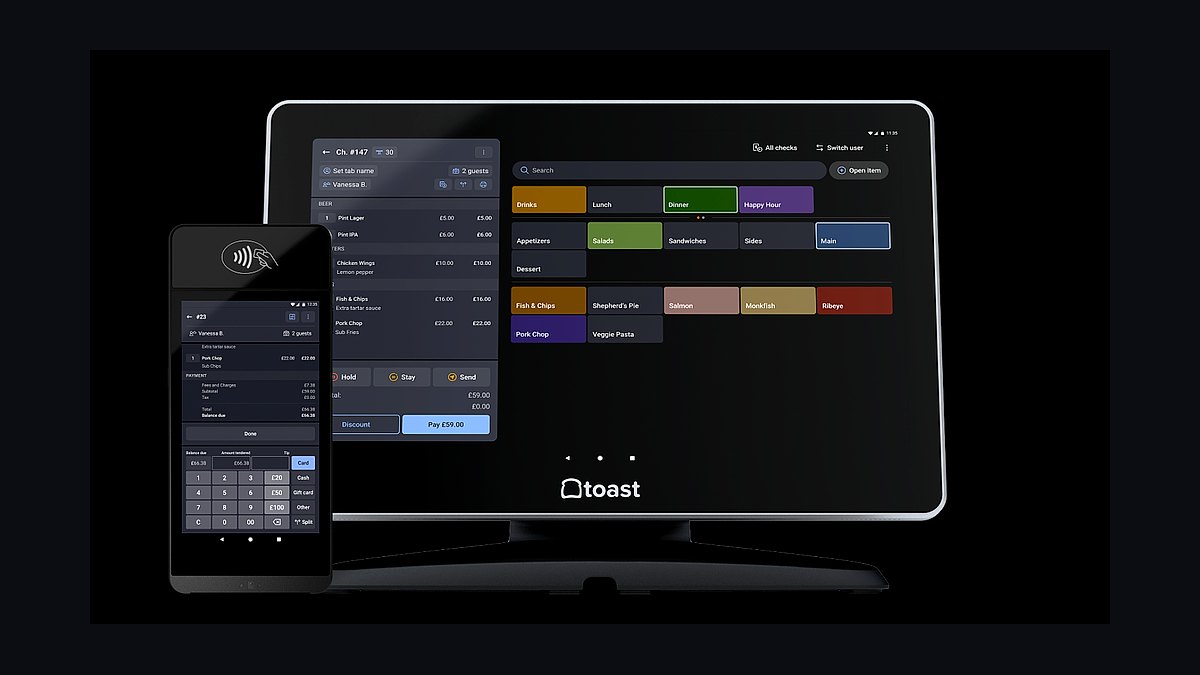
Toast ranks fourth because it is the default restaurant POS for dedicated ghost kitchens, with deep restaurant features, native KDS, and strong delivery integrations. Software starts around $69 per month plus processing and hardware. It is the system of record the aggregator feeds into for menu, payments, and reporting.
It is for operators who want one integrated platform rather than stitching a POS to third-party middleware. It trades away flat, simple pricing, since processing fees and hardware add up beyond the software line. Compared with Square for Restaurants below, Toast costs more but delivers deeper restaurant-specific delivery and kitchen tooling.
5Fresh KDS
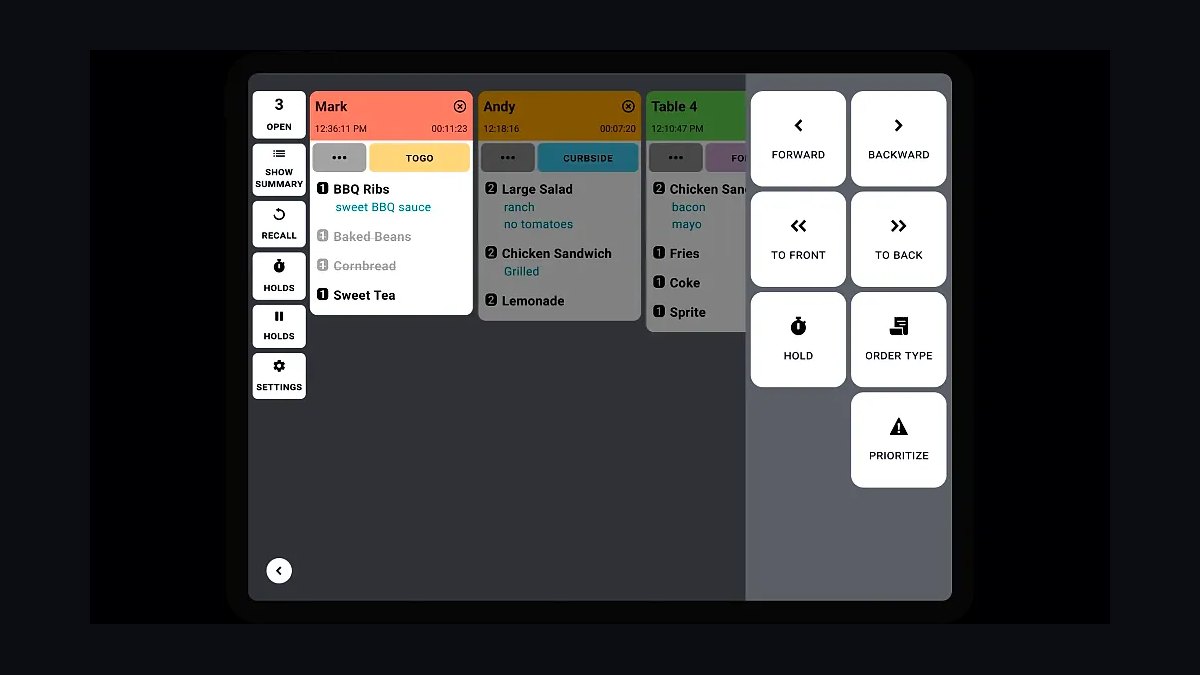
Fresh KDS ranks fifth because it replaces the expo line and paper ticket rail at roughly $19-$25 per screen per month, the lowest-cost dedicated kitchen display in the stack. It runs on a tablet, sequences orders across all brands, routes items to stations, and tracks prep times against courier-arrival windows. Hardware flexibility keeps deployment cheap.
It is for kitchens that want a standalone display independent of their POS vendor, not operators already deep in one ecosystem. It trades away native bundling and single-vendor support that Toast KDS and Otter KDS provide. Compared with Toast KDS just below, Fresh KDS is cheaper and vendor-neutral but adds another integration to maintain.
6Toast KDS
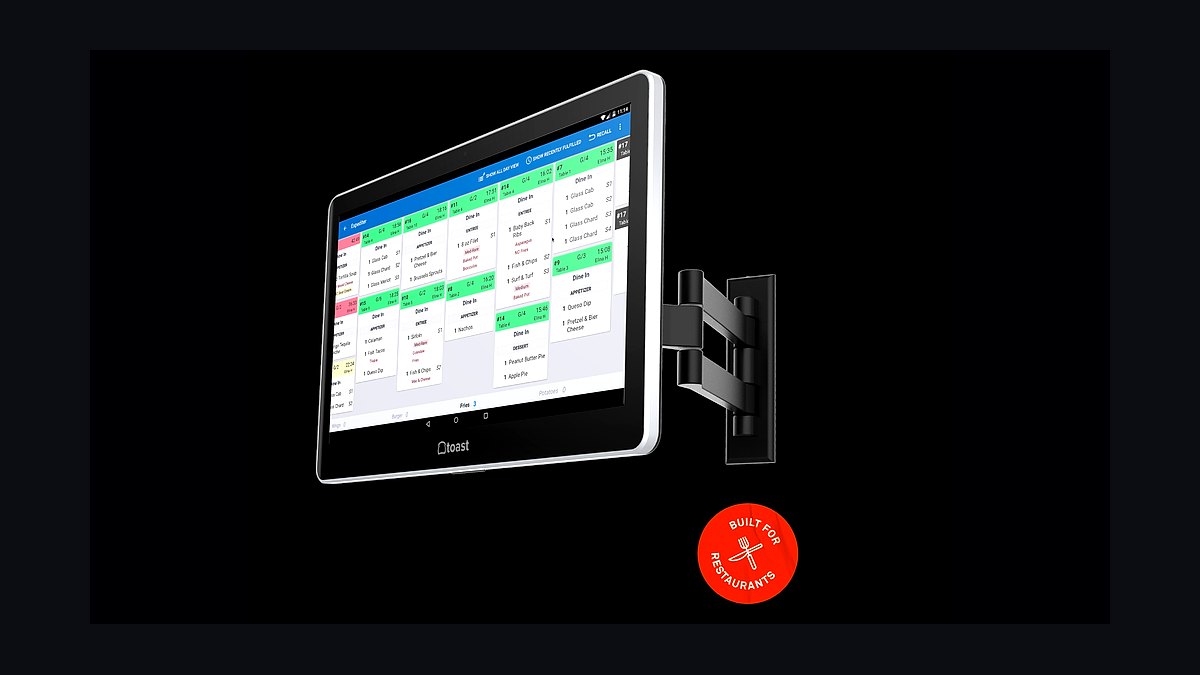
Toast KDS ranks sixth because it is the natural kitchen display for any operator already on Toast, bundled as an add-on rather than a separate subscription. It sequences incoming orders across all brands and stations inside the same platform that holds the menu and payments. There is no extra integration to build or maintain.
It is for Toast POS users who want kitchen expediting without adding a third-party vendor. It trades away the hardware flexibility and vendor neutrality that Fresh KDS offers, since it ties you deeper into Toast. Compared with Fresh KDS above, Toast KDS is more integrated but less portable if you ever switch POS.
7ChowNow
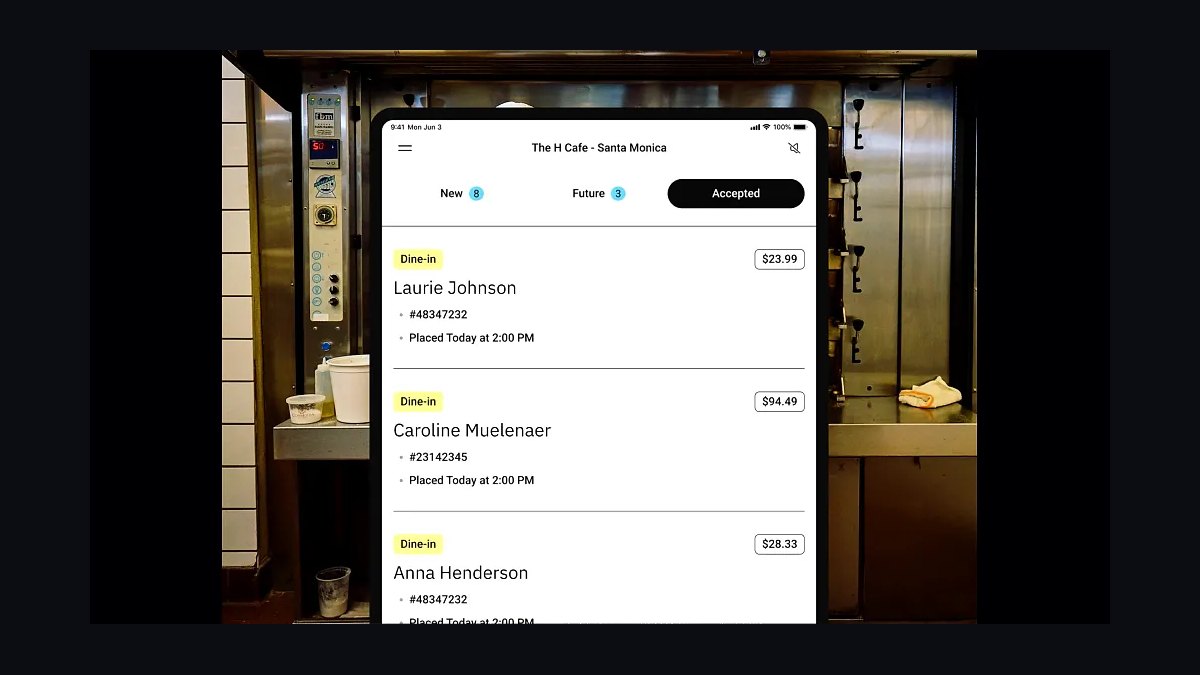
ChowNow ranks seventh because it is the clearest margin-recovery tool in the stack, charging a flat subscription of roughly $119-$199 per month instead of per-order commission. It gives ghost kitchens a first-party ordering channel to move repeat customers off 15-30% marketplace fees. Flat pricing favors high-volume brands.
It is for operators with enough repeat demand to justify a direct channel, not brand-new kitchens still building their customer base. It trades away marketplace discovery, since ChowNow does not bring you new customers the way DoorDash and Uber Eats do. Compared with Square Online below, ChowNow is purpose-built for commission-free ordering but costs more monthly.
8Square for Restaurants
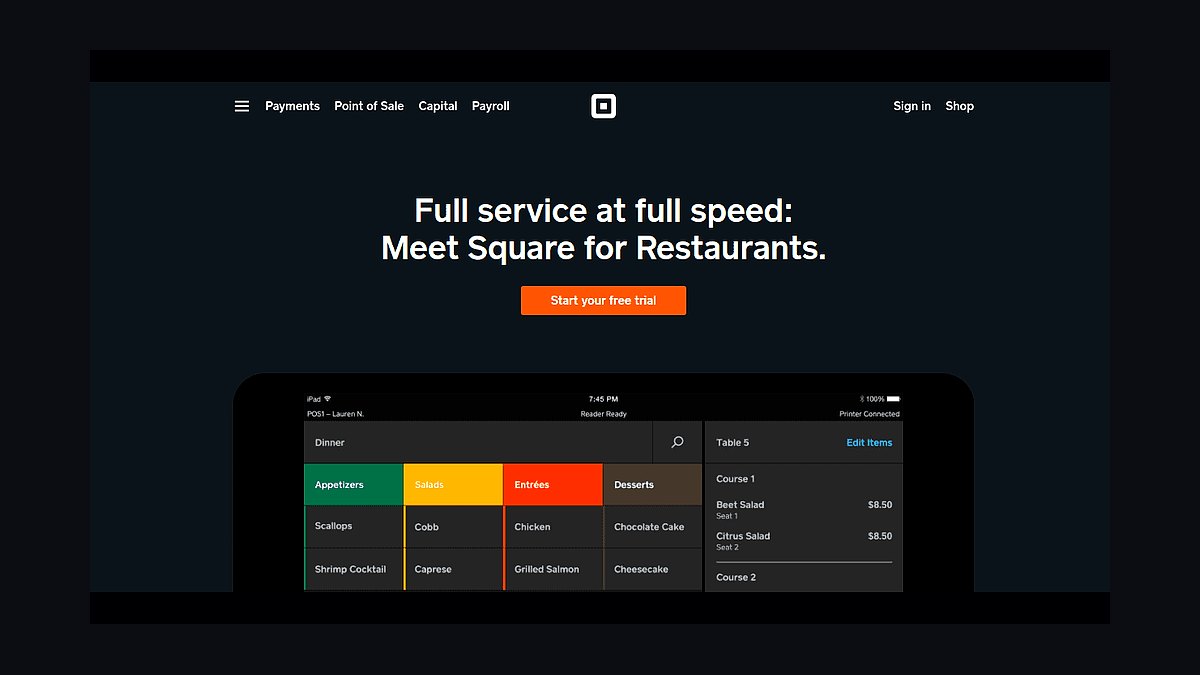
Square for Restaurants ranks eighth because it offers a free tier scaling to roughly $60 per month, the lowest-cost POS entry for a small single-brand ghost kitchen. It bundles online ordering and straightforward flat pricing without long contracts. Setup is quick for operators testing a first virtual brand.
It is for small single-brand add-ons that want simple pricing and low commitment, not multi-brand delivery-only operations. It trades away the deep restaurant delivery integrations and native KDS depth that Toast provides. Compared with Toast above, Square is cheaper and simpler but weaker for complex multi-brand kitchen workflows.
9MarketMan
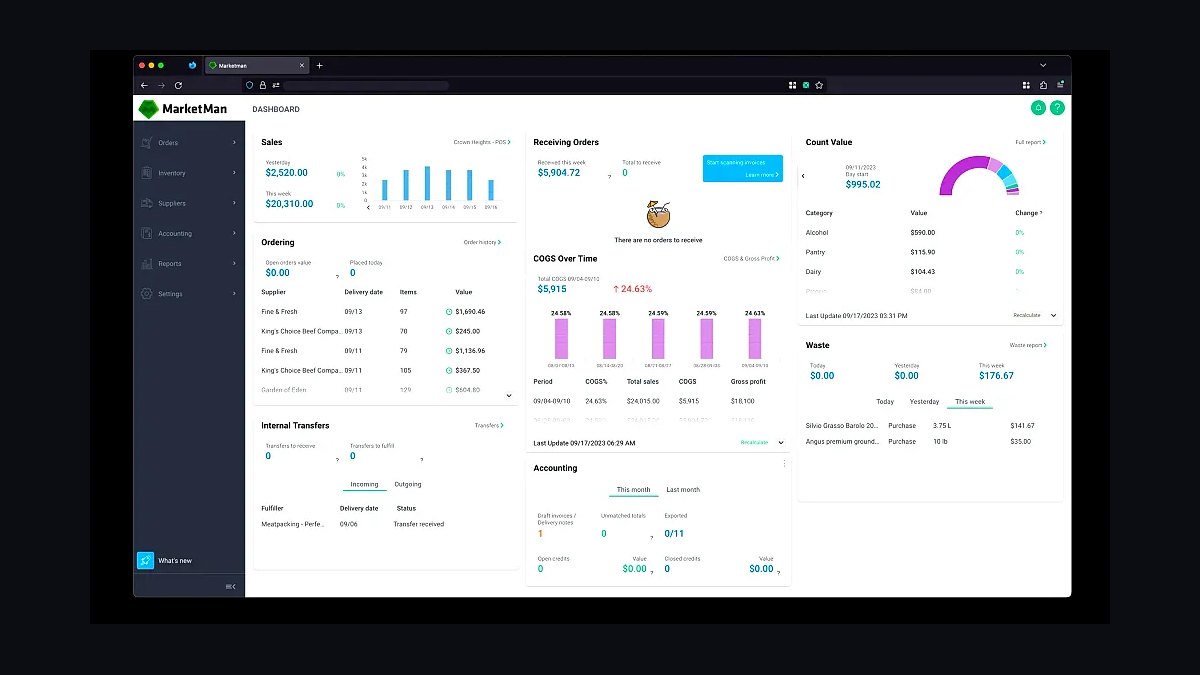
MarketMan ranks ninth because it allocates shared ingredient usage across multiple virtual storefronts to compute true per-brand food cost, starting around $179+ per location per month. It handles purchasing, recipe costing, and theoretical-versus-actual food cost variance. That per-brand margin visibility is what keeps losing concepts from hiding in blended totals.
It is for multi-brand kitchens where shared prep makes food-cost allocation genuinely hard, not single-brand operators with simple menus. It trades away the invoice-capture integration that xtraCHEF has natively on Toast. Compared with xtraCHEF just below, MarketMan is more standalone and vendor-neutral but requires more manual setup.
10xtraCHEF
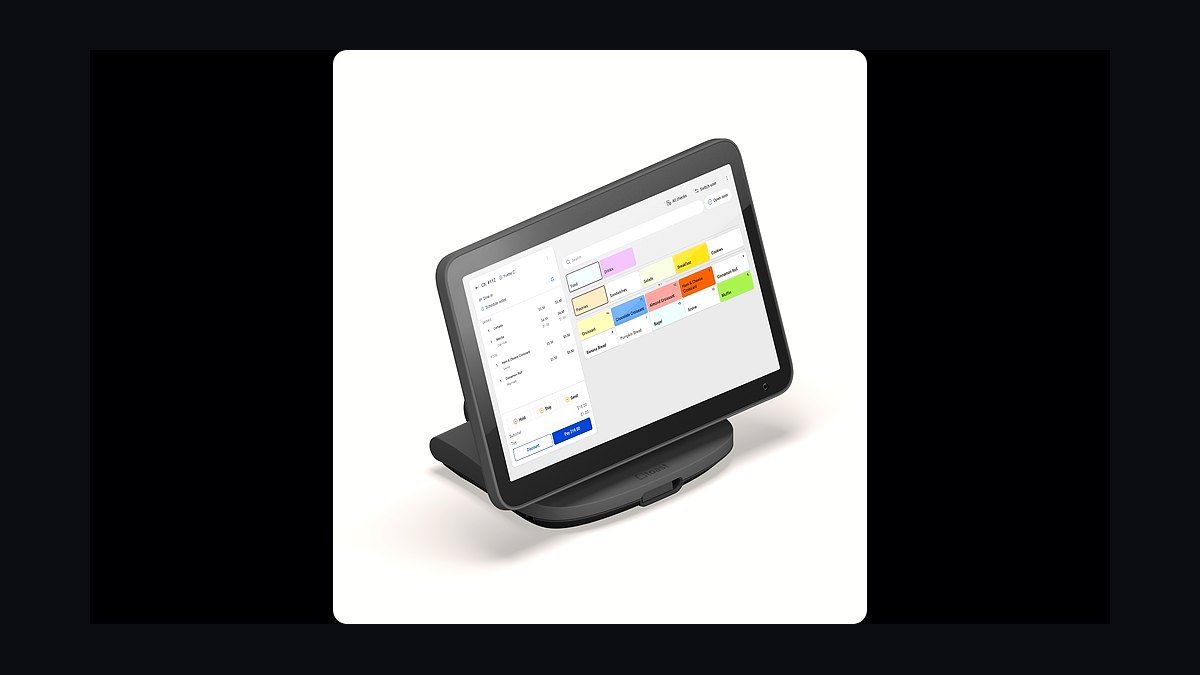
xtraCHEF ranks tenth because it pairs invoice capture with food-cost analytics and is a Toast company, making it the natural inventory layer on a Toast stack. Pricing is plan-based and often bundled into Toast, reducing standalone cost. It automates invoice data entry that operators otherwise key by hand.
It is for Toast-based ghost kitchens that want food-cost tracking without a separate vendor relationship, not operators on non-Toast POS systems. It trades away the vendor neutrality and standalone depth that MarketMan offers. Compared with MarketMan above, xtraCHEF is more integrated on Toast but less flexible if you run a mixed POS environment.
How we ranked these
We ranked each tool on four weighted criteria: delivery-aggregation depth (35%), multi-brand menu and per-brand analytics capability (25%), POS/KDS integration breadth (25%), and total monthly cost per location (15%). Scores came from vendor documentation, published pricing, and operator-reported reliability across DoorDash, Uber Eats, and Grubhub connections. Tools that could not push orders directly into a POS and KDS queue without manual re-keying were penalized heavily.
We deliberately ignored dine-in features such as table management, reservations, and front-of-house payment terminals, because a ghost kitchen has no floor to manage. We also excluded hardware bundles, long-tail niche tools with no verifiable pricing, and anything requiring a proprietary marketplace contract. Marketing claims and sponsored placements were discarded; only documented integrations and transparent subscription pricing counted toward the final ranking.
What to look for
What matters most is whether the tool pushes marketplace orders straight into your POS and KDS without human re-keying, because accuracy during a rush is the whole game. Second is multi-brand control: shared SKUs mapped to separate storefront menus, with per-brand analytics so you can see which concept actually earns its share of fixed cost. Third is integration depth with your existing POS, since ripping out Toast or Square to adopt middleware is rarely worth it.
The mistake most buyers make is shopping on monthly subscription price while ignoring the 15-30% marketplace commission that dwarfs it. A tool saving $40 a month but costing you two points of order accuracy will bury your ratings and ranking. The second common error is launching three virtual brands before installing aggregation, then discovering the kitchen cannot keep tickets straight. Install the aggregation layer first, then add brands.
Related questions
What is delivery-order aggregation middleware and why does a ghost kitchen need it?
Aggregation middleware consolidates DoorDash, Uber Eats, Grubhub, and direct orders into one screen and pushes them into your POS and KDS. Without it, a cook manually re-keys every ticket from multiple tablets, which causes missed orders and accuracy complaints during rushes. Otter, Deliverect, and Cuboh are the common picks, typically costing $50-$100 per location monthly.
How much do third-party marketplaces take from each ghost kitchen order?
DoorDash, Uber Eats, and Grubhub typically charge 15-30% commission per order, plus optional promoted-listing ad spend. That commission is usually the largest single cost line for a delivery-only concept. Because the marketplace is your storefront, you cannot simply avoid it, but you can build a first-party ordering channel to migrate repeat customers off the toll.
Can one ghost kitchen really run several virtual brands at once?
Yes, and that is the core economic model. The same hood, prep, and staff sell under multiple storefront identities, so shared SKUs map to separate menus. You need brand-management software plus per-brand P&L to know which concepts earn their share of fixed cost. Operators commonly run two to eight brands from one kitchen and sunset underperformers monthly.
Which POS works best for a delivery-only kitchen with no waitstaff?
Toast is the default because of deep restaurant features, a native KDS, and strong delivery integrations. Square for Restaurants suits small single-brand add-ons wanting flat pricing, while Clover appears where a processor bundled hardware. The POS is the system of record the aggregator feeds, so integration depth matters more than register ergonomics in a kitchen with no front counter.
Do I need a kitchen display system if I already have a POS?
Yes, in most multi-brand kitchens. A KDS sequences incoming orders across all brands, routes items to stations, and tracks prep times against courier-arrival windows. Fresh KDS runs on a tablet for roughly $19-$25 per screen monthly, Toast KDS is native to Toast, and Otter KDS keeps everything inside the aggregation layer. Paper tickets collapse under multi-brand volume.
How do I stop paying marketplace commissions on every order?
You build a first-party ordering channel and actively migrate repeat customers to it. ChowNow charges a flat subscription rather than per-order commission, while Square Online and Toast Online bundle direct ordering into their POS ecosystems. Receipt inserts, loyalty offers, and retargeting drive the shift. Operators who never build this channel stay structurally unprofitable at 15-30% commission.
What does a ghost kitchen tech stack cost per month?
A single virtual-brand add-on runs roughly $100-$300 monthly in added software. A dedicated multi-brand ghost kitchen runs about $500-$1,200 monthly across aggregation, POS, KDS, first-party ordering, and food cost. A multi-location operator spends roughly $2,500-$8,000 monthly depending on location count. Marketplace commissions and facility lease sit on top of all of these figures.
Why do ghost kitchens fail even with good software?
Four recurring failures: running raw marketplace tablets instead of aggregation, ignoring per-brand P&L so a losing concept hides in blended totals, never building a first-party channel, and neglecting packaging and courier-handoff timing. Cold or crushed food produces the ratings that bury you in the marketplace algorithm. Software enables the model, but operational discipline around handoff and brand economics decides survival.
FAQ
What is the difference between a ghost kitchen tech stack and a regular restaurant tech stack?
A regular stack assumes dine-in: host stand, table management, waitstaff keying orders, front-of-house payments. A ghost kitchen deletes all of it. The core becomes delivery-order aggregation middleware consolidating DoorDash, Uber Eats, and Grubhub into one screen, plus multi-brand menu management and a KDS for throughput. The marketplace algorithm replaces foot traffic, so review management and ad spend are core line items.
Do I really need aggregation middleware, or can I just use marketplace tablets?
You need it the moment you run more than one channel or brand. Raw tablets mean a cook manually re-keys every order, which destroys accuracy during a rush and produces the bad reviews that sink your ranking. Otter or Deliverect pushes all orders into one POS and KDS queue, making it the highest-leverage purchase in the entire stack.
How do I run multiple virtual brands out of one kitchen?
Use brand-management software inside your aggregation layer to map shared SKUs to separate storefront menus, then track per-brand contribution margin monthly. Otter and Deliverect both include brand modules. The kitchen prepares shared components while each brand keeps its own name, photos, and pricing. Kill any brand that cannot clear its share of fixed cost.
Is Toast worth it over Square for a dedicated ghost kitchen?
Toast generally wins for dedicated multi-brand kitchens because of native KDS, deep delivery integrations, and restaurant-specific reporting. Square for Restaurants suits small single-brand add-ons that want flat, simple pricing and already use Square payments. Clover shows up mainly where a processor bundled the hardware. Match the POS to your aggregation layer's certified integration list before deciding.
How long does it take to launch a ghost kitchen tech stack?
Plan on 30 days for foundation: stand up the POS and menu, connect aggregation to all three marketplaces, and validate clean order injection. Days 31-60 cover launching two to three virtual brands, standing up the KDS, and loading recipes for food-cost tracking. Days 61-90 turn on first-party ordering, tune ad spend, and review per-brand P&L. Rushing the aggregation layer causes problems later.
What is the biggest hidden cost in a ghost kitchen operation?
Marketplace commission, at 15-30% per order, dwarfs every software subscription in the stack. Promoted-listing ad spend inside DoorDash and Uber Eats is the second hidden cost, because ranking is auction-driven and visibility requires ongoing spend. Packaging is a third: spill-proof, vented, tamper-evident containers cost real money per order but directly protect the ratings that drive volume.
Do ghost kitchens need inventory and food-cost software?
Yes, because multiple brands share prep, so ingredient usage must be allocated across storefronts to compute true per-brand margin. MarketMan handles purchasing, recipe costing, and theoretical-versus-actual food cost, while xtraCHEF pairs invoice capture with cost analytics and suits Toast stacks. Without this layer, a money-losing brand hides inside blended totals and quietly erodes overall margin.
How important is packaging and courier handoff to the tech stack?
Critical, because there is no server to smooth over a mistake. Food sitting on a shelf going cold or arriving crushed produces exactly the ratings that bury you in the marketplace algorithm. A KDS tuned to fire orders against courier-arrival windows, plus spill-proof vented packaging, is the operational half of the stack. Software sequences the order; packaging and timing protect the review score.
Should a ghost kitchen rent space from CloudKitchens or build its own?
Renting from CloudKitchens, REEF, or Kitchen United gives turnkey delivery-only pods with built-in pickup logistics, typically several thousand dollars monthly per kitchen depending on market and pod size. Building your own gives control but adds real estate, permitting, and equipment risk. Most first-time operators rent, layer their own aggregation and POS on top, and optimize around the facility's courier-handoff shelves.
What should a ghost kitchen operator do in the first 90 days?
Days 1-30: stand up the POS and connect aggregation to DoorDash, Uber Eats, and Grubhub, then decommission tablets. Days 31-60: launch two to three virtual brands with optimized menus, add a KDS, and load recipes for food-cost tracking. Days 61-90: turn on first-party ordering, begin migrating repeat customers off marketplaces, tune ad spend, and review per-brand P&L to kill underperformers.
Sources
- https://www.gartner.com/en/documents/magic-quadrant-retail-unified-commerce
- https://www.forrester.com/research/
- https://www.mckinsey.com/industries/retail/our-insights
- https://www.doordash.com/business/
- https://www.ubereats.com/business
- https://www.grubhub.com/merchant
- https://pos.toasttab.com/
- https://www.otter.com/
- https://www.deliverect.com/
- https://www.chownow.com/
Related on PULSE
This page will be disappearing soon. Save it to your device for $1 — or read it free while it is here.
@Kory-White- · if Venmo asks, the last 4 of my number are 2012
This page is gone.
This one is off the shelf now. $1 keeps it on your phone for good — the whole page, pictures and diagrams included.
 pulse-tech-stacksTop 10 Best Tech Stack Tools for Land Surveying Firms in 2027
 pulse-tech-stacksTop 10 Best Tech Stack Tools for Data Loss Prevention (DLP) Software Vendors in 2027
 pulse-tech-stacksTop 10 Best Tech Stack Tools for Commercial HVAC Contractors in 2027
 pulse-tech-stacksTop 10 Best Tech Stack Tools for Bars and Pubs in 2027
 pulse-tech-stacksTop 10 Best Tech Stack Tools for Staffing Agencies in 2027
 pulse-tech-stacksTop 10 Best Tech Stack Tools for Embeddings API Companies in 2027
 pulse-tech-stacksTop 10 Best Tech Stack Tools for Independent Dance Studios in 2027
 pulse-tech-stacksTop 10 Best Tech Stack Tools for Online Travel Agencies (OTAs) in 2027
 pulse-tech-stacksTop 10 Best Tech Stack Tools for Independent Landscaping Companies in 2027
 pulse-tech-stacksTop 10 Best Tech Stack Tools for Garden Centers and Nurseries in 2027