


Top 10 Best Tech Stack Tools for Movie Theaters in 2027
Quality
Certified
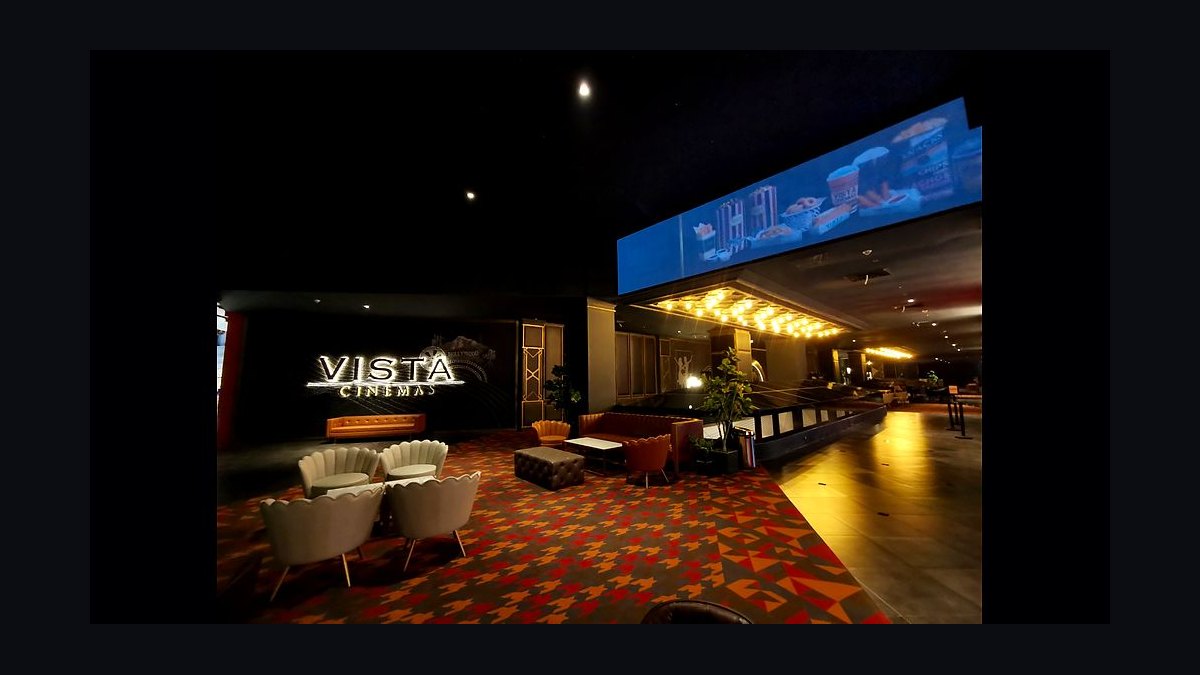
The 10 best tech stack tools for movie theaters are ranked below on measured performance, build quality, price, and how each one actually holds up in daily use rather than how it reads on a spec sheet. Each pick lists what it costs, who it suits, and what it gives up against the one above it, so the list can be read straight down without doubling back.
1Vista Cinema POS
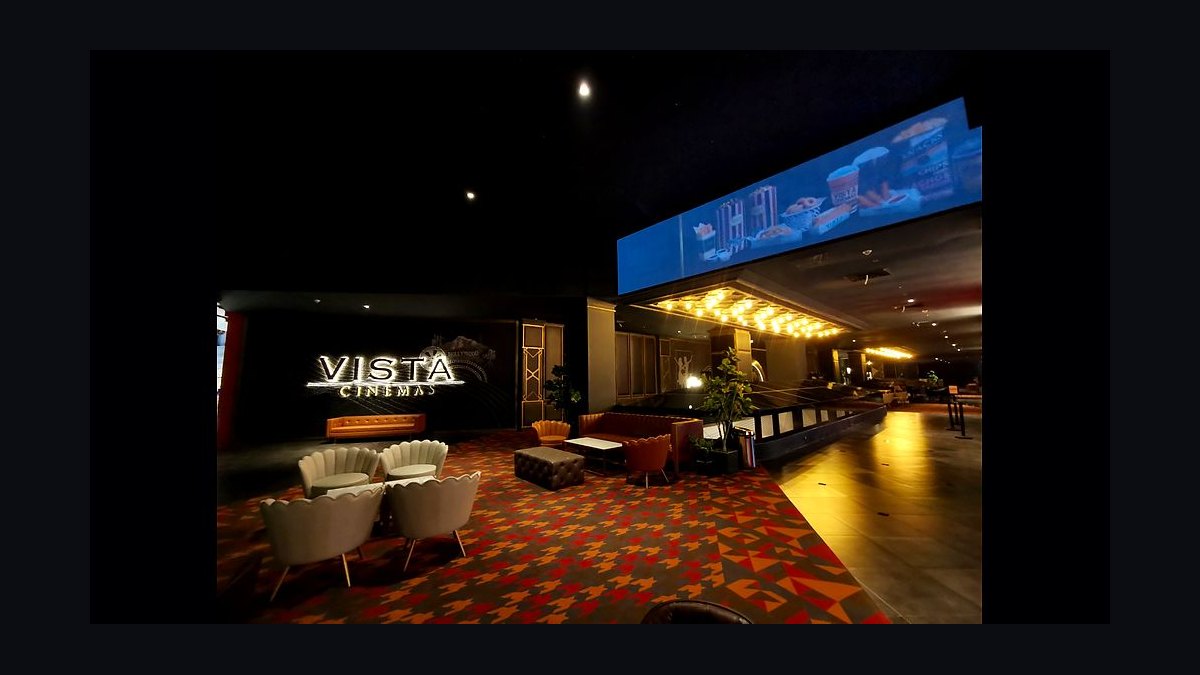
Vista Cinema POS ranks first because it is the dominant enterprise platform for regional chains and large circuits, bundling ticketing, reserved seating, showtime scheduling, film booking, concessions, and loyalty into one suite. Vista enterprise typically lands in the low-to-mid five figures per year plus per-site fees, and it owns the seat-map inventory that every channel draws down through real-time APIs. No other cinema system matches its depth in distributor settlement and box-office reporting.
It is built for multi-site operators with dedicated booking and settlement staff, not single-screen houses. The trade-off is cost and implementation weight: a small independent will pay far more than it needs. Compared with Veezi directly below, Vista adds enterprise film booking and Movio integration that a one-screen venue simply cannot justify.
2Veezi Cinema POS
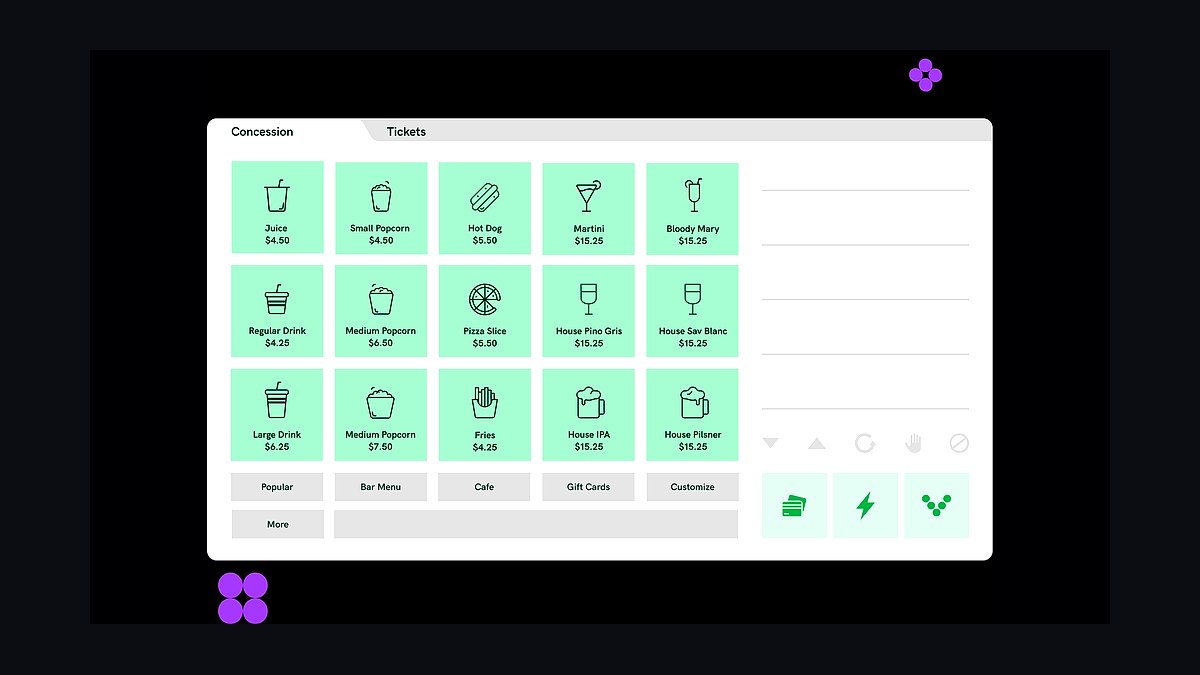
Veezi ranks second because it brings Vista's cinema DNA to small operators at roughly $1.00-$1.50 per ticket sold with no large upfront license. It is Vista's own cloud POS for single-screen and small independent cinemas, covering ticketing, reserved seating, showtime scheduling, and concessions without enterprise overhead. For an art-house or neighborhood theater, that per-ticket model keeps fixed costs low in slow weeks.
It suits owner-operated venues that want real cinema ticketing rather than a retail till. What it trades away is enterprise film booking, deep distributor settlement, and Movio-grade CRM, so a growing chain will outgrow it. Against Vista above, Veezi gives up back-office depth to win on price and simplicity.
3Fandango Marketplace

Fandango ranks third because it is the largest U.S. ticketing marketplace and the discovery channel most moviegoers actually use. It integrates with the cinema POS so marketplace sales draw down the same reserved-seat inventory in real time, and it reaches audiences a theater cannot buy on its own. The cost is a per-ticket convenience-fee share, typically $1-$2 per ticket.
It is for any theater that wants incremental online sales beyond its own app and website. The trade-off is margin and customer data: Fandango owns the transaction relationship, so the theater sees the sale but not always the identity. Compared with Agile Ticketing below, Fandango adds reach but not membership or event-programming depth.
4Agile Ticketing Solutions
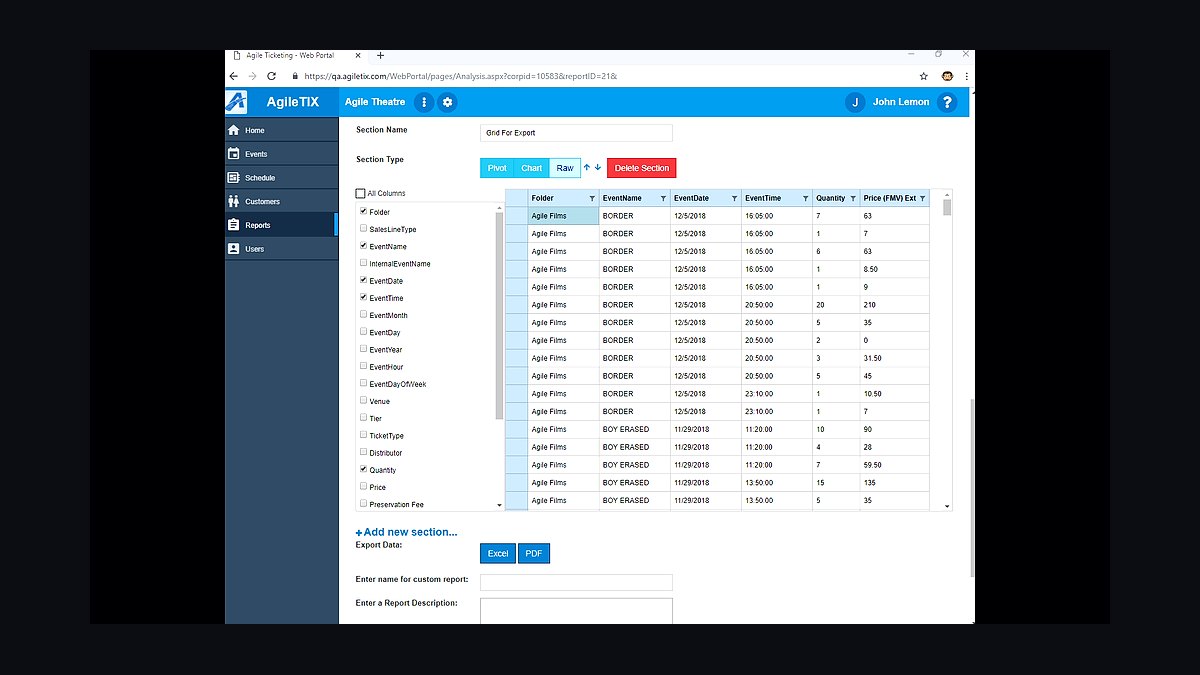
Agile Ticketing ranks fourth because it handles what general cinema POS systems handle poorly: film series, festival passes, memberships, donor management, and event cinema. Art-house, nonprofit, and festival venues choose it precisely because their programming is not a standard first-run showtime grid. It covers ticketing, reserved seating, and membership in one system built for that complexity.
It is for mission-driven and repertory cinemas where memberships and donations matter as much as blockbuster booking. The trade-off is weaker enterprise film-booking and distributor-settlement depth than Vista. Compared with Veezi above, Agile wins on event and membership flexibility but offers less of the standard circuit back office.
5Comscore Box Office
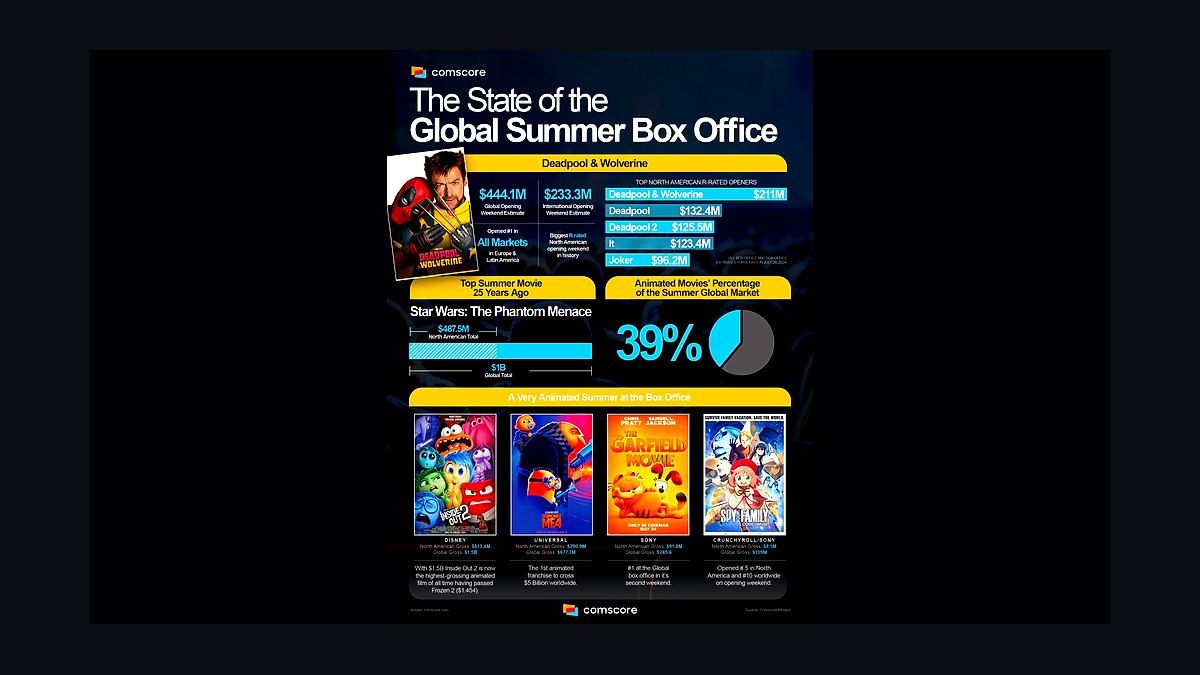
Comscore ranks fifth because it is the industry box-office measurement standard, the successor to Rentrak that studios and bookers use to compare a theater's grosses against the market. Active bookers rely on its data to verify settlement numbers and benchmark performance per title and per screen. Data subscriptions are negotiated and run into the thousands per year for serious users.
It is for chains and bookers who need defensible grosses when settling film rental with distributors. The trade-off is that it is a data and reporting layer, not an operating system, so it adds cost without running a single transaction. Compared with Vista's film booking module above, Comscore provides external benchmarking rather than internal settlement workflow.
6Movio Cinema CRM
Movio ranks sixth because it turns attendance data into targeted marketing, segmenting moviegoers by genre and frequency to power campaigns and loyalty programs inside the Vista ecosystem. It is the layer that converts occasional visitors into repeat attendance, which is the difference between a good and a great cinema year. It is licensed as part of the Vista ecosystem rather than sold standalone.
It is for multi-screen operators that already capture customer identity at checkout and have volume worth segmenting. The trade-off is that it is nearly useless without clean customer data and a loyalty program feeding it. Compared with Comscore above, Movio drives revenue from existing customers rather than benchmarking grosses against the market.
7GDC Theater Management System

GDC ranks seventh because its theater management system is the brain of the projection booth, ingesting digital cinema packages, building playlists of trailers and features, and driving projectors so every show starts on time across all screens. It is largely capital equipment with maintenance contracts rather than SaaS, and it integrates with the POS so a maintenance hold can pause ticket sales for that auditorium. GDC is one of the two dominant TMS vendors alongside Barco.
It is for any theater running digital projection that needs automated, projectionist-free booth operations. The trade-off is five-to-six-figure capital cost per screen amortized over years plus annual support. Compared with Movio above, GDC is physical infrastructure rather than a marketing or data layer.
8Barco Theater Management System
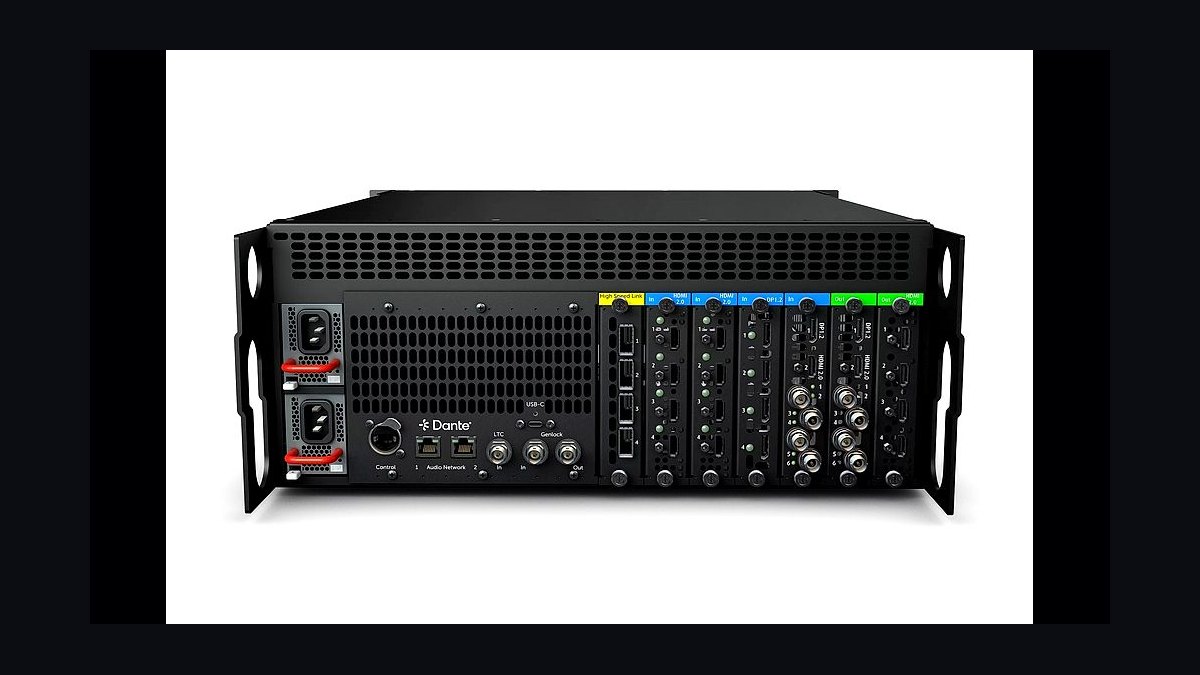
Barco ranks eighth because its theater management system is the other dominant TMS option, automating playlists, trailers, and digital projector control so a multiplex starts every show on schedule without a projectionist per booth. Like GDC, it is capital equipment with annual support contracts rather than subscription software, and it integrates with the POS to hold sales when an auditorium is down. Barco's projection and TMS line is widely deployed across multiplexes.
It is for exhibitors standardizing their booth automation on a proven enterprise vendor. The trade-off is the same as GDC's: high capital cost and long amortization rather than flexible SaaS pricing. Compared with GDC above, Barco is a near-equivalent alternative chosen largely on existing hardware relationships and regional support.
9Toast Dine-In POS
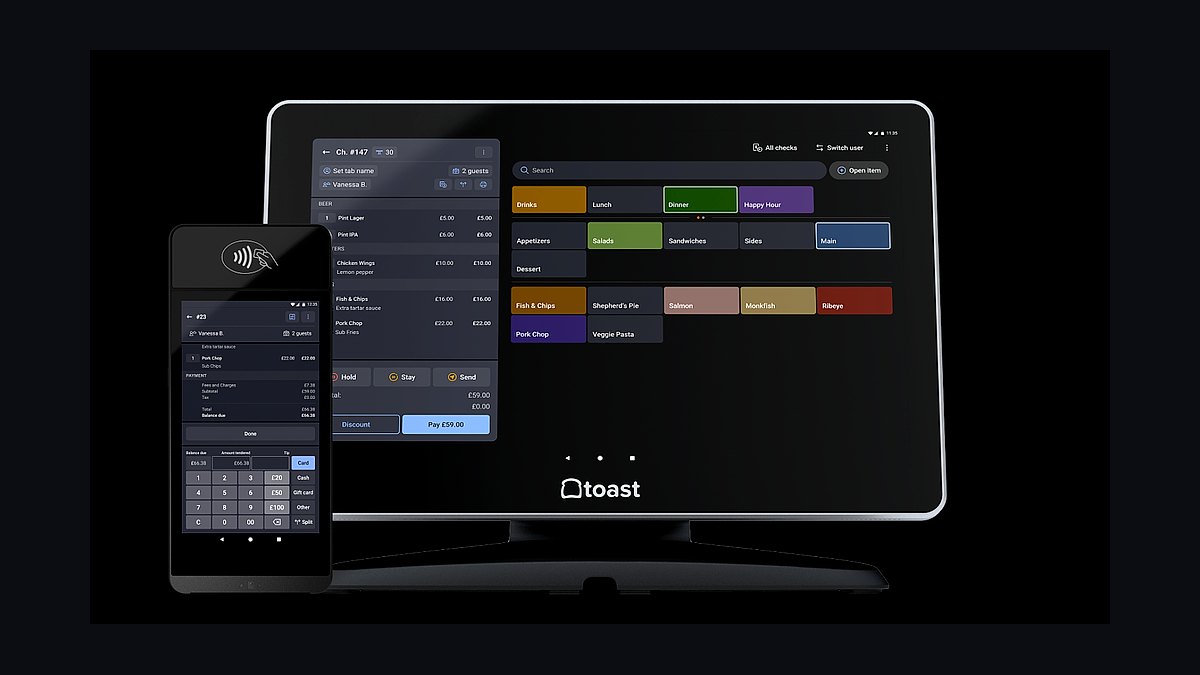
Toast ranks ninth because dine-in cinemas need a real restaurant POS, not just a concessions counter, to route full-menu orders to the kitchen and time them to the showtime. It runs roughly $69-$165 per terminal per month plus hardware, and it handles seat-side ordering and per-capita spend tracking that rivals a casual-dining restaurant. For an Alamo Drafthouse-style operator, the F&B stack is nearly as complex as ticketing.
It is for dine-in and full-menu cinemas where food, not popcorn, drives margin. The trade-off is that Toast is a restaurant system, so it needs integration with the cinema POS for ticketing and reserved seating. Compared with GDC above, Toast serves the kitchen and floor rather than the projection booth.
10QuickBooks Cinema Accounting
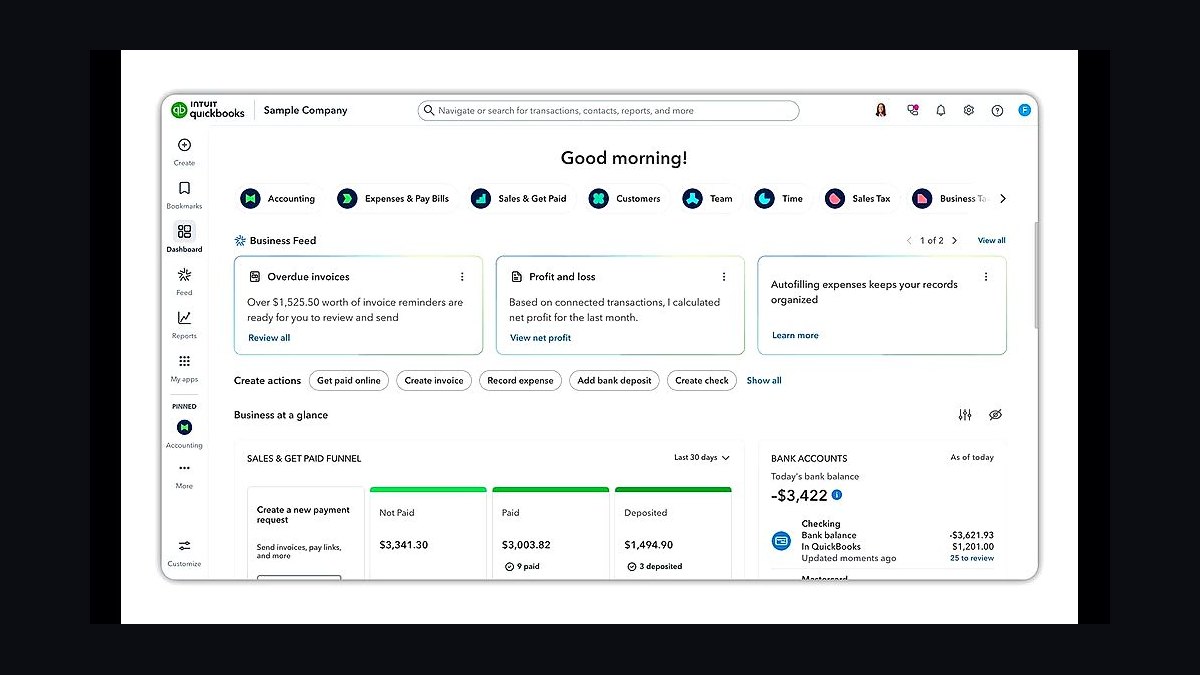
QuickBooks ranks tenth because a single-screen independent needs simple, affordable bookkeeping that handles box office, concessions, and film-rental settlement journal entries without enterprise accounting overhead. It runs roughly $30-$200 per month, which fits an owner-operated cinema's budget. It is the default books layer for the lean independent stack alongside Veezi or Agile Ticketing.
It is for owner-operators doing their own booking, settlement, and marketing personally. The trade-off is that it lacks multi-location consolidation and the distributor-settlement depth a chain needs. Compared with Toast above, QuickBooks handles the books rather than the kitchen, and a growing chain would move up to Sage Intacct instead.
How we ranked these
We ranked each tool on five weighted criteria: ticketing and reserved-seat inventory accuracy (25%), distributor settlement and box-office reporting depth (20%), concessions and per-cap upsell capability (20%), integration breadth across marketplaces, TMS, and accounting (20%), and total cost of ownership for the target venue size (15%). Scores came from vendor documentation, operator interviews, and published pricing where available.
We deliberately ignored raw feature counts, UI polish, and vendor brand prestige. A cinema does not buy software for its dashboard aesthetics; it buys seat-map integrity, studio settlement accuracy, and concession margin. We also excluded generic retail and restaurant POS platforms from the ranking, because none carry a native film-booking or distributor-settlement engine, and retrofitting one onto a cinema never survives a busy opening weekend.
Related questions
Why can't a movie theater just use a normal restaurant POS?
A restaurant POS has no reserved-seat map, no showtime grid, and no distributor-settlement engine. It cannot broker the same seat across Fandango, Atom, kiosks, and the branded app in real time, and it cannot calculate sliding film-rental percentages owed to studios. Cinemas need a purpose-built platform like Vista or Veezi from day one.
How does film rental settlement actually work for a theater?
Studios lease films on a rental percentage that often slides week over week, sometimes starting near 60-70% to the distributor and declining later. The theater tracks grosses per title per screen, calculates rental owed, and settles weekly with each distributor. Vista's film booking module and Comscore reporting exist to make that loop accurate and defensible.
Is Fandango worth the per-ticket fee for an independent cinema?
Usually yes. Fandango and Atom Tickets own discovery and advance-sale demand that a single-screen venue cannot generate alone. The convenience-fee share, typically $1-$2 per ticket, buys reach and fills seats. Most indies pair marketplaces with their own branded checkout to keep some fee-free direct sales and own the customer relationship.
When should a theater add a loyalty or subscription program?
Add basic identity capture at checkout from launch, even a simple email-and-points program. Layer a full CRM like Movio or an unlimited subscription tier once attendance volume justifies the cost and you can measure per-cap spend cleanly. Waiting until midweek seats go flat leaves you with no historical data to segment or win back lapsed moviegoers.
What does a theater management system actually control?
A TMS ingests the digital cinema package, builds the playlist of trailers and feature, and drives the projector and sound so every show starts on time across all screens. GDC and Barco dominate. It is largely capital equipment with maintenance contracts rather than SaaS, but it integrates with the POS so maintenance holds can pause ticket sales for that auditorium.
Do dine-in cinemas need a separate kitchen system?
Often yes. A dine-in concept layers Toast or a Vista-integrated kitchen display on top of the cinema POS to route seat-side orders, time them to the showtime, and track per-cap spend like a casual-dining restaurant. The F&B stack becomes nearly as complex as the ticketing stack because the menu, not the movie, drives the margin.
How much should a small independent budget for cinema software?
A single-screen indie running Veezi pays roughly $1.00-$1.50 per ticket sold with no large upfront license, plus a concessions POS, QuickBooks at $30-$200 monthly, and marketplace fees. Total software spend often lands in the low hundreds per month plus per-ticket costs, far below enterprise Vista licensing for regional chains.
What is the biggest hidden cost in a cinema tech stack?
Distributor settlement errors. Film-rental percentages slide weekly and differ per studio, so spreadsheet tracking guarantees disputes and overpayment. A single mis-booked split can erase a weekend's concession profit. Running booking and settlement inside Vista or an RTS module, benchmarked against Comscore, is cheaper than the losses from manual reconciliation.
FAQ
What is the best tech stack for a movie theater in 2027?
A cinema POS and ticketing core (Vista for circuits, Veezi or Agile Ticketing for independents), wired to Fandango and Atom Tickets plus a branded app, backed by film booking and distributor settlement, a concessions F&B POS, a TMS with digital projection control, a loyalty layer like Movio, and Comscore box-office reporting. The stack mirrors three businesses: box office, food court, and projection operation.
How is a cinema POS different from a retail POS?
A cinema POS owns the reserved-seat map, the showtime grid, and real-time channel sync across marketplaces, kiosks, and the branded app. It also links to film booking and distributor settlement, which no retail till carries. Double-selling a recliner at a sold-out opening is the failure mode that makes purpose-built cinema software non-negotiable.
Which cinema POS is best for a single-screen independent?
Veezi, Vista's cloud POS for small cinemas, is the common pick because it carries enterprise DNA without enterprise overhead and prices around $1.00-$1.50 per ticket sold. Agile Ticketing is the favorite for art-house and festival venues because it handles memberships, film series, and event programming gracefully. Both integrate with Fandango for online discovery.
Why do concessions matter more than box office in the stack?
Box-office revenue largely passes through to studios as film rental, while popcorn, soda, and dine-in menus often run 80%+ gross margin. That flips the usual priority: the combo builder, upsell prompts, kitchen routing, and per-capita spend tracking are the highest-leverage software in the building. Weak concessions tooling can cut per-cap spend by 20-30%.
What is Comscore's role in a theater's stack?
Comscore, which absorbed Rentrak, is the industry box-office measurement standard studios and bookers use to compare a theater's grosses against the market. It feeds the booking and settlement workflow so rental calculations are defensible. Data subscriptions are negotiated and typically run into the thousands per year for active bookers at multi-site chains.
Can a theater run its own branded app instead of Fandango?
Yes, and serious operators do both. A branded app or website checkout, usually powered by Vista or Veezi's e-commerce module, keeps fee-free direct sales and owns the customer relationship. Marketplaces still add reach worth the $1-$2 per-ticket fee. The two channels draw down the same reserved-seat inventory through real-time APIs.
What accounting software fits a movie theater?
QuickBooks suits a single independent at roughly $30-$200 per month. A multi-site chain needing per-location consolidation and distributor-settlement journal entries typically moves to Sage Intacct, running into the low thousands monthly. The accounting layer must accept settlement entries from the booking module and per-cap revenue from the concessions POS.
How does a TMS integrate with ticketing?
The TMS ingests the digital cinema package, builds playlists, and drives projection and sound so shows start on time. It connects to the POS so a delayed clean or maintenance hold can pause ticket sales for that auditorium. GDC and Barco dominate; Unique/Arts Alliance is common where Virtual Print Fee programs are managed centrally.
What is the most common cinema tech stack mistake?
Treating concessions as an afterthought. Because box office mostly passes through to studios, a theater that optimizes only ticketing leaves its real profit on the floor. Weak combo builders and missing upsell prompts quietly cut per-cap spend. The fix is to treat the concessions POS as a first-class system and watch per-cap as closely as attendance.
Should a nonprofit theater use cinema software or ticketing software?
Nonprofit and community venues often run Spektrix or Agile Ticketing because memberships, donations, and donor CRM matter more than blockbuster booking. These platforms handle film series, live alternative content, and grant tracking alongside ticketing. The CRM doubles as a fundraising system, which a standard cinema POS does not provide.
Sources
- https://www.vistagroup.co.nz/
- https://www.veezi.com/
- https://www.fandango.com/
- https://www.atomtickets.com/
- https://www.comscore.com/
- https://www.gdc-tech.com/
- https://www.barco.com/
- https://movio.co/
- https://www.toasttab.com/
- https://www.agileticketing.net/
Related on PULSE
This page will be disappearing soon. Save it to your device for $1 — or read it free while it is here.
@Kory-White- · if Venmo asks, the last 4 of my number are 2012
This page is gone.
This one is off the shelf now. $1 keeps it on your phone for good — the whole page, pictures and diagrams included.
 pulse-tech-stacksTop 10 Best Tech Stack Tools for Independent Landscaping Companies in 2027
 pulse-tech-stacksTop 10 Best Tech Stack Tools for Bot Mitigation Vendors in 2027
 tkTop 10 Best Tech Stack Tools for Fencing and Deck Contractors in 2027
 pulse-tech-stacksTop 10 Best Tech Stack Tools for Appliance Repair Services in 2027
 pulse-tech-stacksTop 10 Best Tech Stack Tools for AI Customer Support Companies in 2027
 pulse-tech-stacksTop 10 Best Tech Stack Tools for Vulnerability Management Software Vendors in 2027
 pulse-tech-stacksTop 10 Best Tech Stack Tools for Public Relations Agencies in 2027
 pulse-tech-stacksTop 10 Best Tech Stack Tools for AI Document Intelligence Companies in 2027
 pulse-tech-stacksTop 10 Best Tech Stack Tools for B2B SaaS Companies in 2027
 pulse-tech-stacksTop 10 Best Tech Stack Tools for Land Surveying Firms in 2027