


Top 10 Best Tech Stack Tools for Excavation and Site Work Contractors in 2027
Quality
Certified
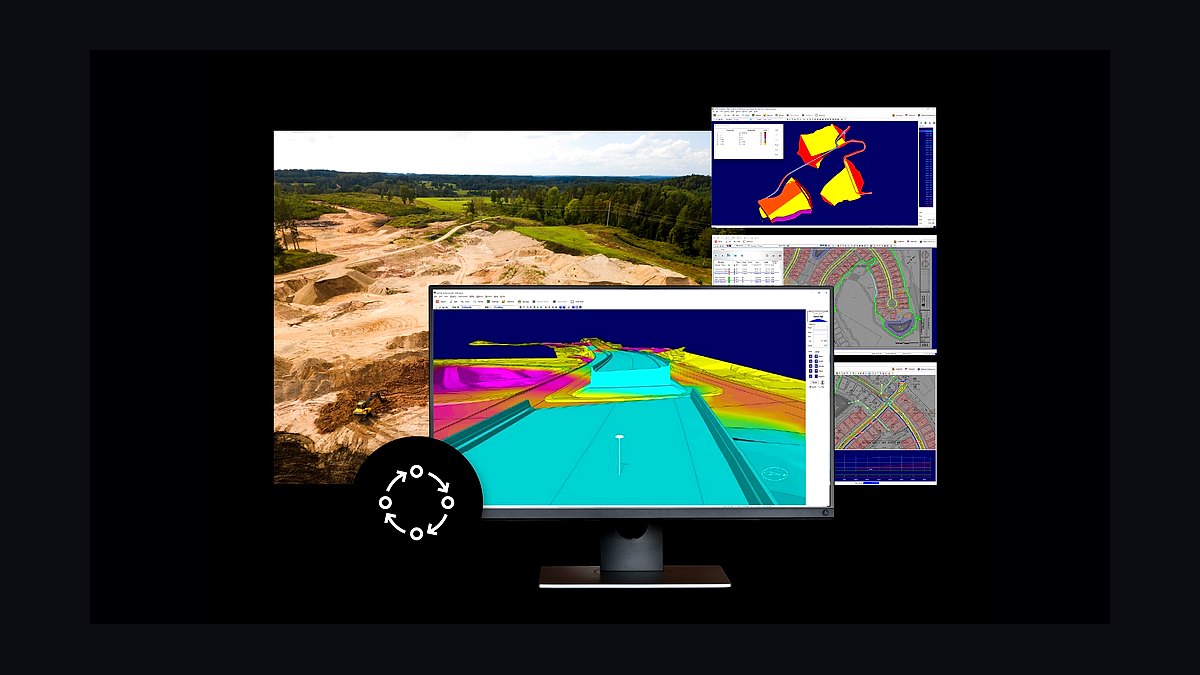
The 10 best tech stack tools for excavation and site work contractors are ranked below on measured performance, build quality, price, and how each one actually holds up in daily use rather than how it reads on a spec sheet. Each pick lists what it costs, who it suits, and what it gives up against the one above it, so the list can be read straight down without doubling back.
1AGTEK Earthwork 4D
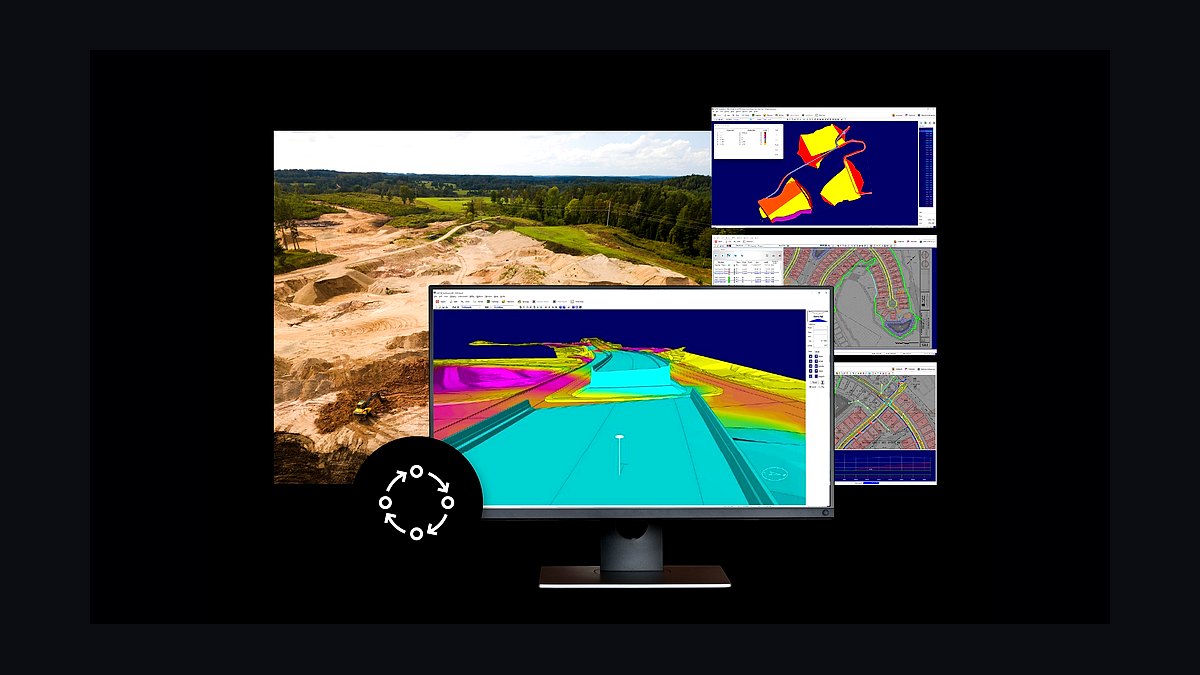
AGTEK Earthwork 4D ranks first because earthwork takeoff and cut/fill balance is where excavation bids are won or lost, and AGTEK is the dominant platform for that math. It reads paper, PDF, and CAD plans, then produces auditable cut/fill and mass-haul quantities estimators trust. Pricing runs roughly $8,000-$15,000 per seat plus annual maintenance, making it the largest single software line item for most site contractors.
It is built for estimators at grading, site-development, and heavy-civil firms who bid real dirt quantities, not for owner-operators doing small residential pads. It trades away low cost and quick onboarding, since new estimators need real training before numbers are reliable. Compared with InSite SiteWork directly below, AGTEK costs more but carries deeper mass-haul and plan-reading depth on complex sites.
2InSite SiteWork
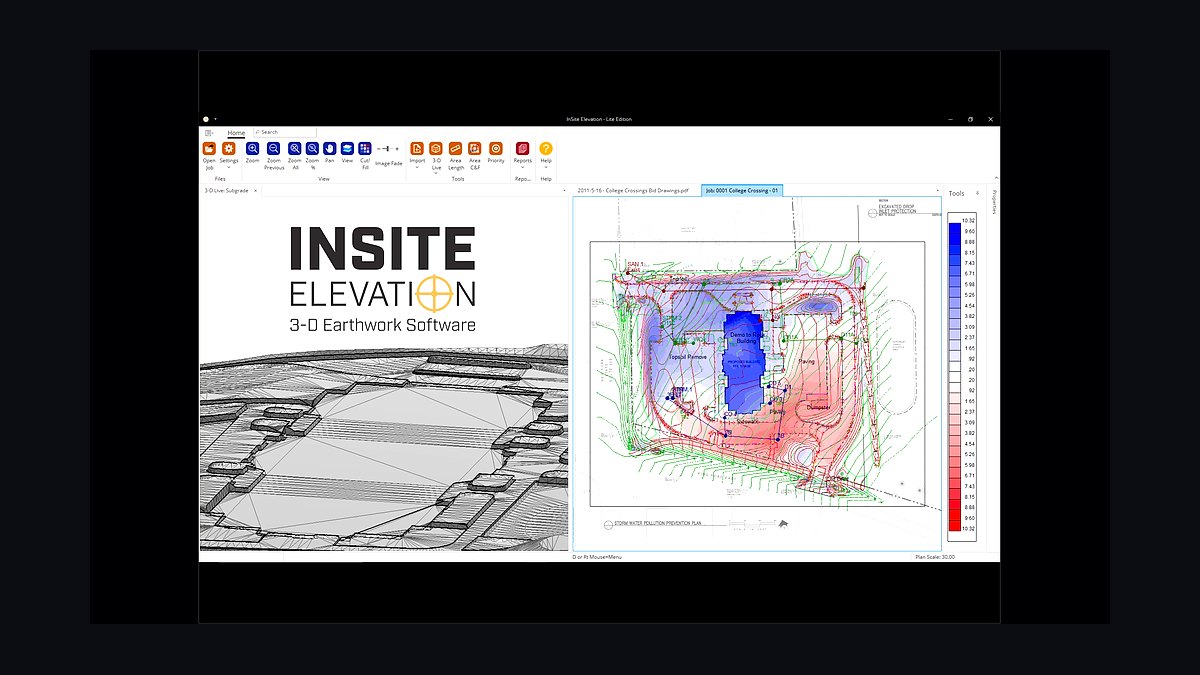
InSite SiteWork ranks second as the strongest lower-cost earthwork takeoff alternative, especially for small and mid-size contractors who bid from PDF and digitized plans. It handles cut/fill and site quantity takeoff at a price typically a few thousand dollars below a comparable AGTEK seat, which matters when software must pay for itself on a handful of jobs. Its PDF digitizing workflow is fast for contractors without full CAD departments.
It suits residential site, septic, and smaller commercial excavators who need real earthwork math without enterprise pricing. It trades away some of AGTEK's mass-haul sophistication and deep integration with Trimble model-prep workflows. Against AGTEK above it, InSite wins on cost and simplicity but loses on complex haul planning and large-plan throughput.
3HCSS HeavyBid
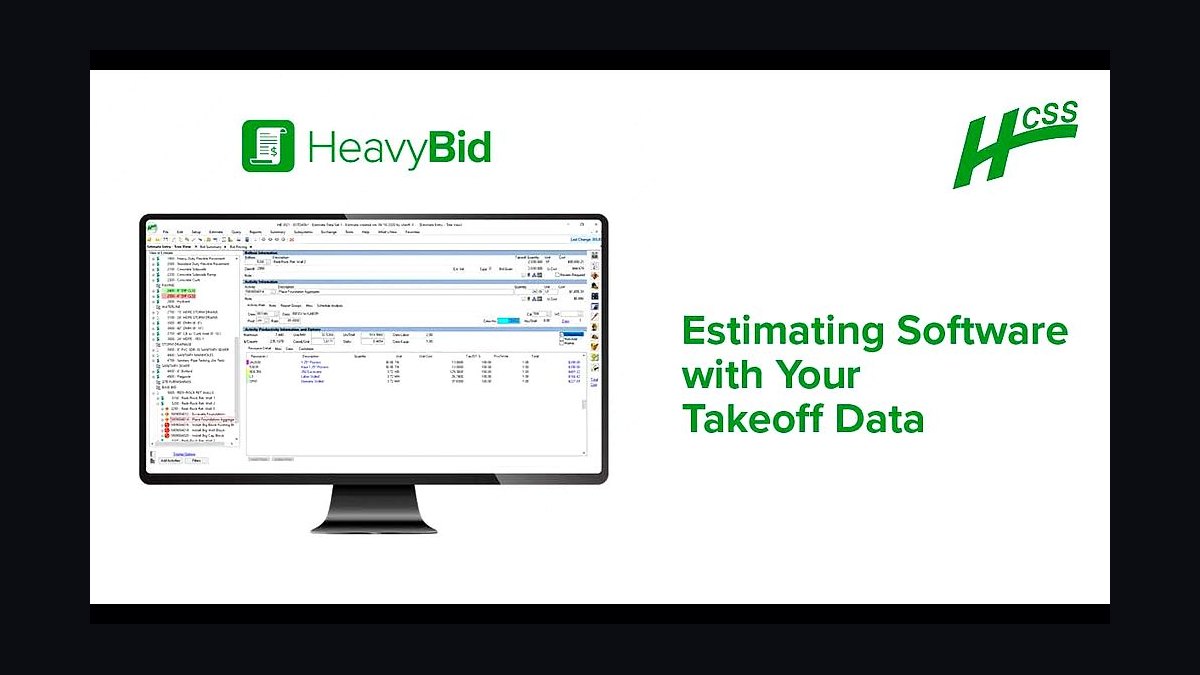
HCSS HeavyBid ranks third because earthwork quantities must feed a full unit-price bid where crews, equipment, materials, and subs are priced by cost code. It is the heavy-civil standard for assembling competitive bids with historical cost data, and it pairs naturally with HeavyJob so field production flows back against the bid. Pricing runs roughly $5,000-$12,000 per seat annually.
It is for estimators and owners at firms bidding public and private heavy-civil work with cost-code discipline. It trades away simplicity and low cost, and it is overkill for a one-truck excavator who bids from experience. Against InSite above it, HeavyBid is not a takeoff tool at all, it is the full-bid layer that consumes takeoff quantities.
4Trimble Earthworks
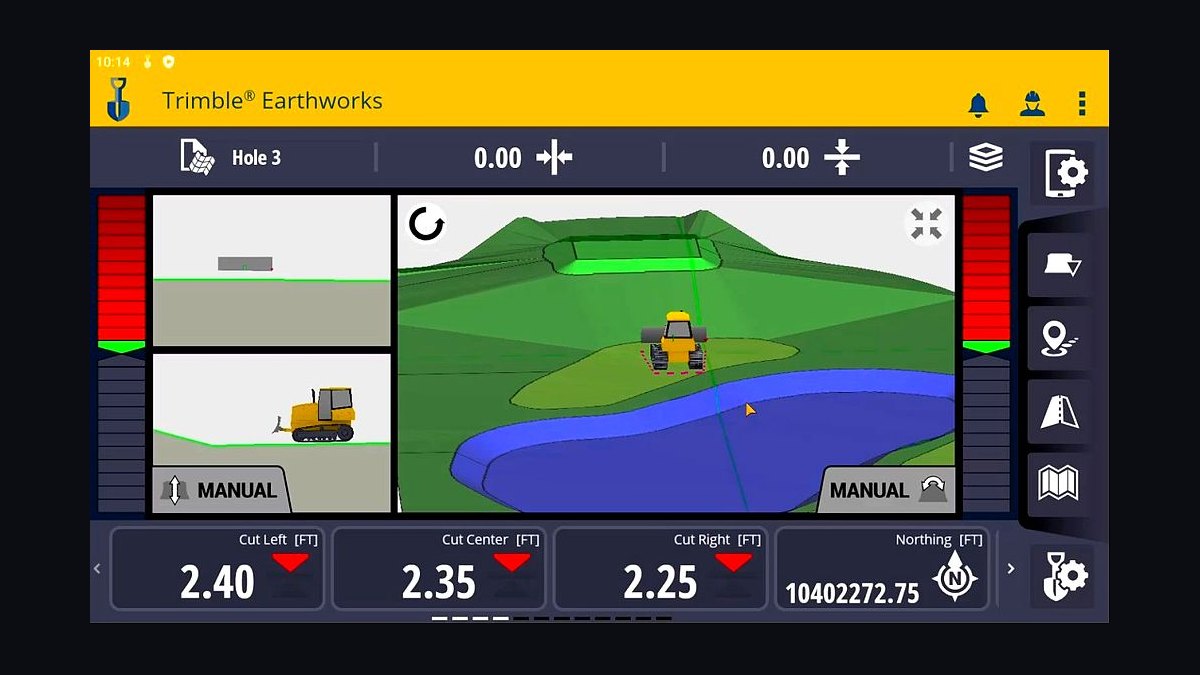
Trimble Earthworks ranks fourth because GPS machine control is the production engine that turns the estimate's 3D surface into grade hit on the first pass. It runs 3D blade and bucket control on dozers and excavators, eliminating most staking and rework. Hardware plus software typically runs $25,000-$60,000 per machine depending on machine type and 2D versus 3D, and it is often leased.
It is for contractors with enough dirt volume to justify per-machine investment, usually mid-size and large grading firms. It trades away upfront cash and requires clean model prep in the office or crews re-model the site in the field. Against HeavyBid above it, Earthworks is field hardware and software, not estimating, and the two only pay off together when surfaces flow cleanly.
5HCSS HeavyJob
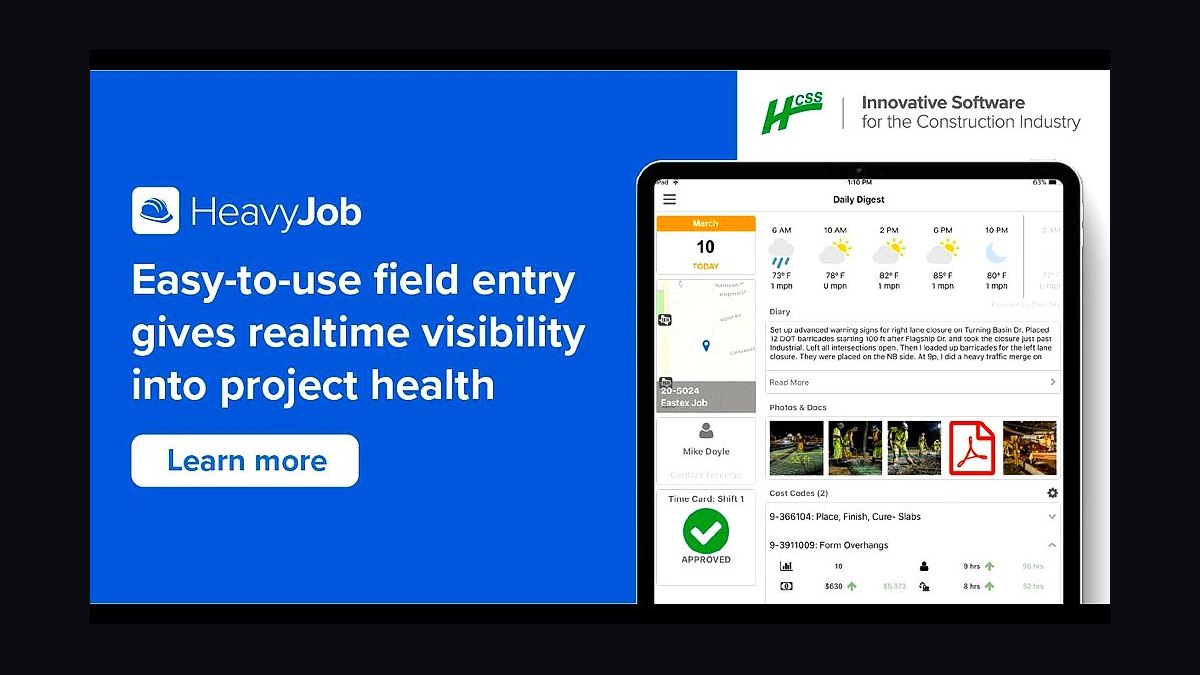
HCSS HeavyJob ranks fifth because knowing you bid 40,000 cubic yards at a production rate is worthless unless foremen report daily yards moved and hours burned. Foremen log labor hours, equipment hours, quantities, and diary notes from a tablet, and the system compares actuals to the HeavyBid estimate by cost code daily. Pricing runs roughly $3,000-$8,000 per year for a small-to-mid crew base.
It is for field-savvy contractors who want a losing job caught on day three instead of at closeout, and it feeds certified payroll on public work. It trades away simplicity, since foremen must actually enter data every day or the loop breaks. Against Trimble Earthworks above it, HeavyJob is office-and-tablet tracking, not machine hardware, and it depends on a bid to compare against.
6HCSS Equipment360
HCSS Equipment360 ranks sixth because a site contractor's balance sheet is iron, and idle time, missed services, and surprise breakdowns destroy margin invisibly. It tracks every asset's hours, location, fuel, service schedule, and cost of ownership, and it pairs naturally with HeavyJob equipment-cost data. Pricing runs roughly $2,000-$6,000 per year plus telematics devices per machine.
It is for contractors running owned dozers, excavators, scrapers, and haul trucks who need utilization and maintenance discipline. It trades away the best-in-class dashcams and driver safety features that Samsara offers, and it needs OEM feeds aggregated to show mixed brands on one screen. Against HeavyJob above it, Equipment360 is the capital-management layer, not the production-tracking layer.
7Samsara
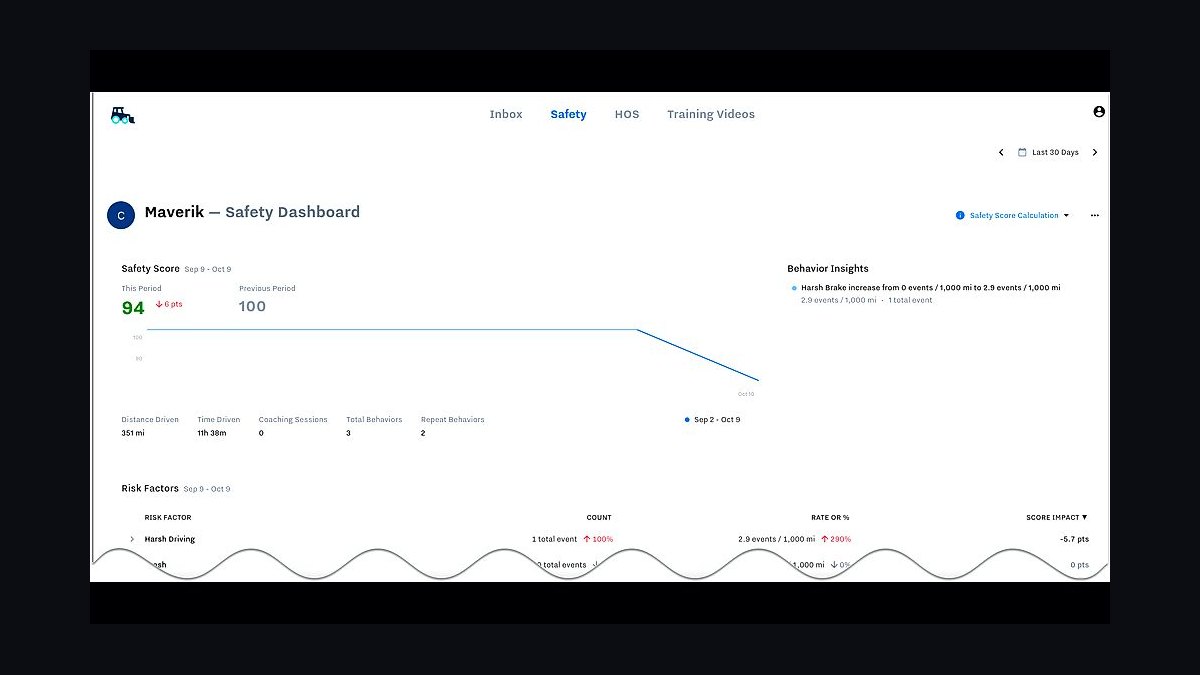
Samsara ranks seventh as the strongest telematics and dashcam platform for small-to-mid excavation fleets at roughly $25-$40 per asset per month. It pulls location, engine hours, fuel, and driver behavior from trucks and machines, and its camera and safety reporting are best-in-class for contractors with DOT exposure. Setup is fast compared with OEM-specific portals.
It is for contractors who want one screen across mixed-brand trucks and equipment without building a data warehouse. It trades away deep construction-specific maintenance scheduling and cost-of-ownership reporting that Equipment360 and Tenna provide. Against Equipment360 above it, Samsara wins on telematics breadth and dashcams but loses on heavy-equipment lifecycle and service-by-hour-meter depth.
8Foundation Software
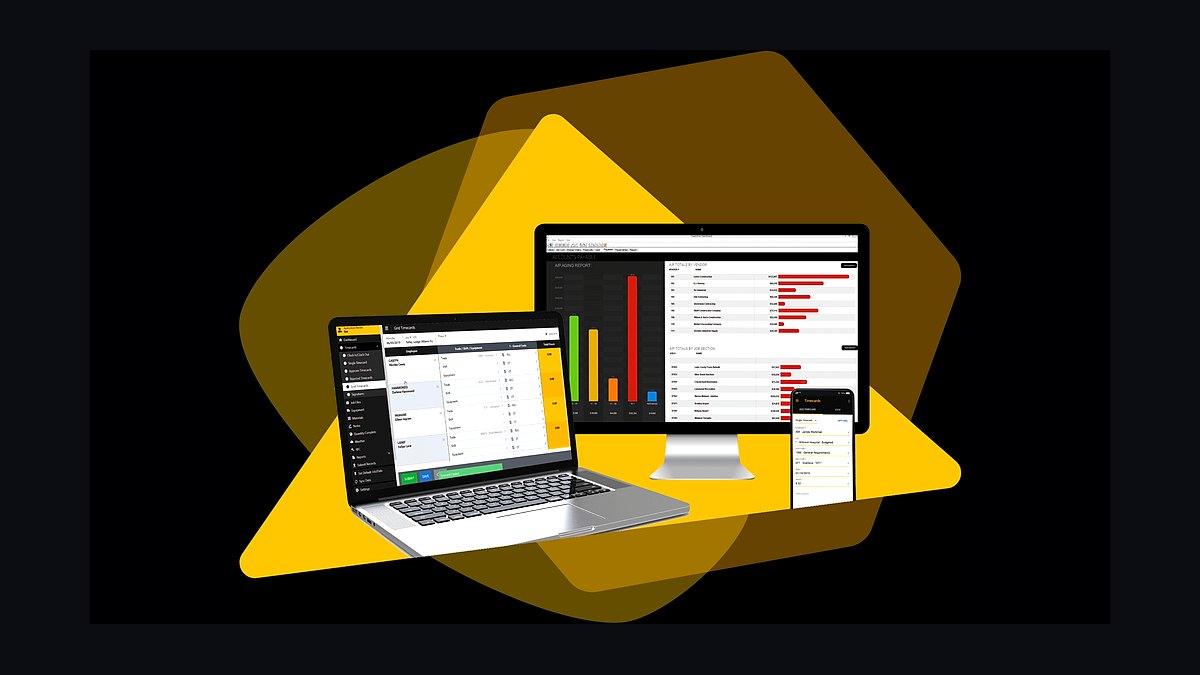
Foundation Software ranks eighth because job-cost accounting with work-in-progress reporting, AIA billing, and certified payroll is non-negotiable on public excavation work. It tracks margin honestly by job and generates compliant certified payroll from field labor hours, with pricing roughly $5,000-$15,000 per year. It is a strong mid-market fit for contractors outgrowing QuickBooks.
It is for contractors with prevailing-wage public work or multiple jobs needing real WIP and job-cost reporting. It trades away the multi-entity and complex consolidation depth that Viewpoint Spectrum and Sage 300 CRE offer larger firms. Against Samsara above it, Foundation is finance and payroll, not fleet telematics, and the two sit in entirely different layers of the stack.
9Procore
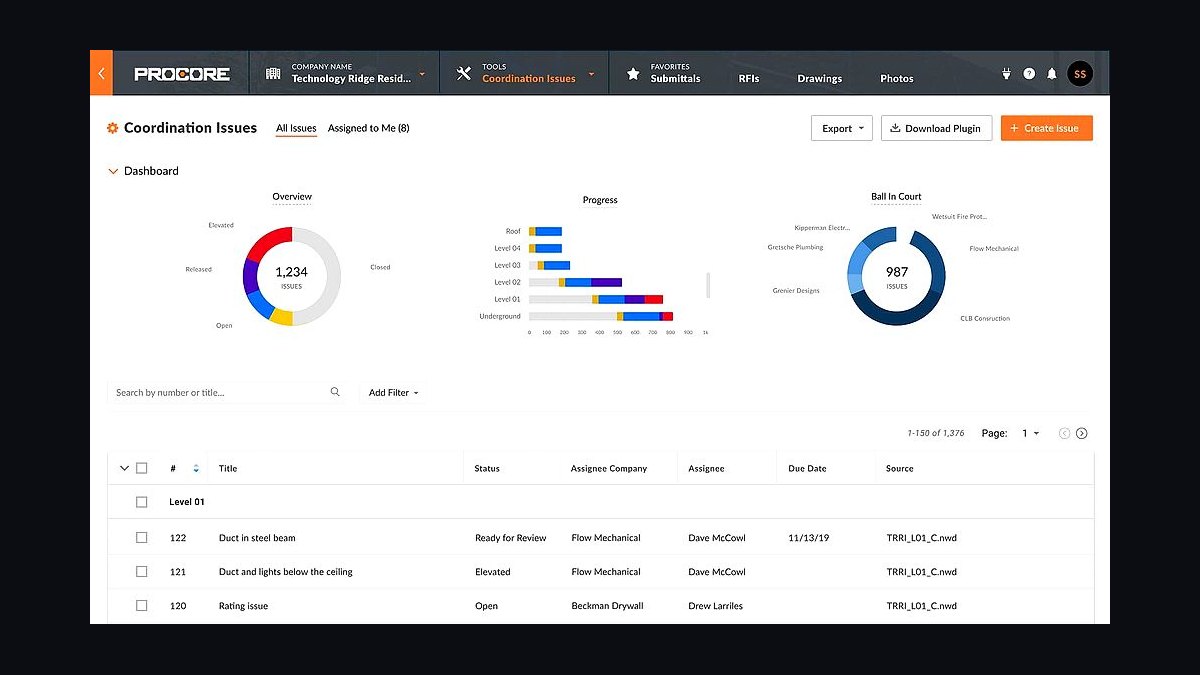
Procore ranks ninth because site contractors increasingly work as subs to GCs who mandate a project management platform for drawings, RFIs, submittals, and daily reports. It is the most widely required PM platform in commercial construction, with pricing roughly $10,000-$50,000 per year scaled to annual construction volume. It keeps GC-facing documentation in one place instead of scattered email threads.
It is for contractors doing commercial and public work under GCs who require it, not for residential excavators working direct for homeowners. It trades away cost efficiency for small firms, where the GC's Procore seat plus email may suffice. Against Foundation Software above it, Procore is project documentation and workflow, not accounting or certified payroll.
10HCSS Dispatcher
HCSS Dispatcher ranks tenth because coordinating haul trucks, scheduling crews and equipment to jobs, and reconciling haul tickets is its own discipline on dirt-heavy sites with import or export. It schedules resources across multiple jobs and ties into the HCSS suite so dispatch, field, and equipment data share one system. Pricing varies by fleet size and haul volume.
It is for contractors running their own haul fleets or coordinating many trucks on mass-haul jobs, not for small excavators with one dump truck. It trades away standalone simplicity, since it pays off most when already standardized on HCSS HeavyBid and HeavyJob. Against Procore above it, Dispatcher is trucking and resource scheduling, not GC-facing project documentation.
How we ranked these
We ranked tools by weighting earthwork takeoff and cut/fill estimating accuracy at 30%, GPS machine control integration at 25%, field production tracking against estimate at 20%, fleet telematics and maintenance depth at 15%, and accounting/WIP/certified payroll fit at 10%. Each layer was scored on real contractor adoption, dealer support, and how cleanly the 3D surface flows from takeoff to machine.
We deliberately ignored generic project management suites, HR and safety apps, and lightweight scheduling tools unless they directly touched the dirt-to-dollar loop. We also excluded vertical-construction estimating platforms, marketing or CRM software, and any tool without a verifiable heavy-civil user base. Feature breadth was ignored in favor of integration depth, because a broken estimate-to-machine handoff costs more than any missing bell or whistle.
What to look for
What matters most is whether the takeoff surface exports cleanly into your machine control brand and whether field production data flows back against the bid cost codes automatically. Match the stack to your fleet: a Trimble shop should lean Trimble Business Center, a Topcon shop should lean InSite. Confirm certified payroll and WIP reporting before you sign, not after.
The mistake most buyers make is shopping features instead of integration. They buy a cheaper estimating tool that cannot hand a surface to their dozers, then pay crews to re-model the site in the field. A close second is buying telematics but never acting on utilization or hour-meter service data, so idle iron and breakdowns quietly erase the margin the software was supposed to protect.
Related questions
What is the best earthwork takeoff software for an excavation contractor?
AGTEK Earthwork 4D is the dominant choice, reading paper, PDF, and CAD plans to produce auditable cut/fill and mass-haul numbers estimators trust. InSite SiteWork is a strong, often cheaper alternate for PDF digitizing workflows. Trimble Business Center with Takeoff and Earthworks modules doubles as model prep for Trimble machine control, which matters if your fleet runs Trimble.
How much does GPS machine control cost per machine in 2027?
Hardware plus software typically runs $25,000 to $60,000 per machine depending on dozer versus excavator and 2D versus 3D capability. Most contractors lease rather than buy to avoid a large capital hit. Topcon is often priced competitively against Trimble, and Leica iCON is favored where survey-grade Leica gear already exists in the fleet.
Can a small excavation contractor get by without HCSS HeavyBid?
Yes, if you bid mostly small residential or septic work. InSite SiteWork plus a lighter estimating tool and QuickBooks can carry a small shop. But once you bid competitive heavy-civil or public work with unit-price schedules and historical cost data, HeavyBid or B2W Estimate pays for itself by making bids faster and more defensible.
What is the difference between HCSS HeavyJob and B2W Track?
Both capture field labor hours, equipment hours, quantities installed, and daily diary notes from a tablet, then compare actuals to the bid by cost code. HeavyJob pairs naturally with HeavyBid; B2W Track pairs with B2W Estimate. Pick the one matching your bidding platform so the estimate-to-field loop stays tight and automatic.
How do I track production against the estimate on a dirt job?
Have foremen log quantities moved, labor hours, and equipment hours daily in HeavyJob or B2W Track, coded to the bid cost codes. The system compares actual production and cost to the estimate each day. That early-warning loop lets a project manager correct course on day three instead of discovering a losing job at closeout.
What telematics platform works best for a mixed-brand equipment fleet?
Aggregate OEM feeds like Cat VisionLink and John Deere JDLink through the AEMP/ISO 15143 standard into one platform such as HCSS Equipment360, Tenna, or Samsara. That puts dozers, excavators, and trucks of different brands on a single utilization and maintenance screen instead of three separate OEM portals nobody reviews consistently.
Do I need Procore if I am an excavation subcontractor?
Often yes, because general contractors increasingly mandate a project management platform for drawings, RFIs, submittals, and daily reports. Procore is the most widely required. If your GCs do not mandate one, a smaller contractor can sometimes get by with the GC's seat plus email, saving the annual subscription.
What accounting software handles certified payroll for site work?
Foundation Software, Viewpoint Spectrum, and Sage 300 CRE all generate compliant certified payroll and work-in-progress reporting for prevailing-wage public work. QuickBooks alone is not sufficient once you have certified payroll exposure. Foundation is a strong mid-market fit; Viewpoint and Sage suit larger multi-entity firms with more complex reporting needs.
FAQ
Do I really need AGTEK if I only do small residential site work?
For genuinely small jobs you can start with InSite SiteWork, which is cheaper and strong at digitizing PDF plans. But the moment you bid anything with meaningful cut/fill or import/export, a real earthwork takeoff tool pays for itself in a single avoided estimating error. Hand-calculating dirt is the highest-risk shortcut in this trade.
Is GPS machine control worth it for a small contractor?
Often yes, it is frequently the single best ROI purchase on the list. One 3D grade-control kit on your primary dozer eliminates most staking, cuts rework, and lets one operator hit grade the first pass. Lease it per machine to avoid a large capital hit and prove the savings on a few jobs first.
Can I run HCSS HeavyBid and a different field app like B2W Track together?
Technically yes, but you lose the tight estimate-to-field cost-code loop that makes the data valuable. The strongest setups keep bidding and field tracking in one family, either HCSS HeavyBid with HeavyJob or B2W Estimate with B2W Track, so actual production flows back against the bid automatically.
How do I handle certified payroll on public excavation work?
Capture field labor hours in HeavyJob or B2W Track and feed them into a construction accounting system built for it. Foundation Software, Viewpoint Spectrum, and Sage 300 CRE all generate compliant certified payroll. QuickBooks alone is not sufficient once you have prevailing-wage public work in the mix.
What telematics should I use across a mixed-brand fleet?
Aggregate OEM feeds like Cat VisionLink and John Deere JDLink through the AEMP/ISO 15143 standard into one platform such as HCSS Equipment360, Tenna, or Samsara. That way dozers, excavators, and trucks of different brands appear on a single utilization and maintenance screen rather than three separate OEM portals.
How long does it take to implement a full excavation tech stack?
Plan on 90 days for a mid-size contractor. First 30 days: stand up takeoff and bidding and load historical cost codes. Days 31 to 60: push field production tracking to crews and pilot 3D machine control on one dozer. Days 61 to 90: connect telematics, accounting, and dashboards.
What is the biggest mistake contractors make when buying this software?
Shopping features instead of integration. A cheaper estimating tool that cannot hand a clean surface to your dozers forces crews to re-model the site in the field, paying twice for the same 3D work. Match the takeoff tool to your machine control brand and confirm the surface format flows through untouched before you buy.
How much should a mid-size site-work contractor budget for software?
Roughly $3,000 to $9,000 per month all-in. That covers AGTEK or Trimble Business Center, HCSS HeavyBid and HeavyJob, Equipment360, Foundation accounting, and Topcon or Trimble control on core machines. This tier gets the full estimate-to-field loop and is where the stack typically pays for itself fastest.
Is Power BI worth adding on top of these systems?
Yes, it is the cheapest high-leverage layer in the stack at roughly $10 to $20 per user per month. Power BI stitches estimate, field production, equipment cost, and accounting data into owner dashboards. Without it, the data lives in separate systems and nobody sees utilization and margin in one place.
Do I need GIS or 811 locate software for utility excavation work?
If you do underground utility work, yes. You need 811 one-call locate workflows and GIS to avoid strikes, and many firms layer Esri ArcGIS or the utility owner's GIS. Trimble Siteworks rovers also help with as-built and depth verification. Production tracking on utility jobs is linear-foot of pipe, not cubic yards.
Sources
- https://www.agtek.com/
- https://www.hcss.com/
- https://construction.trimble.com/en/products/earthworks
- https://www.topconpositioning.com/
- https://www.foundationsoft.com/
- https://www.procore.com/
- https://www.samsara.com/
- https://www.tenna.com/
- https://www.insitesoftware.com/
- https://www.viewpoint.com/
Related on PULSE
This page will be disappearing soon. Save it to your device for $1 — or read it free while it is here.
@Kory-White- · if Venmo asks, the last 4 of my number are 2012
This page is gone.
This one is off the shelf now. $1 keeps it on your phone for good — the whole page, pictures and diagrams included.
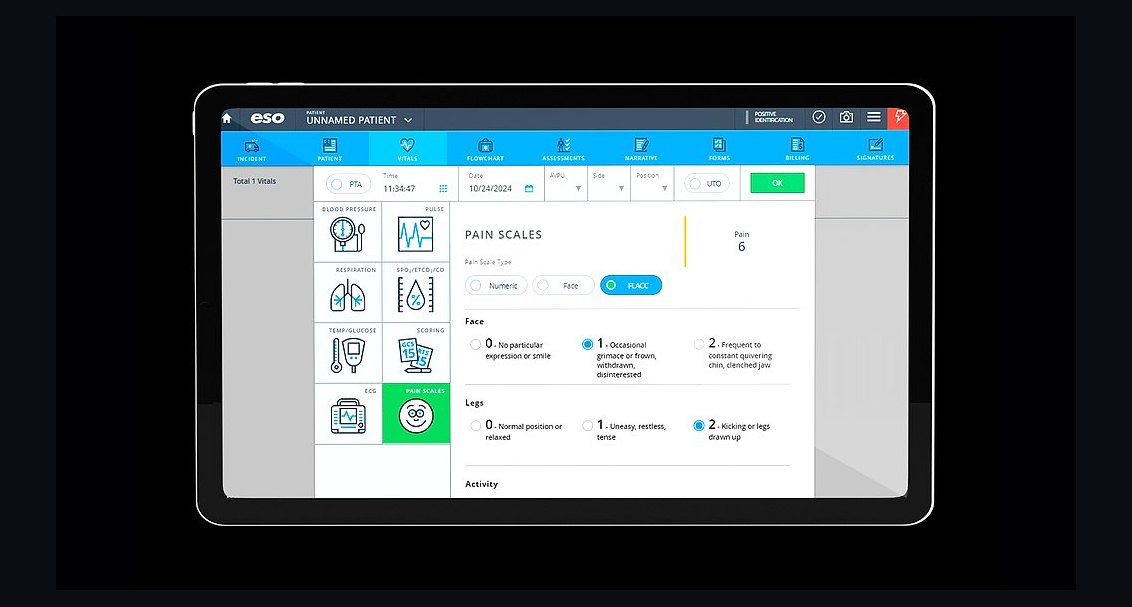 pulse-tech-stacksTop 10 Best Tech Stack Tools for Private Ambulance and EMS Companies in 2027
 pulse-tech-stacksTop 10 Best Tech Stack Tools for Small Pest Control Companies in 2027
 pulse-tech-stacksTop 10 Best Tech Stack Tools for Garden Centers and Nurseries in 2027
 pulse-tech-stacksTop 10 Best Tech Stack Tools for AI Translation API Companies in 2027
 pulse-tech-stacksTop 10 Best Tech Stack Tools for HVAC Equipment Distributors in 2027
 pulse-tech-stacksTop 10 Best Tech Stack Tools for Independent Driving Schools in 2027
 pulse-tech-stacksTop 10 Best Tech Stack Tools for Mobile Threat Defense (MTD) Vendors in 2027
 pulse-tech-stacksTop 10 Best Tech Stack Tools for Pilates Studios in 2027
 pulse-tech-stacksTop 10 Best Tech Stack Tools for Septic and Portable Sanitation Services in 2027
 pulse-tech-stacksTop 10 Best Tech Stack Tools for Embeddings API Companies in 2027