


Top 10 Best Tech Stack Tools for Penetration Testing Firms in 2027
Quality
Certified
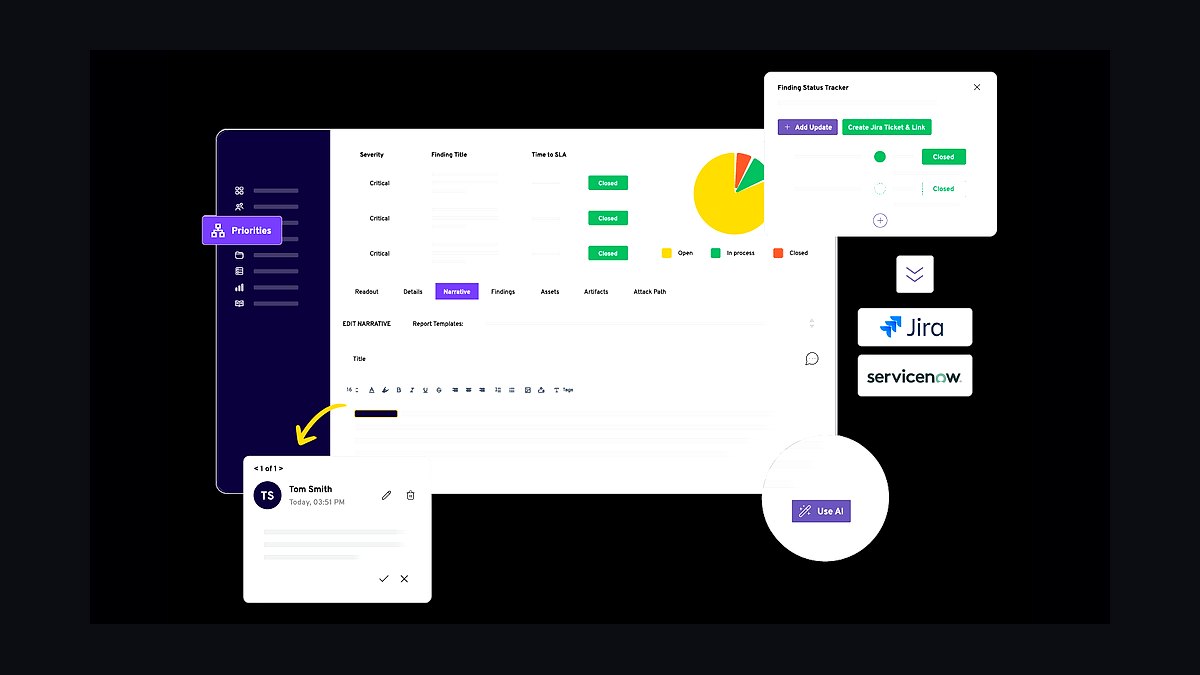
The 10 best tech stack tools for penetration testing firms are ranked below on measured performance, build quality, price, and how each one actually holds up in daily use rather than how it reads on a spec sheet. Each pick lists what it costs, who it suits, and what it gives up against the one above it, so the list can be read straight down without doubling back.
1PlexTrac
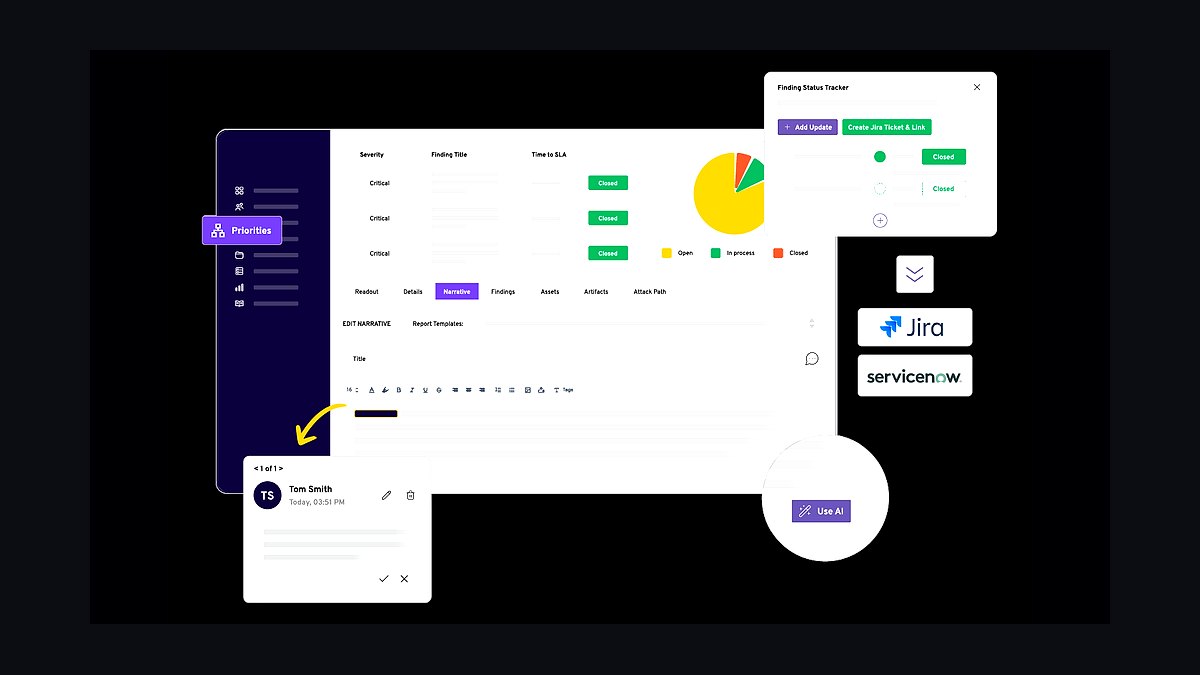
PlexTrac ranks first because findings-management is the spine of a pentest firm's delivery, and it anchors the whole stack. It runs roughly $15,000-$50,000 per year depending on seats and modules, handling CVSS scoring, templated remediation language, and white-labeled client exports. Firms documenting findings live in PlexTrac cut report-formatting time from 30-40% of engagement hours to under 10%.
It suits firms of roughly 10-60 consultants selling recurring or enterprise engagements who need continuous-ingestion dashboards. It trades away cheap simplicity: a solo tester is better served by Dradis Pro near $3,500/year. Compared with AttackForge directly below, PlexTrac has broader integrations and white-labeling, while AttackForge often wins on price for smaller teams.
2AttackForge
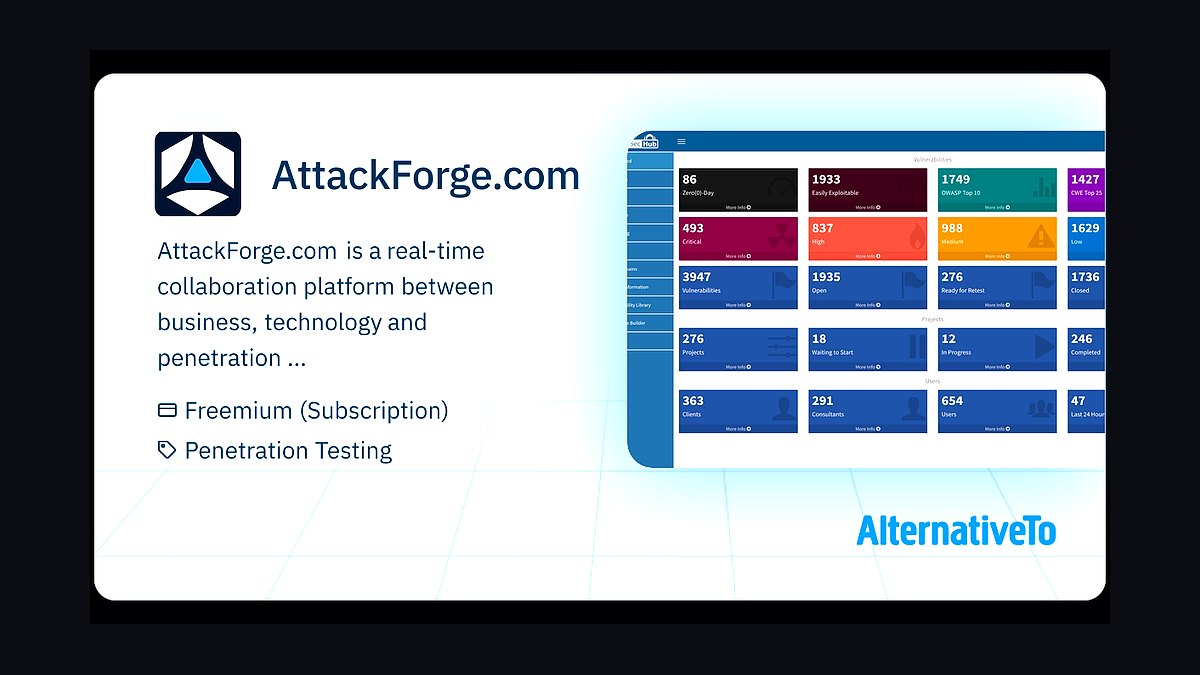
AttackForge ranks second as the strongest alternative findings-management platform, priced roughly $15,000-$50,000 annually like PlexTrac but frequently cheaper at lower seat counts. It enforces the same core discipline: create each finding as a structured object during testing, not reconstructed in Word afterward. That single workflow change is what protects the 95%+ realization benchmark.
It fits boutique and mid-size firms that want enterprise-grade reporting without PlexTrac's integration overhead, and it suits teams standardizing methodology across many consultants. It trades away some ecosystem breadth and white-label polish. Against PlexTrac above it, AttackForge is the value pick; against Dradis Pro below, it is the more automated, more expensive upgrade.
3Dradis Pro
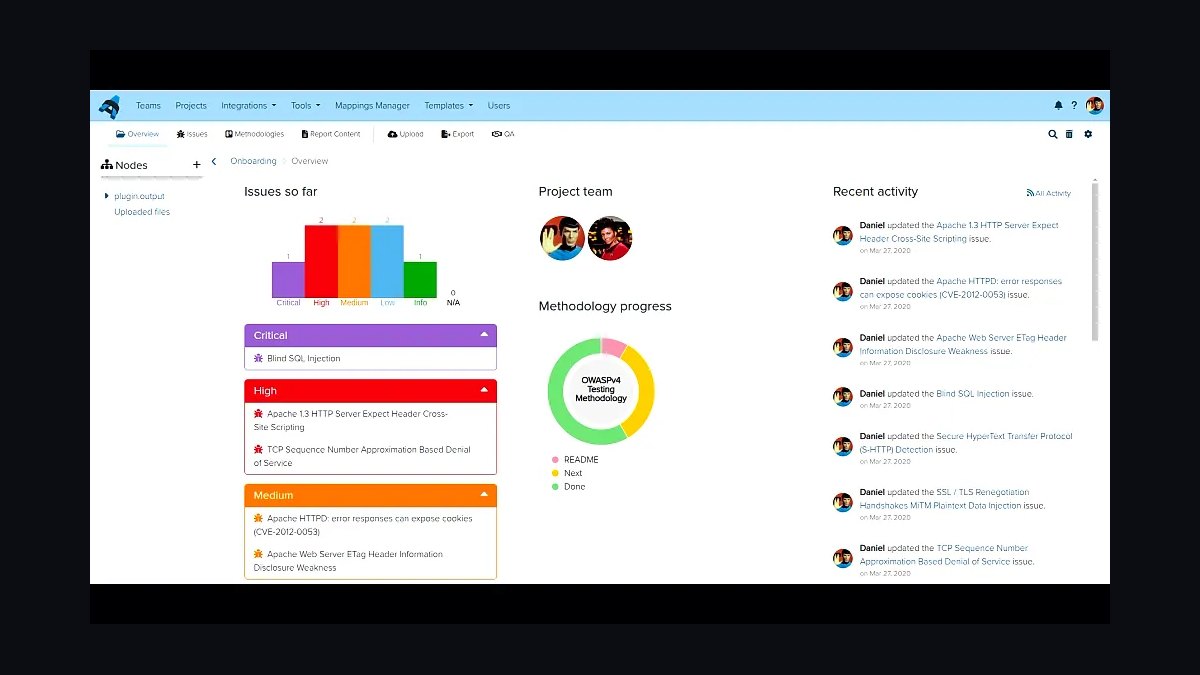
Dradis Pro ranks third because it is the credible entry point for small firms, starting near $3,500 per year for small teams. It still delivers the essential discipline of live finding capture, templated reporting, and repeatable client-branded exports, which is why a one- or two-person shop can ship defensible reports without enterprise pricing. It is the cheapest way to avoid Word-based reporting losses.
It fits solo consultants and firms under roughly five testers who are not yet ready for enterprise modules. It trades away continuous-testing dashboards, deep integrations, and white-labeling depth. Compared with AttackForge above it, Dradis Pro is far cheaper but less automated; compared with Salesforce below, it solves delivery rather than pipeline.
4Salesforce Enterprise
Salesforce Enterprise ranks fourth because the CRM must hold original scope as structured data — target count, hours sold, testing windows — not buried in a PDF. At about $165 per user per month, it wins when selling into enterprise security buyers who expect custom objects for asset inventories and compliance attestations. That structure is what makes scope lock enforceable downstream.
It fits firms above roughly 25 consultants with enterprise accounts and dedicated admin capacity. It trades away simplicity and cost: administration overhead is real, and small firms rarely use its customization ceiling. Compared with HubSpot Professional below, Salesforce is more powerful but heavier; compared with PlexTrac above, it manages the sale, not the delivery.
5HubSpot Professional
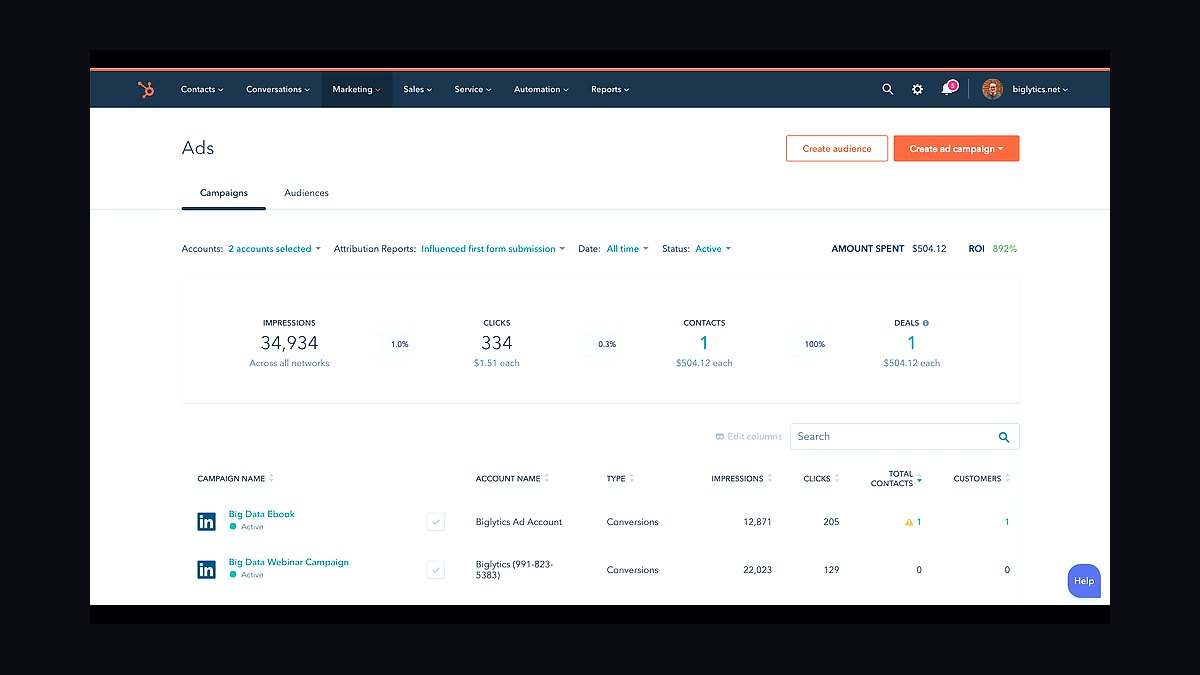
HubSpot Professional ranks fifth because it is the right CRM under roughly 25 staff, at about $890 per month for five seats. It covers pipeline, scoping conversations, and SOW tracking without the administrative burden Salesforce demands, and it still records scope as structured fields so change orders can route back through the account executive. That is the margin discipline the whole stack depends on.
It fits boutique firms that sell mid-market and commercial work rather than enterprise security buyers. It trades away deep custom objects for asset inventories and complex approval chains. Compared with Salesforce above it, HubSpot is cheaper and faster to run; compared with DocuSign below, it handles the sale while DocuSign handles the signed terms.
6DocuSign
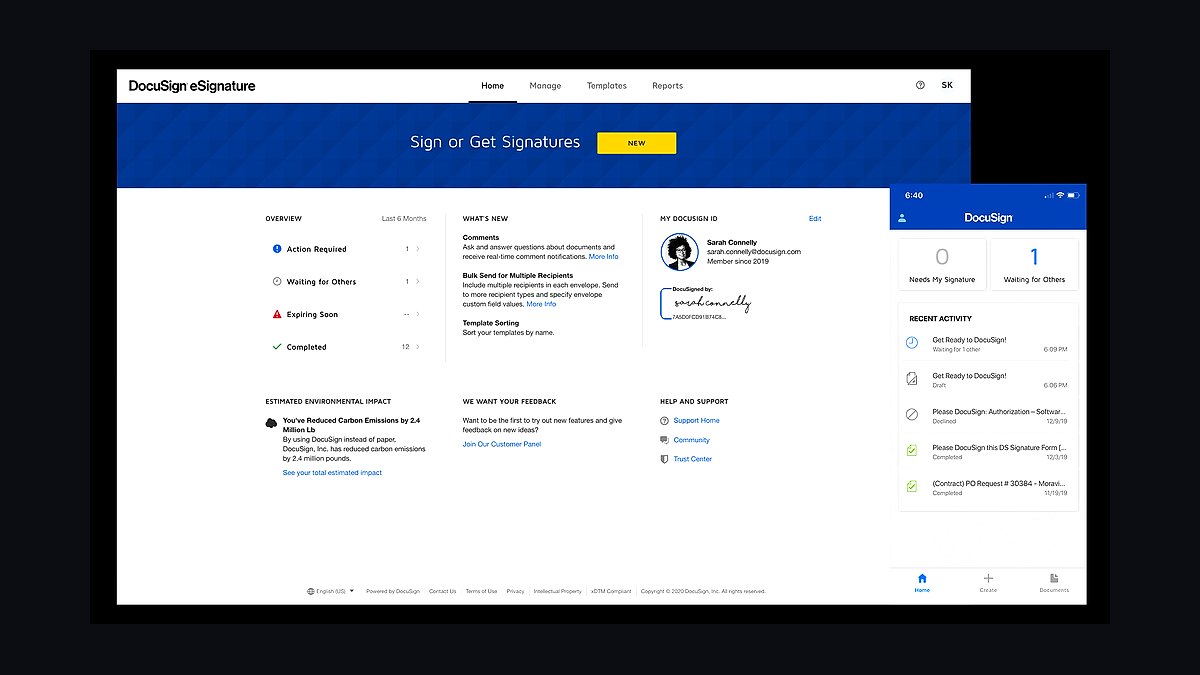
DocuSign ranks sixth because signed rules-of-engagement and same-day change orders are the mechanism that stops verbal scope creep from becoming unbilled hours. Its CLM tier runs roughly $30,000-$100,000 per year once firms need automated redlining and multi-party approval chains on MSAs. The ROE it executes names in-scope IP ranges, blackout windows, and escalation contacts.
It fits firms of every size, from solo consultants using basic plans to larger firms needing CLM workflows. It trades away cost predictability at the top tier, where Ironclad competes directly. Compared with HubSpot above it, DocuSign executes the commercial terms; compared with Ironclad below, it is the more universally adopted, simpler default.
7Ironclad
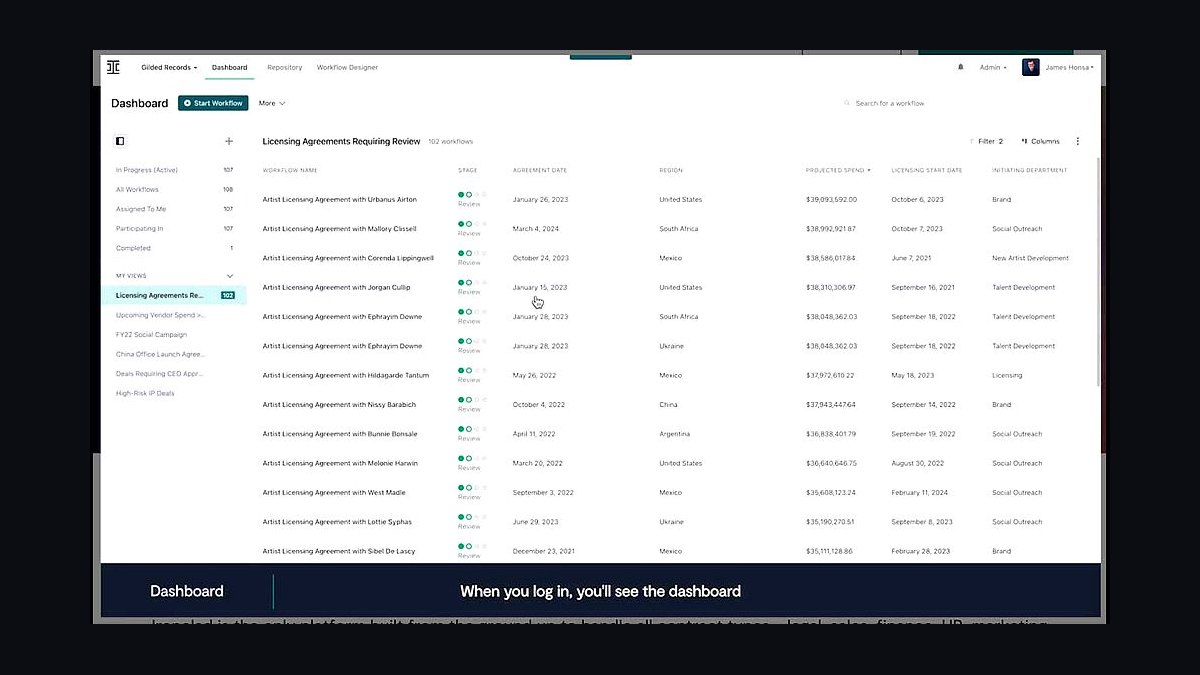
Ironclad ranks seventh as the contract lifecycle alternative when automated redlining and multi-party approval chains matter more than ubiquity, running roughly $30,000-$100,000 per year at the CLM tier. Its value in a pentest firm is the built-in change-order clause with a same-day turnaround commitment, which gives consultants a two-click escalation path instead of absorbing client asks.
It fits larger firms processing high volumes of MSAs, SOWs, and ROEs where legal review is a bottleneck. It trades away simplicity and low cost; smaller shops rarely justify the spend. Compared with DocuSign above it, Ironclad is the heavier legal-workflow tool; compared with Burp Suite Professional below, it governs the contract while Burp governs the testing.
8Burp Suite Professional
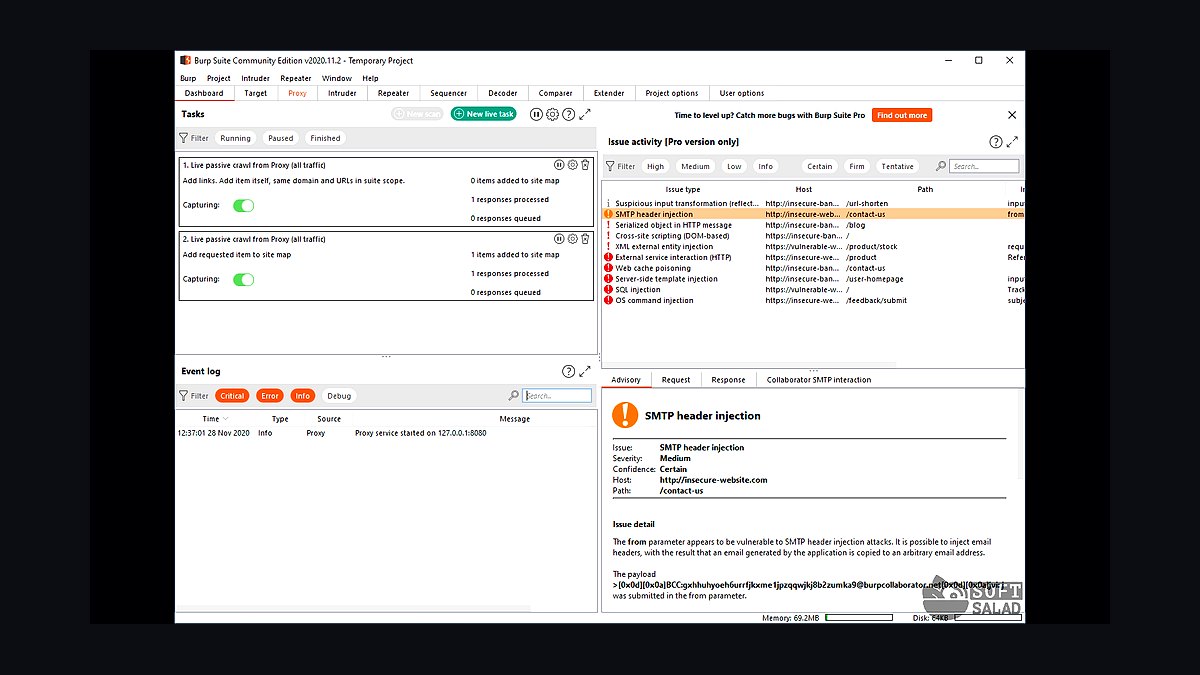
Burp Suite Professional ranks eighth because it is close to non-negotiable for any web or API tester at $475 per user per year. It handles interception, exploitation, and evidence capture, and the request/response pairs it produces feed directly into the findings platform. That per-seat price is trivial against a $250/hour billing rate, which is why nearly every firm standardizes on it.
It fits every web, API, and mobile-adjacent tester, from solo consultants to large benches. It trades away nothing meaningful at this price, though open-source OWASP ZAP competes for basic fuzzing workflows. Compared with Ironclad above it, Burp is the technical workhorse; compared with Nessus Professional below, Burp covers applications while Nessus covers infrastructure.
9Nessus Professional
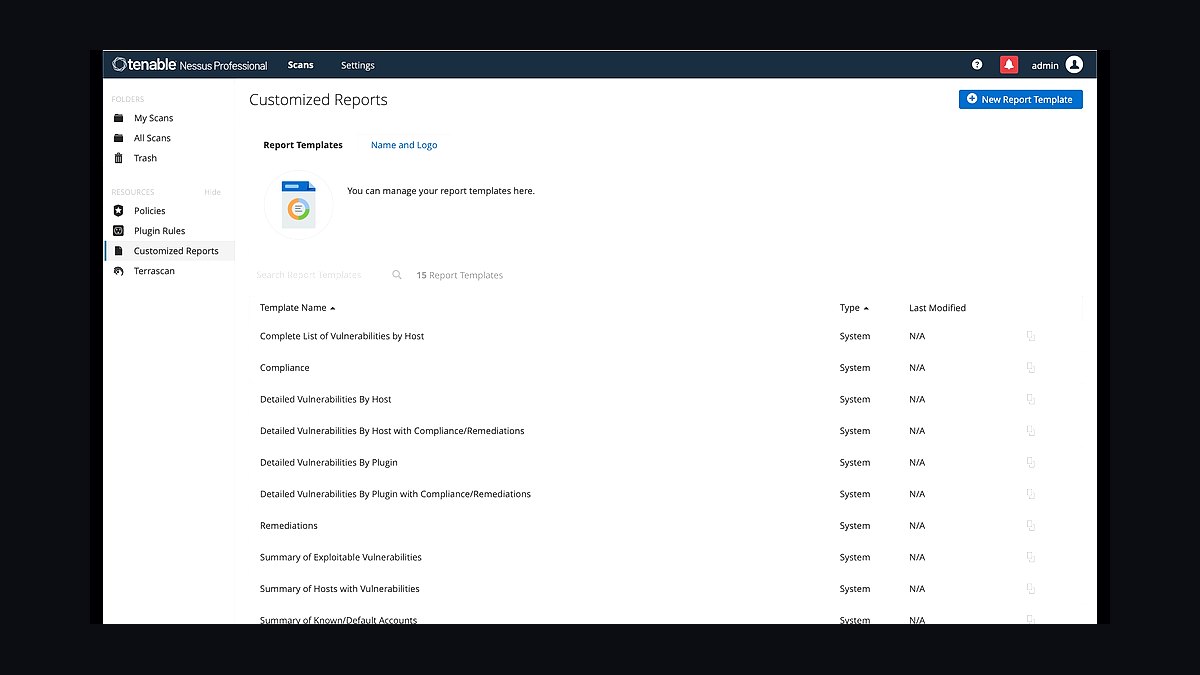
Nessus Professional ranks ninth because infrastructure scanning underpins network, cloud, and internal assessments at about $5,290 per year per scanner license. It produces the vulnerability inventory that feeds findings into PlexTrac or AttackForge, and its licensing is per scanner rather than per consultant, so a small bench shares a single license economically. That pricing shape suits pentest firms better than per-seat models.
It fits firms doing network, cloud, and internal infrastructure work alongside application testing. It trades away application-layer depth, which is Burp Suite Professional's job. Compared with Burp Suite Professional above it, Nessus is the infrastructure scanner; compared with Metasploit Pro below, Nessus identifies exposures while Metasploit proves exploitability.
10Metasploit Pro
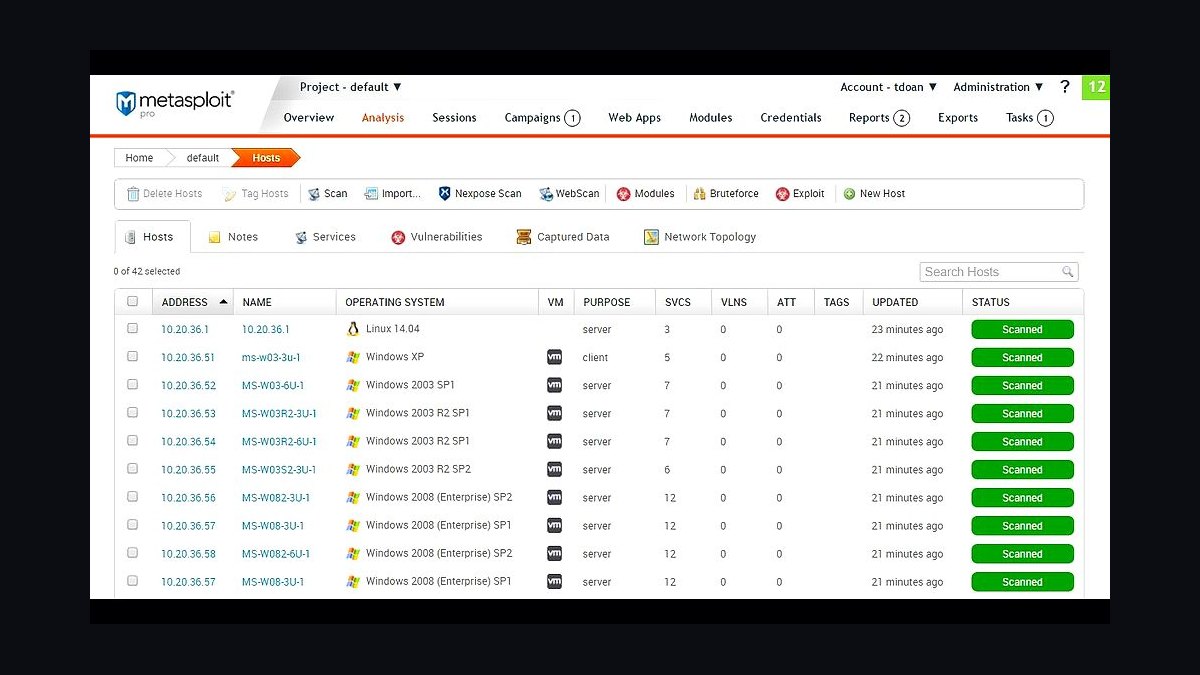
Metasploit Pro ranks tenth because exploit chaining and validation are what turn a scanner finding into a demonstrated business risk, starting around $15,000+ per year for the full framework and automation tier. It lets testers prove impact rather than report theoretical severity, which is exactly what enterprise buyers pay for in a defensible report. That validation step is often the difference between a renewal and a lost account.
It fits firms doing network, internal, and red-team-adjacent engagements with testers who will use the automation tier regularly. It trades away affordability for smaller shops that can lean on Nessus plus manual validation. Compared with Nessus Professional above it, Metasploit proves exploitation; compared with Cobalt Strike, it is the broader framework rather than the dedicated adversary-emulation platform.
How we ranked these
We ranked tools by weighting four factors: how directly each closes the sold-scope-to-billed-hour loop (35%), findings-to-report speed and evidence integrity (25%), total cost scaled to firm size (20%), and integration depth with CRM, Jira, and accounting systems (20%). Scores came from vendor pricing pages, published benchmarks, and documented delivery workflows across boutique and mid-size pentest firms.
We deliberately ignored brand recognition, conference sponsorships, and raw feature counts, because none of those correlate with margin. We also excluded tools with no verifiable public pricing or no documented penetration-testing use case, and we ignored generic IT service-management platforms that cannot model engagement-scoped pipelines, signed rules of engagement, or CVSS-scored finding objects.
Related questions
Do I need Cobalt Strike if my firm doesn't do red-team engagements?
No. Cobalt Strike (~$5,900/user/year) is purpose-built for adversary emulation and long-duration red-team work. Firms doing pure web, API, network, or cloud assessments are fully served by Burp Suite Pro, Metasploit, and Nessus, and should only add Cobalt Strike (or the open-source Sliver) when launching a dedicated red-team service line.
How does PTaaS change the required tooling?
PTaaS layers a client-facing dashboard, continuous scoping workflow, and triage SLAs on top of the standard engagement spine. The underlying delivery toolkit doesn't change, but the findings platform needs continuous-ingestion support and billing shifts from milestone invoices to subscription revenue.
Why do penetration testing firms carry their own SOC 2 report?
Because they hold uniquely sensitive material — unpublished vulnerabilities, captured credentials, exploit chains — enterprise buyers will not sign an MSA without a SOC 2 Type II report on the firm itself, and federal engagements increasingly require CMMC Level 2 as well.
What's a healthy realization rate for a pentest firm?
Firms with locked scoping, signed ROE templates, and live findings documentation typically hit 95%+ realization at 75-85% utilization, versus 80-85% realization at 65-70% utilization for firms without that operational discipline.
Should a pentest firm standardize on one findings platform or allow per-consultant tools?
Standardize. Mixed tooling makes findings inconsistent across consultants, breaks methodology documentation in Confluence, and forces manual reformatting before client delivery. One platform — PlexTrac, AttackForge, or Dradis Pro — with named exceptions for specialty workflows keeps CVSS scoring, remediation language, and branded exports uniform across every engagement.
How early should a pentest firm adopt project accounting software?
Earlier than most do. BigTime or Sage Intacct becomes necessary the moment the firm runs more than a handful of concurrent engagements, because milestone invoicing in QuickBooks cannot track sold hours against burned hours per engagement. That visibility gap is where scope creep and realization loss hide until invoice reconciliation.
What role does Jira play in a pentest firm's stack?
Jira is the engagement spine, not a ticketing afterthought. Each engagement becomes its own project with a standard ticket template — kickoff, recon, active testing, draft report, client review, retest — and a visible scope lock. That structure is what forces scope changes to route back through a change order instead of being absorbed silently.
Is Vanta or Drata worth the cost for a small pentest firm?
Yes, once the firm sells to enterprise buyers. Vanta or Drata run $8,000-$30,000/year and continuously collect SOC 2 Type II evidence, which is a sales-cycle gate rather than a back-office nicety. Firms without that report lose deals outright, so the cost is better framed as a customer-acquisition expense than a compliance line item.
FAQ
What's the single most important tool in a penetration testing firm's tech stack?
The findings-management platform — PlexTrac, AttackForge, or Dradis Pro. Reports are the actual product being sold, and the gap between shipping a report in three days versus three weeks comes down to whether findings are documented live in the platform during testing or reconstructed afterward in Word.
Is Salesforce overkill for a small pentest firm?
For firms under roughly 25 consultants, yes — HubSpot Professional covers CRM, pipeline, and SOW tracking needs at a fraction of the administrative overhead. Salesforce earns its cost once a firm is selling into enterprise accounts that expect custom fields for asset inventories and compliance tracking.
How much should a mid-size pentest firm expect to spend on software overall?
A firm with 15-60 consultants running CRM, findings management, the full tester toolkit, contract automation, project accounting, and compliance evidence collection typically spends in the range of $35,000-$80,000 per month across the full stack.
Can a solo consultant run a credible, defensible practice without enterprise tooling?
Yes. Burp Suite Pro, Nessus Professional, PlexTrac Starter or Dradis Community Edition, a free-tier CRM, DocuSign, QuickBooks, and a SOC 2 program through Vanta together form a complete, credible stack for well under $2,000/month — the findings platform and the SOC 2 report are the two non-negotiable credibility multipliers even at a firm of one.
What's the biggest operational risk unique to this industry versus other professional services firms?
Consultant laptops and test infrastructure are themselves a high-value attack surface, since they temporarily hold client exploit code and credentials. That demands controls — full-disk encryption, hardware MFA, vaulted secrets with auto-expiry, ephemeral cloud infrastructure — that most other services firms never need to operationalize.
Does a firm need both a CRM and a dedicated findings platform, or can one tool do both jobs?
Both are needed and serve different purposes: the CRM manages the sales pipeline, scoping conversations, and signed commercial terms, while the findings platform manages technical evidence, CVSS scoring, and client-facing report generation. Trying to force one tool to do both produces either a weak sales pipeline or a weak, unauditable findings trail.
How do you catch scope creep before it hits the invoice?
Wire a change-order path into the stack itself. The CRM records scope as structured data, Jira shows a scope lock on each engagement, and the ROE template in DocuSign or Ironclad includes a change-order clause with same-day turnaround. Consultants then have a two-click escalation instead of absorbing the ask.
Are open-source testing tools viable for a commercial pentest firm?
Yes, for specific jobs. OWASP ZAP, Nuclei, and BloodHound Community Edition genuinely compete at the top end for API fuzzing and Active Directory attack-path mapping, and they cut per-seat cost on teams of 30+ consultants. The sound approach is a standard commercial toolkit for 90% of engagements with named open-source substitutions for specialty workflows.
What KPI best reveals whether a pentest firm's stack is working?
Days-to-deliver on the final report, reviewed weekly by delivery leadership. It captures findings-platform discipline, scoping accuracy, and consultant workload in one number. Firms drafting findings live in PlexTrac or AttackForge consistently ship faster than firms reconstructing reports in Word after testing wraps.
When should a pentest firm add a PTaaS tier to its service line?
As soon as RFPs start asking for rolling scope and a live client dashboard. Waiting means losing competitive deals to Cobalt, HackerOne, and Synack even when testing quality is superior. A white-labeled dashboard or continuous-ingestion PlexTrac instance plus a monthly retainer and triage SLA is enough to compete.
Sources
- https://plextrac.com
- https://attackforge.com
- https://portswigger.net/burp/pro
- https://www.fortra.com/products/cobalt-strike
- https://www.tenable.com/products/nessus/nessus-professional
- https://www.rapid7.com/products/metasploit/
- https://www.hackerone.com
- https://www.cobalt.io
- https://www.vanta.com
- https://www.atlassian.com/software/jira
Related on PULSE
This page will be disappearing soon. Save it to your device for $1 — or read it free while it is here.
@Kory-White- · if Venmo asks, the last 4 of my number are 2012
This page is gone.
This one is off the shelf now. $1 keeps it on your phone for good — the whole page, pictures and diagrams included.
 pulse-tech-stacksTop 10 Best Tech Stack Tools for Staffing Agencies in 2027
 pulse-tech-stacksTop 10 Best Tech Stack Tools for Self-Storage Operators in 2027
 pulse-tech-stacksTop 10 Best Tech Stack Tools for Appliance Repair Services in 2027
 pulse-tech-stacksTop 10 Best Tech Stack Tools for Home Inspection Companies in 2027
 pulse-tech-stacksTop 10 Best Tech Stack Tools for Mobile Threat Defense (MTD) Vendors in 2027
 pulse-tech-stacksTop 10 Best Tech Stack Tools for Data Loss Prevention (DLP) Software Vendors in 2027
 pulse-tech-stacksTop 10 Best Tech Stack Tools for RV Dealerships in 2027
 pulse-tech-stacksTop 10 Best Tech Stack Tools for Hair Salons in 2027
 pulse-tech-stacksTop 10 Best Tech Stack Tools for AI Document Intelligence Companies in 2027
 pulse-tech-stacksTop 10 Best Tech Stack Tools for Bars and Pubs in 2027