


Top 10 Best Tech Stack Tools for Managed Detection and Response (MDR) Providers in 2027
Quality
Certified
The 10 best tech stack tools for managed detection and response (mdr) providers are ranked below on measured performance, build quality, price, and how each one actually holds up in daily use rather than how it reads on a spec sheet. Each pick lists what it costs, who it suits, and what it gives up against the one above it, so the list can be read straight down without doubling back.
1Microsoft Sentinel
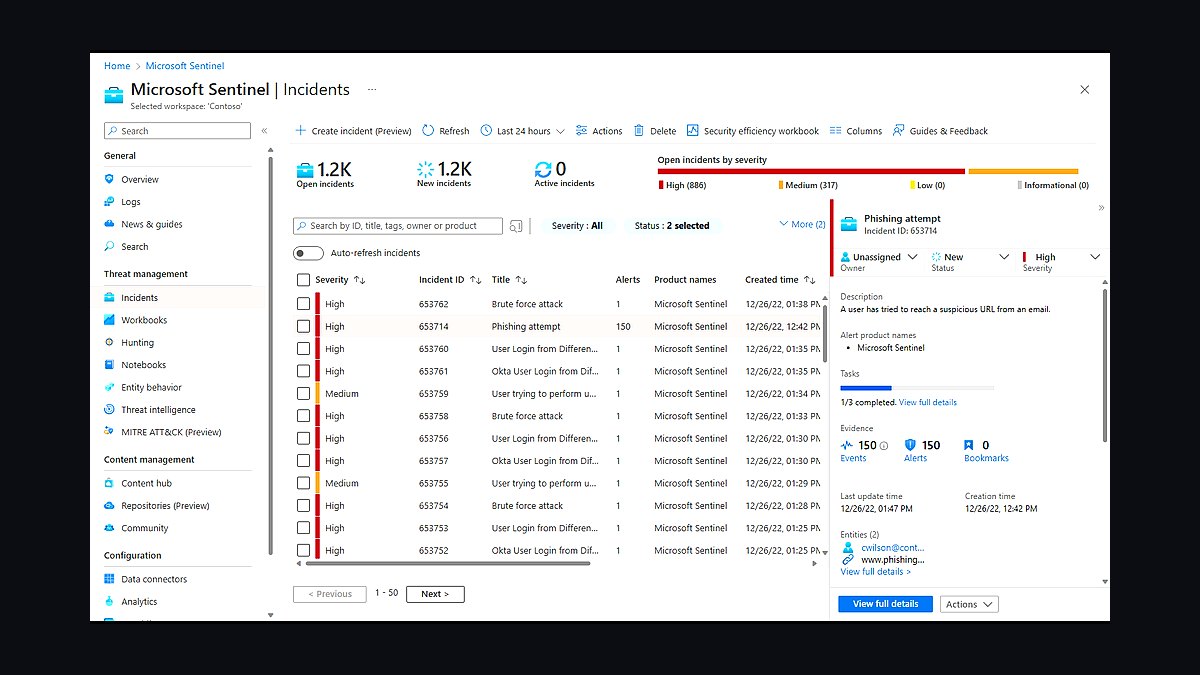
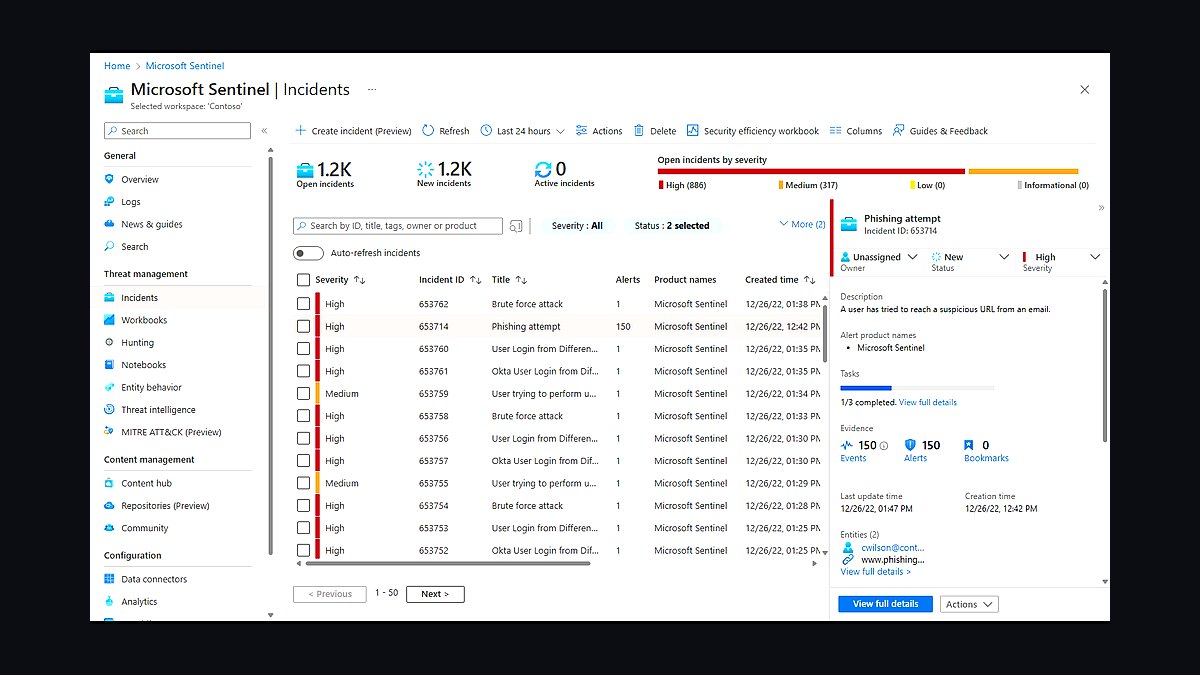
Microsoft Sentinel ranks first because it is the SIEM that most MDR providers under 50 customers can stand up fastest in 2027. It ingests at roughly $2.50–$4.50 per GB, gives each customer a separate Log Analytics workspace for tenant isolation, and ships native connectors for Microsoft 365, Defender XDR, and Azure. That integration depth collapses the ingestion-to-detection seam that otherwise costs weeks of engineering.
It is built for providers whose customer base is predominantly Microsoft 365, where Sentinel plus Defender XDR wins on integration rather than analytics depth. It trades away Splunk's search-language maturity and very large-scale tuning headroom, so providers above roughly 500 customers often run it in parallel with another SIEM. Against Splunk Enterprise Security directly below, Sentinel is cheaper to start and easier to isolate per tenant, but weaker on custom correlation at extreme volume.
2Splunk Enterprise Security
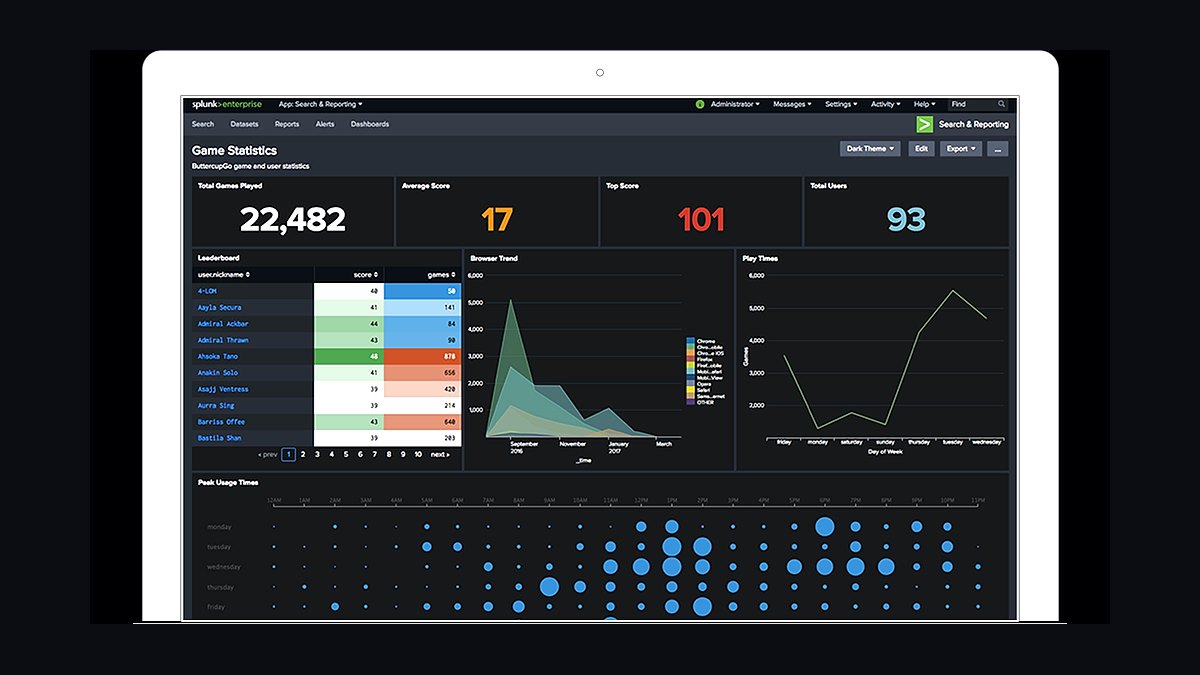
Splunk Enterprise Security ranks second because it remains the deepest analytics bench in the category, and mid-size providers with 50–150 analysts still standardize on it for complex correlation. Premium-tier ingestion runs around $1,800 per GB per year, and multi-tenant isolation is enforced through indexes plus role-based search restrictions rather than separate workspaces. That architecture is auditable enough to survive customer-led SOC 2 reviews.
It suits providers carrying 100–500 customers who need custom detection content and can absorb the licensing cost. It trades away the low entry price and native Microsoft integration that make Sentinel easier for boutiques, and its per-GB pricing punishes noisy telemetry. Compared with CrowdStrike Falcon LogScale below, Splunk offers broader third-party source coverage but requires more engineering to keep ingestion costs predictable.
3CrowdStrike Falcon LogScale
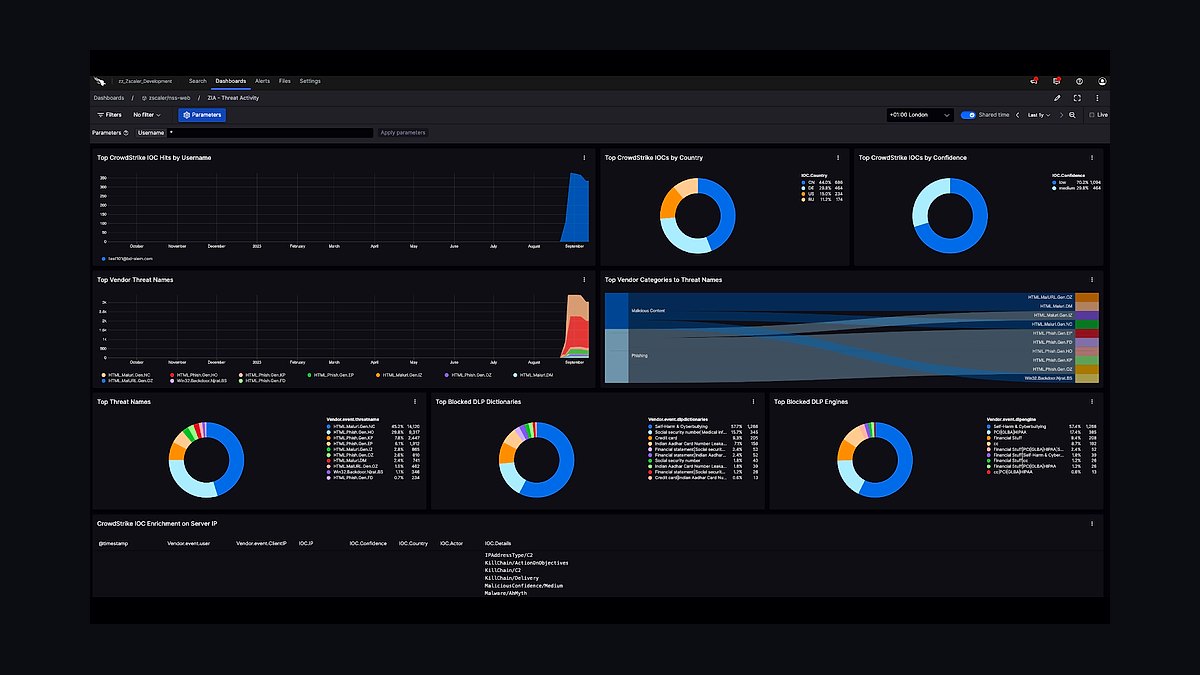
CrowdStrike Falcon LogScale ranks third because it pairs high-volume log ingestion with the Falcon endpoint telemetry most MDR providers already license, at roughly $8–$15 per endpoint per month for Falcon itself. It handles streaming ingest at scale without the per-GB pricing shocks that make Splunk budgets volatile, and it keeps endpoint detection and log analytics inside one vendor relationship.
It is for providers whose customers are standardized on CrowdStrike Falcon and who want detection and log search in one console. It trades away the broad, vendor-neutral source catalog that Sentinel and Splunk carry, so mixed-EDR customer bases still need a second SIEM. Against Splunk Enterprise Security above, LogScale is more predictable on cost at volume but less mature for heavily customized correlation rules.
4Palo Alto XSOAR
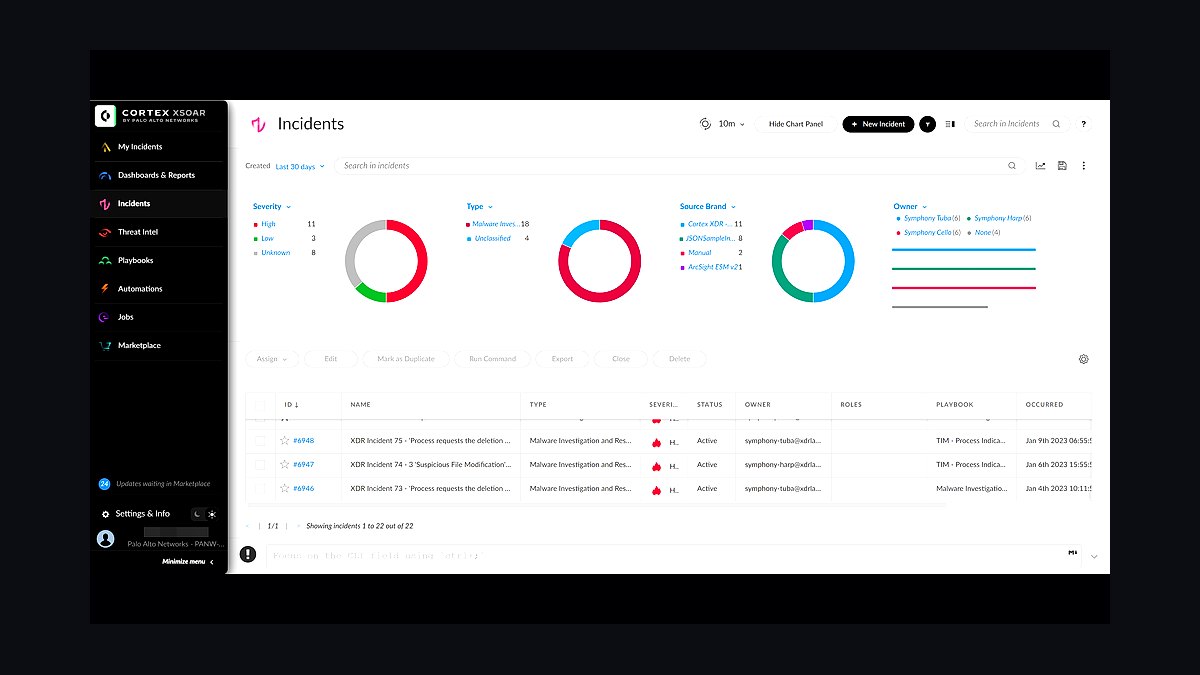
Palo Alto Cortex XSOAR ranks fourth because it is the SOAR platform mid-size and large providers use to remove manual triage from the critical path, typically at $100,000+ per year. It automates IOC enrichment, host isolation, and ticket creation that would otherwise consume 35–50% of L1 analyst capacity, with ROI usually inside 6–12 months above roughly 10 analysts.
It is for providers past the point where manual TheHive playbooks are defensible, especially those running 50 or more analysts against hundreds of customers. It trades away simplicity and low cost, requiring dedicated automation engineering to maintain playbooks. Against Tines below, XSOAR offers deeper enterprise case integration and more built-in integrations, but Tines is faster to deploy for smaller teams.
5Tines
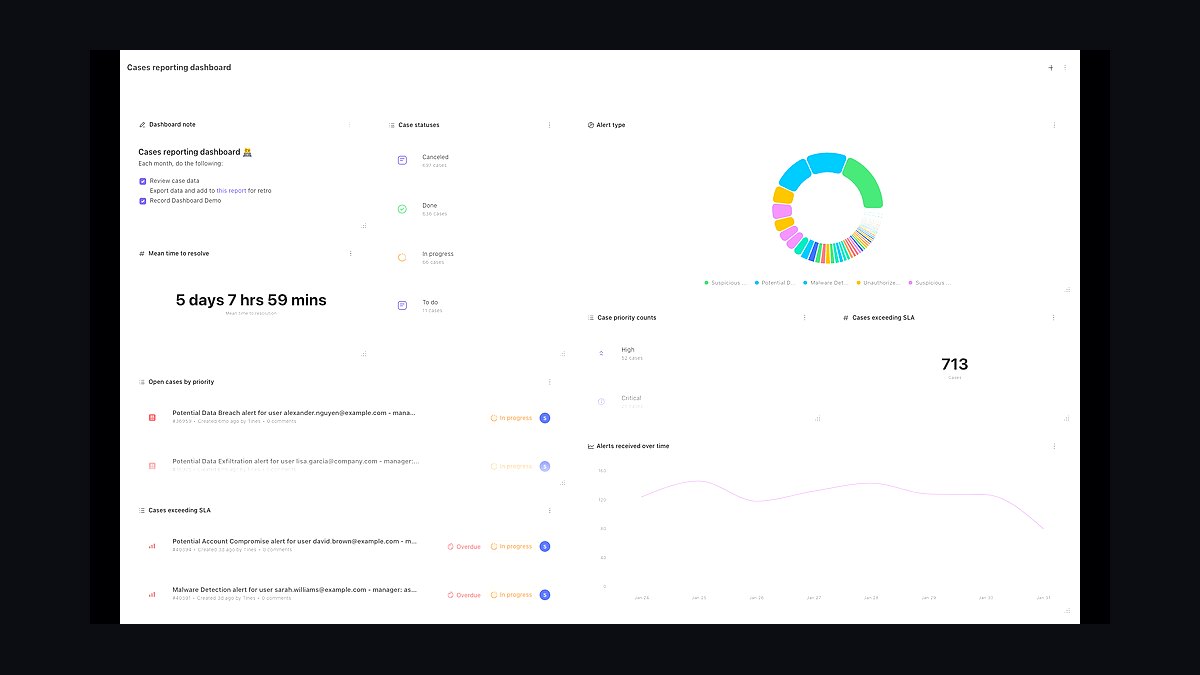
Tines ranks fifth because it is the entry-tier SOAR that lets boutique MDR providers automate enrichment and containment without the six-figure licensing commitment XSOAR demands. It deploys in days rather than months, uses a no-code workflow builder, and covers the repetitive L1 tasks that eat analyst hours once a SOC passes roughly 10 analysts.
It is for providers running 5–20 analysts and fewer than 50 customers who need automation now but cannot justify enterprise SOAR pricing. It trades away the deep case-management and ticketing integrations that XSOAR carries, so heavy ServiceNow SecOps shops outgrow it. Against TheHive below, Tines handles automation while TheHive handles case flow, and most small providers run both rather than choosing.
6TheHive
TheHive ranks sixth because it is the open-source case-management layer that keeps MDR investigations, timelines, and customer notifications in one auditable record. It pairs with Cortex for automated observables analysis, costs nothing in licensing, and gives small SOCs a defensible workflow below roughly 10 analysts where manual playbooks still make sense.
It is for boutique providers who need structured case tracking without ServiceNow SecOps pricing, and who are willing to self-host and maintain the deployment. It trades away the enterprise ticketing, SLA reporting, and customer-facing portal depth that ServiceNow provides. Against Tines above, TheHive is the case system of record while Tines is the automation engine, and providers above 10 analysts typically add SOAR rather than expand TheHive.
7Salesforce Enterprise
Salesforce Enterprise ranks seventh because MDR is recurring revenue sold on a 60–120 day technical sales cycle, and the CRM must track proof-of-value status, technical-evaluator engagement, and onboarding readiness rather than just close dates. It supports the custom objects that mid-size and large providers need once deal volume and sales-ops headcount justify the platform's overhead.
It is for providers above roughly $20M ARR running 100 or more customers, where the complexity pays for itself. It trades away the fast setup and lower cost that make HubSpot Enterprise the better call for smaller shops. Against Gainsight below, Salesforce owns the pre-sale pipeline while Gainsight owns post-sale retention, and the two share the same account record.
8Gainsight
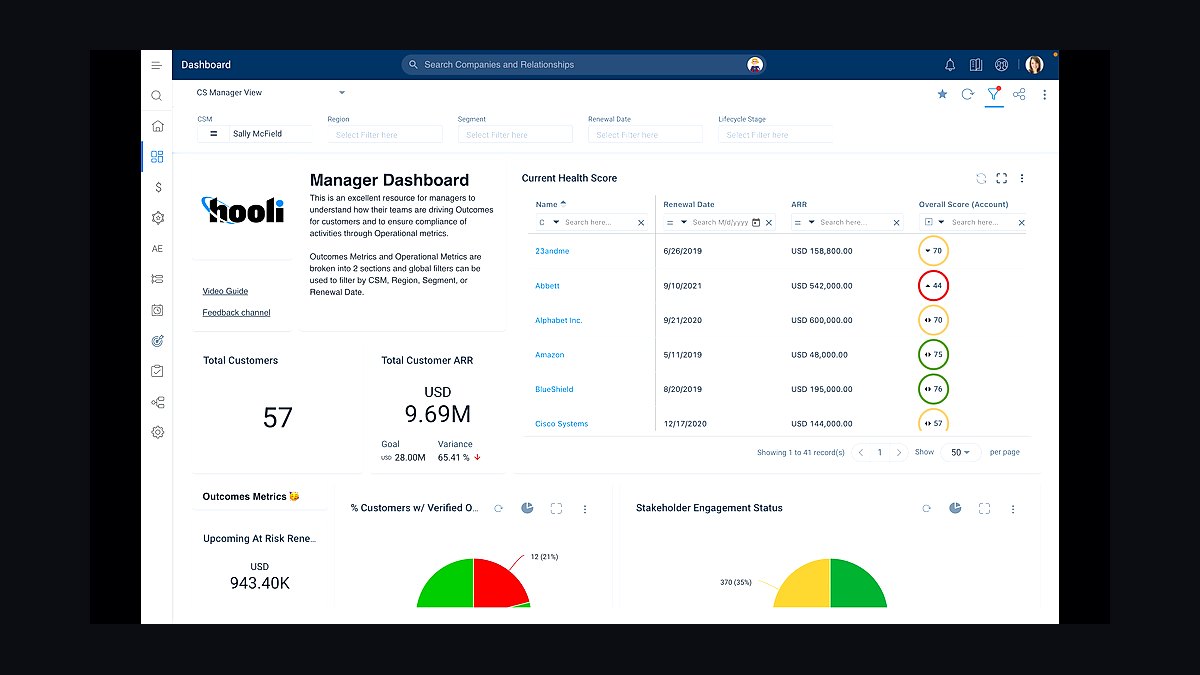
Gainsight ranks eighth because the single biggest churn driver in MDR is a CISO or champion change, not a detection failure, and Gainsight flags sponsor turnover before the renewal conversation starts. It tracks multi-threaded relationships, missed QBRs, and declining portal logins as predictive health signals rather than lagging renewal outcomes.
It is for providers with enough customer history to make health scoring predictive instead of reactive, typically 100 or more accounts. It trades away simplicity and requires disciplined data hygiene, since scoring is only as good as the engagement signals feeding it. Against Salesforce above, Gainsight covers the post-sale relationship while Salesforce covers the pipeline, and providers that skip Gainsight usually learn about churn too late.
9Zuora
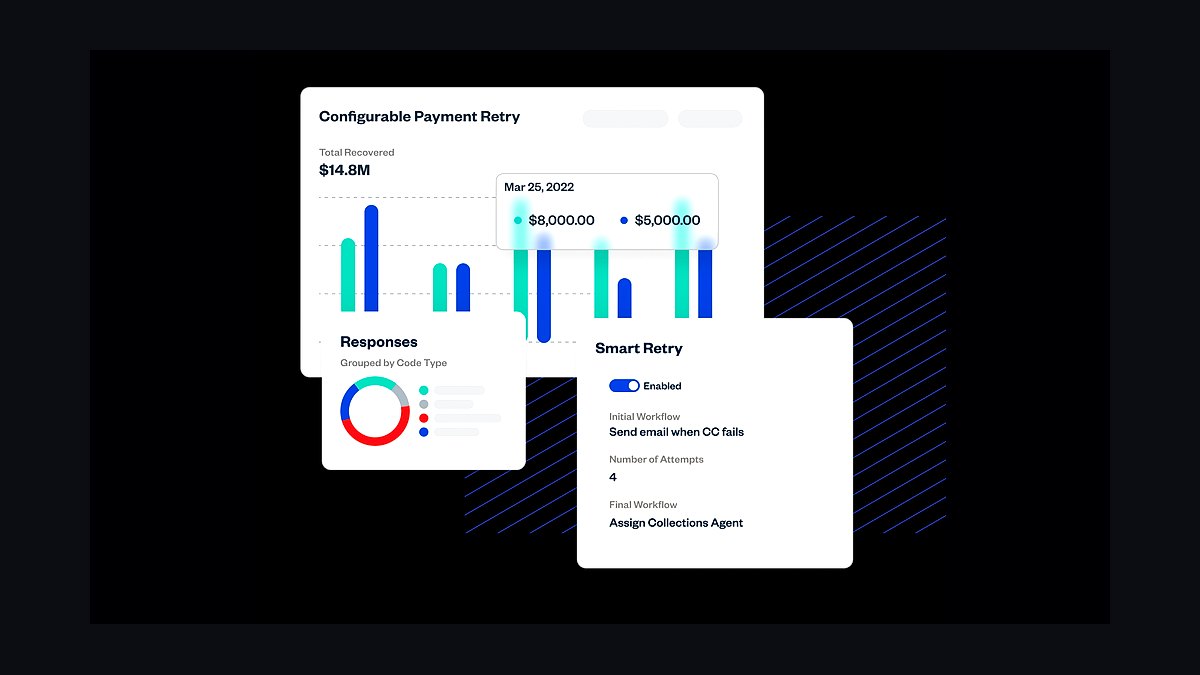
Zuora ranks ninth because MDR bills monthly against per-endpoint, per-user, or per-GB usage, and complex usage blends need dedicated rating logic that simple subscription billing cannot handle. It manages the ASC 606 revenue-recognition mechanics that a provider's own auditors and a customer's procurement team both examine during review.
It is for providers above roughly $50M ARR whose pricing models have grown too complex for Stripe Billing to rate cleanly. It trades away the low setup cost and developer-friendly API that make Stripe the default below that threshold. Against Stripe Billing below, Zuora handles multi-dimensional usage pricing and revenue recognition at scale, while Stripe wins on speed and simplicity for smaller providers.
10Vanta
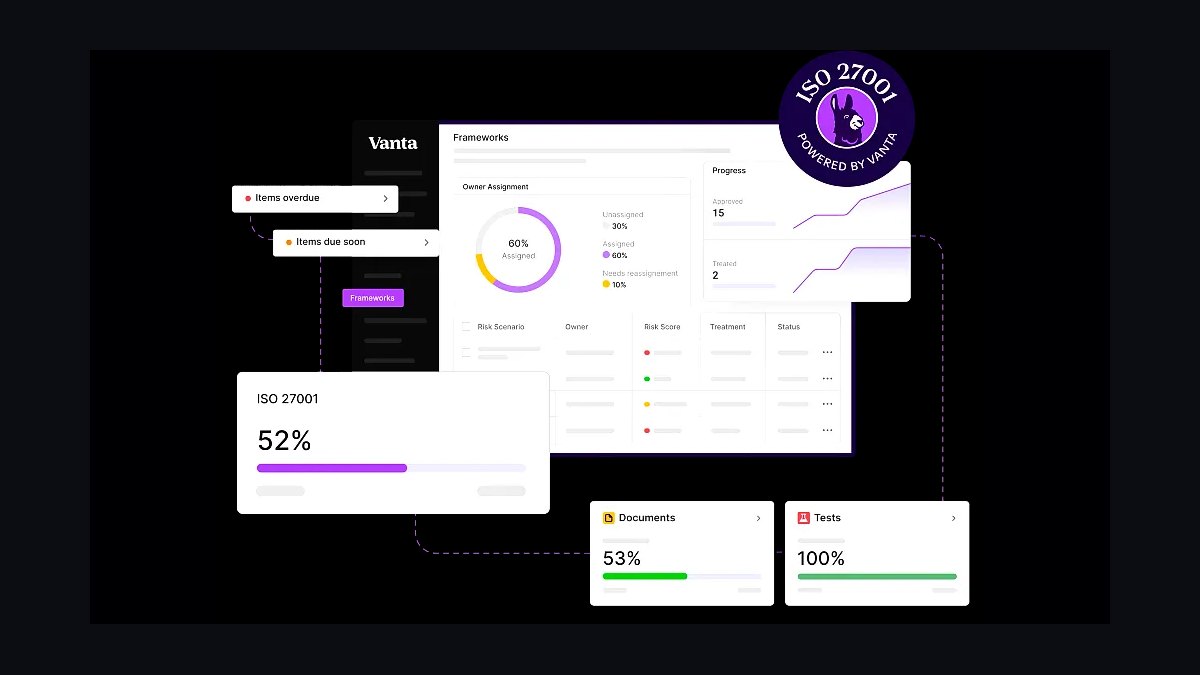
Vanta ranks tenth because nearly every MDR provider needs its own SOC 2 Type II report before customer procurement will sign, and Vanta automates the evidence collection that used to consume roughly 200 manual audit hours. Continuous monitoring compresses that cycle to under 40 hours and keeps controls tested year-round rather than in an annual scramble.
It is for providers of any size preparing their first SOC 2 or maintaining continuous compliance across SOC 2, HIPAA, and PCI-DSS obligations. It trades away the deeper multi-framework GRC depth that Hyperproof offers once several frameworks run in parallel. Against Drata, Vanta is the more widely adopted choice among MDR providers, though both automate the same evidence pipeline.
How we ranked these
We ranked each tool on four weighted criteria: whether it measurably reduces MTTD or MTTR, how cleanly it enforces multi-tenant isolation, integration depth with the rest of the detection-to-revenue pipeline, and total cost at realistic analyst and customer counts. Detection spine and case management carried the heaviest weight, followed by SOAR, then the commercial layer. Scores came from vendor documentation, published pricing, and audited compliance evidence rather than demos.
We deliberately ignored feature-count comparisons, analyst-review sentiment scores, and Gartner-style quadrant placement. Those reward breadth over instrumentability and rarely predict whether a provider can prove a 15-minute MTTD with alert-level evidence. We also excluded anything that only works at single-tenant scale, and any tool whose value depends on a customer already owning the same vendor's ecosystem.
Related questions
What MTTD and MTTR should an MDR provider commit to in an SLA?
Industry-standard commitments are MTTD under 15 minutes for high-severity alerts and MTTR under 60 minutes for criticals, including customer notification. Hitting those numbers requires 24/7 staffing across at least two time zones and SOAR automation tight enough to remove manual triage steps from the critical path.
How does multi-tenant isolation actually get enforced in a shared SIEM?
In Sentinel, each customer gets a separate Log Analytics workspace; in Splunk, isolation is enforced through indexes plus role-based search restrictions. Analyst access and detection content are both tenant-scoped, and the isolation has to be auditable enough to survive a customer-led SOC 2 review.
Is SOAR worth the cost for a smaller SOC?
Below roughly 10 analysts, manual playbooks in a tool like TheHive are usually sufficient. Past that threshold, a SOC without SOAR typically loses 35–50% of L1 analyst time to repetitive enrichment and containment tasks that automation completes in seconds, with ROI usually inside 6–12 months.
Why does customer success matter as much as the SOC in an MDR business?
Because churn in this category is driven overwhelmingly by relationship and sponsor turnover, not by detection quality. A platform like Gainsight that tracks multi-threaded champion relationships and flags sponsor changes early catches at-risk renewals months before the actual renewal conversation.
What's the real difference between reselling a platform like Falcon Complete and building a custom SOC?
Reselling trades margin for speed and lower engineering overhead — you inherit the detection platform and layer your own analysts and customer experience on top. Building custom only becomes the better economic choice once scale or vertical specialization makes the ongoing platform fee more expensive than maintaining in-house detection content.
When does a provider outgrow HubSpot and need Salesforce?
Around $20M ARR, or once deal volume and sales-ops headcount justify custom objects tracking proof-of-value status, technical evaluator engagement, and onboarding readiness. Below that line, HubSpot Enterprise delivers the same pipeline visibility without the administration overhead Salesforce demands.
How should a provider decide between Stripe Billing and Zuora?
Stripe Billing fits providers under roughly $50M ARR with straightforward per-endpoint or per-user pricing. Zuora earns its cost once usage-based models need dedicated rating logic, multi-entity invoicing, and ASC 606 revenue recognition that finance teams can audit without spreadsheet workarounds.
Does the SIEM choice lock in the rest of the stack?
Largely yes. Sentinel pulls naturally toward Defender XDR and Azure-native tooling; Splunk and Falcon LogScale favor vendor-neutral EDR support and heavier SOAR investment. Switching SIEMs later means rebuilding detection content, tenant isolation, and SLA reporting, so the decision compounds for years.
FAQ
What's the single most important tool in an MDR provider's tech stack?
The SIEM. Whether it's Microsoft Sentinel, Splunk Enterprise Security, or CrowdStrike Falcon LogScale, every alert, every investigation, and every SLA report traces back to its ingestion and detection logic, so a wrong choice here cascades into analyst tooling, customer portals, and reporting for years.
Should a new MDR provider build a custom SOC platform or resell CrowdStrike Falcon Complete?
Falcon Complete gives a provider a complete detection-and-response platform to resell with its own analysts layered on top, which is the recommended path for most providers under 50 customers. Custom builds on Sentinel or Splunk make sense once a provider has differentiated detection IP or volume that makes platform fees prohibitive.
How important is threat intelligence enrichment to day-to-day operations?
Material but secondary to the core detection pipeline. Premium feeds like Recorded Future or Mandiant Threat Intelligence typically cut false-positive rates 20–40% on commodity-malware alerts, which matters directly for analyst throughput, but MISP remains a viable free secondary feed for providers not yet ready for premium pricing.
What compliance does an MDR provider need for itself, separate from what it offers customers?
Nearly every MDR provider needs its own SOC 2 Type II report, since customer procurement teams ask for it before signing. Continuous evidence automation through Vanta or Drata compresses what used to be a roughly 200-hour manual audit cycle down to under 40 hours.
How long does it take to stand up a working MDR stack from scratch?
A boutique provider can wire the detection spine, analyst workflow, and a basic sales motion inside about 90 days. Larger providers migrating existing customer contracts onto multi-tenant architecture and usage-based billing should plan for 6–12 months before the stack is fully mature.
Why does the billing platform matter as much as the security tooling?
Because MDR revenue is monthly and usage-based — per endpoint, per user, or per GB — getting that wrong creates revenue-recognition problems under ASC 606 and billing disputes with customers. The billing and ERP layer is audited by the same rigor as the detection pipeline, just by finance instead of a SOC analyst.
Which case management tool fits an MDR SOC best?
TheHive with Cortex suits lean SOCs wanting open-source flexibility and fast playbook iteration. ServiceNow SecOps fits larger providers whose customers expect portal-integrated ticketing and formal change management. The deciding factor is usually whether customer-facing tickets must live in the same system analysts work in.
How do providers prove SLA compliance to customers each quarter?
By instrumenting alert-ID-level timestamps from ingestion through analyst acknowledgement to customer notification, then reporting MTTD and MTTR distributions rather than averages. Averages hide the tail, and the tail is where contractual breaches and renewal risk actually live.
What breaks first when an MDR provider scales past 100 customers?
Analyst throughput visibility and detection content management. Alert volume per analyst, false-positive rate by rule, and per-customer time consumption stop being trackable in spreadsheets, and hand-edited detection rules across tenants drift into inconsistency that audits and QBRs both expose.
Do MDR providers need their own SOAR if the SIEM ships automation?
Native SIEM automation handles simple enrichment and notification well but struggles with cross-tool orchestration — paging, containment, ticketing, and customer portal updates in one playbook. Providers running multiple EDRs or customer-chosen tooling generally need a dedicated SOAR layer like Tines or XSOAR.
Sources
- https://www.microsoft.com/en-us/security/business/siem-and-xdr/microsoft-sentinel
- https://www.splunk.com/en_us/products/enterprise-security.html
- https://www.crowdstrike.com/platform/
- https://www.sentinelone.com/platform/
- https://www.tines.com/
- https://www.paloaltonetworks.com/cortex/cortex-xsoar
- https://www.recordedfuture.com/
- https://www.servicenow.com/products/security-operations.html
- https://www.salesforce.com/sales/
- https://www.vanta.com/
- https://attack.mitre.org/
Related on PULSE
This page will be disappearing soon. Save it to your device for $1 — or read it free while it is here.
@Kory-White- · if Venmo asks, the last 4 of my number are 2012
This page is gone.
This one is off the shelf now. $1 keeps it on your phone for good — the whole page, pictures and diagrams included.
 pulse-tech-stacksTop 10 Best Tech Stack Tools for Embeddings API Companies in 2027
 pulse-tech-stacksTop 10 Best Tech Stack Tools for Bars and Pubs in 2027
 pulse-tech-stacksTop 10 Best Tech Stack Tools for HVAC Equipment Distributors in 2027
 pulse-tech-stacksTop 10 Best Tech Stack Tools for Hair Salons in 2027
 pulse-tech-stacksTop 10 Best Tech Stack Tools for Land Surveying Firms in 2027
 pulse-tech-stacksTop 10 Best Tech Stack Tools for Threat Intelligence Vendors in 2027
 pulse-tech-stacksTop 10 Best Tech Stack Tools for Employee Benefits Consulting Firms in 2027
 pulse-tech-stacksTop 10 Best Tech Stack Tools for AI Translation API Companies in 2027
 pulse-tech-stacksTop 10 Best Tech Stack Tools for Podiatry Practices in 2027
 pulse-tech-stacksTop 10 Best Tech Stack Tools for Private Ambulance and EMS Companies in 2027