


Top 10 Best Tech Stack Tools for Vulnerability Management Software Vendors in 2027
Quality
Certified
The 10 best tech stack tools for vulnerability management software vendors are ranked below on measured performance, build quality, price, and how each one actually holds up in daily use rather than how it reads on a spec sheet. Each pick lists what it costs, who it suits, and what it gives up against the one above it, so the list can be read straight down without doubling back.
1Postgres with ClickHouse
Postgres with ClickHouse ranks first because it is the only backend pair that handles both transactional asset metadata and millions of daily vulnerability findings without collapsing. Postgres on managed RDS costs $0.50-$10 per hour per instance, while ClickHouse Cloud runs $0.30-$1 per GB hot. Together they answer last week's exposure-window query for a single asset in under two seconds.
This pairing is for VM vendors past 50 customers who have outgrown a single database. It trades away the simplicity of one system for operational complexity across two engines. Compared to Neo4j directly below, it stores state and findings rather than relationships, so the graph layer still has to sit on top.
2Neo4j Enterprise
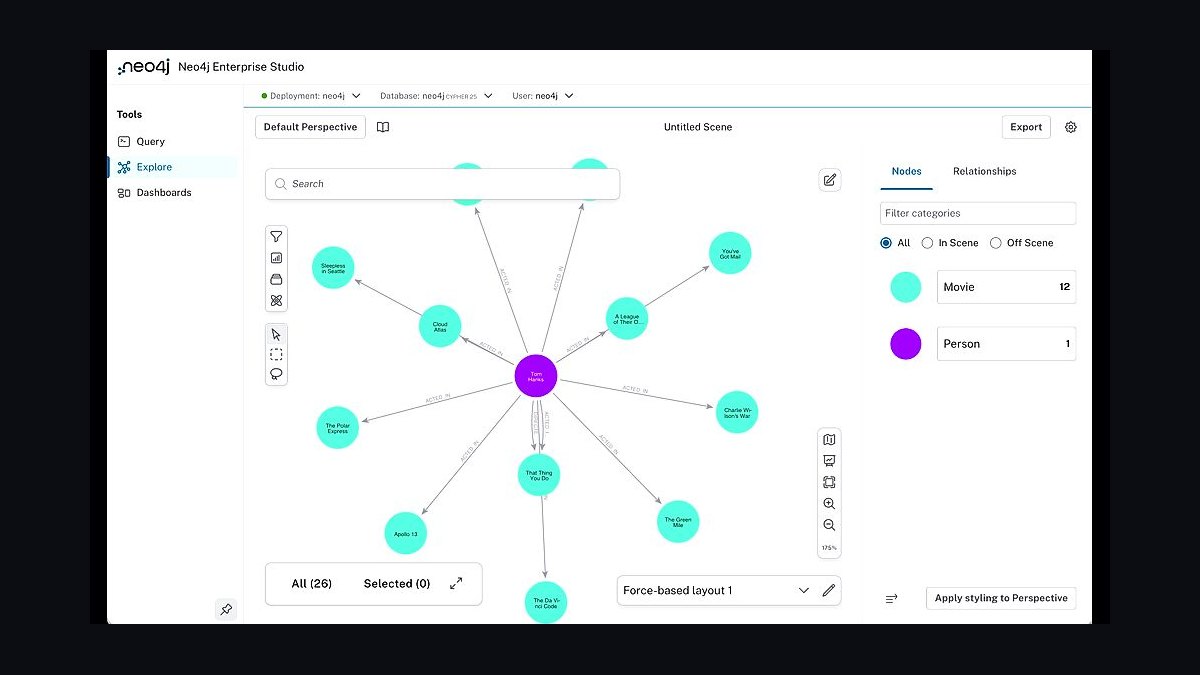
Neo4j Enterprise ranks second because attack-path analysis is the differentiation that justifies enterprise VM pricing, and Neo4j is the most battle-tested graph engine for it. Enterprise licensing runs $36K-$300K per year depending on deployment size. The graph holds users, groups, assets, permissions, network reachability, and vulnerabilities in one traversable structure.
It is built for VM vendors selling to Fortune 500 buyers who ask what crown-jewel asset an attacker reaches after compromising endpoint A. It trades away real-time update speed versus Memgraph, and costs more at scale. Against Postgres with ClickHouse above, it answers relationship questions those engines cannot.
3Confluent Kafka
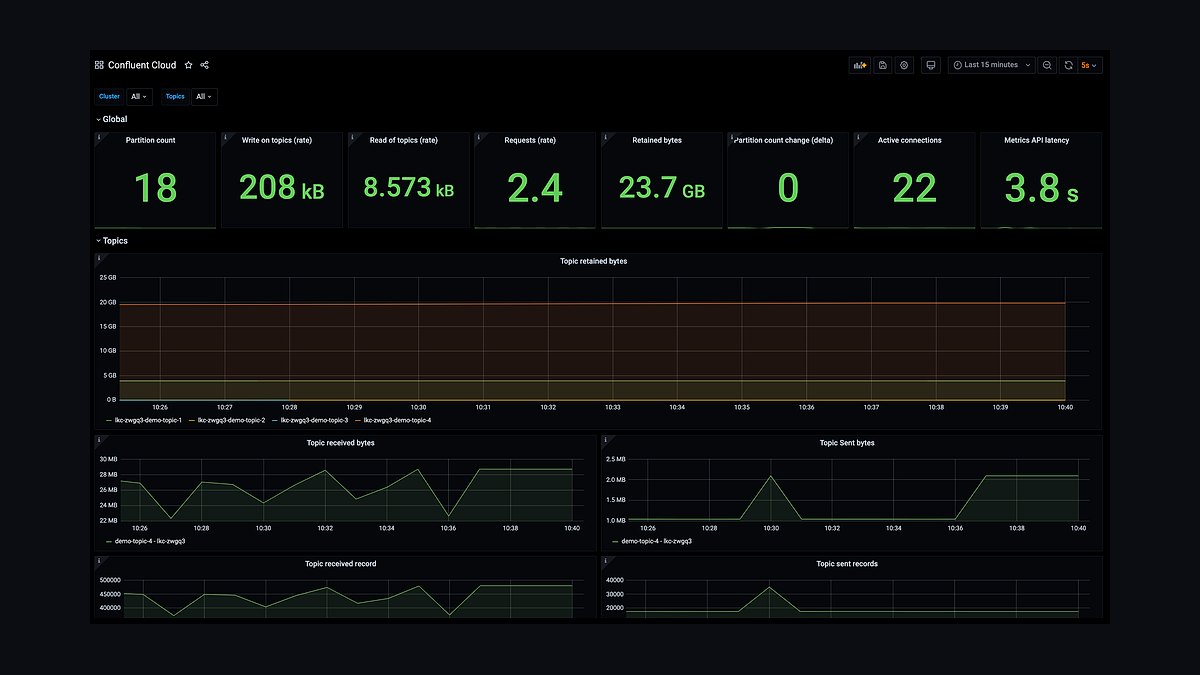
Confluent Kafka ranks third because scanner telemetry from CrowdStrike, Defender, Tenable, Qualys, and Rapid7 arrives at millions of events per day per customer and needs durable ordered ingest. Confluent Cloud handles multi-region replication and schema registry out of the box. Each scanner integration takes two to six engineer-months, and Kafka is the pipe every one of them feeds.
This is for VM vendors with 20 or more integrations already shipped and steady-state telemetry volume. It trades away the cheapness of self-managed Kafka for managed uptime and connector breadth. Compared to Neo4j below it, Kafka moves data while Neo4j reasons over it.
4CrowdStrike Falcon Spotlight
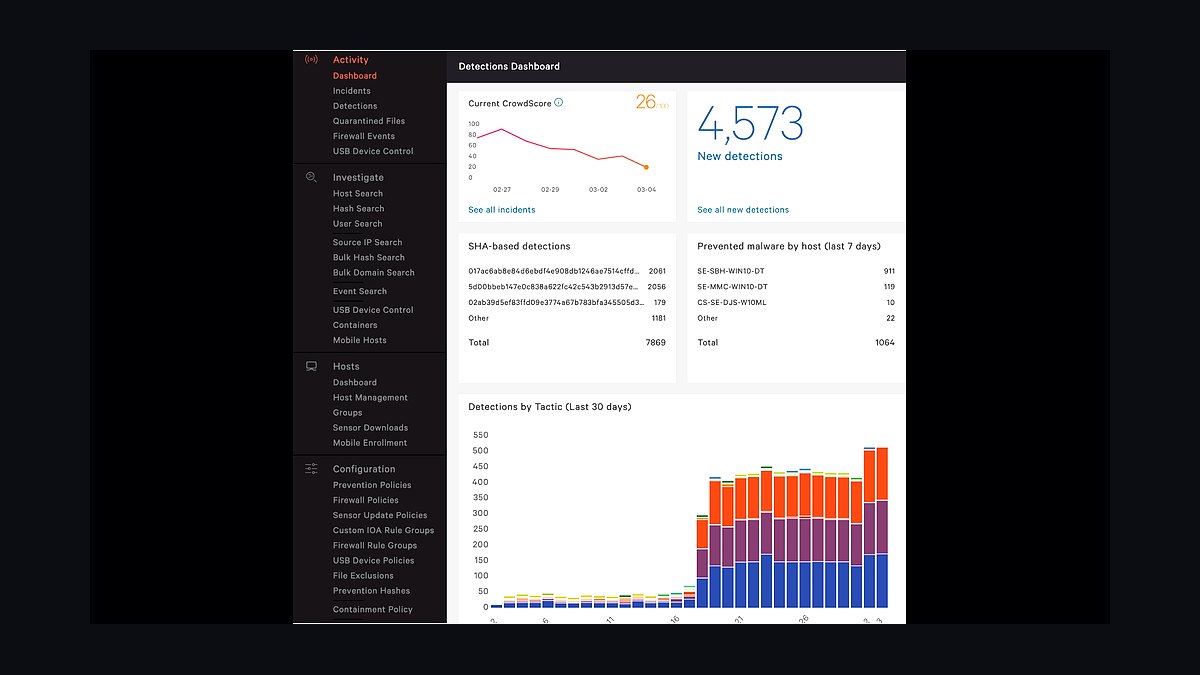
CrowdStrike Falcon Spotlight ranks fourth because it is the single most-requested scanner integration in enterprise VM deals, and scanner-agnostic vendors win by ingesting it rather than competing. Falcon Spotlight surfaces vulnerabilities on the same agent customers already run for EDR. Integration takes two to six engineer-months and unlocks accounts that refuse to rip out Falcon.
It is for VM vendors whose pipeline is dominated by CrowdStrike-heavy enterprises. It trades away native scanning revenue on those endpoints. Against Confluent Kafka above, it is a data source rather than infrastructure, and against Salesforce below, it is technical rather than commercial.
5Salesforce Sales Cloud
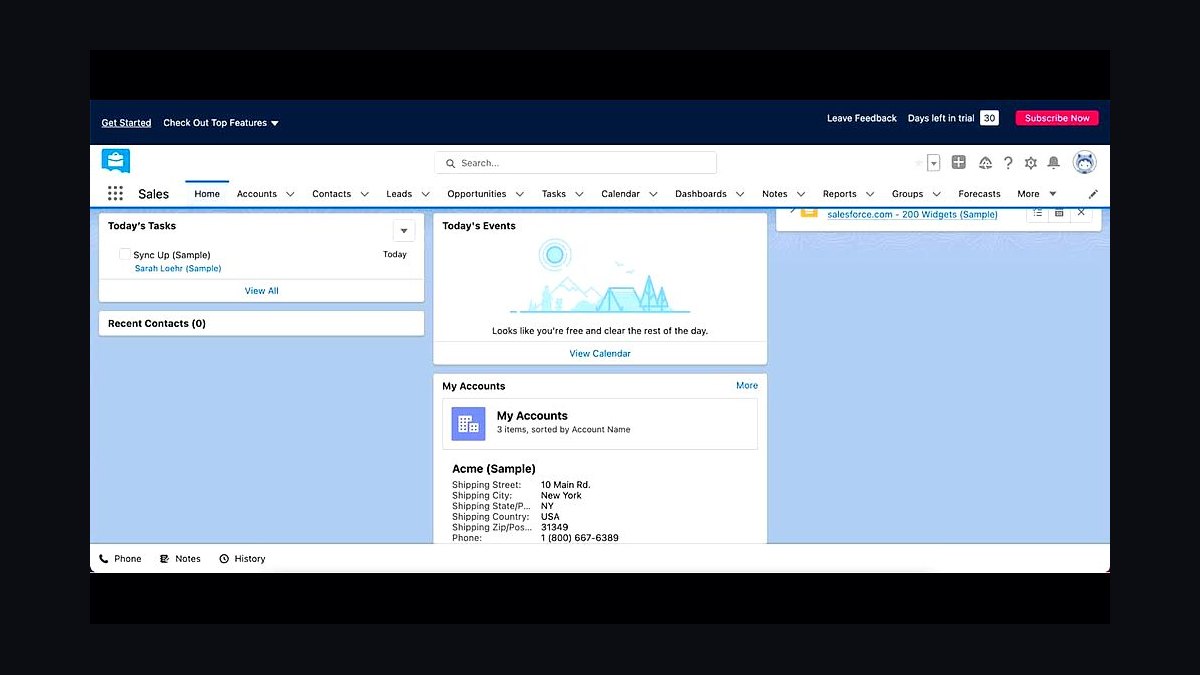
Salesforce Sales Cloud ranks fifth because VM deals run $25K-$1.5M ACV over 60-180 day cycles with technical evaluations and POVs, and Salesforce Enterprise at $165 per user per month is the only CRM that scales to that motion. Custom objects track scanner inventory, integration status, and asset-count tier. Clari, Gong, and Outreach all plug into it natively.
It is for VM vendors past $10M ARR with a real enterprise sales team. It trades away the simplicity and lower cost of HubSpot Enterprise, which suits sub-$30M ARR vendors. Compared to CrowdStrike Falcon Spotlight above, it is the commercial system of record rather than a technical data source.
6Zuora
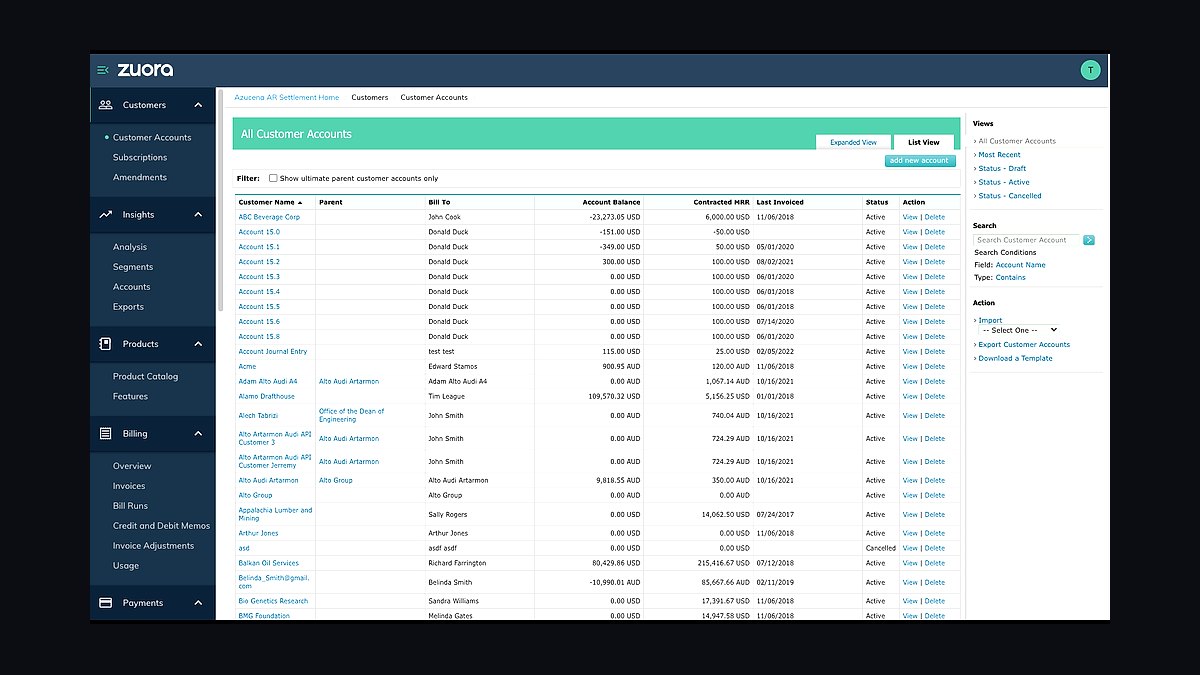
Zuora ranks sixth because VM pricing is per-asset-per-month at $0.10-$3.00 or tiered by asset count with overage rates, and Zuora handles that contract complexity where Stripe Billing strains. Enterprise licensing runs $200K-$1M per year. It manages ramps, co-terming, and usage overlays that per-asset billing demands.
It is for VM vendors above $50M ARR with multi-year enterprise contracts and usage-based tiers. It trades away Stripe Billing's developer speed and low cost, which fit sub-$50M ARR vendors better. Against Salesforce Sales Cloud above, it handles the money while Salesforce handles the relationship.
7Gainsight
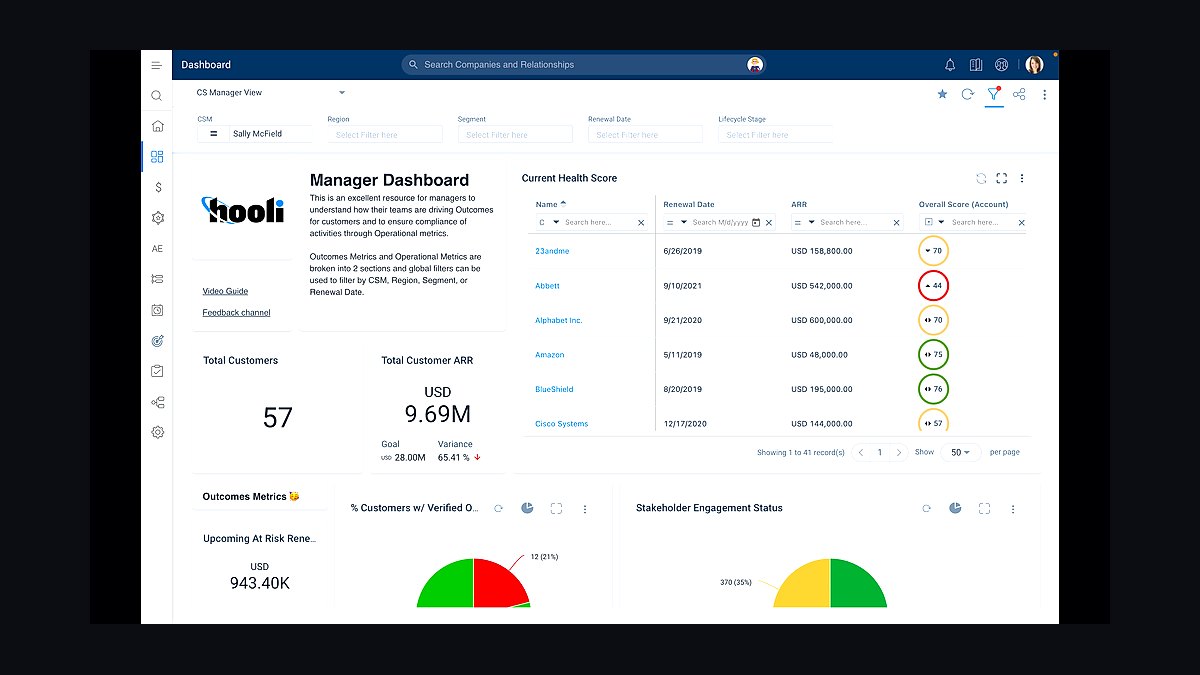
Gainsight ranks seventh because VM renewals hinge on proving outcomes like mean-time-to-remediate and exposure reduction, and Gainsight tracks customer health signals including scanner deployment percentage, ticket creation rate, and MTTR. Licensing runs $100K-$500K per year. It feeds the QBR data that keeps renewals from going sideways.
It is for VM vendors with a dedicated customer success org and 200 or more accounts. It trades away the affordability of Gainsight Essentials or Vitally for full health-scoring and playbook automation. Compared to Zuora above, it manages the post-sale relationship rather than the billing relationship.
8Pendo
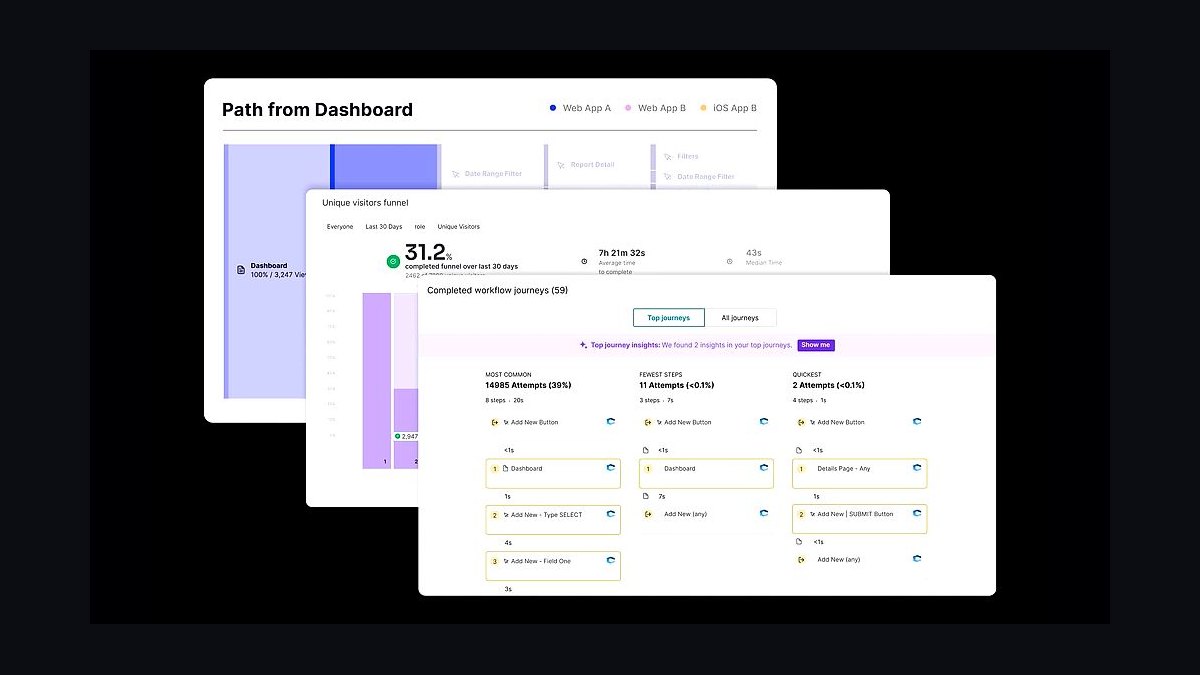
Pendo ranks eighth because VM vendors need to know which dashboards customers actually use, where they abandon remediation flows, and what predicts expansion. Licensing runs $25K-$300K per year. It instruments product adoption directly, which Gainsight alone cannot do without usage data feeding it.
It is for VM vendors with a product-led or hybrid motion and enough traffic to make analytics meaningful. It trades away the depth of a custom warehouse build for time-to-insight. Against Gainsight above, it captures in-product behavior while Gainsight captures account-level health.
9Vanta
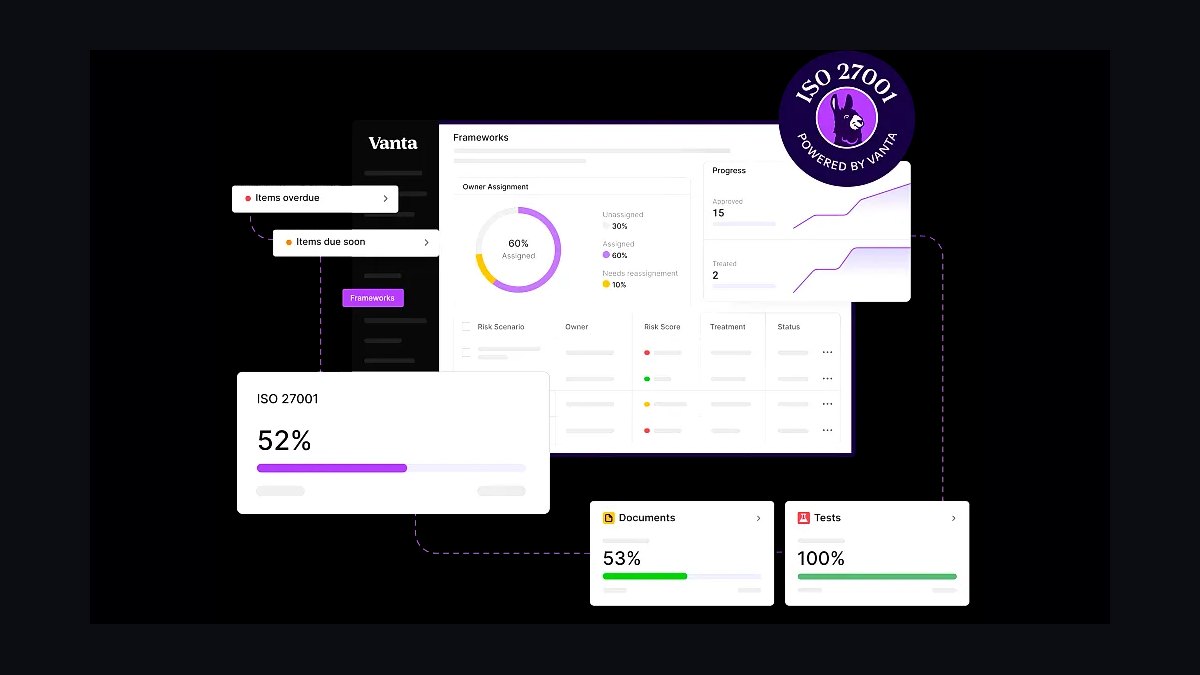
Vanta ranks ninth because VM vendors sell security software and must prove SOC 2 Type II and ISO 27001 with continuous evidence, which Vanta automates at $30K-$100K per year. It collects evidence from cloud, code, and HR systems without manual screenshots. FedRAMP workstreams typically route through Hyperproof alongside it.
It is for VM vendors from seed through growth stage pursuing SOC 2 and ISO 27001. It trades away the depth of AuditBoard for larger enterprise audit programs. Compared to Pendo above, it proves the vendor's own security posture rather than the customer's product usage.
10Datadog
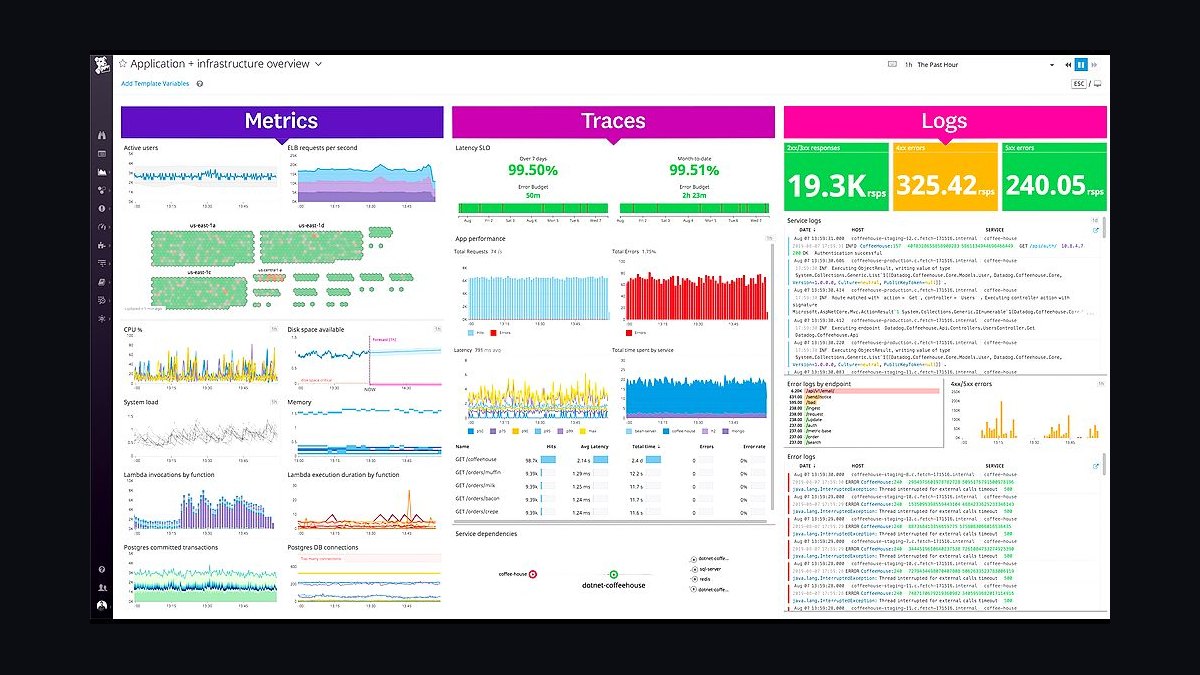
Datadog ranks tenth because VM SaaS control planes on AWS, GCP, or Kubernetes need host-level observability and the scoring pipelines need latency tracking. Pricing runs $15-$31 per host per month. It pairs with PagerDuty at $21-$41 per user per month for on-call escalation across the ingestion and scoring services.
It is for VM vendors running microservices on EKS, GKE, or AKS with real uptime SLAs. It trades away the lower cost of New Relic or self-hosted Prometheus for breadth of integrations. Against Vanta above, it monitors the product's runtime rather than the vendor's compliance evidence.
How we ranked these
We ranked each tool on five weighted criteria: asset-and-vulnerability ingestion scale (25%), risk-prioritization depth across CVSS, EPSS, KEV, and asset criticality (25%), integration breadth with EDR, cloud, CMDB, and ticketing systems (20%), outcome-data instrumentation for MTTR and exposure reduction (15%), and total cost of ownership at the vendor's ARR stage (15%). Scores came from vendor documentation, analyst reports, public pricing, and operator interviews.
We deliberately ignored brand familiarity, Gartner Magic Quadrant placement alone, and feature-count marketing claims, because none predict whether a VM vendor can actually surface the right 5,000 vulnerabilities out of 10 million. We also excluded raw scanner accuracy benchmarks, since most vendors now integrate rather than compete on scanning, and excluded seat-based pricing comparisons that ignore asset-volume economics.
Related questions
Why does a vulnerability management vendor need ClickHouse or Iceberg instead of just Postgres?
Postgres handles transactional asset metadata well but buckles under millions of daily vulnerability findings and time-series queries. ClickHouse or Iceberg absorbs that analytical load, letting the product answer exposure-window questions across weeks of history in under two seconds. Most vendors run both: Postgres for state, ClickHouse or Iceberg for analytics.
Is Neo4j worth the cost for attack-path analysis, or can Postgres recursive CTEs work?
Postgres recursive CTEs handle small graphs but degrade badly past a few million edges. Neo4j Enterprise runs $36K-$300K/year; Memgraph runs $30K-$200K/year with faster real-time updates. If attack-path analysis is your differentiation, the graph database pays for itself. If it is a checkbox feature, Postgres is fine until scale forces the migration.
How many scanner integrations does a VM vendor actually need to win enterprise deals?
Twenty to thirty deep integrations beat one hundred shallow ones. Enterprise buyers refuse to rip out CrowdStrike, Defender, Tenable, Qualys, or Rapid7, so scanner-agnostic ingestion is table stakes. But each thin connector that breaks quarterly triggers churn. Prioritize bidirectional sync, maintenance SLAs, and integration-health telemetry over raw connector count.
What customer-success data does a VM vendor need before its first QBR?
Instrument mean-time-to-remediate by team, exposure-window reduction, patch velocity, and risk-score trends inside the product itself. Gainsight tracks health signals like scanner deployment percentage and ticket-creation rate; Pendo tracks which dashboards customers actually use. Without this, CSMs walk into QBRs with open-vulnerability counts and no story about outcomes.
Should an early-stage VM vendor start on HubSpot or go straight to Salesforce?
Under $30M ARR, HubSpot Enterprise plus Stripe Billing and QuickBooks keeps costs low and deploys in weeks. Past $30M ARR, deals get complex enough — multi-year ramps, CPQ, custom objects for asset tiers — that Salesforce Enterprise plus Zuora and NetSuite becomes the safer long-term bet. Migrating CRMs mid-growth is painful, so plan the crossover early.
How much should a VM vendor budget monthly for its full sales and operations stack?
Early-stage vendors at $5-$25M ARR run roughly $80K-$300K/month across cloud, data backend, CRM, billing, CS, and compliance tooling. Growth-stage vendors at $25-$100M ARR should plan $600K-$2.5M/month. Mid-market vendors at $100-$500M ARR run $3M-$12M/month. Hyperscale vendors exceed $15M/month once multi-cloud and FedRAMP boundaries are in play.
Do VM vendors need Vanta and Drata, or is one GRC platform enough?
One is enough for SOC 2 Type II and ISO 27001 continuous evidence at early stage. Vanta or Drata runs $30K-$100K/year and covers the baseline. Add Hyperproof at $60K-$300K/year when enterprise customers demand customer-facing artifacts, FedRAMP workstreams, or multi-framework mapping. Running both Vanta and Drata simultaneously is redundant spend.
What is the biggest integration mistake VM vendors make with ServiceNow and Jira?
Treating ticketing as a one-way push. Remediation workflows need bidirectional sync: ticket status, assignee, due date, and closure must flow back into the VM platform or MTTR metrics are wrong. Vendors that only push findings lose the outcome data that powers QBRs and renewals. Build the return path before scaling the outbound connector.
FAQ
What is the best tech stack for a vulnerability management software vendor in 2027?
Postgres plus ClickHouse or Iceberg for asset and vulnerability state, Confluent Kafka for ingest, Neo4j or Memgraph for attack-path graphs, Kubernetes with Argo CD for SaaS, Salesforce plus Clari, Gong, and Outreach for sales, Zuora or Stripe Billing plus NetSuite for revenue, Gainsight and Pendo for customer success, and Vanta plus Datadog for compliance and SRE.
Why is risk prioritization more important than scanning for VM vendors?
Customers with 10 million open vulnerabilities can patch maybe 5,000 per month. The vendor that surfaces the right 5,000 using EPSS, CISA KEV, asset criticality, exposure, and threat intel wins on outcomes. Pure scanners that report everything lose deals because mean-time-to-remediate never improves and renewals stall.
How should a VM vendor price its product in 2027?
Most VM vendors price per-asset-per-month at $0.10-$3.00 or tier by asset count with overage rates. Zuora handles complex enterprise contracts above $200K/year; Stripe Billing fits under $50M ARR; Metronome overlays usage billing. Avoid seat-based pricing because it misaligns with the value customers measure, which is exposure reduction across assets.
What compliance certifications does a VM vendor need to sell enterprise?
SOC 2 Type II and ISO 27001 are baseline, delivered continuously through Vanta or Drata at $30K-$100K/year. FedRAMP Moderate or High becomes mandatory for federal and many Fortune 500 deals, requiring Hyperproof or AuditBoard plus a GovCloud boundary. Budget 12-24 months and $500K-$2M for FedRAMP authorization.
How does a VM vendor prove ROI to a skeptical CISO?
Show mean-time-to-remediate trends by team, exposure-window reduction quarter over quarter, patch velocity, and risk-score benchmarks against peer organizations. Instrument these inside the product and automate QBR decks from the same dashboards. CISOs renew when they can defend the spend to their board with numbers, not scan counts.
What is the biggest failure mode for VM vendors scaling past $50M ARR?
Shipping 100 shallow integrations instead of 20-30 deep ones. Each thin connector breaks quarterly, customers churn after the third outage, and support costs explode. Prioritize bidirectional sync, dedicated maintenance, and integration-health telemetry. Depth beats breadth once enterprise buyers start depending on the platform daily.
Do VM vendors need a graph database or is that overengineering?
If attack-path analysis is a core differentiator, a graph database is necessary. Neo4j and Memgraph handle millions of edges with sub-second traversal; Postgres recursive CTEs degrade past a few million edges. If attack-path is a minor feature, Postgres works until scale forces migration, but plan the move before customer workloads hit that ceiling.
How long does it take to stand up a production-ready VM vendor stack?
Days 1-30 cover Postgres, ClickHouse, Kafka ingest, and a v1 CVSS plus EPSS plus KEV scoring pipeline with one real customer flowing end-to-end. Days 31-60 add the top 10 integrations and the sales engine. Days 61-90 instrument MTTR and exposure metrics, stand up Gainsight and Vanta, and automate QBR reporting. Full enterprise readiness takes 9-18 months.
What role does product analytics play in VM vendor renewals?
Pendo or Heap reveals which dashboards customers actually use, where they abandon remediation workflows, and what predicts expansion. Combined with Gainsight health scores, this data tells CSMs which accounts are at risk before renewal conversations start. Vendors without product analytics discover churn only when the renewal date arrives.
Should a VM vendor build native scanning or stay scanner-agnostic?
Stay scanner-agnostic as the primary posture and build native scanning only for gaps competitors miss, such as OT, IoT, or specific cloud-native workloads. Customers refuse to rip out CrowdStrike, Defender, Tenable, Qualys, or Rapid7. Integrating with those tools unlocks deals; competing with them head-on limits your addressable market.
Sources
- https://www.gartner.com/en/documents/4021155
- https://www.forrester.com/report/the-forrester-wave-tm-product-led-growth-platforms-q2-2026/RES180123
- https://www.bvp.com/atlas/state-of-the-cloud-2026
- https://nvd.nist.gov/
- https://www.cisa.gov/known-exploited-vulnerabilities-catalog
- https://www.first.org/epss/
- https://www.postgresql.org/
- https://clickhouse.com/
- https://neo4j.com/
- https://www.salesforce.com/sales/cloud/
Related on PULSE
This page will be disappearing soon. Save it to your device for $1 — or read it free while it is here.
@Kory-White- · if Venmo asks, the last 4 of my number are 2012
This page is gone.
This one is off the shelf now. $1 keeps it on your phone for good — the whole page, pictures and diagrams included.
 pulse-tech-stacksTop 10 Best Tech Stack Tools for MSP and IT Services Companies in 2027
 pulse-tech-stacksTop 10 Best Tech Stack Tools for HVAC Equipment Distributors in 2027
 pulse-tech-stacksTop 10 Best Tech Stack Tools for Email Security Vendors in 2027
 pulse-tech-stacksTop 10 Best Tech Stack Tools for Staffing Agencies in 2027
 pulse-tech-stacksTop 10 Best Tech Stack Tools for Independent Bakeries in 2027
 pulse-tech-stacksTop 10 Best Tech Stack Tools for Home Inspection Companies in 2027
 pulse-tech-stacksTop 10 Best Tech Stack Tools for Plastics and Injection Molding Manufacturers in 2027
 pulse-tech-stacksTop 10 Best Tech Stack Tools for Audiology and Hearing Aid Practices in 2027
 pulse-tech-stacksTop 10 Best Tech Stack Tools for Movie Theaters in 2027
 pulse-tech-stacksTop 10 Best Tech Stack Tools for Fine-Tuning Platform Companies in 2027