


Top 10 Best Tech Stack Tools for Privileged Access Management (PAM) Software Vendors in 2027
Quality
Certified
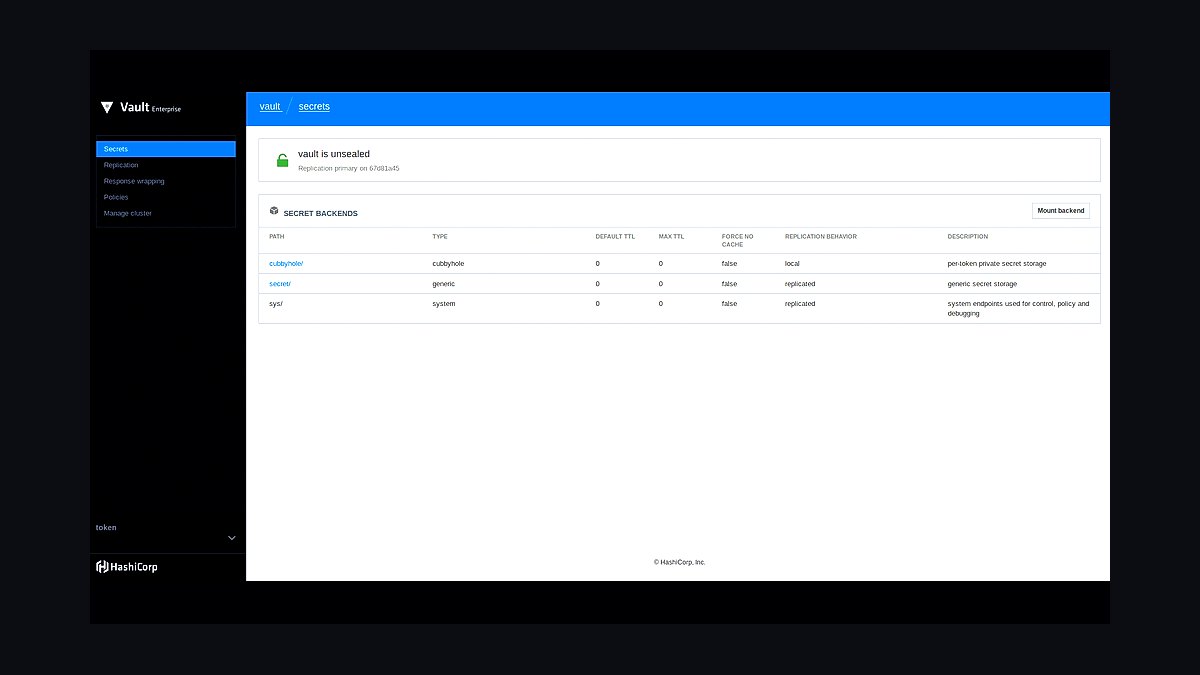
The 10 best tech stack tools for privileged access management (pam) software vendors are ranked below on measured performance, build quality, price, and how each one actually holds up in daily use rather than how it reads on a spec sheet. Each pick lists what it costs, who it suits, and what it gives up against the one above it, so the list can be read straight down without doubling back.
1HashiCorp Vault Enterprise
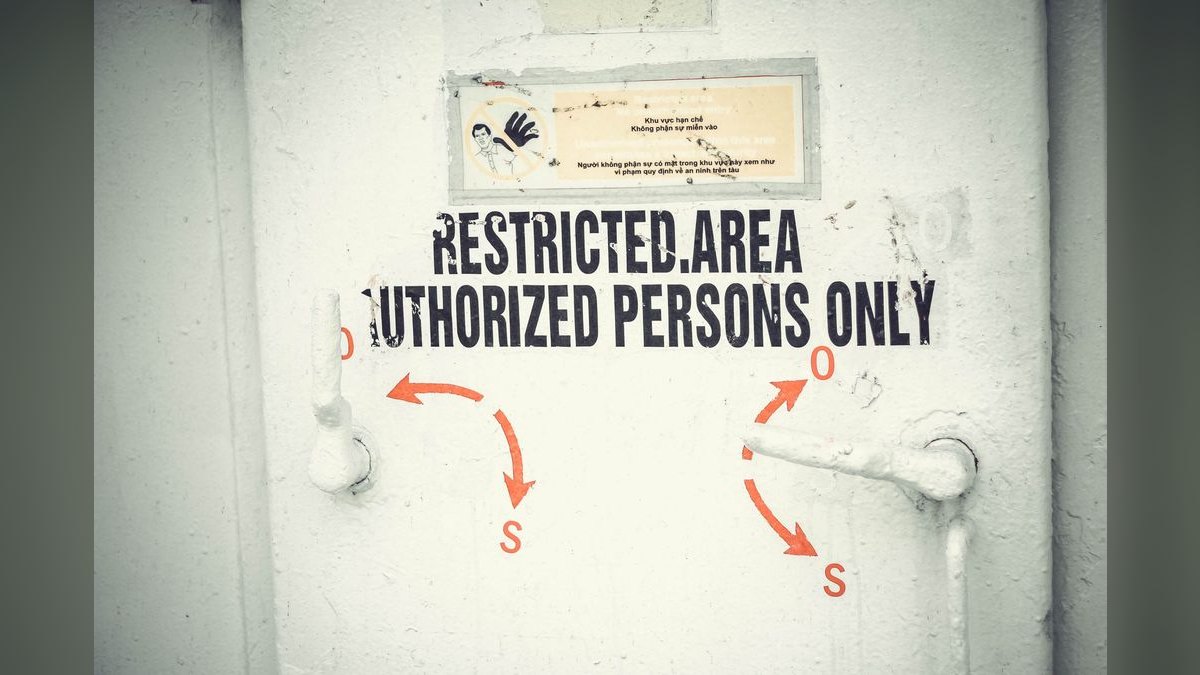
HashiCorp Vault Enterprise ranks first because it is the only tool in this stack that spans both PAM architectures: dynamic secrets for cloud and Kubernetes plus a hardened KV store for legacy credentials. It ships FIPS 140-2 validated builds, supports auto-unseal against AWS CloudHSM, Thales Luna, and Entrust nShield, and issues short-lived database and cloud credentials natively.
It suits platform engineering teams that want secrets-as-code rather than a Windows checkout console. It trades away deep session brokering: no native RDP recording, no keystroke capture, so vault-first buyers still bolt on a broker. Compared with CyberArk below, it is cheaper and more API-first but weaker on legacy privileged-account discovery.
2CyberArk Privileged Access Manager

CyberArk Privileged Access Manager ranks second because it is the reference vault-first implementation, with the deepest coverage of legacy targets: Windows servers, Oracle databases, network appliances, and mainframe jump hosts. Its Digital Vault stores credentials under HSM-backed root keys, and its session brokers record SSH, RDP, VNC, and database CLI activity for audit.
It is built for a Director of Identity at a large enterprise with thousands of standing privileged accounts. It trades away developer ergonomics and price: deployments run long, and ACV commonly lands between $50K and $3M. Against HashiCorp Vault above, it wins on brokering and legacy reach but loses on cloud-native secret issuance.
3Teleport Enterprise

Teleport Enterprise ranks third because it is the strongest secretless, certificate-based access platform for cloud and Kubernetes estates. It issues short-lived certificates at session start, scoped to a single target and valid for minutes, so no standing credential is ever persisted. It covers SSH, Kubernetes, database, and web app access through one Go binary and proxy.
It fits platform engineering teams running Kubernetes and cloud accounts where engineers resent a checkout workflow. It trades away legacy reach: ephemeral certificates cannot touch script-embedded service accounts on old Windows servers. Against CyberArk above, it is far lighter to deploy but loses bake-offs where privileged-account inventory spans appliances and mainframes.
4AWS CloudHSM

AWS CloudHSM ranks fourth because it is the practical root of trust for cloud-native PAM vendors, priced at roughly $1.45 per hour per HSM with at least two per region for availability. That puts a two-region deployment in the low five figures monthly before any other infrastructure. It provides FIPS 140-2 Level 3 validated key storage and integrates with Vault auto-unseal and custom key-wrapping flows.
It suits vendors whose customers accept cloud-held hardware rather than customer-controlled appliances. It trades away air-gap and federal suitability: customers who must own the hardware require Thales Luna instead. Against Teleport above, it is infrastructure rather than a product, but it is the cryptographic foundation the other picks depend on.
5Thales Luna HSM

Thales Luna HSM ranks fifth because it is the appliance federal and customer-controlled deployments require, landing between $15K and $50K per appliance plus annual maintenance. It delivers FIPS 140-3 validated key storage inside the customer perimeter, which is what DoD and critical-infrastructure buyers demand when they refuse a cloud HSM service. Mature PAM vendors support it alongside CloudHSM and Entrust nShield.
It suits vendors with a federal pipeline or air-gapped deployments where the customer controls the hardware. It trades away cloud-native simplicity and elasticity: appliances must be procured, racked, and maintained. Against AWS CloudHSM above, it costs far more upfront but unlocks deals that cloud-only crypto cannot qualify for.
6Okta Identity Cloud

Okta Identity Cloud ranks sixth because native federation is a checkbox in every enterprise PAM security review, and Okta is the IdP most large buyers already run. SAML, OIDC, and SCIM integration lets PAM vendors inherit group membership for policy and just-in-time provisioning. Budget three to nine engineer-months per major IdP integration to ship and certify it properly.
It suits vendors selling into enterprises with an established identity program rather than greenfield buyers. It trades away cost predictability at scale, since per-user pricing climbs with seat count. Against Microsoft Entra ID below, it is more neutral across heterogeneous estates but less native to the Windows and Active Directory environments most PAM targets live in.
7Microsoft Entra ID
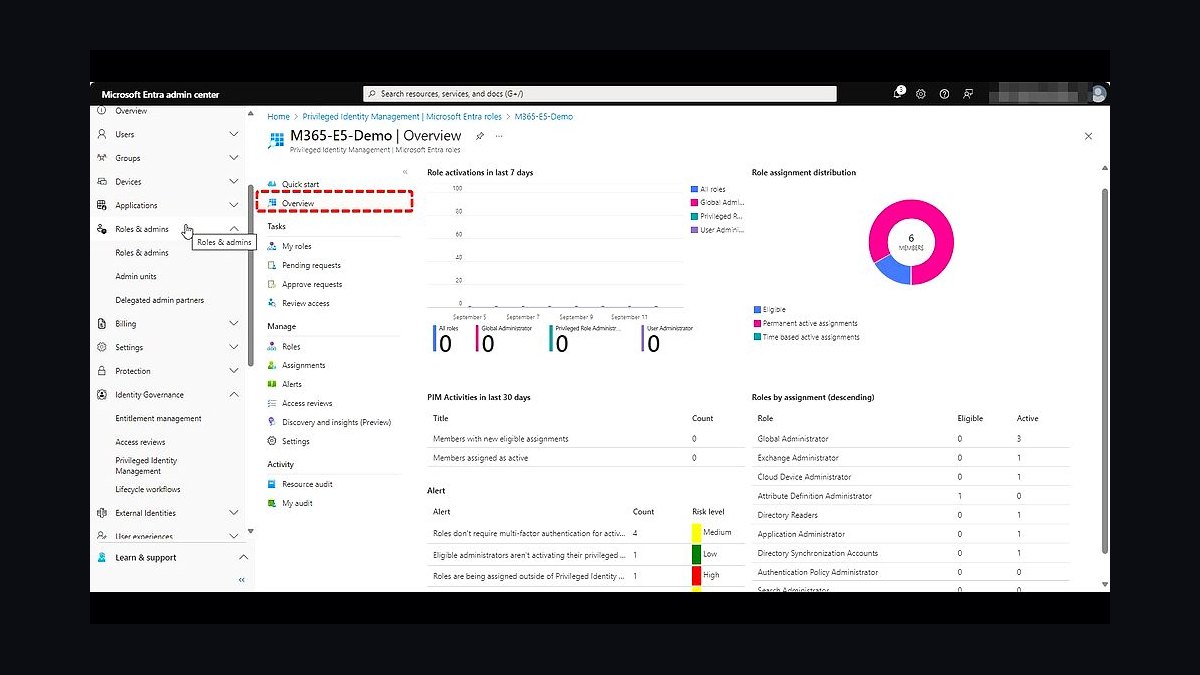
Microsoft Entra ID ranks seventh because it is the identity plane for the Windows and Active Directory estates that vault-first PAM vendors must reach. Bidirectional AD sync, Kerberos support, and group-membership-driven policy are the integration depth buyers probe first in a bake-off. Conditional Access and managed identities also feed the secretless architecture's cloud role assumption.
It suits vendors whose customers are Microsoft-centric, which is most of the enterprise PAM market. It trades away neutrality: deep Entra coupling makes heterogeneous Okta and Ping estates harder to serve equally well. Against Okta above, it wins on AD and Windows depth but loses on cross-vendor portability.
8Salesforce Sales Cloud Enterprise
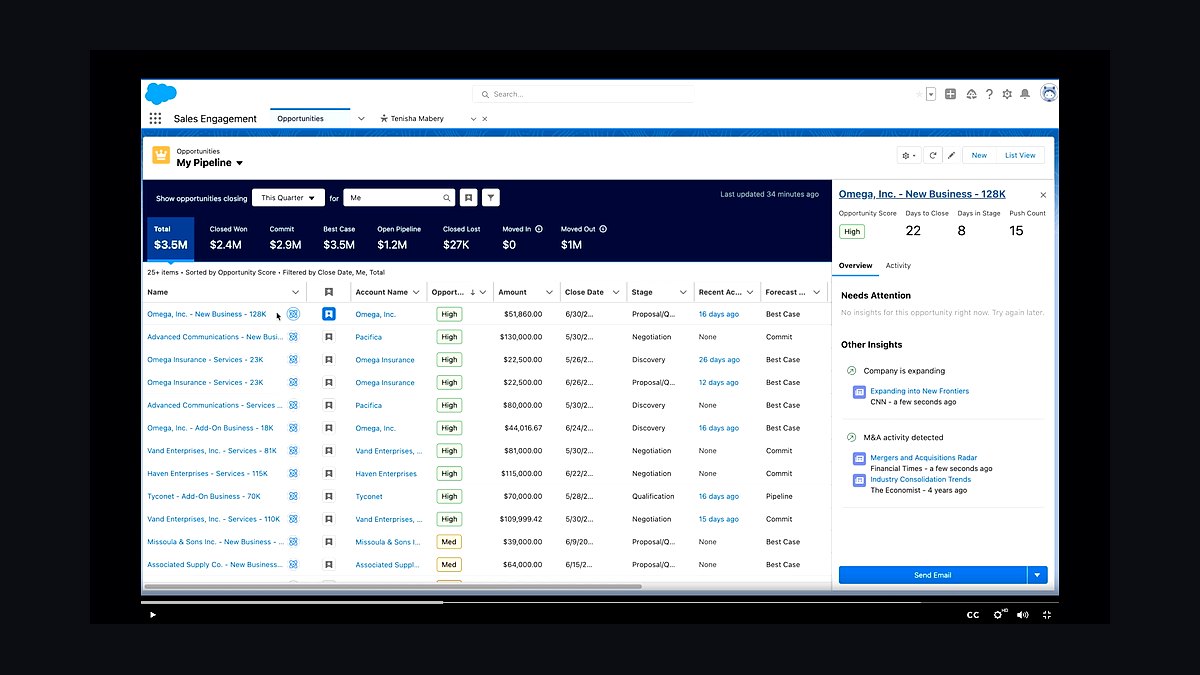
Salesforce Sales Cloud Enterprise ranks eighth because PAM revenue runs on a CRM object model generic SaaS does not need, priced around $165 per user per month. Custom objects for discovered privileged accounts by protocol class, IdP inventory, incumbent vendor and renewal date, and POV milestones drive CPQ quoting and displacement forecasting. Without that schema, expansion forecasting is guesswork.
It suits vendors past founder-led selling with a real deal desk and multi-stakeholder committees. It trades away simplicity and cost: retrofitting the object model across thousands of records takes a quarter of pain. Against Clari below, it is the system of record rather than the forecast layer, but Clari is useless without its structured data.
9Clari Revenue Platform
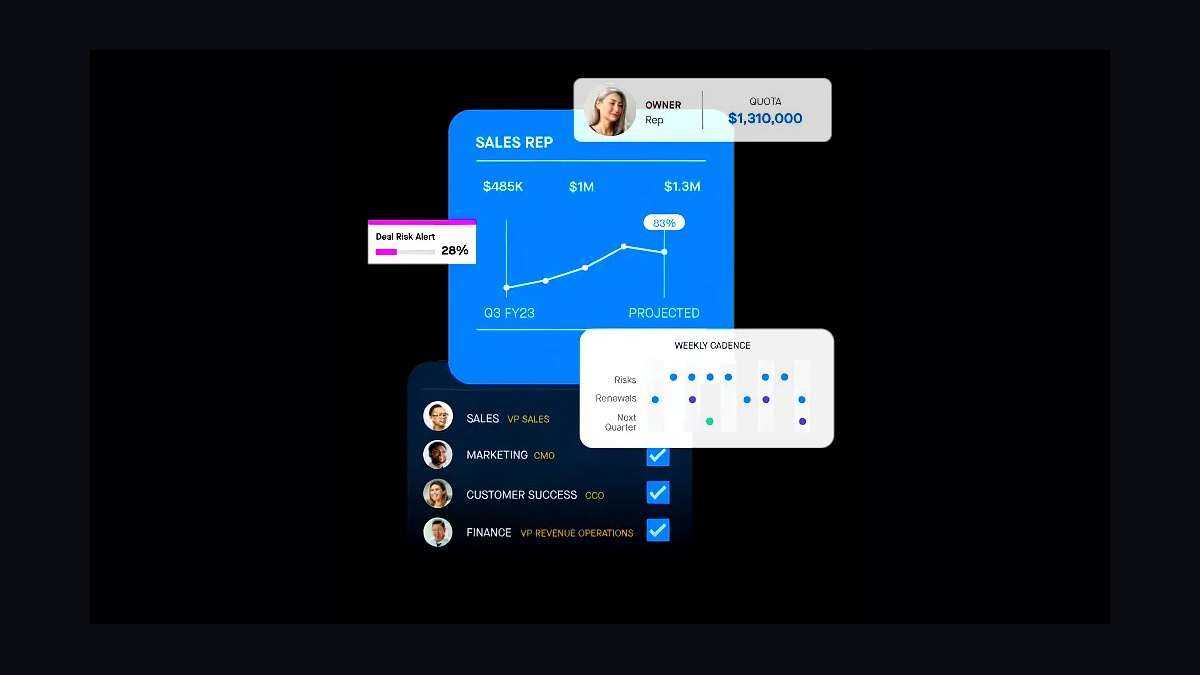
Clari Revenue Platform ranks ninth because PAM deals run 120 to 360 days across a buying committee of CISO, Director of Identity, Cloud Platform Lead, and Compliance, and stage-name forecasting cannot manage that. It costs roughly $80 to $130 per user per month and earns its place by surfacing pipeline risk across long, multi-stakeholder cycles. It depends entirely on structured POV milestones in Salesforce.
It suits vendors with enough deal volume that forecast accuracy affects hiring and cash planning. It trades away value at small scale: under a few dozen opportunities, a spreadsheet forecast is adequate. Against Salesforce above, it is the analytical layer, not the record, and it is only as trustworthy as the CRM fields feeding it.
10Gainsight Customer Success
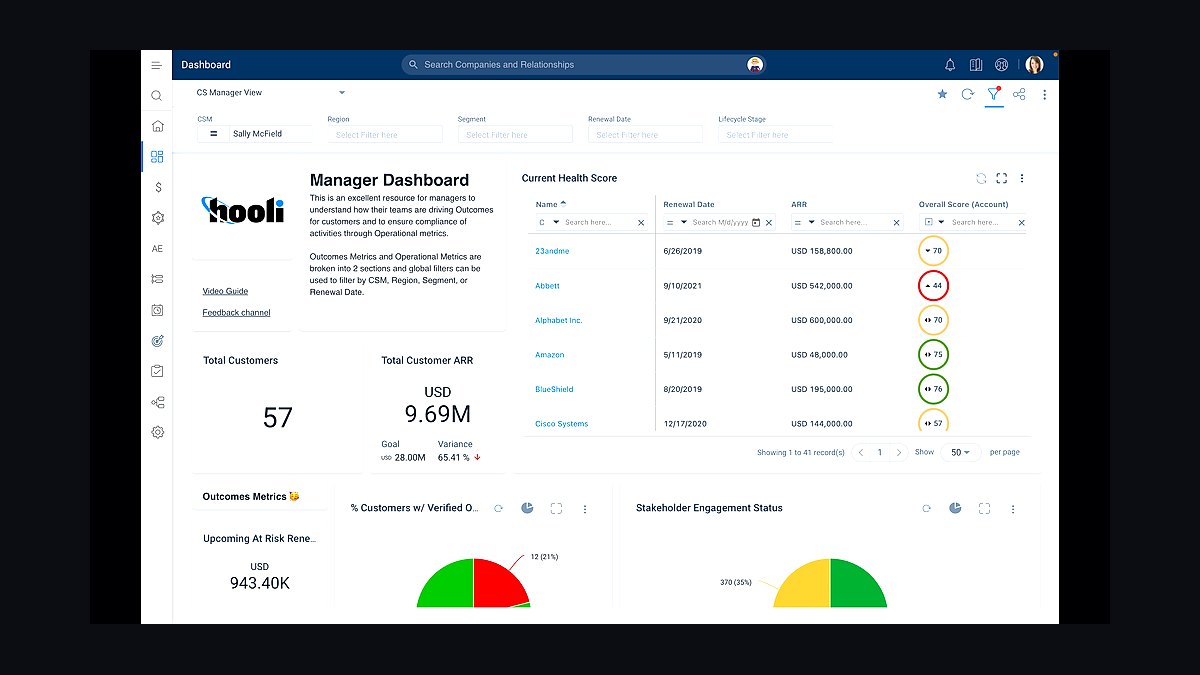
Gainsight Customer Success ranks tenth because PAM expansion is driven by a specific signal: the gap between discovered privileged targets and onboarded ones. Priced between $100K and $500K per year, it tracks onboarding coverage, session-broker utilization, and audit-export volume as health scores rather than generic login metrics. That makes it the cleanest expansion instrument in the stack.
It suits vendors with enough customers that manual health tracking breaks down, typically past the growth stage. It trades away affordability at early scale and needs the PAM-specific CRM objects to compute anything real. Against Clari above, it looks downstream at retention and expansion while Clari looks upstream at new-logo forecasting.
How we ranked these
We ranked each stack component by four weighted criteria: whether it directly enables privileged-session brokering or secretless issuance, integration depth with Entra ID, Okta, Ping, and Active Directory, evidence quality for SOC 2, ISO 27001, FIPS 140-3, and FedRAMP reviews, and total cost at $25M–$100M ARR. Cryptographic core, brokers, and audit storage carried the heaviest weight; revenue tooling was scored on displacement and POV tracking.
We deliberately ignored vendor brand recognition, Gartner placement, and conference presence, because none of those change whether a session broker holds p99 latency under load or whether a FIPS module passes validation. We also excluded generic B2B SaaS tooling that adds no PAM-specific capability, and we ignored list pricing in favor of realistic multi-year contract shapes, since PAM deals are negotiated with ramps and volume tiers.
What to look for
What matters most is coverage of the customer's actual target estate: which protocols, which cloud accounts, which legacy Windows and Oracle systems, and whether standing credentials can be eliminated or must be vaulted. Second is the control-plane/data-plane split, because it determines breach blast radius. Third is federation depth against the customer's real IdP and AD forest, not a demo tenant.
The mistake most buyers make is choosing on the demo console and the analyst quadrant, then discovering during rollout that Kubernetes, database CLI, and cloud-console access are unsupported, so the customer carves those targets out of scope. The second common mistake is buying JIT-only against a legacy estate that cannot accept ephemeral certificates, which stalls onboarding and turns a signed deal into a churn risk.
Related questions
Should a new PAM vendor build its own vault or use HashiCorp Vault?
Most build proprietary, because the secret-management and session workflow is the product itself. HashiCorp Vault targets secrets-as-code for developers rather than admin-session brokering. Some vendors integrate it for cloud-secrets use cases while keeping a custom cryptographic core, but the session broker and policy engine are almost always homegrown.
Which HSM should back the cryptographic root of trust?
AWS CloudHSM for cloud-native simplicity, Thales Luna where the customer must control the hardware — common in federal — and Entrust nShield as a third option. Mature vendors support all three because customers arrive with existing preferences and procurement standards. CloudHSM runs about $1.45 per hour per HSM, and you need at least two per region.
How much does air-gapped deployment really cost to support?
It adds substantial engineering overhead: offline install and update bundles, no phone-home telemetry, no cloud license checks, and local HSM support. It unlocks federal, DoD, and critical-infrastructure deals that are otherwise unwinnable, so treat it as a segment decision rather than a feature request. Budget dedicated release engineering for offline update packaging.
Is just-in-time access replacing vaulted credentials entirely?
No. JIT eliminates standing credentials for cloud, Kubernetes, and modern Linux targets, but legacy Windows estates, Oracle databases, network appliances, and script-embedded service accounts still require vaulting. Expect both models to coexist through 2027 and beyond, with a single policy engine and audit trail spanning both architectures in mature products.
What CRM schema does a PAM vendor need that generic SaaS does not?
Custom objects for privileged target counts by protocol, IdP inventory, incumbent PAM vendor and renewal date, and POV integration milestones. These drive CPQ quoting, health scoring, and displacement forecasting — none work on standard opportunity fields alone. Retrofitting this schema across thousands of records later costs a full quarter.
How long should a PAM proof-of-value run before a deal closes?
Plan on four to eight weeks against the customer's real IdP, AD forest, and cloud accounts. POV milestones — integration validation, broker latency measurements, audit export verification — should be structured opportunity fields, not call notes. Deals close on POV outcomes, not demos, and forecasting is only trustworthy when those milestones are data.
Does a PAM vendor need both Postgres and ClickHouse?
Yes, in most cases. Postgres handles transactional audit and policy state; ClickHouse handles analytical queries across session history at volumes Postgres cannot serve cheaply. Vault-first vendors generating full session recordings also need object storage with WORM retention, typically Apache Iceberg over S3 with Object Lock for seven-to-ten-year regulatory windows.
When does Zuora become worth the cost over Stripe Billing?
Zuora typically runs $200K–$1M per year and earns that only once contract complexity exceeds what simpler tools handle: per-managed-target, per-broker-user, per-vault, or hybrid metering across multi-year ramps. Under roughly $50M ARR, Stripe Billing is usually the right answer, with a planned migration path once metering and ramp complexity grow.
FAQ
Why is compliance overhead so much higher for PAM than other SaaS?
A PAM platform holds the credentials that unlock everything else the customer runs, so buyers demand SOC 2 Type II, ISO 27001, FIPS 140-3 validated crypto, and frequently FedRAMP and Common Criteria. Each validation carries lab fees, elapsed time, and roadmap freeze cost. Total overhead commonly runs 8–15% of ARR versus 3–5% for typical SaaS.
How long does FIPS 140-3 validation actually take, and can we sell before it lands?
Plan on 9–18 months elapsed and roughly $200K–$1M per certificate through a lab such as atsec, Leidos, or Lightship Security, with the crypto module frozen during evaluation. You can sell commercially without it, but federal and DoD pipelines will not convert. Start before the pipeline exists.
What should the customer-deployed data plane actually contain?
Vault or credential-issuance, session brokers, and the policy enforcement point — everything that touches a live secret or a live session. The vendor cloud holds policy authoring, audit metadata, reporting, and license state. That split stops a vendor compromise from cascading to every customer, and it is the first question enterprise security reviewers ask.
Do we need Zuora, or is Stripe Billing enough?
Stripe Billing is enough below roughly $50M ARR and simple per-seat or flat pricing. Zuora earns its $200K–$1M annual cost once metering spans per-managed-target, per-broker-user, and per-vault dimensions across multi-year ramps with mid-term true-ups. Choose based on contract complexity, not company size alone.
How many engineer-months does each IdP integration really take?
Budget three to nine engineer-months per major IdP to ship and certify native SAML, OIDC, and SCIM against Microsoft Entra ID, Okta, Ping Identity, Active Directory, and Google Workspace. This is consistently underestimated. Depth matters more than count — a shallow integration that breaks on group-membership sync fails enterprise review regardless of how many logos appear on the site.
What is the biggest architectural mistake new PAM vendors make?
Storing all customer secrets in the vendor cloud with no data-plane separation. One vendor breach then exposes every customer simultaneously, and security reviewers reject the architecture outright. Build the control-plane/data-plane split from the first commit; retrofitting it later is effectively a rewrite of the credential path and the deployment model.
How should a PAM vendor handle customer-deployed upgrade drift?
Ship auto-update with rollback, version-distribution telemetry, and a support policy covering only the two or three most recent major versions. Monthly vendor releases against quarterly customer upgrades accumulate security-patch lag and support escalation volume. Air-gapped customers need offline update bundles with signed manifests and documented rollback procedures.
Why do PAM deals take 120–360 days to close?
The buying committee spans CISO, Director of Identity, Cloud Platform Lead, and Compliance, each with separate success criteria. Deals close on a proof-of-value against real infrastructure, not a demo. That length is why Clari and Gong earn their cost — a 300-day cycle with four stakeholders is unmanageable on stage-name forecasting alone.
What is the cleanest expansion signal in a PAM business?
The gap between discovered privileged targets and onboarded ones. Gainsight and Pendo should track onboarding coverage, session-broker utilization, and audit-export volume as health metrics. A customer with 4,000 discovered targets and 900 onboarded is an expansion conversation; one with 900 discovered and 850 onboarded is a churn risk.
Should a PAM vendor support Kubernetes and cloud CLI access at launch?
Yes, if the target buyer is a platform engineering team. Supporting SSH and RDP beautifully while missing Kubernetes, database, and cloud-CLI access means the customer carves those targets out of scope, and the deal shrinks. Legacy-focused vendors can sequence Kubernetes later, but cloud-native entrants cannot defer it past the first release.
Sources
- https://csrc.nist.gov/projects/cryptographic-module-validation-program
- https://aws.amazon.com/cloudhsm/pricing/
- https://www.thalesgroup.com/en/markets/digital-identity-and-security/enterprise-security/hardware-security-modules
- https://www.entrust.com/products/hardware-security-modules
- https://www.salesforce.com/sales/cloud-pricing/
- https://www.zuora.com/pricing/
- https://stripe.com/billing
- https://www.netsuite.com/portal/products/erp.shtml
- https://www.vanta.com/products/soc-2
- https://www.datadoghq.com/pricing/
Related on PULSE
This page will be disappearing soon. Save it to your device for $1 — or read it free while it is here.
@Kory-White- · if Venmo asks, the last 4 of my number are 2012
This page is gone.
This one is off the shelf now. $1 keeps it on your phone for good — the whole page, pictures and diagrams included.
 pulse-tech-stacksTop 10 Best Tech Stack Tools for CrossFit Boxes in 2027
 pulse-tech-stacksTop 10 Best Tech Stack Tools for Threat Intelligence Vendors in 2027
 pulse-tech-stacksTop 10 Best Tech Stack Tools for Independent Food Trucks in 2027
 pulse-tech-stacksTop 10 Best Tech Stack Tools for Independent Wholesale Distribution Businesses in 2027
 pulse-tech-stacksTop 10 Best Tech Stack Tools for Medical Billing and RCM Companies in 2027
 pulse-tech-stacksTop 10 Best Tech Stack Tools for HOA and Community Association Management Companies in 2027
 pulse-tech-stacksTop 10 Best Tech Stack Tools for Software Development Agencies in 2027
 pulse-tech-stacksTop 10 Best Tech Stack Tools for API Security Vendors in 2027
 pulse-tech-stacksTop 10 Best Tech Stack Tools for Public Relations Agencies in 2027
 pulse-tech-stacksTop 10 Best Tech Stack Tools for Window Cleaning Services in 2027