


Top 10 Best Tech Stack Tools for Threat Intelligence Vendors in 2027
Quality
Certified
The 10 best tech stack tools for threat intelligence vendors are ranked below on measured performance, build quality, price, and how each one actually holds up in daily use rather than how it reads on a spec sheet. Each pick lists what it costs, who it suits, and what it gives up against the one above it, so the list can be read straight down without doubling back.
1Salesforce Sales Cloud
Salesforce Sales Cloud ranks first because threat intelligence deals run $50K-$3M ACV with 90-180 day consultative cycles, and no other CRM handles the custom objects TI vendors need for collection requirements, sector focus, and SIEM integration validation. Salesforce Enterprise runs $165/user/month, and the platform's ecosystem covers CPQ, Marketing Cloud, and Pardot in one contract. Analyst-validated data shows 74% of high-growth software companies consolidate revenue tooling onto Salesforce or HubSpot within 24 months of crossing $10M ARR.
It suits growth-stage TI vendors past $25M ARR with 10+ quota-carrying reps and complex tier-plus-module pricing. The trade-off is cost and admin overhead — a dedicated Salesforce admin is effectively mandatory. Compared with Zuora and NetSuite below it, Salesforce owns the customer relationship layer while those handle billing and revenue recognition, so the three stack together rather than compete.
2Neo4j Enterprise
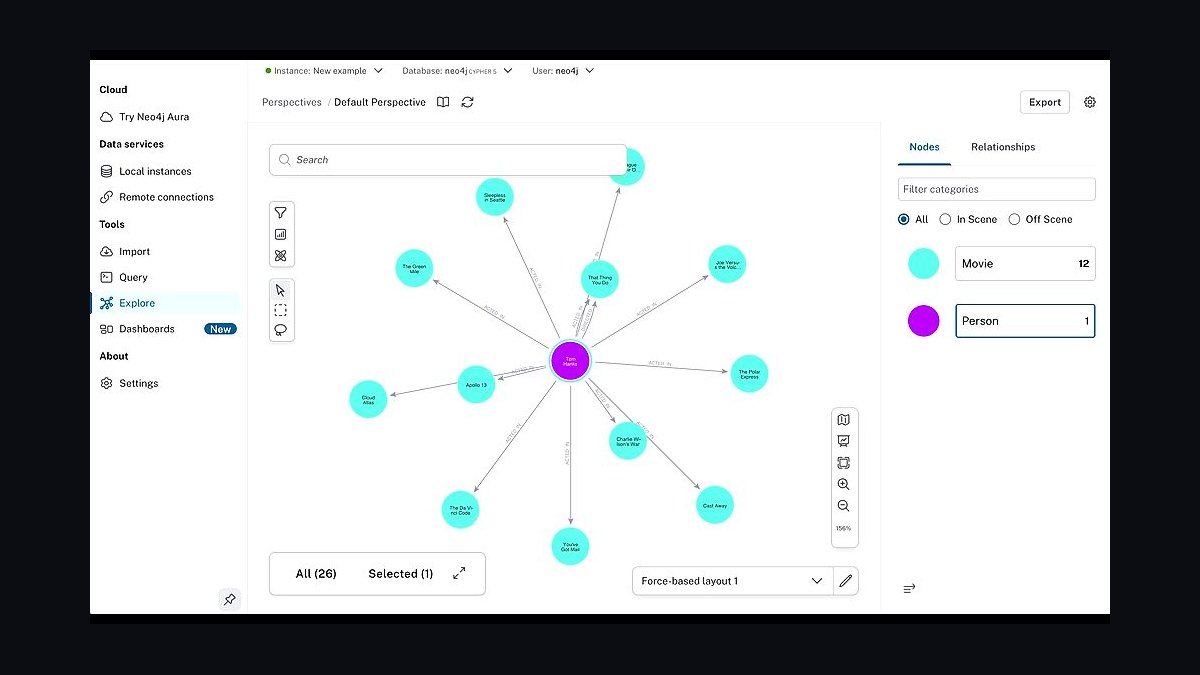
Neo4j Enterprise ranks second because the actor-infrastructure graph is the technical moat of a threat intelligence vendor — encoding actors, tools, IPs, domains, certificates, campaigns, victims, and MITRE ATT&CK TTPs in one queryable model. Enterprise pricing runs $36K-$300K/year, and queries like "all infrastructure attributed to FIN7 in the last 90 days" execute in milliseconds where recursive Postgres CTEs collapse. Competitors Flashpoint and Intel 471 both run graph-backed actor models at scale.
It is built for vendors with 30+ analysts producing attribution work that customers pay premium prices for. The trade-off is operational complexity — Cypher expertise, cluster tuning, and license costs that punish early-stage budgets. Compared with PostgreSQL below it, Neo4j trades transactional generality for traversal speed, so most vendors run both side by side rather than replacing one with the other.
3VirusTotal Enterprise
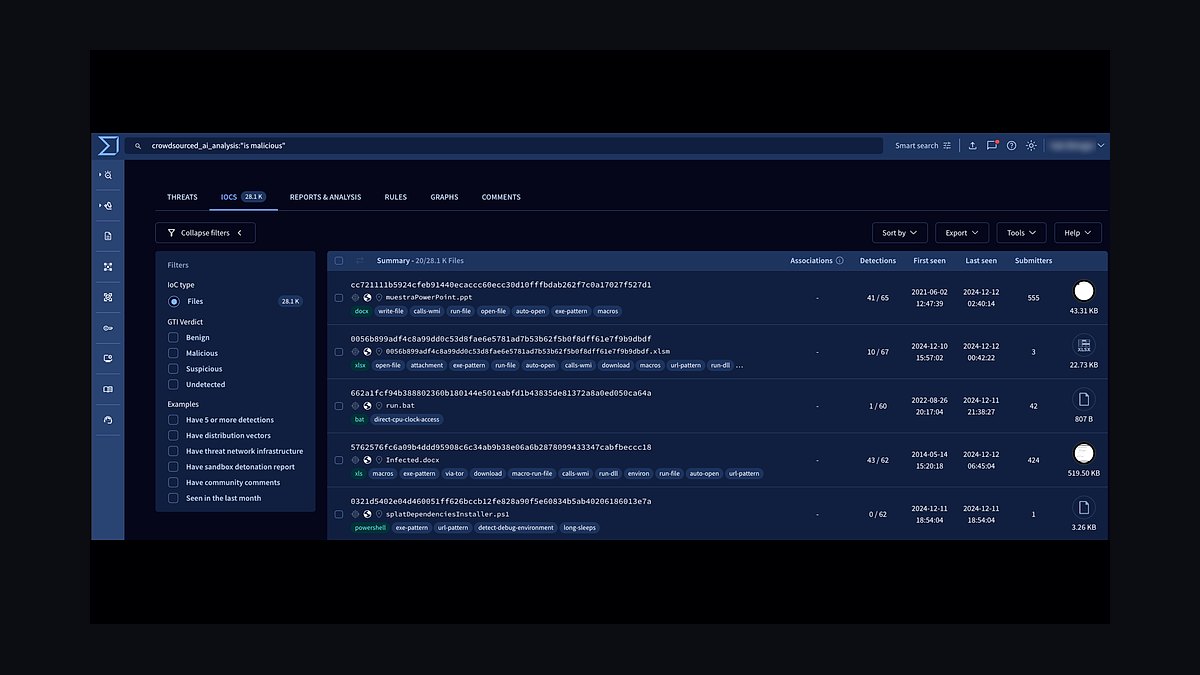
VirusTotal Enterprise ranks third because malware feed ingestion is non-negotiable for IOC quality, and VirusTotal's multi-engine aggregation gives the broadest coverage single-source. Enterprise pricing runs $100K-$1M/year for full feed access, and vendors typically pair it with Hatching Triage and Joe Sandbox for triangulation. Detection coverage across 70+ engines means confidence scoring on IOCs is defensible to customer SOCs drowning in false positives.
It is aimed at vendors shipping daily IOC drops to enterprise SIEMs where quality SLAs are contractual. The trade-off is cost and commoditization — VirusTotal data is available to competitors too, so differentiation must come from analyst curation above the feed. Compared with Neo4j above it, VirusTotal is raw input while the graph is the product layer, making the two complementary rather than substitutable.
4Datadog
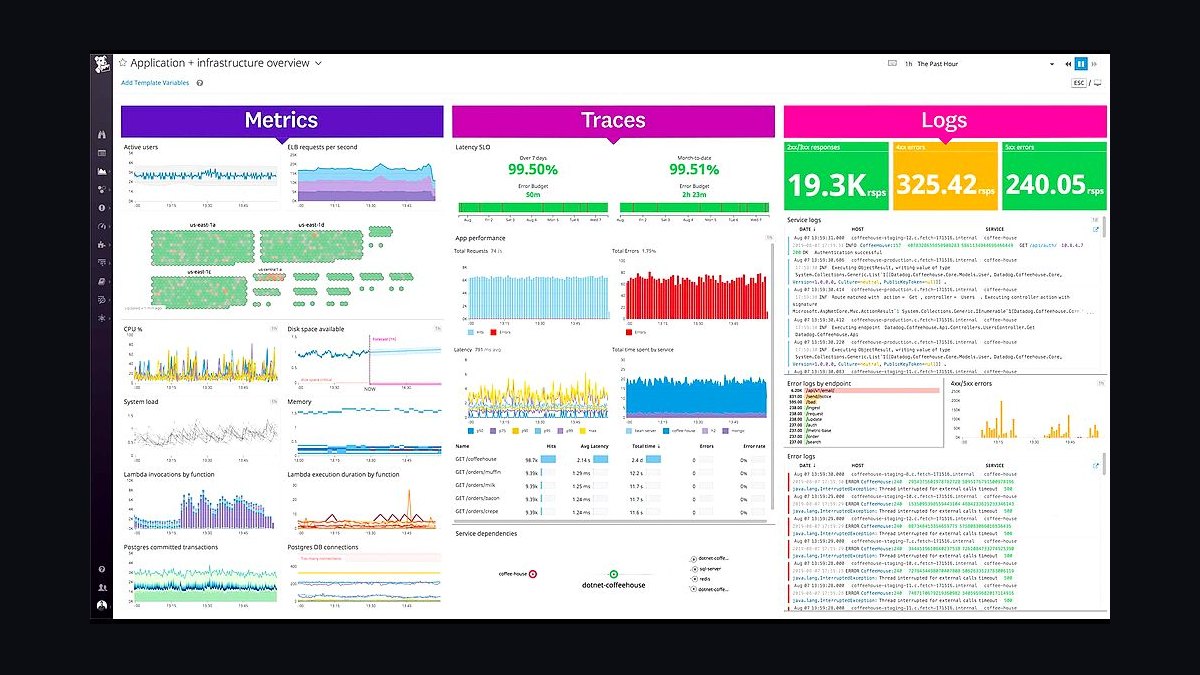
Datadog ranks fourth because SaaS infrastructure for a TI vendor spans AWS or GCP control planes, Kubernetes, Terraform Cloud, GitHub Enterprise, and Argo CD, and Datadog is the only observability platform that instruments all of them in one pane. Pricing runs $15-$31/host/month, and collection pipelines processing millions of dark-web and OSINT signals daily need per-service latency and error tracking. PagerDuty at $21-$41/user/month handles the on-call escalation layer on top.
It fits vendors running 50+ microservices where a collection outage directly breaks customer IOC delivery. The trade-off is cost at scale — host-based pricing climbs fast past 500 hosts, and custom metrics bill separately. Compared with Salesforce above it, Datadog protects the product surface while Salesforce protects the revenue surface, and mature vendors budget for both without substitution.
5PostgreSQL
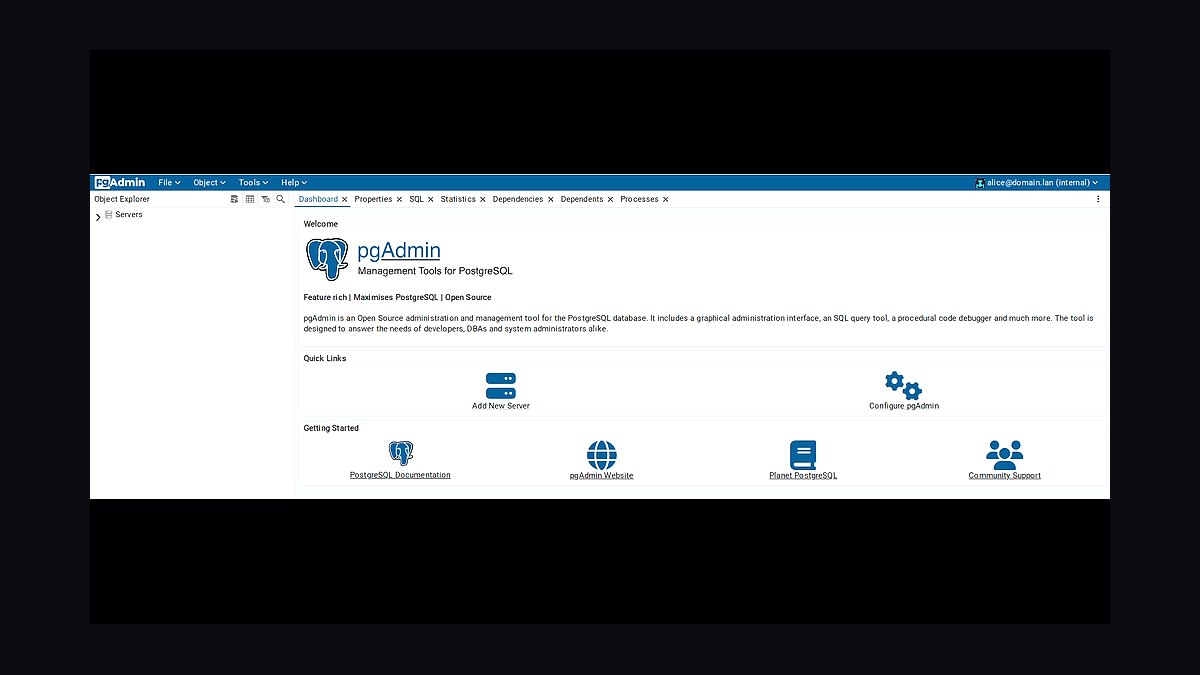
PostgreSQL ranks fifth because transactional metadata for reports, customers, actors, and analyst workflow needs ACID guarantees that ClickHouse and OpenSearch do not provide. It is free and open source, runs on any cloud, and pairs with ClickHouse for IOC-volume analytics and OpenSearch for customer-facing search. Every early-stage TI vendor at $5-$25M ARR starts here, and most never fully migrate off it even at hyperscale.
It suits vendors prioritizing time-to-market over analytical query speed at petabyte scale. The trade-off is that IOC-volume queries slow past a few billion rows, forcing the ClickHouse and Iceberg additions above it. Compared with Neo4j above it, PostgreSQL handles relational metadata while the graph handles traversal, so the split is architectural rather than competitive.
6Zuora
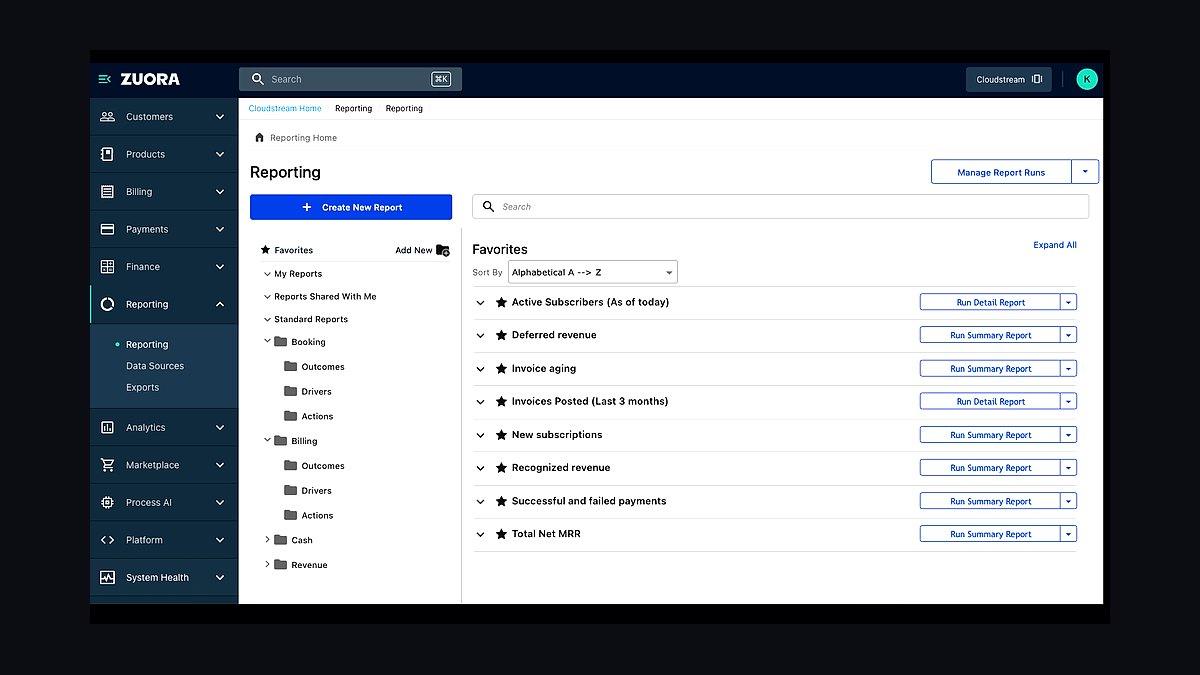
Zuora ranks sixth because TI pricing is tiered access ($25K-$500K/year base) plus add-on modules for sector packs, geo packs, dark-web access, and premium analyst hours — a billing model that generic invoicing cannot handle. Enterprise pricing runs $200K-$1M/year, and the platform handles mid-term upgrades, usage-based components, and multi-year contract amendments without manual finance work. NetSuite at $50K-$500K/year handles the ERP and revenue recognition side.
It is built for vendors past $50M ARR with complex tier-plus-module catalogs and multi-entity billing. The trade-off is implementation cost and rigidity — Stripe Billing serves sub-$50M ARR vendors at a fraction of the price. Compared with Salesforce above it, Zuora owns the billing layer while Salesforce owns the pipeline, and the two integrate through CPQ rather than overlapping.
7Gainsight
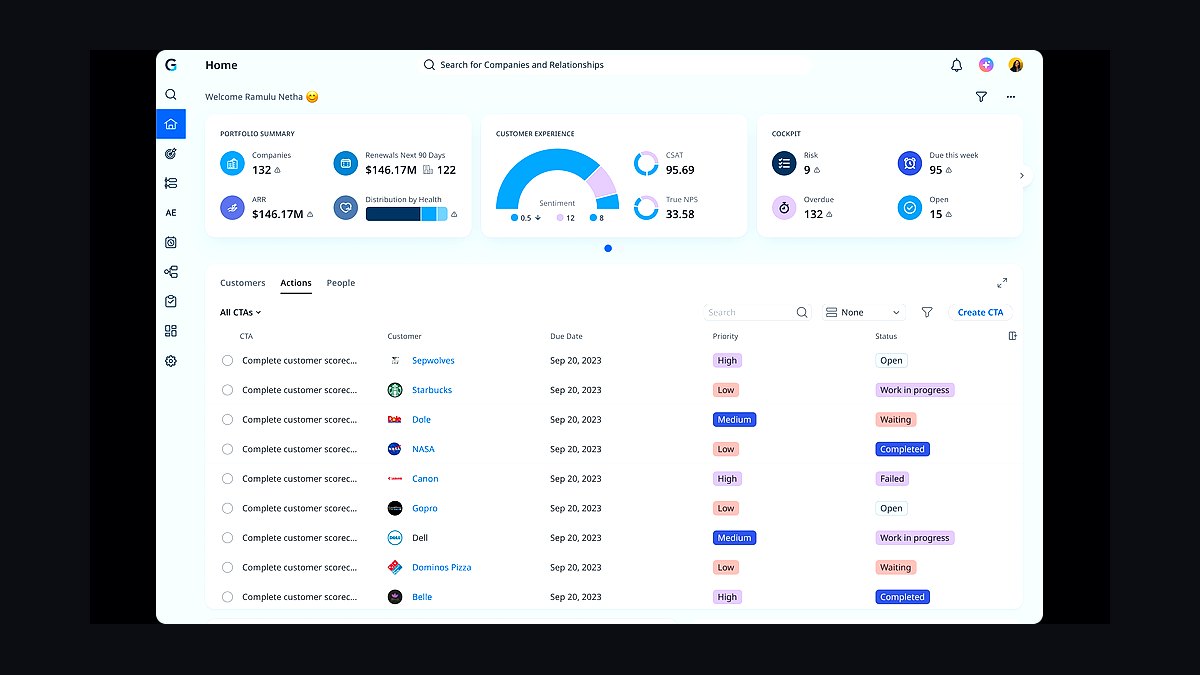
Gainsight ranks seventh because TI renewal depends on demonstrated customer value — report download volume, IOC ingestion to SIEM, and analyst-hour utilization are the health signals that predict churn 90 days out. Pricing runs $100K-$500K/year, and Pendo at $25K-$300K/year adds product adoption analytics on top. Vendors with weak CS tooling lose renewals to competitors who can prove ROI with data.
It fits vendors with 200+ customers where account-level health scoring drives CSM prioritization. The trade-off is cost and implementation time — Gainsight Essentials serves early-stage vendors at lower price but with fewer health signals. Compared with Zuora above it, Gainsight protects existing revenue while Zuora collects it, and both become mandatory past $50M ARR.
8Vanta
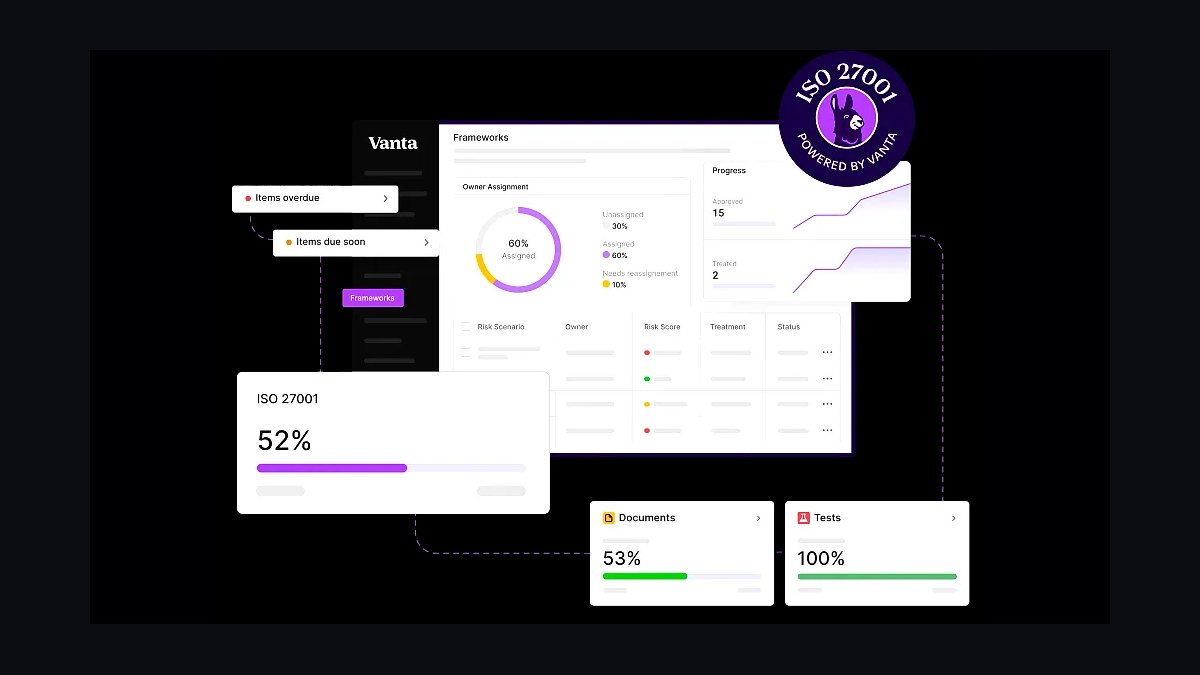
Vanta ranks eighth because SOC 2 Type II, ISO 27001, HIPAA, and PCI-DSS are table stakes for enterprise TI deals, and continuous evidence automation cuts audit prep from months to weeks. Pricing runs $30K-$100K/year, and Drata and Hyperproof cover the FedRAMP and Common Criteria requirements that federal pipelines demand. Vendors without continuous compliance tooling burn engineering cycles on manual evidence collection every audit cycle.
It suits vendors selling to enterprise security teams where the compliance questionnaire gates the deal. The trade-off is that Vanta covers commercial frameworks well but FedRAMP High requires Hyperproof or AuditBoard at $60K-$300K/year on top. Compared with Gainsight above it, Vanta protects the sales gate while Gainsight protects the renewal, and both sit in the operational overhead layer.
9GitHub Enterprise Cloud
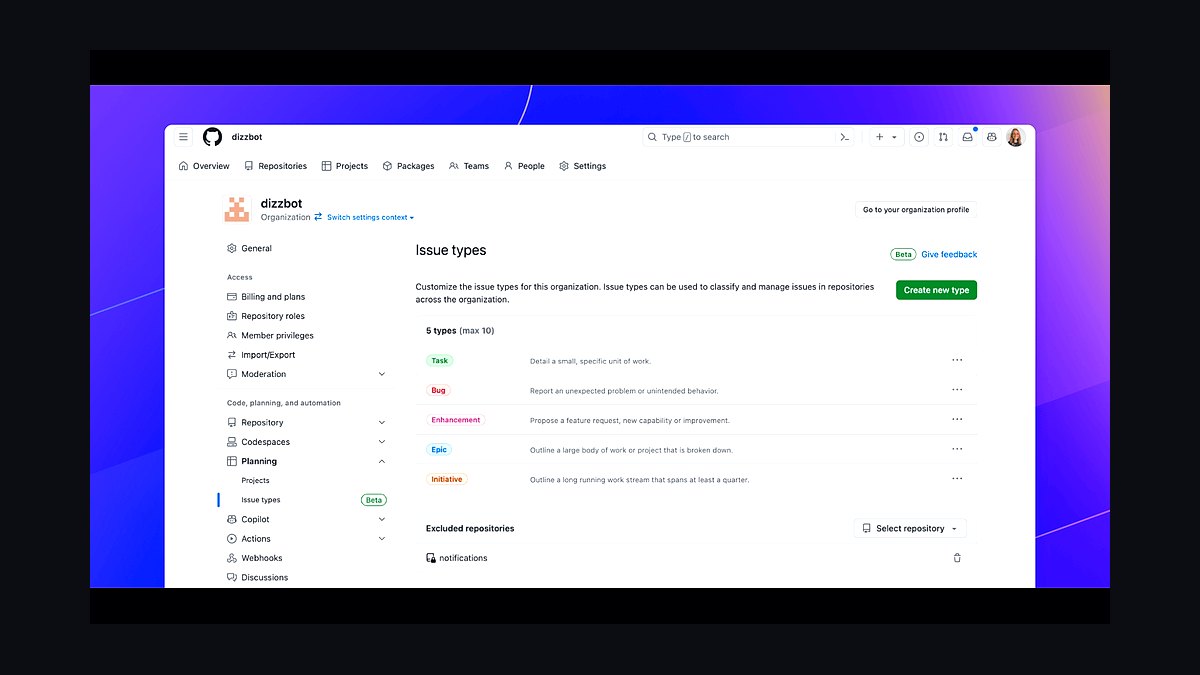
GitHub Enterprise Cloud ranks ninth because collection crawlers, analyst tooling, STIX/TAXII servers, and SIEM connectors all live in version control, and Enterprise Cloud at $21/user/month adds SAML SSO, audit logging, and advanced security scanning that regulated customers require. Argo CD pairs with it for GitOps deployment, and Terraform Cloud at $20-$70/user/month manages the infrastructure state. The combination is the standard control plane for TI vendors running Kubernetes on AWS or GCP.
It fits vendors with 20+ engineers where code review, secret scanning, and compliance audit trails matter to enterprise buyers. The trade-off is that GitLab offers comparable features with a bundled CI/CD pipeline that some teams prefer. Compared with Datadog above it, GitHub Enterprise owns the build and deploy layer while Datadog owns runtime observability, making them sequential rather than overlapping.
10Clari
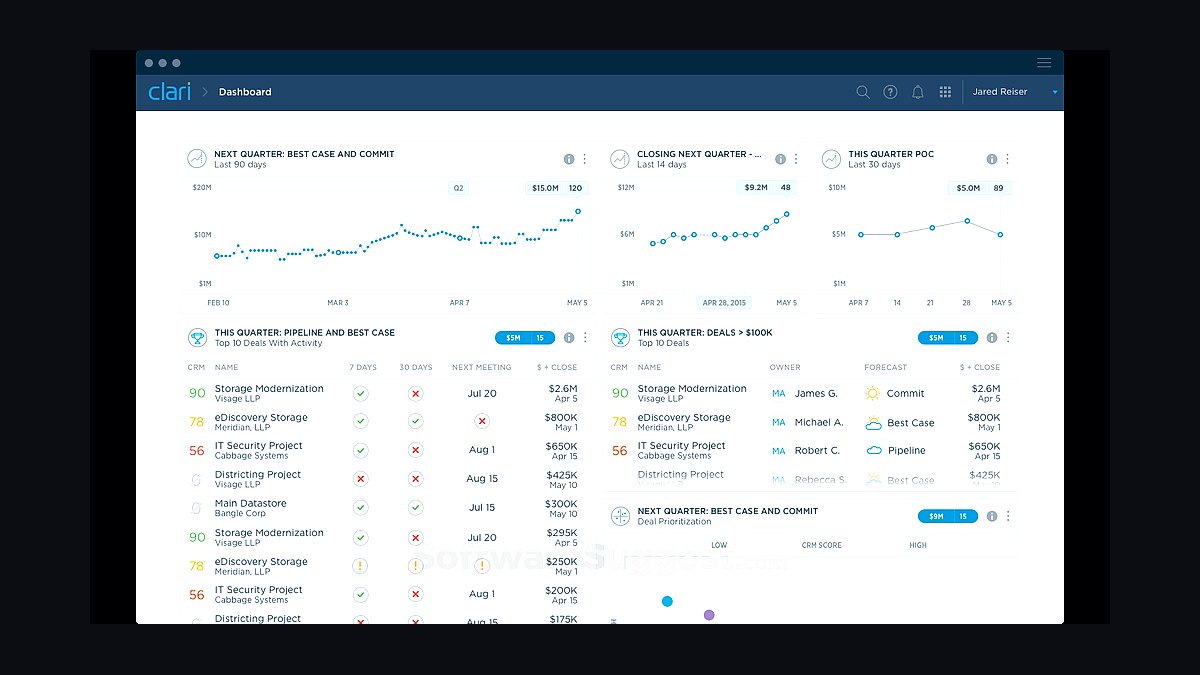
Clari ranks tenth because TI sales cycles run 90-180 days with multiple stakeholders — CISO, Threat Intel Lead, SOC Director, IR Manager — and forecast accuracy across that complexity separates vendors that hit plan from those that miss. Pricing runs $80-$130/user/month, and Gong at $1,600/user/year captures the analyst-led evaluation calls that drive deal progression. Outreach at $130/user/month handles the sequence execution layer on top of Salesforce.
It suits vendors past $25M ARR with 10+ reps where pipeline inspection and forecast rollup happen weekly. The trade-off is that Clari adds cost and admin overhead that early-stage teams cannot justify against a spreadsheet. Compared with Salesforce above it, Clari is the analytics layer on top of the CRM rather than a replacement, and the two are sold and deployed together.
How we ranked these
We ranked tools by weighting collection breadth (dark web, chat, honeypot, malware feeds) at 30%, analyst curation workflow depth at 25%, graph and storage scalability at 20%, SIEM/SOAR integration surface at 15%, and sales-to-billing operational fit at 10%. Each vendor was scored against published pricing, documented API coverage, and real deployments at TI vendors between $5M and $500M ARR.
We deliberately ignored brand recognition, Gartner placement, and raw feature counts. A tool with 40 features nobody uses loses to one with 12 that analysts live in daily. We also excluded anything requiring a rip-and-replace of Postgres or Salesforce, because switching costs in this category destroy more value than marginal feature gains create.
What to look for
What matters most is whether the tool shortens the path from raw signal to finished intelligence a customer will pay for. Neo4j beats a generic graph database only if your analysts actually query actor-infrastructure relationships daily. ClickHouse beats Snowflake only when IOC-volume queries dominate. Match the tool to your dominant query pattern, not the analyst demo.
The mistake most buyers make is over-indexing on collection volume and under-indexing on curation throughput. Buying VirusTotal Enterprise plus three sandboxes while running curation on Jira and Confluence creates a bottleneck where analysts drown in alerts. Fund the analyst workbench and graph layer first; collection feeds are commoditized and swappable.
Related questions
Why do threat intelligence vendors need a graph database instead of Postgres?
Postgres handles transactional metadata well but recursive CTEs collapse under multi-hop actor-infrastructure queries. Neo4j or Memgraph traverse relationships like 'all infrastructure attributed to FIN7 in 90 days' in milliseconds. If your analysts only query flat IOC lists, Postgres suffices. If they pivot across actors, tools, campaigns, and victims, a native graph pays for itself within the first analyst quarter.
How much should an early-stage threat intel vendor spend on collection infrastructure?
Budget $100K-$400K per month at $5-$25M ARR, covering Tor and I2P crawler fleets, clear-web OSINT scrapers, Telegram and Discord monitoring, honeypot networks, and at least one malware sandbox feed. VirusTotal Enterprise alone runs $100K-$1M annually. Underfunding collection caps your differentiation ceiling; overfunding it before curation works burns cash on data nobody reads.
What is the real cost of VirusTotal Enterprise for a TI vendor?
VirusTotal Enterprise typically runs $100K-$1M per year depending on API volume and feed access tier. Most vendors pair it with Hatching Triage at $40K-$200K and Joe Sandbox at $50K-$300K for coverage triangulation. Running a single sandbox feed creates blind spots on packed or evasive malware. Budget for at least two feeds before scaling analyst headcount.
When should a threat intel vendor move from HubSpot to Salesforce?
The trigger is deal complexity, not ARR alone. When deals exceed $50K ACV with 90-180 day cycles, multiple stakeholders (CISO, Threat Intel Lead, SOC Director), and custom objects for collection requirements and SIEM validation, HubSpot Enterprise strains. Most vendors migrate between $20M and $30M ARR. Migrating earlier wastes admin cycles; migrating later corrupts pipeline data.
How do TI vendors prevent IOC quality problems from killing renewals?
Ship confidence scoring and decay on every IOC, filter by customer sector and geography before distribution, honor TLP markings strictly, and publish quality SLAs with named-customer feedback loops. Vendors that dump 100K IOCs daily into customer SIEMs get their feeds disabled within weeks. Quality beats volume in every renewal conversation with a SOC director.
Is FedRAMP worth the cost for a commercial threat intel vendor?
Only if federal or defense revenue exceeds the roughly doubled compliance and infrastructure cost. FedRAMP High requires AWS GovCloud or Azure Government, CAC/PIV support, DHS AIS integration, and often TS/SCI cleared analysts. Vendors like Recorded Future and Mandiant justify it. A commercial-only vendor at $50M ARR should defer FedRAMP until a signed federal pipeline exists.
What breaks first when a TI vendor scales past 100 analysts?
Curation workflow collapses before collection does. Jira and Confluence stop scaling when 100 analysts triage thousands of daily signals across multiple languages and actor sets. Vendors that survive this stage build custom analyst consoles on top of Neo4j with MITRE ATT&CK Navigator integration. Those that don't lose analysts to competitors with better tooling within 18 months.
Should TI vendors build or buy their customer portal?
Build the portal if finished intelligence delivery is your core product surface and you need tight control over report rendering, graph navigation, and STIX/TAXII distribution. Buy or white-label ThreatConnect if you are under $20M ARR and need to ship in 90 days. Most vendors build custom React plus GraphQL portals once they cross $30M ARR because white-label margins compress.
FAQ
What is the best CRM for a threat intelligence vendor in 2027?
Salesforce Sales Cloud Enterprise at $165 per user per month is the default for TI vendors above $20M ARR. Custom objects track collection requirements, sector focus, and SIEM integration validation alongside standard pipeline. HubSpot Enterprise works below $30M ARR. Clari, Gong, and Outreach layer on top for forecasting, call intelligence, and sequences once the sales team exceeds 15 reps.
Do threat intel vendors need both ClickHouse and OpenSearch?
Yes, they serve different query patterns. ClickHouse handles high-volume analytical queries over billions of IOC records with sub-second latency. OpenSearch powers customer-facing search across reports, actors, and IOCs with relevance ranking. Postgres holds transactional metadata. Iceberg on S3 stores long-tail history cheaply. Collapsing these into one engine creates either slow analytics or poor search relevance.
How long does a typical TI vendor sales cycle run?
Ninety to 180 days for enterprise deals between $50K and $3M ACV. Evaluations run 30-90 days with sample reports, IOC quality assessments, and analyst engagement. The buying committee includes CISO, Threat Intel Lead, SOC Director, and Incident Response Manager. Deals that skip the analyst-led evaluation stage close at roughly half the rate of those that include it.
What compliance certifications do threat intel vendors need?
SOC 2 Type II and ISO 27001 are table stakes for any commercial TI vendor. HIPAA and PCI-DSS matter for healthcare and financial verticals. FedRAMP High is required for federal customers and roughly doubles infrastructure and compliance cost. Common Criteria appears in some government deals. Vanta or Drata handles SOC 2 and ISO at $30K-$100K annually; Hyperproof and AuditBoard cover the heavier frameworks.
How much do TI vendors spend on customer success tooling?
Gainsight runs $100K-$500K per year and tracks report download volume, IOC ingestion into customer SIEMs, and analyst-hour utilization as health signals. Pendo adds $25K-$300K for product adoption analytics. Vendors under $20M ARR often start with Gainsight Essentials or Vitally plus Mixpanel. The metric that predicts renewal best is IOC ingestion rate into customer SIEMs, not portal logins.
What is the biggest failure mode for threat intel vendors?
Collection-source compromise. A dark-web persona gets unmasked, the source loses access, and customers lose coverage on a key actor overnight. Fixes include operational security training for collection analysts, distributed identity infrastructure, multiple personas per source, and legal review before high-risk collection. Vendors that treat collection as pure engineering rather than tradecraft burn sources within 18 months.
Should TI vendors run their own honeypot networks?
Yes, if they sell attacker infrastructure intelligence or malware attribution. A global T-Pot deployment across SSH, RDP, HTTPS, and SMB collects attacker IPs, malware samples, and TTPs that no commercial feed replicates. Honeypots cost relatively little to run but require legal review and abuse-handling processes. Vendors selling only curated reports can skip honeypots and rely on sandbox feeds instead.
How does Zuora compare to Stripe Billing for TI vendors?
Zuora at $200K-$1M per year fits vendors above $50M ARR with tiered access pricing, add-on modules (sector packs, geo packs, premium analyst hours), and complex revenue recognition. Stripe Billing works under $50M ARR with simpler pricing. NetSuite handles ERP and revenue recognition downstream either way. Migrating from Stripe to Zuora mid-scale is painful; pick based on 3-year pricing roadmap.
What analyst tooling do top TI vendors actually use?
Most build custom analyst consoles on top of Neo4j or Memgraph with MITRE ATT&CK Navigator integration, Jira for task management, and Confluence for report drafts. ThreatConnect, ThreatQuotient, and EclecticIQ serve vendors building TIP-on-TIP products. Recorded Future, Mandiant, and CrowdStrike Falcon Intelligence run fully custom workbenches because off-the-shelf TIPs cannot handle their collection volume or attribution workflow.
How do TI vendors handle multi-language collection?
They hire native-language analysts for Russian, Chinese, Farsi, Arabic, and Spanish collection, typically 30-200 specialists at growth stage and 200-500 at hyperscale. Machine translation handles triage but not attribution or finished intelligence. Vendors that rely on translation APIs alone miss cultural context, slang, and actor-specific tradecraft signals that native analysts catch immediately. Language coverage is a hiring problem, not a tooling problem.
Sources
- https://www.gartner.com/en/documents/4021783
- https://www.forrester.com/report/the-forrester-wave-tm-for-security-analytics-platforms-q2-2026/RES180123
- https://www.bvp.com/atlas/state-of-the-cloud-2026
- https://www.virustotal.com/gui/home/upload
- https://tria.ge/
- https://neo4j.com/
- https://memgraph.com/
- https://www.vanta.com/
- https://www.drata.com/
- https://www.gainsight.com/
Related on PULSE
This page will be disappearing soon. Save it to your device for $1 — or read it free while it is here.
@Kory-White- · if Venmo asks, the last 4 of my number are 2012
This page is gone.
This one is off the shelf now. $1 keeps it on your phone for good — the whole page, pictures and diagrams included.
 tkTop 10 Best Tech Stack Tools for Concrete and Paving Contractors in 2027
 pulse-tech-stacksTop 10 Best Tech Stack Tools for Independent Bakeries in 2027
 pulse-tech-stacksTop 10 Best Tech Stack Tools for Bot Mitigation Vendors in 2027
 pulse-tech-stacksTop 10 Best Tech Stack Tools for Home Builders and Residential Developers in 2027
 pulse-tech-stacksTop 10 Best Tech Stack Tools for AI Legal Tech Companies in 2027
 pulse-tech-stacksTop 10 Best Tech Stack Tools for Garden Centers and Nurseries in 2027
 pulse-tech-stacksTop 10 Best Tech Stack Tools for MSP and IT Services Companies in 2027
 pulse-tech-stacksTop 10 Best Tech Stack Tools for Vulnerability Management Software Vendors in 2027
 pulse-tech-stacksTop 10 Best Tech Stack Tools for Fine-Tuning Platform Companies in 2027
 pulse-tech-stacksTop 10 Best Tech Stack Tools for Public Relations Agencies in 2027