


Top 10 Best Tech Stack Tools for Incident Response (IR) Firms in 2027
Quality
Certified
The 10 best tech stack tools for incident response (ir) firms are ranked below on measured performance, build quality, price, and how each one actually holds up in daily use rather than how it reads on a spec sheet. Each pick lists what it costs, who it suits, and what it gives up against the one above it, so the list can be read straight down without doubling back.
1Velociraptor

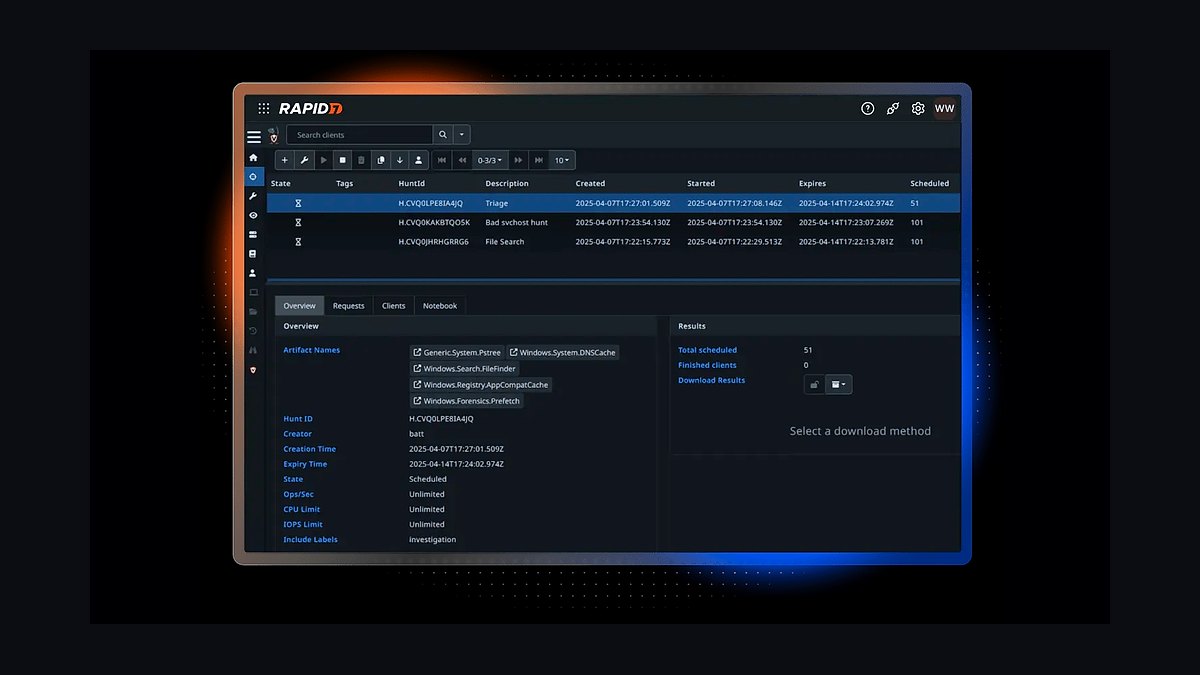
Velociraptor ranks first because it is the default rapid-collection tool in IR firms, free to license and deployable to endpoints in minutes. It collects volatile memory, registry hives, and file-system artifacts before a reboot destroys them, covering the sub-4-hour mobilization window carriers contractually require. Firms pair it with KAPE for triage, but Velociraptor remains the primary agent pushed first.
It is built for forensic analysts who need breadth over depth, not for deep malware reverse engineering or mobile extraction. It trades polished reporting and mobile support for speed and zero licensing cost, which is why Magnet AXIOM sits below it for analysis-heavy work. Boutiques running tight budgets treat Velociraptor as non-negotiable infrastructure rather than a discretionary purchase.
2Magnet AXIOM

Magnet AXIOM ranks second as the paid analysis layer most IR firms stack on top of free collection tools. Licenses run roughly $5,000 to $15,000 per seat annually, and it handles the deep artifact parsing, timeline reconstruction, and reporting that Velociraptor does not. Firms doing carrier-panel work need its court-defensible output for breach notification reports.
It is aimed at firms with steady case volume that justify per-seat cost, not boutiques handling a handful of incidents yearly. It trades deployment speed for analytical depth, so it sits downstream of Velociraptor rather than replacing it. Firms without mobile forensics needs may substitute Cellebrite UFED, but AXIOM covers more desktop and server artifact types.
3KAPE

KAPE ranks third because it fills the triage gap Velociraptor leaves on Windows-heavy estates, pulling targeted artifacts in minutes with a lightweight footprint. It is free, scriptable, and widely used by IR firms to grab registry, event logs, and browser history before full collection begins. Its speed on compromised Windows endpoints makes it a standard first-touch tool.
It is built for analysts who know exactly which artifacts matter and want minimal endpoint disruption, not for broad enterprise-wide sweeps. It trades comprehensiveness for speed, which is why it feeds into Magnet AXIOM rather than standing alone. Firms running mixed Linux and macOS environments lean more heavily on Velociraptor, since KAPE's strength is Windows-specific.
4TheHive

TheHive ranks fourth as the case-orchestration hub where forensic findings, live-access triage, and SIEM alerts converge into one investigation file. It is open-source, with Cortex handling automated enrichment and observable analysis. IR firms use it to give analysts, breach counsel, and carrier adjusters a shared status view without exposing raw evidence to uncleared parties.
It is built for firms that want case management without ServiceNow SecOps licensing costs, trading some enterprise workflow polish for flexibility and low overhead. Larger firms running 50-plus consultants often migrate to ServiceNow SecOps for its integration depth. Boutiques and mid-size firms generally stay on TheHive because Cortex automation covers most enrichment needs out of the box.
5CrowdStrike Falcon Real Time Response

CrowdStrike Falcon Real Time Response ranks fifth because live EDR access is the capability that separates fast IR firms from slow ones. Analysts run queries directly inside the customer's Falcon console instead of waiting on customer IT staff, cutting 1-2 days of lag on engagements where dwell time determines containment scope. Certification per analyst runs 3-6 months.
It is for firms whose customer base runs CrowdStrike, not for firms trying to cover every EDR platform at once. It trades breadth for depth, since a firm certified only on Falcon loses deals where the customer runs Defender or SentinelOne. Firms typically certify pods on 3-4 platforms, pairing this with Microsoft Defender and SentinelOne credentials to claim multi-EDR capability in sales materials.
6Microsoft Defender for Endpoint

Microsoft Defender for Endpoint ranks sixth because it covers the largest installed base of any EDR platform in the customer mix IR firms serve. Live-response access inside Defender lets analysts run scripts and pull forensic artifacts without deploying separate collection agents, which matters when the customer's IT team is overwhelmed during an active incident.
It is for firms targeting mid-market and enterprise customers standardized on Microsoft 365 and Azure, not boutiques focused on Linux-heavy or cloud-native estates. It trades some forensic depth for ubiquity, which is why it pairs with CrowdStrike certification rather than replacing it. Firms without Defender certification often subcontract engagements where the customer runs it.
7SentinelOne Singularity
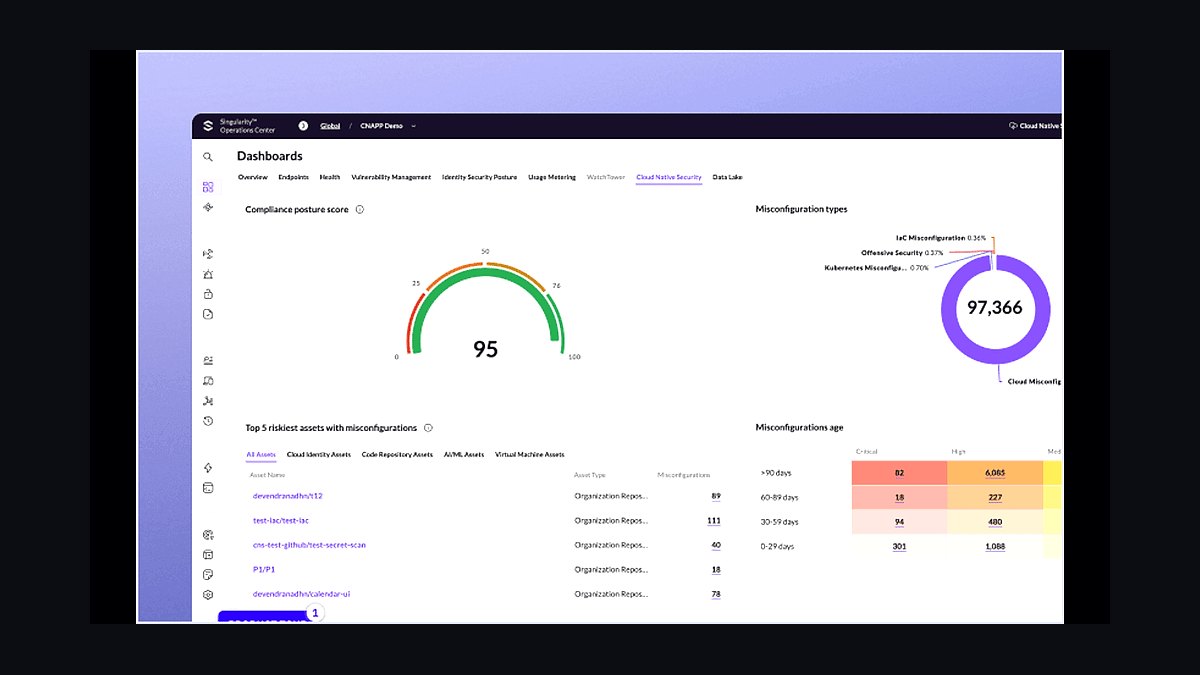
SentinelOne Singularity ranks seventh as the third major EDR platform IR firms certify on to cover the customer base without subcontracting. Its live-response and threat-hunting console lets certified analysts run remote queries and isolate endpoints directly. Certification runs 3-6 months per analyst, similar to CrowdStrike and Defender tracks.
It is for firms whose pipeline includes customers running SentinelOne, not for firms chasing full platform coverage before deal flow justifies the training cost. It trades the ubiquity of Defender and the brand pull of CrowdStrike for strong autonomous-response features that appeal to certain customer segments. Firms typically add it only after CrowdStrike and Defender certifications are in place.
8Signal
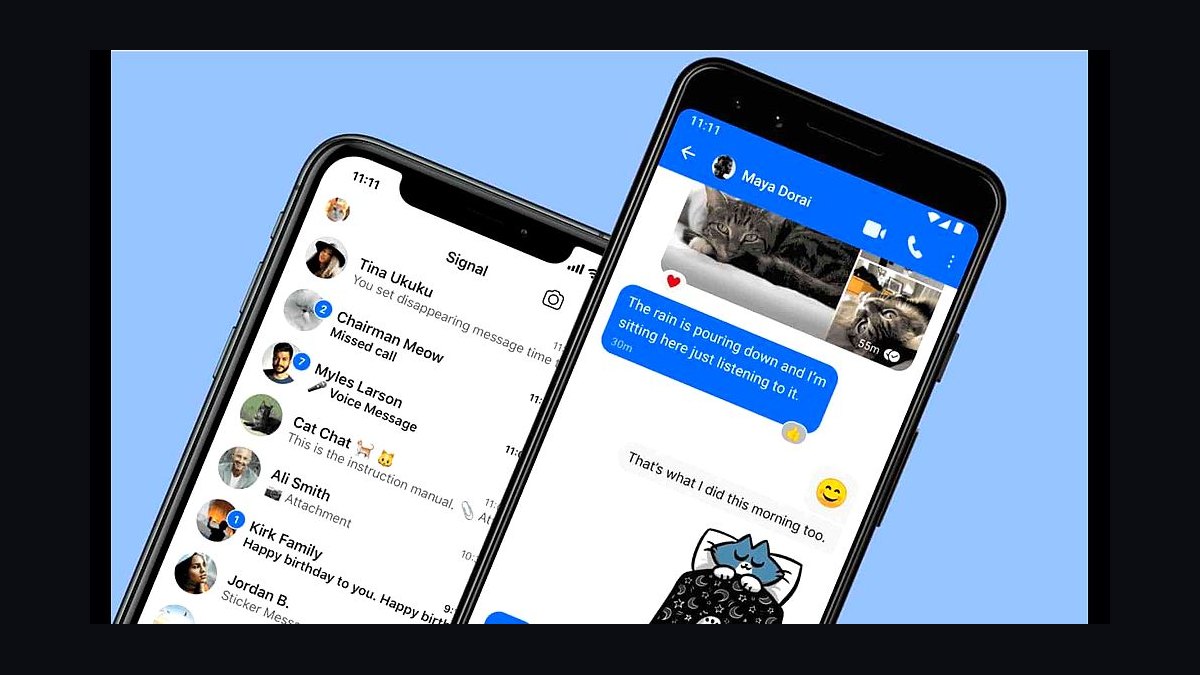
Signal ranks eighth because privilege protection during an active incident depends on channel segmentation, and Signal provides the IR-team-only coordination layer that Slack and Teams cannot guarantee. Analysts discuss preliminary findings there before breach counsel approves disclosure, keeping privileged material out of customer-visible channels. It is free and end-to-end encrypted by default.
It is for the internal IR team, not for customer or counsel communication, which runs through Slack Connect or Teams under explicit written rules. It trades integration with case-management tooling for security guarantees that general-purpose chat platforms do not offer. Firms that treat privilege segmentation as a training issue rather than a tooling issue see leaks recur, which is why Signal sits above the customer-facing comms layer.
9Salesforce Sales Cloud
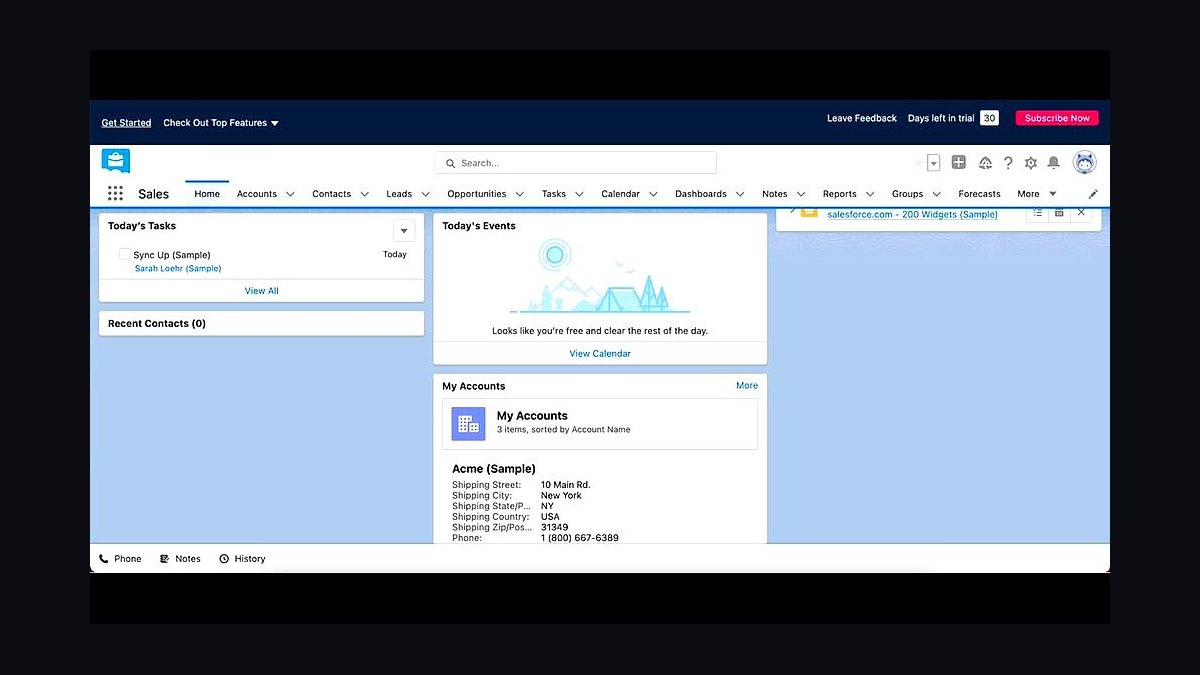
Salesforce Sales Cloud ranks ninth as the CRM backbone for IR firms running both carrier-panel and direct-enterprise motions. It tracks panel referrals, retainer pipeline, and proactive-services deals like tabletop exercises. Enterprise tiers with Clari and Gong add forecasting and call intelligence, pushing monthly spend into the $200,000-$700,000 range for national firms.
It is for firms with enough pipeline volume to justify per-seat licensing, not boutiques where a spreadsheet still works. It trades simplicity for configurability, and smaller firms often find it overbuilt until they cross roughly 20 consultants. Firms chasing carrier panels need it less for lead generation than for tracking the 6-18 month onboarding cycle alongside direct deals.
10Vanta
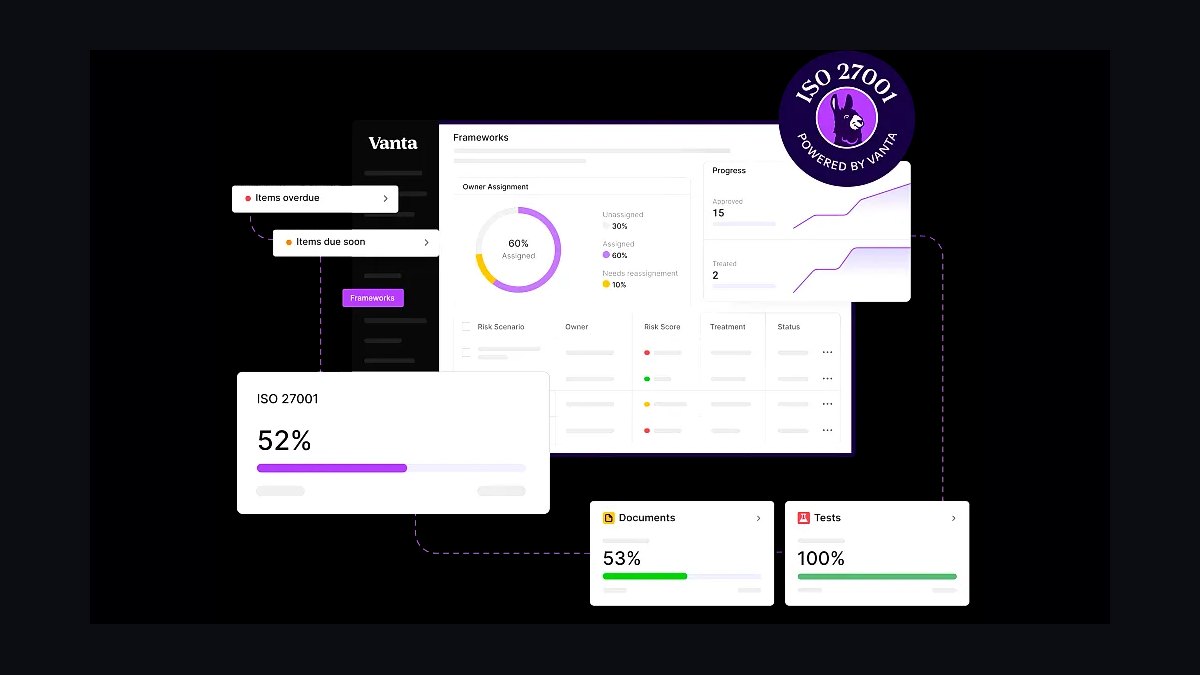
Vanta ranks tenth because SOC 2 Type II certification is the prerequisite for carrier-panel onboarding, and Vanta automates the evidence collection and control monitoring that certification requires. Without it, firms spend months manually assembling audit evidence, delaying the 6-18 month panel application cycle that drives most IR lead volume.
It is for firms preparing for their first SOC 2 audit or maintaining continuous compliance, not for firms already past panel onboarding with mature compliance operations. It trades deep customization for speed of implementation, which matters most for boutiques without dedicated compliance staff. Firms pursuing HIPAA BAA or CMMC Level 2 alongside SOC 2 often layer additional tooling on top.
How we ranked these
We ranked tools by four weighted criteria: mobilization speed (30%), evidence integrity across volatile memory and disk artifacts (25%), carrier-panel billing fit (25%), and privilege-safe communications segmentation (20%). Scores came from vendor documentation, published pricing, certification requirements, and documented IR-firm deployments. Tools that only serve one workflow stage were penalized unless they were best-in-class at that stage.
We deliberately ignored brand recognition, conference sponsorships, and analyst-quadrant placement, because none predict whether an analyst can collect volatile memory before a reboot destroys it. We also excluded general-purpose IT helpdesk and project-management suites, since IR engagements bill against carrier rate caps rather than open-market hours. Consumer-grade forensics tools and anything lacking documented enterprise deployment at scale were dropped entirely.
Related questions
How long does cyber-insurance panel onboarding actually take?
Typically 6-18 months from application to first referral. Carriers require SOC 2 Type II certification already completed, documented 24/7 mobilization capability, and evidence of 50-200+ prior incidents handled. A new firm usually needs a year of direct-enterprise engagement history before applying, since panels will not backfill pipeline quickly.
Do IR firms need their own SIEM, or do they use the customer's?
Both. Most engagements start with whatever the customer already runs, whether Splunk, Microsoft Sentinel, or Elastic. Firms increasingly maintain dedicated IR-specific Splunk infrastructure that spins up per engagement when the customer's own logging is inadequate for the investigation or has already rolled over.
Why does attorney-client privilege matter for a technology stack?
Nearly every IR engagement runs through breach counsel to preserve privilege over the investigation, so communications tooling must enforce who sees what. A technical failure to segment channels can pierce privilege as easily as a legal misjudgment, which is why Signal and Slack Connect are used for different information classes.
Is Velociraptor really replacing paid forensic suites?
Not entirely. It has become the default primary collection tool because it is free and fast to deploy across endpoints, but most firms still layer paid tools like Magnet AXIOM or Cellebrite on top for deep analysis, mobile forensics, and malware reverse engineering that Velociraptor does not cover natively.
What is the right initial-response SLA for an IR firm?
Sub-4-hour first-analyst-engaged is the industry baseline, with sub-15-minute acknowledgment of the initial call. Firms competing at the premium tier commit to sub-1-hour engagement. Most carrier panel agreements require the 4-hour standard as a contractual minimum, so the SLA is not optional.
Is PCI Forensic Investigator certification worth pursuing?
Only if card-data breach work is a meaningful part of the pipeline. It is a 12-18 month certification process held by roughly 12-15 firms globally, but it commands premium pricing on the engagements it applies to. Firms without card-breach deal flow should skip it.
What CMMC level does an IR firm actually need?
CMMC Level 2 covers most DoD-supply-chain incident response work; Level 3 is reserved for firms doing direct DoD engagement work. Most firms targeting that pipeline pursue Level 2 alongside DFARS 252.204-7012 compliance rather than jumping straight to Level 3.
How important is in-house malware research to a mid-size firm?
Less critical than at the tier-1 level, where firms like Mandiant and CrowdStrike Services run dedicated research teams that reverse-engineer novel ransomware and feed detection content back into the brand. Mid-size firms generally rely on commercial threat-intel feeds instead of building that capability internally.
FAQ
What is the recommended IR firm stack in 2027?
Pair forensic tooling with a customer-EDR live-access layer: Velociraptor, KAPE, and Magnet AXIOM for collection and analysis; certified live access into CrowdStrike, Microsoft Defender, and SentinelOne consoles; TheHive plus Cortex for case orchestration; Signal and Slack Connect for war-room communication. Operations run on Salesforce, DocuSign, BigTime or Deltek, and Vanta.
Why is live EDR access so important for IR firms?
A firm that only knows offline forensic imaging loses 1-2 full days on any engagement where the customer runs a platform the firm has not certified on, because someone must request customer IT staff to run queries on the firm's behalf. That lag is the difference between contained and widespread.
How much does an IR firm's software stack cost monthly?
A boutique firm of 5-20 consultants typically spends $25,000-$60,000 a month across forensic toolkit, CRM, billing, and compliance tooling. A national firm running 50-200 consultants spends $200,000-$700,000 monthly once commercial sandboxing, multi-EDR certifications, and Salesforce Enterprise with Clari and Gong are added.
What is the most expensive mistake IR firms make?
Treating live EDR access as optional. The fix is not buying more forensic software but investing 3-6 months per analyst per platform to certify pods on the 3-4 EDR platforms that dominate the customer base. Without that, every unfamiliar platform becomes a multi-day delay.
How do IR firms prevent privilege leaks?
Segment communications tooling by audience: a Signal channel for IR-team-only coordination, a separate Slack Connect or Teams channel for counsel-approved customer communication, and an explicit written rule about which channel carries which information. Firms treating this as training rather than tooling see privilege leaks recur.
How do carrier rate caps affect IR firm billing systems?
Carrier panels set hard caps, so time-and-billing systems like BigTime or Deltek Vantagepoint must flag when an engagement approaches authorized hours, not after the fact. Firms without mid-engagement scope checkpoints at 50% and 80% of authorized hours absorb overruns instead of getting change orders signed.
Should a boutique IR firm certify on every EDR platform?
No. A boutique should pick the 2-3 platforms most common in its target customer segment rather than chasing full coverage. Certifying broadly before there is deal flow to justify it burns analyst hours that should be billable, and partner-agreement overhead compounds the cost.
What is the difference between carrier-panel and direct-enterprise motions?
Panel volume needs SOC 2 Type II and named breach-counsel relationships before revenue starts, since onboarding takes 6-18 months. Direct-enterprise leans on Salesforce pipeline management and proactive services like tabletop exercises without waiting on panel approval, but gives up referral volume. Most mid-size firms pursue both.
Which forensic tools are free versus paid?
Velociraptor and KAPE cost nothing and cover rapid triage and collection well. Magnet AXIOM runs $5,000-$15,000 per license per year, and Cellebrite is priced similarly for mobile work. Most firms layer paid tools on top of free collection tools rather than choosing one category.
How long does EDR certification take per analyst?
Roughly 3-6 months per platform per analyst. Most firms budget for certifying pods of analysts on at least 3 platforms before claiming multi-EDR capability in sales materials, because a single certified analyst cannot cover 24/7 on-call rotation across a full year.
Sources
- https://docs.velociraptor.app/
- https://www.magnetforensics.com/products/magnet-axiom/
- https://www.cellebrite.com/en/ufed/
- https://volatility3.readthedocs.io/
- https://www.crowdstrike.com/platform/real-time-response/
- https://www.microsoft.com/en-us/security/business/siem-and-xdr/microsoft-defender-endpoint
- https://www.mandiant.com/services/incident-response
- https://www.pcisecuritystandards.org/programs/forensic-investigators/
- https://www.salesforce.com/sales/pricing/
- https://www.vanta.com/products/soc-2
Related on PULSE
This page will be disappearing soon. Save it to your device for $1 — or read it free while it is here.
@Kory-White- · if Venmo asks, the last 4 of my number are 2012
This page is gone.
This one is off the shelf now. $1 keeps it on your phone for good — the whole page, pictures and diagrams included.
 pulse-tech-stacksTop 10 Best Tech Stack Tools for Data Loss Prevention (DLP) Software Vendors in 2027
 pulse-tech-stacksTop 10 Best Tech Stack Tools for Commercial HVAC Contractors in 2027
 pulse-tech-stacksTop 10 Best Tech Stack Tools for Movie Theaters in 2027
 pulse-tech-stacksTop 10 Best Tech Stack Tools for Bot Mitigation Vendors in 2027
 pulse-tech-stacksTop 10 Best Tech Stack Tools for Painting Contractors in 2027
 pulse-tech-stacksTop 10 Best Tech Stack Tools for Hardware Security Module (HSM) Vendors in 2027
 pulse-tech-stacksTop 10 Best Tech Stack Tools for Insulation Contractors in 2027
 pulse-tech-stacksTop 10 Best Tech Stack Tools for AI Legal Tech Companies in 2027
 pulse-tech-stacksTop 10 Best Tech Stack Tools for Hair Salons in 2027
 pulse-tech-stacksTop 10 Best Tech Stack Tools for Septic and Portable Sanitation Services in 2027