


Top 10 Best Tech Stack Tools for DevSecOps Tooling Vendors in 2027
Quality
Certified
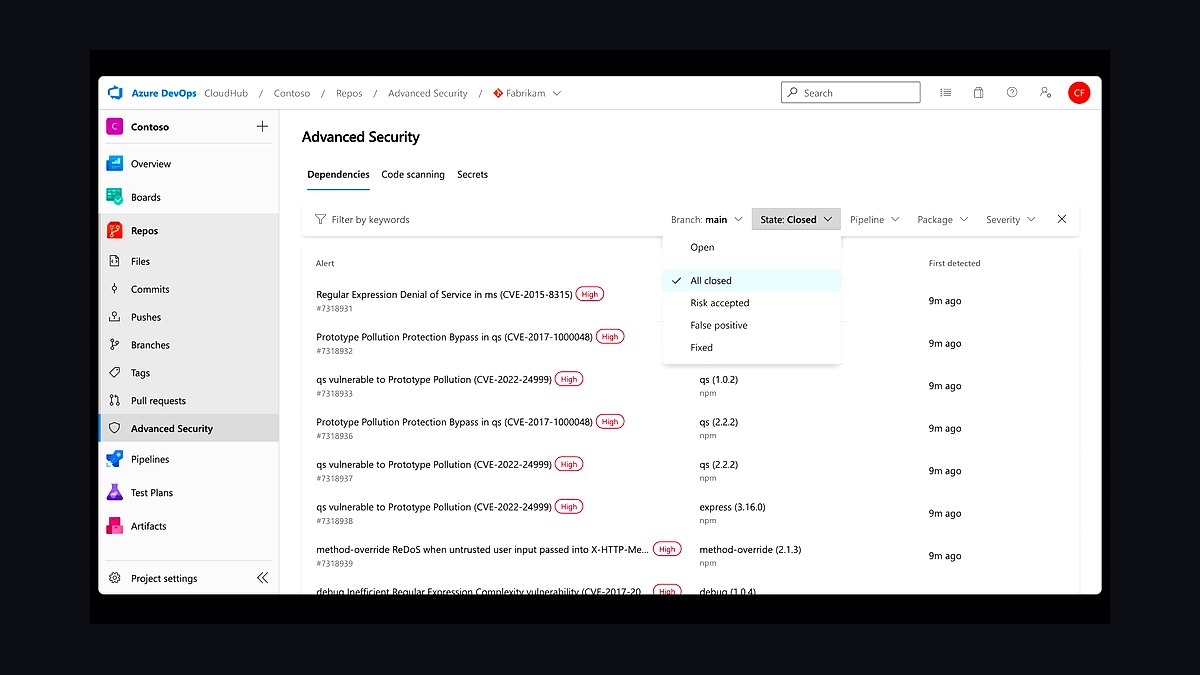
The 10 best tech stack tools for devsecops tooling vendors are ranked below on measured performance, build quality, price, and how each one actually holds up in daily use rather than how it reads on a spec sheet. Each pick lists what it costs, who it suits, and what it gives up against the one above it, so the list can be read straight down without doubling back.
1GitHub Advanced Security
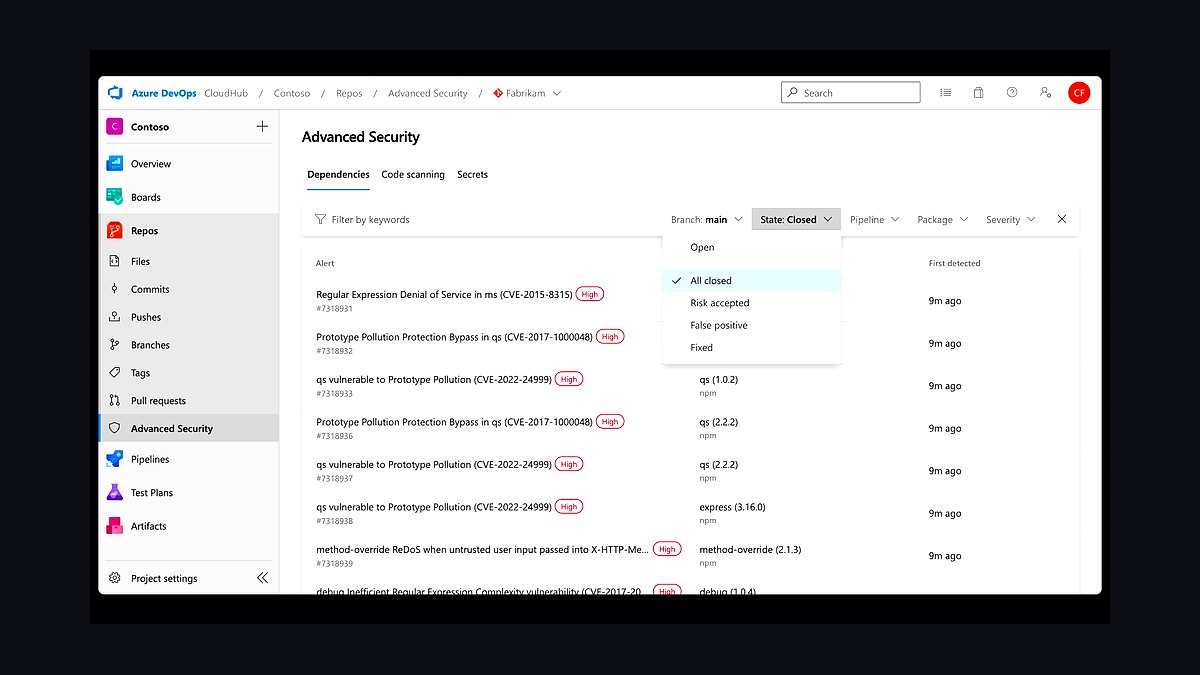
GitHub Advanced Security ranks first because it bundles CodeQL semantic SAST, secret scanning, and dependency review directly into GitHub Enterprise Cloud at $49/user/month on top of GHE's $21/user/month. For any DevSecOps vendor whose customers live on GitHub, that native PR-comment workflow removes the single biggest adoption blocker: developers never leave the platform they already use.
It suits vendors selling to GitHub-centric engineering orgs that value zero-integration-friction over engine breadth. It trades away multi-platform CI/CD coverage, deep IaC scanning, and the bottoms-up PLG motion that Snyk perfected, so customers on GitLab or Jenkins still need a second tool. Compared with Snyk at rank two, it wins on bundling but loses on developer-love brand equity.
2Snyk Developer Security Platform
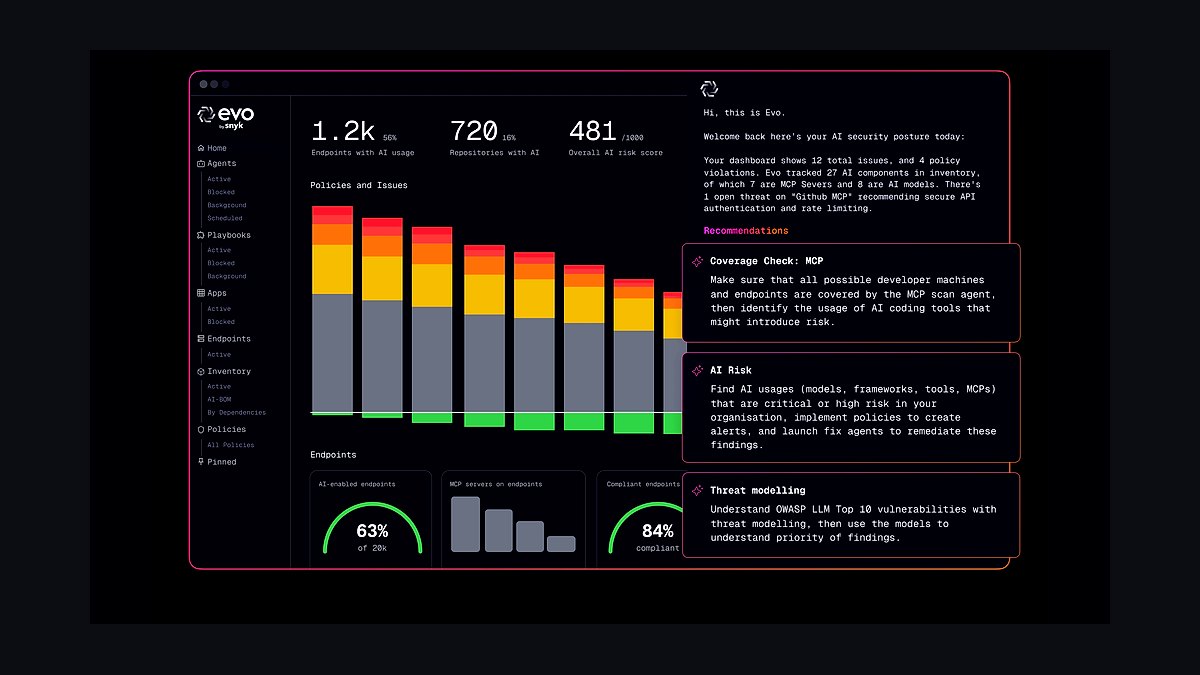
Snyk ranks second because it defined the bottoms-up PLG motion that took it from $0 to over $100M ARR, and its multi-engine coverage spans SAST, SCA, secrets, IaC, and container scanning across npm, PyPI, Maven, Go modules, Cargo, and NuGet. Snyk Reachability cuts SCA false positives by 50-80%, which is the metric that keeps developers from disabling the integration.
It fits growth-stage vendors that need broad language coverage and a developer-experience brand that CISOs already recognize. It trades away the bundled pricing advantage of GitHub Advanced Security and the audit-ready enterprise reporting that Veracode and Checkmarx still own. Against rank three GitLab Ultimate, Snyk wins on polyglot depth but loses on single-platform consolidation.
3GitLab Ultimate
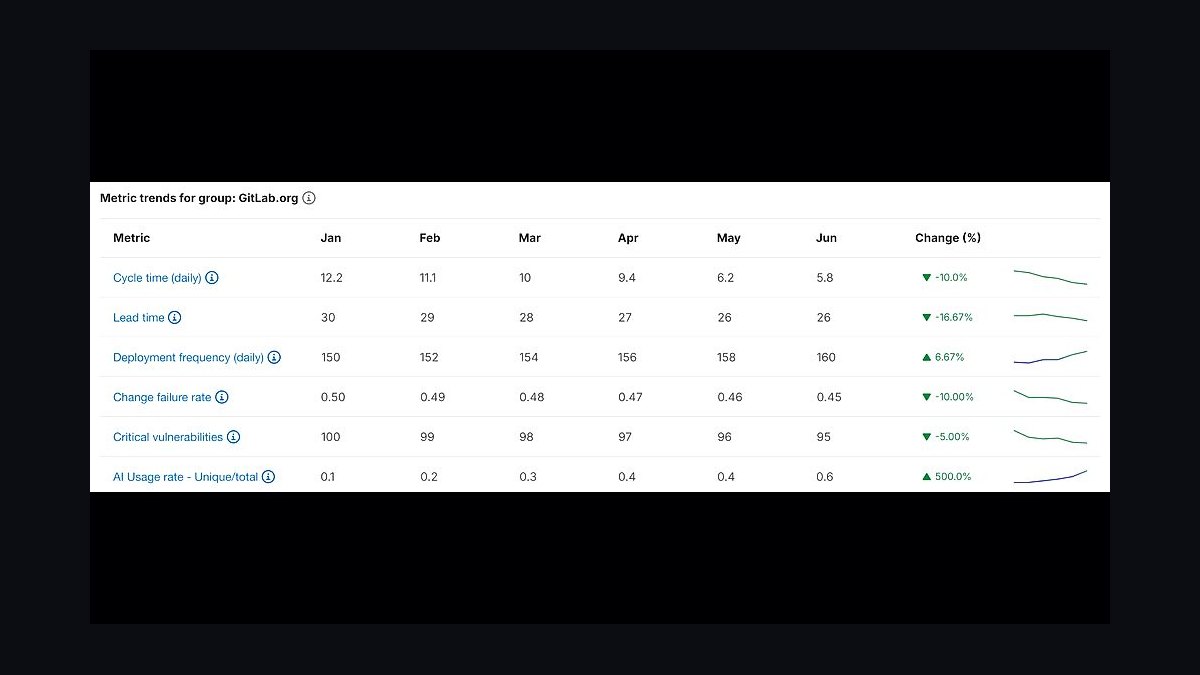
GitLab Ultimate ranks third because it consolidates SAST, DAST, dependency scanning, container scanning, secret detection, and license compliance into one platform at roughly $99/user/month, eliminating the multi-vendor integration tax that slows DevSecOps rollouts. For vendors already standardized on GitLab CI, every scanner is a pipeline template away from production.
It suits enterprises that prioritize platform consolidation and audit-ready compliance artifacts over best-of-breed engine quality. It trades away the IDE-plugin depth and reachability analysis that Snyk and Endor Labs lead on, so polyglot teams often bolt on a second scanner. Against rank four Semgrep, GitLab wins on breadth but loses on SAST rule customization and scan speed.
4Semgrep SAST Engine
Semgrep ranks fourth because its pattern-based SAST engine scans millions of lines per second, supports 30-plus languages, and lets security teams write custom rules in YAML without a compiler. Its open-source core gives vendors a credible engine layer at zero license cost, with Semgrep Pro adding cross-file taint analysis for proprietary differentiation.
It suits vendors building a SAST capability that needs custom rule libraries and vertical-specific detections without 24 engineer-months of proprietary scanner R&D. It trades away the deep semantic dataflow analysis that CodeQL provides, so memory-safety and complex taint bugs can slip through. Against rank five Trivy, Semgrep wins on SAST depth but loses on container and SBOM breadth.
5Trivy Scanner
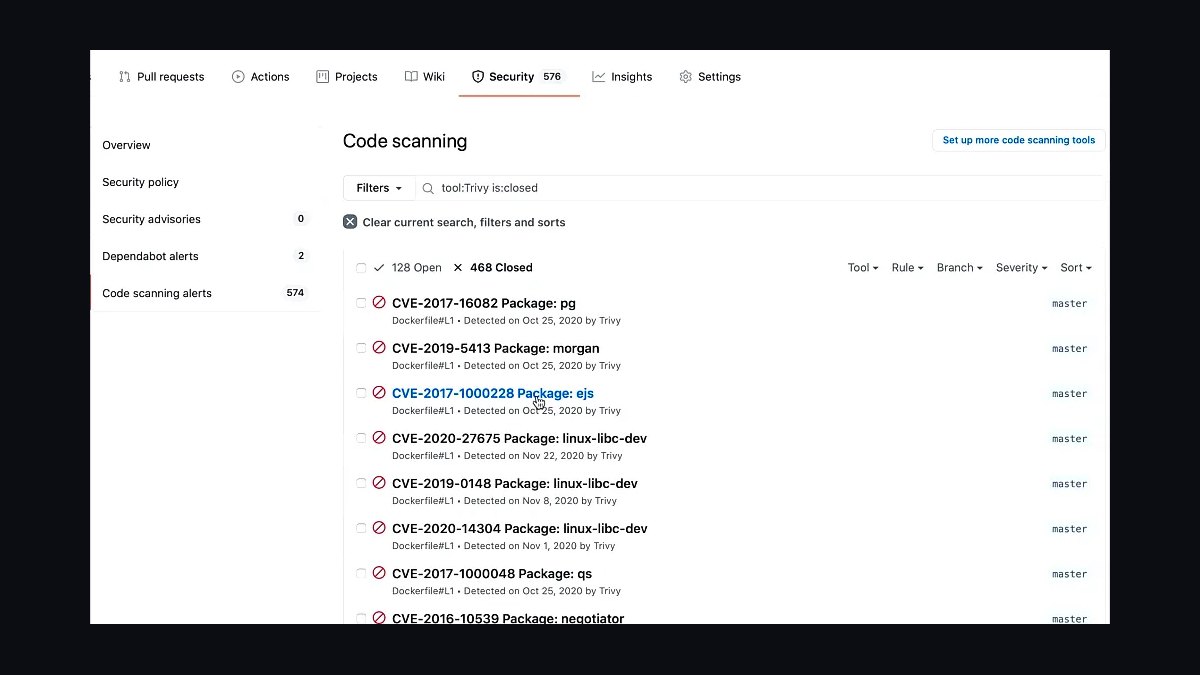
Trivy ranks fifth because it covers container images, filesystems, Git repos, Kubernetes, and IaC misconfigurations in a single Go binary, matching vulnerabilities against OSV, NVD, and GHSA databases. Aqua Security maintains it under Apache 2.0, so vendors can embed it as an engine layer without per-scan licensing costs.
It suits vendors shipping container and IaC scanning who need broad coverage fast and can layer proprietary reachability or false-positive reduction on top. It trades away the semantic SAST depth of Semgrep and CodeQL, so it cannot replace a dedicated SAST engine. Against rank six Checkov, Trivy wins on container coverage but loses on IaC policy breadth and Terraform-specific checks.
6Checkov IaC Scanner
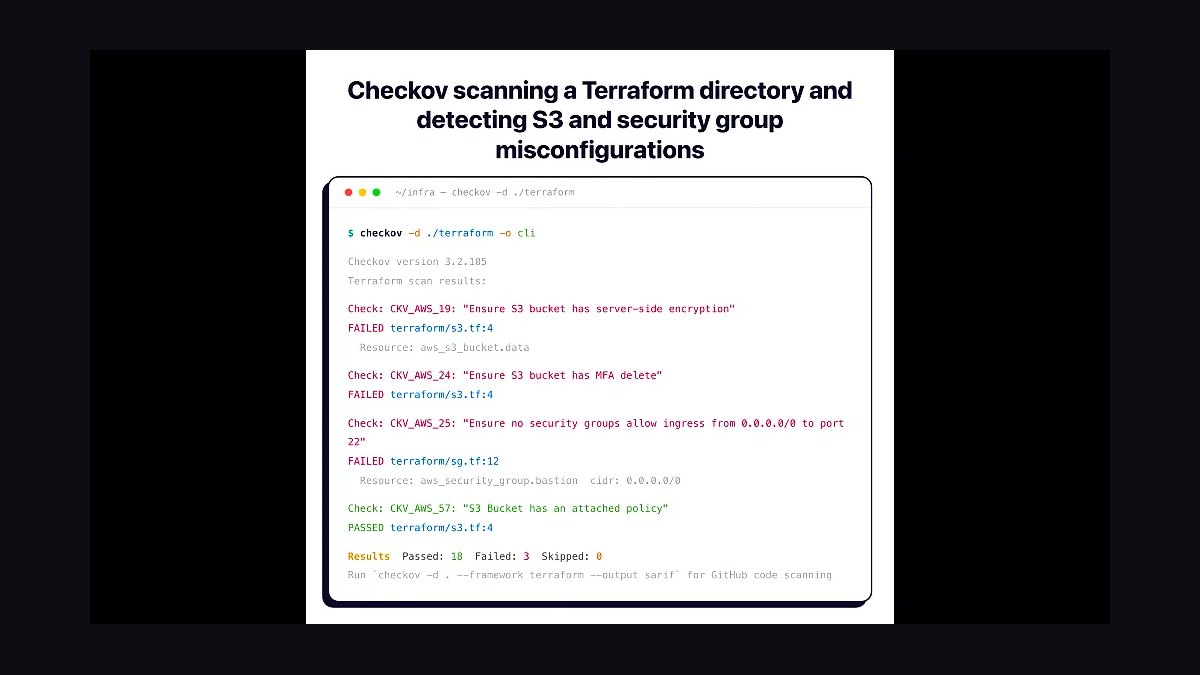
Checkov ranks sixth because it ships over 1,000 built-in policies for Terraform, CloudFormation, Kubernetes, Helm, ARM, and Serverless, making it the widest IaC misconfiguration engine available under Apache 2.0. Prisma Cloud maintains it, and vendors can add custom Python or YAML policies to cover vertical-specific compliance frameworks.
It suits vendors whose customers run heavy Terraform and CloudFormation estates and need IaC scanning parity without building policy libraries from scratch. It trades away runtime cloud posture scanning and the container image coverage that Trivy provides, so most stacks pair the two. Against rank seven Sigstore Cosign, Checkov wins on static misconfiguration breadth but loses on supply-chain attestation entirely.
7Sigstore Cosign
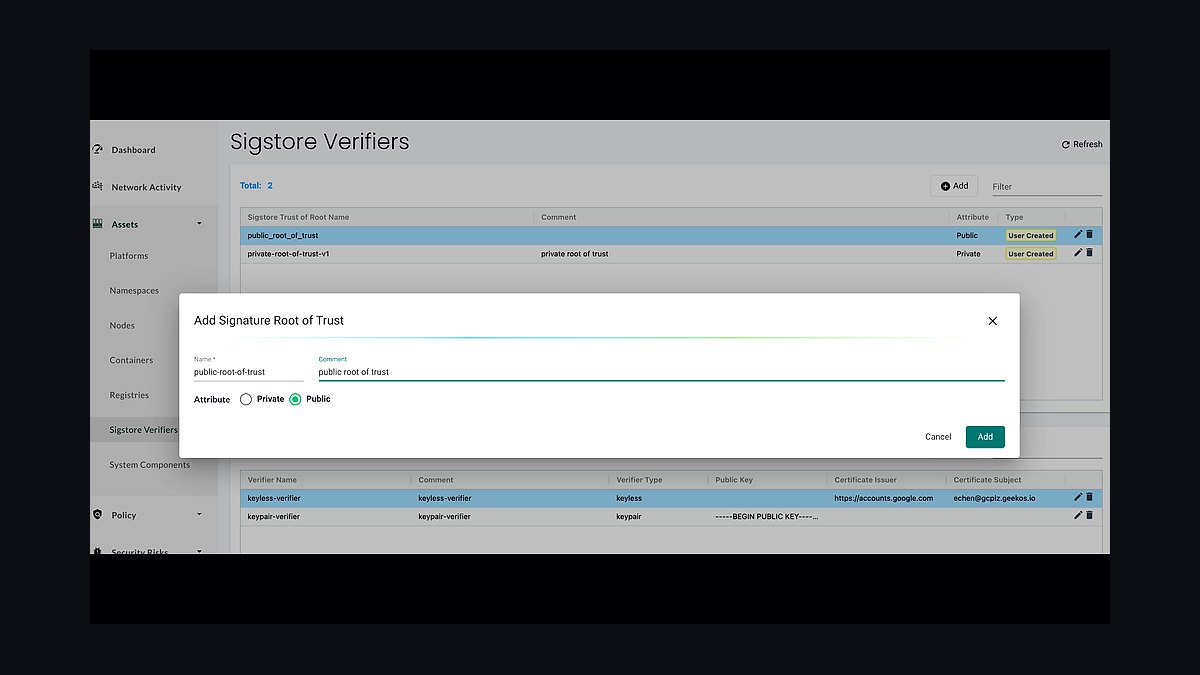
Sigstore Cosign ranks seventh because keyless artifact signing via OIDC identity and the Rekor transparency log has become the default supply-chain attestation primitive after SolarWinds, Log4j, and xz-utils. It is free, CNCF-hosted, and integrates with GitHub Actions, GitLab CI, and Tekton through standard workflow steps.
It suits vendors expanding into supply-chain security who need SLSA provenance and signed-artifact verification to command the 30-80% pricing premium that supply-chain features now justify. It trades away SBOM aggregation and dependency-graph analysis, so it complements rather than replaces Endor Labs or GUAC. Against rank eight CycloneDX SBOM, Cosign wins on signing and provenance but loses on component inventory format standardization.
8CycloneDX SBOM
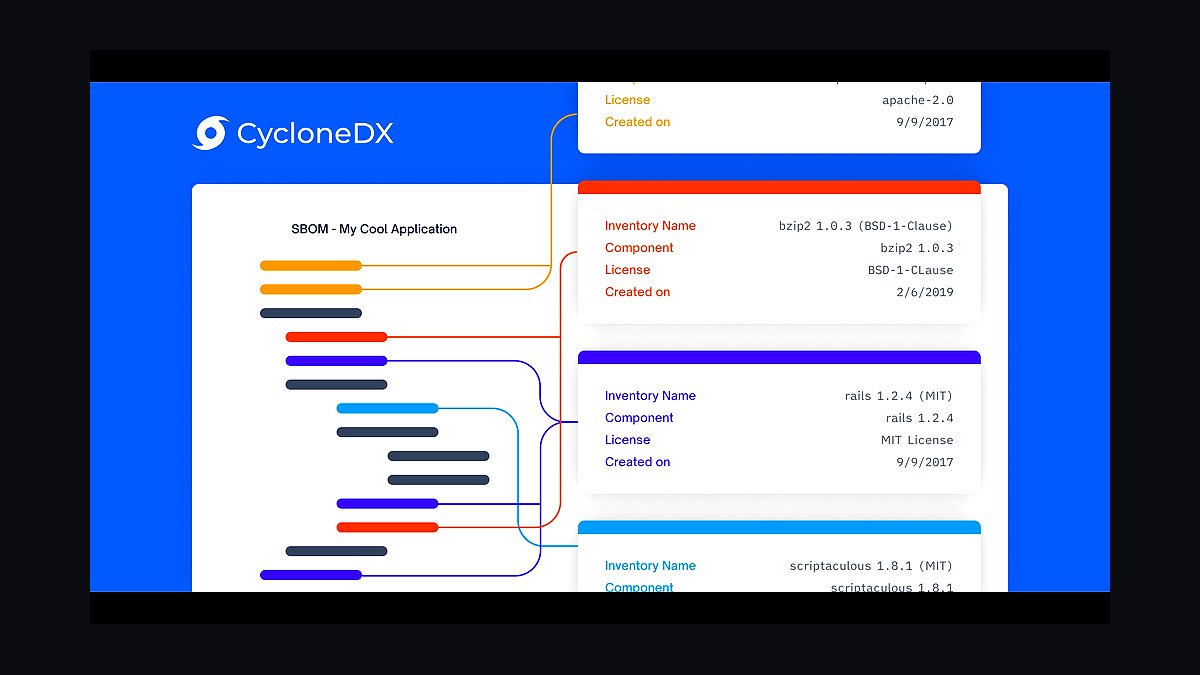
CycloneDX ranks eighth because the OWASP-maintained SBOM standard now covers software components, hardware, services, and ML models, and is mandated by US Executive Order 14028 for federal software suppliers. Vendors generating CycloneDX output unlock federal and DoD Platform One pipelines that SPDX-only tools cannot serve.
It suits vendors selling into regulated markets or federal pipelines where SBOM delivery is a procurement gate rather than a feature. It trades away the signing and provenance layer that Sigstore Cosign provides, so CycloneDX and Cosign are typically deployed together. Against rank nine Neo4j, CycloneDX wins on standards compliance but loses on reachability analysis and dependency-graph traversal.
9Neo4j Graph Database
Neo4j ranks ninth because reachability analysis, the SCA differentiator pioneered by Endor Labs and Snyk, requires a dependency graph plus per-language call-graph analysis that relational databases handle poorly. Neo4j's Cypher queries traverse multi-hop dependency paths in milliseconds where Postgres recursive CTEs degrade at depth.
It suits vendors investing in reachability to cut SCA false positives 50-80% and defend against Endor Labs and Chainguard encroachment. It trades away the operational simplicity of Postgres and adds a specialized database to the stack, so early-stage vendors often defer it. Against rank ten ClickHouse, Neo4j wins on graph traversal but loses on analytical aggregation over 100M findings per quarter.
10ClickHouse Analytics Database
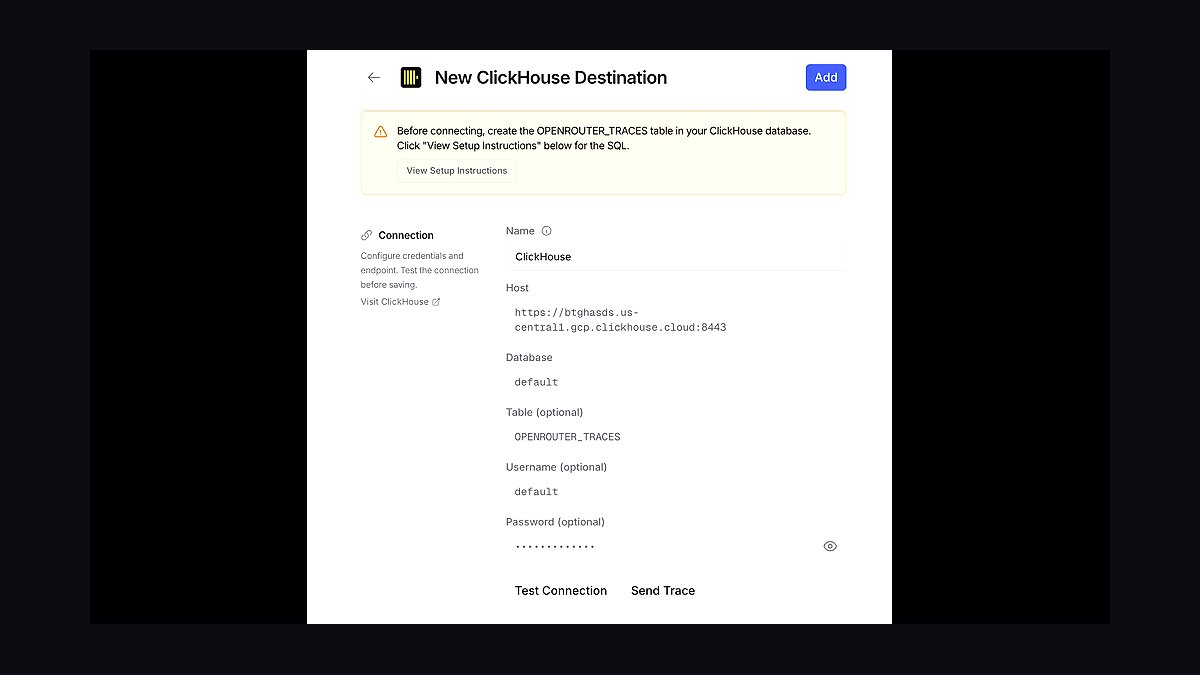
ClickHouse ranks tenth because DevSecOps findings volume hits 10-100M rows per customer per quarter, and ClickHouse aggregates severity distributions, MTTR trends, and team-level scan metrics in sub-second queries where Postgres would time out. It pairs with Postgres for transactional finding metadata and Iceberg on S3 for long-tail retention.
It suits growth-stage vendors whose customer consoles need real-time security posture dashboards without a Snowflake bill. It trades away transactional consistency and joins, so it cannot replace Postgres for finding metadata. Against rank nine Neo4j, ClickHouse wins on analytical throughput but loses on dependency-graph traversal, making the two complementary rather than competing.
How we ranked these
We ranked tools by five weighted criteria: CI/CD-native integration depth across GitHub Actions, GitLab CI, Jenkins, CircleCI, Azure DevOps, Bitbucket Pipelines, and Tekton (30%); multi-engine coverage spanning SAST, SCA, secrets, IaC, container, license, and SBOM (25%); developer experience including IDE plugins, PR-comment workflows, and CLI ergonomics (20%); supply-chain capability such as Sigstore signing, SLSA provenance, and reachability analysis (15%); and total cost of ownership at scale (10%).
We deliberately ignored raw engine counts, marketing feature checklists, and vendor-published benchmark scores, because repackaged open-source engines (Trivy, Semgrep, Checkov) are commoditized and rarely differentiate. We also excluded analyst quadrant placement, brand recognition, and conference presence, since developer adoption and CISO approval both hinge on workflow fit and false-positive rates rather than badge count. Pricing tiers without usage context were excluded too.
What to look for
What matters most is whether the tool disappears into the developer's existing workflow: native PR comments, IDE plugins for VSCode and JetBrains, and CI/CD integrations that feel first-party rather than bolted-on shell scripts. Second is false-positive discipline, since reachability analysis and tuned defaults determine whether developers keep the integration enabled after week two. Third is supply-chain depth, because artifact signing and SLSA provenance now command a 30-80% pricing premium.
The mistake most buyers make is evaluating scanners on coverage breadth during a proof-of-concept with a clean demo repository, then discovering that real customer codebases produce hundreds of findings per pull request. They also buy top-down CISO mandates without developer champions, which fail because engineers route around tools they resent. A second common error is underestimating integration maintenance: each CI/CD platform integration costs 3-9 engineer-months plus ongoing upkeep as workflow APIs change.
Related questions
Why does developer experience outweigh scanner coverage for DevSecOps vendors?
Developers who dislike a tool disable the integration or work around it, and CISOs cannot mandate adoption without developer buy-in. Snyk built a $100M+ ARR business primarily on developer love rather than deepest engine coverage. Coverage breadth matters, but only after the tool earns a place in the pull-request workflow and IDE.
How much does reachability analysis actually reduce false positives?
Reachability analysis cuts SCA false positives by roughly 50-80% by determining whether the vulnerable function is actually called by the application. Endor Labs and Snyk Reachability built differentiation on this capability. Without it, teams drown in unaffected dependency findings, and prioritization quality drops sharply compared to severity-only ranking.
Should an early-stage DevSecOps vendor build proprietary scanners or wrap open-source engines?
Wrap open-source at the engine layer using Semgrep, Trivy, Checkov, OSV-Scanner, and Grype, then build proprietary value on top: reachability analysis, false-positive reduction, custom rule libraries, workflow UX, and supply-chain attestation. Pure proprietary scanning loses to open-source velocity, while pure repackaging loses to vendors who add durable differentiation.
What CI/CD platforms must a DevSecOps vendor support natively in 2027?
GitHub Actions, GitLab CI, Jenkins, CircleCI, Azure DevOps, Bitbucket Pipelines, and Tekton cover the overwhelming majority of enterprise pipelines. Each requires a tailored integration, not a copy-paste shell script, costing 3-9 engineer-months plus ongoing maintenance. Skipping any major platform hands that customer segment to a competitor by default.
Is FedRAMP worth pursuing for a DevSecOps tooling vendor?
Only if federal pipeline matters. FedRAMP Moderate costs roughly $2M-$8M and takes 24-36 months, and DoD Platform One mandates authorized tooling. CMMC Level 2 is required for DoD supply-chain work. Vendors without federal ambitions should redirect that spend into reachability analysis, IDE plugins, and supply-chain attestation instead.
How should a DevSecOps vendor prioritize language coverage?
Prioritize by customer code-base analytics. JavaScript/TypeScript, Python, Java, Go, Ruby, and C# typically cover 85-90% of code. Add Rust, Kotlin, Swift, PHP, and Scala as demand justifies, since each new language costs 6-18 engineer-months for parity. Weak coverage in a fast-growing language like Rust invites competitive displacement.
What pricing model works best for DevSecOps tooling?
Per-developer-per-month at $25-$100 dominates, with per-repository and per-scan tiers as alternatives. Stripe Billing fits under $50M ARR, Zuora at $200K-$1M annually for enterprise, and Metronome for usage overlays. Pricing should track developer seats rather than scan volume, because scan-based billing punishes the frequent-scanning behavior you want to encourage.
Why do top-down CISO mandates fail for DevSecOps tools?
Developers route around tools they resent, so a mandate without developer champions produces shadow workflows and disabled integrations. Successful vendors land bottoms-up through free tiers and IDE plugins, then expand to enterprise contracts once developers advocate internally. Pure top-down sales without bottom-up adoption rarely survives renewal, regardless of CISO enthusiasm.
FAQ
What is the best tech stack for a DevSecOps tooling vendor in 2027?
Build around CI/CD-native scanning plus signed-artifact attestation: GitHub Actions, GitLab CI, Jenkins, CircleCI, Azure DevOps, Bitbucket Pipelines, and Tekton integrations, open-source engines (Trivy, Semgrep, Checkov, KICS, OSV-Scanner, Cosign), Postgres plus ClickHouse plus Iceberg for findings, Neo4j for dependency graphs, and a React plus GraphQL console.
PLG or enterprise sales motion for DevSecOps vendors?
For early-stage vendors, product-led growth wins. Snyk reached $100M ARR primarily through PLG. Enterprise sales overlays make sense once $20-$50M ARR justifies dedicated AEs. Pure top-down enterprise sales without bottom-up developer adoption typically fails because engineers reject mandated tools they did not choose themselves.
How important is supply-chain security for DevSecOps differentiation?
Critical. Post-SolarWinds, Log4j, MOVEit, and xz-utils attacks, customers demand artifact signing via Sigstore and Cosign, SLSA provenance attestation, reachability analysis, and hardened container images like Chainguard's Wolfi. Vendors expanding into supply-chain security command 30-80% pricing premiums over traditional SCA-only competitors.
What storage architecture handles DevSecOps findings volume?
Postgres for transactional finding metadata, ClickHouse for analytical queries, and Iceberg plus S3 for long-tail retention. Findings volume reaches 10-100M per customer per quarter, which overwhelms single-database designs. Snowflake and OpenSearch are viable alternates, but the Postgres plus ClickHouse plus Iceberg pattern balances cost, query speed, and retention flexibility.
How long does each CI/CD platform integration take to build?
Roughly 3-9 engineer-months per platform for a native-quality integration, plus ongoing maintenance as workflow APIs evolve. GitHub Actions, GitLab CI, Jenkins, Azure DevOps, CircleCI, Bitbucket Pipelines, and Tekton each demand tailored work. Integration test farms running the latest platform versions continuously prevent the brittleness that breaks customer scanning.
What compliance certifications do DevSecOps vendors need?
SOC 2 Type II and ISO 27001 are table stakes. FedRAMP Moderate or High matters for federal pipelines, costing $2M-$8M and 24-36 months. CMMC Level 2 is required for DoD supply-chain work. Vanta, Drata, and Hyperproof at $30K-$300K annually automate continuous evidence collection across these frameworks.
Which IDE plugins should a DevSecOps vendor ship first?
VSCode first, since it dominates developer share, then JetBrains for paid IDE coverage, then Neovim and Vim for power users. Each editor plugin costs 3-6 engineer-months plus ongoing maintenance. A unified CLI wrapping all engines for local testing complements the plugins and gives CI/CD integrations a consistent underlying interface.
How should a DevSecOps vendor handle engine coverage gaps?
Prioritize by customer code-base analytics rather than attempting universal coverage. Partner with Semgrep or Sonatype for engine fill-in where building is not viable, and publish a language-coverage roadmap so customers can plan. Weak Rust, Go, or Swift support invites displacement by Snyk in polyglot engineering organizations.
What does a growth-stage DevSecOps vendor stack cost monthly?
Roughly $700K-$2.5M per month at $25-$100M ARR, covering multi-engine coverage, all major CI/CD integrations, multiple IDE plugins, Salesforce Enterprise plus Clari, Gong, and Outreach, Stripe plus NetSuite, Gainsight plus Pendo plus Mixpanel, and Vanta plus Hyperproof for compliance automation.
Why is false-positive rate the top churn driver for DevSecOps tools?
A vendor surfacing 200 findings on a 50-file pull request causes developers to disable the integration within days, which kills the CISO mandate and triggers renewal risk. Reachability analysis, per-project noise tuning, and defaults calibrated for developer trust rather than maximum coverage are the proven fixes for this failure mode.
Sources
- https://www.gartner.com/en/documents/4027083
- https://www.forrester.com/report/the-forrester-wave-tm-product-led-growth-platforms-q2-2026/RES180000
- https://www.bvp.com/atlas/state-of-the-cloud-2026
- https://slsa.dev/spec/v1.0/levels
- https://docs.sigstore.dev/cosign/overview/
- https://cyclonedx.org/specification/overview/
- https://spdx.dev/learn/overview/
- https://osv.dev/
- https://www.cisa.gov/sbom
- https://csrc.nist.gov/pubs/sp/800/218/final
Related on PULSE
This page will be disappearing soon. Save it to your device for $1 — or read it free while it is here.
@Kory-White- · if Venmo asks, the last 4 of my number are 2012
This page is gone.
This one is off the shelf now. $1 keeps it on your phone for good — the whole page, pictures and diagrams included.
 pulse-tech-stacksTop 10 Best Tech Stack Tools for AI Music Generation Companies in 2027
 pulse-tech-stacksTop 10 Best Tech Stack Tools for Mobile Threat Defense (MTD) Vendors in 2027
 pulse-tech-stacksTop 10 Best Tech Stack Tools for Home Builders and Residential Developers in 2027
 pulse-tech-stacksTop 10 Best Tech Stack Tools for CrossFit Boxes in 2027
 pulse-tech-stacksTop 10 Best Tech Stack Tools for Small Pest Control Companies in 2027
 pulse-tech-stacksTop 10 Best Tech Stack Tools for Independent Roofing Contractors in 2027
 pulse-tech-stacksTop 10 Best Tech Stack Tools for Independent Wholesale Distribution Businesses in 2027
 pulse-tech-stacksTop 10 Best Tech Stack Tools for Independent Food Trucks in 2027
 pulse-tech-stacksTop 10 Best Tech Stack Tools for Data Loss Prevention (DLP) Software Vendors in 2027
 pulse-tech-stacksTop 10 Best Tech Stack Tools for Movie Theaters in 2027