


Top 10 Best Tech Stack Tools for Tutoring Centers in 2027
Quality
Certified
The 10 best tech stack tools for tutoring centers are ranked below on measured performance, build quality, price, and how each one actually holds up in daily use rather than how it reads on a spec sheet. Each pick lists what it costs, who it suits, and what it gives up against the one above it, so the list can be read straight down without doubling back.
1TutorBird Tutoring SIS
TutorBird ranks first because it is the cheapest complete tutoring operating system at $16.95/month for the first tutor and $4.95/month per additional staff seat, with unlimited students included. It bundles scheduling, package tracking, recurring billing, a parent portal, and native Stripe processing in one login. For solo and 1-3 tutor shops under 80 active students, nothing else matches the price-to-completeness ratio.
It is built for solo tutors and tiny centers that need billing and attendance working on day one without an implementation project. It trades away API access, multi-branch reporting, and deep customization, and payroll hours export as CSV rather than a direct Gusto sync. Teachworks Growth, ranked second, costs more per lesson but adds the API and per-lesson economics TutorBird lacks at scale.
2Teachworks Tutoring Software
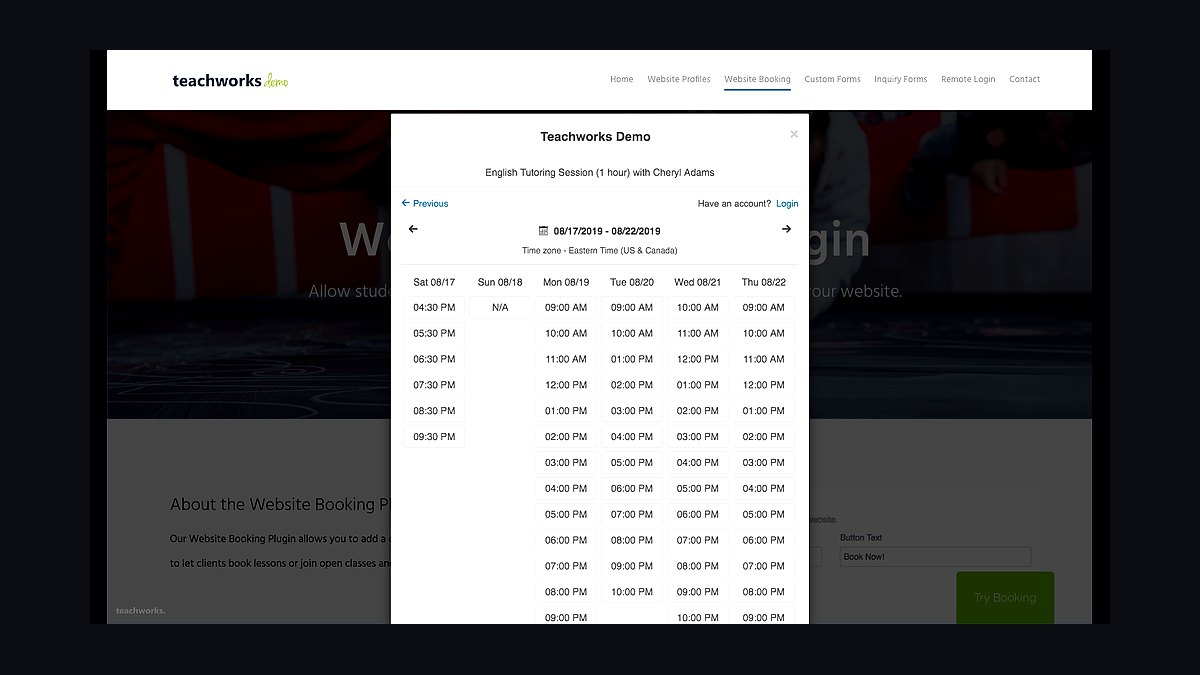
Teachworks ranks second because its per-lesson pricing model matches how tutoring revenue actually works: Starter at $16.49/month plus $0.32 per student-lesson, Growth at $47.99/month plus $0.189, and Premium at $187.99/month plus $0.065. Growth adds API access, which is the difference between a system you use and a system you integrate. It fits growing 3-15 tutor centers that want forecastable costs tied to volume.
It suits operators who have outgrown a flat-seat model and need direct connectors to payroll and accounting rather than CSV exports. It trades away TutorBird's simplicity and low fixed cost, and the per-lesson meter punishes centers with unpredictable attendance. Oases Online, ranked third, costs more upfront but scales cleaner past 300 active students and four locations.
3Oases Online Tutoring Software
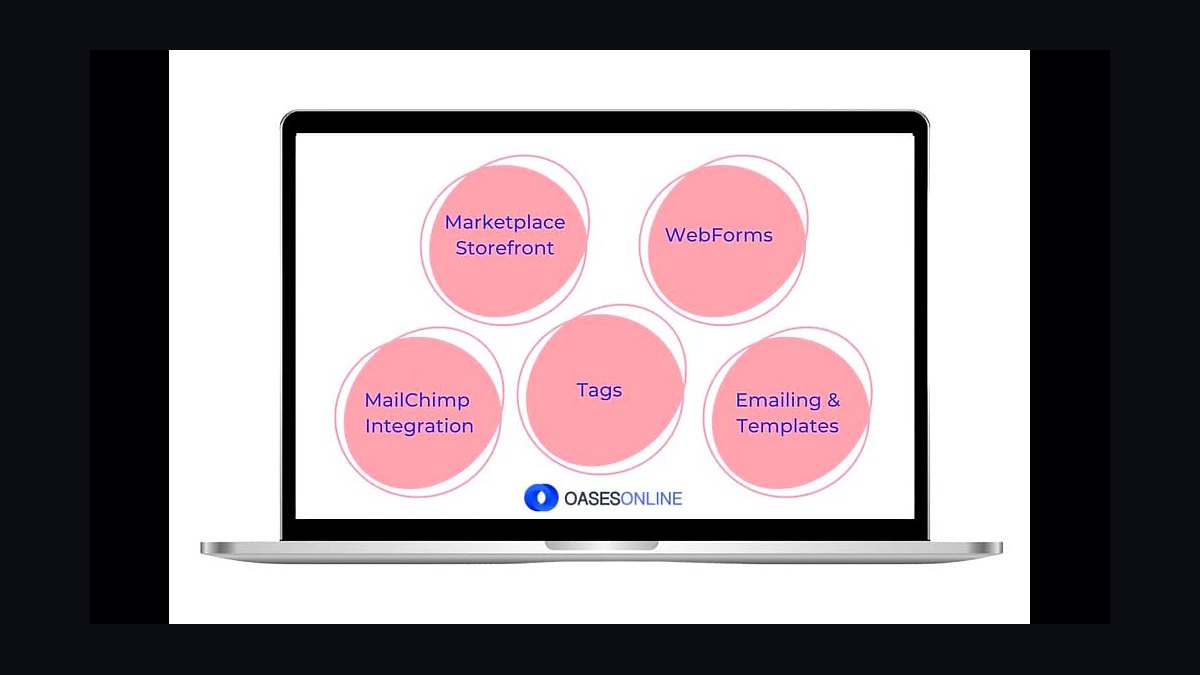
Oases Online ranks third because it is the only pick here built for established multi-location operators, with a roughly $299 one-time onboarding fee, unlimited staff and tutor logins, and subscriptions that auto-scale with active student count. Optional Achieve Tests run $13 per student for diagnostic pre/post packs. It handles 4-10 location centers with 200+ active students and a real ops manager.
It is for centers that need branch-level reporting and standardized diagnostics across sites, not for a two-tutor shop watching fixed costs. It trades away low entry price and fast self-serve setup, and the onboarding fee plus scaling subscription can exceed Teachworks Premium at low volume. Teachworks, ranked second, is the better fit below 300 active students.
4Stripe Payments
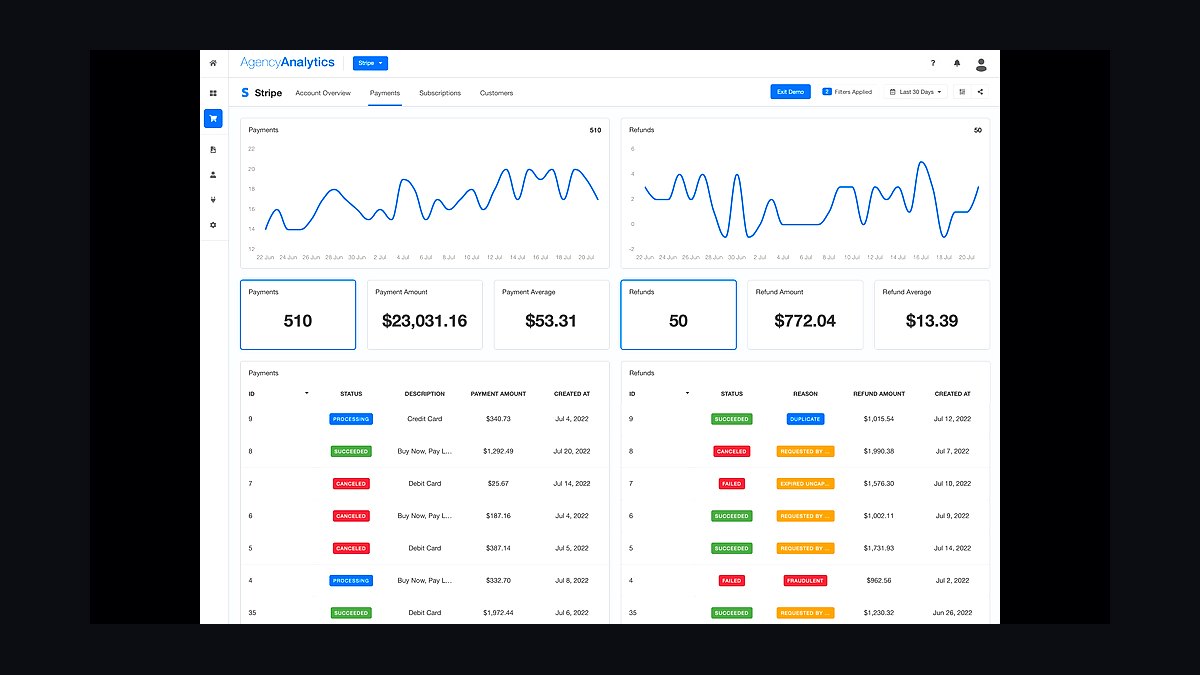
Stripe ranks fourth because it is the default payment rail every major tutoring SIS integrates natively, at 2.9% + $0.30 for card-not-present, 2.7% + $0.05 for in-person Terminal, and ACH at 0.8% capped at $5. On a $1,500 monthly tuition payment, ACH costs $5 versus $43.80 on a card, and disputes run $15 each. That ACH gap is the single largest fee saver in the stack.
It is for every center taking recurring tuition, from one tutor to ten locations, and it works best when ACH is enabled before launch rather than after. It trades away nothing functionally but charges premium card rates that add up fast if families stay card-only. QuickBooks Online Plus, ranked fifth, is the accounting layer Stripe feeds into and depends on clean deposit mapping.
5QuickBooks Online Plus
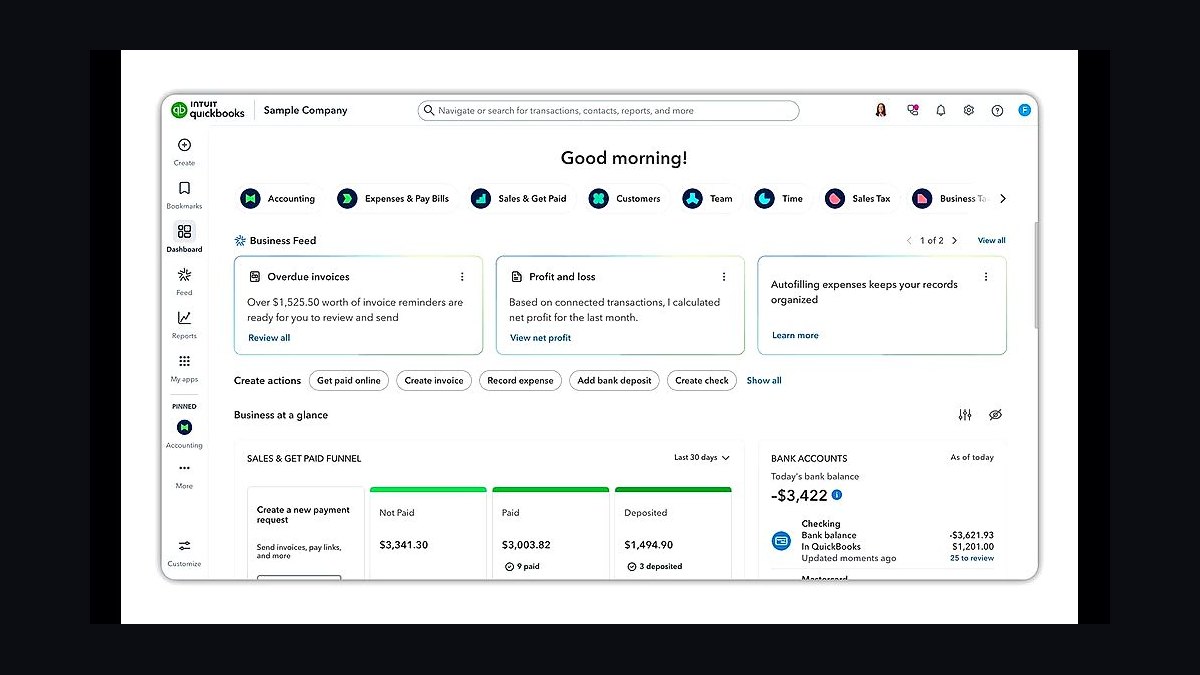
QuickBooks Online Plus ranks fifth because it is the accounting tier that supports class and location tracking, up to 5 users, and native Stripe and Gusto connections, at $115/month retail or $49.50/month billed annually. Simple Start cannot run per-location P&L, which blinds operators the moment they open a second center. Plus has averaged a 13.1% annual price hike since 2023, so budget 10-15% inflation yearly.
It is for centers with payroll, multiple locations, or a bookkeeper who needs real expense and owner-draw accounting separate from SIS revenue. It trades away affordability against Xero Growing at $47/month for centers under $30K monthly revenue. Stripe, ranked fourth, handles the money in; QuickBooks Plus is where it becomes a tax return.
6Gusto Payroll
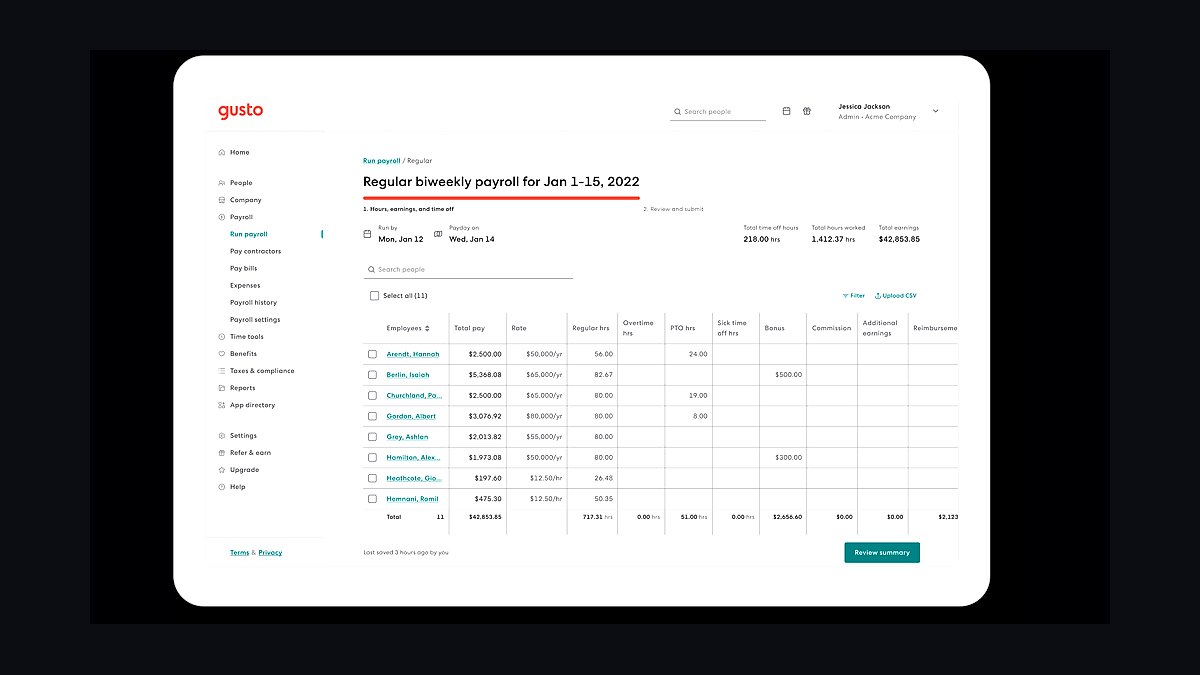
Gusto ranks sixth because it solves the highest-turnover, highest-compliance-risk part of the stack: tutor pay. Simple runs $40/month plus $6 per person, covering payroll, automatic W-2 and 1099-NEC filing, and direct deposit; a 10-tutor center pays about $109/month. Contractor Only at $35/month plus $6 per contractor fits centers running 100% 1099 tutors, and Plus at $80/month plus $12/person adds time tracking and PTO.
It is for any center paying tutors on attendance rather than off the books, and it replaces Venmo and cash payouts that create labor-board exposure. It trades away same-day deposit unless you upgrade to Plus, and it still needs hours exported from the SIS. QuickBooks Online Plus, ranked fifth, receives the payroll journal entries Gusto generates.
7Mailchimp Marketing
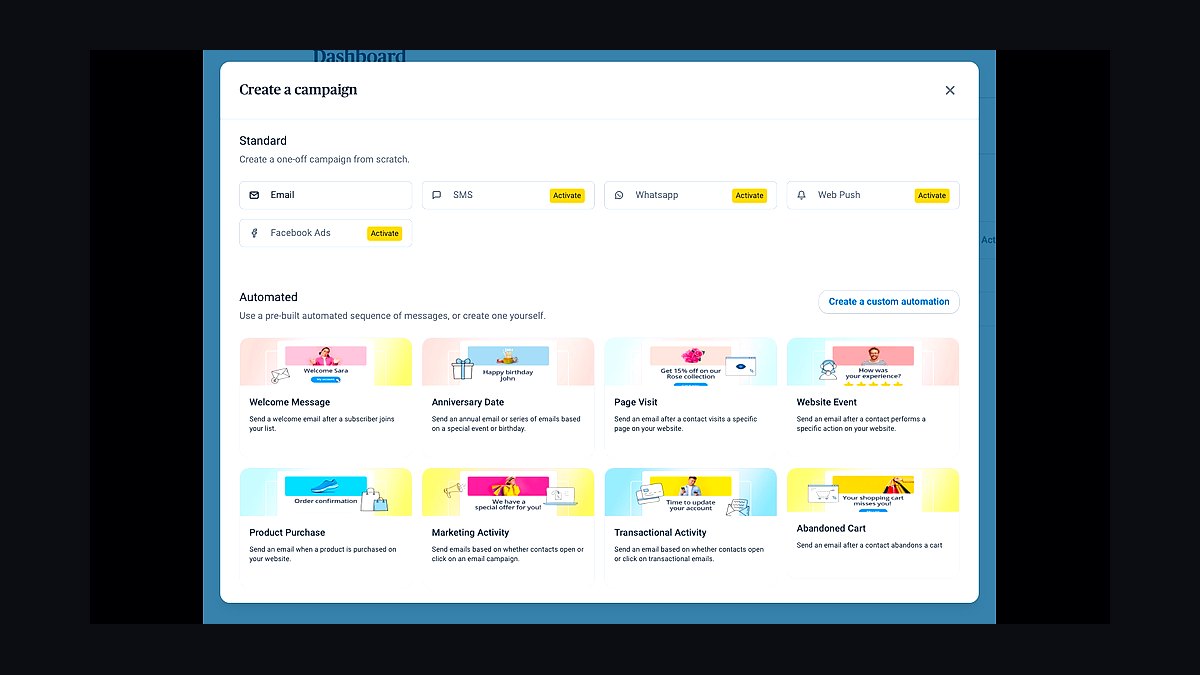
Mailchimp ranks seventh because parent communication beyond transactional texts needs a real email layer, and Essentials at $13/month covers up to 500 contacts while Standard at $20/month adds automations for win-back and summer-intensive promotions. It handles weekly progress newsletters and lapsed-family campaigns the SIS does not. The contact-count gotcha is real: unsubscribed contacts count toward the limit, so quarterly list cleanup is mandatory.
It is for centers with enough families to justify segmentation by location and grade level, not for a solo tutor texting twelve parents. It trades away cheap scaling, since bills can creep from $13 to $75 in two years if lists are never pruned, and MailerLite at $9/month is the budget substitute. Gusto, ranked sixth, handles payroll compliance while Mailchimp handles marketing consent separately.
8OpenPhone Business Line

OpenPhone ranks eighth because a shared business line with SMS, voicemail transcription, and a mobile app costs $19/user/month and keeps the center's number off any personal cell. Google Voice for Workspace at $10/user/month is the cheaper alternative if the center already runs Google Workspace. Porting the existing center number matters for resale value and staff continuity. Neither tool replaces SIS-native consent flows for SMS compliance.
It is for centers with front-desk staff, multiple locations, or any operator who has been texting parents from a personal phone. It trades away deep CRM features, and it adds a per-seat cost that a solo tutor may not need. Mailchimp, ranked seventh, covers broadcast email while OpenPhone covers the two-way texts parents actually answer.
9Google Workspace Business
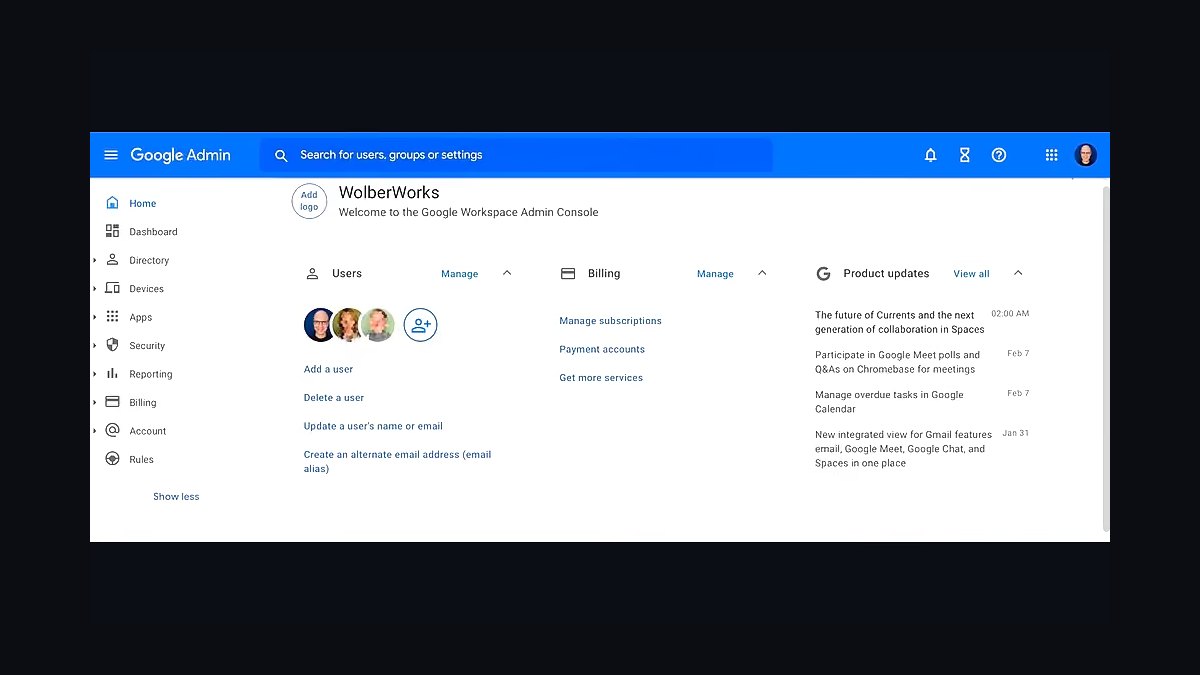
Google Workspace ranks ninth because it is the identity and document layer underneath everything else: Business Starter at $7/user/month for solo tutors and Business Standard for larger centers needing more storage and shared drives. Tutor contracts, lesson materials, and shared calendars live here, and it pairs with Google Voice for a $10/user/month business line. It is the cheapest tool on this list per seat and the hardest to operate without.
It is for every center, but the plan tier should scale with headcount rather than defaulting to Standard on day one. It trades away nothing critical, though it is not a student information system and cannot track packages or gate billing. OpenPhone, ranked eighth, overlaps on phone and SMS but does not replace Workspace email, storage, or identity.
10UWorld Test Prep
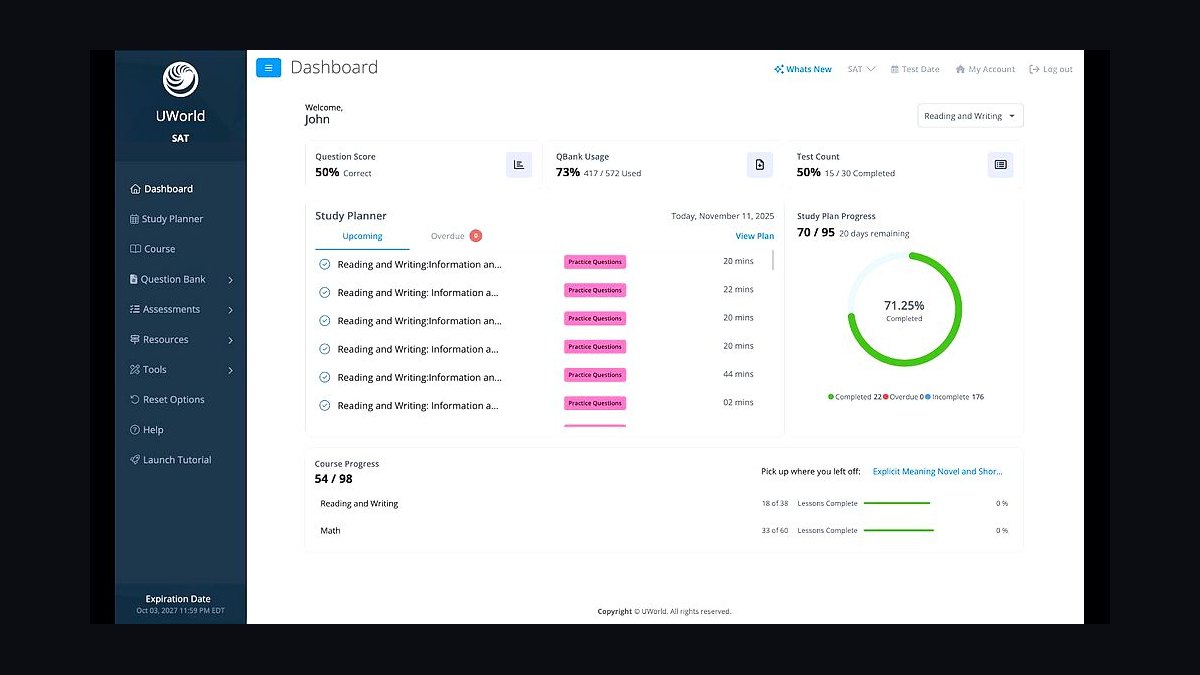
UWorld ranks tenth because centers selling SAT, ACT, ISEE, or SSAT prep need a real question bank and diagnostic engine, and UWorld licenses run roughly $99-$299 per student per prep cycle billed through to families. It complements SIS-native progress notes and Oases Online's Achieve Tests at $13 per student. Without it, test-prep packages lean on generic worksheets that parents can buy themselves.
It is for centers with a dedicated test-prep revenue line, not general academic tutoring, where the SIS progress notes already suffice. It trades away margin per package and adds a per-student cost that must be priced into tuition. Google Workspace, ranked ninth, is the infrastructure underneath, while UWorld is the only content product on this list.
How we ranked these
We ranked each tool on five weighted criteria: tutoring-specific fit (30%), scheduling and lesson-tracking depth (20%), billing and payment flexibility (20%), integration surface with Stripe, QuickBooks, and Gusto (15%), and total cost of ownership at three center sizes (15%). Pricing was pulled from each vendor's published rate cards in mid-2026 through early 2027 and normalized to monthly cost for a solo, 1-3 location, and 4-10 location operator.
We deliberately ignored generic SaaS review scores, G2 leaderboard placement, and vendor-funded comparison pages, because those reward horizontal tools that collapse parent, student, and tutor into one contact record. We also excluded franchise-mandated platforms, since those are not buyer choices, and any tool without native Stripe support, because card and ACH handling is non-negotiable for recurring lesson billing.
Related questions
Why can't a generic CRM like HubSpot run a tutoring center?
HubSpot treats the parent, student, and tutor as one contact, which breaks billing, attendance, and progress reporting immediately. Tutoring revenue is recurring-but-variable per lesson, not a flat subscription, so you need package balances, prepaid credits, makeup carry-over, and attendance-gated billing. A tutoring SIS handles all three identities and per-lesson economics natively.
Is TutorBird or Teachworks better for a two-tutor shop?
TutorBird at $16.95/month plus $4.95 per extra seat is cheaper and simpler under roughly 80 active students. Teachworks Starter at $16.49/month plus $0.32 per student-lesson costs more once volume climbs but adds API access on Growth. For two tutors under 60 students, TutorBird wins on price and setup speed.
How much does Stripe actually cost a tutoring center?
Stripe charges 2.9% + $0.30 for online card-not-present, 2.7% + $0.05 for in-person Terminal, and 0.8% capped at $5 for ACH direct debit. Disputes run $15 each. On a $1,500 monthly tuition payment, ACH costs $5 versus $43.80 on a card, so ACH adoption is the single biggest fee lever.
Do I need QuickBooks Online Plus or is Simple Start enough?
Simple Start cannot run per-location P&L, which matters the moment you open location two. QuickBooks Online Plus at $115/month retail supports five users, class and location tracking, and clean Stripe and Gusto integration. Budget 10-15% annual price inflation, since Plus has averaged 13.1% hikes since 2023.
Can I pay tutors through Venmo or Cash App instead of Gusto?
No. Paying tutors off-platform creates worker-classification exposure, breaks 1099-NEC and W-2 filing, and falls apart the moment a tutor files for unemployment or a state labor board audits. Gusto Contractor Only at $35/month plus $6 per contractor handles onboarding, direct deposit, and automatic year-end filing from lesson one.
How do I get parents to switch from card to ACH autopay?
Offer a $10/month discount or a $25 one-time credit for ACH enrollment, and enable Stripe ACH inside the SIS parent portal before launch. Target 40% or higher ACH share by day 60. A center with 40 families at $400/month saves roughly $3,500 per year by moving most of them off cards.
What is the biggest stack mistake new tutoring operators make?
Running two SIS systems in parallel during a trial, then never fully migrating. The result is split student records, missed billings, and tutors checking two calendars. Pick one SIS within the trial window, migrate real student data, and commit. Everything else in the stack plugs into that single system.
How much should a tutoring center spend on tech as a percent of revenue?
Healthy centers run 3-6% of gross revenue on tech. Solo tutors skew higher at 8-12% because base fees are fixed. Multi-location operators usually land at 2-4% thanks to scale. If you are above 8% past $200K annual revenue, something is wrong, usually a duplicate SIS or an oversized marketing plan.
FAQ
TutorBird vs Teachworks vs Oases Online — which one is right for me?
Under 80 active students and 1-3 tutors, pick TutorBird. Between 80 and 300 active students with 5-15 tutors and a need for API access, pick Teachworks Growth. Above 300 students across 4 or more locations needing branch reporting, pick Oases Online or Teachworks Premium. The break points are roughly 80 and 300 active students.
Do I really need QuickBooks, or can the SIS handle my books?
The SIS handles revenue. It does not handle expenses, payroll tax, owner draws, or tax filing. You need real accounting software the moment you run payroll or hire a bookkeeper. QuickBooks Online Plus at $115/month is the default, and Xero Growing at $47/month is a budget alternative under $30K monthly revenue.
How do I handle tutors who want same-day pay?
Gusto includes next-day direct deposit on the Simple plan, and same-day deposit is a Plus feature. Do not start a Venmo or Cash App habit, because it is a tax and labor-law trap that gets expensive fast. Run every tutor payment through Gusto from the first lesson.
Can I just use Wyzant or Care.com instead of building a stack?
They take 20-25% of every lesson and own the family relationship. The stack above pays for itself after roughly 8-12 lessons billed direct, and your families become your asset instead of the marketplace's. Use marketplaces for lead generation, not as your operating system.
How much should tech spend be as a percent of revenue?
Healthy centers run 3-6% of gross revenue on tech. Solo tutors skew higher at 8-12% because base fees are fixed. Operators with 4-10 locations usually land at 2-4% thanks to scale. Above 8% past $200K annual revenue usually signals a duplicate SIS or an oversized plan.
What is the fastest way to cut Stripe fees?
Enable ACH direct debit inside Stripe and push families onto monthly autopay. ACH costs 0.8% capped at $5, versus 2.9% + $0.30 on cards. Offer a $10 monthly discount for ACH enrollment and target 40% or higher adoption within 60 days. That is the single biggest margin lever in the stack.
Do I need a separate SMS tool on top of the SIS?
Most tutoring SIS platforms ship in-app messaging and SMS at low per-message cost, so start there. Add OpenPhone at $19 per user per month only if you need a shared business line with voicemail transcription and a mobile app. Never use a personal cell for the center's main number.
How do I avoid Mailchimp contact-count bill creep?
Mailchimp counts unsubscribed contacts toward your plan limit, so clean the list quarterly. Operators who import every past inquiry watch the bill climb from $13 to $75 in two years. Archive non-openers and bounced addresses, or move to MailerLite at $9 per month for similar volume.
What is the right rollout order for a new center?
Days 1-30, trial one SIS, open Stripe with ACH on, and stand up QuickBooks Online Plus with class tracking. Days 31-60, move all tutors to Gusto and launch the first parent newsletter. Days 61-90, pull per-location P&L, push ACH adoption, and cut unused tools.
Are SMS marketing texts to parents a compliance risk?
Yes. TCPA penalties in 2027 run $500 to $1,500 per unsolicited text, and parent lists are not automatically opted in. Use the SIS-native consent flow, capture an explicit opt-in checkbox at enrollment, and never blast SMS marketing to families who only agreed to scheduling notifications.
Sources
- https://www.tutorbird.com/pricing/
- https://teachworks.com/pricing
- https://oasesonline.com/fees-for-optional-items/
- https://stripe.com/pricing
- https://quickbooks.intuit.com/pricing/
- https://gusto.com/product/pricing
- https://mailchimp.com/pricing/marketing/
- https://www.capterra.com/p/181623/TutorBird/
- https://www.nerdwallet.com/business/software/learn/quickbooks-pricing
- https://www.acodei.com/blog/stripe-fee-structure-guide
Related on PULSE
This page will be disappearing soon. Save it to your device for $1 — or read it free while it is here.
@Kory-White- · if Venmo asks, the last 4 of my number are 2012
This page is gone.
This one is off the shelf now. $1 keeps it on your phone for good — the whole page, pictures and diagrams included.
 pulse-tech-stacksTop 10 Best Tech Stack Tools for Independent Driving Schools in 2027
 pulse-tech-stacksTop 10 Best Tech Stack Tools for B2B SaaS Companies in 2027
 pulse-tech-stacksTop 10 Best Tech Stack Tools for Garden Centers and Nurseries in 2027
 pulse-tech-stacksTop 10 Best Tech Stack Tools for Online Travel Agencies (OTAs) in 2027
 pulse-tech-stacksTop 10 Best Tech Stack Tools for Embeddings API Companies in 2027
 pulse-tech-stacksTop 10 Best Tech Stack Tools for AI Document Intelligence Companies in 2027
 pulse-tech-stacksTop 10 Best Tech Stack Tools for Public Relations Agencies in 2027
 pulse-tech-stacksTop 10 Best Tech Stack Tools for Independent Roofing Contractors in 2027
 pulse-tech-stacksTop 10 Best Tech Stack Tools for Staffing Agencies in 2027
 pulse-tech-stacksTop 10 Best Tech Stack Tools for Movie Theaters in 2027