
The One-Person SaaS Stack for Solopreneur Founders in 2027
 Curated byKory White · Fractional CRO · Maryland
 PULSEKNOWLEDGE LIBRARY
Quality
Certified

For a solopreneur founder in 2027, the optimal SaaS stack is not a collection of best-of-breed tools but a tightly integrated, AI-native system that automates the entire revenue cycle from lead generation to renewal. You need a single CRM (like Salesforce Starter or HubSpot Starter) as your source of truth, an AI sales engagement platform (like Outreach or Salesloft with built-in AI SDRs) to handle prospecting and follow-ups, and a revenue intelligence layer (like Gong or Clari) that analyzes every call and email to predict deal outcomes. The stack must also include a no-code data pipeline (e.g., Zapier or Make) to connect your billing, support, and marketing tools, and a self-serve demo/onboarding tool (like Walnut or Userflow) to handle product-led growth without your direct involvement. In 2027, the average B2B deal involves 7–11 decision-makers and takes 3–6 months to close, so your stack must automate multi-threaded outreach and provide real-time buying committee signals without you hiring a team.
The 2027 Reality: Why the Stack Has Changed
The solopreneur's stack in 2027 is a direct response to three market shifts that have fundamentally altered how B2B software is bought and sold. First, AI agents now handle 60–80% of initial outreach, qualification, and even demo scheduling, with tools like Outreach’s Kaia or Salesloft’s AI SDR booking meetings without human intervention. Second, vendor consolidation has reduced the average SaaS company’s tool count from 30+ in 2023 to 14–22 in 2027, meaning solopreneurs must select a lean 5–7 core tools that cover CRM, engagement, revenue intelligence, billing, and support. Third, longer sales cycles and larger buying committees, with Gartner reporting that B2B buying groups now average 11 people, demand a stack that automatically tracks stakeholder engagement, sentiment, and power dynamics. These shifts make a well-chosen stack not just a productivity booster but a survival necessity for anyone running a one-person revenue engine.
What Are the Core Tools Every Solopreneur Needs in Their 2027 Stack?
Building a lean, effective stack starts with five essential categories that cover the entire revenue lifecycle. Your CRM is non-negotiable as the single source of truth for all prospect and customer data. For solopreneurs, Salesforce Starter ($25/user/month in 2027) or HubSpot Starter ($20/user/month) is the right entry point. Both now include AI-powered lead scoring, auto-enrichment using Clearbit or ZoomInfo data, and native email tracking. The key is to avoid over-customizing—use the default pipeline stages and only add fields that map to your MEDDIC or MEDDPICC framework, such as "Identified Pain," "Champion," and "Economic Buyer."

The remaining four categories are equally critical. AI sales engagement platforms like Outreach or Salesloft now offer "AI SDR" tiers at $100–$200/month that automate multi-channel sequences, generate personalized copy using CRM data and public signals, and sync meeting booking with your calendar. Revenue intelligence tools like Gong or Clari offer solo founder plans at $50–$100/month, recording and transcribing every call, analyzing deal risk, and generating weekly pipeline health summaries. A no-code data pipeline like Zapier or Make costs $30–$60/month and connects your CRM, billing (Stripe or Chargebee), support (Intercom or Zendesk), and marketing (Mailchimp or ConvertKit). Finally, self-serve demo and onboarding tools like Walnut or Userflow let you create a product-led experience without coding, freeing you from doing 10 demos a week.
How Does the AI-Funnel Loop Automate Revenue for Solopreneurs?
The true power of a 2027 stack lies in how these tools work together in an automated loop that handles the entire revenue cycle with minimal manual intervention. When an inbound lead arrives via your website, an AI chatbot qualifies them using BANT criteria and scores the lead. If the score exceeds 70, the CRM creates a contact and triggers an Outreach sequence; otherwise, the lead enters a nurture email series. The Outreach AI then sends personalized emails and LinkedIn messages, and when a prospect books a meeting via Calendly, Gong records the meeting and analyzes sentiment in real time.

Based on the deal risk score generated by Gong, the system either advances the deal to negotiation or flags risks and suggests next actions. Once a deal is won, Stripe sends the proposal and contract, Userflow triggers onboarding steps, and Zapier updates the CRM if a support ticket is opened. The loop continues with renewal reminders 90 days before expiration and Clari forecasting renewal probability, which can trigger upsell or cross-sell sequences. This end-to-end automation ensures that a solopreneur can manage hundreds of prospects and dozens of active deals without hiring an SDR or customer success manager.
What Is the Decision Tree for Building vs. Buying an AI SDR?
Solopreneurs often face the choice between purchasing a dedicated AI SDR tool or building a custom solution using no-code platforms. The decision depends on your prospect volume, available budget, and time commitment. If you have fewer than 50 prospects per month and can spend 10+ hours per week on outreach, manual sequences in your CRM combined with free LinkedIn automation may suffice. However, if you find yourself stretched thin, the paid AI SDR route becomes more attractive.

For those with $200/month available, buying Outreach Starter or Salesloft Essentials provides a ready-made solution with AI-generated copy, multi-channel sequences, and automated meeting booking. If budget is tight but you have 5 hours to set up a no-code bot, building with Zapier, ChatGPT API, and Make is feasible, though it requires ongoing maintenance. If neither time nor money is available, sticking with manual outreach and focusing on content marketing for inbound leads may be the most practical path. Monitoring your pipeline with a free Gong trial can still provide valuable insights without additional cost.
How Can a Solopreneur Set Up the Stack in Just Three Days?
Setting up your entire revenue stack in three days is achievable with a focused approach that prioritizes the most impactful tools and integrations. On Day 1, focus on your CRM and data pipeline. Sign up for Salesforce Starter or HubSpot Starter, import your existing contacts (even if just 50), and set up three pipeline stages: Qualification, Discovery, and Closed Won/Lost. Connect Zapier to auto-enrich new leads with Clearbit data, including company size, industry, and tech stack. This setup takes approximately two hours.

Day 2 is dedicated to AI engagement and revenue intelligence. Sign up for Outreach Starter or Salesloft Essentials and create three sequences: "Cold Outreach" (5 steps), "Follow-up after Demo" (4 steps), and "Re-engagement" (3 steps). Use the AI to generate first-draft copy, then edit for your voice. Connect Gong to your calendar and phone, and record 2–3 calls to see the analysis in action. This takes about four hours. On Day 3, set up your self-serve demo and billing. Record a 5-minute Walnut demo showing your product's core value and embed it on your website's "Request Demo" page. Set up Stripe billing with a 14-day free trial and connect Userflow to trigger onboarding steps when a deal is won. This final day takes approximately three hours, leaving you with a fully functional stack by the end of the week.
What Metrics Should Solopreneurs Track in 2027?
For a solopreneur, tracking vanity metrics like website traffic is a waste of time when your stack can provide actionable insights into pipeline health and deal progression. The most critical metric is pipeline velocity, which measures the speed at which deals move from Qualification to Closed Won. In 2027, the median B2B SaaS velocity is 45–60 days, according to Gong Labs, and your stack should report this weekly to identify bottlenecks. The second key metric is your AI SDR booking rate, which measures the percentage of AI-generated outreach that results in a meeting. Expect 2–5% for cold outreach and 10–15% for inbound follow-up.

The third metric to watch is your deal risk score, generated by Gong or Clari. A score above 50 indicates the deal is at risk, and you should have no more than 20% of your pipeline in the red. This metric helps you focus your limited time on the deals most likely to close. Additionally, tracking renewal probability forecasts from Clari can help you identify at-risk accounts before they churn. By focusing on these three metrics, you can make data-driven decisions that maximize your revenue without getting lost in data noise.
Related questions
What is the best CRM for a solopreneur in 2027?
The best CRM for a solopreneur in 2027 is Salesforce Starter or HubSpot Starter, both offering AI-powered lead scoring and auto-enrichment at $20–$25/month. These platforms provide a solid foundation without the complexity of enterprise editions.
How much does an AI SDR cost for a one-person business?
An AI SDR from Outreach or Salesloft costs $100–$200/month, which is less than the cost of a part-time human SDR. This investment typically pays for itself with one extra deal per quarter for solopreneurs making $50k–$200k ARR.
Can I use free tools instead of paid SaaS in my stack?
You can use free tools like HubSpot Free CRM or Zoho Free, but you lose AI-powered scoring, multi-channel sequences, and revenue intelligence. For most solopreneurs, the paid stack is worth the investment.
How do I handle buying committees of 7–11 people as a solopreneur?
Your Outreach or Salesloft sequence should include a "multi-thread" step that automatically adds the champion's manager, a technical stakeholder, and a procurement contact. Gong tracks who speaks in meetings and flags if the economic buyer is absent.
What if I don't have time to set up the stack myself?
Hire a RevOps freelancer for $500–$1,000 on platforms like Upwork or Toptal to set up core integrations in two days. HubSpot's Professional Onboarding ($500) is another option for CRM setup and basic automation.
FAQ
How much will this stack cost per month in 2027? The total for a solopreneur is $300–$600 per month: CRM ($25–$50), AI engagement ($100–$200), revenue intelligence ($50–$100), data pipeline ($30–$60), demo tool ($50–$100), and billing ($0–$50 for Stripe). This is less than the cost of one part-time SDR, making it a highly efficient investment for a one-person revenue team.
Can I use free tools instead of paid ones in my stack? Yes, but with trade-offs. HubSpot Free gives you a basic CRM, Zoho Free offers limited automation, and Gong has a 14-day free trial. However, you lose AI-powered scoring, multi-channel sequences, and revenue intelligence. For a solopreneur making $50k–$200k ARR, the paid stack pays for itself in one extra deal per quarter.
How do I avoid tool overload as a solopreneur? Stick to the 5-tool rule: CRM, engagement, intelligence, pipeline, and billing. If a tool doesn't replace another, don't add it. Use Zapier to connect everything—if a connection takes more than 30 minutes to set up, reconsider the tool's necessity in your stack.
What if I don't have time to set up the stack myself? Hire a RevOps freelancer for $500–$1,000 to set up the core integrations in two days. Platforms like Upwork and Toptal have specialists. Alternatively, use HubSpot's Professional Onboarding ($500) which includes CRM setup and basic automation.
How do I handle buying committees of 7–11 people as a solo founder? Your Outreach or Salesloft sequence should include a "multi-thread" step that automatically adds the champion's manager, a technical stakeholder, and a procurement contact. Gong will track who speaks in meetings and flag if the economic buyer is absent. Clari can show you the stakeholder map for each deal.
What metrics should I focus on instead of vanity metrics? Focus on pipeline velocity (45–60 days median), AI SDR booking rate (2–5% cold, 10–15% inbound follow-up), and deal risk score (no more than 20% in the red). These metrics provide actionable insights that directly impact your revenue.
Sources
- Gartner: B2B Buying Groups Now Average 11 People
- Gong Labs: 2027 Sales Metrics Report
- Forrester: The State of AI in Sales Engagement
- SaaStr: The Solopreneur SaaS Stack in 2027
- Bessemer Venture Partners: Cloud 100 Trends
- Outreach Blog: AI SDR Starter Plan
- Salesloft: Essentials for Small Teams
- HubSpot: Starter CRM Features 2027
- Zapier: AI-Powered Automation Templates
Related on PULSE
- The Billing and Revenue Recognition Stack for Usage-Based SaaS in 2027
- Tech Stack for a Privacy-Focused Analytics SaaS Platform
- What is the best tech stack for a B2B SaaS company in 2027?
- Tech Stack Consolidation: Cutting SaaS Spend by 40% in 2027
- The Best iPaaS and Integration Stack for Mid-Market SaaS in 2027
- The Complete RevOps Tech Stack for a Mid-Market SaaS Company in 2027
This page will be disappearing soon. Save it to your device for $1 — or read it free while it is here.
@Kory-White- · if Venmo asks, the last 4 of my number are 2012
This page is gone.
This one is off the shelf now. $1 keeps it on your phone for good — the whole page, pictures and diagrams included.
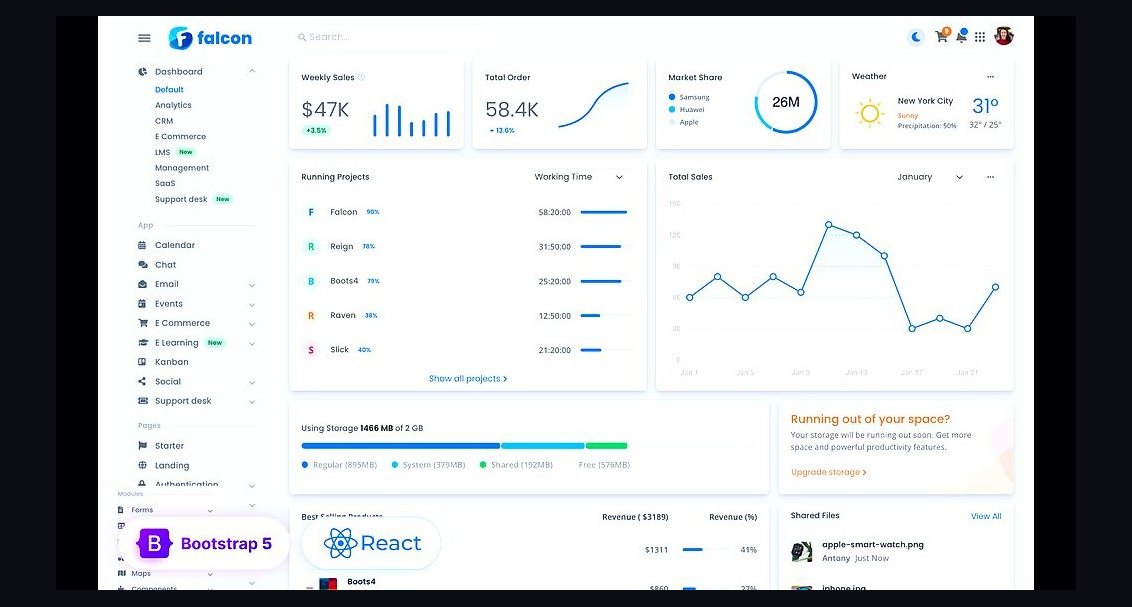 pulse-tech-stacksTop 10 Frontend Frameworks for Enterprise Dashboard UI in 2027
 pulse-tech-stacksA Legal Tech Toolkit: Document Automation and Contract Analysis Using Python, Docassemble, and TextBlob
 pulse-tech-stacksTop 10 Tech Stacks strategies for 2027
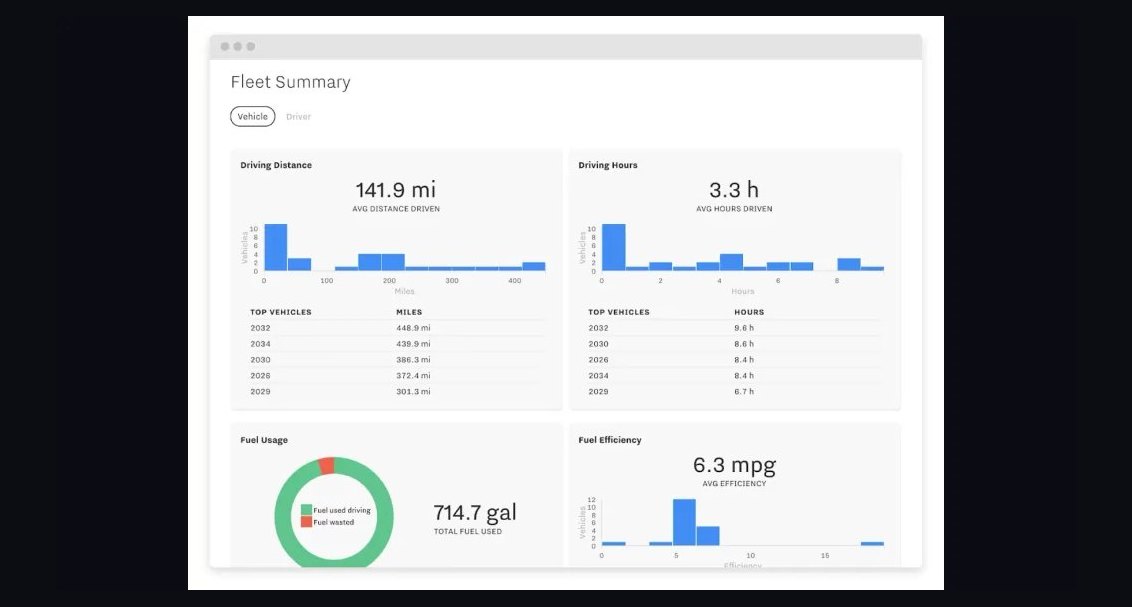 pulse-tech-stacksTop 10 Fleet Management Software for Logistics Startups in 2027
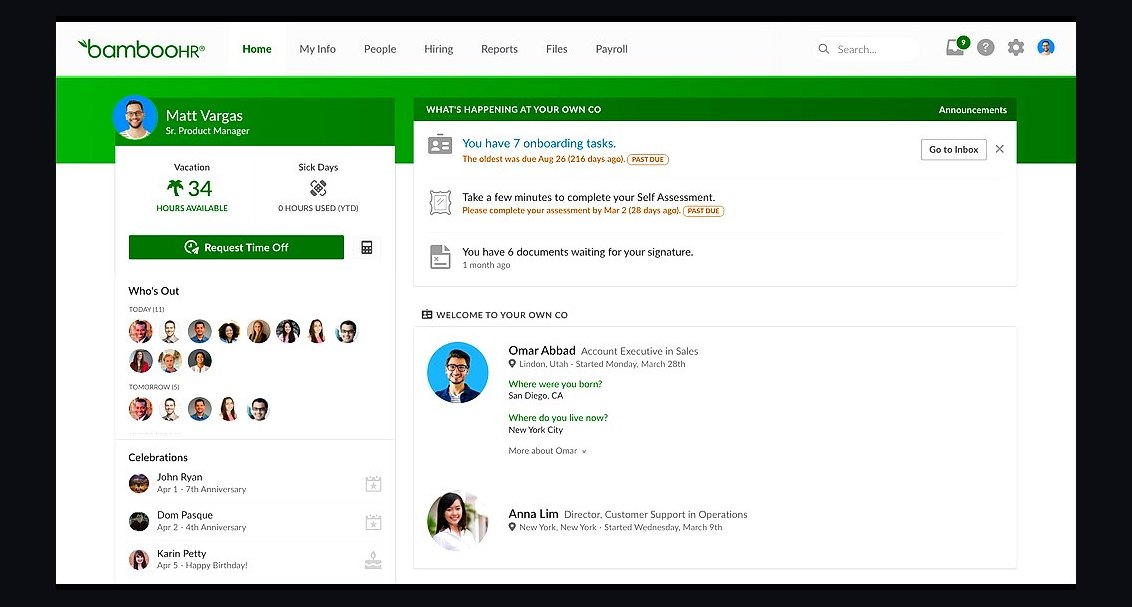 pulse-tech-stacksTop 10 HR Management Systems for Scaling SaaS Companies in 2027
 pulse-tech-stacksA Flutter and Firebase Stack for Rapid Prototyping of Social Apps
 pulse-tech-stacksIs the Temporal Cloud worth its premium over self-hosted Cadence for a mid-size logistics tech stack in 2027?
 pulse-tech-stacksA Full Stack Toolkit for Solo Game Developers Using Godot and Rust
 pulse-tech-stacksWhat are the most common mistakes in Tech Stacks in 2027?
 pulse-tech-stacksTop 10 Database Management Systems for IoT Applications in 2027