


Top 10 Best Tech Stack Tools for Small Pest Control Companies in 2027
Quality
Certified
The 10 best tech stack tools for small pest control companies are ranked below on measured performance, build quality, price, and how each one actually holds up in daily use rather than how it reads on a spec sheet. Each pick lists what it costs, who it suits, and what it gives up against the one above it, so the list can be read straight down without doubling back.
1FieldRoutes Pest Control Software
FieldRoutes ranks first because it is the most complete recurring-service core for small pest control operators, combining scheduling, route optimization, mobile technician app, chemical logging, and embedded autopay billing in one platform. It was built specifically for pest control rather than adapted from generic field service. Small operators report tighter route density and higher recurring-plan retention as a direct result. ServiceTitan acquired FieldRoutes, adding long-term stability.
FieldRoutes is best for residential pest control companies running recurring monthly or quarterly plans that want modern UX without enterprise complexity. It trades away some deep multi-branch reporting that PestPac offers at scale. Compared to Briostack directly below, FieldRoutes generally has stronger native route optimization and a more polished mobile app, while Briostack often costs less for very small teams.
2Briostack Pest Control Software
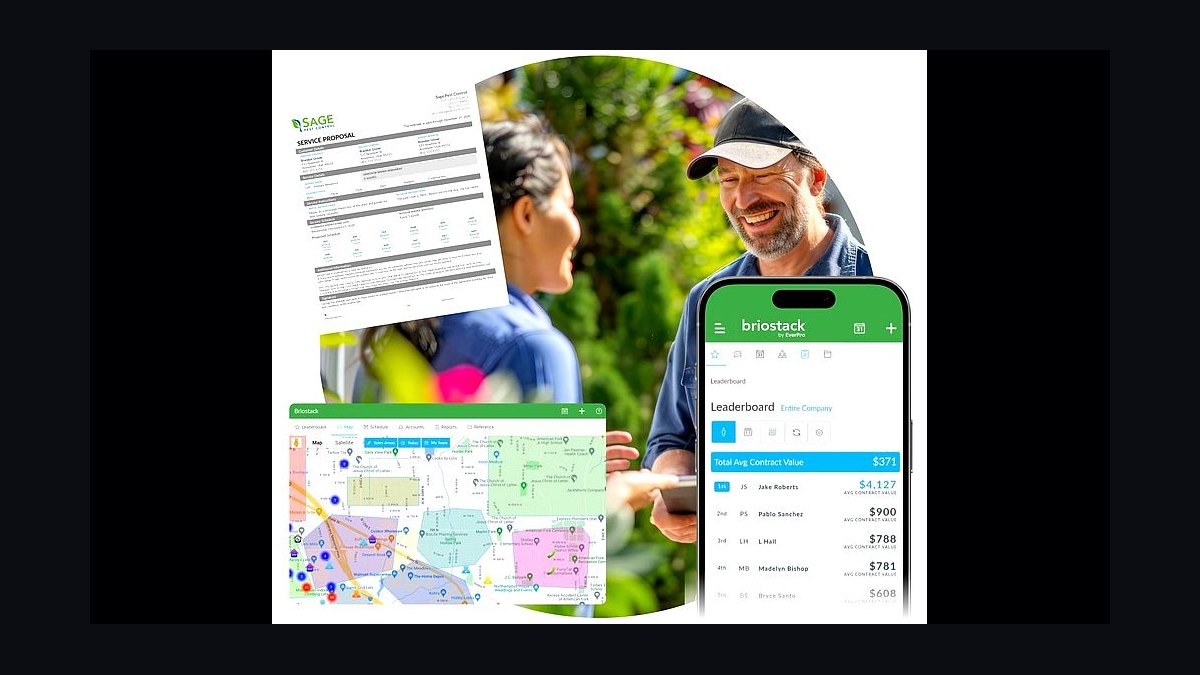
Briostack ranks second because it delivers the pest-control-specific core — recurring routes, scheduling, mobile chemical logging, and billing — at a price point that fits single-truck and small-crew operators. It handles recurring contracts and autopay natively rather than as add-ons. Many small companies choose it specifically for its straightforward onboarding and lower entry cost than FieldRoutes. It remains a credible 2027 core for sub-$1M operators.
Briostack is for small residential pest control companies that want pest-specific features without paying enterprise pricing. It trades away some of the routing sophistication and reporting depth found in FieldRoutes and PestPac. Compared to FieldRoutes above, Briostack is typically cheaper but less polished on route optimization; compared to PestPac below, it is simpler but less suited to multi-branch operations.
3PestPac by WorkWave
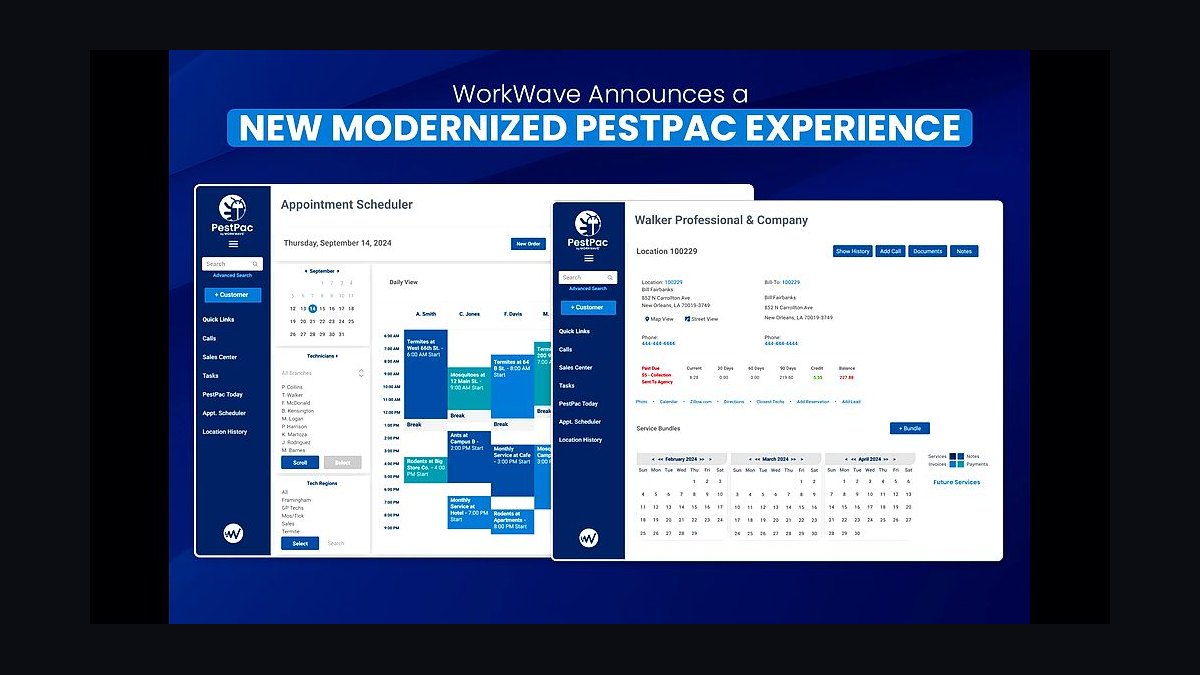
PestPac ranks third because it is the deepest reporting and multi-branch platform in pest control, with decades of operational data behind its scheduling, routing, and recurring billing modules. It handles centralized billing across locations and detailed revenue-per-route analytics that lighter tools cannot match. Larger operators standardize on it for that reason. For a small single-branch company, it can feel heavier than needed.
PestPac is for pest control companies approaching or exceeding multi-branch scale that need consolidated reporting and centralized recurring billing. It trades away some of the modern UX and quick setup that FieldRoutes and Briostack offer small teams. Compared to Briostack above, PestPac scales further but costs more and requires more configuration; compared to QuickBooks Online below, it is the operational core rather than the accounting layer.
4Podium Review Management

Podium ranks fourth because review volume is the dominant local-acquisition channel for pest control, and Podium automates review requests and two-way texting after every completed service. Reviews directly drive inbound calls, which is how small pest companies grow without paid ads. It integrates with the core so job completion triggers the request automatically. Pricing typically starts around $300 per month.
Podium is for small pest control companies that depend on local search and word-of-mouth for new customers. It trades away deeper CRM pipeline features that a full marketing suite would provide. Compared to Birdeye below, Podium is often simpler to deploy for single-location operators; compared to the core platforms above, it is a reputation layer rather than the operating system.
5Birdeye Reputation Platform
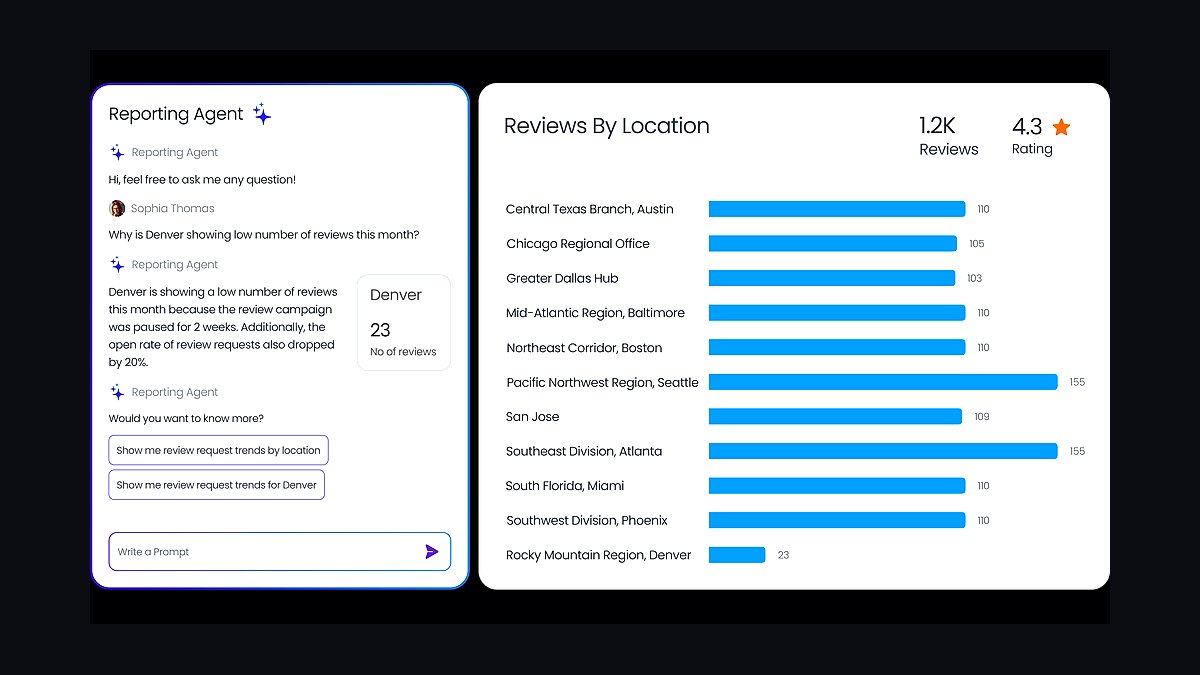
Birdeye ranks fifth because it handles reputation and messaging at multi-location scale, with review aggregation across branches, surveys, and centralized response workflows. Multi-branch pest operators use it to keep review performance consistent across territories. It covers more review sites and locations than lighter tools. Pricing scales with locations, which suits larger operators better than single trucks.
Birdeye is for pest control companies with multiple branches that need consolidated reputation management. It trades away some of the simplicity and lower entry price that Podium offers a single-location operator. Compared to Podium above, Birdeye scales better across locations but costs more and takes longer to configure; compared to QuickBooks Online below, it addresses acquisition rather than accounting.
6QuickBooks Online Accounting
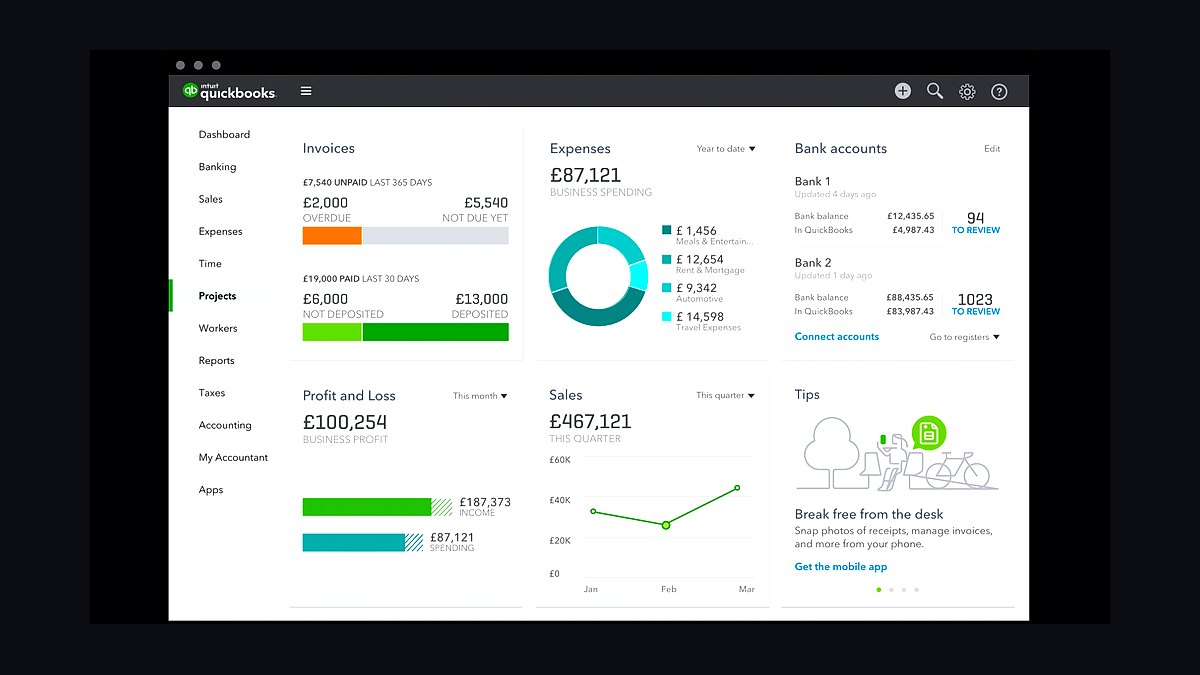
QuickBooks Online ranks sixth because it is the accounting backbone that syncs recurring billing and autopay charges from the pest control core into clean books without double entry. It handles invoicing, expenses, payroll integration, and tax reporting that small operators need. Most pest control cores have a native QuickBooks sync. Pricing runs roughly $30 to $90 per month depending on tier.
QuickBooks Online is for small pest control companies that need reliable accounting synced to their field-service core. It trades away pest-specific operational features, which is why it sits below the core platforms. Compared to Birdeye above, QuickBooks handles money rather than reputation; compared to Gusto below, it covers company books while Gusto covers payroll.
7Gusto Payroll Software
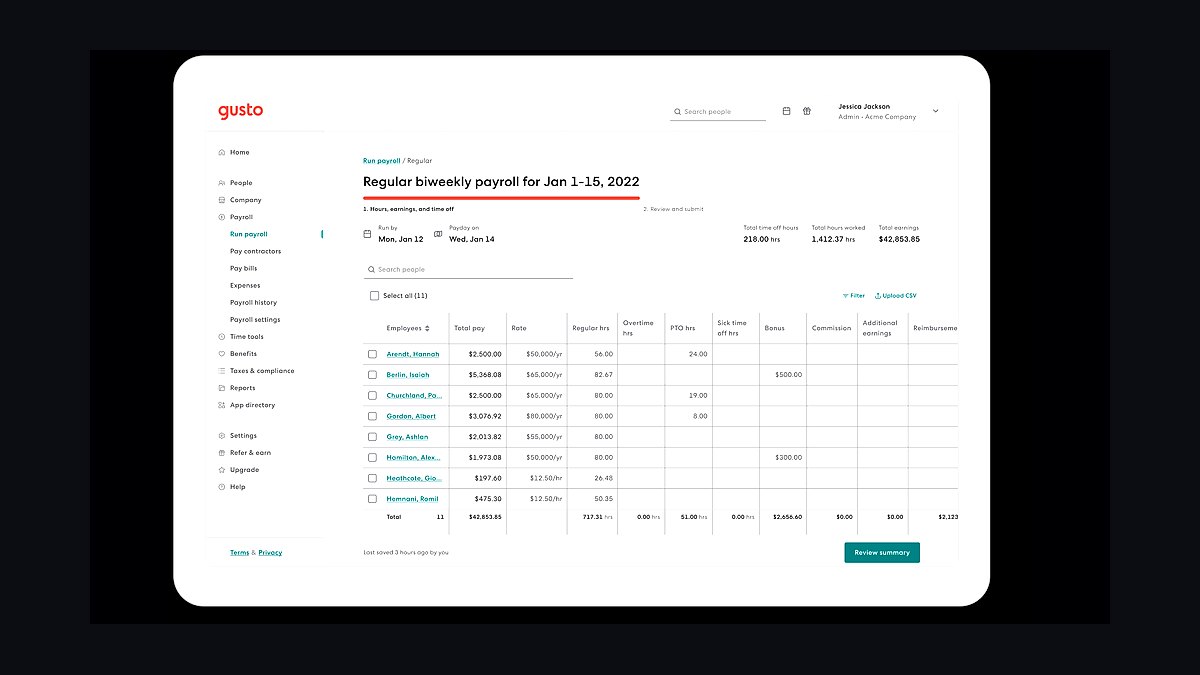
Gusto ranks seventh because payroll for technicians and office staff is a recurring operational necessity, and Gusto automates payroll runs, tax filings, and contractor payments at a small-business price. Pest control companies with hourly technicians and seasonal hires benefit from its simple onboarding. It integrates with QuickBooks Online for clean books. Pricing starts around $40 per month plus per-employee fees.
Gusto is for small pest control companies that want payroll handled without a dedicated HR person. It trades away deep HR compliance features that enterprise platforms offer. Compared to QuickBooks Online above, Gusto handles people payments while QuickBooks handles company finances; compared to Stripe below, Gusto pays employees while Stripe collects customer payments.
8Stripe Payment Processing
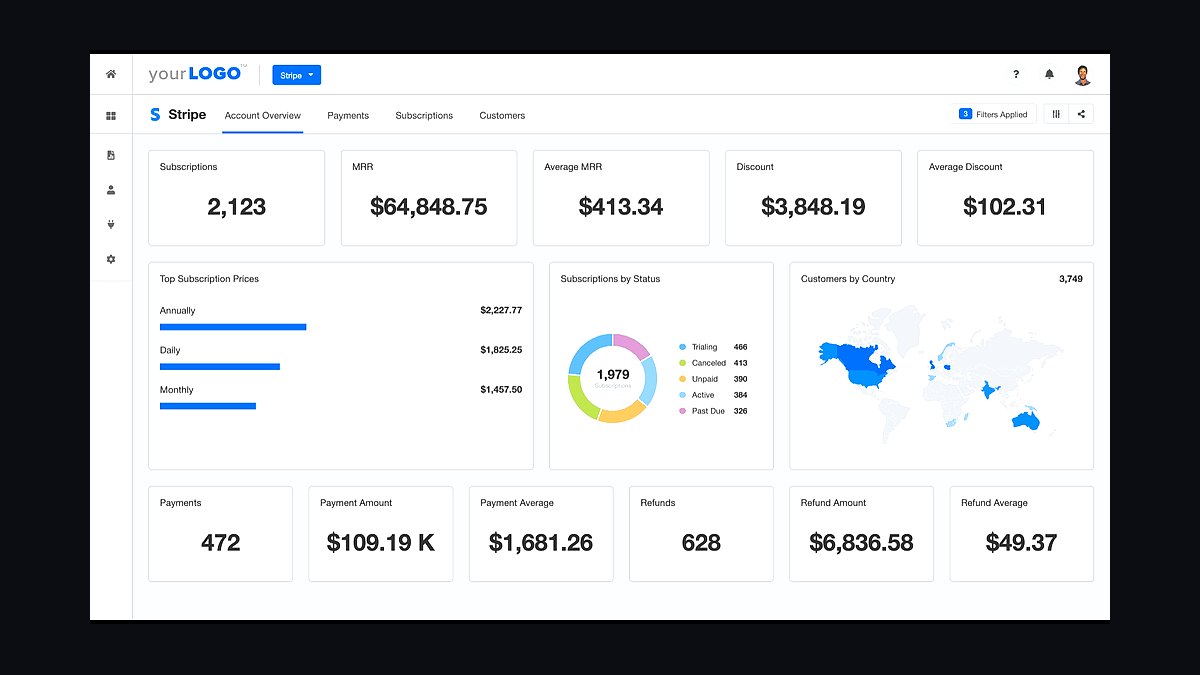
Stripe ranks eighth because it provides the card-on-file infrastructure that makes autopay on recurring pest control plans reliable, with tokenized storage and automated retries on failed charges. Autopay is the single biggest protector of recurring revenue and the biggest reducer of accounts receivable. Stripe's API integrates with most pest control cores. Standard processing runs about 2.9 percent plus 30 cents per transaction.
Stripe is for pest control companies that want flexible payment processing and strong autopay infrastructure, especially when the core's native processing is limited. It trades away some simplicity compared to a fully embedded core payment module. Compared to Gusto above, Stripe collects customer payments while Gusto pays staff; compared to Square below, Stripe is more developer-oriented while Square is more plug-and-play.
9Square Payment Processing
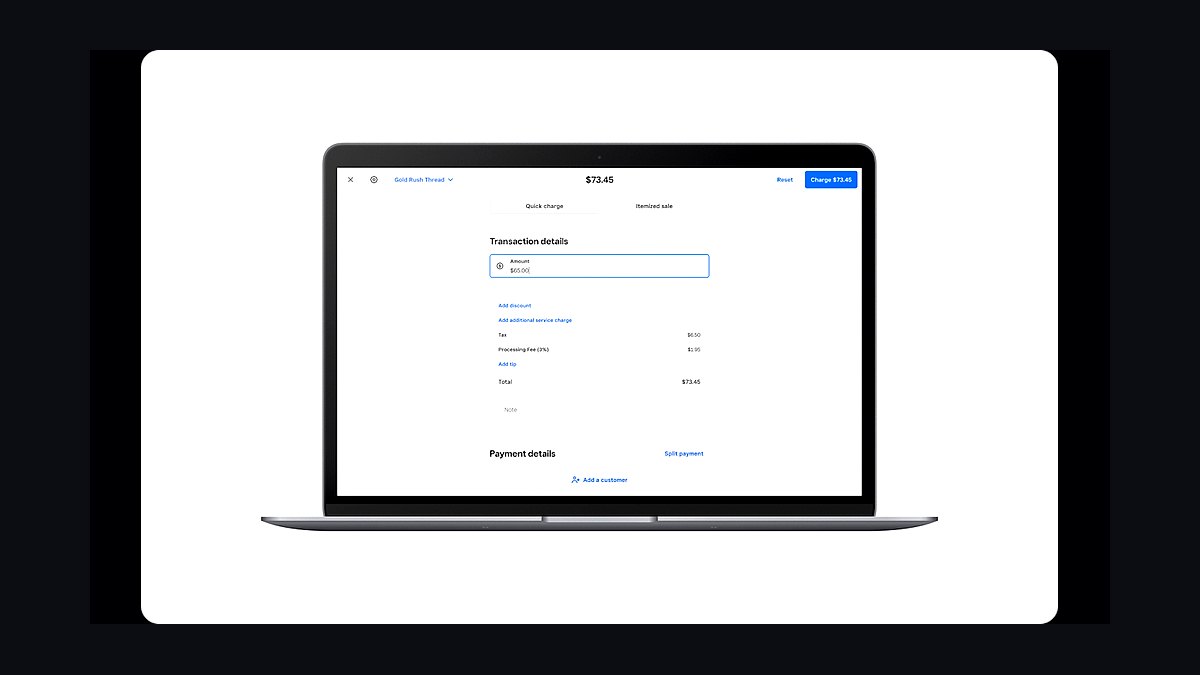
Square ranks ninth because it gives small pest control operators a fast, low-friction way to accept card payments in the field and online, with card-on-file for recurring plans and no monthly gateway fee. Setup takes minutes rather than days. It suits single-truck operators who want payments working immediately. Processing runs about 2.6 to 2.9 percent plus 10 to 30 cents depending on card type.
Square is for very small pest control companies that prioritize quick setup over deep integration with a field-service core. It trades away some of the API flexibility and recurring-billing customization that Stripe offers. Compared to Stripe above, Square is easier to start but less customizable for complex autopay logic; compared to FieldRoutes at the top, Square is a payment layer rather than the operating core.
10FieldRoutes Route Optimization

FieldRoutes Route Optimization ranks tenth because route density is the core profitability lever in pest control, and this module tightens technician routes to cut drive time and fit more stops per day. It is built into the FieldRoutes core rather than bolted on, so route changes flow directly into scheduling and mobile dispatch. Operators who actually use it report measurable gains in revenue per technician. It requires accurate service addresses and disciplined daily use.
This module is for existing FieldRoutes customers who want to squeeze more revenue from each technician's day. It trades away standalone flexibility since it only works inside FieldRoutes. Compared to Square above, it addresses operational efficiency rather than payments; compared to the full FieldRoutes platform at rank one, it is a single high-leverage feature rather than the complete operating core.
How we ranked these
We ranked tools on five weighted criteria: recurring-billing depth (25%), route optimization and density gains (25%), chemical and regulatory logging (20%), mobile technician usability (15%), and integration with payments and accounting (15%). Scores came from vendor documentation, published pricing, NPMA operational benchmarks, and hands-on operator reports from single- and multi-branch pest control firms. Tools that only handled one-off jobs were penalized heavily.
We deliberately ignored brand popularity, raw feature counts, and generic home-services suites that cannot model recurring routes. We also excluded marketing spend, review-count vanity metrics, and vendor awards, because none predict route density or retention. Pricing was noted but not weighted, since per-technician fees vary too widely to compare fairly across company sizes.
What to look for
What matters most is whether the core handles recurring contracts, autopay, and route density as first-class features. Check that chemical logging maps to your state's reporting format, that the mobile app works offline in the field, and that payments sync cleanly to QuickBooks without double entry. Ask vendors for revenue-per-route benchmarks from similar-sized operators.
The mistake most buyers make is choosing a generic field-service tool because it is cheaper or has a nicer demo, then discovering it cannot reschedule recurring plans automatically or log applications for compliance. They end up with manual workarounds, inflated accounts receivable, and audit risk. A second common error is skipping autopay setup during onboarding, which quietly turns recurring revenue into collections work.
Related questions
Why is pest control software different from generic field-service tools?
Pest control is a subscription business that sends a truck. Most revenue comes from recurring monthly, bi-monthly, or quarterly plans, so the software must treat recurring contracts, automatic rescheduling, and autopay as core features. Generic booking tools that treat every job as a standalone appointment cannot run this model without manual workarounds and billing errors.
How important is route optimization for a small pest control company?
Route density determines technician profitability. A technician's day is only as productive as the number of stops that fit with minimal drive time. Built-in route optimization directly lifts revenue per technician, so it should be turned on and used daily, not treated as an optional add-on. Even small operators see measurable gains within weeks.
What does autopay actually protect in a pest control business?
Card-on-file autopay is the single biggest protector of recurring revenue and the biggest reducer of accounts receivable. Without it, every monthly or quarterly charge depends on manual collection, which inflates AR and quietly increases churn. Enabling autopay during onboarding is the highest-leverage billing setting in the entire stack.
Can a generic field-service platform handle chemical and regulatory logging?
Usually not reliably. Pest control is regulated, and technicians must log products applied, quantities, and locations for state reporting. The core platform must capture this in the field through the mobile app. A generic tool forces paper or spreadsheet workarounds, which creates compliance risk and wastes technician time on documentation.
How do reviews and reputation tools fit into a pest control stack?
Reviews are the dominant local-acquisition channel for pest control. Tools like Podium or Birdeye trigger an automatic review request when a job is completed, turning satisfied customers into public proof. This should integrate directly with the core so no manual follow-up is needed, and it typically pays for itself through lower acquisition costs.
What is the biggest mistake when buying pest control software?
Choosing a generic field-service or home-services tool that cannot handle recurring routes, chemical tracking, and state regulatory reporting. It looks cheaper in the demo, but it forces manual workarounds, risks compliance, and hides churn because it treats a subscription business like a job shop. Buyers should test recurring-plan workflows before signing.
How should payments and accounting connect in this stack?
The critical integration is core-to-payments-to-accounting. Recurring autopay charges should flow into billing and then sync cleanly to QuickBooks Online without double entry. When this chain breaks, staff re-key invoices, reconciliation slows, and recurring revenue becomes harder to forecast. Test the sync with real recurring plans before rollout.
What budget should a small pest control operator expect in 2027?
A small operator can run a capable stack for roughly $300 to $600 per month plus per-technician fees, covering the core platform, a reviews tool, and QuickBooks. Mid-size multi-branch operators typically spend $800 to $2,000 or more per month with PestPac or FieldRoutes, Birdeye, and per-location charges. Migration and training are one-time costs.
FAQ
FieldRoutes, PestPac, or Briostack for pest control?
FieldRoutes and Briostack suit small-to-mid operators wanting modern UX and strong routing. PestPac scales well for larger multi-branch companies needing deep reporting and centralized billing. The deciding factor moving upmarket is usually multi-branch reporting, consolidated recurring billing, and route management across locations, where lighter tools stop scaling.
Why is autopay so important in a pest control stack?
Pest control is a recurring-revenue business, and card-on-file autopay protects that revenue while slashing accounts receivable. It is the highest-leverage billing setting in the stack. Skipping it leaves monthly and quarterly charges dependent on manual collection, which inflates AR and quietly increases churn over time.
Do I really need route optimization?
Yes. Technician profitability is driven by route density, so optimization that reduces drive time directly increases revenue per technician. The leading cores include it, and it should be turned on and used daily. Ignoring it wastes technician hours on drive time that could otherwise be billable service stops.
How does the stack handle state regulatory compliance?
The core platform logs chemicals applied, quantities, and locations in the field for state regulatory reporting. A generic tool cannot do this reliably, which forces paper or spreadsheet workarounds and creates audit risk. Confirm the logging format matches your state's requirements before committing to any platform.
What does a small pest control stack cost in 2027?
Roughly $300 to $600 per month plus per-technician fees for a small operator, scaling to $800 to $2,000 or more per month for multi-branch operators. One-time costs include data migration, route setup, and technician-app training. Pricing varies widely, so compare total cost at your actual technician count.
How long does implementation take?
Most small operators can implement the core, migrate customers and recurring plans, and enable autopay and chemical logging within 30 days. Route optimization and review automation typically follow in days 31 to 60, with QuickBooks sync and recurring-revenue reporting in days 61 to 90. Multi-branch rollouts take longer.
Can I run the stack without a CRM and marketing layer?
You can, but you will likely lose leads and reviews. A CRM layer captures website and call leads, then pushes them into the core so a web inquiry becomes a scheduled first service without re-keying. Podium or Birdeye adds review automation, which is the dominant local-acquisition channel for pest control.
What reports should I watch after rollout?
Track recurring-revenue retention, revenue per route, and accounts receivable aging. These three surface whether autopay is working, whether route density is improving, and whether churn is eroding value. Build them in the core and sync to QuickBooks so ownership sees the same numbers as operations.
Is a cheaper generic tool ever the right choice?
Rarely for pest control. A generic tool that cannot model recurring routes, chemical logging, and state reporting forces manual workarounds and hides churn. The apparent savings are usually erased by collections work, compliance risk, and lost route density. Test recurring-plan workflows before choosing on price alone.
How do I evaluate vendors before signing?
Ask for revenue-per-route benchmarks from operators your size, test the mobile app offline, and walk through a recurring-plan reschedule and an autopay charge end to end. Confirm the QuickBooks sync and state chemical-reporting format. A short pilot with real routes beats any feature checklist or demo.
Sources
- https://www.fieldroutes.com/
- https://www.pestpac.com/
- https://www.briostack.com/
- https://www.podium.com/
- https://birdeye.com/
- https://quickbooks.intuit.com/
- https://gusto.com/
- https://www.npmapestworld.org/
- https://stripe.com/
- https://squareup.com/
Related on PULSE
This page will be disappearing soon. Save it to your device for $1 — or read it free while it is here.
@Kory-White- · if Venmo asks, the last 4 of my number are 2012
This page is gone.
This one is off the shelf now. $1 keeps it on your phone for good — the whole page, pictures and diagrams included.
 pulse-tech-stacksTop 10 Best Tech Stack Tools for Movie Theaters in 2027
 pulse-tech-stacksTop 10 Best Tech Stack Tools for Email Security Vendors in 2027
 pulse-tech-stacksTop 10 Best Tech Stack Tools for AI Music Generation Companies in 2027
 pulse-tech-stacksTop 10 Best Tech Stack Tools for AI Customer Support Companies in 2027
 pulse-tech-stacksTop 10 Best Tech Stack Tools for Podiatry Practices in 2027
 pulse-tech-stacksTop 10 Best Tech Stack Tools for B2B SaaS Companies in 2027
 pulse-tech-stacksTop 10 Best Tech Stack Tools for Staffing Agencies in 2027
 pulse-tech-stacksTop 10 Best Tech Stack Tools for Independent Roofing Contractors in 2027
 pulse-tech-stacksTop 10 Best Tech Stack Tools for Plastics and Injection Molding Manufacturers in 2027
 pulse-tech-stacksTop 10 Best Tech Stack Tools for Commercial HVAC Contractors in 2027