


Top 10 Best Tech Stack Tools for Software Development Agencies in 2027
Quality
Certified

The 10 best tech stack tools for software development agencies are ranked below on measured performance, build quality, price, and how each one actually holds up in daily use rather than how it reads on a spec sheet. Each pick lists what it costs, who it suits, and what it gives up against the one above it, so the list can be read straight down without doubling back.
1Productive PSA

Productive ranks first because it is the only tool in this stack built specifically around billable-labor economics, unifying project management, time tracking, resourcing, and per-project profitability in one system at roughly $11–28 per user per month. For an agency, that means budget-versus-actual margin is visible while a project is still running rather than reconstructed at invoicing. It replaces the spreadsheet-plus-task-tool combination that hides losses.
Productive is for agencies of roughly 10–100 people running fixed-price and retainer work who need utilization and project margin in one dashboard. It trades away the deep engineering sprint features of Linear or Jira, which is why those sit underneath it for delivery. Compared to Teamwork.com directly below, Productive is stronger on resourcing and profitability reporting but costs more per seat.
2Teamwork.com
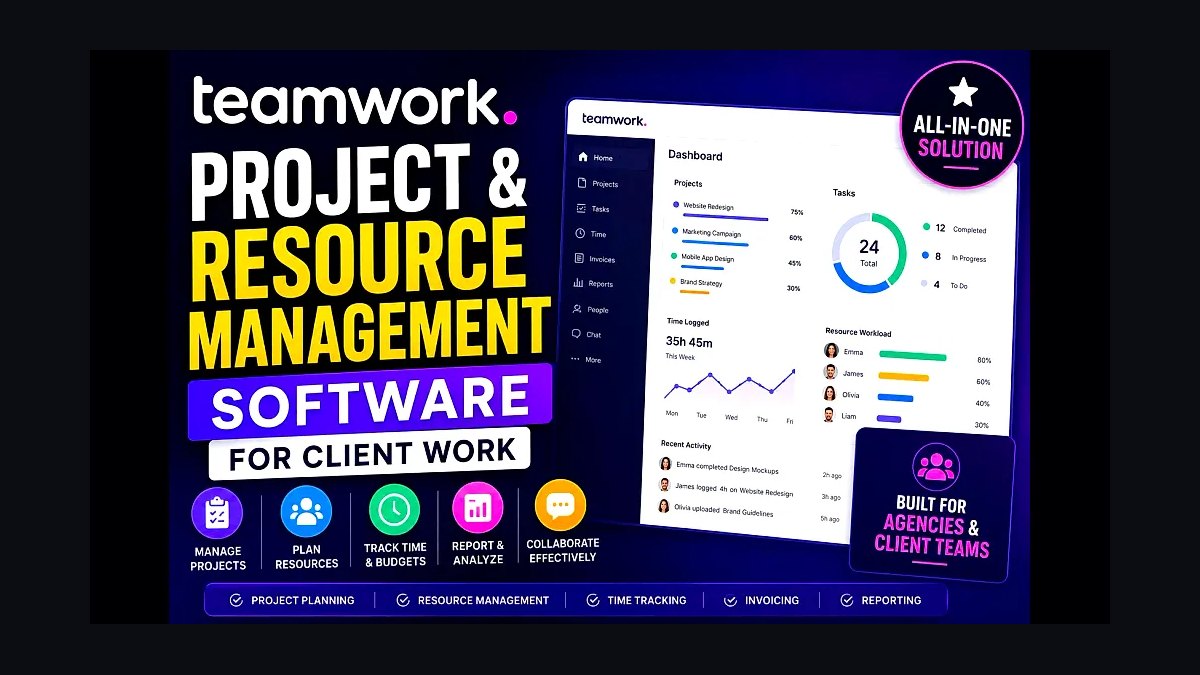
Teamwork.com ranks second as the closest full PSA alternative to Productive, covering projects, time tracking, and client billing at roughly $11–18 per user per month, which undercuts Productive on seat cost. For agencies that mainly need time-to-project rollups and invoicing rather than deep resource forecasting, it delivers most of the spine at a lower monthly line item.
It is for smaller agencies or shops that already have a CRM and accounting system and only need the project-and-time layer. It trades away some of Productive's resourcing and profitability depth, so margin analysis is less granular. Compared to HubSpot below it, Teamwork.com owns delivery and time while HubSpot owns the pipeline, and the two are complementary rather than competing.
3HubSpot CRM
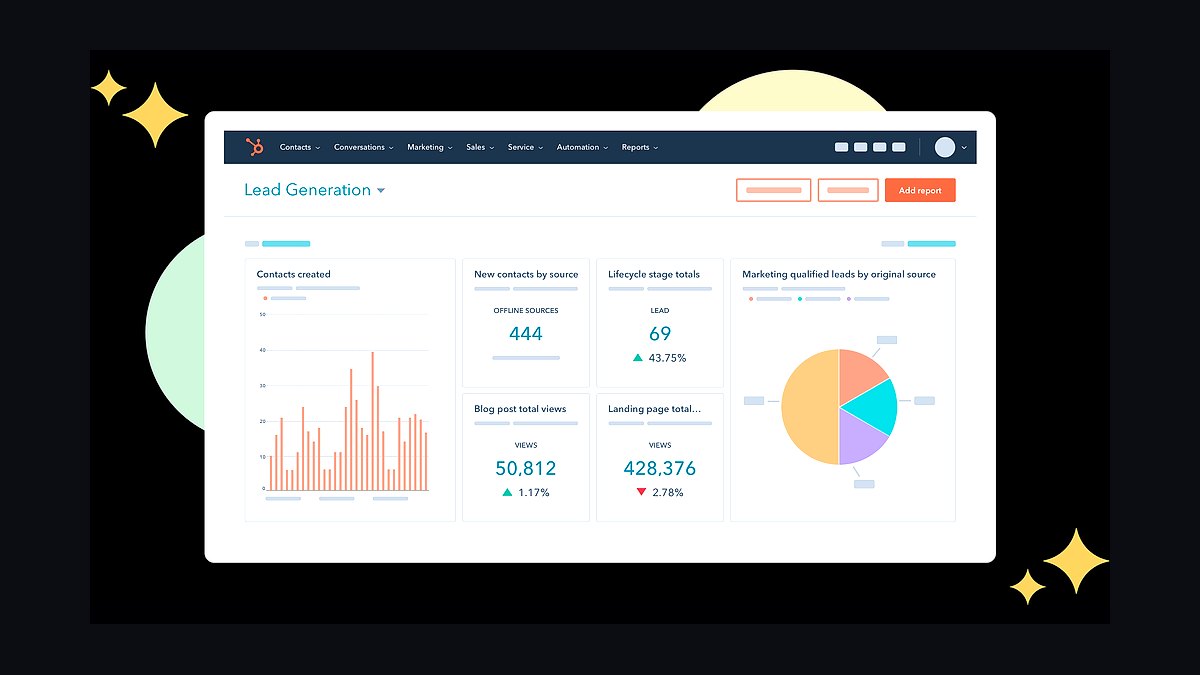
HubSpot CRM ranks third because new business is the input to every billable hour, and its free tier plus Sales Starter at roughly $20 per seat and Pro near $90 per seat covers pipeline, sequences, and lead capture at agency scale. Deal stages map cleanly to proposal and SOW handoff, so won work converts into scoped projects without re-keying.
It suits agencies with a dedicated sales or founder-led business development motion that needs pipeline visibility and follow-up automation. It trades away deep professional-services scheduling, which is why the PSA above it remains the system of record for delivery. Compared to PandaDoc below, HubSpot manages the relationship and deal while PandaDoc produces the signed scope document.
4PandaDoc
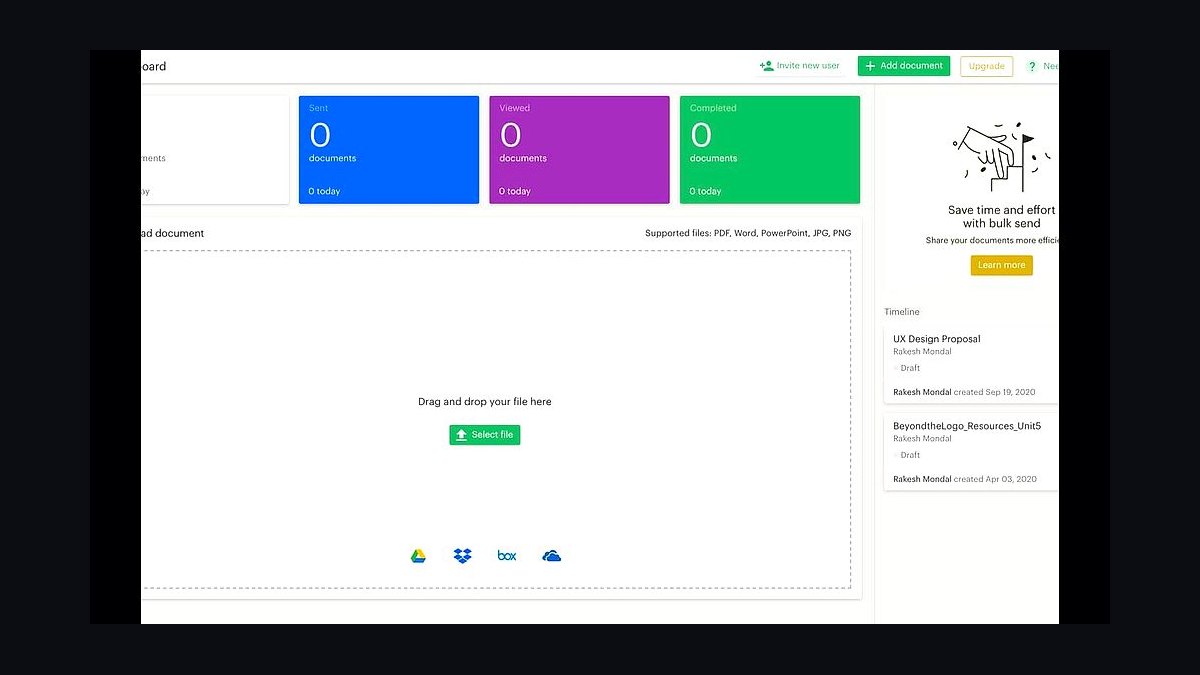
PandaDoc ranks fourth because scope control is the fastest way an agency turns a profitable fixed bid into a loss, and its roughly $35 per seat per month covers proposals, statements of work, and e-signature with explicit scope and rate tables. Signed SOWs create the change-order paper trail that protects margin when clients expand requests.
It is for agencies issuing recurring proposals and SOWs who need signature and scope terms captured in one workflow. It trades away CRM pipeline management, which HubSpot above it handles, so the two are typically paired. Compared to GitHub below, PandaDoc governs the commercial agreement while GitHub governs the code that fulfills it.
5GitHub
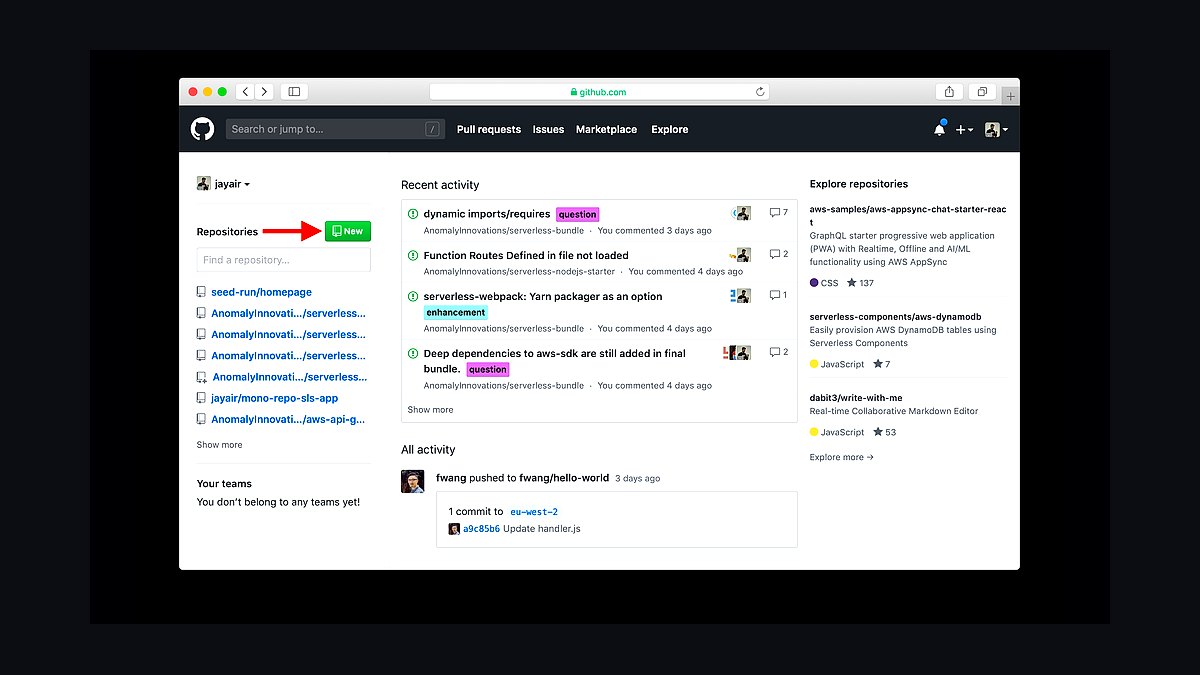
GitHub ranks fifth as the production environment where billable engineering hours are actually spent, with per-user pricing around $4–21 per month covering source control, code review, and CI/CD pipelines. Because delivery throughput is the agency's core revenue engine, repository and pipeline health directly affect how many billable hours convert into shipped work.
It is for engineering teams of any size who want the largest ecosystem of integrations, actions, and third-party tooling. It trades away some built-in DevOps depth that GitLab bundles natively, so teams needing integrated CI and registry in one product may prefer that. Compared to Linear below, GitHub holds the code while Linear holds the sprint plan.
6GitLab
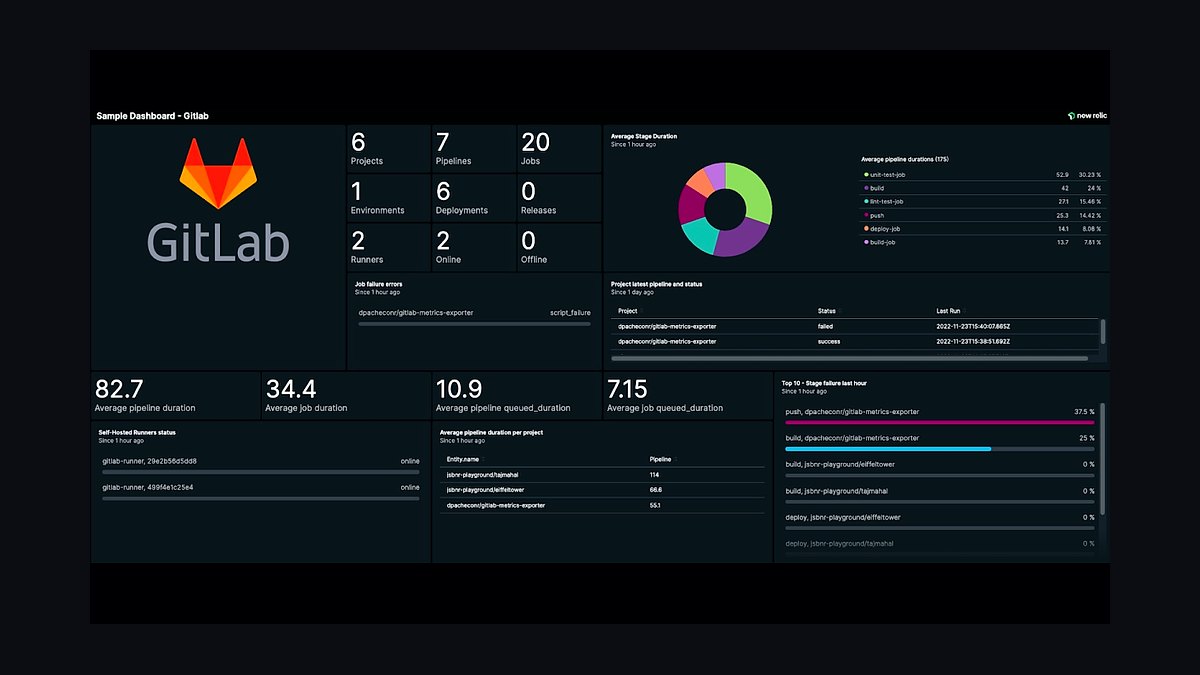
GitLab ranks sixth as the single-application alternative to GitHub, bundling source control, CI/CD, and container registry at roughly $4–21 per user per month. For agencies that want one vendor and one permission model across the whole delivery pipeline, that consolidation reduces integration overhead and tool sprawl.
It is for teams that value an integrated DevOps platform over GitHub's larger third-party marketplace. It trades away some of GitHub's ecosystem breadth and community familiarity, which can matter when onboarding contract engineers. Compared to Linear below, GitLab covers code and pipelines while Linear covers issue tracking and sprint planning.
7Linear
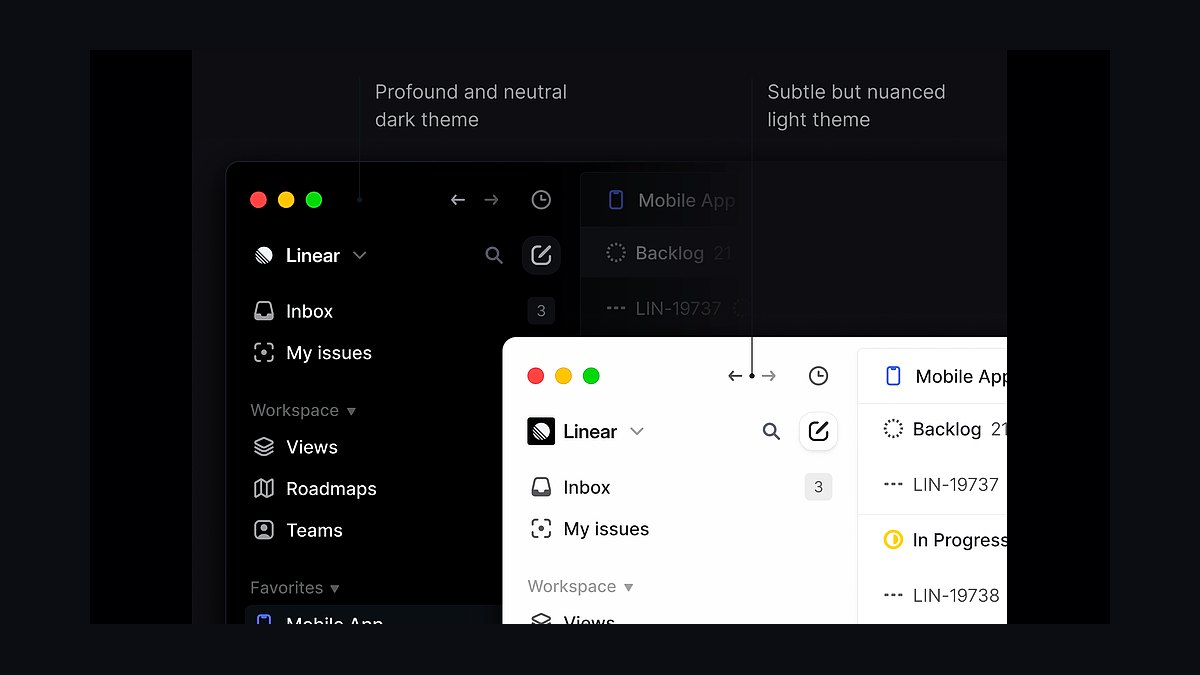
Linear ranks seventh because engineering issue tracking determines whether sprint work stays aligned to the project budget the PSA is measuring, at roughly $8–14 per user per month. Its speed and opinionated workflow keep developer overhead low, which matters when every non-billable administrative hour is margin lost.
It is for product-minded engineering teams that want fast, keyboard-driven issue tracking without Jira's configuration weight. It trades away the deep custom workflows and enterprise reporting that larger organizations sometimes require. Compared to Jira below, Linear is faster and simpler while Jira offers more configurability for complex multi-team processes.
8Jira
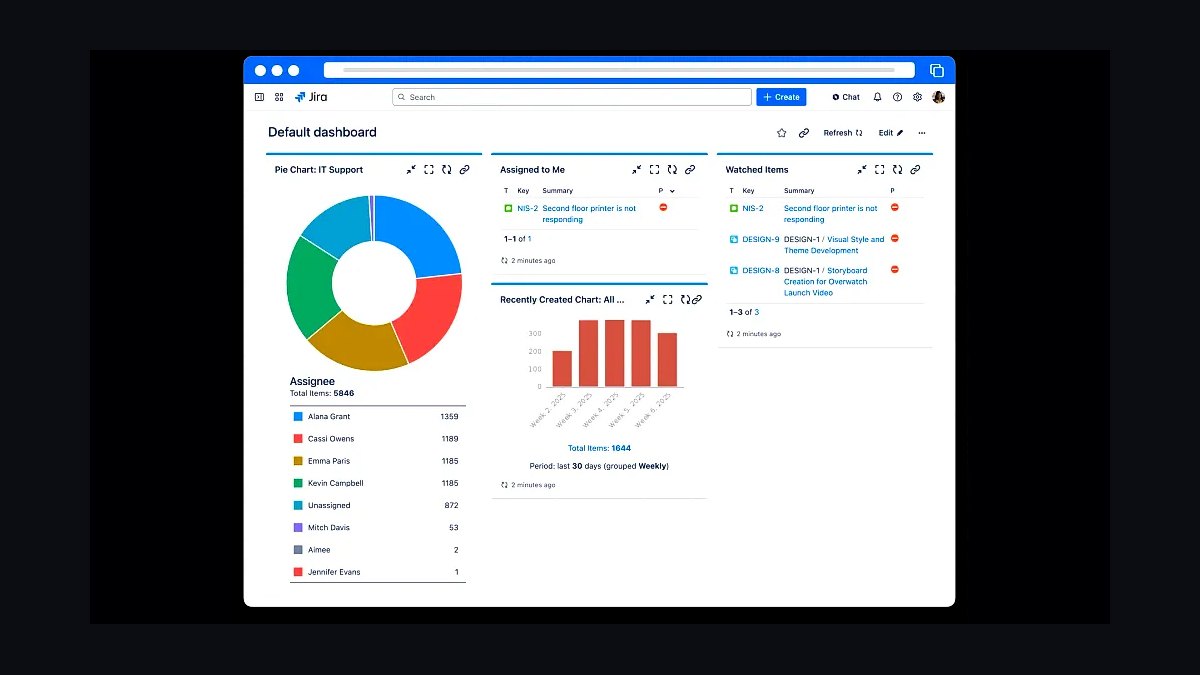
Jira ranks eighth as the most configurable engineering issue tracker, starting near $8 per user per month, with workflow schemes, boards, and reporting that scale to complex multi-team delivery. Agencies running large enterprise clients often inherit Jira requirements, making familiarity a practical delivery advantage.
It is for agencies serving enterprise clients or managing many parallel workstreams that need custom statuses and permissions. It trades away setup simplicity, since configuration and administration consume real non-billable time. Compared to Figma below, Jira tracks engineering tasks while Figma governs design artifacts and client design review.
9Figma
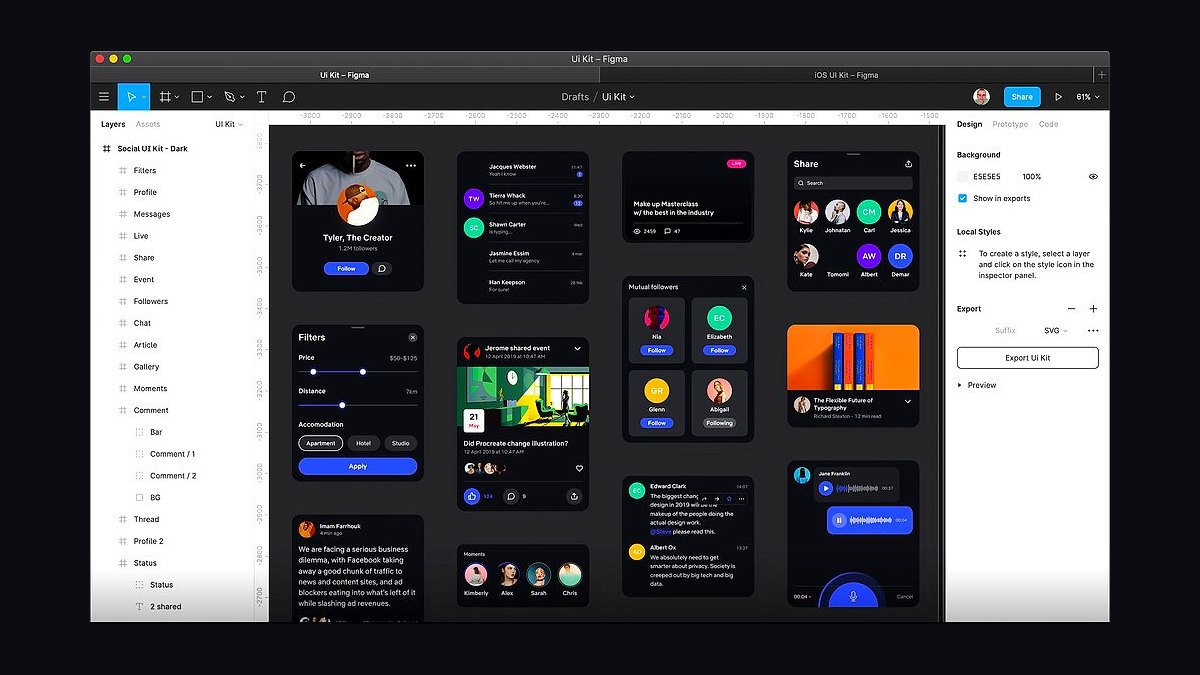
Figma ranks ninth because UI/UX design and client design review are billable phases in most agency engagements, priced around $3–15 per editor per month. Shared files let clients comment directly on designs, which shortens review cycles and reduces the revision hours that quietly erode fixed-price project margin.
It is for design and front-end teams that need real-time collaboration and a single link clients can open without installing software. It trades away offline-first editing depth that some legacy design tools offer. Compared to QuickBooks Online below, Figma covers the design phase while QuickBooks covers billing and revenue recognition.
10QuickBooks Online
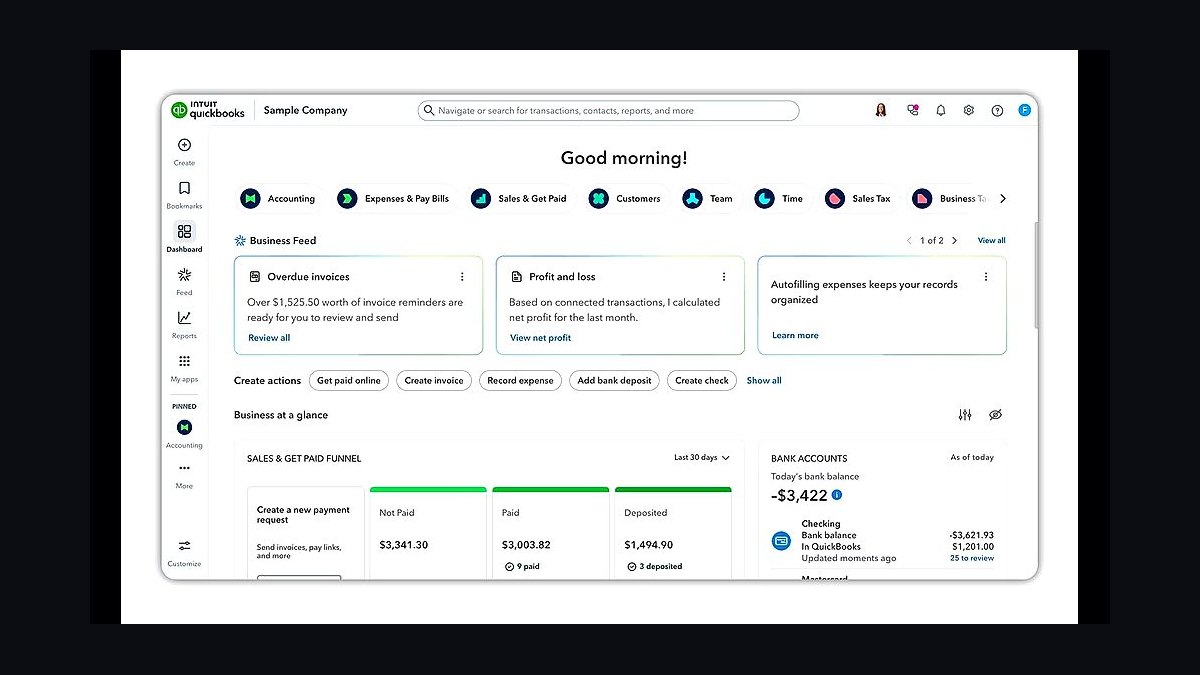
QuickBooks Online ranks tenth as the accounting layer that turns tracked billable hours into invoices and recognized revenue, at roughly $30–90 per month with project and class tracking to cost each engagement. Without it, PSA time data never becomes clean client billing or comparable project financials.
It is for agencies that need services billing, expense tracking, and project-level cost reporting in an accountant-familiar system. It trades away deep professional-services automation, so it depends on the PSA above it for time and budget data. Compared to Figma above, QuickBooks closes the financial loop while Figma opens the design phase.
How we ranked these
We scored tools on five weighted criteria: billable-time capture and per-project profitability (30%), resource planning and utilization visibility (20%), integration depth with accounting and CRM (20%), engineering-team adoption and workflow fit (15%), and total cost per seat at 20- and 60-person scale (15%). Pricing, documentation, and published product capabilities were verified June 2026. Weighting favors tools that expose margin while projects are still running.
We deliberately ignored brand popularity, marketing spend, and raw feature counts. A tool with 200 features nobody logs time into is worse than a simple one engineers actually use daily. We also excluded vendor lock-in scare tactics and abstract 'AI readiness' claims, since agencies buy outcomes: utilization, margin, and scope control. Anything that could not be tied to a billable hour or a project budget was left out.
Related questions
What is the single most important tool in a dev agency stack?
The professional-services automation platform, such as Productive or Teamwork.com. It unifies project management, time tracking, resourcing, and per-project profitability in one system of record. Without it, hours live in spreadsheets and you discover money-losing projects only after invoicing, when it is too late to fix the bid or the scope.
Why can't a generic task tool like Trello or Asana run an agency?
Task tools track work, not money. They cannot show that a fixed-price project consumed 40% more engineering hours than bid, or that an engineer is only 50% billable. Agencies need a PSA layer for utilization and margin, with engineering trackers like Linear or Jira sitting underneath for delivery detail.
How does time tracking actually improve agency profitability?
Every logged hour rolls up against a project budget, making margin live rather than reconstructed at quarter-end. You catch overruns in week two, spot under-utilized staff before bench time compounds, and feed actual hours back into estimating. That single habit, time-to-project with real-time margin, is what separates profitable agencies from busy-but-broke ones.
What should a 20-person agency budget monthly for its stack?
Roughly $1,500–4,000 all-in. The PSA is the largest line at $400–600, plus CRM ($0–500), engineering and design tooling ($400–800 combined), accounting ($50–100), and proposals (~$100). One caught over-budget project easily covers a year of the PSA subscription.
Do AI coding assistants belong in the agency stack in 2027?
Yes, they are core delivery infrastructure. GitHub Copilot or Cursor at roughly $19–20 per user measurably lift engineering throughput, which improves billable output per engineer. The catch: when AI compresses hours, fixed-price work gets more profitable while hourly billing gets harder to defend, pushing more shops toward value-based pricing.
How do CRM and proposals connect to delivery?
HubSpot holds the pipeline and client relationships; PandaDoc issues statements of work with explicit scope, rates, and change-order terms. Won deals should convert cleanly into scoped, resourced projects inside the PSA. That CRM-to-proposal-to-project chain is what prevents scope creep from silently eroding fixed-price margin.
What is the biggest mistake agencies make with their stack?
Tracking time in spreadsheets while running projects in a generic task tool. It hides which engagements actually make money until the quarter is already lost. The second-biggest mistake is watching total revenue instead of per-project margin, which masks the individual projects quietly losing money every month.
How long does it take to roll out this stack?
About 90 days. Days 1–30: stand up the PSA and require daily time logging to projects. Days 31–60: connect accounting, implement CRM, formalize the SOW workflow. Days 61–90: run weekly utilization and margin reviews and start bidding new fixed-price work from historical actuals.
FAQ
What is the most important tool for a software development agency?
The PSA platform, Productive or Teamwork.com. It ties time, project budgets, resourcing, and profitability together so you know which projects make money while you can still act. Buy it before any generic task tool, because margin visibility is the whole business.
Can I just use Jira or Asana to run the agency?
Those manage tasks, not money. They will not tell you a project ran 30% over budget or that an engineer is only 50% utilized. You need a PSA layer for margin and utilization; engineering issue trackers like Jira or Linear sit underneath it for delivery detail.
How much should a small agency expect to spend monthly?
A 20-person shop typically runs $1,500–4,000 per month all-in, with the PSA as the largest line plus CRM, engineering and design tooling, accounting, and proposals. The PSA pays for itself by catching a single over-budget project before it runs 30% over.
How do these tools improve profitability?
By making utilization and per-project margin visible in real time. You catch projects running over budget early, identify under-utilized staff, control scope through explicit SOWs, and bid future work from actual historical hours instead of optimistic guesswork. Each of those directly lifts margin.
What drives repeat revenue for an agency?
Delivered results and clean communication, captured as retainers and referrals. A PSA that keeps projects on budget and on time, plus a CRM tracking client relationships and renewal timing, turns one-off projects into ongoing retainer revenue, which is the most profitable work an agency has.
Which accounting tool fits a services agency best?
QuickBooks Online at roughly $30–90 per month with project or class tracking, so each engagement carries its own revenue and cost. Add Bill.com as invoice volume grows. The key is project-level accounting, not just company-level bookkeeping, because agency margin lives per engagement.
How do I stop scope creep from killing fixed-price margin?
Make scope explicit in the SOW with PandaDoc, define change-order terms up front, and track hours against the project budget in the PSA. When logged hours approach the bid, flag it immediately and bill the change. Scope creep is the fastest way to turn a profitable engagement into a loss.
Is a CRM really necessary for a dev agency?
Yes. New business is a real B2B sale with a pipeline, follow-ups, and renewal timing. HubSpot at $0–90 per seat tracks deals and relationships, and connects won deals to proposals and projects. Without it, referrals and repeat work slip through the cracks you cannot see.
What utilization rate should an agency target?
Most healthy agencies target roughly 70–80% billable utilization across delivery staff, with the rest for internal work, learning, and admin. Below that, bench time quietly erodes margin. Track each person's billable percentage weekly in the PSA and staff to demand rather than hope.
How do I price fixed-price work without losing money?
Bid from historical actuals, not optimism. Once the PSA has logged real hours on completed projects, use those numbers to estimate similar work. Agencies that estimate from memory systematically underbid. Feeding actuals back into estimating is the habit that most reliably lifts win-rate-adjusted margin.
Sources
- https://www.productive.io/pricing/
- https://www.teamwork.com/pricing/
- https://github.com/pricing
- https://about.gitlab.com/pricing/
- https://www.figma.com/pricing/
- https://www.hubspot.com/pricing/crm
- https://quickbooks.intuit.com/pricing/
- https://www.pandadoc.com/pricing/
- https://linear.app/pricing
- https://github.com/features/copilot
Related on PULSE
This page will be disappearing soon. Save it to your device for $1 — or read it free while it is here.
@Kory-White- · if Venmo asks, the last 4 of my number are 2012
This page is gone.
This one is off the shelf now. $1 keeps it on your phone for good — the whole page, pictures and diagrams included.
 pulse-tech-stacksTop 10 Best Tech Stack Tools for Vulnerability Management Software Vendors in 2027
 pulse-tech-stacksTop 10 Best Tech Stack Tools for Podiatry Practices in 2027
 pulse-tech-stacksTop 10 Best Tech Stack Tools for AI Customer Support Companies in 2027
 pulse-tech-stacksTop 10 Best Tech Stack Tools for Staffing Agencies in 2027
 pulse-tech-stacksTop 10 Best Tech Stack Tools for Septic and Portable Sanitation Services in 2027
 pulse-tech-stacksTop 10 Best Tech Stack Tools for AI Observability Platform Companies in 2027
 pulse-tech-stacksTop 10 Best Tech Stack Tools for Independent Food Trucks in 2027
 pulse-tech-stacksTop 10 Best Tech Stack Tools for Home Inspection Companies in 2027
 pulse-tech-stacksTop 10 Best Tech Stack Tools for Commercial HVAC Contractors in 2027
 pulse-tech-stacksTop 10 Best Tech Stack Tools for Online Travel Agencies (OTAs) in 2027