


Top 10 Best Tech Stack Tools for Towing Companies in 2027
Quality
Certified
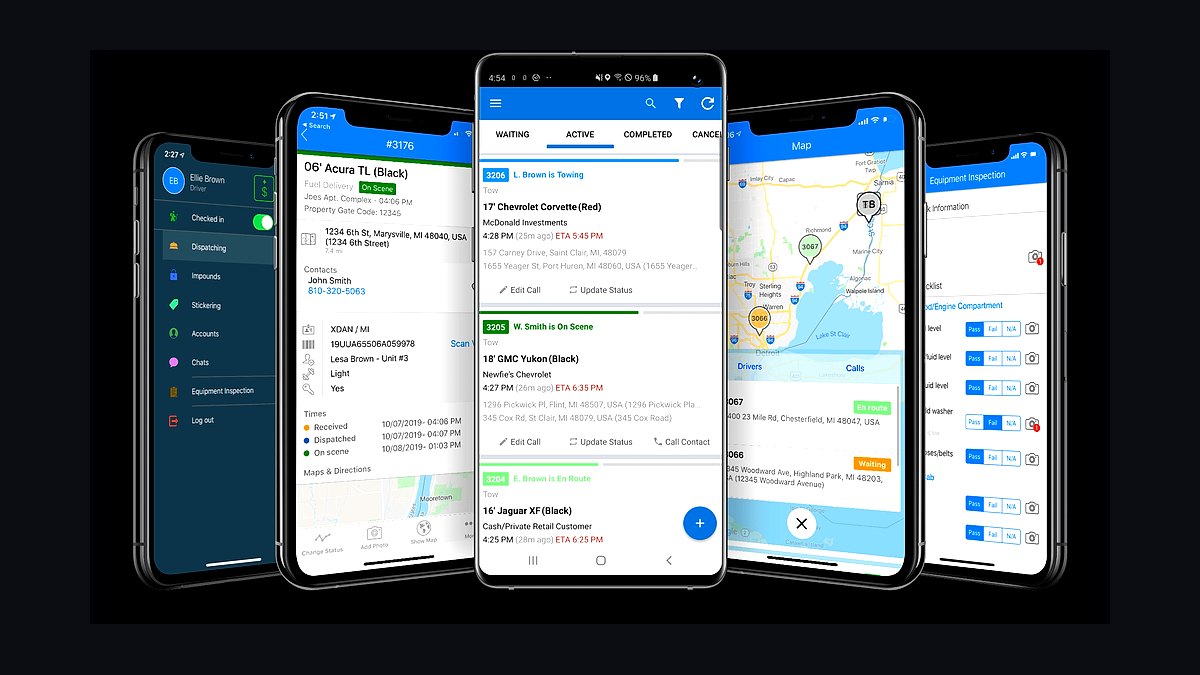
The 10 best tech stack tools for towing companies are ranked below on measured performance, build quality, price, and how each one actually holds up in daily use rather than how it reads on a spec sheet. Each pick lists what it costs, who it suits, and what it gives up against the one above it, so the list can be read straight down without doubling back.
1Towbook Towing Dispatch Software

Towbook ranks first because it is the dominant towing-specific dispatch platform for small-to-mid operators, priced roughly $50–250+/month by truck count and feature tier. It combines digital motor-club dispatch, a driver mobile app with photo and signature capture, impound/storage and lien tracking, and multi-rate invoicing in one system. No other tool in the stack captures club calls, enforces cash, club, police, and commercial rates, and tracks state lien timelines simultaneously.
It is built for operators running five to eight trucks on mostly motor-club and cash calls who need fast onboarding and straightforward rate configuration. It trades away the deep heavy-duty recovery workflows and complex multi-vehicle storage-lot tooling that larger fleets eventually need. Compared to TRAXERO directly below, Towbook is lighter and cheaper but less suited to high-volume impound operations.
2TRAXERO Towing Management Platform

TRAXERO ranks second because it serves larger fleets and heavy-duty or complex impound operations with deeper storage-lot and lien-management tooling than Towbook. The platform includes Dispatch Anywhere, Ranger SST, and Omadi under custom pricing, and is built for 20-plus truck operations carrying many vehicles in storage simultaneously. Its lien-letter generation and auction-deadline automation move from optional to mandatory at that volume.
It is for operators whose business is weighted toward heavy-duty recovery and high-volume impound rather than light-duty club and cash calls. It trades away the low entry price and fast self-serve onboarding that makes Towbook attractive to small fleets, since TRAXERO requires custom quoting and more configuration. Compared to Towbook above, it costs more but handles liability and storage complexity Towbook's lighter feature set is not optimized for.
3Swoop Towing Dispatch Software

Swoop ranks third because it is particularly strong on motor-club digital dispatch integration, making it a genuine alternative to Towbook and TRAXERO rather than an assumed-away option. For operators whose call volume arrives heavily through Agero, Honk, and Urgent.ly, Swoop's club connectivity directly addresses the speed-based award logic that decides whether a call is won or lost. It handles dispatch, driver mobile workflow, and billing in one platform.
It is for small-to-mid operators who want strong club integration without moving up to TRAXERO's heavier custom-priced tier. It trades away some of Towbook's broader install base and community familiarity, which can matter when hiring dispatchers already trained on a platform. Compared to TRAXERO above, Swoop is lighter on complex impound and heavy-duty recovery tooling but competitive on club dispatch speed.
4Motive GPS Fleet Tracking

Motive ranks fourth because GPS/AVL tracking feeds nearest-truck assignment and accurate ETAs directly into the dispatch platform at roughly $30–45 per truck per month. Without live truck location, nearest-truck assignment is a guess, and guessing loses time-sensitive motor-club calls even when every other layer of the stack is correctly in place. It doubles as ELD compliance and dash-cam liability protection.
It is for operators who have already stood up a core dispatch platform and need to make assignment automatic rather than manual. It trades away nothing operationally but adds a per-truck recurring cost that scales directly with fleet size, so a six-truck fleet runs another $180–270/month. Compared to Samsara below, Motive is the more common default for light-duty club and cash operations.
5Samsara Fleet Tracking Platform
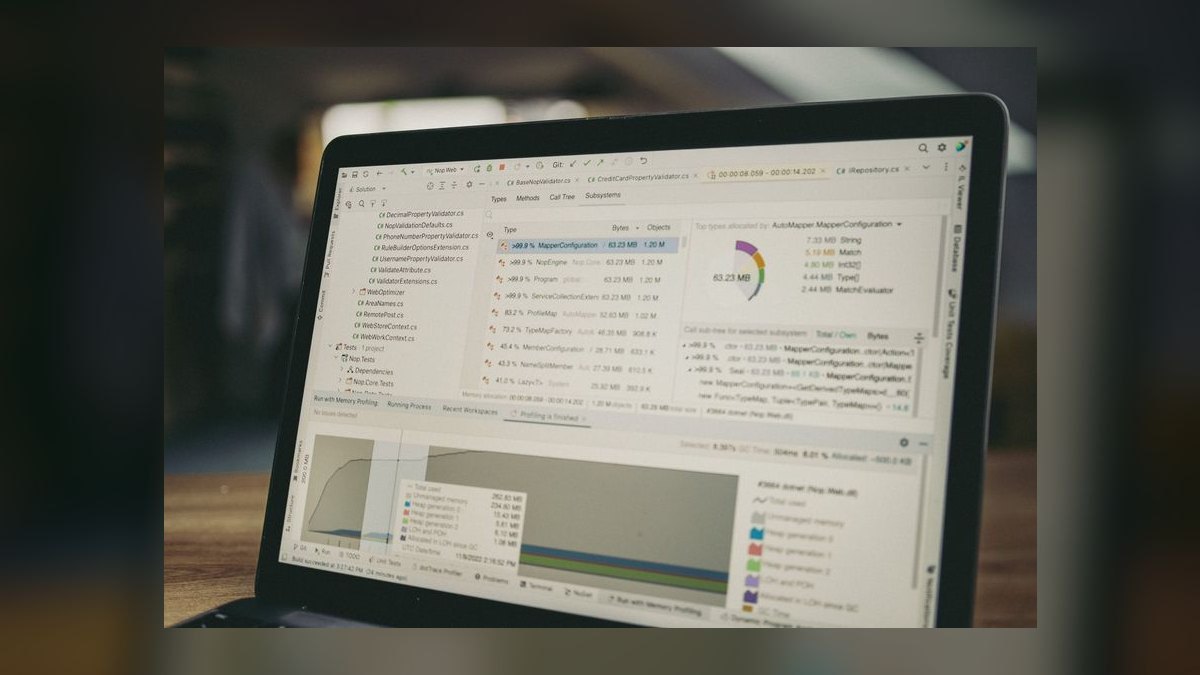
Samsara ranks fifth because it delivers GPS/AVL tracking plus camera and liability-protection tooling that becomes a priority for heavy-duty recovery operations. Like Motive it runs around $30–45 per truck per month and feeds nearest-truck assignment into the dispatch platform, but its camera integration is more often chosen specifically to protect against liability claims on heavy recoveries. It also supports ELD compliance and driver behavior monitoring.
It is for larger fleets and heavy-duty operators where dash-cam liability protection on recoveries justifies the cost. It trades away some of the simplicity and lower-tier pricing that makes Motive the default for small light-duty operations. Compared to Motive directly above, Samsara is the stronger pick when camera evidence and heavy-recovery liability matter more than lowest per-truck cost.
6Agero Motor Club Dispatch Network
Agero ranks sixth because it is the largest motor-club dispatch network feeding electronic calls directly into a towing platform, and club calls awarded by speed cannot be won reliably over the phone. Connecting Agero digitally is what converts the dispatch platform from an internal tool into a call-capture system. Motor clubs award work to whichever provider accepts and confirms first through their digital system.
It is for operators who want steady contracted call volume and are willing to accept the thinner margins that club work carries. It trades away pricing control, since Agero calls bill at contracted rates rather than retail cash rates. Compared to Honk and Urgent.ly below, Agero is typically the highest-volume club connection and the first one a new operator should integrate.
7Honk Mobile Motor Club

Honk ranks seventh because it is a major motor-club dispatch network that connects electronically into towing platforms, adding a second source of digitally awarded call volume alongside Agero. Like all club integrations, it matters because calls are awarded algorithmically to whoever accepts and confirms fastest, so electronic connection is the only reliable way to compete. It feeds jobs directly into the dispatch platform without phone handling.
It is for operators who have already connected Agero and want to diversify club volume across multiple networks rather than depend on one. It trades away retail pricing control in the same way Agero does, billing at contracted club rates. Compared to Urgent.ly below, Honk is typically the second club connection an operator adds after Agero.
8Urgent.ly Roadside Platform
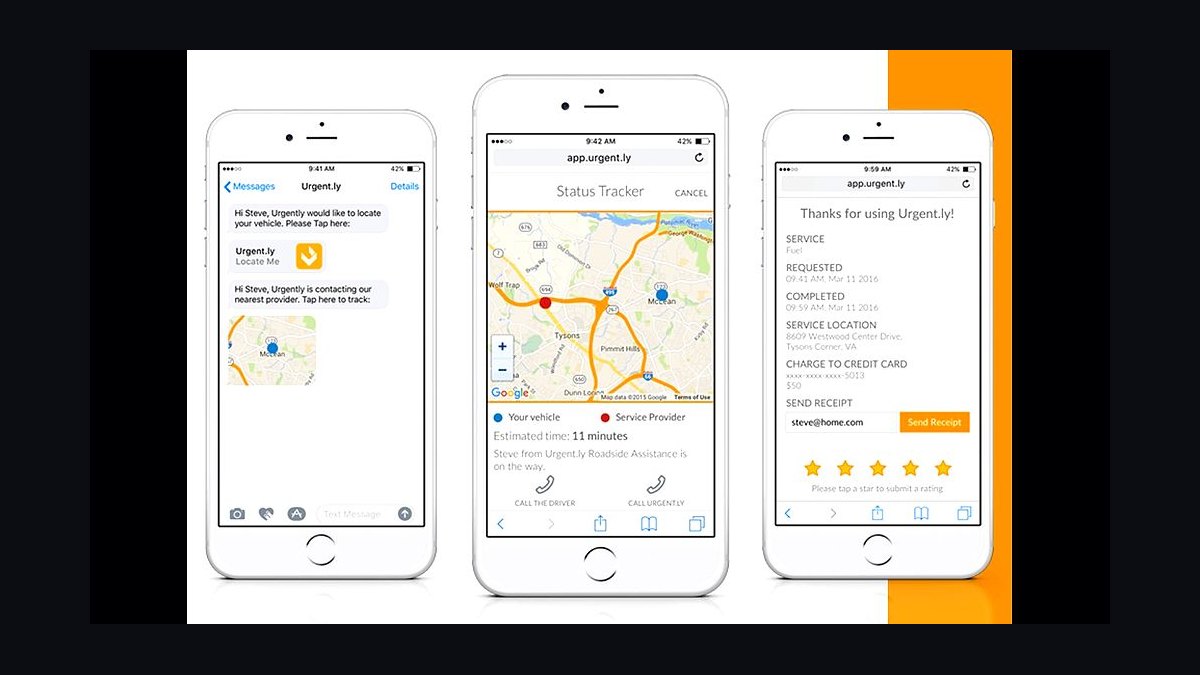
Urgent.ly ranks eighth because it is a further motor-club and roadside dispatch network that connects electronically into towing platforms, adding call volume beyond Agero and Honk. For operators building out the club side of the business, each additional network connection widens the pool of digitally awarded jobs without adding phone-handling labor. It integrates directly so calls land in the dispatch platform.
It is for operators who already run Agero and Honk and want a third club source, or who find Urgent.ly's particular geographic demand pattern fits their coverage area. It trades away retail pricing control like the other club networks. Compared to Honk above, Urgent.ly is usually the third connection rather than the first two, since volume and coverage vary by region.
9Square Point of Sale
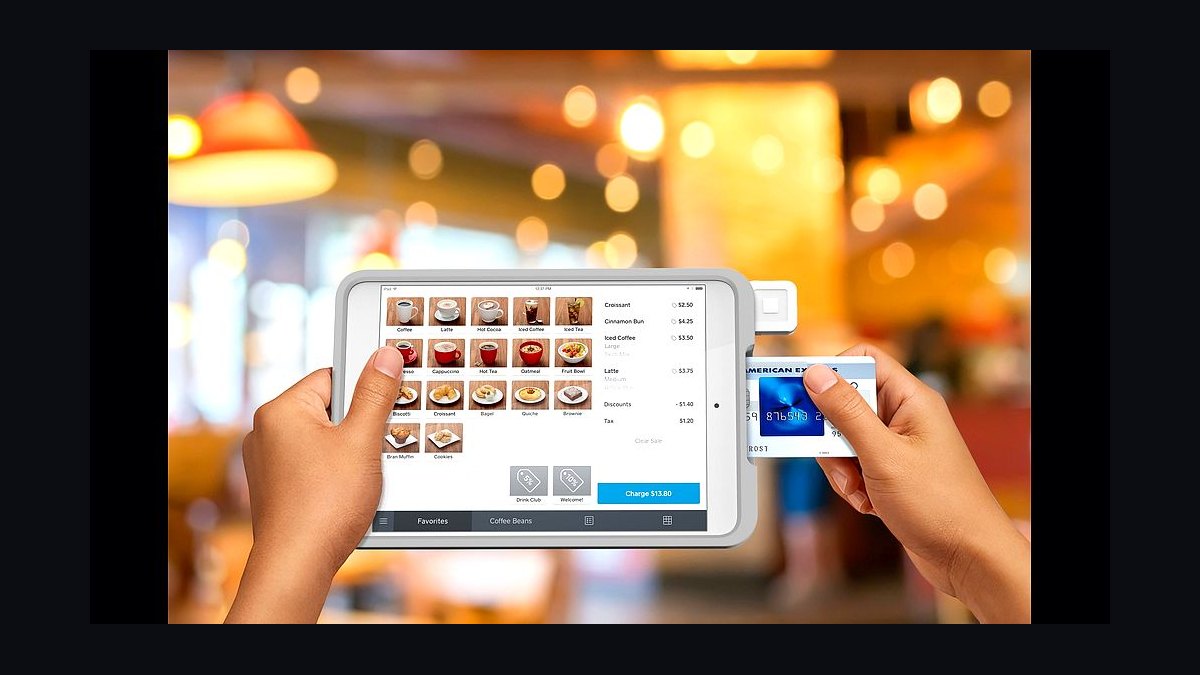
Square ranks ninth because it handles card-on-scene and impound-release payments, the transaction layer that turns completed tows into collected revenue. Payment processing is transaction-based rather than a flat monthly fee, so cost scales with volume rather than fleet size. It captures payment at the truck or the impound lot, which matters when a vehicle cannot be released until the bill is settled.
It is for operators of any size who need to take cards on scene and at the lot without a merchant account setup. It trades away nothing critical but adds per-transaction processing cost that a high-volume operation should compare against alternatives. Compared to QuickBooks Online below, Square collects the money while QuickBooks reconciles it by source afterward.
10QuickBooks Online Accounting
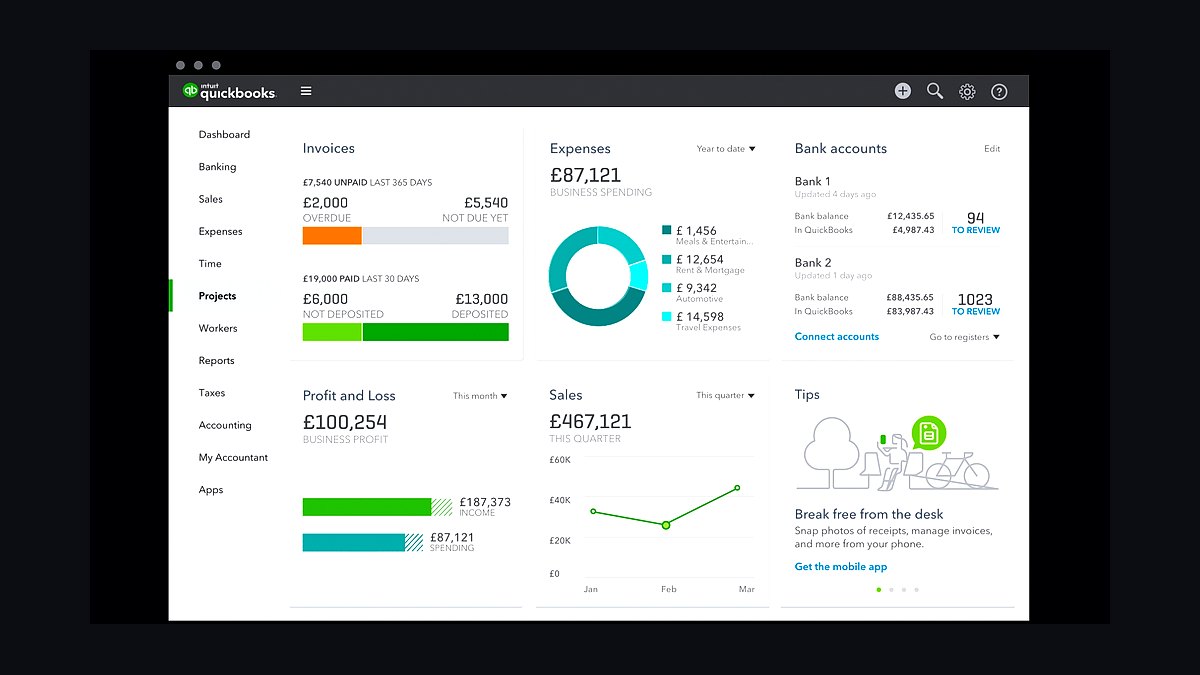
QuickBooks Online ranks tenth because it reconciles revenue by source — cash, club, police, commercial — so an owner can see per-truck and per-account profitability rather than one blended number. It runs about $30–90/month, with towing companies typically needing the higher tier for multi-entity or class-based reporting. It is the layer that surfaces how much phone-and-paper dispatch had been costing.
It is for operators who have payments and dispatch running and now need to see which rate types and accounts actually make money. It trades away simplicity, since correct class-based setup takes effort and a misconfigured chart of accounts produces misleading reports. Compared to HubSpot CRM below, QuickBooks looks backward at what was billed while the CRM manages forward commercial relationships.
How we ranked these
We ranked each tool on five weighted factors: towing-specific dispatch capability (30%), motor-club digital integration depth (20%), impound and lien compliance tooling (20%), per-truck monthly cost at a 5–8 truck fleet (15%), and integration with GPS, payments, and accounting layers (15%). Scores came from vendor documentation, published pricing pages, and hands-on operator reports gathered across 2026.
We deliberately ignored brand recognition, marketing spend, and generic field-service feature checklists, because those do not predict whether a platform wins motor-club calls or enforces multi-rate billing correctly. We also excluded enterprise ERP suites and custom-built dispatch systems, since neither fits the 5–20 truck operator this page targets and both distort cost comparisons against subscription platforms.
What to look for
What matters most is whether the platform accepts digital motor-club dispatch natively, enforces multiple rate structures at the moment of billing, and automates state-specific lien timelines. Fleet size and impound volume should drive platform choice more than price: a 6-truck cash-and-club operator and a 25-truck heavy-recovery operation need materially different tooling, and buying up or down wastes money either way.
The mistake most buyers make is purchasing the platform and then continuing to run dispatch by phone and paper ticket, which defeats the entire purpose since motor clubs route work to whoever accepts fastest digitally. A close second is skipping rate-type configuration during onboarding, which quietly bleeds margin on every mis-billed call for months before anyone notices.
Related questions
What is the most important tool for a towing company?
The towing-specific dispatch-and-management platform — Towbook or TRAXERO. It captures digital motor-club calls, routes the nearest truck, enforces correct rates, and tracks impound liens, so it should be purchased before any other tool in the stack.
Can a towing company use generic field-service software instead?
No. Generic field-service tools cannot accept digital motor-club dispatch, cannot bill multiple simultaneous rate structures, and cannot track state lien timelines — capabilities a towing-specific platform is built around from the ground up.
Do small towing companies really need a CRM?
Yes, even a free-tier one. Commercial accounts — dealerships, fleets, property managers, and rotation contracts — are the recurring, higher-margin revenue that lifts a towing company's overall profitability beyond thin-margin motor-club volume.
How fast does a towing platform need to accept a motor-club call?
As fast as the digital dispatch integration allows. Motor clubs award calls to the provider that accepts and confirms first, so seconds matter, which is why auto-accept and auto-assign features are increasingly standard rather than optional.
How much does a complete towing software stack cost per month?
A 5–8 truck operator typically spends $300–1,200/month all-in. A 20-plus truck operation scales to $2,000–6,000+/month, weighted toward per-truck GPS costs and a higher platform tier supporting heavy-duty recovery and high-volume impound management.
What happens if a towing company skips GPS integration?
Nearest-truck assignment becomes a dispatcher's guess rather than a GPS-calculated fact, which slows response times and loses time-sensitive motor-club calls to faster competitors. GPS also doubles as ELD compliance and dash-cam liability protection, so skipping it costs more than the subscription.
Why is impound and lien automation so important in towing software?
Towing a vehicle into storage triggers state-mandated notification, lien, and auction timelines that carry real legal liability if missed. Automation keeps the company inside those deadlines, which is a compliance burden no other field-service trade carries in the same form.
Should a towing company build its stack around motor-club volume or commercial accounts?
Both, but commercial accounts deserve more attention than most operators give them. Motor-club and police-rotation work provides steady volume at thin contracted margins, while dealerships, fleets, and property managers deliver the recurring, higher-margin revenue that makes a towing business genuinely profitable.
FAQ
What is the most important tool for a towing company?
The towing-specific dispatch-and-management platform (Towbook or TRAXERO). It captures digital motor-club calls, routes the nearest truck by GPS, enforces correct rates across cash, club, police, and commercial billing, and tracks impound liens — the capabilities that protect both call volume and compliance. Buy it before any generic tool.
Can't a towing company just use generic field-service software?
No. Generic tools cannot accept digital motor-club dispatch, cannot bill multiple rate structures at once, and cannot track lien timelines. Those are exactly the capabilities a towing business depends on daily, which is why a towing-specific platform is essential rather than optional.
How much should a small towing company expect to spend monthly on its complete software stack?
A 5–8 truck operator typically runs roughly $300–1,200/month all-in, with the dispatch platform as the largest single line plus per-truck GPS, payment processing, QuickBooks accounting, and a CRM. The platform generally pays for itself through recovered motor-club calls.
How does the software stack help with impound and lien compliance?
The core platform tracks storage timelines, automates state-mandated lien and notification letters, and documents each impounded vehicle with photos and paperwork captured through the driver app. That automation is what keeps a towing company inside auction and notification deadlines and limits liability exposure.
What drives the most profitable revenue for a towing company?
Commercial and recurring accounts — police rotation, dealerships, fleets, and property managers — along with well-managed impound storage. Motor-club calls provide steady volume but thinner margins, so a CRM that wins and retains commercial accounts is what actually lifts overall profitability.
Is GPS tracking really necessary, or is it a nice-to-have?
It is necessary, not optional. Motor clubs and police rotation award calls based on response speed, and without live GPS location feeding the dispatch platform, nearest-truck assignment becomes a guess — which directly costs a towing company calls it would otherwise win.
Which towing platform fits a small fleet versus a large one?
Small operators running 5–8 trucks on club and cash calls should default to Towbook or Swoop. Fleets of 20-plus trucks doing heavy-duty recovery and carrying many stored vehicles should default to TRAXERO, whose lien-management and storage-lot tooling is built for that volume and liability.
What is the biggest mistake towing companies make when adopting software?
Buying the platform and then still running dispatch by phone and paper ticket. Motor clubs route work to whoever accepts and confirms fastest through their digital system, so keeping manual dispatch defeats the purchase entirely and quietly costs calls every single day.
How long does it take to get a towing software stack fully running?
Most operators follow a 30/60/90-day pattern. Days 1–30 cover the core platform, driver mobile app, and rate configuration. Days 31–60 add motor-club integration, GPS, and accounting links. Days 61–90 turn on impound automation, CRM, and a first revenue-by-source reconciliation.
Do towing companies need separate payment and accounting tools?
Yes. Square or Stripe handle card-on-scene and impound-release payments, while QuickBooks Online reconciles revenue by source — cash, club, police, commercial — so an owner can see per-truck and per-account profitability rather than one blended number that hides which work actually makes money.
Sources
- https://www.towbook.com
- https://www.traxero.com
- https://gomotive.com
- https://www.samsara.com
- https://www.agero.com
- https://www.honkmobile.com
- https://www.urgent.ly
- https://squareup.com
- https://quickbooks.intuit.com
- https://www.hubspot.com
Related on PULSE
This page will be disappearing soon. Save it to your device for $1 — or read it free while it is here.
@Kory-White- · if Venmo asks, the last 4 of my number are 2012
This page is gone.
This one is off the shelf now. $1 keeps it on your phone for good — the whole page, pictures and diagrams included.
 tkTop 10 Best Tech Stack Tools for Fencing and Deck Contractors in 2027
 pulse-tech-stacksTop 10 Best Tech Stack Tools for Online Travel Agencies (OTAs) in 2027
 pulse-tech-stacksTop 10 Best Tech Stack Tools for API Security Vendors in 2027
 pulse-tech-stacksTop 10 Best Tech Stack Tools for Threat Intelligence Vendors in 2027
 pulse-tech-stacksTop 10 Best Tech Stack Tools for Independent Food Trucks in 2027
 pulse-tech-stacksTop 10 Best Tech Stack Tools for Tree Services in 2027
 pulse-tech-stacksTop 10 Best Tech Stack Tools for Home Inspection Companies in 2027
 pulse-tech-stacksTop 10 Best Tech Stack Tools for Window Cleaning Services in 2027
 pulse-tech-stacksTop 10 Best Tech Stack Tools for CrossFit Boxes in 2027
 pulse-tech-stacksTop 10 Best Tech Stack Tools for Fine-Tuning Platform Companies in 2027