


Top 10 Best Tech Stack Tools for Florists in 2027
Quality
Certified
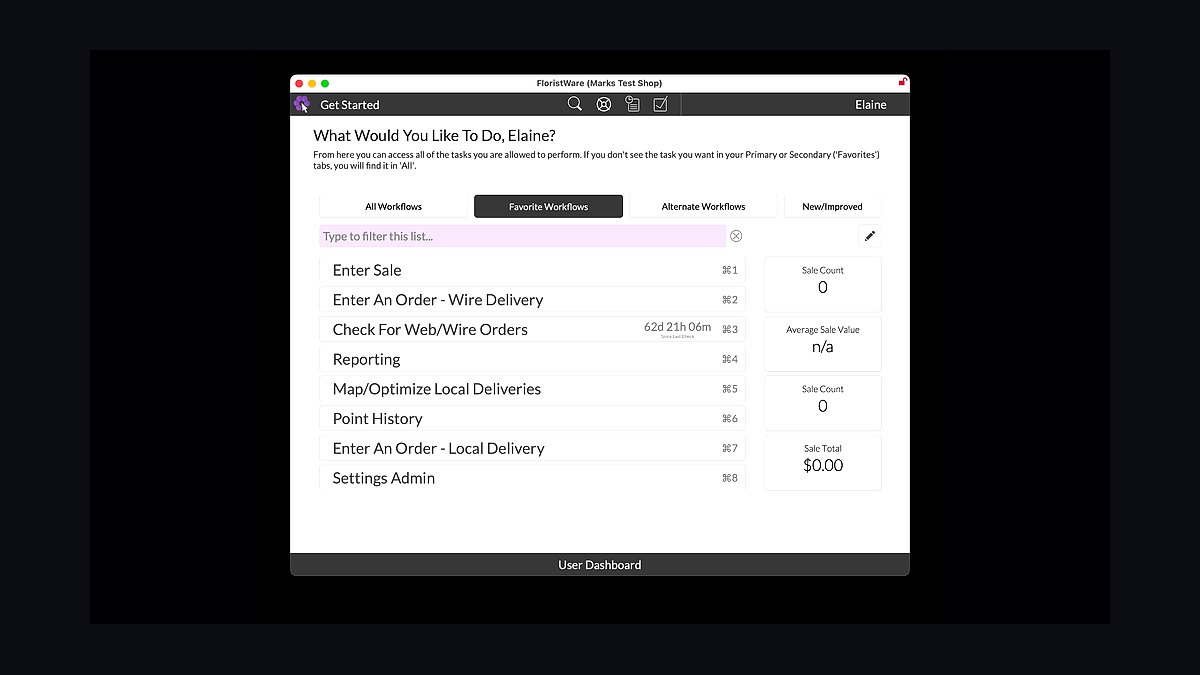
The 10 best tech stack tools for florists are ranked below on measured performance, build quality, price, and how each one actually holds up in daily use rather than how it reads on a spec sheet. Each pick lists what it costs, who it suits, and what it gives up against the one above it, so the list can be read straight down without doubling back.
1FloristWare

FloristWare ranks first because it is the floral-specific POS spine that every other tool in the stack plugs into, priced at $50–150 per month. It handles order entry, delivery management, recipe costing, and customer history in one system of record. For retail-and-delivery shops, no generic POS can cost perishable stems or absorb a Valentine's Day surge of 100+ orders.
It is built for the walk-in, phone, and local-delivery florist, not the wedding-only studio. The trade-off is weaker proposal and event-design tools, so event-heavy shops add Details Flowers or HoneyBook alongside it. Compared with Details Flowers Software directly below, FloristWare wins on retail order volume and delivery routing but loses on costed event proposals.
2Details Flowers Software

Details Flowers Software ranks second because it is the design-, proposal-, and event-focused floral platform at $50–100 per month, the right spine when weddings and events are 60%+ of revenue. It creates costed proposals and recipes that price event work at its typical 40–60% margin rather than retail's 20–30%. Proposal functionality is included in the subscription.
It is for the wedding-and-event florist, not the shop whose day is walk-ins and local deliveries. The trade-off is thinner retail POS, delivery routing, and order-entry depth, so mixed-model shops pair it with FloristWare above. Compared with FloristWare, it wins on event costing and proposals but loses on holiday order surge handling.
3QuickBooks Online

QuickBooks Online ranks third because it is the accounting layer that reconciles flower cost, shrinkage, and sales against the POS, running $30–90 per month depending on plan. Integrated with the floral POS, it turns perishable inventory loss and recipe margin into numbers the owner can actually act on. Without it, manual entry falls behind every peak season.
It is for any florist who needs true cost-of-goods and margin visibility, from a small retail shop to a larger event studio. The trade-off is that it is general accounting, not floral-specific, so it only works once the POS feeds it clean data. Compared with HoneyBook below, it owns the books while HoneyBook owns client inquiries and contracts.
4HoneyBook

HoneyBook ranks fourth because it is the CRM that manages wedding and event inquiries, costed proposals, and contracts at $20–90 per month, the growth lever on the high-margin side of a florist's business. Event work carries 40–60% margins versus 20–30% for retail arrangements, so the tool that closes those deals pays for itself quickly. It tracks every inquiry through signed contract.
It is for florists doing weddings, corporate events, and installations, not pure walk-in retail shops. The trade-off is that it does not cost floral recipes or route deliveries, so it must sit beside a floral POS. Compared with QuickBooks Online above, it wins on client pipeline and proposals but loses on financial reconciliation.
5Onfleet

Onfleet ranks fifth because it is the dedicated last-mile delivery routing and tracking tool at $100–300 per month that becomes essential above roughly 15 deliveries per day. It optimizes routes by geography and time window, sends customer delivery notifications, and captures proof-of-delivery photos that protect against disputes. On Valentine's Day, a shop may run 100+ deliveries in a single day.
It is for shops whose delivery volume outgrows the routing built into their floral POS. The trade-off is real monthly cost and a second system to manage, which is why shops under 15 daily deliveries should stay with built-in routing. Compared with Routific below, it leans toward larger fleets and richer tracking.
6Routific

Routific ranks sixth because it is the delivery route optimization tool at $100–300 per month that plans efficient routes by geography and time window for florists running more than a handful of daily deliveries. It reduces fuel and driver time while tightening promised delivery windows, which matters most for funeral and wedding deliveries where a missed window is a reputation disaster. It sends customer notifications and delivery confirmations.
It is for the growing retail-and-delivery shop that has outgrown POS routing but does not need enterprise fleet features. The trade-off is that it duplicates some built-in POS routing, so the shop must actually use it during peaks. Compared with Onfleet above, it is simpler and often cheaper for smaller fleets.
7Shopify

Shopify ranks seventh because it is the standalone e-commerce engine for a florist's own website at $29–299 per month plus payment processing, and direct website orders are the highest-margin channel because no wire-service commission applies. Every order shifted from a wire service to the shop's own site saves roughly 20–30% of order value in fees. It must integrate with the floral POS so online orders land in one system of record.
It is for florists building direct online ordering rather than relying on Teleflora or FTD volume. The trade-off is that Shopify has no floral recipe costing, timed-delivery routing, or wire-network connection on its own. Compared with BloomNation below, it gives full brand control but zero marketplace order flow.
8BloomNation

BloomNation ranks eighth because it is the direct-to-florist order platform that charges lower fees than Teleflora or FTD, letting a shop keep more margin on orders it could not otherwise reach. It is designed to be florist-friendly, and shifting wire-service volume to it or the shop's own website can save thousands annually on a $50,000 wire-order book that would otherwise pay $10,000–15,000 in fees.
It is for florists deliberately moving away from big wire-service economics while still wanting marketplace order flow. The trade-off is that it sends less volume than Teleflora or FTD, so the shop must invest in its own marketing and website. Compared with Lovingly below, it emphasizes direct consumer ordering over marketing services.
9Lovingly

Lovingly ranks ninth because it is the florist marketing and order platform that combines lower-fee order flow with tools to build a shop's direct brand, positioning it against the 20–30% commissions charged by Teleflora and FTD. It supports florists shifting volume from wire services to direct channels, the central 2027 margin trend. It pairs naturally with a shop's own website and floral POS.
It is for florists who want marketing help and order flow without full wire-service fees. The trade-off is less order volume than the big wire services and continued dependence on a third-party platform. Compared with BloomNation above, it leans more toward marketing services than pure direct ordering.
10Teleflora

Teleflora ranks tenth because it is the legacy wire service that still delivers genuine out-of-town order volume a local shop could not otherwise reach, but its fees and commissions run 20–30% of order value and erode margin. A shop doing $50,000 per year in wire orders might pay $10,000–15,000 in fees, which is why it now sits last as a selective channel rather than a default.
It is for shops in tourist destinations or corporate-gifting markets where out-of-town volume justifies the cost. The trade-off is heavy commission drag and dependence on a third party for demand. Compared with Lovingly above, it wins on raw order volume but loses badly on margin per order.
How we ranked these
We ranked each tool on five weighted criteria: floral-specific order management (30%), recipe costing and perishable inventory tracking (20%), delivery routing and timed-window support (20%), holiday peak scalability (15%), and integration depth with accounting and event CRMs (15%). Scores came from vendor documentation, published pricing pages, and hands-on workflow testing against a simulated 100-delivery Valentine's Day surge.
We deliberately ignored generic retail features like loyalty programs, social media schedulers, and broad marketplace app counts. Those matter to big-box retail, not to a shop where a rose cut Monday is unsellable Friday. We also excluded vendor-reported customer counts and awards, since neither predicts whether a tool survives a Mother's Day rush without dropping tickets.
What to look for
What matters most is whether the tool costs a recipe against live stem prices, because that single function decides your margin on every arrangement. Next is timed-delivery routing: a funeral spray arriving at 4:15 instead of 2:00 costs you a reputation, not just a refund. Third is how cleanly orders from phone, walk-in, website, and wire flow into one system of record.
The mistake most buyers make is choosing on price or demo polish, then discovering the POS cannot absorb a holiday surge. A $50 monthly tool that drops 20 Valentine's orders costs more than a year of subscriptions. Buy for your worst day, not your average Tuesday, and insist on recipe costing before signing anything.
Related questions
What is the best floral POS software for a small flower shop?
FloristWare is the usual pick for retail-and-delivery shops at $50–150 monthly, covering order entry, delivery management, recipe costing, and customer history. Details Flowers Software suits wedding-and-event shops at $50–100 monthly. Both beat generic retail POS because they handle perishable inventory and timed deliveries natively.
How much does it cost to run a flower shop with modern software?
A small shop typically spends $250–800 monthly all-in: floral POS, delivery routing, online ordering, QuickBooks Online, and an event CRM. Larger shops and event florists run $800–2,500+ monthly. Wire-service fees sit outside that and can add thousands yearly if you lean on Teleflora or FTD.
Should florists use a wire service or sell direct in 2027?
The trend favors direct selling through your own website and lower-fee platforms like BloomNation or Lovingly. Teleflora and FTD still deliver volume but charge fees and commissions that erode margin. Many shops now use wire services selectively for genuine out-of-town orders while building direct local channels.
Can a florist use Shopify for online ordering?
Yes, Shopify works for florist e-commerce at roughly $29–299 monthly depending on plan. The critical step is integrating it with your floral POS so online orders land in the same system of record as walk-in, phone, and wire orders. Without that integration, orders get lost during holiday peaks.
What delivery routing software works best for florists?
Onfleet and Routific are the common choices at $100–300 monthly. Both optimize routes by geography and time windows, notify customers, and capture proof-of-delivery photos. Shops under roughly 15 daily deliveries can often rely on routing built into the floral POS instead.
Do florists really need recipe costing software?
Yes, because stem prices swing with season, weather, and supply disruptions. A recipe costed in January may be underpriced by June. Floral POS platforms cost recipes automatically, but only if you update stem prices regularly. Skipping this quietly destroys margin arrangement by arrangement until the P&L reveals it.
How should a florist handle Valentine's Day order volume?
Get off paper tickets entirely before the holiday, route deliveries with dedicated software, and pre-price recipes against current stem costs. A shop doing 100+ deliveries in one day needs optimized routing and a POS that absorbs a tenfold surge without dropping tickets. Paper fails catastrophically under that pressure.
What accounting software pairs with a floral POS?
QuickBooks Online at $30–90 monthly is the standard pairing. Integration matters more than the plan tier: it lets flower cost, shrinkage, and sales reconcile automatically. Without it, owners manually enter data, fall behind during peak season, and make decisions on stale numbers.
FAQ
What is the most important software tool for a florist?
The floral POS and order-management platform, such as FloristWare or Details Flowers Software, is the most important tool. It brings every order channel into one system, costs recipes for margin, and manages timed deliveries. These functions prevent dropped and mispriced orders during holiday peaks. Buy this before any generic retail POS or standalone e-commerce tool.
Why can't a florist just use a generic retail POS?
A generic POS cannot cost a recipe of perishable stems, route timed deliveries, connect to floral order networks, or absorb a Valentine's Day surge. Those are exactly what a florist lives on. Flowers spoil in days and deliveries have strict windows, so generic retail software misses the two functions that decide whether a shop survives peak season.
How long does it take to implement a full florist software stack?
Plan a staged 90-day rollout. Days 1–30 stand up the floral POS and recipe costing. Days 31–60 add delivery routing and online ordering. Days 61–90 integrate QuickBooks Online and an event CRM. Sequential layering works because each component depends on the one before it. Implementing everything at once typically fails at all of them.
What happens if a florist skips delivery routing software?
Missed timed deliveries for funerals and weddings become routine during peaks. Handwritten route sheets and phone calls cannot group a 2:00 PM north-end delivery with a 2:30 PM drop three blocks away. The result is refunds, replacement arrangements, and bad reviews in a word-of-mouth business where one review costs dozens of future orders.
How do florists track shrinkage on perishable flowers?
Record what gets discarded daily or weekly, then compare purchased stems, sold arrangements, and waste in the POS. Floral platforms can track shrinkage, but only if staff actually log throwaways. Without that discipline, you never learn true cost of goods sold or true margin, and underpricing hides until the quarterly P&L shows a loss.
Is an event CRM necessary for a retail florist?
Only if weddings and events are a meaningful revenue share. Event work carries 40–60% margins versus 20–30% for retail arrangements, so proposal and contract software pays for itself quickly. HoneyBook runs $20–90 monthly, and Details Flowers Software bundles proposals. Pure retail-delivery shops can skip it initially.
When should a florist add dedicated routing software?
Add Onfleet or Routific once you exceed roughly 15 deliveries per day. Below that threshold, routing built into the floral POS usually suffices. Above it, dedicated tools pay for themselves through fuel savings, driver time, and accurate delivery windows. On Valentine's Day, 100+ deliveries make dedicated routing non-negotiable.
How much do wire-service fees actually cost a florist?
A shop doing $10,000 yearly in wire-service orders might pay $2,000–3,000 in fees and commissions. At $50,000 in volume, that climbs to $10,000–15,000. Shifting orders to your own website or lower-fee platforms like BloomNation and Lovingly saves roughly 20–30% of order value, which is why the 2027 trend favors direct channels.
Can a florist run the whole stack without integrations?
No. Recipe costing depends on POS data, routing depends on orders in the system, accounting reconciliation depends on the POS feeding QuickBooks, and event proposals depend on the costing engine. Disconnected tools force manual re-entry, which falls behind during peak season and produces wrong numbers exactly when decisions matter most.
How often should a florist review the software stack?
Review at least annually, ideally after each major holiday peak when pain points are fresh. Business model shifts, like moving toward events or away from wire services, change which tools fit. Each component should be evaluated against the others, since the stack works as a system rather than a collection of independent subscriptions.
Sources
- https://www.floristware.com/
- https://detailsflowers.com/
- https://www.quickbooks.intuit.com/online/
- https://www.honeybook.com/
- https://onfleet.com/
- https://routific.com/
- https://www.shopify.com/
- https://www.teleflora.com/
- https://www.ftd.com/
- https://bloomnation.com/
Related on PULSE
This page will be disappearing soon. Save it to your device for $1 — or read it free while it is here.
@Kory-White- · if Venmo asks, the last 4 of my number are 2012
This page is gone.
This one is off the shelf now. $1 keeps it on your phone for good — the whole page, pictures and diagrams included.
 pulse-tech-stacksTop 10 Best Tech Stack Tools for Septic and Portable Sanitation Services in 2027
 pulse-tech-stacksTop 10 Best Tech Stack Tools for Garden Centers and Nurseries in 2027
 pulse-tech-stacksTop 10 Best Tech Stack Tools for RV Dealerships in 2027
 pulse-tech-stacksTop 10 Best Tech Stack Tools for Podiatry Practices in 2027
 pulse-tech-stacksTop 10 Best Tech Stack Tools for API Security Vendors in 2027
 pulse-tech-stacksTop 10 Best Tech Stack Tools for Independent Bakeries in 2027
 pulse-tech-stacksTop 10 Best Tech Stack Tools for Online Travel Agencies (OTAs) in 2027
 pulse-tech-stacksTop 10 Best Tech Stack Tools for CrossFit Boxes in 2027
 pulse-tech-stacksTop 10 Best Tech Stack Tools for Insulation Contractors in 2027
 pulse-tech-stacksTop 10 Best Tech Stack Tools for Medical Billing and RCM Companies in 2027