


Top 10 Best Tech Stack Tools for First-Time Business Owners in 2027
Quality
Certified
The 10 best tech stack tools for first-time business owners are ranked below on measured performance, build quality, price, and how each one actually holds up in daily use rather than how it reads on a spec sheet. Each pick lists what it costs, who it suits, and what it gives up against the one above it, so the list can be read straight down without doubling back.
1HubSpot CRM
HubSpot CRM ranks first because it gives a first-time owner a genuinely free tier with unlimited contacts, deal pipelines, and email tracking, then scales into paid hubs without a re-platform. The 2026 Starter Customer Platform runs about $20 per seat per month, and its 1,500-plus app marketplace covers the composable add-ons a new business needs.
It is for owners who want one login for contacts, marketing email, and simple automation on day one. It trades away deep customization and complex quoting, which Salesforce and Dynamics handle better. Compared with Notion below, HubSpot costs more once you leave the free tier but replaces three or four separate tools.
2Notion
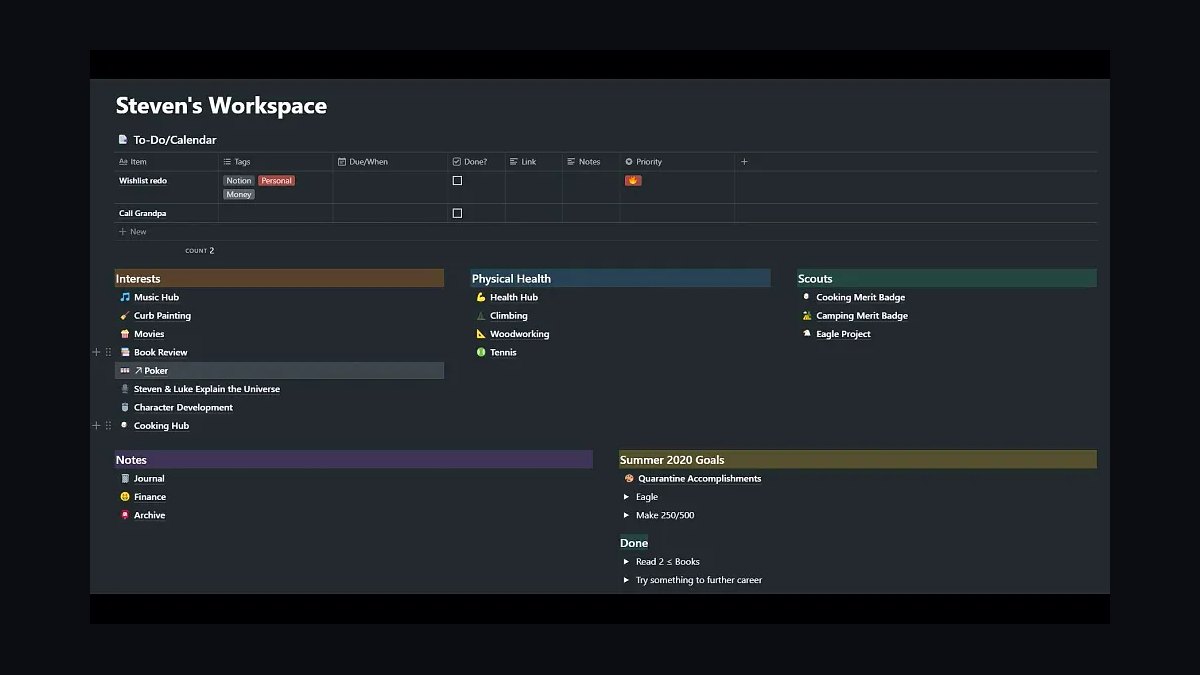
Notion ranks second because it collapses notes, wikis, lightweight databases, and project trackers into one workspace at $10 to $12 per user per month, and its free plan supports unlimited blocks for solo founders. Its API and template gallery let a non-technical owner build a CRM or content calendar in an afternoon.
It suits owners who need documentation and planning before they need automation. It trades away native email sending, invoicing, and real reporting, so it cannot replace HubSpot or QuickBooks. Against Airtable below, Notion is stronger for writing and docs but weaker for structured relational data.
3Airtable
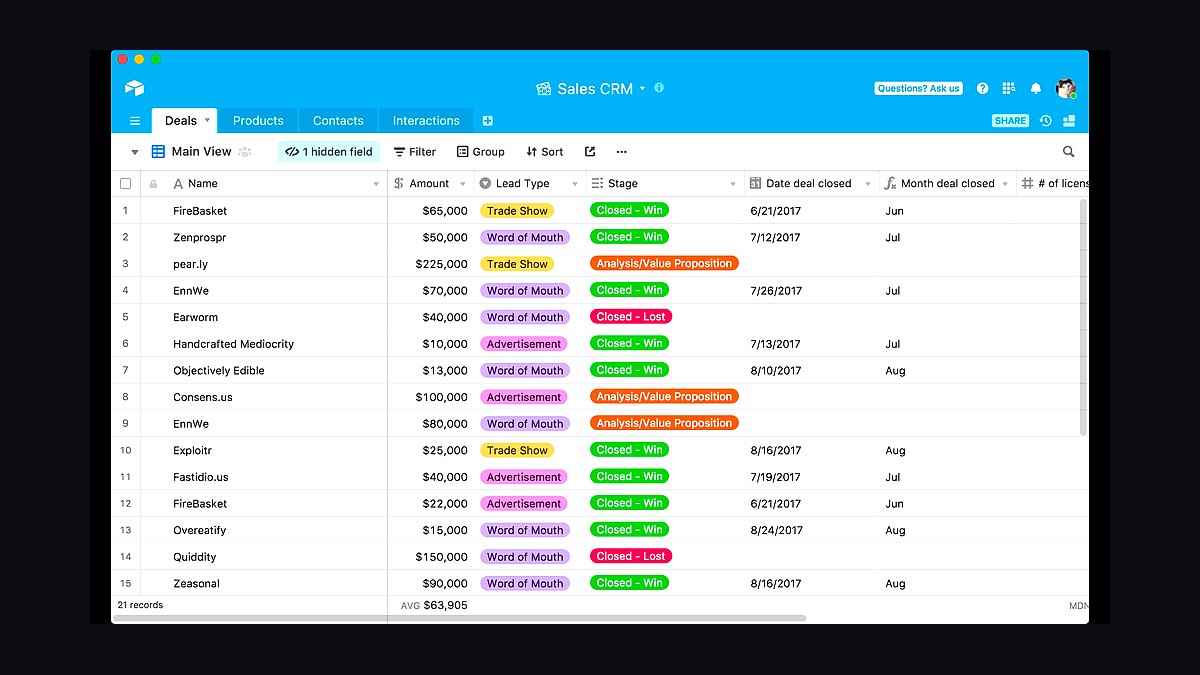
Airtable ranks third because it turns a spreadsheet into a relational database with linked records, views, and automations, starting free and moving to roughly $20 per seat per month on Team. First-time owners use it for inventory, content pipelines, and lightweight CRMs without hiring a developer.
It is for owners whose work is tabular and process-driven rather than document-driven. It trades away true accounting logic and high-volume transaction speed, so it is not an ERP. Compared with Notion above, Airtable handles structured data and rollups better, but its writing and wiki experience is thinner.
4QuickBooks Online
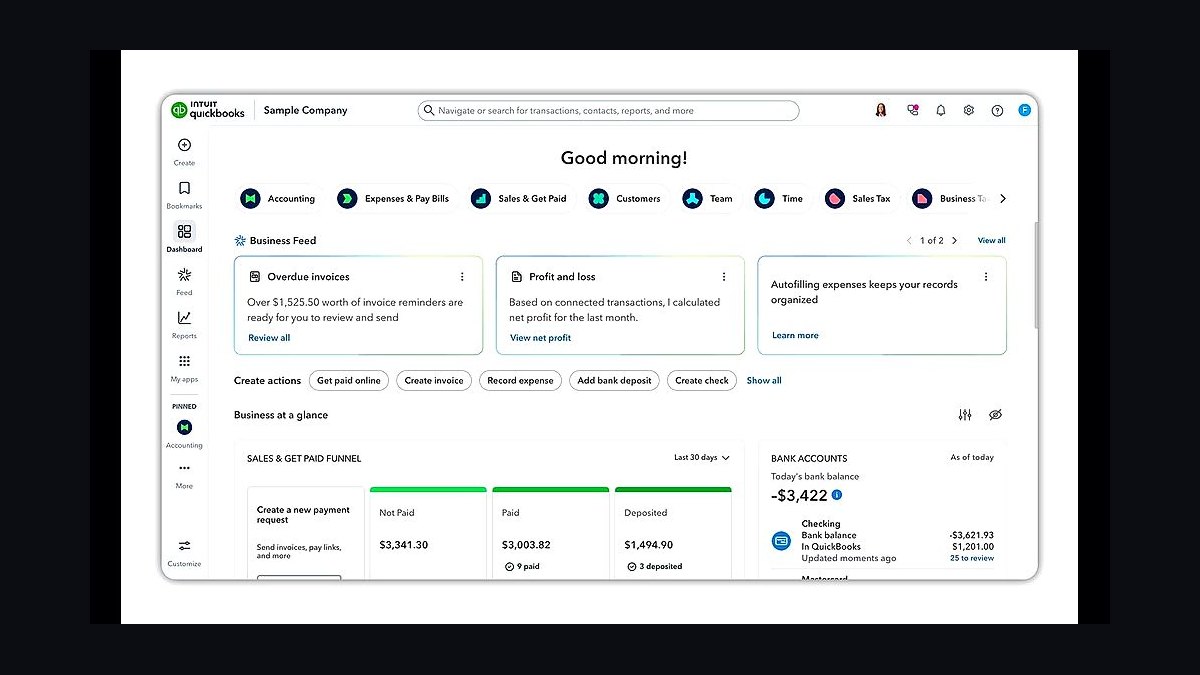
QuickBooks Online ranks fourth because it is the accounting default for new US businesses: invoicing, expense capture, bank feeds, and sales-tax tracking from about $35 per month for Simple Start. It produces the profit-and-loss and cash-flow statements a first-time owner actually needs at tax time.
It is for owners who must invoice clients and reconcile a business bank account. It trades away deep inventory and manufacturing costing unless you upgrade to Plus or Advanced. Compared with Wave below, QuickBooks costs more but supports payroll, 1099 filing, and accountant collaboration far better.
5Wave
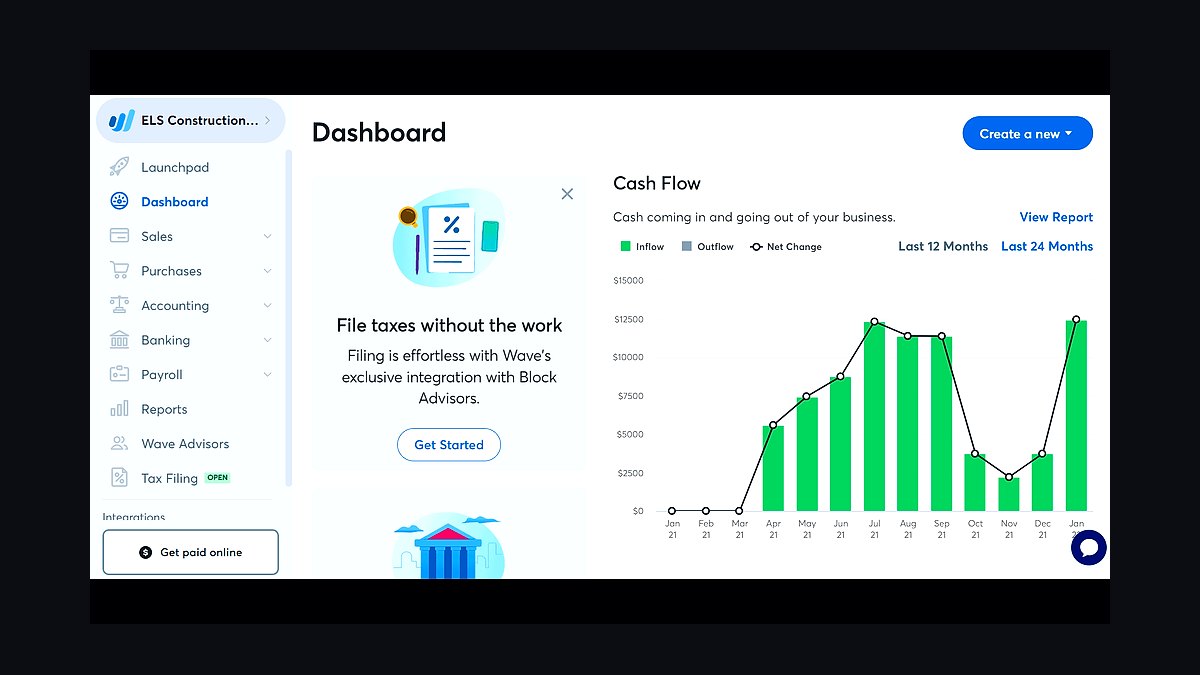
Wave ranks fifth because its accounting, invoicing, and receipt scanning are free for the core product, with payment processing at roughly 2.9 percent plus 30 cents per transaction. That makes it the cheapest credible bookkeeping start for a solo owner with modest revenue.
It is for freelancers and one-person businesses in the US and Canada who mainly need invoices and expense tracking. It trades away phone support, advanced inventory, and multi-currency depth. Compared with QuickBooks Online above, Wave saves real money early but becomes limiting once you hire employees or need accrual reporting.
6Shopify
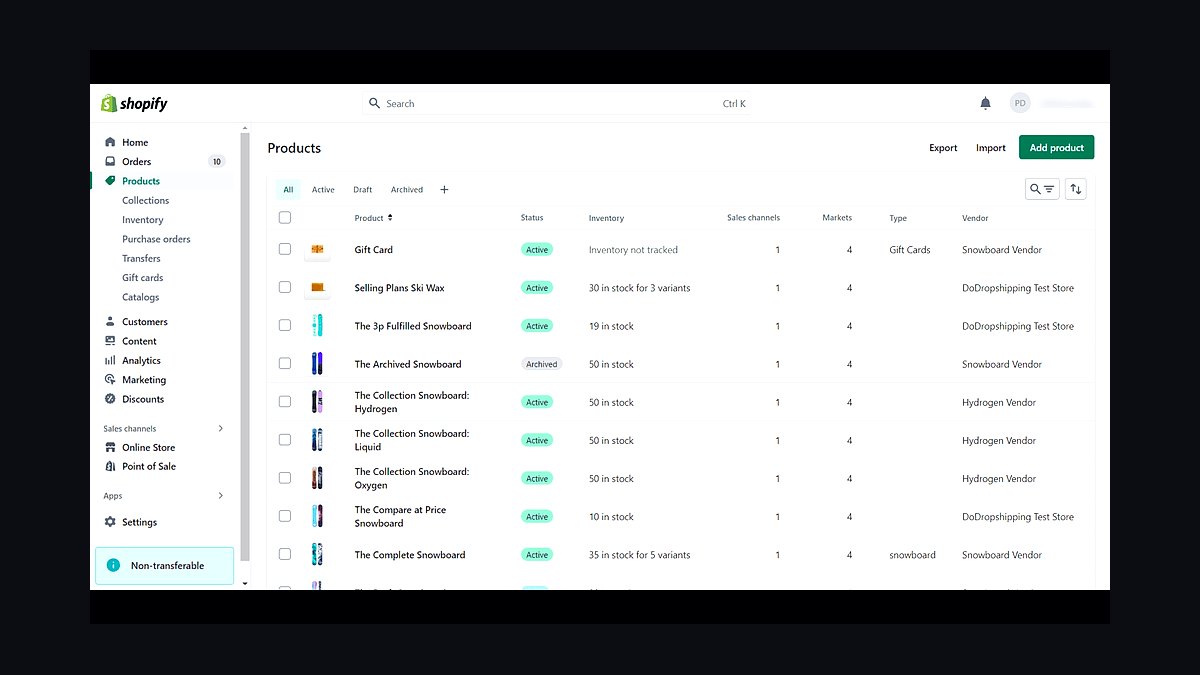
Shopify ranks sixth because it lets a first-time owner launch a sellable storefront in days, with hosting, checkout, and payments handled, starting around $39 per month. Its app store adds subscriptions, reviews, and email without custom development.
It is for product businesses that want to sell online and in person with one inventory. It trades away full design control and charges transaction fees if you use an outside payment gateway. Compared with Stripe below, Shopify is a complete storefront while Stripe is only the payment and billing layer.
7Stripe
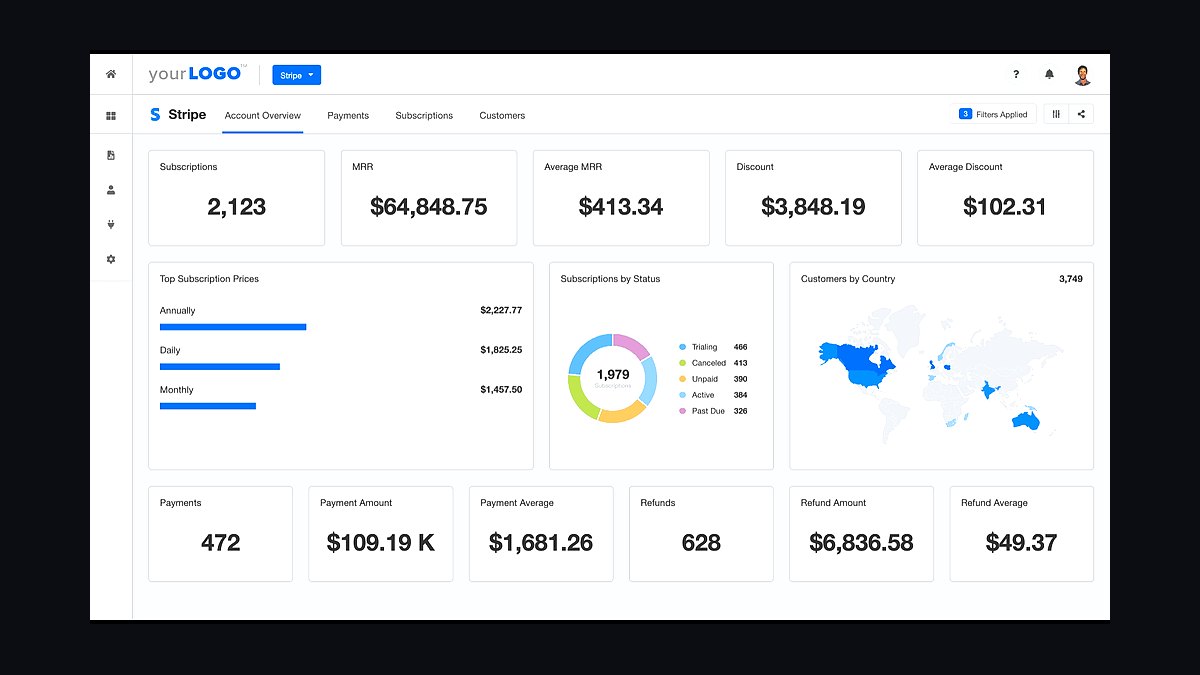
Stripe ranks seventh because it handles online payments and subscription billing with transparent pricing of 2.9 percent plus 30 cents per successful card charge, and no monthly fee to start. Its documentation and test mode let a non-engineer wire up checkout or recurring plans quickly.
It is for owners selling services, software, or one-off products who need billing logic rather than a storefront. It trades away built-in marketing, inventory, and shipping. Compared with Shopify above, Stripe is cheaper and more flexible for subscriptions but gives you no product pages or cart out of the box.
8Google Workspace
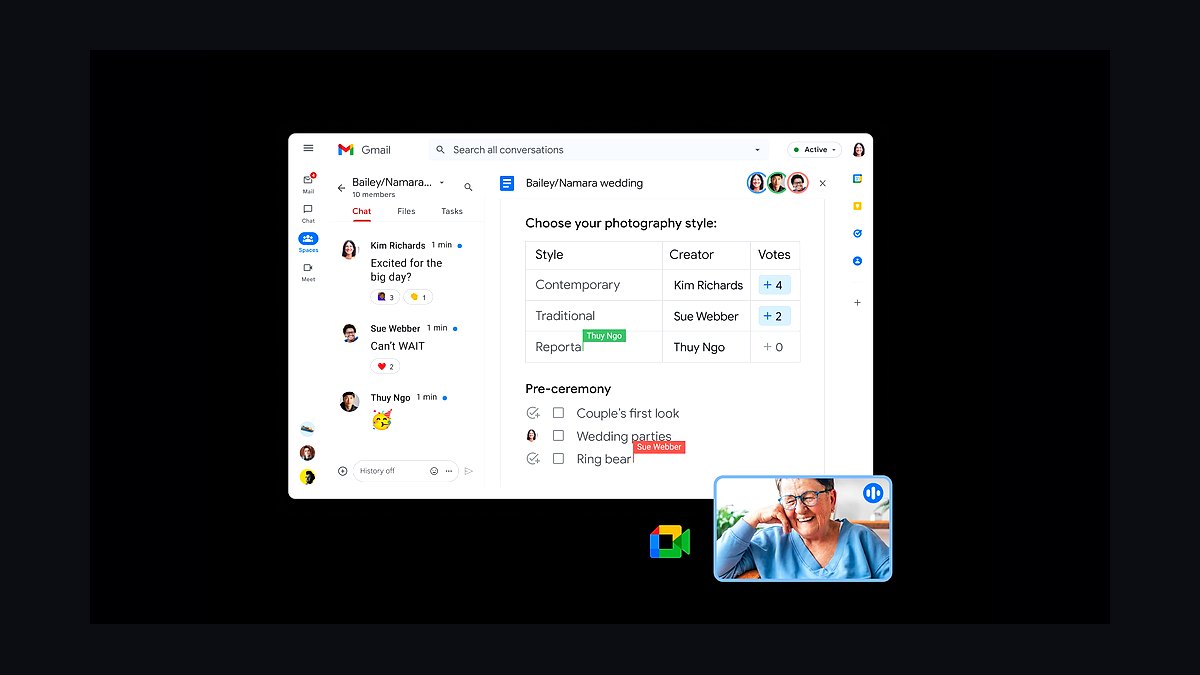
Google Workspace ranks eighth because business email on your own domain, shared Drive storage, Calendar, and Docs start at about $7 per user per month on Business Starter. For a first-time owner, a professional email address is the single highest-return purchase on this list.
It is for any new business that needs email, documents, and shared files without an IT person. It trades away desktop Office fidelity and advanced spreadsheet modeling. Compared with Microsoft 365 below, Google Workspace is simpler and cheaper but weaker for heavy Excel and Outlook users.
9Microsoft 365
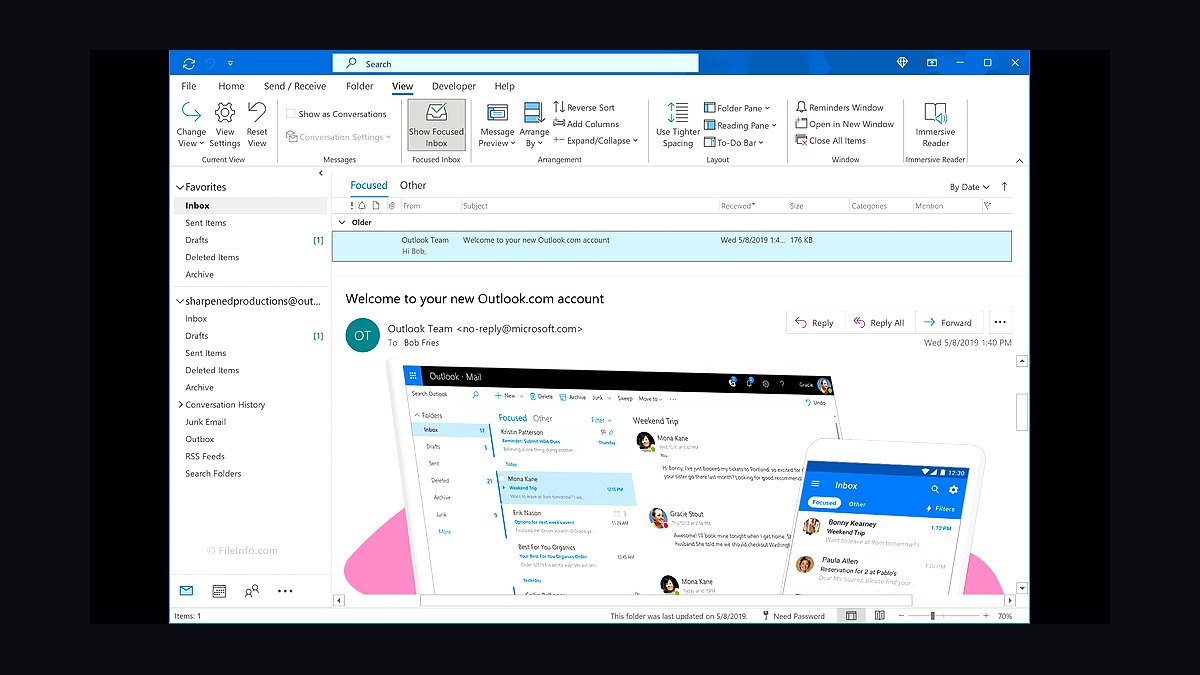
Microsoft 365 ranks ninth because Business Basic at roughly $6 per user per month delivers Outlook, Teams, SharePoint, and web versions of Word, Excel, and PowerPoint. Owners who already think in Excel get pivot tables and formulas that Google Sheets handles less comfortably.
It is for businesses whose workflows live in spreadsheets or that need Teams meetings and file governance. It trades away the simplicity of Google's interface and its free-tier generosity. Compared with Google Workspace above, Microsoft 365 wins on Excel depth and corporate familiarity but costs more once desktop apps are included.
10Zapier
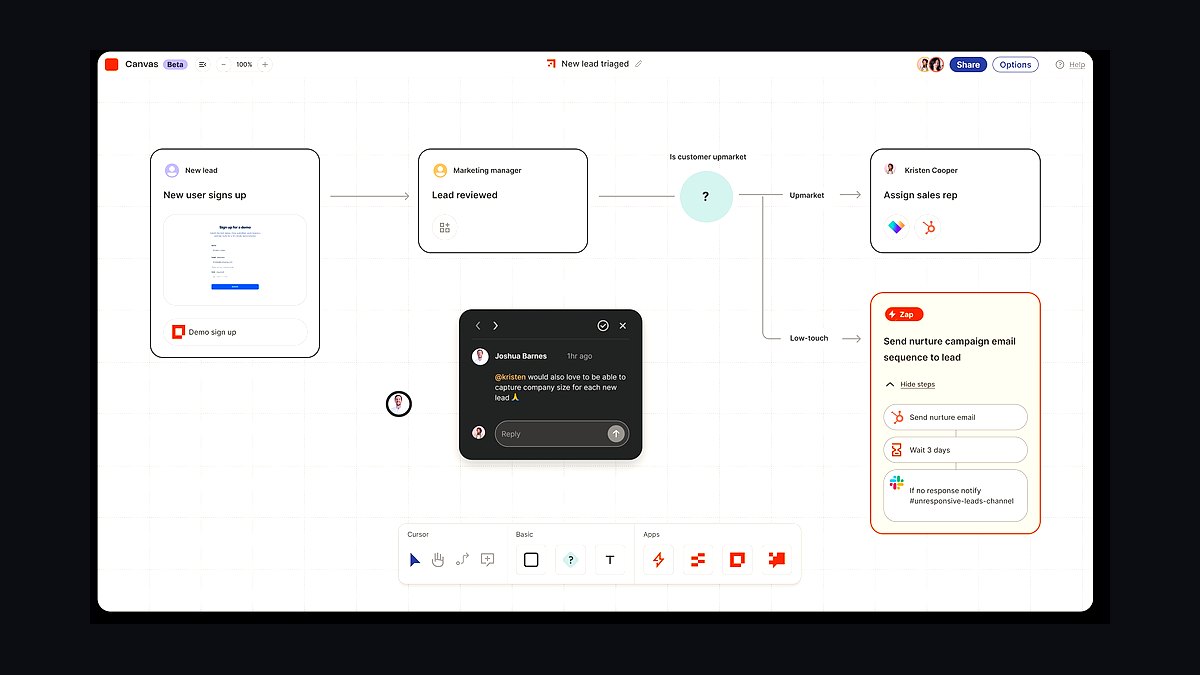
Zapier ranks tenth because it connects the other nine tools without code, moving data between forms, CRMs, spreadsheets, and email on triggers. The free plan allows 100 tasks per month, and paid plans start near $20 monthly for multi-step workflows.
It is for owners who have picked separate best-of-breed tools and now need them to talk to each other. It trades away complex branching and high-volume processing, which Make or custom code handles better. Compared with Airtable above, Zapier does not store your data, it only moves it between systems.
How we ranked these
We scored each tool on five weighted criteria: AI-native capability (25%), composability and open API quality (20%), total cost of ownership over three years (20%), onboarding speed for a non-technical founder (20%), and data portability with export freedom (15%). Each criterion was rated from vendor documentation, public pricing pages, and hands-on trial accounts.
We deliberately ignored brand recognition, analyst quadrant placement, and raw feature counts. Those signals reward incumbents and punish lean tools that a first-time owner can actually deploy. We also excluded enterprise-only contract terms, custom pricing without public tiers, and anything requiring a dedicated IT hire to run in month one.
What to look for
What matters most is whether you can connect, export, and replace each component without a developer on staff. Check for public pricing, documented REST or GraphQL APIs, and a self-serve free tier you can test this week. A tool that takes three weeks to onboard will stall before it ever pays back for a solo founder.
The mistake most buyers make is buying the platform their investor or peer recommended instead of the one matching their current workflow. They sign annual contracts for suites with unused seats, then discover data export costs money. Start with two or three modular tools, prove the integration works, and only then expand.
Related questions
What is a composable tech stack?
A composable tech stack is a modular architecture where separate software components, such as a CRM, CMS, and analytics engine, connect through APIs instead of living inside one platform. This lets you swap underperforming modules without rebuilding everything, which matters when generative AI tools change every few months and you need room to experiment.
How important is AI in a 2027 tech stack?
AI is now a baseline requirement, not a differentiator. Look for native predictive analytics, natural language processing, and API access to large language models. A tool with a fixed AI feature set will depreciate fast, while one that lets you plug in newer models keeps its value as the technology advances.
What are the risks of vendor lock-in in 2027?
Lock-in shows up as proprietary data formats, expensive API access, and export fees buried in contracts. The real cost is switching: months of migration and lost productivity. Choose vendors with open APIs, standard schemas like JSON, and a written data liberation policy you can verify before signing.
How do you ensure data privacy in a composable stack?
Each API connection is a potential attack surface, so implement token authentication, rate limiting, and anomaly monitoring. Confirm every vendor offers encryption in transit and at rest, granular access controls, audit logs, and a no-training clause so your data never trains their models without consent.
What is the best way to calculate TCO for a tech stack?
Model three to five years, not one. Include subscription fees, integration work, training time, maintenance, API overage charges, and data storage. Then add the human cost of managing more vendor relationships. A cheap tool with heavy integration overhead often costs more than a pricier one that connects out of the box.
Can a small business afford a composable tech stack?
Yes. Start with open-source or low-code components and usage-based pricing so costs scale with revenue. Many vendors offer free tiers generous enough for a first year. Focus spending on the one function that directly drives revenue, then add analytics, automation, and AI layers as cash flow allows.
How often should you review your tech stack?
Every 12 to 18 months is the practical cadence. Faster than that and you never finish onboarding; slower and you carry obsolete tools. During review, check adoption metrics, integration failures, and whether each vendor shipped meaningful AI updates. Cut anything below 60% active usage.
What are the key features to look for in a 2027 CRM?
Prioritize open APIs, native AI for lead scoring and forecasting, real-time data processing, and strong privacy controls. It should integrate with your email, billing, and support tools without middleware. Avoid CRMs that charge extra for basic exports or hide pricing behind a sales call.
FAQ
What should first-time business owners prioritize in a 2027 tech stack?
Prioritize composable, AI-native tools with public pricing and open APIs. You want components you can connect, test, and replace without hiring a developer. All-in-one suites look simpler upfront but lock you in and slow experimentation, which is fatal when AI capabilities shift every few quarters.
How do you evaluate AI readiness in a tool?
Check whether it offers API access to external large language models, supports vector databases, and processes real-time data. Ask how it handles your data and whether it trains models on it. Vendors that describe AI as a fixed feature rather than an evolving capability are a warning sign.
What signals vendor lock-in before you sign?
Proprietary data formats, no public export documentation, high API call fees, and contracts without termination or portability clauses. Also watch for deeply bundled AI add-ons that cannot be swapped independently. A true composable vendor publishes standard schemas and a clear migration path.
How do you align tech stack spending with business strategy?
Map each business objective to a specific technology requirement before shopping. Hyper-personalization needs a customer data platform with real-time segmentation; efficiency needs workflow automation. Involve sales, marketing, and support in scoring vendors, and weight adoption ease heavily because unused tools deliver zero return.
What is the biggest mistake when buying a tech stack in 2027?
Buying a monolithic platform because it promises everything. That leads to vendor lock-in, unused seats, and an inability to adopt new AI models without a full re-platforming. A modular approach with two or three proven integrations beats a suite you cannot fully deploy.
How do you measure ROI on a composable stack?
Track time-to-market for new features, integration cost reduction, and team productivity gains. Count successful API integrations, speed of deploying new AI workflows, and vendor switching costs avoided. A composable stack should shorten deployment cycles while lowering long-term spend, not just shift costs around.
What role do low-code platforms play for first-time owners?
Low-code platforms let you build custom integrations and automation without deep engineering. They are ideal for niche workflows, internal dashboards, and connecting tools that lack native integrations. Use them to bridge gaps while you validate whether a paid component is worth adding permanently.
How do you handle data migration between stack components?
Use standard formats like JSON or Avro and confirm each vendor provides export tools before you buy. Migrate in phases, starting with non-critical data, and keep backups at every step. Test the full migration in a sandbox before cutting over production, so a failed move never blocks revenue.
Should a first-time owner buy an all-in-one suite or modular tools?
Modular tools win for most first-time owners because they allow incremental spending and easy replacement. All-in-one suites only make sense when your workflow is genuinely standard and you value one invoice over flexibility. Even then, verify export rights and API access before committing annually.
How much should a first-year business budget for tech stack tools?
Most lean startups spend between 2% and 7% of revenue on software in year one. Start with free tiers and usage-based pricing, then reinvest as revenue grows. Avoid annual prepayments until a tool has proven adoption for at least two months across your actual daily workflow.
Sources
- https://www.gartner.com/en/information-technology/glossary/composable-architecture
- https://www.mckinsey.com/capabilities/quantumblack/our-insights/the-state-of-ai
- https://hbr.org/2023/05/managing-vendor-lock-in
- https://www.forrester.com/research/
- https://www.idc.com/getdoc.jsp?containerId=US48723022
- https://sloanreview.mit.edu/article/ai-integration-strategies
- https://www.cnbc.com/technology/
- https://www.techtarget.com/searchcio/definition/composable-architecture
Related on PULSE
This page will be disappearing soon. Save it to your device for $1 — or read it free while it is here.
@Kory-White- · if Venmo asks, the last 4 of my number are 2012
This page is gone.
This one is off the shelf now. $1 keeps it on your phone for good — the whole page, pictures and diagrams included.
 pulse-tech-stacksTop 10 Best Tech Stack Tools for Bootstrapped Startups in 2027
 pulse-tech-stacksTop 10 Best Tech Stack Tools for Small Businesses in 2027
 pulse-tech-stacksTop 10 Best Tech Stack Tools for Mid-Size Logistics Tech Companies in 2027
 pulse-tech-stacksTop 10 Best Tech Stack Tools for Early-Stage Startups in 2027
 pulse-tech-stacksTop 10 Tech Stacks strategies for 2027
 pulse-tech-stacksTop 10 Best Tech Stack Tools for Startups in 2027
 pulse-tech-stacksTop 10 Best Tech Stack Tools for Social Media Analytics Teams in 2027
 pulse-tech-stacksTop 10 Data Engineering Tools for E-commerce Analytics Teams in 2027
 pulse-tech-stacksTop 10 Best Tech Stack Tools for Healthcare Enterprise Architects in 2027
 pulse-tech-stacksTop 10 Best Tech Stack Tools for Enterprise Supply Chain Teams in 2027