

How do I hire an outsourced CRO in Oklahoma City in 2027?
 Curated byKory White · Fractional CRO · Maryland
Quality
Certified

Hiring an outsourced CRO in Oklahoma City in 2027 means engaging a fractional revenue leader on a part-time or project basis — typically 5 to 15 days a month — rather than committing to a full-time salaried executive. You define the scope, search regional and remote networks like Pavilion and RevOps Co-op, interview for stage and industry fit, and start with a 30-day paid audit before signing a longer engagement. Most Oklahoma City companies under $10M ARR find this the faster, lower-risk path to senior revenue leadership.
The job this tool/role is hired to do
An outsourced CRO — also called a fractional CRO — is hired to own the entire revenue function, not just one team inside it. That distinction matters enormously in Oklahoma City, where the local executive bench for revenue leadership is thin compared to coastal hubs, and where many growth-stage companies in energy tech, aerospace, logistics, and professional services need someone who can operate across sales, marketing alignment, customer success, and revenue operations simultaneously rather than in a single functional lane.
The core job is diagnostic and architectural before it is ever tactical. A capable outsourced CRO spends the earliest part of an engagement figuring out where revenue is actually leaking — a broken handoff between marketing and sales, a CRM that nobody trusts enough to forecast from, an ideal customer profile that drifted without anyone noticing, or a sales process that exists only in the founder's head. In a market like Oklahoma City, where many businesses grew through relationships and referrals rather than a repeatable outbound motion, this diagnostic work often surfaces gaps that a founder has been compensating for personally, sometimes for years.

Once the diagnosis is done, the CRO is hired to build the machine: defining a sales process with clear stages, standing up or repairing the CRM so pipeline data is trustworthy, hiring and coaching the first account executives, and creating the forecasting discipline that lets a leadership team plan cash and headcount with confidence. This is fundamentally different from what a VP of Sales does. A VP of Sales manages quota-carrying reps and closes deals. A CRO — fractional or full-time — is responsible for the entire revenue outcome across every function that touches a dollar of new or retained revenue, including how marketing qualifies leads, how customer success prevents churn, and how pricing and packaging decisions affect close rates.
For an Oklahoma City company, hiring outsourced also solves a talent-availability problem, not just a cost problem. There simply are not many local executives with proven CRO-level experience — scaling a revenue team past $10M or $20M ARR, managing a multi-stage pipeline, or leading a team of 15-plus sellers — who are available for a permanent, in-market hire. Going outsourced widens the talent pool to revenue leaders based in Dallas, Denver, Austin, or fully remote, who can serve an Oklahoma City client on a structured cadence without requiring relocation. The job, in short, is to deliver CRO-level outcomes on a schedule and cost structure that a company too small for a full-time executive can actually sustain.
How it fits the RevOps stack

An outsourced CRO does not operate in isolation — the role only works if it plugs directly into your existing RevOps stack and reporting cadence. In practice, that means the CRO becomes the person accountable for how your CRM (commonly Salesforce or HubSpot in the Oklahoma City market), your marketing automation, your forecasting spreadsheet or BI dashboard, and your sales enablement tools all talk to each other. Before the CRO arrives, these systems are often maintained by whoever has time — a founder, an office manager, a part-time bookkeeper — and the data is directionally useful at best. The CRO's first structural contribution is usually to make the stack tell the truth: cleaning stage definitions, enforcing required fields, and tying pipeline movement to actual buyer behavior instead of rep optimism.
Once the data is trustworthy, the CRO uses the stack to run the operating rhythm: a weekly pipeline review pulled directly from CRM data, a monthly forecast reconciled against actuals, and a quarterly plan that adjusts headcount, territory, or ICP based on what the numbers show. This is where "RevOps" as a discipline and the CRO as a role converge — the CRO sets the strategy, and the RevOps function (whether that is a dedicated hire, a fractional RevOps analyst, or the CRO wearing that hat personally in a smaller engagement) builds and maintains the systems that make the strategy measurable.
For a growth-stage Oklahoma City company, this fit-into-the-stack question is often the real test of whether an outsourced CRO candidate is worth hiring. Ask them directly how they have used CRM data to change a forecast, or how they structured a pipeline review that actually changed rep behavior instead of just reporting numbers back to the founder. A candidate who talks only about strategy and never mentions the tools, the data hygiene, or the reporting cadence is describing a consultant's engagement, not a functioning revenue operating system — and the difference shows up fast once you are three months into a contract and still cannot trust your own pipeline number.
Pricing, engagement models, and typical ranges

Compensation for an outsourced CRO in Oklahoma City follows the same general structure seen in most fractional-executive markets nationally, adjusted slightly for the fact that local supply is limited and most engaged candidates work remotely or visit quarterly. Pricing is driven primarily by three variables: the CRO's track record (a leader who has scaled past $50M ARR commands materially more than one whose experience tops out around $10M), the number of days committed per month, and whether the engagement includes any equity or performance-based upside.
At the light end, a company might engage a fractional CRO for advisory-only work — roughly a half-day to two days a week, focused on coaching the founder, reviewing pipeline monthly, and sitting in on key deals. This tier is priced as a modest monthly retainer, paid in cash, usually with no equity attached, and is common for pre-revenue to $2M ARR companies that need direction more than hands-on execution.
At the hands-on end, a CRO who is running weekly team meetings, personally coaching or managing account executives, rebuilding the sales process, and owning the forecast will typically be engaged for 10 to 15 days a month, priced at a substantially higher monthly retainer — often several multiples of the light-advisory tier. Some fractional CROs at this level will accept a modest equity grant, commonly in the range of a quarter of one percent up to about one percent of the company, vesting over two to four years, in exchange for a lower cash rate. This is more common with earlier-stage companies that are cash-constrained but confident in their growth trajectory.

Engagement length is almost always structured to protect the buyer. A standard first term runs three to six months, frequently with a 30-day out clause that lets either party exit cleanly if the fit is wrong. Payment should run through a simple consulting agreement or MSA with monthly invoicing — a large upfront retainer paid before any work begins is a red flag, not a sign of seriousness, and reputable operators in this space rarely ask for it. Compare that to a full-time CRO hire, where total compensation includes salary, benefits, and typically a meaningful equity grant, onboarding runs 60 to 90 days before the executive is fully productive, and the cost of a bad hire — severance, lost time, team disruption — is far higher than exiting a month-to-month fractional contract. For most Oklahoma City companies under roughly $5M ARR, the fractional model is simply the lower-risk way to buy the same caliber of revenue leadership.
How to evaluate and shortlist
Because the local Oklahoma City talent pool for CRO-level experience is thin, most of your search will happen through networks rather than local job boards. Start with Pavilion, which maintains a national community of revenue leaders and often has a regional or virtual chapter presence; RevOps Co-op, which focuses specifically on operations and revenue leadership talent; and targeted LinkedIn searches combining "fractional CRO" with your industry and either "Oklahoma" or "remote." Because most strong candidates work from outside the metro — commonly from hubs like Dallas, Denver, or Austin — be prepared to hire someone who visits in person quarterly or works entirely remote, and screen early for whether your team can build trust with a leader who is not in the building daily.
When you get to interviews, evaluate on three dimensions rather than general impressions. First, industry and stage fit: has this person led revenue at a company that looks like yours, whether that is energy tech, aerospace and defense supply chain, logistics, or professional services, and at a comparable revenue stage — the playbook for taking a company from $1M to $5M ARR is meaningfully different from the playbook for $10M to $25M. Second, operational rigor: ask the candidate to walk through, step by step, how they would audit your current sales process, your CRM data quality, and your pipeline within the first 30 days. A candidate who cannot give you a specific, structured answer in the interview will not deliver one on the job — this single question filters out a surprising number of otherwise impressive-sounding candidates.
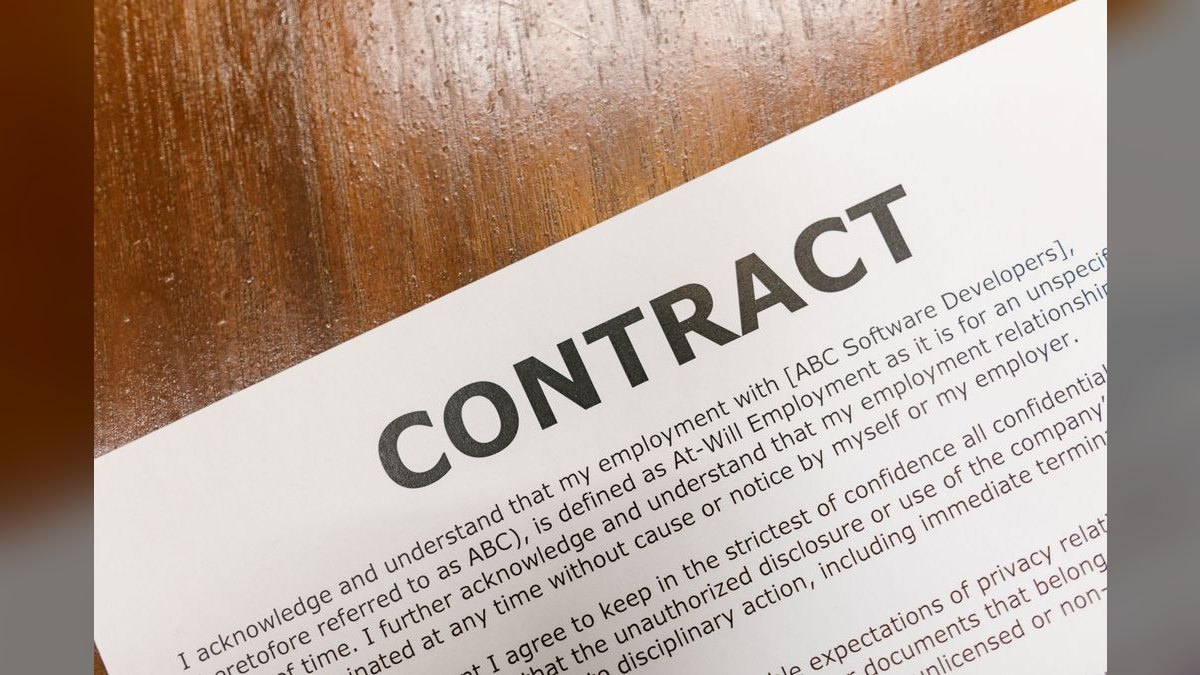
Third, and most often skipped, is reference validation. Speak to two or three past clients who were at a similar stage and revenue level when they engaged this CRO, and ask specifically what changed — pipeline volume, forecast accuracy, rep ramp time, win rate — rather than accepting a vague "they really helped us." Insist on a written 30-day audit as the opening deliverable of any engagement; this both proves the candidate's rigor before you commit to a longer term and gives you a concrete document to hold them accountable to at day 60 and day 90. Be explicit in your contract about cadence — weekly 1:1s with you, a weekly team standup, and a monthly board-level summary are the standard rhythm — and be equally explicit about the exit: a 30-day out clause is standard, and you should never sign a long-term contract with an outsourced CRO you have not already worked with successfully on a shorter term.
Buyer decision framework

The decision of whether to hire outsourced at all, versus pursuing a full-time CRO, should follow your company's revenue stage rather than personal preference or urgency. Companies below roughly $2M ARR almost always benefit more from a fractional arrangement — the cost of a full-time executive's salary and benefits at that stage would consume a disproportionate share of the budget, and the actual day-to-day workload rarely requires 40-plus hours a week of dedicated CRO attention. Companies in the $2M to $10M range are the classic fractional sweet spot: revenue is real enough to need structured leadership, but not yet stable enough to justify the fixed cost and hiring risk of a permanent executive. Above roughly $10M ARR with stable, predictable revenue, the calculus starts to shift toward full-time, because the coordination demands of a larger team and the need for daily, in-person leadership begin to outweigh the flexibility benefits of a fractional arrangement.
Watch for one common failure pattern in this decision: founders who hire a full-time CRO too early, before the company has enough proven pipeline motion to justify a full-time salary, then find themselves paying for 40 hours a week of capacity when the actual workload was closer to 10. The reverse mistake — staying fractional too long past $15M or $20M ARR when the team has grown enough to need daily, hands-on management — is real but far less common in practice. When in doubt, the safer error at almost any Oklahoma City company's stage is to start outsourced, prove out the operating model over a 90-day cycle, and only convert to full-time once the workload and budget both clearly justify it.
Related questions
What does a fractional Chief Revenue Officer engagement cost in Oklahoma City in 2027?
Cost scales with days committed and the CRO's track record — light advisory engagements run far cheaper than hands-on, full-execution arrangements, and some CROs accept a small equity grant to lower the cash rate.
Is there a fractional Chief Revenue Officer available near me in Oklahoma City?

Local, in-market candidates are scarce; most engaged CROs serve Oklahoma City remotely or visit quarterly from hubs like Dallas, Denver, or Austin while staying reachable through weekly calls.
How is a fractional CRO different from a VP of Sales?
A fractional CRO owns the full revenue function — sales, marketing alignment, RevOps, and often partnerships — while a VP of Sales typically manages only the quota-carrying sales team.
How long should my first contract with an outsourced CRO be?
Three to six months with a 30-day out clause is standard; avoid annual commitments until you have proof the engagement is delivering measurable pipeline and forecast improvements.
What should I expect in the first 90 days?
A written audit by day 30, visible process and CRM improvements by day 60, and by day 90 a clear answer on whether forecast accuracy, win rates, and rep ramp have measurably improved.
FAQ
How do I know if I need a fractional CRO instead of a VP of Sales? If you need someone to build the entire revenue engine — sales process, marketing alignment, RevOps, and sometimes partnerships — hire a fractional CRO. If you already have solid marketing and operations in place and just need someone managing the sales team's day-to-day execution, a VP of Sales is likely the better and less expensive fit.
Can an outsourced CRO be effective if they are not based in Oklahoma City?

Yes, provided they have real experience operating remotely and you establish clear communication rhythms from the start. Many fractional CROs visit clients quarterly while running weekly calls in between. The risk rises if your team is fully in-office and unaccustomed to remote leadership, since building trust and influence takes longer under those conditions.
What is the typical contract length for hiring an outsourced CRO? Most engagements begin with a three-month term that includes a 30-day out clause, allowing either party to exit early if the fit is wrong. After that initial period, companies typically extend month-to-month or negotiate a longer, more structured term once the value is proven.
How do I actually pay a fractional CRO? Through a simple consulting agreement or MSA, with monthly invoicing tied to the agreed days per month. Some accept a portion of compensation as equity. A large upfront retainer before any work has been delivered is not standard practice and should be treated as a warning sign.
What's the biggest mistake companies make when they hire an outsourced CRO? Skipping reference checks and accepting vague answers about impact. Always speak to two or three past clients at a similar revenue stage and ask specifically what changed in their pipeline, forecast accuracy, or team performance — not just whether the CRO "helped."
Should I be suspicious of a CRO who promises fast revenue results? Yes. Real change to sales process, hiring, and forecast accuracy takes roughly 60 to 90 days to show up in the numbers. Anyone promising an immediate revenue jump in the first month is overselling, not demonstrating experience.
Sources
- Pavilion — community for revenue leaders
- Harvard Business Review — sales leadership articles
- First Round Review — startup leadership essays
- SaaStr — SaaS sales and leadership content
- LinkedIn — professional network for finding fractional executives
- Salesforce — CRM and pipeline management resources
- HubSpot — sales process and CRM resources
- Harvard Business School Online — executive leadership resources
Related on PULSE
- What does a fractional Chief Revenue Officer engagement cost in Oklahoma City in 2027?
- How much does an outsourced Chief Revenue Officer cost in Oklahoma City in 2027?
- Is there a fractional Chief Revenue Officer available near me in Oklahoma City in 2027?
- What should I look for in a fractional Chief Revenue Officer in Oklahoma City in 2027?
- How do I find a fractional CRO in Millsboro in 2027?
- How do I hire a fractional CRO in Tulsa in 2027?
This page will be disappearing soon. Save it to your device for $1 — or read it free while it is here.
@Kory-White- · if Venmo asks, the last 4 of my number are 2012
This page is gone.
This one is off the shelf now. $1 keeps it on your phone for good — the whole page, pictures and diagrams included.
 pulse-toolsWhere do I find a fractional VP of Sales in Oklahoma City in 2027?
 pulse-toolsWhat Are the Signs My Sales Team Needs a Fractional CRO in 2027?
 pulse-toolsHow do I hire a fractional VP of Sales in Frisco in 2027?
 pulse-toolsHow do I hire a fractional VP of Sales for a medtech company in 2027?
 pulse-toolsWhere do I find a fractional VP of Sales in Huntsville in 2027?
 pulse-toolsHow do I hire a fractional VP of Sales in Portland in 2027?
 pulse-toolsHow do I hire a fractional VP of Sales in Miami in 2027?
 pulse-toolsHow do I hire a fractional VP of Sales for an insurtech company in 2027?
 pulse-toolsHow do I hire a fractional VP of Sales in Omaha in 2027?
 pulse-toolsWhere do I find a fractional VP of Sales in Memphis in 2027?