


Who is the best fractional CRO in Wyoming in 2027?
Quality
Certified

The best fractional CRO for a Wyoming company is a remote senior revenue leader with direct industry experience in energy, agriculture, tourism, or B2B tech who commits to quarterly in-person visits, maintains no more than three concurrent clients, and charges a retainer for 10–20 days per quarter with a 90-day phased plan.
Why Wyoming's Market Demands a Specific CRO Profile
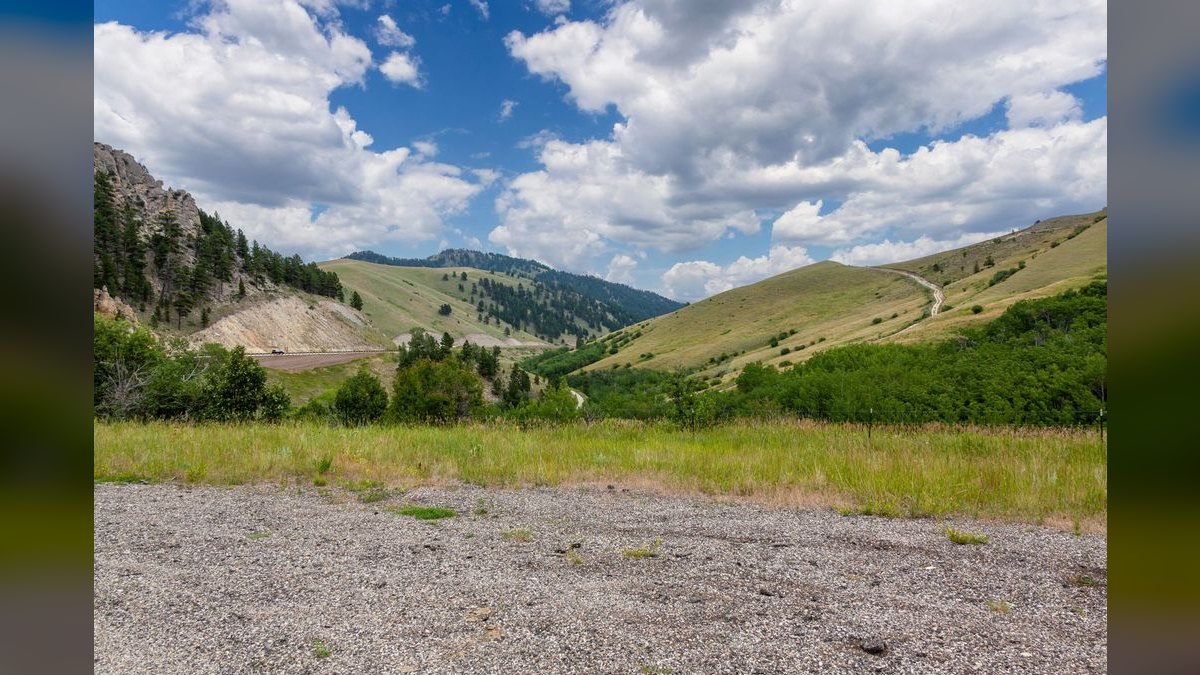
Wyoming's economy is not a typical startup ecosystem. The state's business activity concentrates in energy (oil, gas, uranium, wind), agriculture (cattle, hay, wool), tourism (Jackson Hole, Yellowstone), and a growing but modest enclave of remote tech workers and small SaaS companies. This industry mix directly dictates the type of fractional CRO you need. A fractional CRO who has only sold SaaS to venture-backed startups will struggle in Wyoming's industrial and agricultural sectors because the buying cycles are fundamentally different.
Energy and mining procurement involves long sales cycles, regulatory compliance, and relationship-based buying that spans 6–18 months. Agricultural sales follow seasonal patterns tied to planting and harvest cycles. Tourism and outdoor recreation companies deal with high seasonality and consumer-facing revenue models. The practical reality is that Wyoming does not have a deep bench of senior revenue leaders. Most experienced CROs in the Rocky Mountain region are based in Denver, Salt Lake City, or Boise. That does not disqualify them—fractional engagements are inherently remote-friendly—but it means you must test their ability to stay connected without daily face time. Ask about their async communication tools, their weekly meeting cadence, and how they have handled previous remote fractional roles.

If your company is in a niche like precision agriculture, oilfield services, or outdoor e-commerce, prioritize a fractional CRO who has sold into that vertical—even if they live in Texas or Colorado. Industry-specific buyer knowledge is worth more than a local address. A CRO who understands that a ranch supply distributor's purchasing decisions happen between November and February, or that a mining operation's capital equipment budget is set 18 months in advance, will deliver value from day one. Someone learning those patterns on your dime will cost you six months of lost revenue opportunity.
What to Look for in a Fractional CRO for a Wyoming Company
Industry context is non-negotiable. Look for someone who can name the buying committee in a mining operation or the seasonal purchasing patterns of a ranch supply distributor. If you are in tech, look for someone who has scaled a company from $1M to $10M ARR with a remote sales team—that is a common pattern in Wyoming's growing tech enclave. A CRO with a Stanford MBA and a Salesforce admin cert is useless if they are juggling five clients and cannot answer your Slack message for 48 hours. During the interview, ask: "How many active fractional clients do you have?" and "What is your typical response time during business hours?" A good fractional CRO will have no more than 3–4 clients and will commit to a same-day response during agreed-upon hours.

They must be willing to travel. Even in a remote engagement, a fractional CRO should visit your Wyoming office or key customer sites at least once per quarter. That trip builds trust with your team and gives them a feel for your market. If they refuse to travel at all, move on. Beware of overpromising. Fractional CROs who promise to "build your entire sales engine in 30 days" are either inexperienced or selling you a template that won't stick. Real process building takes 90–120 days of consistent work. A credible CRO will outline a phased 90-day plan with specific milestones: by day 30, a clean CRM and a 90-day pipeline forecast; by day 60, a sales process with stage definitions and qualification criteria; by day 90, one SDR hired and three new logos closed.
Red flags to watch for include overpromising ("I'll double your revenue in 3 months"), vague answers ("I'll figure it out once I'm in"), or inability to name specific tools and metrics they use. A good fractional CRO will say things like, "I use Salesforce for pipeline management, Gong for call coaching, and Clari for forecasting. I expect your reps to have 4x pipeline coverage and a 30% win rate on qualified opportunities." They should be able to share a redacted version of a past 90-day plan from a similar company, showing specific tools, metrics, and frameworks they used.
How to Structure the Engagement

Fractional CRO engagements in Wyoming typically follow one of two models. Retainer-based is the most common: a fixed monthly fee for a set number of days or hours per month. Typical is 10–15 days per quarter at a retainer per day. For a smaller company ($500k–$2M ARR), expect a retainer. For a larger company ($2M–$10M ARR), expect a retainer. The retainer covers strategic planning, pipeline reviews, team coaching, and executive meetings. Project-based engagements involve a defined deliverable—build a sales process, hire and train a first sales team, or create a revenue forecast model. This might cost $15k–$40k over 3–4 months, with less ongoing commitment. Project-based engagements work well if you have a specific gap to fill rather than needing ongoing strategic leadership.
Equity is common but should be structured carefully. Many fractional CROs will accept 0.5%–2% equity in lieu of part of their cash fee. This aligns incentives but creates complexity if you later raise venture capital or sell the company. Have a lawyer draft a vesting schedule tied to specific revenue milestones, not just time. For example, the equity vests when the company hits $3M ARR or when the CRO has been engaged for 12 months. Contract terms should include an out. Most fractional CROs work on month-to-month or 3–6 month contracts. A 30-day termination clause is standard. This protects you if the fit is wrong without the disruption of firing a full-time employee.
The engagement should begin with a 30-day assessment phase where the CRO audits your CRM data, pipeline, team skills, and sales process. The second 30 days focus on implementation: cleaning up the CRM, defining sales stages, creating qualification criteria, and starting coaching. The third 30 days are when results start to show: pipeline coverage improves, win rates increase, and the first deals close under the new process. If you expect a revenue spike in month one, you will be disappointed. Real revenue transformation takes 90–120 days.
When Not to Hire a Fractional CRO

A fractional CRO is not always the right answer. If your company is pre-revenue and you have not yet made your first 10 sales, you likely need a founder-led sales effort—no outsider can replace your early customer discovery. Founders must own the initial customer conversations to understand pain points, refine messaging, and build the product-market fit that a CRO can later scale. If your revenue problem is purely operational—your CRM is a mess, your data is wrong, your reporting is nonexistent—hire a RevOps consultant first, not a CRO. A CRO is a strategist and leader; a RevOps consultant fixes the plumbing. Bringing in a CRO before the operational foundation is solid wastes their time and your money.
If you are at $15M+ ARR and scaling rapidly, a full-time CRO who can dedicate 100% of their energy to your business will probably outperform a fractional leader. At that stage, the complexity of managing multiple sales teams, channel partners, and enterprise accounts demands full-time attention. If your company is in a highly regulated industry like energy or mining and you need someone who can navigate compliance requirements daily, a fractional CRO who is only available 10 days per quarter may not be sufficient. Consider whether the role requires daily leadership or strategic oversight that can be delivered in bursts.
How to Find Candidates
Wyoming's small talent pool means you will search beyond state lines. Start with Pavilion (joinpavilion.com), the largest community of revenue leaders. Search their member directory for fractional CROs who list "remote" or "Mountain Time" availability. Pavilion has thousands of members, and many senior revenue leaders offer fractional services. You can post in their community channels describing your industry and stage. RevOps Co-op is a Slack community where fractional CROs often post availability. You can ask for recommendations in their #hiring channel. The community is active and includes many practitioners who work with mid-market and growth-stage companies.
LinkedIn is another channel. Search for "fractional CRO" and filter by "open to work" or "services." Look for people who have worked with industrial, energy, or agtech companies. Use boolean searches like "fractional CRO" AND "energy" OR "industrial" OR "agriculture" to narrow results. Review their recommendations and past engagement descriptions. Your own network matters: ask fellow Wyoming founders in local entrepreneur groups or the Wyoming Business Council. Even if they cannot recommend someone directly, they may know a Denver-based CRO who works with Wyoming companies. Attend events like the Wyoming Startup Showcase or local chamber of commerce meetings. CRO Syndicate is a network of senior revenue practitioners who have actually built the numbers they advise on. They can match you with a vetted fractional CRO based on your industry, stage, and specific needs.
When you have a list of candidates, treat the interview like a consulting pitch, not a job interview. You are buying a service, not hiring an employee. Ask each candidate to diagnose your current state in 30 minutes based on your pipeline data and team structure. A strong candidate should be able to look at your numbers and identify the top three bottlenecks without extensive research. If they need weeks to understand your business, they are not as experienced as they claim. Ask them to outline a 90-day plan with specific milestones. The plan should be concrete, not vague. Ask them to show you their playbook—not a generic template, but the actual process they used with a similar company. They should be able to share a redacted version of a past 90-day plan.
How to Measure Success

Define clear metrics before the engagement starts. Pipeline coverage ratio is the total value of qualified opportunities divided by your revenue target. A healthy ratio is 3x–5x for the next quarter. The CRO should improve this within 60 days. Win rate is the percentage of qualified opportunities that close. Industry averages vary, but 20%–30% is typical for B2B. The CRO should improve this through better qualification and sales process. Sales cycle length is the average time from first contact to closed deal. The CRO should shorten this by removing bottlenecks and improving handoffs. Team ramp time is how quickly new sales hires reach full productivity. The CRO should reduce this from 6 months to 3–4 months through better onboarding and coaching. Revenue attainment is the percentage of quarterly revenue target achieved. The CRO should drive consistent attainment above 80% within two quarters.
Review these metrics monthly in a structured pipeline review. If the CRO is not moving these numbers after 90 days, it may be time to adjust the plan or replace them. A monthly pipeline review should include: current pipeline value by stage, expected close dates, deal velocity, win rate by rep, and forecast accuracy. The CRO should lead this review and provide actionable recommendations. If they show up without data or cannot explain why deals are stuck, that is a red flag.
Common Pitfalls to Avoid

Hiring a generalist when you need an industry specialist is the most common mistake. A fractional CRO who has only sold SaaS will not understand energy procurement or agricultural seasonality. The cost of their learning curve is your lost revenue. Not checking references thoroughly is another pitfall. Ask for three references from companies at a similar stage and in a similar industry. Call them and ask specific questions: How responsive was the CRO? Did they deliver on their 90-day plan? Would you hire them again? Under-investing in the engagement is also problematic. A fractional CRO at a retainer is a significant investment, but trying to negotiate down to 5 days per quarter will not give them enough time to make an impact. 10–15 days per quarter is the minimum for meaningful results.
Expecting instant results leads to disappointment. Real revenue transformation takes 90–120 days. The first month is assessment and planning; the second month is implementation; the third month is when results start to show. If you expect a revenue spike in month one, you will be disappointed. Ignoring cultural fit is another mistake. Your fractional CRO will interact with your leadership team, sales team, and possibly your board. If their communication style clashes with your company culture, the engagement will fail regardless of their expertise. Finally, failing to define the scope clearly leads to scope creep and frustration. Write down exactly what the CRO will deliver, how many hours per week, which meetings they attend, and what metrics they own. Both parties should sign off on this scope before the engagement begins.
Related questions

What is the typical cost of a fractional CRO in Wyoming?
A retainer for 10–20 days per quarter, depending on scope, stage, and experience. Some accept 0.5%–2% equity to reduce cash outlay. There is no "Wyoming discount"—rates are national.
How long does a fractional CRO engagement typically last?
Most engagements run 6–12 months. Some companies convert the fractional CRO to full-time after 9–12 months. Others cycle through multiple fractional CROs as their needs change.
Can a fractional CRO work effectively with a remote team?
Yes, if they have strong async communication habits and use tools like Slack, Zoom, Salesforce, and Gong. Ask for references from companies where the CRO was never in the office.
What if I need a CRO who lives in Wyoming?
You will have very few options. Most fractional CROs in the Rocky Mountain region are based in Denver or Salt Lake City. A remote CRO who visits quarterly is the realistic standard.
How do I evaluate a fractional CRO's past performance?
Ask for three references from similar-stage companies. Call them and ask about availability, responsiveness, revenue impact, and whether they would hire the CRO again.
FAQ

What is the typical cost of a fractional CRO in Wyoming in 2027? A retainer for 10–20 days per quarter, depending on scope, stage, and the CRO's experience. Some accept equity (0.5%–2%) to reduce cash outlay. There is no "Wyoming discount"—rates are national.
How long does a fractional CRO engagement typically last? Most engagements run 6–12 months. Some companies convert the fractional CRO to a full-time employee after 9–12 months. Others cycle through multiple fractional CROs as their needs change.
Can a fractional CRO work effectively with a remote team? Yes, if they have strong async communication habits and use tools like Slack, Zoom, Salesforce, and Gong. Ask for references from companies where the CRO was never in the office.
What if I need a CRO who lives in Wyoming? You will have very few options. Most fractional CROs in the Rocky Mountain region are based in Denver or Salt Lake City. A remote CRO who visits quarterly is the realistic standard.
How many clients should a fractional CRO have at once? No more than 3–4 active clients. More than that indicates they are spread too thin to give your company the attention it needs. Ask directly during the interview.
Should I offer equity to a fractional CRO? Equity (0.5%–2%) can reduce cash costs and align incentives, but structure it with a lawyer. Tie vesting to specific revenue milestones, not just time, to ensure the CRO is motivated to deliver results.
Sources
- Harvard Business Review - Articles on fractional leadership
- First Round Review - Startup sales and leadership advice
- SaaStr - SaaS sales and scaling resources
- Pavilion - Community for revenue leaders
- RevOps Co-op - Slack community for revenue operations
- LinkedIn - Search fractional CRO profiles
- Wyoming Business Council - Entrepreneur resources
Related on PULSE
- Where do I find a fractional CRO in Wyoming in 2027?
- How do I hire a fractional CRO in Wyoming in 2027?
- What should I look for in a fractional CRO in Wyoming in 2027?
- How do I evaluate a fractional Chief Revenue Officer in Wyoming in 2027?
- Is there a fractional CRO available near me in Pasadena in 2027?
- Who is the best fractional Chief Revenue Officer in Middletown in 2027?
This page will be disappearing soon. Save it to your device for $1 — or read it free while it is here.
@Kory-White- · if Venmo asks, the last 4 of my number are 2012
This page is gone.
This one is off the shelf now. $1 keeps it on your phone for good — the whole page, pictures and diagrams included.
 pulse-toolsTop 10 Pulse Tools strategies for 2027 in 2027
 pulse-toolsHow do I hire a fractional CRO in Michigan in 2027?
 pulse-toolsWho is the best fractional CRO in Selbyville in 2027?
 pulse-toolsWhere do I find a fractional CRO in New Mexico in 2027?
 pulse-toolsWhere do I find a fractional CRO in Missouri in 2027?
 pulse-toolsWhat does a fractional Chief Revenue Officer engagement cost in Utah in 2027?
 pulse-toolsHow do I hire a fractional CRO for an e-commerce business in 2027?
 pulse-toolsHow do I evaluate a fractional Chief Revenue Officer in Georgia in 2027?
 pulse-toolsWhere do I find a fractional CRO in Philadelphia in 2027?
 pulse-toolsWhere do I find a fractional CRO in North Dakota in 2027?