

What does a fractional CRO do for a clean energy business in 2027?
 Curated byKory White · Fractional CRO · Maryland
Quality
Certified

A fractional CRO for a clean energy business runs revenue as a part-time executive: auditing the pipeline, installing MEDDPICC discipline, consolidating the CRM/forecasting/engagement stack, and restructuring comp around deal velocity and lifetime value. In 2027, the role compresses 18-month PPA and interconnection-driven sales cycles, aligns SDRs, account executives, and customer success under one forecast, and gives a growing clean energy business senior revenue leadership without the cost of a full-time hire.
The end-to-end process
A fractional CRO engagement with a clean energy business almost never starts with a strategy deck — it starts with an audit. Weeks one and two are spent inside the CRM (or, more often, inside three half-populated tools that were never meant to talk to each other) scoring the top 15–20 open deals against MEDDPICC: Metrics, Economic Buyer, Decision Criteria, Decision Process, Paper Process, Identify Pain, Champion, Competition. In clean energy specifically, this audit also maps the buying committee for every deal, because a commercial solar or storage deal rarely closes with one signature — it moves through a facilities director, a CFO or board member who owns capital allocation, sometimes a utility liaison, and occasionally outside counsel reviewing interconnection risk. The fractional CRO's first deliverable is usually a 30-day fix plan, not a full transformation roadmap, because clean energy businesses are cash-sensitive and need visible traction fast.
From there the engagement moves into process and tooling. This is where the fractional CRO decides whether the existing stack — often a mix of spreadsheets, a free CRM tier, and scattered Slack threads — can be repaired or needs replacing. A business selling multi-year power purchase agreements (PPAs) usually outgrows a lightweight CRM quickly because CPQ (configure-price-quote) logic for 20-year contracts, escalator clauses, and financing terms is genuinely complex; that's the point where a fractional CRO will recommend migrating toward a platform built for that complexity and layering in an AI-assisted forecasting tool that can account for seasonality (solar installs slow in winter in many regions; wind maintenance windows cluster in shoulder seasons). Sales engagement software gets configured next, with sequences split by persona — a utility procurement manager gets a very different cadence than a commercial real estate developer evaluating rooftop solar.
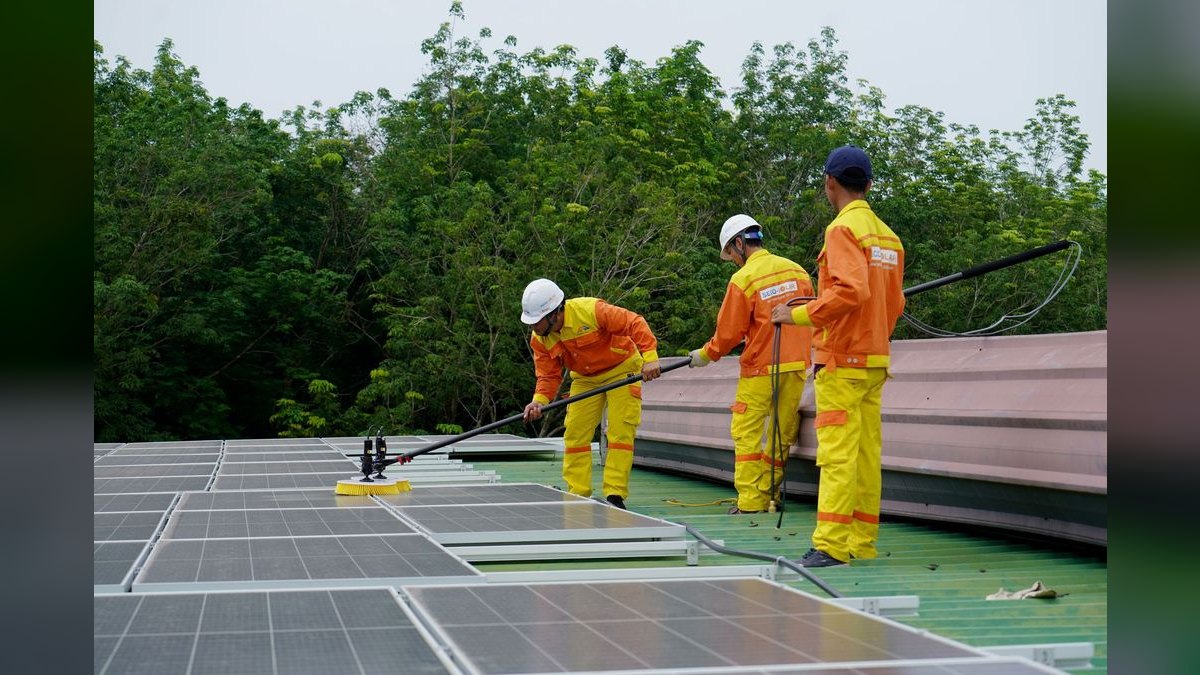
The third phase is organizational. Clean energy businesses frequently have compensation plans inherited from a founder-led sales motion that rewarded any closed deal, with no distinction between a low-margin, high-churn residential install and a high-CLV commercial contract with expansion potential (battery storage, EV charging, monitoring subscriptions). The fractional CRO rebuilds the comp plan around velocity and lifetime value, and frequently ends up acting as the interim VP of Sales — running the weekly forecast cadence, coaching reps, and reporting to the board — until the business is ready to hire a permanent revenue leader. This full arc, from audit to a running RevOps cadence, typically plays out over a 90-day engagement, though most fractional CROs stay on for two to four quarters to see the changes compound.
Where it creates or leaks revenue
Clean energy sales cycles leak revenue in a few predictable places, and a fractional CRO is usually brought in because at least two of them are already visible on a board deck. The first leak is qualification time. Without disciplined scoring, SDRs chase every inbound lead with equal intensity — a homeowner requesting a quote and a utility issuing an RFP get the same three-touch sequence — and reps burn weeks on deals that were never going to close. Tightening qualification with clear MEDDPICC criteria and AI-assisted lead scoring is usually the fastest win a fractional CRO delivers, because it doesn't require new headcount, just better triage.
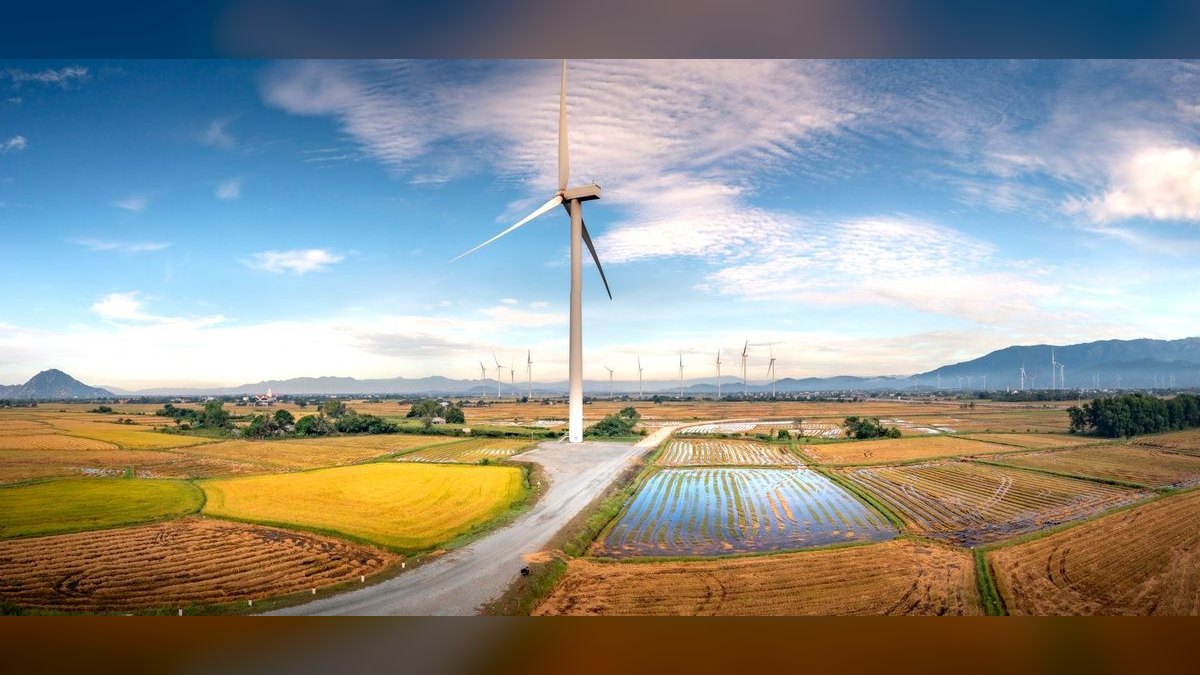
The second leak sits in the buying committee itself. Clean energy deals, especially commercial and utility-scale ones, rarely have a single decision-maker; they have a facilities lead who wants operational simplicity, a CFO or board member focused on IRR and financing terms, and sometimes a sustainability officer tracking ESG commitments. A sales process built for a simple B2B sale — one champion, one signature — stalls hard against this structure. The fractional CRO's job is to make the buying committee visible in the CRM (who cares about what, and who can say no) so the sales team stops pitching the wrong stakeholder the wrong value proposition.
Revenue also leaks after the deal closes. Post-installation churn — a customer who signed a 20-year PPA but disputes billing, or a residential solar customer unhappy with response times on a service ticket — is a major, underappreciated driver of both direct churn and referral loss in this industry. A fractional CRO typically insists on a dedicated customer success function reporting into the revenue org (not siloed under operations) specifically because in clean energy, the sale and the relationship are inseparable: a churned or dissatisfied customer in a small regional market can quietly poison a business's next twenty leads through word of mouth.
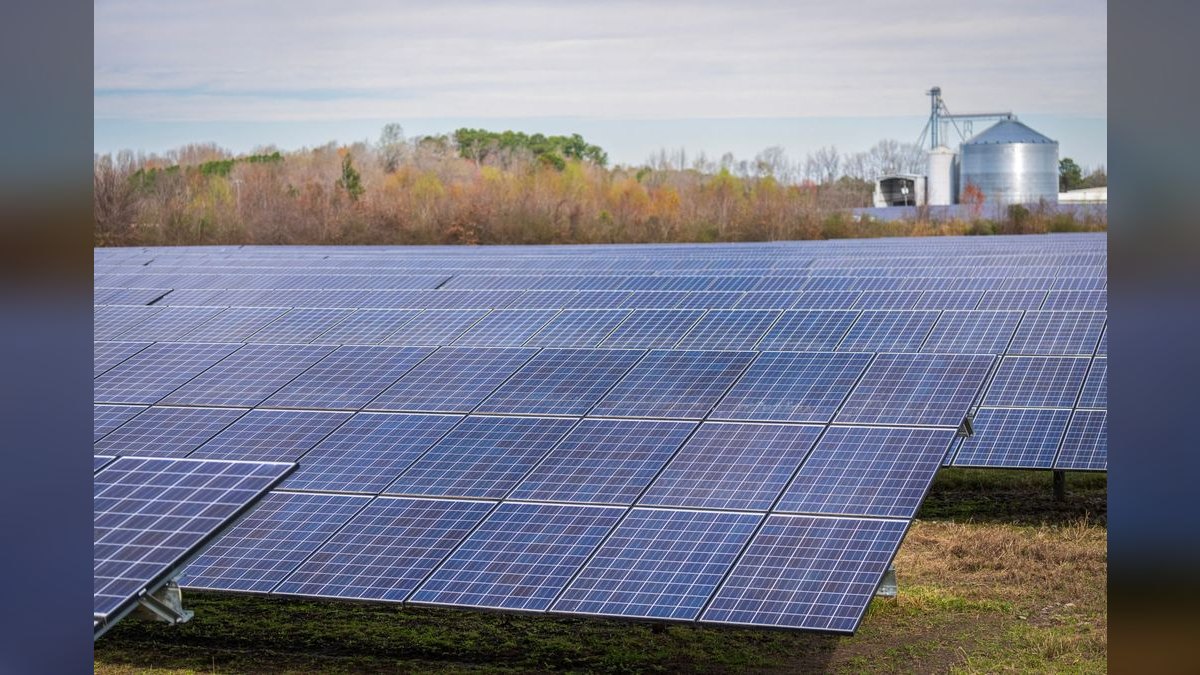
Finally, revenue is created — not just protected — through expansion motions that many clean energy businesses leave on the table. A residential solar company selling a straightforward install can often expand that same customer into battery storage or EV charging within 12–18 months if the comp plan and customer success process are built to support a "land and expand" model rather than a one-and-done transaction. This is a place where clean energy sales structurally resembles a subscription business more than a traditional hardware sale, and a fractional CRO with RevOps and SaaS instincts will recognize it faster than a traditional industry veteran.
Concrete numbers and benchmarks
Benchmarks vary by segment, but a few reference points come up consistently in fractional CRO engagements with clean energy businesses. Retainer structures typically run two to four days per week, priced as a monthly retainer plus a modest performance component tied to closed-won revenue — commonly structured as a base fee with a smaller percentage kicker, rather than a flat salary, so the CRO's incentives track the business's actual revenue outcomes. For an early-stage clean energy business in the low single-digit millions of annual revenue, this combined cost is meaningfully lower than the fully loaded cost of a permanent CRO hire (base salary, bonus, equity, and benefits for a full-time executive), which is exactly why the fractional model exists at this stage.
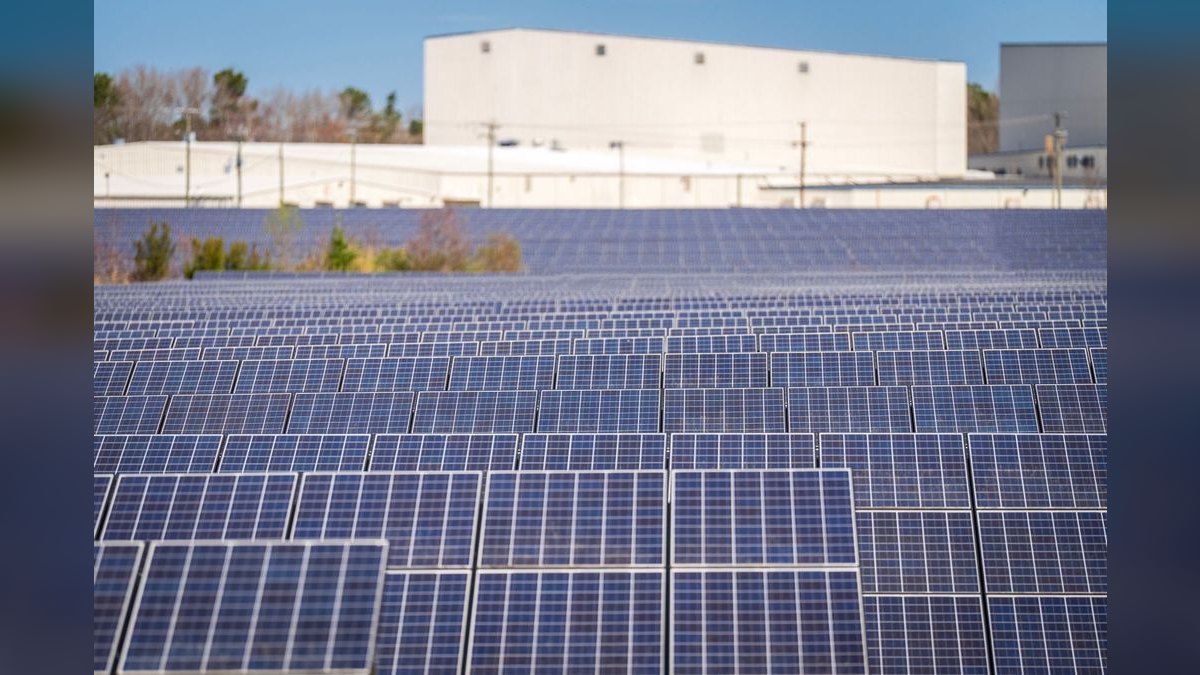
On cycle time, commercial and utility-scale clean energy deals commonly run 12 to 24 months from first contact to signed contract, driven by financing approval, interconnection studies, and multi-stakeholder sign-off — far longer than a typical SaaS sales cycle. A well-run fractional engagement that tightens qualification, clarifies the economic buyer early, and pre-negotiates common legal sticking points (force majeure language around interconnection delays, for example) can meaningfully compress that cycle over a two-to-three-quarter engagement, though the exact percentage varies enormously by deal size and region and should never be taken as a guaranteed outcome.
On team structure, a fractional CRO stepping into a business with five to ten existing reps will typically look for a ratio of roughly one sales engineer per five to eight AEs once technical RFPs become common (a strong signal that the business is moving upmarket into commercial or utility accounts), and will push for a dedicated RevOps or sales operations owner as soon as the CRM stack has more than two integrated tools — below that, most businesses can get by without a full-time operations hire. Forecast accuracy is another benchmark worth tracking: many early-stage clean energy sales teams forecast with 40–60% accuracy against actual closed-won revenue in a given quarter simply because stage definitions are inconsistent; tightening stage-exit criteria under MEDDPICC is one of the more measurable improvements a fractional CRO can point to on a quarterly basis.

Pitfalls and how to avoid them
The most common mistake clean energy businesses make before bringing in a fractional CRO is treating the hire as a stopgap for a missing salesperson rather than a strategic operator. A fractional CRO is not there to carry a personal quota — they are there to build the system (process, tooling, comp, team structure) that lets the existing reps and any future hires perform consistently. Businesses that expect the fractional CRO to personally close deals are usually disappointed, and engagements set up this way tend to end early with both sides frustrated.
A second pitfall is regulatory and financing complexity being underestimated during onboarding. Clean energy deals carry milestones — interconnection studies, tax equity closings, state-level renewable portfolio standard compliance, federal incentive deadlines — that don't exist in most other B2B sales motions. A fractional CRO without direct clean energy experience needs a network of legal and policy expertise to lean on (former utility or energy department personnel are common advisors here); without that network, the sales process gets built cleanly but breaks the first time a deal hits a real regulatory snag.

A third pitfall is tool sprawl disguised as tool modernization. It's tempting for a business, energized by a new fractional CRO, to buy a CRM, a forecasting tool, an engagement platform, and a call-intelligence tool all in the same quarter. Reps end up spending more time on data entry across four systems than on selling, and adoption collapses. The better sequence is CRM first, forecasting second once pipeline data is clean, and call intelligence or engagement automation only once the sales team has stabilized on the core system — usually a 60- to 90-day stagger rather than a single big-bang rollout.
Finally, comp plan changes are consistently under-communicated. Shifting from a flat commission to a velocity-and-lifetime-value model changes take-home pay for individual reps, sometimes significantly, and reps who don't understand the new incentive structure will assume they're being underpaid rather than realize the plan rewards a different behavior. A fractional CRO who rolls out a new comp plan without walking each rep through worked examples of their own deals under the new structure should expect turnover regardless of how sound the plan is on paper.

Selection checklist
Clean energy businesses evaluating a fractional CRO should look past the resume headline (typically "scaled revenue X to Y") and check whether that experience maps to their specific sales motion: residential versus commercial versus utility-scale, hardware-plus-financing versus pure subscription, short-cycle versus multi-year contract. A fractional CRO who scaled a fast-cycle SaaS business brings valuable RevOps instincts but may need a policy and financing advisor alongside them; someone from a traditional energy background may need a refresher on modern sales tooling and AI-assisted forecasting. The strongest fits usually have direct exposure to PPA structures, tax equity, or utility procurement, plus a demonstrated RevOps toolkit (CRM redesign, forecasting discipline, comp plan design) they can point to with specifics, not generalities.
Related questions
How is a fractional CRO different from a fractional VP of Sales?
A fractional CRO typically owns the full revenue function — sales, customer success, and RevOps alignment — while a fractional VP of Sales focuses narrowly on the sales team's quota and pipeline. In a clean energy business, that broader mandate matters because post-sale churn is a major revenue risk.
How long does a typical fractional CRO engagement last?
Most engagements run two to four quarters, long enough to run the audit, rebuild the stack and comp plan, and prove out at least one full sales cycle under the new process before handing off to a permanent hire.
Does a fractional CRO work only with venture-backed clean energy startups?
No — established, founder-owned clean energy businesses use fractional CROs just as often, frequently because the founder built the company on relationships and never formalized a sales process as the business scaled.
What's the first tool a fractional CRO usually touches?
Almost always the CRM, because forecast accuracy, deal scoring, and comp payouts all depend on clean, consistently entered pipeline data — nothing else works until that foundation is fixed.
FAQ
What does a fractional CRO cost for a clean energy business? Costs are typically structured as a retainer for two to four days per week plus a modest performance component tied to closed-won revenue, usually well below the fully loaded cost of a permanent, full-time CRO once salary, bonus, and equity are factored in.
Can a fractional CRO join a business that already has a sales team? Yes — this is one of the most common engagement types. The fractional CRO typically layers in coaching, pipeline review cadence, and MEDDPICC discipline on top of an existing team of five to fifteen reps rather than replacing them.
How does a fractional CRO handle long, regulation-heavy sales cycles? By making regulatory and financing milestones (interconnection studies, tax equity closings, incentive deadlines) explicit stages in the sales process, and by bringing in legal or policy expertise to vet deal terms before they become last-minute blockers.
Is a fractional CRO only useful for revenue growth, or also for churn? Both. In clean energy specifically, post-installation service issues are a major churn driver, so a fractional CRO usually builds or strengthens the customer success function alongside the sales process, not just the top of funnel.
What size clean energy business benefits most from a fractional CRO? Businesses roughly in the low single-digit to low double-digit millions of annual revenue tend to see the clearest ROI — large enough to have real pipeline complexity, not yet large enough to justify a full-time executive salary.
Does a fractional CRO replace the need for a RevOps hire? Not long-term. A fractional CRO often identifies the need for a dedicated RevOps or sales operations owner and helps hire or reassign someone into that role so the systems they build outlast the engagement.
Sources
- Gartner: Sales Insights
- Forrester Research
- McKinsey: Electric Power and Natural Gas Insights
- Gong: Revenue Intelligence Resources
- Salesforce: Energy and Utilities Solutions
- SaaStr: Fractional Executive Hiring
- U.S. Department of Energy: Solar Energy Technologies Office
Related on PULSE
- Is there a fractional CRO available near me in Pasadena in 2027?
- Who is the best fractional Chief Revenue Officer in Middletown in 2027?
- What should an SMB company look for in a fractional CRO in 2027?
- Is there a fractional CRO available near me in Boise in 2027?
- Is there a fractional CRO available near me in Massachusetts in 2027?
This page will be disappearing soon. Save it to your device for $1 — or read it free while it is here.
@Kory-White- · if Venmo asks, the last 4 of my number are 2012
This page is gone.
This one is off the shelf now. $1 keeps it on your phone for good — the whole page, pictures and diagrams included.
 pulse-toolsWhat does a fractional CRO do for a marketing agency business in 2027?
 pulse-toolsHow do I hire a fractional CRO in Santa Clara in 2027?
 pulse-toolsWhere do I find a fractional CRO in Fort Collins in 2027?
 pulse-toolsWhere do I find an outsourced CRO in West Virginia in 2027?
 pulse-toolsWhat does a fractional CRO do for a gaming business in 2027?
 pulse-toolsWhere do I find a fractional CRO in Chandler in 2027?
 pulse-toolsWhat does a fractional CRO do for a AI startup business in 2027?
 pulse-toolsHow do I hire a fractional head of revenue for a B2B SaaS company in 2027?
 pulse-toolsWhere do I find a fractional CRO in Berkeley in 2027?
 pulse-toolsDo I Need a Fractional CRO for My Construction Company in 2027?