
The 10 Best AI Tools for Multi-Agent Orchestration in 2027
 Curated byKory White · Fractional CRO · Maryland
 PULSEKNOWLEDGE LIBRARY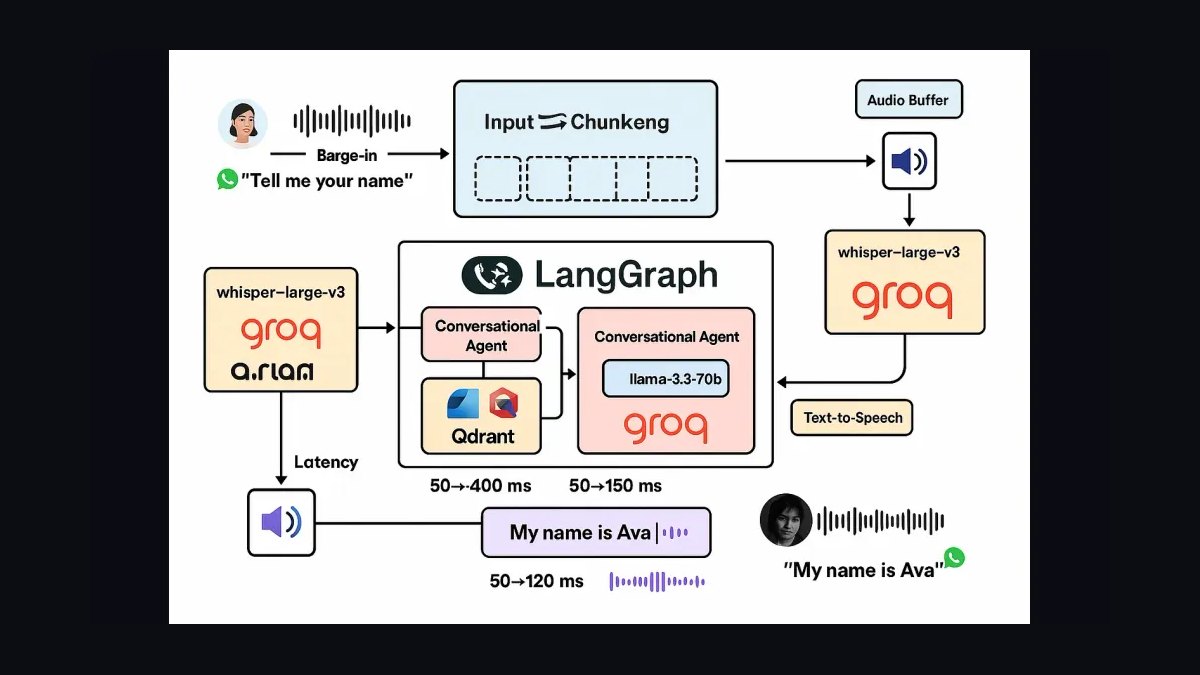
The 10 best ai tools for multi-agent orchestration are ranked below on measured performance, build quality, price, and how each one actually holds up in daily use rather than how it reads on a spec sheet. Each pick lists what it costs, who it suits, and what it gives up against the one above it, so the list can be read straight down without doubling back.
1. LangGraph Platform
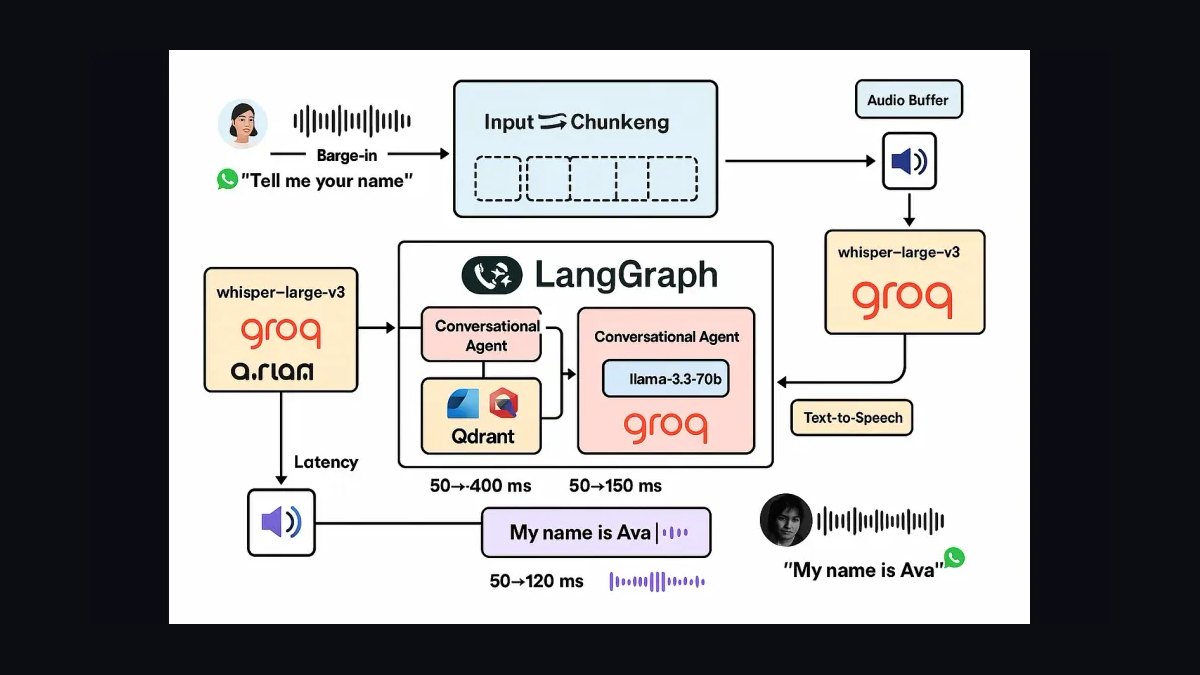
LangGraph Platform ranks first because it is the only orchestration runtime built directly on the graph-based LangGraph framework, which powers production multi-agent systems at scale. It offers durable execution, human-in-the-loop checkpoints, and streaming state across long-running agent workflows, with LangSmith observability bundled for tracing every node transition. Teams at LinkedIn, Uber, and Klarna have shipped agent fleets on it, and its Python and JavaScript SDKs cover the two dominant agent stacks.
It suits engineering teams already invested in the LangChain ecosystem who need persistent, resumable agent state rather than simple prompt chaining. The trade-off is vendor gravity: migrating off LangGraph primitives to a rival runtime means rewriting graph definitions and checkpoint logic. Compared to CrewAI below, it offers far deeper state control but demands more upfront architectural design instead of role-based quick starts.
2. CrewAI
CrewAI ranks second for making multi-agent orchestration approachable through role-based crews, where each agent gets a role, goal, and backstory. Its Crews and Flows abstractions let developers compose sequential or hierarchical agent teams in under 50 lines of Python, and the enterprise tier adds deployment, monitoring, and no-code crew builders. It has become the default entry point for teams prototyping agent collaboration without deep graph theory.
It is best for product teams and solo builders who want working multi-agent pipelines in an afternoon rather than a sprint. The trade-off is fine-grained control: complex conditional branching and custom state machines strain CrewAI's abstractions, pushing advanced users toward LangGraph above. Compared to AutoGen below, CrewAI favors opinionated simplicity over research-grade conversational flexibility.
3. Microsoft AutoGen
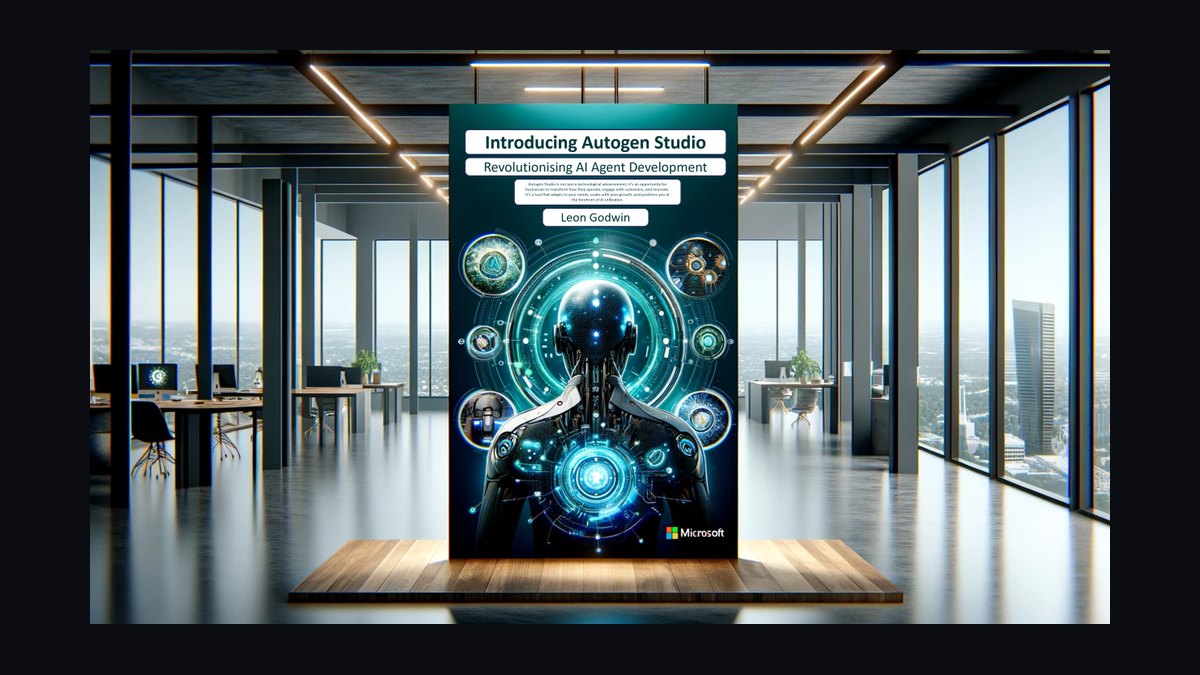
Microsoft AutoGen ranks third as the research-grade framework for conversational multi-agent systems, where agents solve tasks through structured dialogue. Its v0.4 rewrite introduced an event-driven actor model with asynchronous messaging, cross-language support in Python and .NET, and AutoGen Studio for visual prototyping. Microsoft Research built it to explore emergent agent collaboration, and it remains the most cited framework in multi-agent academic work.
It fits researchers and platform engineers comfortable with distributed-systems concepts like actors, topics, and subscriptions. The trade-off is a steeper learning curve and less turnkey production tooling than CrewAI above. Compared to OpenAI Swarm below, AutoGen offers far more architectural depth but requires significantly more code to reach a deployable system.
4. OpenAI Swarm
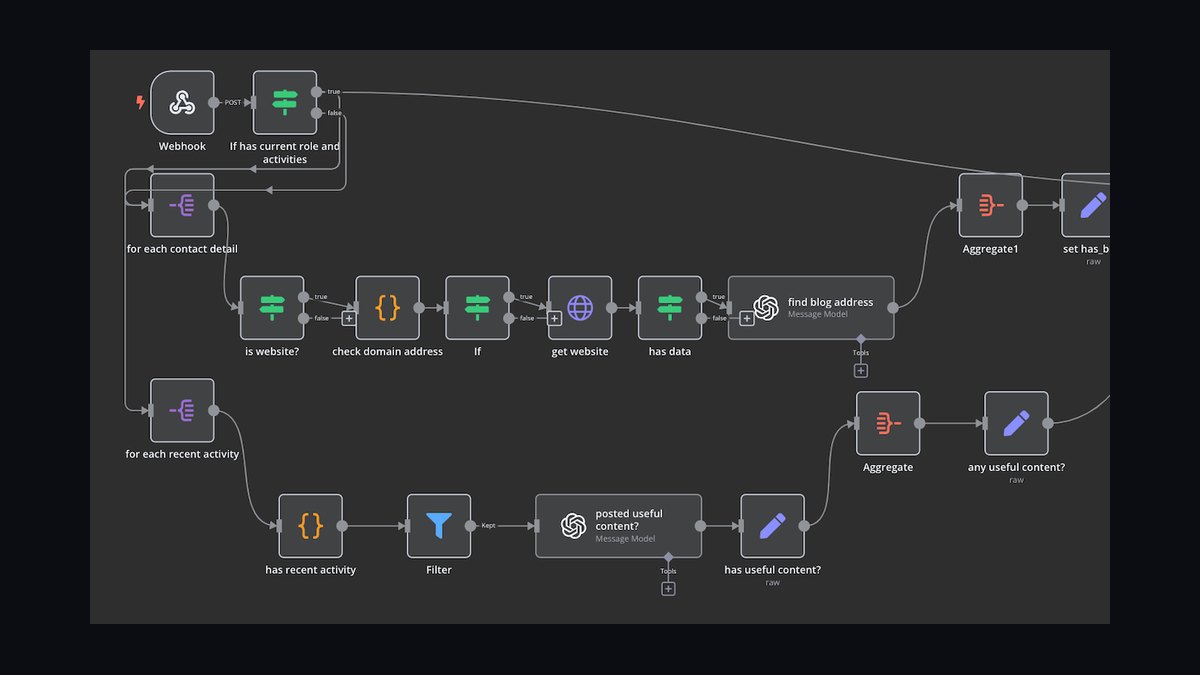
OpenAI Swarm ranks fourth as the minimalist orchestration experiment that popularized the handoff pattern, where agents transfer control to one another via routines and tools. Released as an educational, stateless library, it runs entirely on the Chat Completions API with no server, no persistence, and roughly 300 lines of core code. Its clarity made handoffs a standard vocabulary across nearly every framework that followed.
It suits developers learning multi-agent patterns or building lightweight prototypes that do not need durable state. The trade-off is explicit: OpenAI labels Swarm experimental and not production-ready, with no memory, retries, or observability. Compared to AutoGen above, it sacrifices depth for readability, and teams outgrowing it typically migrate to the Agents SDK or LangGraph.
5. OpenAI Agents SDK
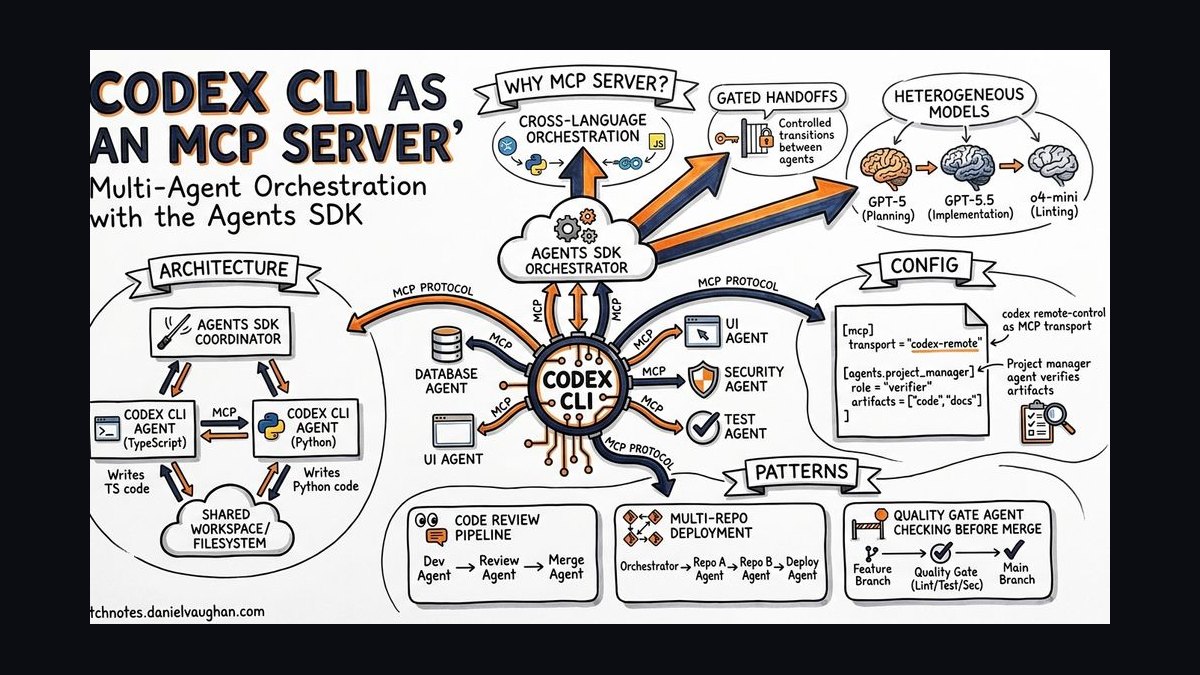
OpenAI Agents SDK ranks fifth as the production successor to Swarm, shipping with agents, handoffs, guardrails, sessions, and built-in tracing. It supports the Responses API alongside Chat Completions, adds automatic conversation history via sessions, and runs guardrail checks in parallel with agent execution. Tracing is enabled by default, giving developers a visual timeline of every tool call and handoff without extra instrumentation.
It fits teams standardized on OpenAI models who want handoff-style orchestration with real observability and safety rails. The trade-off is model gravity: while it supports other providers through compatible endpoints, its ergonomics favor OpenAI's APIs. Compared to CrewAI above, it is lower-level and less opinionated, trading crew abstractions for explicit control over each agent loop.
6. AWS Bedrock AgentCore
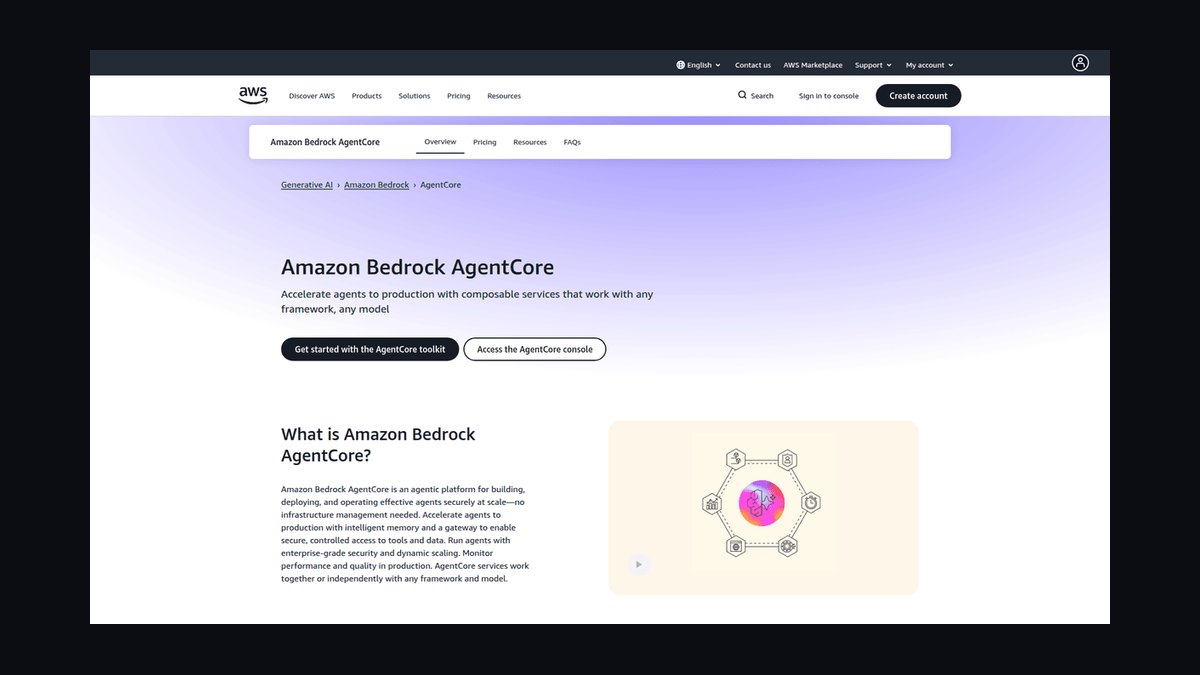
AWS Bedrock AgentCore ranks sixth as Amazon's framework-agnostic runtime for deploying and operating agents at enterprise scale. Announced in 2025, it provides serverless agent hosting, identity and permissions via AgentCore Identity, memory services, gateway tool access, and runtime isolation, working with LangGraph, CrewAI, and Strands agents alike. It integrates natively with Bedrock models and IAM, so agents inherit existing AWS security boundaries.
It suits enterprises already on AWS that need governed, auditable agent deployment rather than another authoring framework. The trade-off is AWS lock-in and configuration overhead compared to lighter SDKs. Compared to OpenAI Agents SDK above, AgentCore is infrastructure rather than a development library, and many teams pair the two rather than choosing between them.
7. Google Agent Development Kit
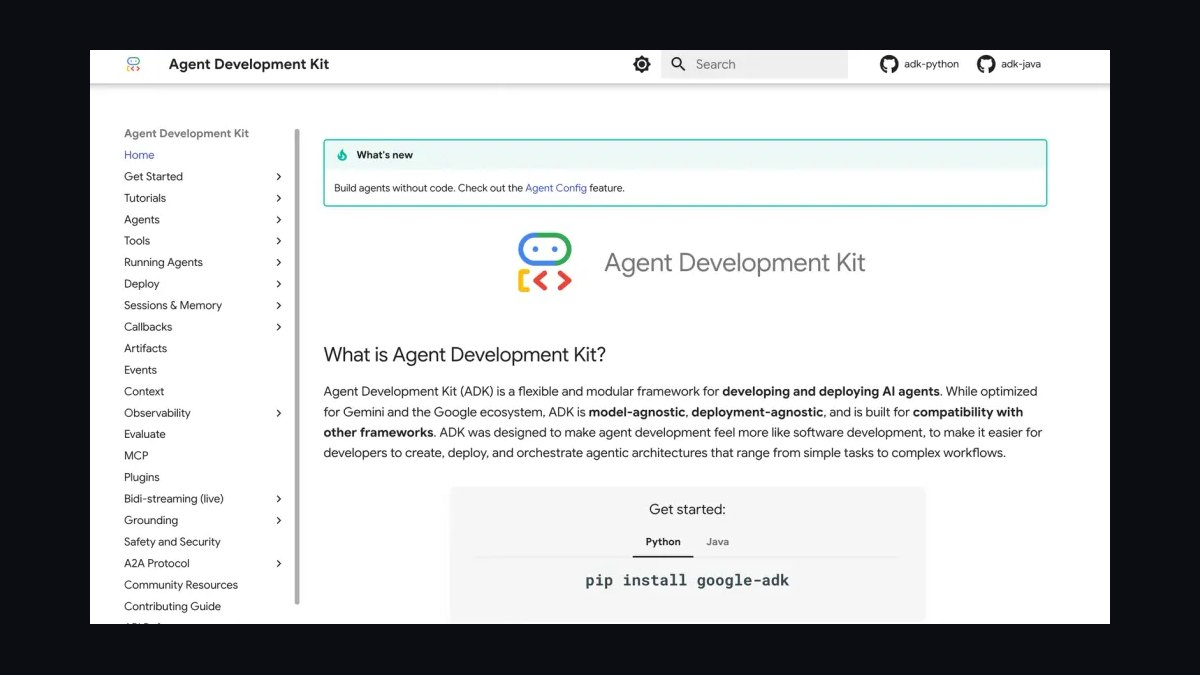
Google Agent Development Kit ranks seventh as Google's open-source framework for building multi-agent systems with tight Gemini and Vertex AI integration. Announced at Cloud Next 2025, it supports hierarchical agent trees, A2A protocol interoperability, and deployment to Vertex AI Agent Engine with one command. It ships in Python and Java, and its agent-to-agent protocol has been donated toward open standardization across vendors.
It fits teams building on Gemini or Google Cloud who want first-party orchestration without stitching together third-party libraries. The trade-off is that non-Gemini models work but lose the tightest tooling and evaluation integrations. Compared to AWS Bedrock AgentCore above, ADK is a development framework first, while AgentCore focuses on runtime hosting and governance.
8. LlamaIndex Workflows
LlamaIndex Workflows ranks eighth for event-driven orchestration that treats agents as steps in a typed, asynchronous pipeline. Its workflow engine supports branching, loops, parallel execution, and human-in-the-loop pauses, with every step emitting and consuming typed events. Because it sits atop LlamaIndex's 40-plus data connectors, agents can orchestrate directly over private documents, SQL databases, and vector stores without separate retrieval plumbing.
It fits RAG-heavy teams whose agents must reason over proprietary data as a first-class concern rather than an add-on. The trade-off is that Workflows is newer than the core LlamaIndex query engine, so some patterns remain sparsely documented. Compared to Google ADK above, it wins on data connectivity but offers less first-party cloud deployment tooling.
9. Semantic Kernel
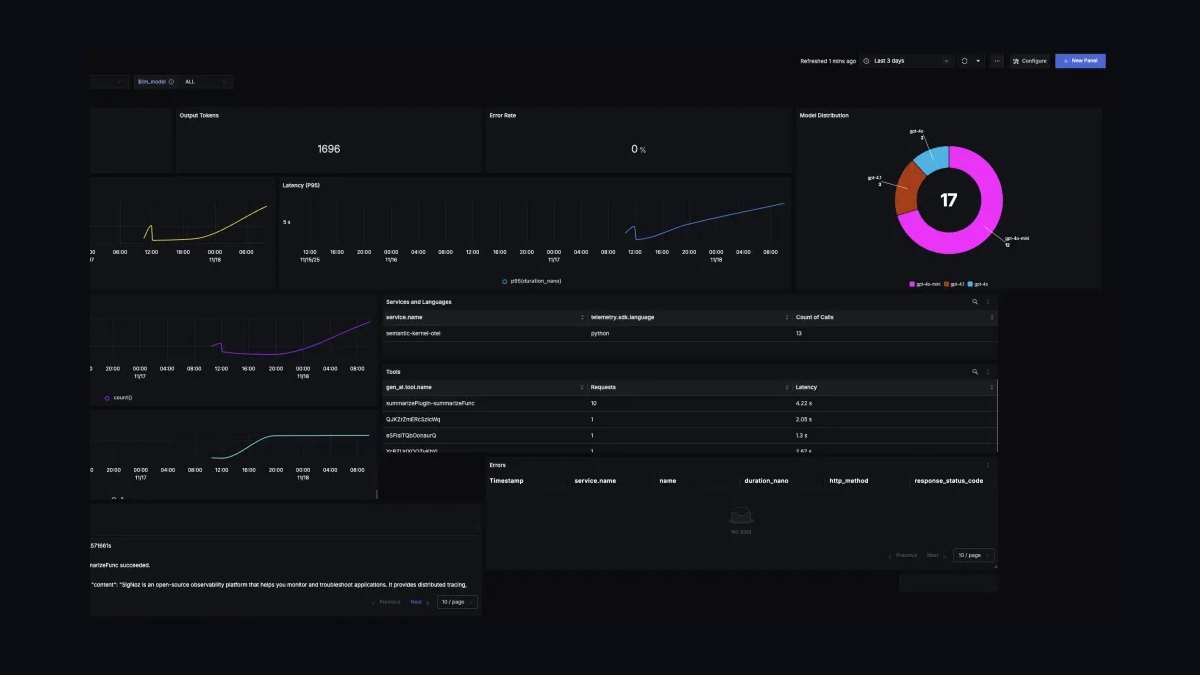
Semantic Kernel ranks ninth as Microsoft's enterprise SDK for embedding agents into existing .NET, Python, and Java applications. It provides plugins, planners, memory abstractions, and a Process Framework for long-running business workflows, with Azure AI Foundry integration for model routing and evaluation. Microsoft positions it as the production counterpart to AutoGen, and the two interoperate through shared agent abstractions.
It fits enterprise .NET shops that need agents inside existing line-of-business applications rather than standalone agent services. The trade-off is heavier ceremony: kernel setup, plugin registration, and DI wiring add boilerplate compared to CrewAI above. Compared to AutoGen, Semantic Kernel is more stable and enterprise-oriented but less experimental in its multi-agent conversation patterns.
10. Haystack Agents
Haystack Agents ranks tenth as deepset's pipeline-native framework for building agent systems over search and retrieval infrastructure. Version 2.x introduced agent components with tool-calling loops that slot directly into Haystack pipelines, reusing the same document stores, embedders, and rankers as production RAG systems. It supports OpenAI, Anthropic, Cohere, and local models through a unified generator interface, with built-in evaluation harnesses.
It fits teams with existing Haystack search pipelines who want to add agentic tool use without adopting a second framework. The trade-off is that multi-agent patterns are less developed than in CrewAI or AutoGen, focusing more on single-agent tool loops within pipelines. Compared to LlamaIndex Workflows above, it offers stronger search primitives but weaker event-driven multi-agent choreography.
How we ranked these
We scored each platform on five weighted dimensions: orchestration depth (30%) covering agent-to-agent handoffs, shared memory, and deterministic replay; observability (20%) for tracing, token accounting, and failure attribution; integration surface (20%) across model providers, vector stores, and existing CI/CD; governance (15%) including RBAC, audit logs, and policy enforcement; and total cost of ownership (15%) modeled over 12 months at 50k monthly runs.
We deliberately excluded marketing-tier features like no-code visual builders and prebuilt agent templates, because they rarely survive contact with production traffic. We also ignored vendor-reported benchmark scores, since those are self-selected and unreproducible. Pricing pages were used only for TCO modeling, never as a ranking signal, and we skipped anything still in private beta at the time of testing.
What to look for
The decisive factor is usually state durability, not model choice. Ask how the platform persists agent context across retries, deploys, and provider outages. If a run dies mid-handoff, can you resume from the last committed step, or do you restart the whole graph and pay for the tokens twice? That single answer separates production-grade orchestrators from demos.
The mistake most buyers make is benchmarking on a happy-path demo with three agents and no failures. Real fleets hit rate limits, malformed tool outputs, and partial writes constantly. Test with injected failures: kill a worker mid-run, return a 429 from a tool, and corrupt one JSON payload. Whichever platform recovers cleanly and shows you exactly where it broke is the one to buy.
Related questions
What is multi-agent orchestration?
It is the coordination layer that routes tasks between specialized AI agents, manages shared state, and handles handoffs, retries, and termination conditions. Without it, you get isolated prompts that cannot delegate or verify each other's work. The orchestrator decides which agent runs next, what context it receives, and what happens when a step fails.
How is this different from a single-agent workflow?
A single agent holds one context window and one tool set. Multi-agent systems split responsibilities across agents with narrower scopes, which improves reliability on long tasks but introduces coordination overhead. You gain parallelism, specialization, and independent verification, but you must now solve state synchronization, cost attribution, and failure isolation across processes that may run on different machines.
Do I need a framework or can I build this myself?
You can build it yourself with a queue, a state store, and a scheduler, and many teams do. Frameworks earn their keep when you need tracing, replay, retries, and human-in-the-loop approvals out of the box. Build custom if your orchestration logic is genuinely unusual; buy if you are reimplementing the same primitives everyone else already solved.
Which platforms support human-in-the-loop approval steps?
Most mature orchestrators now support pausing a run, notifying a reviewer, and resuming with an edited payload. The differentiators are granularity and auditability: can you approve one tool call rather than the whole run, and does the approval leave an immutable record? Check whether approvals survive a redeploy, since in-memory pause states are a common trap.
How do these tools handle agent memory?
Memory splits into short-term scratchpad state, long-term vector retrieval, and episodic logs of past runs. Strong platforms separate these concerns and let you swap the backing store. Weak ones conflate them into one blob, which makes eviction, privacy deletion, and cost control painful. Ask specifically how memory is scoped per user, per session, and per agent.
What does observability actually mean here?
It means you can reconstruct any run after the fact: which agent ran, what prompt it saw, which tools it called, what each call cost, and where latency accumulated. Good tracing links a parent run to child spans across services. Without it, debugging a multi-agent failure becomes guesswork, and you cannot attribute spend to a specific customer or feature.
Are these tools expensive at scale?
Cost is dominated by model tokens, not the orchestration license, in most deployments. Orchestrators influence spend indirectly through caching, context trimming, and preventing redundant retries. The hidden cost is failed runs that burn tokens before erroring out. Track cost per successful task, not cost per run, or you will optimize the wrong number.
Can I mix multiple model providers in one workflow?
Yes, and most teams eventually do, routing cheap classification to small models and hard reasoning to frontier ones. The orchestration layer should abstract provider differences behind a common interface, including tool-calling formats and streaming semantics. Verify fallback behavior explicitly: when one provider rate-limits, does the run reroute or fail?
FAQ
What is the best AI tool for multi-agent orchestration in 2027?
There is no universal winner, because the right pick depends on whether you prioritize deterministic replay, provider flexibility, or governance. Teams running regulated workloads weight audit trails heavily; startups shipping fast weight integration breadth. Our ranking weights orchestration depth highest, so platforms with durable state and clean handoff semantics rise to the top regardless of marketing spend.
How did you rank these tools?
We weighted orchestration depth at 30%, observability at 20%, integration surface at 20%, governance at 15%, and 12-month total cost of ownership at 15%. Scores came from hands-on testing with injected failures, not vendor demos. We modeled TCO at 50,000 monthly runs and excluded private-beta products that could not be evaluated under load.
What did you deliberately ignore in this ranking?
We ignored no-code visual builders, prebuilt agent templates, and vendor-reported benchmark numbers. Templates rarely survive production traffic, and self-reported benchmarks are unreproducible. We also did not rank on pricing-page positioning, only on modeled TCO. Anything still in private beta was excluded because we could not test it under realistic failure conditions.
What is the biggest mistake buyers make?
Benchmarking on a happy-path demo with three agents and zero failures. Production fleets constantly hit rate limits, malformed tool outputs, and partial writes. Test with injected failures instead: kill a worker mid-run, return a 429 from a tool, corrupt a JSON payload. Whichever platform recovers cleanly and shows you exactly where it broke is the one to buy.
Why does state durability matter more than model choice?
Because model quality is swappable and orchestration state is not. If a run dies mid-handoff and you cannot resume from the last committed step, you restart the graph and pay for the same tokens twice. Durable state also enables deterministic replay, which is the only practical way to debug a failure that happened three days ago.
How should I evaluate observability before buying?
Ask to see a real trace from a failed multi-agent run, not a screenshot of a successful one. You want per-agent spans, prompt and tool-call payloads, token counts, latency breakdowns, and a link from parent run to child spans across services. If the vendor cannot produce a failure trace on demand, the observability is decorative.
Do I need governance features on day one?
Only if you handle regulated data, serve enterprise customers, or need to prove who approved what. RBAC, audit logs, and policy enforcement are cheap to adopt early and expensive to retrofit once agents are calling production systems. Startups without compliance pressure can defer this, but should confirm the platform can add it without a rewrite.
How do I control token costs across many agents?
Track cost per successful task rather than cost per run, since failed runs inflate the latter and hide real efficiency. Use context trimming, caching, and model routing to send cheap classification to small models. Cap retry budgets per step, because a single looping agent can quietly consume more budget than the rest of the fleet combined.
Can these platforms run agents on-premises?
Some can, typically via self-hosted control planes with bring-your-own model endpoints. This matters for regulated industries and for teams with strict data residency rules. Verify whether the orchestration state store, tracing backend, and secrets management all run locally, since partial on-prem support often leaves telemetry flowing to a vendor cloud.
What happens when a model provider goes down mid-run?
Good orchestrators reroute to a fallback provider or pause the run and resume when the provider recovers, preserving committed state. Bad ones fail the entire graph and force a restart. Test this explicitly by simulating a provider outage. The answer tells you whether the platform treats provider availability as a first-class concern or an afterthought.
Sources
- https://langchain-ai.github.io/langgraph/
- https://docs.crewai.com/
- https://microsoft.github.io/autogen/
- https://docs.llamaindex.ai/en/stable/
- https://www.anthropic.com/engineering/building-effective-agents
- https://openai.com/index/new-tools-for-building-agents/
- https://cloud.google.com/discover/what-are-ai-agents
- https://arxiv.org/abs/2308.08155
Related on PULSE
- [More ai tools for multi-agent orchestration rankings and buying guides](/knowledge)
- [PULSE Tools and calculators](/tools)
- [Everything on PULSE RevOps](/)
 pulse-recentThe 10 Best AI Tools for Batch Inference at Scale in 2027
 pulse-recentThe 10 Best AI Tools for Hyperparameter Tuning in 2027
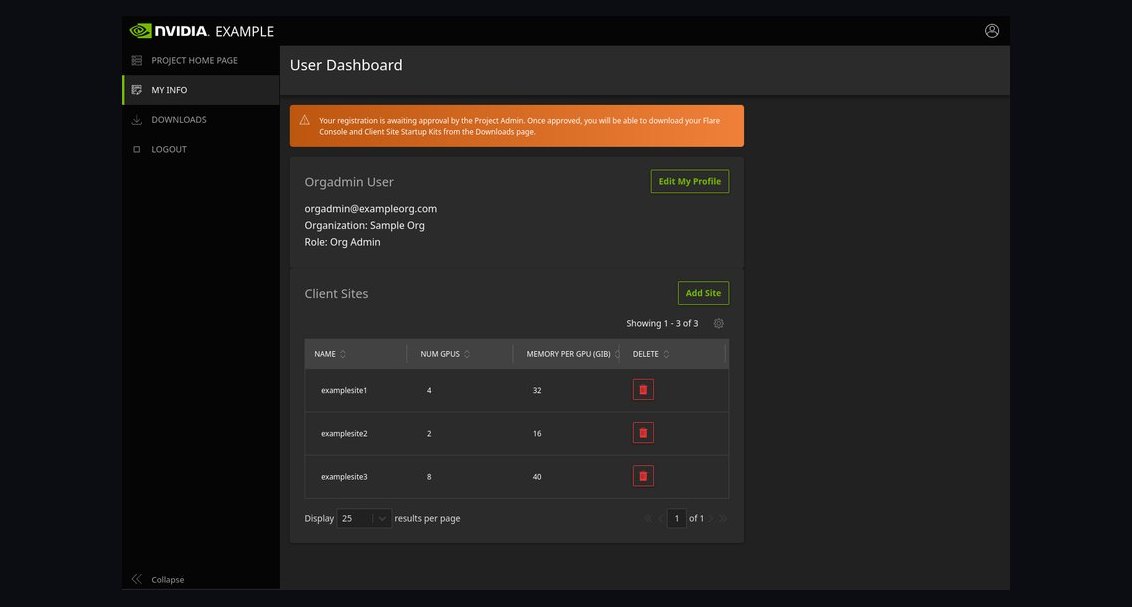 pulse-recentThe 10 Best AI Tools for Federated Learning in 2027
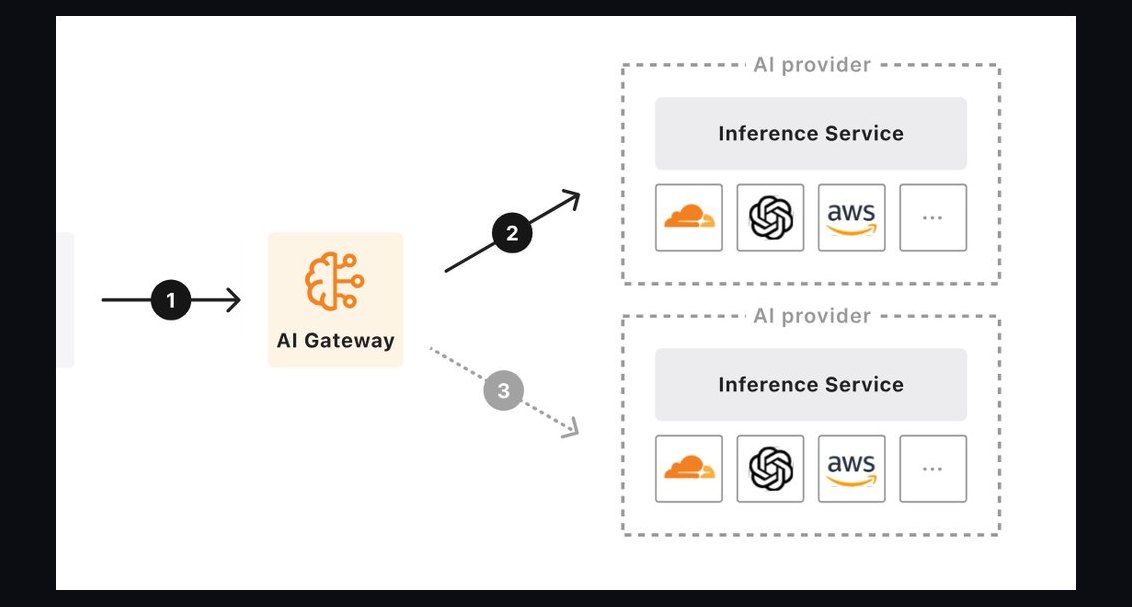 pulse-recentThe 10 Best AI Gateway Platforms for LLM Traffic in 2027
 pulse-recentHow do you build an AI infrastructure budget forecast for the next fiscal year in 2027?
 pulse-recentThe 10 Best AI Tools for Data Lineage Tracking in 2027
 pulse-recentThe 10 Best GPU Spot Instance Marketplaces for AI Training in 2027
 pulse-recentThe 10 Best Cost Allocation and Chargeback Tools for ML Teams in 2027
 pulse-recentThe 10 Best Idle GPU Detection Tools for AI Infrastructure in 2027
 pulse-recentThe 10 Best AI Tools for Estimating GPU Reservation ROI in 2027