
Top 10 Aquarium Carpeting Plants 2027
 Curated byKory White · Fractional CRO · Maryland
 PULSEKNOWLEDGE LIBRARY
Quality
Certified
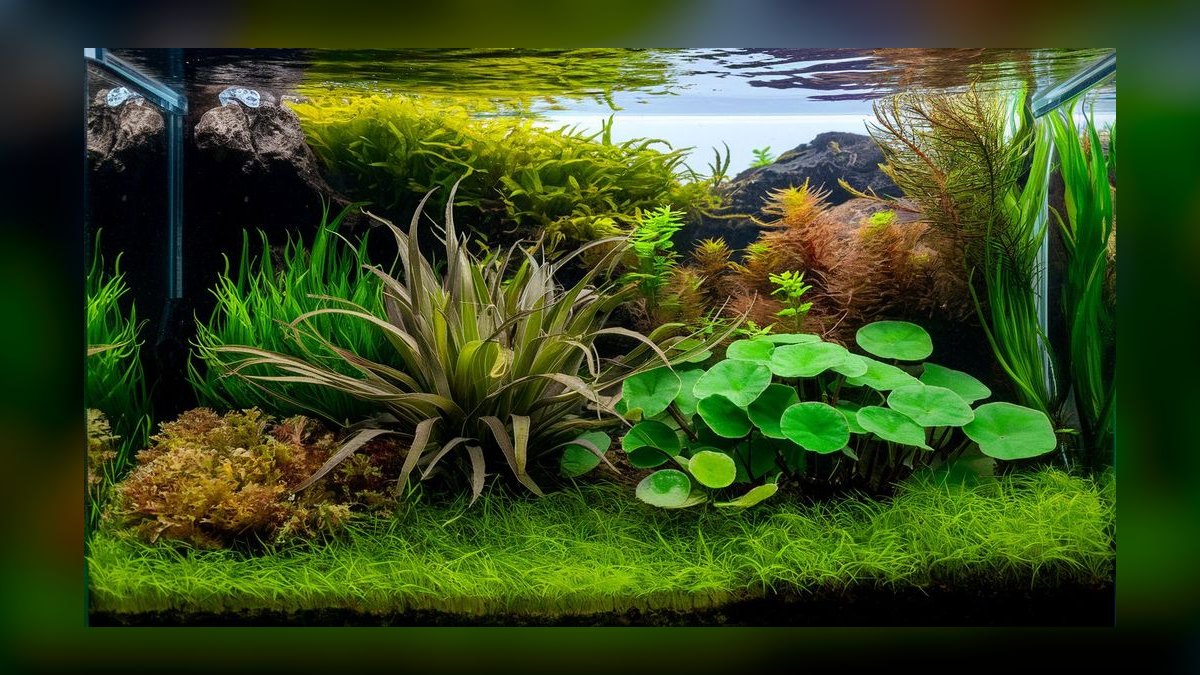
A lush green floor turns a flat gravel box into a living miniature meadow, and carpeting plants are how you get there. This guide ranks the ten best foreground carpet plants for freshwater planted tanks in 2027, weighing each on hardiness, growth speed, the lighting and CO2 it demands, and how forgiving it is for a first attempt. Some picks suit a low-tech beginner running a cheap LED, while others reward high-tech aquascapers with pressurized gas and rich soil substrate. We judged the field on real-world results across nano tanks, community aquariums, and competition scapes, not on catalog photos. If you want a green carpet that actually fills in instead of melting away, start here.
The best overall carpeting plant is Monte Carlo (Micranthemum tweediei), which spreads densely, tolerates moderate light, and costs roughly $8 to $12 per pot or tissue cup. The best value is Dwarf Sagittaria (Sagittaria subulata), a tough runner-based carpet that thrives in low-tech tanks for about $5 a bunch. Match the plant to your light and CO2 budget first, because the prettiest carpet will rot if it is starved of the conditions it needs.
How We Ranked
- Hardiness — how forgiving the plant is of swings in light, nutrients, and beginner mistakes before it melts.
- Lighting and CO2 demand — whether it carpets under a basic LED or insists on high PAR and pressurized CO2.
- Growth and fill rate — how fast runners or stems knit into a closed carpet that hides substrate.
- Footprint and height — how low and tight it stays, since a true foreground must hug the bottom.
- Cost and availability — price per portion and how easily you can source it clean and pest-free.
1. Monte Carlo (Micranthemum tweediei) 🏆 BEST OVERALL

%2520%25F0%259F%258F%2586%2520BEST%2520OVERALL%2520Top%252010%2520Aquarium%2520Carpeting%252C%2520realistic%2520magazine%2520style%252C%2520warm%2520light%252C%2520no%2520text%252C%2520no%2520watermark%3Fwidth%3D1200%26height%3D675%26nologo%3Dtrue%26model%3Dflux%26seed%3D59712&w=760&output=webp&q=80&we&n=-1)
Monte Carlo earns the top spot because it gives a dense, bright-green carpet with far less fuss than the classic competition carpets. It will grow in moderate light around 30 to 50 PAR and, unlike many rivals, can form a passable carpet without pressurized CO2, though gas roughly doubles its speed.
Leaves are small and round, and the plant creeps horizontally, sending out runners that anchor into fine substrate.
Keep it in soft to moderately hard water, temperature 68 to 78 F, and pH around 6.0 to 7.5. Plant it in small clumps about an inch apart for fast knitting, and trim the top growth once it stacks to keep the carpet tight to the floor.
It is the rare plant that satisfies both a patient beginner and a competitive aquascaper.
- Price / Cost: ~$8 to $12 per tissue cup or potted portion
- Pros: Tolerant of moderate light, carpets without CO2 (slowly), bright fresh color, widely sold tissue-cultured
- Cons: Can detach and float before rooting, needs occasional trims to stay flat
Verdict: The most beginner-friendly true carpet that still looks like a show tank.
2. Dwarf Sagittaria (Sagittaria subulata) 💎 BEST VALUE

%2520%25F0%259F%2592%258E%2520BEST%2520VALUE%2520Top%252010%2520Aquarium%2520Carpetin%252C%2520realistic%2520magazine%2520style%252C%2520warm%2520light%252C%2520no%2520text%252C%2520no%2520watermark%3Fwidth%3D1200%26height%3D675%26nologo%3Dtrue%26model%3Dflux%26seed%3D54557&w=760&output=webp&q=80&we&n=-1)
Dwarf Sag is the workhorse value carpet. It is a grass-like runner plant that spreads by sending shoots through the substrate, building a meadow of short blades with almost no demands.
It thrives in low light, ignores the absence of CO2, and tolerates a wide range from soft to hard water and pH 6.0 to 8.0, which makes it one of the few carpets that survives in livebearer and African-adjacent setups.
Blades typically stay 2 to 4 inches tall in good light and stretch taller in dim tanks reaching for the surface, so brighter lighting actually keeps it shorter and more carpet-like. Expect it to need root tabs in inert gravel since it feeds heavily from the substrate.
For the price and durability, nothing else competes.
- Price / Cost: ~$5 per bunch or portion
- Pros: Extremely hardy, no CO2 needed, fast runner spread, cheap and common
- Cons: Grows taller in low light, runners can invade other plantings
Verdict: The cheapest reliable carpet for a low-tech beginner tank.
3. Dwarf Hairgrass (Eleocharis parvula)

Dwarf Hairgrass delivers the classic windswept-grass carpet that defines so many nature scapes. Thin blades stand 1 to 2 inches tall and spread by runners into a flowing lawn. It prefers medium to high light and rewards CO2 injection with much faster, denser fill, though it can crawl along slowly in a well-lit low-tech tank with patience.
Plant it in small pinches across the substrate and resist the urge to bunch it, since spacing speeds the horizontal spread. Keep temperature 68 to 78 F and use a nutrient-rich substrate or root tabs. Algae on the fine blades is the main risk, so dose ferts to match the light.
It is the go-to texture when you want movement rather than a flat mat.
- Price / Cost: ~$7 to $10 per portion
- Pros: Iconic grassy look, true low height, spreads by runners
- Cons: Slow to start, prone to algae on thin blades, benefits strongly from CO2
Verdict: The best grass-textured carpet for medium-to-high-tech scapes.
4. Cuba (Hemianthus callitrichoides 'Cuba')
Known as HC Cuba or "dwarf baby tears," this is the tightest, lowest, most delicate carpet in the hobby and the choice for competition aquascapers chasing perfection. Tiny round leaves form a plush emerald mat barely a half-inch tall. The trade-off is demand: it wants high light, pressurized CO2, and a rich substrate to look its best, and it will melt or pearl poorly if any of those slip.
Run soft, slightly acidic water at pH 5.5 to 7.0 and temperatures on the cooler side, 70 to 77 F. The dry-start method, growing it emersed before flooding, gives the most reliable establishment.
It is not a beginner plant, but no other carpet matches its fine, manicured look.
- Price / Cost: ~$9 to $14 per tissue cup
- Pros: Finest, lowest carpet available, pearls beautifully, show-tank quality
- Cons: Demands high light and CO2, melts under stress, slow and pricey
Verdict: The premium carpet for advanced high-tech aquascapers only.
5. Marsilea hirsuta
Marsilea hirsuta is an aquatic fern that behaves like a clover carpet, and it is one of the most underrated low-tech options. In lower light it produces single rounded leaves that hug the substrate, while brighter light coaxes the four-leaf clover form. It spreads by rhizomes under the surface, slowly but steadily, and asks for very little: no CO2 required and low to medium light.
It accepts a broad range of pH 6.0 to 7.5 and temperatures 68 to 79 F. Patience is the price of admission, since establishment is among the slower carpets here, but once rooted it is nearly bulletproof and resistant to algae.
For someone who wants a green floor without the gear bill, it is a smart, durable choice.
- Price / Cost: ~$7 to $11 per portion
- Pros: Very hardy, no CO2 needed, low light tolerant, algae resistant
- Cons: Slow to spread, leaf form varies with light
Verdict: A patient, low-maintenance carpet for low-tech tanks.
6. Glossostigma elatinoides

Often shortened to Glosso, this is one of the fastest dense carpets when conditions are right, and a staple of high-energy aquascapes. It produces small paired leaves on creeping stems and forms a thick mat quickly under high light and CO2. Speed is the appeal: it can fill a foreground faster than hairgrass or HC, giving rapid results.
The catch is that without strong overhead light it grows upward and "stacks," losing the flat carpet look, so it punishes under-lit tanks. Keep it in soft to moderately hard water, pH 6.0 to 7.5, 72 to 78 F, trim frequently, and dose nutrients aggressively.
For a planted-tank owner with a proper light and gas, Glosso delivers a carpet fast.
- Price / Cost: ~$8 to $12 per portion
- Pros: Fast dense carpet, bright color, classic aquascape texture
- Cons: Stacks upward in low light, needs frequent trimming and CO2
Verdict: The speed carpet for committed high-tech setups.
7. Pygmy Chain Sword (Helanthium tenellum)
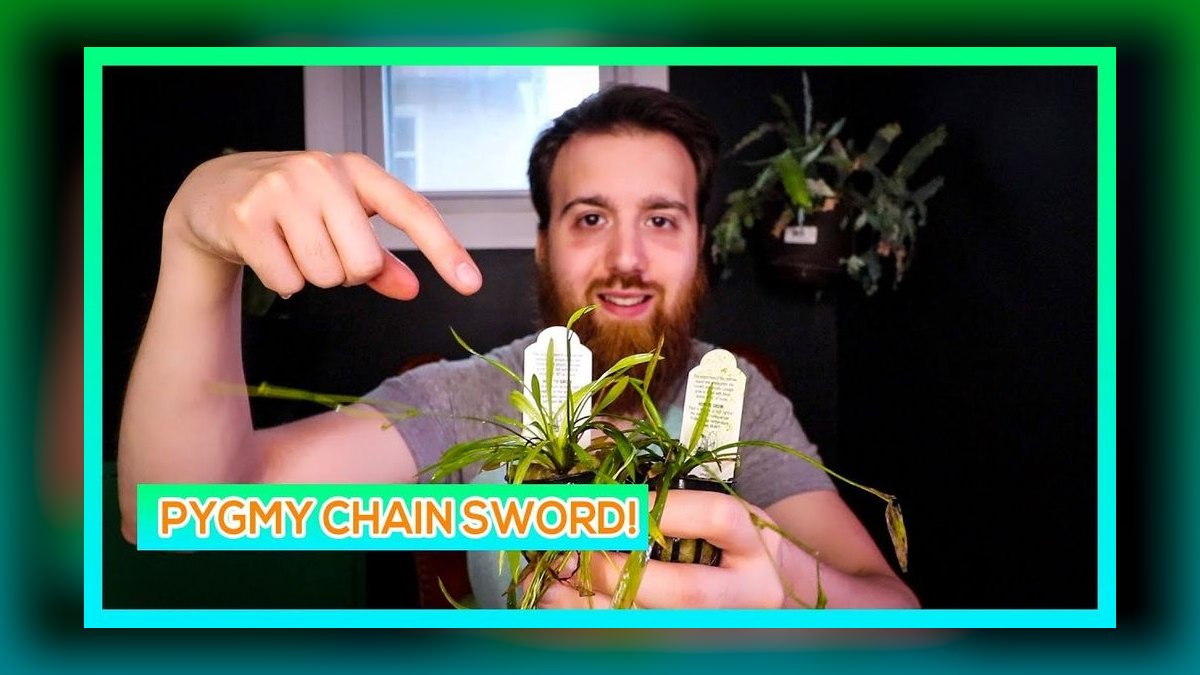
The Pygmy Chain Sword, formerly classed under Echinodorus, is a hardy runner carpet that bridges the gap between true grass and broader-leaf foregrounds. It throws daughter plants on runners, chaining across the substrate into a grassy mat 2 to 4 inches tall. It is forgiving of low to medium light and grows fine without CO2, though gas tightens and reddens some varieties.
Water flexibility is a strength: pH 6.5 to 7.5 and temperatures 72 to 82 F suit it, making it a good community-tank carpet. Feed the roots with tabs in inert substrate. It can creep into neighboring plants, so plan a buffer.
As a tough, inexpensive grassy foreground, it is a dependable pick.
- Price / Cost: ~$6 to $9 per portion
- Pros: Hardy runner spread, no CO2 needed, community-tank friendly
- Cons: Taller than true carpets, can spread into other plantings
Verdict: A rugged grass-style carpet for everyday community tanks.
8. Staurogyne repens
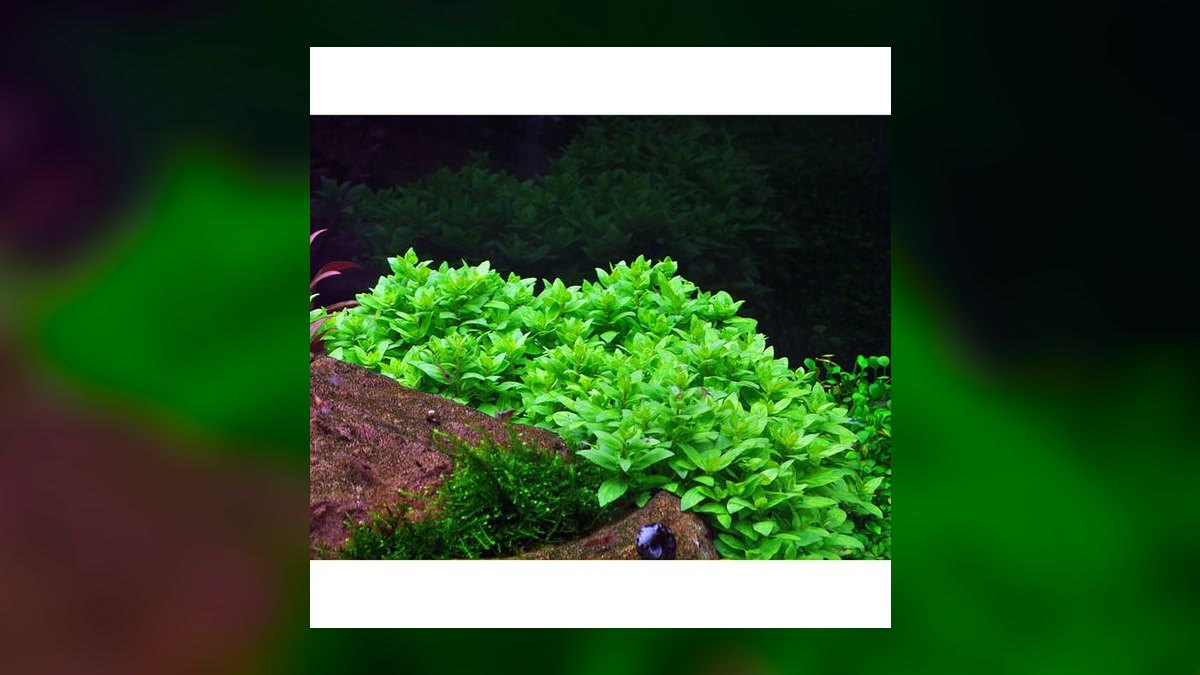
Staurogyne repens, or "S. repens," is a bushy low stem plant that forms a slightly taller, leafier carpet than the grasses, and it is prized for being remarkably hardy for its looks. It grows as compact stems with small green leaves, staying around 2 to 4 inches when trimmed, and branches outward when topped. It does well in medium light and is flexible on CO2, looking better with it but surviving without.
Keep it in pH 6.0 to 7.5, 68 to 78 F, and replant trimmed tops to thicken the bush. It pairs beautifully in front of hardscape and rooted stems, giving a transitional carpet between foreground and midground.
For owners who want fuller, leafier coverage than grass, it is the standout.
- Price / Cost: ~$8 to $12 per portion
- Pros: Hardy, leafy full look, flexible on CO2, easy to propagate
- Cons: Taller and bushier than true carpets, needs trimming to stay low
Verdict: The best leafy bush-style carpet for the front of a scape.
9. Lilaeopsis brasiliensis (Brazilian Micro Sword)
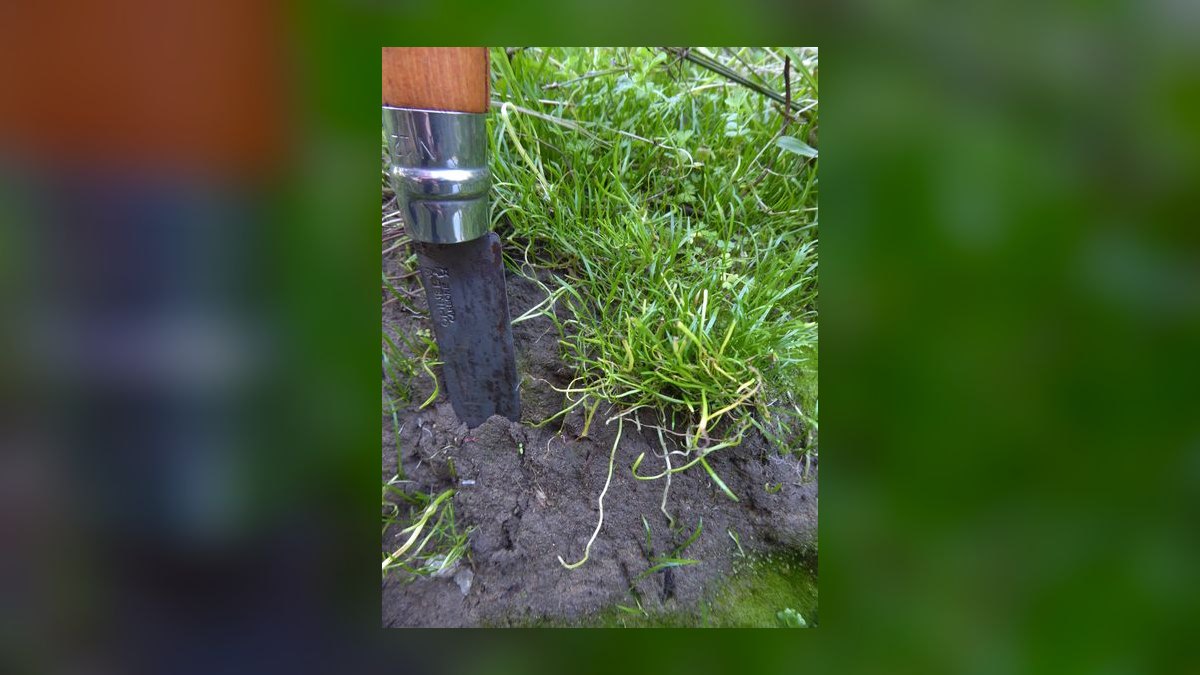
The Brazilian Micro Sword is a grass-like carpet with short, stiff blades that form a dense lawn, often confused with hairgrass but a bit more robust. Blades stay around 1 to 2 inches, and the plant spreads by runners into a tight mat. It favors medium to high light and grows much faster and denser with CO2, though it can crawl along in a well-lit low-tech tank.
Provide pH 6.5 to 7.5, 70 to 80 F, and a nutrient-rich substrate, since it feeds heavily from the roots. Establishment is slow, so patience matters, but the resulting carpet is durable and resilient once knit.
It is a fine middle option between easy Dwarf Sag and demanding hairgrass.
- Price / Cost: ~$7 to $11 per portion
- Pros: Dense grassy mat, durable once established, true low height
- Cons: Slow to fill, benefits from CO2 and strong light
Verdict: A sturdy grass carpet for patient medium-tech tanks.
10. Java Moss (Taxiphyllum barbieri)
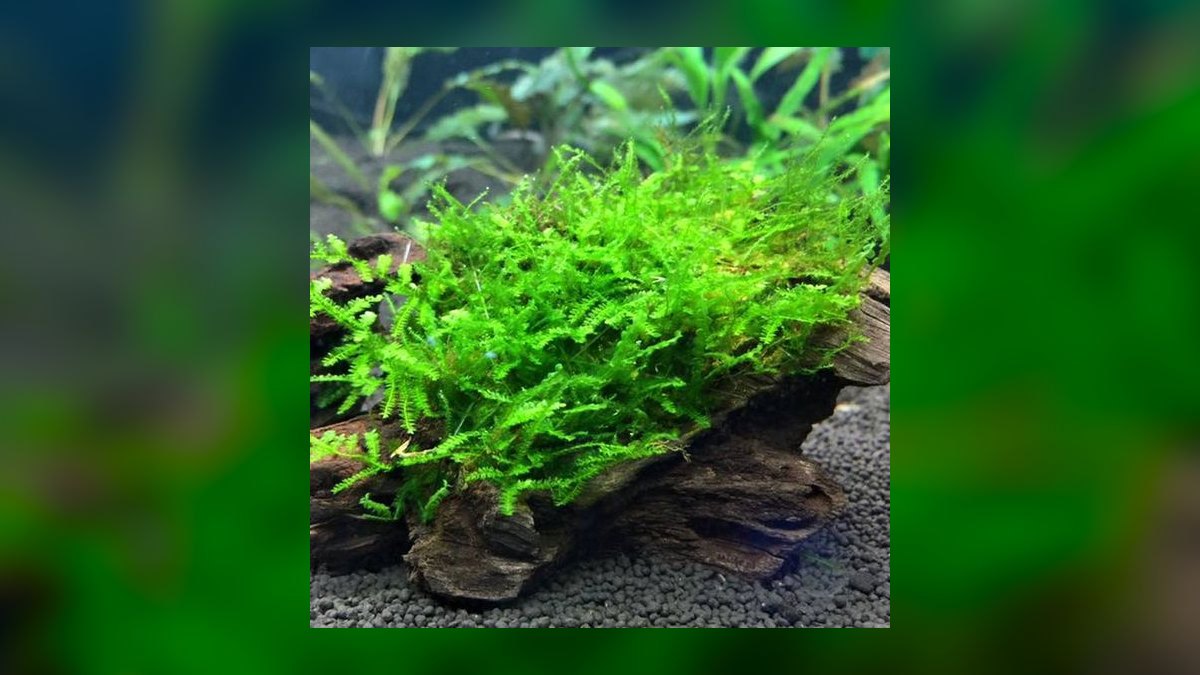
Java Moss closes the list as the no-light, no-CO2, almost-unkillable carpet alternative. It is not a rooted carpet but a moss that, when tied flat to a mesh or stone slab, grows into a soft green carpet across the bottom. It survives very low light, needs no CO2, and shrugs off pH 5.0 to 8.0 and temperatures 59 to 86 F, making it the most adaptable plant in the hobby.
It does need occasional trimming to stay flat and can trap detritus, so good flow and maintenance keep it clean. Tie or glue it to a flat surface for a mat, or let it grow into a wilder cushion.
As a fail-safe green floor for shrimp tanks, fry tanks, and beginner setups, nothing is easier.
- Price / Cost: ~$5 to $8 per portion
- Pros: Nearly indestructible, no light or CO2 needs, shrimp-safe
- Cons: Not a true rooted carpet, traps debris, needs tying to a surface
Verdict: The fail-safe moss carpet for the lowest-tech tanks.
How to Choose
What to Look For
Footprint and height matter most: a true foreground must stay under a couple inches, so verify the species hugs the floor in your light rather than stretching up. Lighting and CO2 are the deciding factors; HC Cuba and Glosso demand high PAR and pressurized gas, while Dwarf Sag, Marsilea, and Java Moss carpet without either. Match the plant to your substrate too, since runner plants like Dwarf Sag and Pygmy Chain Sword need either nutrient-rich aquasoil or root tabs in inert gravel. Always quarantine and rinse new plants for pests like snails, planaria, and stubborn algae, and dip tissue-cultured cups straight in since they ship sterile. Finally, plan for flow and maintenance: every carpet needs trimming to stay tight, and good circulation prevents detritus from smothering the mat.
FAQ
How much light do carpeting plants really need? Most carpeting plants need moderate to high light, typically 30 to 50 PAR at the substrate level, to stay low and spread. Low-tech options like Dwarf Sagittaria can manage with less, around 20 to 30 PAR, while demanding species like Dwarf Baby Tears often require 50+ PAR and strong LED fixtures.
Do I have to use CO2 injection for a carpet? Not always—some plants like Monte Carlo and Dwarf Sagittaria can form a decent carpet without CO2, though growth will be slower and less dense. High-tech species such as Glossostigma or Hemianthus callitrichoides usually need pressurized CO2 to prevent melting and achieve that tight, uniform look.
How long does it take for a carpet to fully fill in? With optimal light, CO2, and nutrients, fast growers like Monte Carlo can cover a 10-gallon tank in 4 to 8 weeks. Slower plants or low-tech setups may take 3 to 6 months, depending on plant density and trimming frequency.
Can I grow carpeting plants in gravel or sand? Yes, but success is harder—most carpet plants prefer nutrient-rich soil substrates or root tabs. Inert gravel or sand can work for hardy runners like Dwarf Sagittaria if you add liquid fertilizers, but delicate carpet species often struggle without a planted substrate.
What’s the easiest carpet plant for a complete beginner? Dwarf Sagittaria is the most forgiving—it grows in low light, no CO2, and spreads via runners without special care. Monte Carlo is also beginner-friendly if you have moderate light, but it benefits from occasional trimming to stay low.
Will carpeting plants harm my fish or shrimp? No, they are safe for all freshwater fish and shrimp. In fact, dense carpets provide hiding spots for fry and shrimp, and they help absorb excess nutrients. Just avoid aggressive fish that uproot plants, like large cichlids.
Bottom Line
For most planted-tank owners, Monte Carlo (Micranthemum tweediei) is the best overall carpet because it balances a dense, bright look with real beginner tolerance, and it costs only about $8 to $12 a portion. If budget rules the decision, Dwarf Sagittaria is the best value at roughly $5, surviving low-tech tanks where pickier plants would melt. Match the species to your light and CO2 first, and any of these ten can give you the green floor you want.
Related on PULSE
- [Top 10 Carpeting Plants for Low-Tech Aquascapes](/knowledge/aq0859)
- [Top 10 easy carpeting plants 2027](/knowledge/aq0063)
- [Top 10 Aquarium Mosses for Carpeting in Low Light](/knowledge/aq0852)
- [Top 10 Aquarium Background Plants for Aquascaping](/knowledge/aq1138)
- [How do you keep aquarium plants from melting after planting?](/knowledge/aq1117)
- [Top 10 Freshwater Aquarium Plants for Beginners](/knowledge/aq1110)
Sources
- Aquarium Co-Op — planted tank and carpeting plant care guides
- Tropica Aquarium Plants — species care sheets and difficulty ratings
- Seriously Fish — aquatic plant and water-parameter references
- Dennerle and ADA (Aqua Design Amano) — aquascaping substrate and CO2 guidance
- Fishlore and The Planted Tank community forums — hobbyist grow-out reports
- Buce Plant — tissue-culture carpet plant care and pricing references
*Keywords: Top 10 Aquarium Carpeting Plants 2027 — review, reviews, rating, comparison, best of 2027.*
People also search for: best aquarium carpeting plants 2027 · top aquarium carpeting plants 2027 · top rated aquarium carpeting plants 2027 · top ranked aquarium carpeting plants 2027 · highest rated aquarium carpeting plants 2027 · aquarium carpeting plants reviews 2027
This page will be disappearing soon. Save it to your device for $1 — or read it free while it is here.
@Kory-White- · if Venmo asks, the last 4 of my number are 2012
 pulse-aquariumsTop 10 Sponge Filters for Shrimp Tanks in 2027
 pulse-aquariumsTop 10 Corydoras Pygmaeus Schooling Catfish 2027
 pulse-aquariumsTop 10 aquarium rock types 2027
 pulse-aquariumsTop 10 All-in-One Reef Tanks 2027
 pulse-aquariumsTop 10 fish acclimation methods 2027
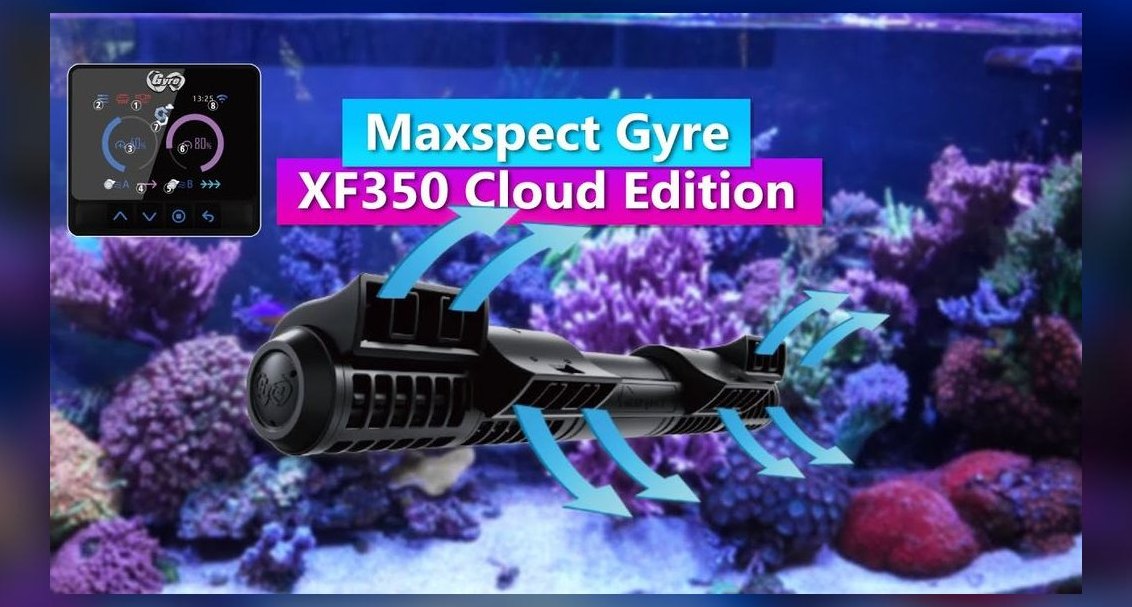 pulse-aquariumsTop 10 Aquarium Wave Makers for Mixed Reef Tanks in 2027
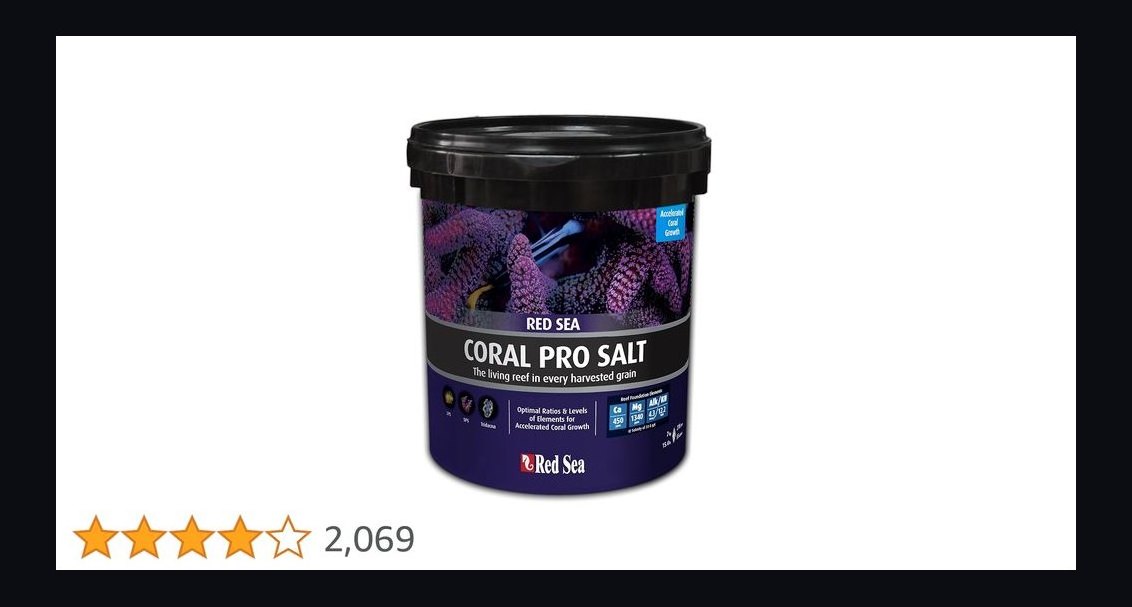 pulse-aquariumsTop 10 Salt Mixes for Coral Growth in 2027
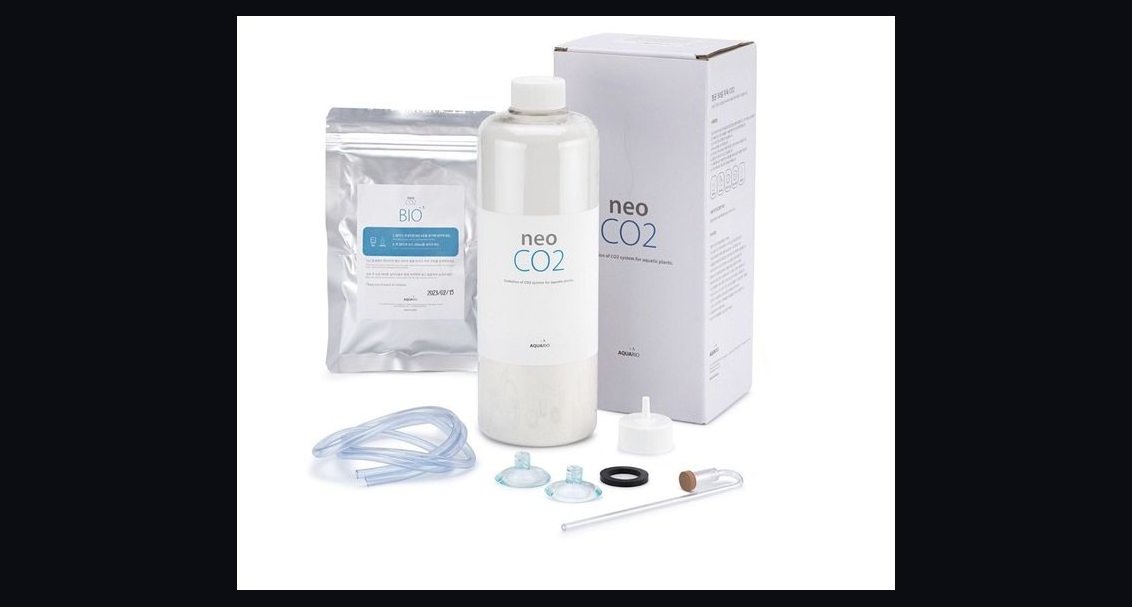 pulse-aquariumsTop 10 Aquarium Plant Fertilizers (Liquid and Root Tabs) in 2027
 pulse-aquariumsHow do you raise water hardness in a shrimp tank?
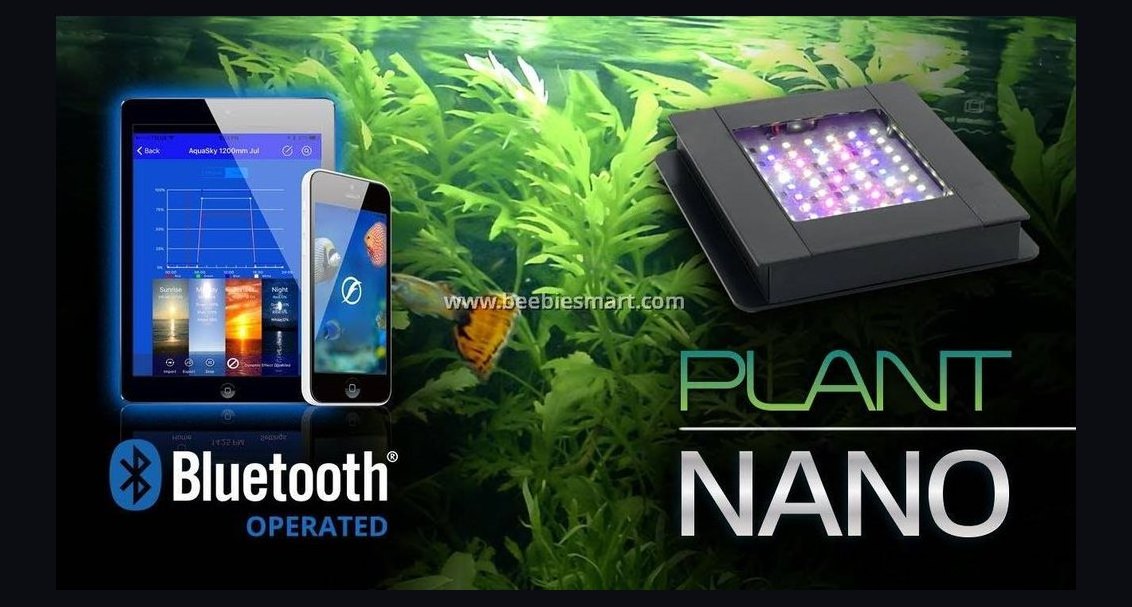 pulse-aquariumsTop 10 Aquarium Plant Grow Lights in 2027